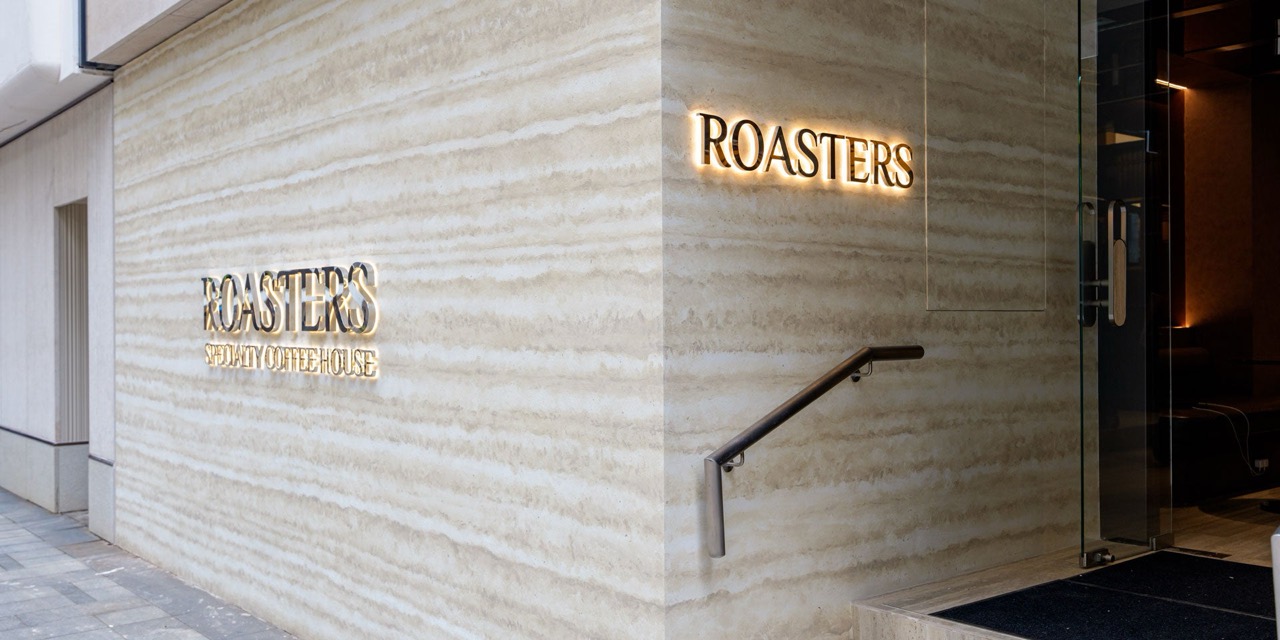
On June 24, 2026, a coffee house opened on the ground floor of a luxury mall in Hong Kong's Central. Filter coffee starts at KRW 21,600 a cup and runs up to KRW 72,000. The cappuccino is KRW 9,000, the going rate at any Hong Kong specialty cafe. That menu, eight times wider at the top than at the bottom, is this shop's income statement.
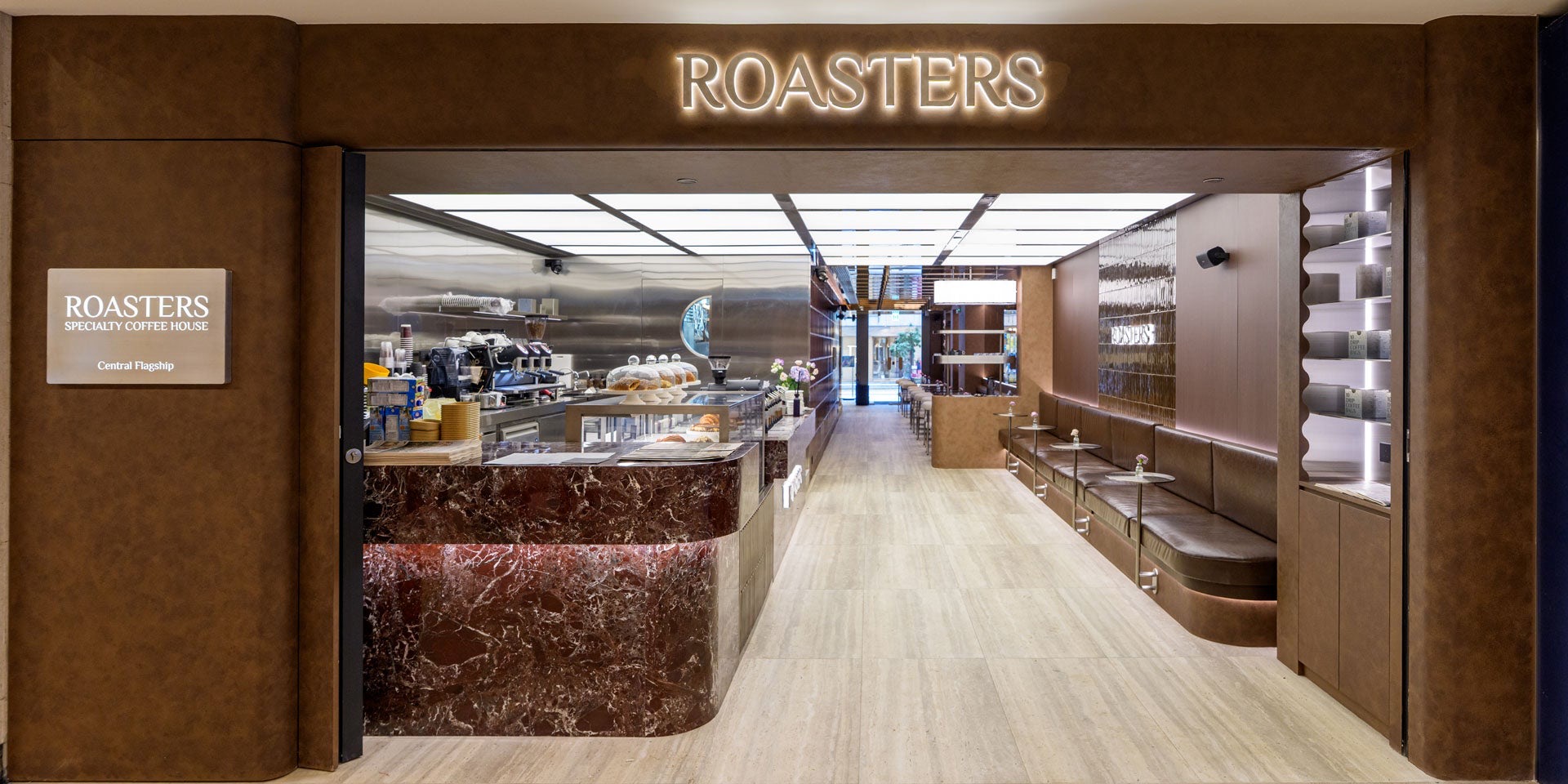
1.18 Chater Road, Central, Hong Kong, ground floor of Alexandra House. Roasters Specialty Coffee House opened on June 24, 2026. Weekdays 7am to 7pm, weekends 9am to 9pm. Fifty-six seats and one private room that holds eight. The roasting room stands in the middle of the shop.
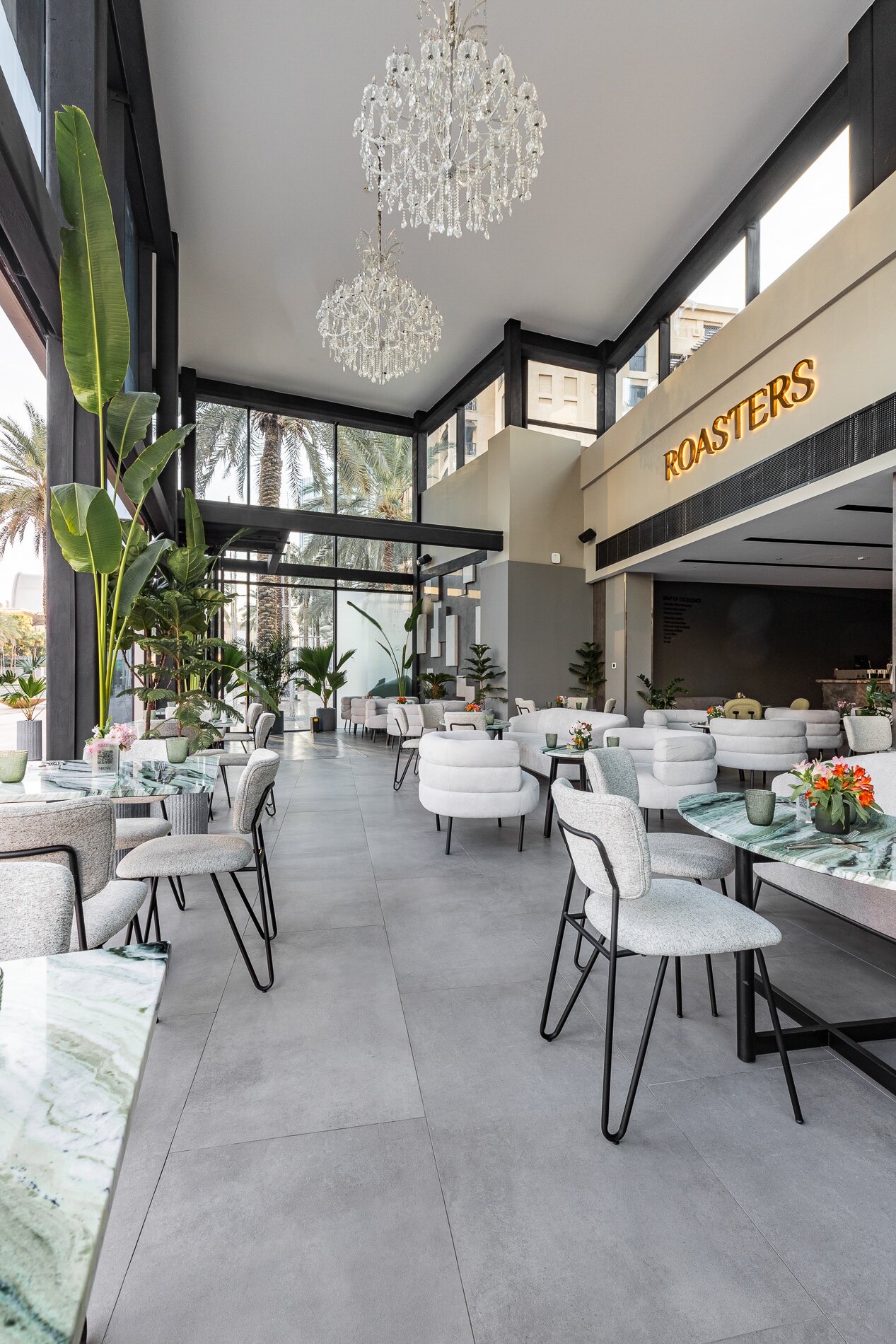
2.The brand came from Dubai. Konstantin Harbuz and his wife started it in 2021 in a three-story villa in Jumeirah, and they now run eleven shops in Dubai and fourteen in all. Staff numbers more than 300, and the company says it expects a million visitors in 2026. Hong Kong is the first store outside the Middle East.
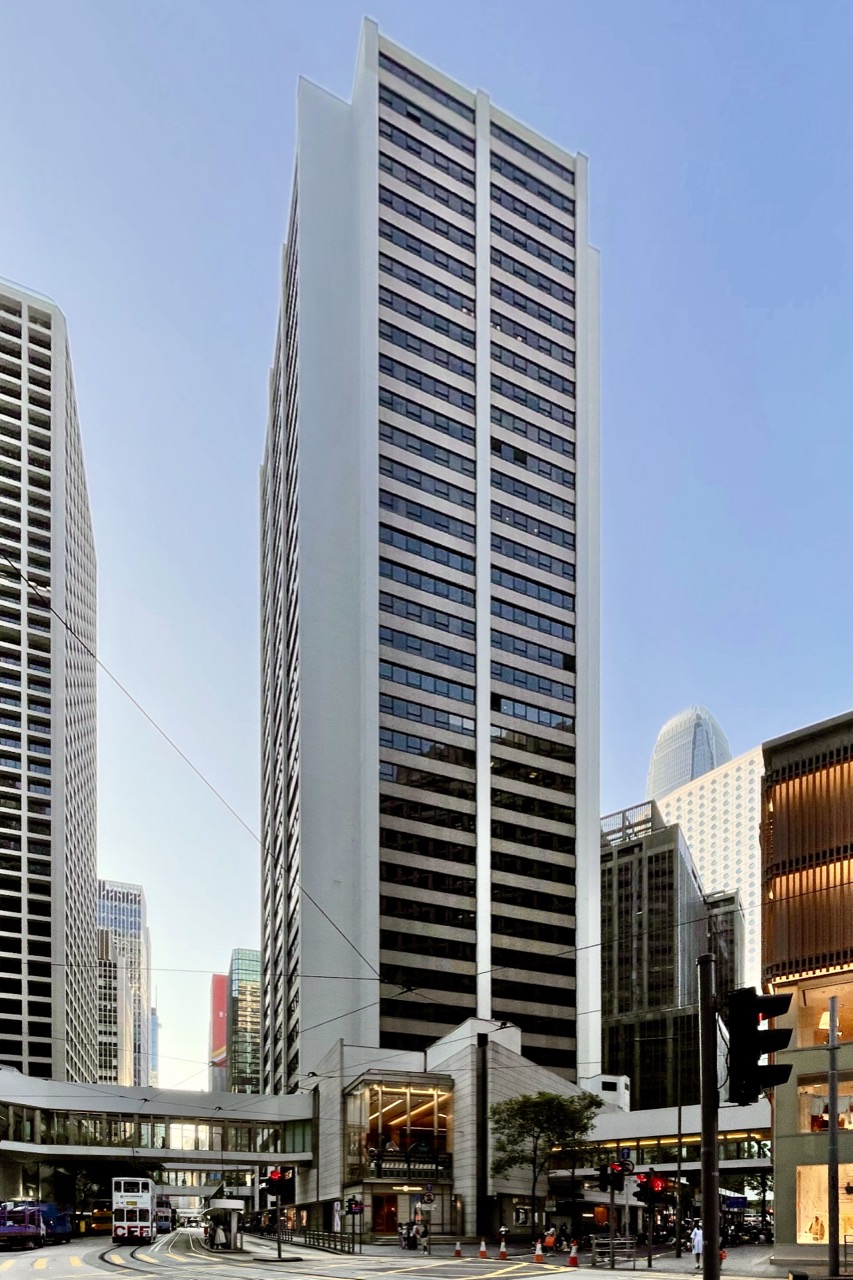
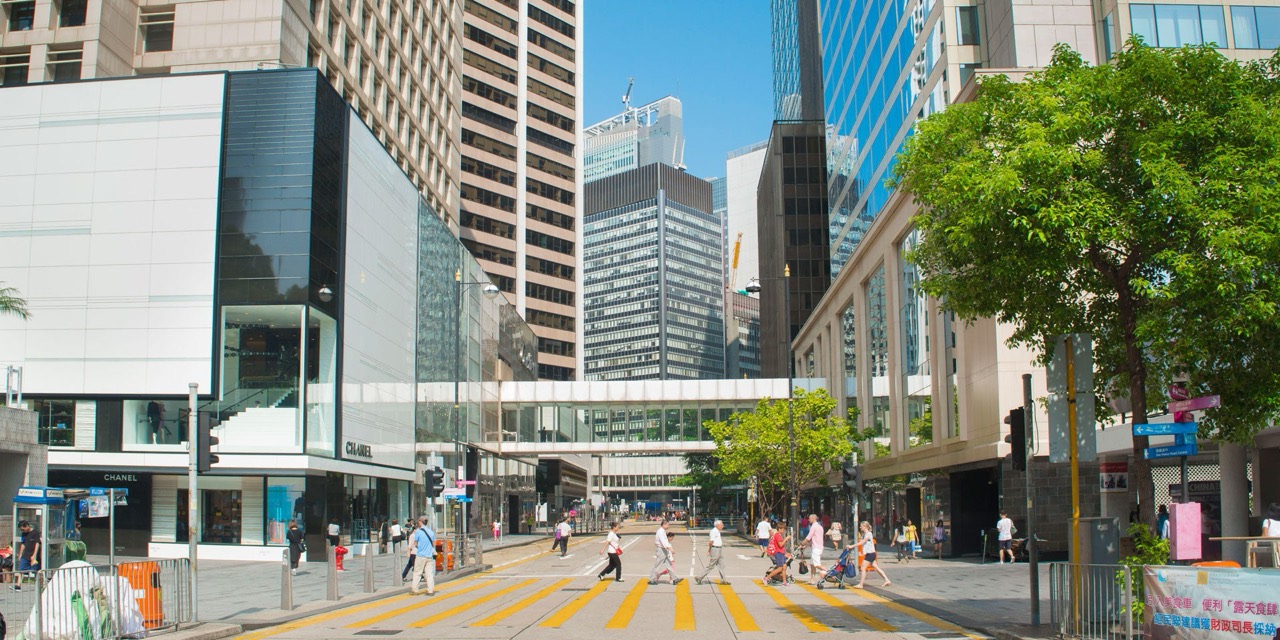
3.The address is not ordinary. Alexandra House is one of the four LANDMARK buildings owned by Hongkong Land, and since 2024 the company has been spending HK$7.8 billion to turn the block into a district of top-tier brands. Louis Vuitton and Christian Dior are building stores that climb from the second floor to the eighth. One ground-floor unit in that block went to a coffee shop.
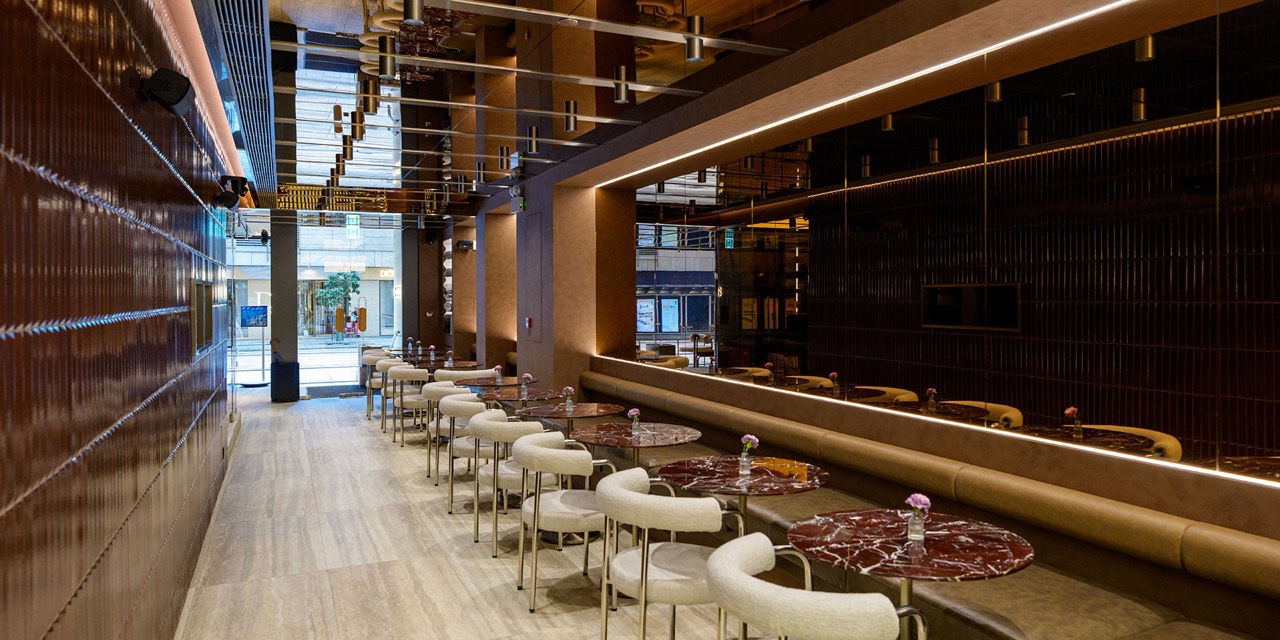
4.Inside, the contractor XLMS says it followed a tone it calls Roasters' Gold. The outer wall is full glass, so the tram tracks and the shops across the street come straight in, and the room darkens as you walk deeper. Red marble round tables, chairs wrapped in boucle, brown tile walls ribbed vertically. The room where coffee is roasted sits in the center of the hall, not behind the kitchen. At Central ground-floor rent, that room is not equipment. It is a display.
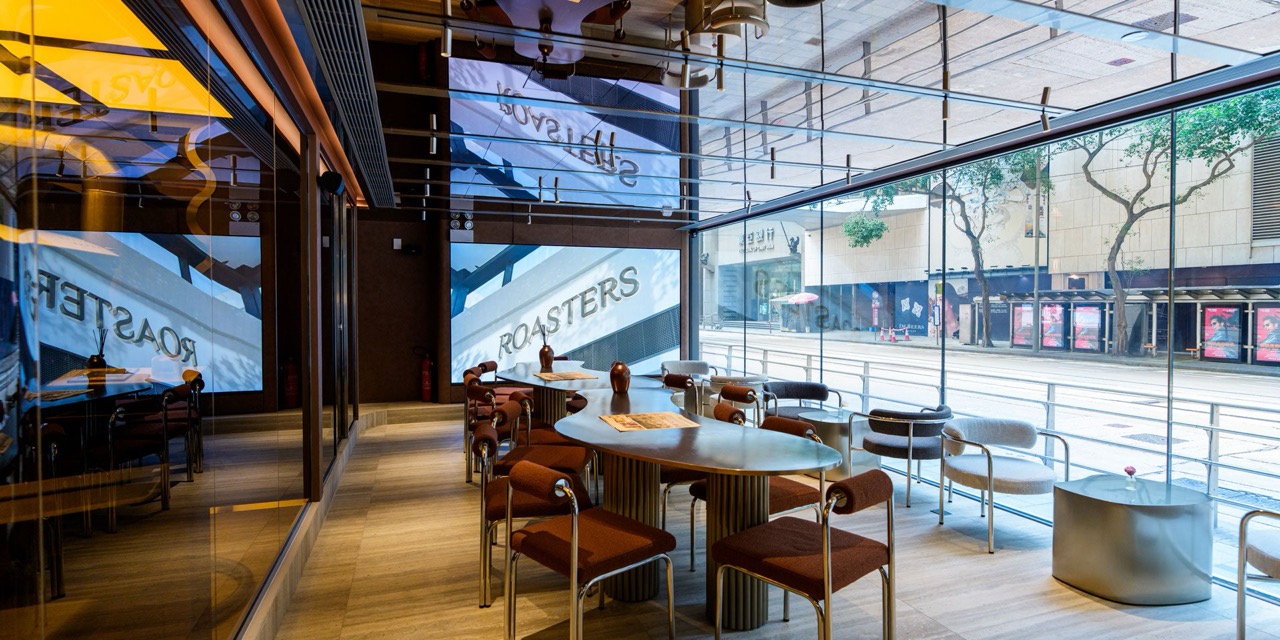
5.When the roaster runs, the air in the room changes. What comes off green beans at first crack smells closer to fresh bread and straw than to coffee, and the drum turns low enough that it never covers conversation. The smell does not last. The exhaust pulls it out. What a customer carries home is not the smell but the memory of one.
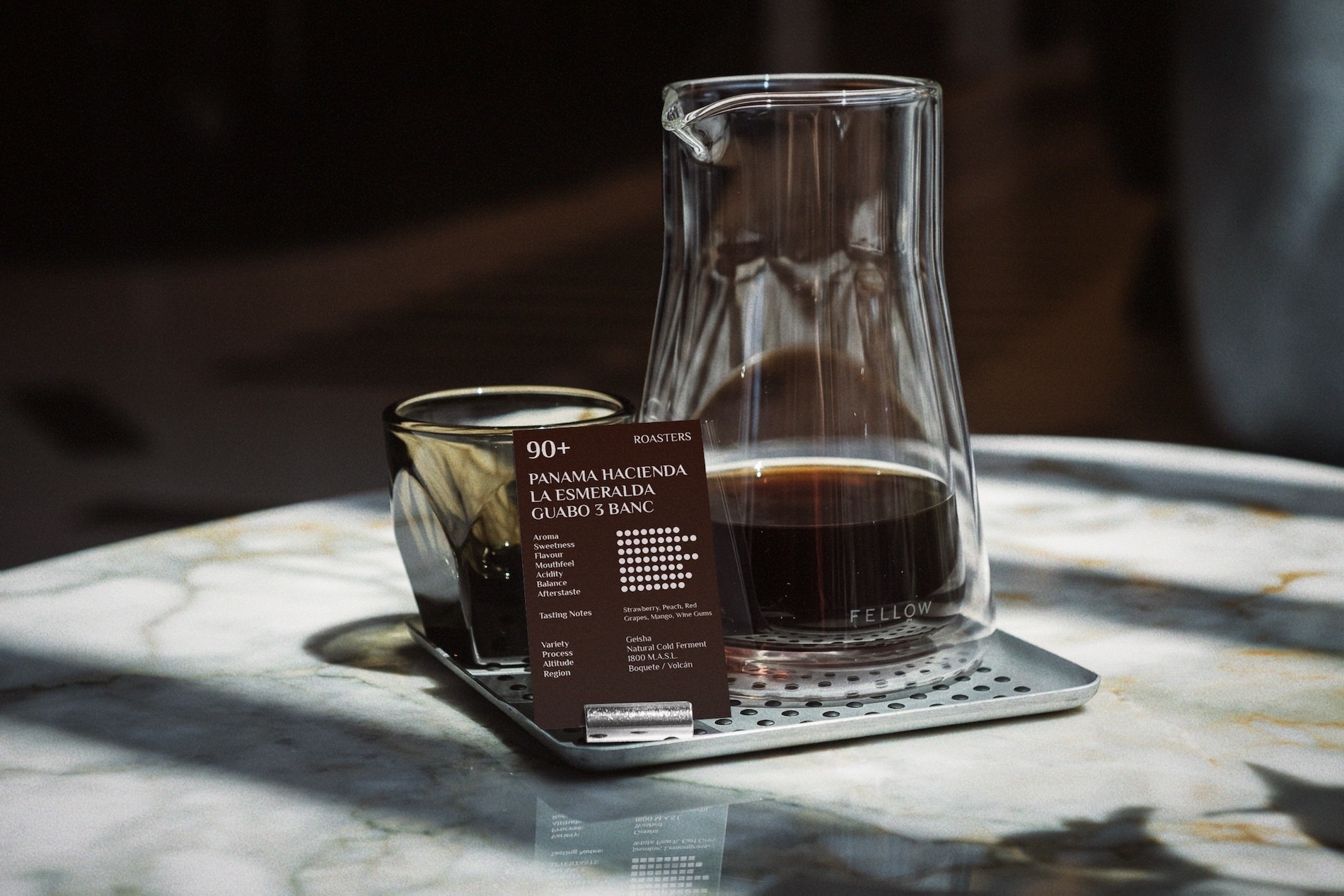
6.Hacienda La Esmeralda sits at the top of the menu at HK$400 a cup, KRW 72,000. A card stands beside the cup marked 90 points and up, with strawberry, peach and red grape listed as notes. If a Panama Geisha pours the way that card reads, the acidity stays thin like the dry finish of black tea and the body runs light. It is a cup that tastes watery on the first sip to anyone raised on strong coffee, and KRW 70,000 is attached to that thinness. There is a middle rung too. Pistachio latte and Espresso Sunrise run HK$75 each.
7.Why would a luxury mall hand its ground floor to coffee? Street-level retail in Central posted zero vacancy for two straight quarters, and rents in the first quarter of 2026 rose 2.5% from the quarter before. Tenants cannot get in. When a landlord in that market picks a coffee shop, the move is not about squeezing out the highest rent. It is buying a machine that brings people in. A luxury store cannot call many people in a day.
8.The second piece is the record. On September 13, 2025, the brand sold a cup for Dh2,500 at its Downtown Dubai store and entered the Guinness World Records. About KRW 950,000. The setup was Panama Hacienda La Esmeralda Geisha, brewed on a V60 in front of the guest, served in an Edo Kiriko glass alongside tiramisu and chocolate ice cream made from the same beans. The company says more than 1,000 outlets picked it up within two weeks. Column inches bought without ad spend.
9.The third piece matters most. The bottom rung of the price ladder is the market rate. Flat whites at Hong Kong specialty cafes run between HK$42 and HK$55, and the cappuccino here is HK$50. That is also why the doors open at 7am. The person buying a KRW 9,000 cup on the way to a Central office and the person sitting down with a KRW 70,000 cup walk through the same door.
10.Run the arithmetic. Fifty-six seats plus a roasting room and a kitchen puts the floor area between 70 and 85 pyeong, roughly 230 to 280 square meters (estimate). Put ground-floor food and beverage rent in a grade A Central building at HK$100 to HK$180 per square foot a month, and monthly rent lands between HK$250,000 and HK$540,000, KRW 45 million to KRW 97 million (estimate). To hold that at 20% of sales, monthly revenue has to come in between KRW 230 million and KRW 490 million.
11.Seats alone do not get there. Turn 56 seats four times a day for 224 people, and even at HK$180 per head with food, HK$40,000 a day is the ceiling (estimate). The rest has to come from cups sold standing. Sell 400 cups at HK$60 across three morning hours and HK$24,000 lands on top, and only together do the two reach somewhere near KRW 340 million a month. That is KRW 4.3 million per pyeong per month (estimate). The rent gets paid by the KRW 9,000 cup, not the KRW 70,000 one.
12.Cost ratios flip the order once more. Materials in a cappuccino run about 12% of the price (estimate). An auction-grade Geisha eats between a third and three quarters of its price in green coffee alone (estimate). The expensive cup carries the worse margin. What the top rung sells is not margin but a price tag, and that tag makes the KRW 9,000 next to it look cheap.
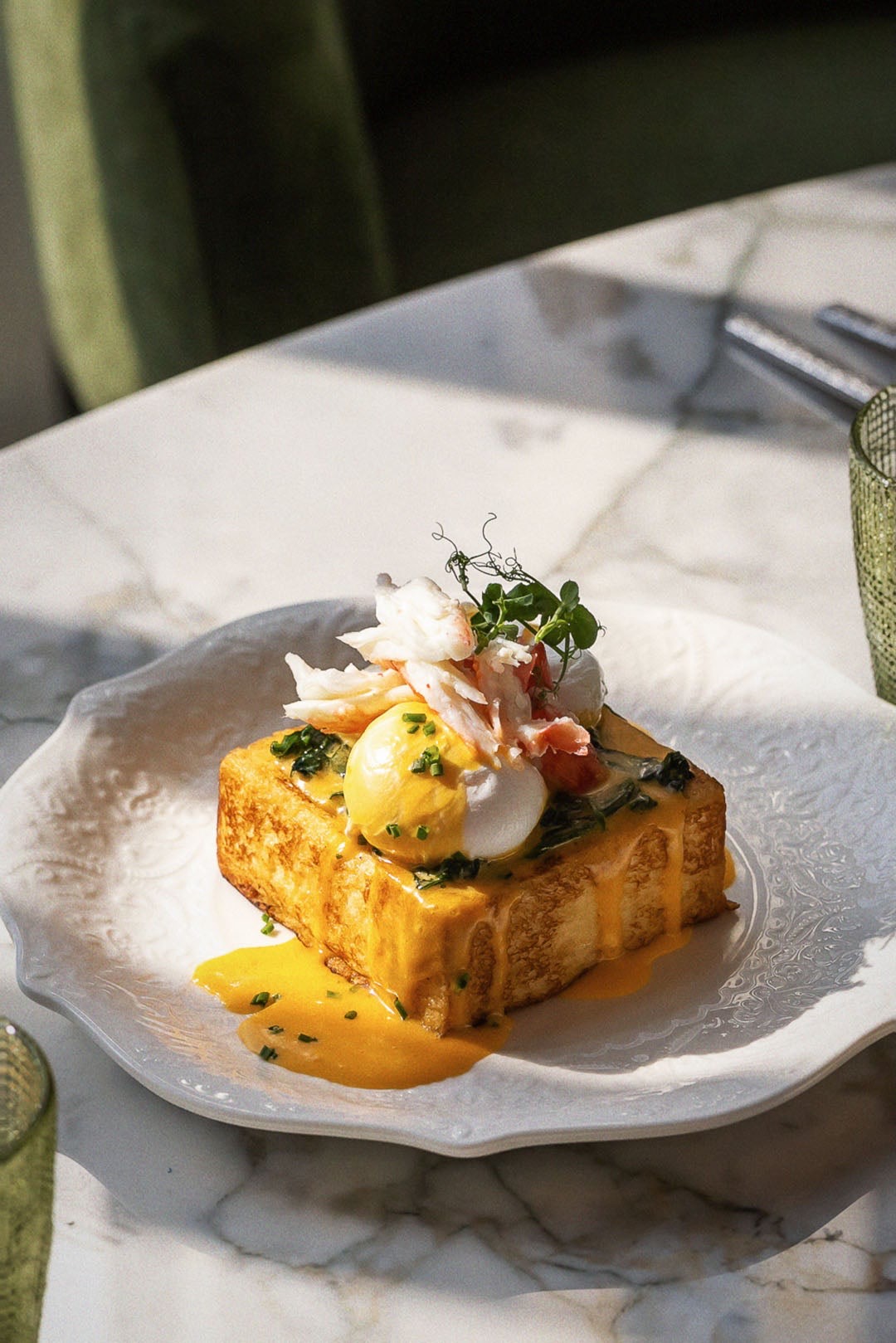
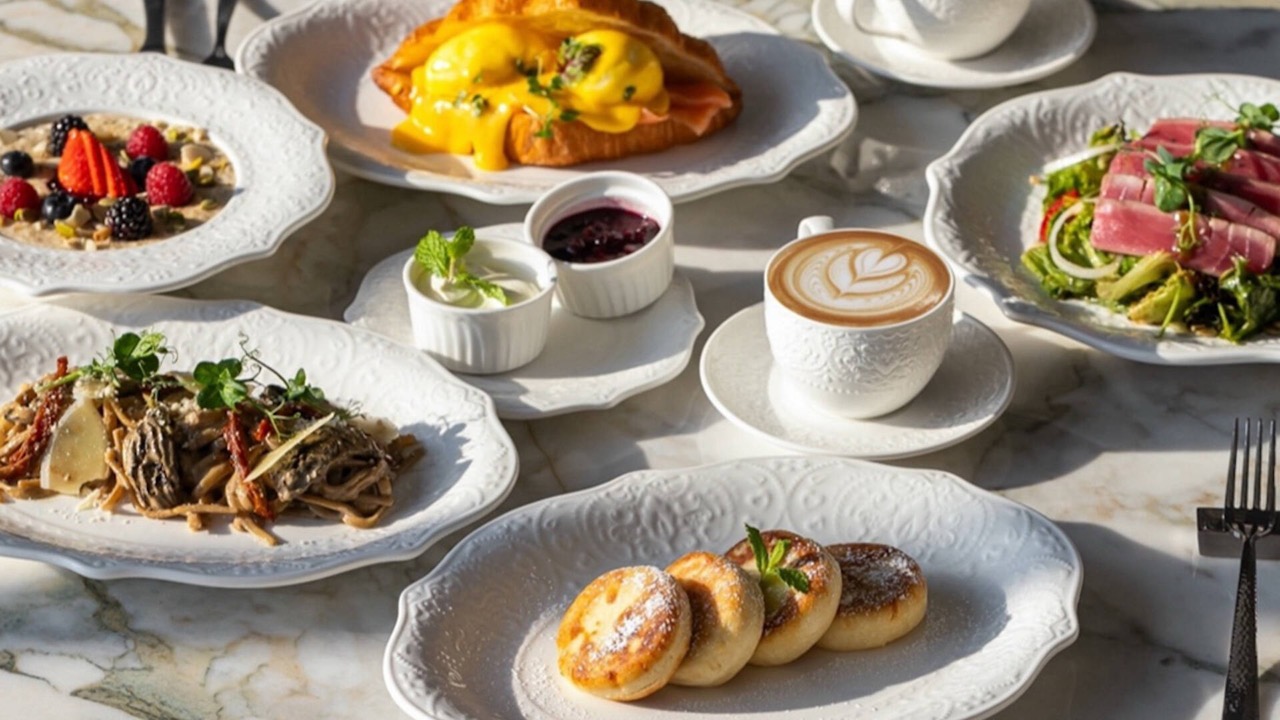
13.That is why food is on the menu. A HK$40 croissant sits next to HK$320 caviar rigatoni. At a 30% cost ratio, one plate of rigatoni leaves more cash than five cappuccinos (estimate). A plate uses a seat, a kitchen and time, though, while a cappuccino goes out in thirty seconds. OpenRice lists the spend per person at HK$51 to HK$100. Most people who actually walk in stop at a coffee and one pastry.
14.The lineage runs through the Gulf. The grammar of selling coffee as a luxury good settled in Dubai over the past five years, and the center of that grammar was service staging, not beans. Hong Kong has had specialty coffee for a long time. Cupping Room opened in 2011, NOC Coffee Co. and Elephant Grounds followed, and they are the ones who set this city's flat white price. The newcomer left that price alone and stacked on top of it.
15.The record is what actually makes the price. The Dh2,500 mark did not last seven weeks. Julith, also in Dubai, put out a Dh3,600 cup in November 2025 after buying a 20kg lot at the Panama auction for Dh2.21 million. A record can be bought but not held. Reviews on OpenRice within two months of opening mention a thirty-minute wait for a pastry and a flat white with no aroma. A price tag changes in a day. Service does not.
16.A five-year-old Dubai coffee brand carried one record for the world's most expensive cup into a luxury mall on Central's ground floor and put its roasting room in the middle of the hall. If only one number survives, make it the HK$50 cappuccino. The top rung runs eight times higher, the bottom rung still holds the market rate, and the bottom rung is what pays the rent. What trips this up in Korea is not the beans. Five Korean buyers already took lots at KRW 5 million a kilo at the 2024 Best of Panama, and cups running into the hundreds of thousands of won already exist. What is missing is the office density that buys 400 KRW 9,000 cups at 7am, and copying the top rung where that density does not exist leaves nothing but a photogenic cost ratio.