Shanghai has 10,336 cafes. In that city a brand that spent ten years roasting and selling beans with no shop of its own opened its first one, and the address is not downtown but an industrial park. It opens 9am to 5pm on weekdays only and closes Saturday and Sunday. That timetable throws away a whole part of the cafe trade, and it is not a mistake. It is this place's income statement.
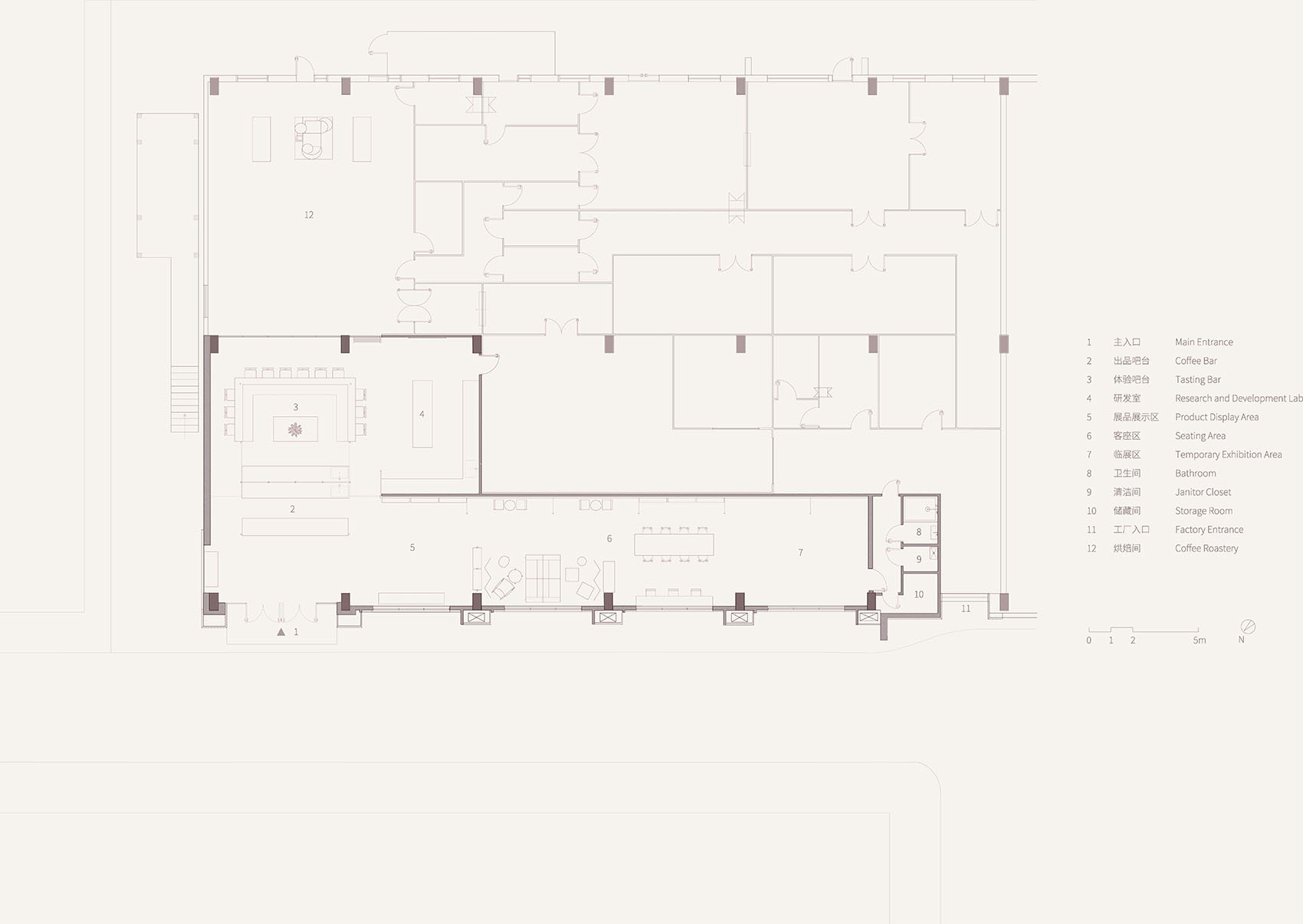
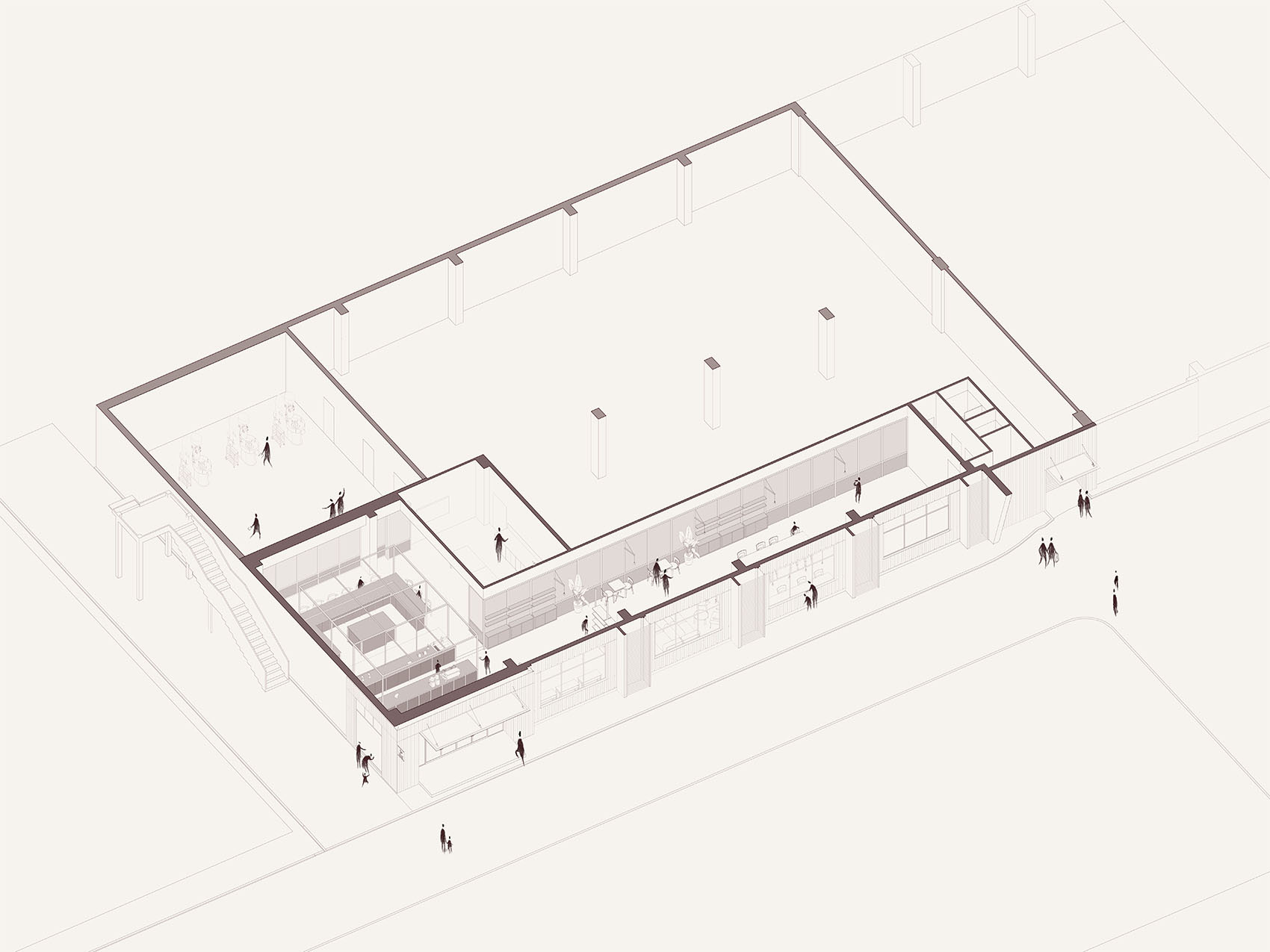
1.Building 11, Migu Industrial Park, 520 Zhenda Road, Baoshan district, Shanghai. Inside a park lined with warehouses and factory blocks there is a coffee shop. The name is 白鲸咖啡豆子店, and outside China it goes by Mobydick Coffee Roasters. Floor area 900㎡, 272 pyeong. Part of that is where guests sit and the rest is a factory for roasting beans.
2.The brand started in 2015. Three people began roasting beans in Shanghai and selling them online, and for ten years there was no physical shop. In its tenth year the company says annual revenue passed RMB 15 million, around KRW 3 billion. Roasting runs more than three tonnes a month. The first store after that is this one, and the layout is the phrase Chinese manufacturing has used for a long time, shop in front and factory behind, qiandian houchang.
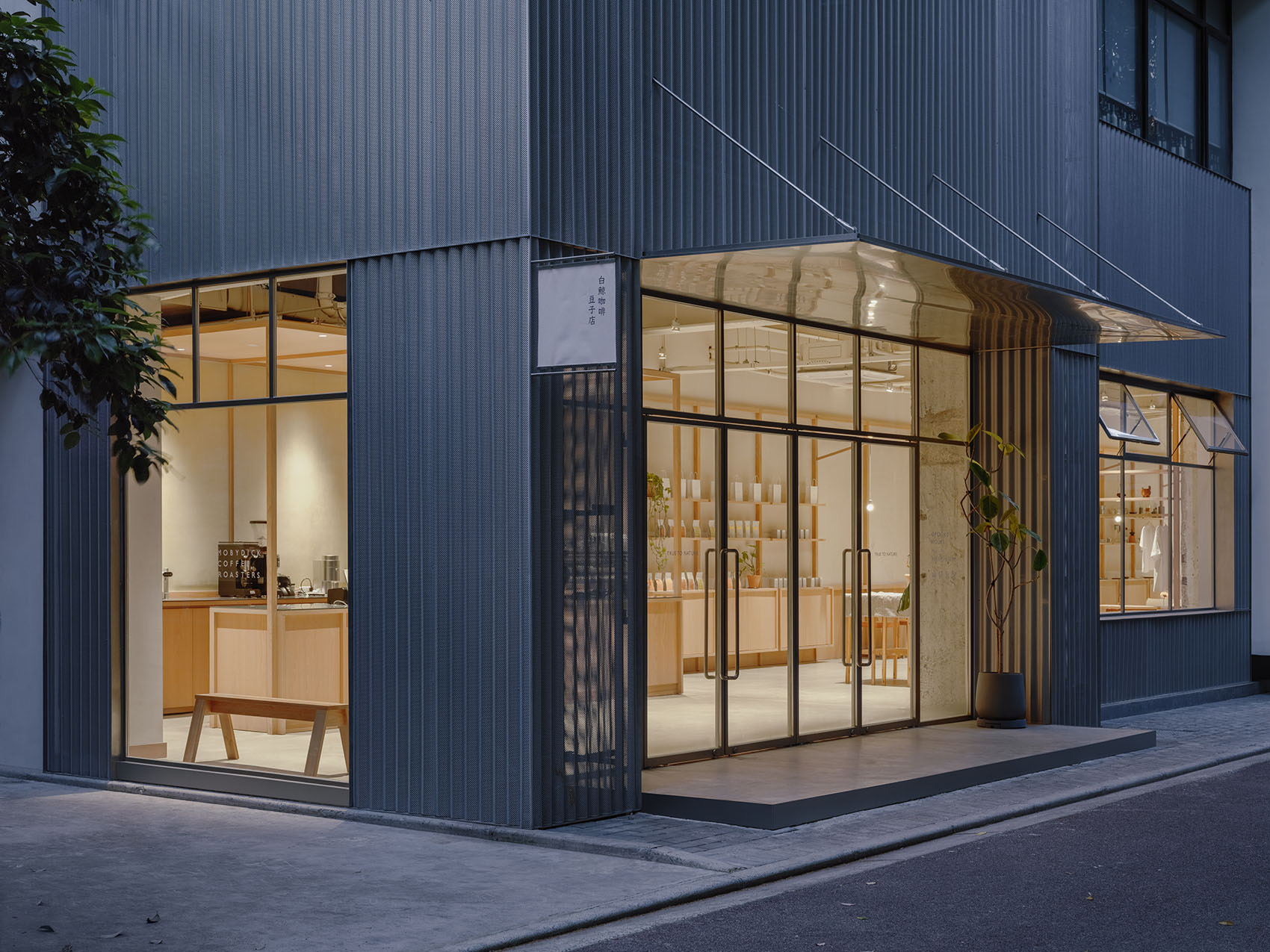
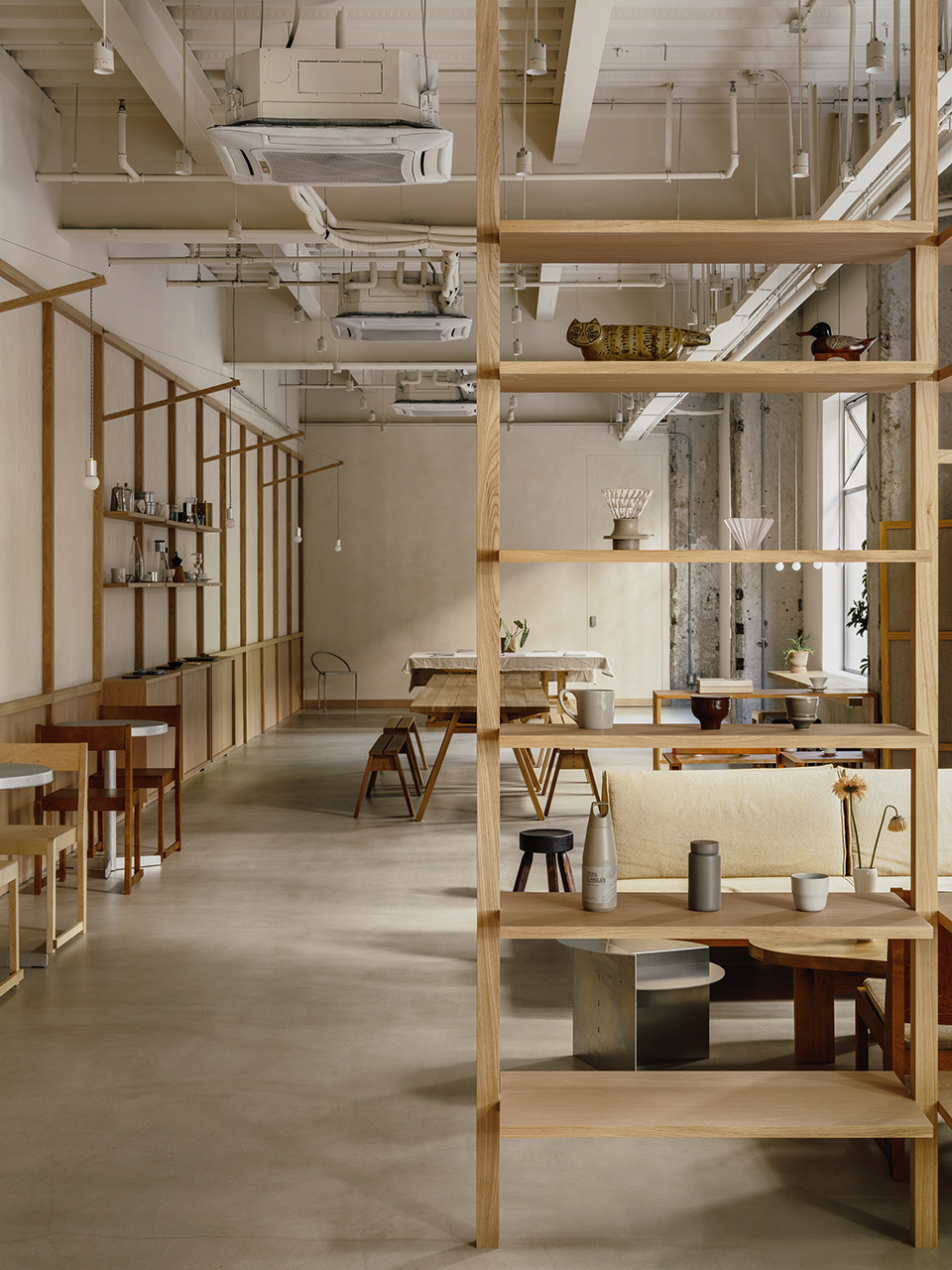
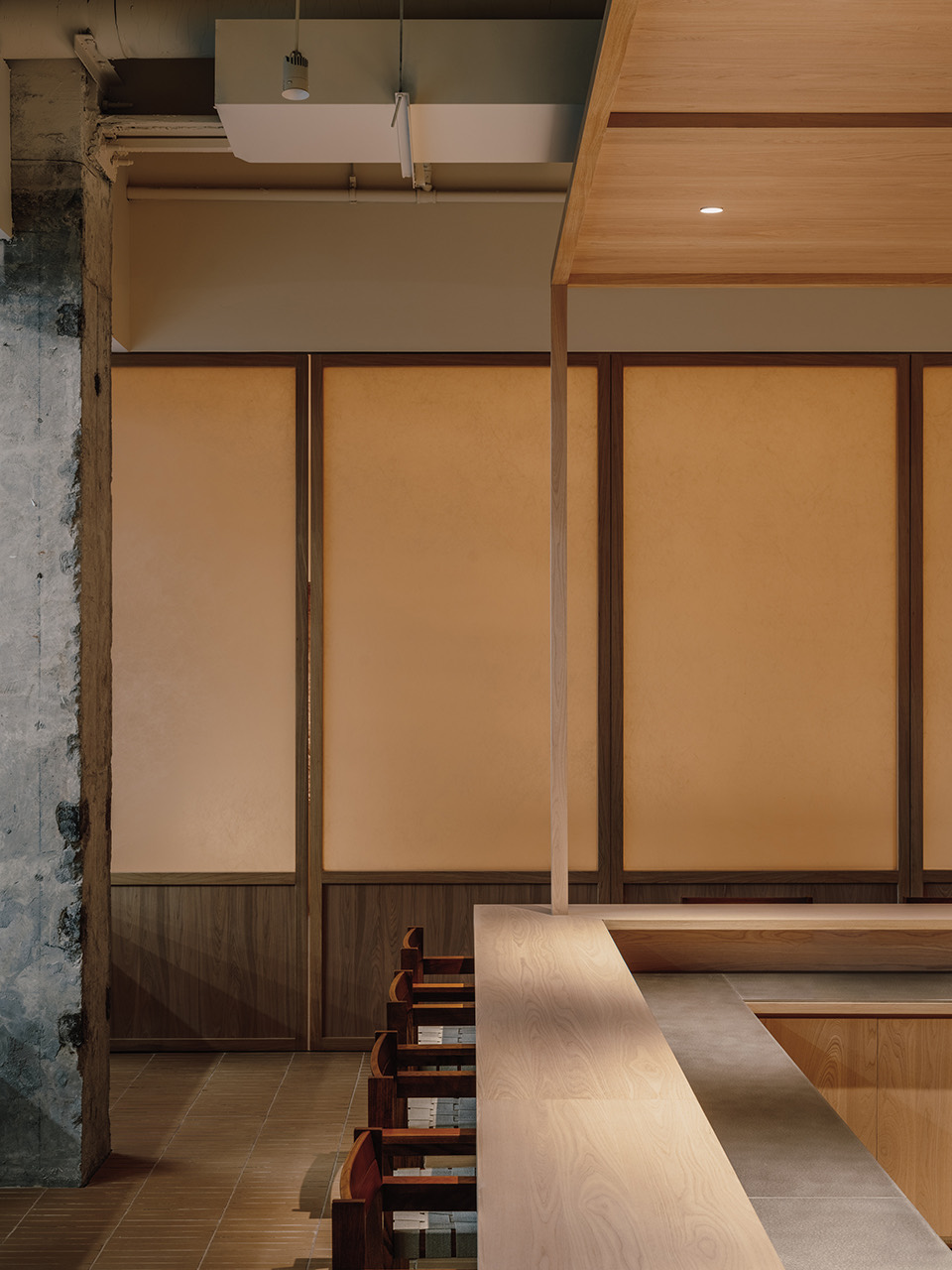
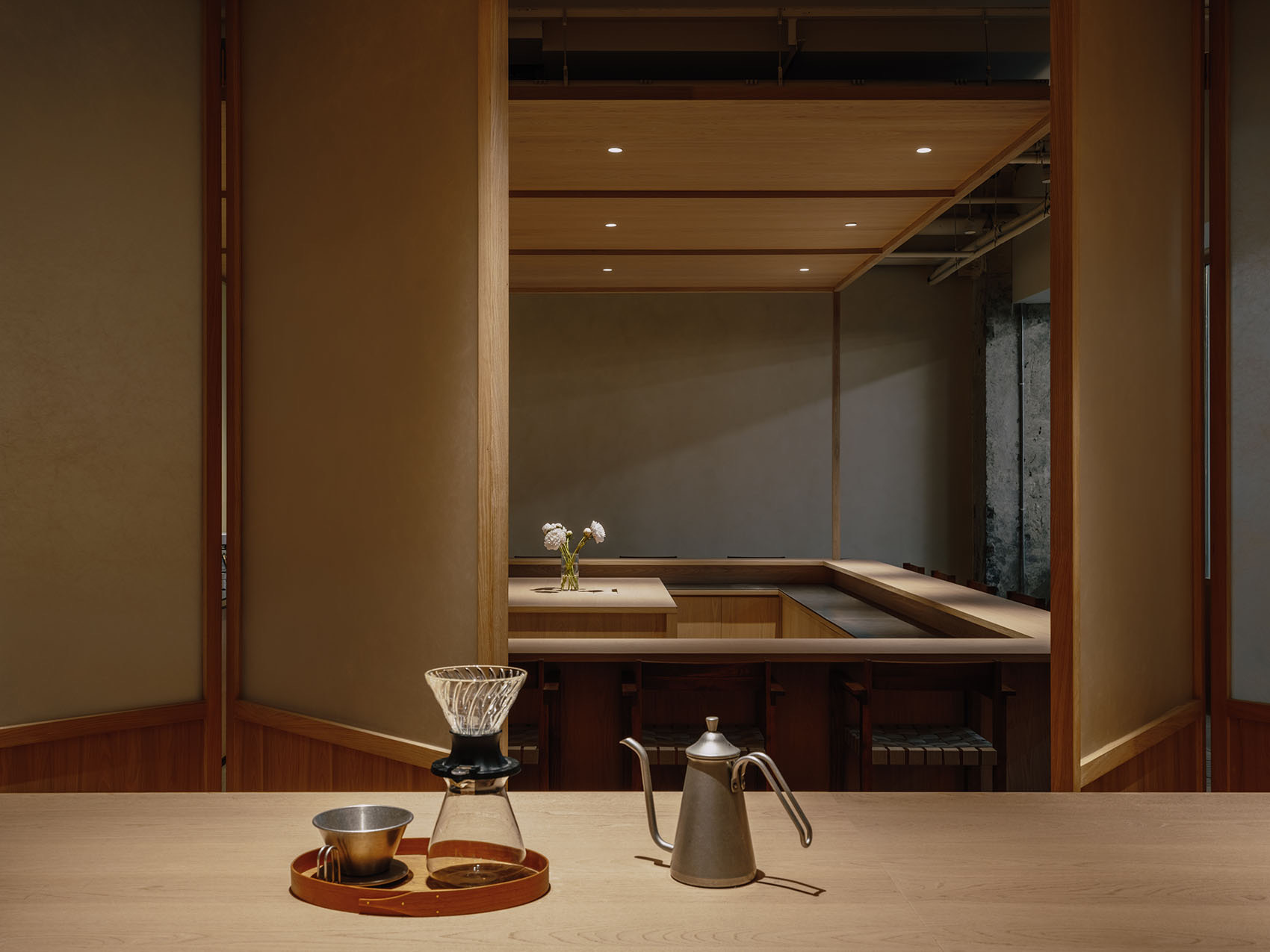
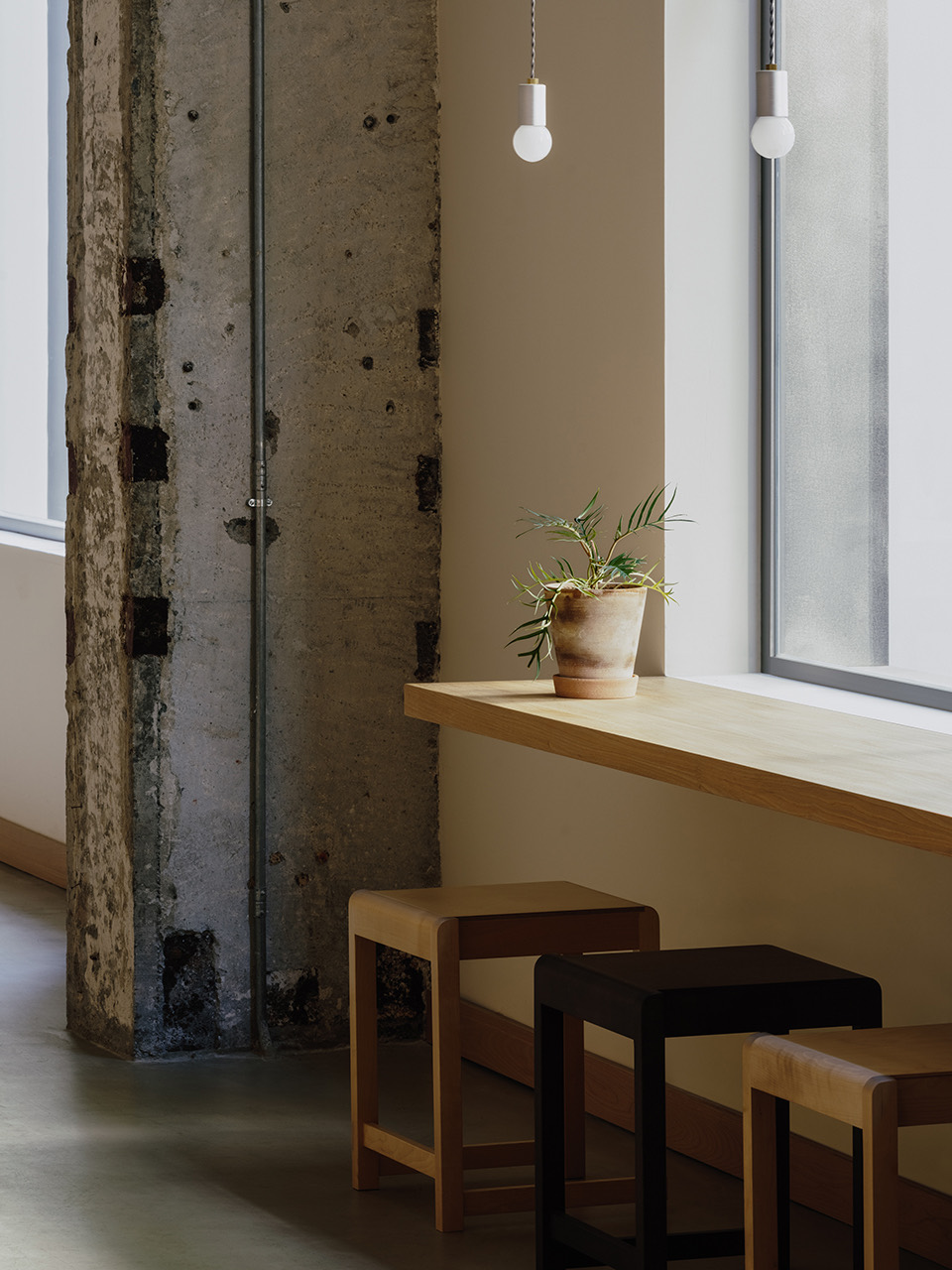
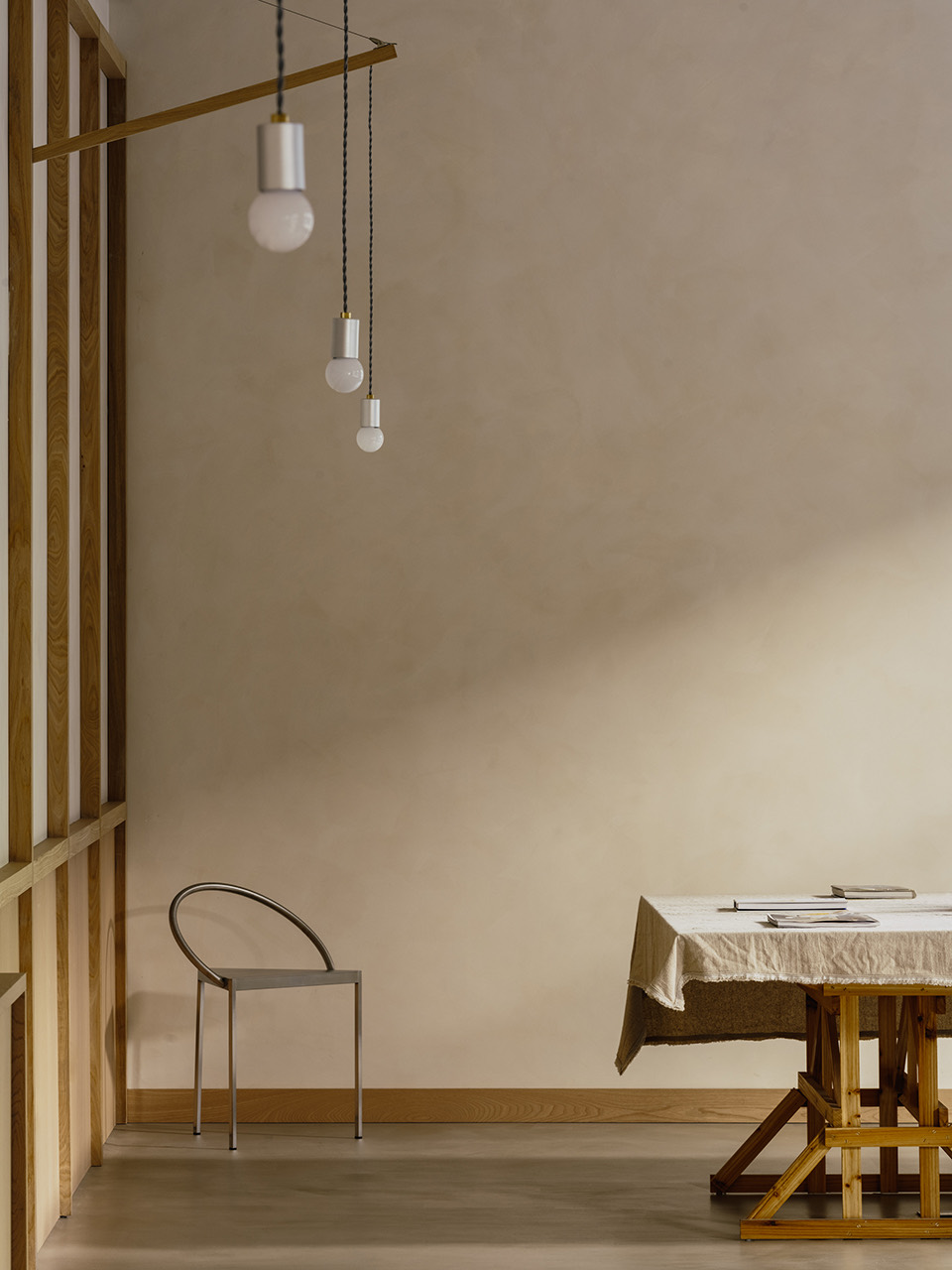
3.Offhand Practice, which designed it, chose to let industrial materials and the warmth of a cafe collide inside one building. The outside is corrugated metal, and inside a light oak frame wraps the bar. Where perforated sheet is used, light passes through every hole and the metal softens. One timber panel on the wall is finish, display and storage at once. The material list is short. Corrugated metal, timber veneer, art paint, glass fibre reinforced plastic, acrylic.
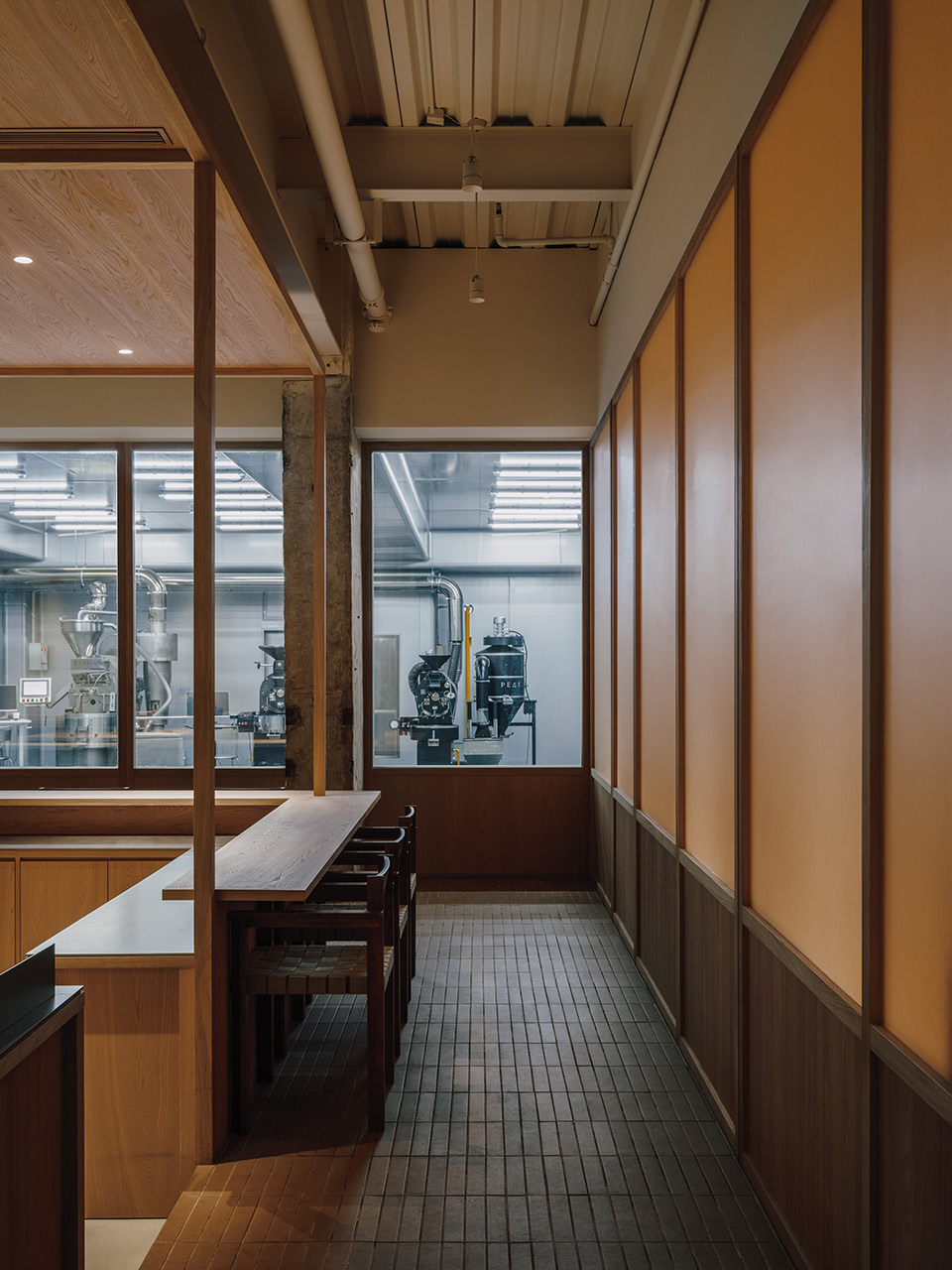
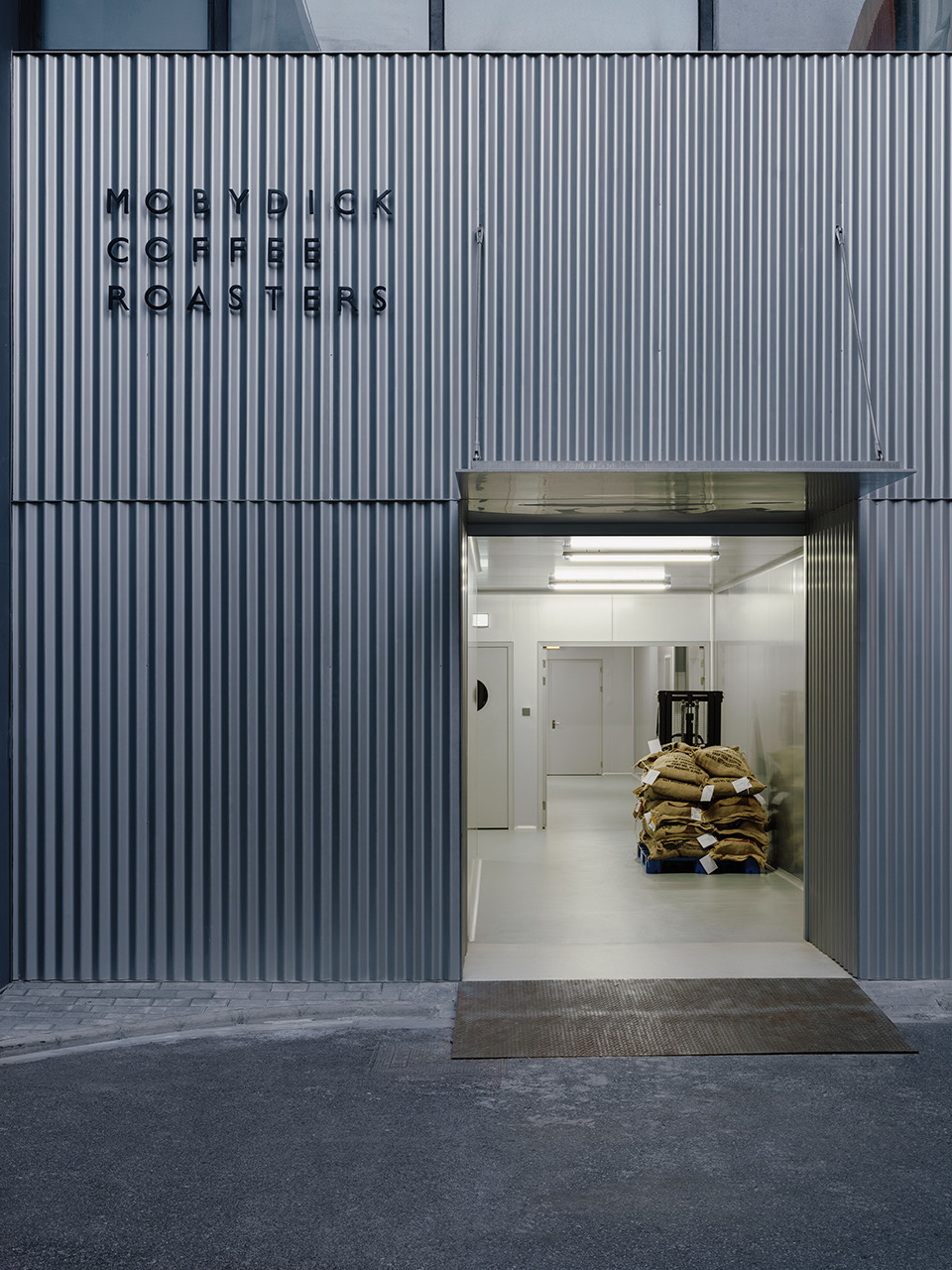
4.The factory side is zoned. A freezer that rests green beans, a room for sorting them, a blending room, and the roasting room where the hot air Loring sits. The drum turns behind one sheet of glass. What crosses to the guest side while the roaster runs is closer to sound than smell. The cyclone pulling chaff hums low, and a short metallic break cuts in when the discharge opens. Beans pushed round the cooling tray by the rake sound like gravel rolling. Holding that sound at a size a guest can sit with is half the design of this format.
5.The menu prints Agtron numbers for roast level. This is a shop that has pushed light roasting for ten years, so that number is the trademark. The lineup runs to Ethiopia 74158 natural, Kenya SL28 washed and Rwanda Red Bourbon. Naturally dried 74158 shifts its weight toward fermented fruit as the cup cools, and washed SL28 stands its acidity up sharply from the first sip and leaves a dark berry finish. To a palate raised on dark roasts both cups taste thin, and the quickest way to argue for that thinness is to let the roaster be seen.
6.That is the space. Why anyone comes this far is the next question. Getting from central Shanghai to this park takes a metro and a bus, and there is no tourist route nearby. For ten years of online customers, though, that inconvenience turns into a ticket. It is a trip to see the people and the machines behind a brand they had only met as a bag, so arriving is itself the story.
7.The second reason is larger. Selling beans online has always had its weak point in the same place. The buyer has no way to confirm when they were roasted, where they were roasted, or whether that person really roasts them. This shop answers with one sheet of glass. Roasting was not made into a spectacle so much as made into proof. One shot of a turning drum costs less than a hundred reviews.
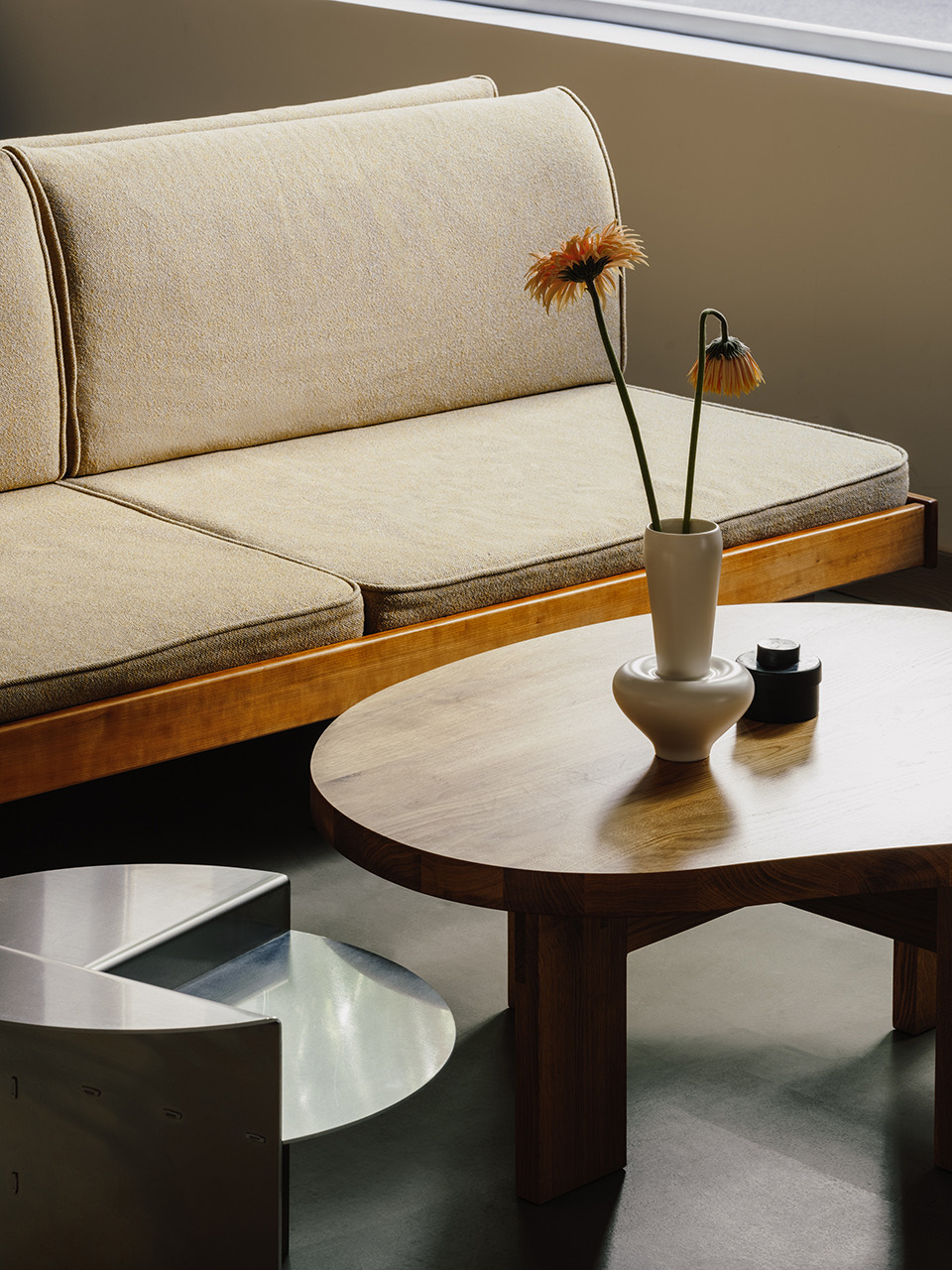
8.Third is the timetable. Nine to five on weekdays and closed at weekends are the factory's working hours, not a cafe's opening hours. Which means the table was not drawn around guest convenience, and from the brand's side that reads as consistency instead. The roaster is the owner and the owner stands at the bar, so the door closes when the owner goes home. Wasted trips come with it. That is why Chinese reviews carry the line about not making the trip at the weekend because it is closed.
9.Move to the money and the price of this address gets clear. Rent for a new high-spec factory block in Baoshan starts at RMB 0.6 per ㎡ per day. Take 900㎡ at RMB 0.6 to 1.0 a day and monthly rent runs RMB 16,200 to 27,000, about KRW 3.2 million to 5.4 million (estimate). Against downtown the numbers invert. Street retail around Weihai Road in Jing'an has traded at RMB 26,000 a month for 20㎡. The arithmetic says a space 45 times larger was rented for about what a six pyeong downtown shop costs.
10.Stand up the revenue side too. Three tonnes a month is 36 tonnes a year, and dividing RMB 15 million of annual revenue by that weight gives about RMB 417 a kilogram (estimate). Converted to 200g bags that is RMB 83 a bag, a figure in line with Chinese specialty retail. Sell that same kilogram only as pour over in the shop and it makes 66 cups at 15g each, and multiplied by RMB 35 it comes to RMB 2,310. Selling by the cup leaves more than five times as much.
11.The shop still puts its weight on bags. Selling by the cup means buying a spot where people walk past, and the rent on that spot plus barista wages eat that fivefold. Assume eight weekday hours in an industrial park at 100 cups a day and it is RMB 70,000 a month, RMB 840,000 a year (estimate). Around 5 percent of bean revenue. This is not a size built to feed the company from one shop.
12.So why build out 900㎡? Half the answer is that the factory was needed anyway. Roasting three tonnes a month takes a freezer, a sorting room and a packing room, and that space gets leased whether or not there is a shop. The cafe is the incremental cost laid on top, and the bar, the seats and the gallery together land under the deposit and key money on one downtown store (estimate). Exactly the reverse of the order in which downtown roasteries push the roaster into a basement or send it out to a contractor because of rent.
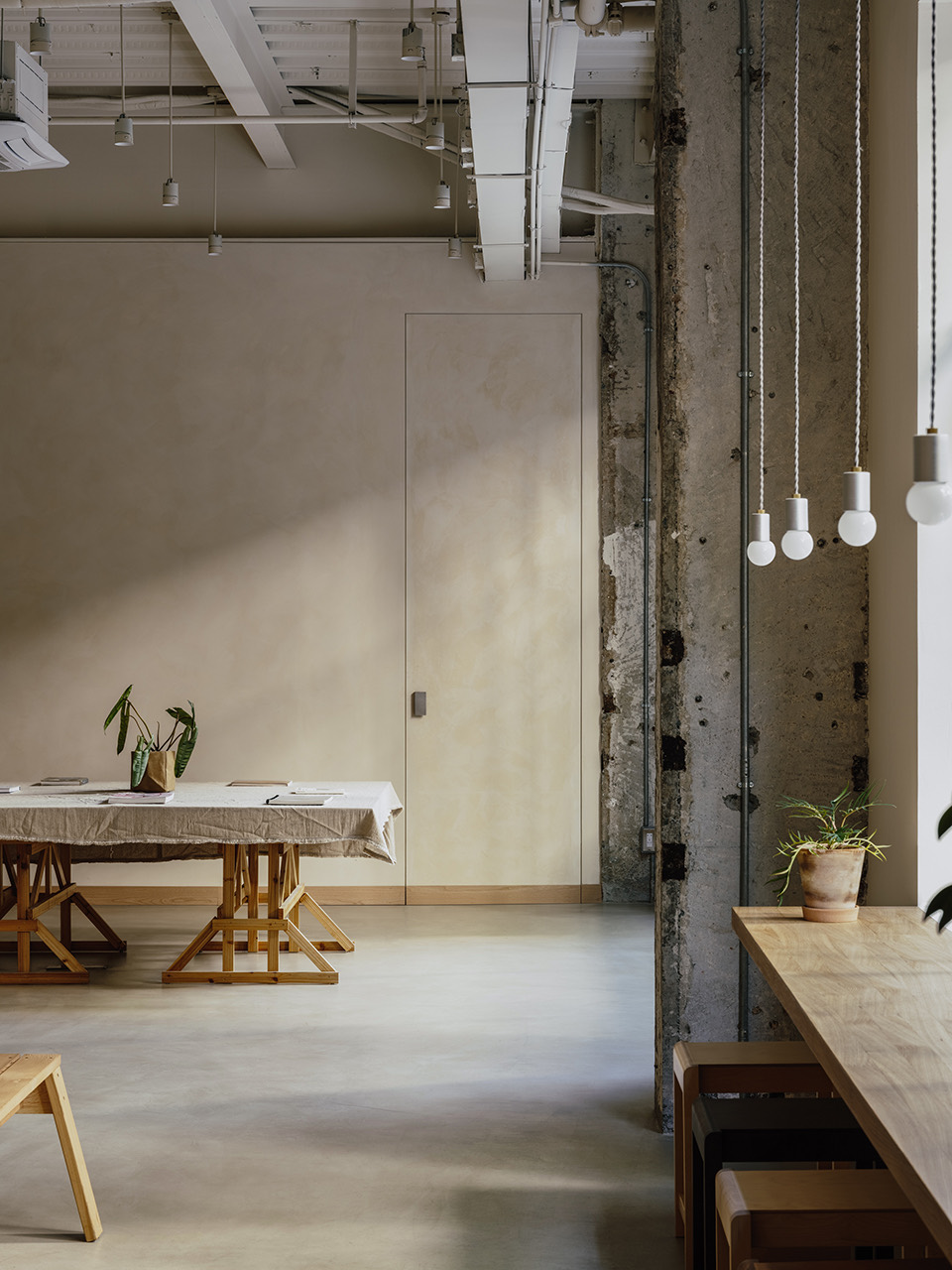
13.The lineage says this format is not new. Showing the roastery to the guest is grammar third wave coffee carried from the start, and the large brands answered it by moving that grammar whole into city centres. Shanghai alone has 10,336 cafes, mass market lattes have settled below RMB 15, and a specialty cup runs RMB 35 to 55. Instead of joining the fight to buy one more site in that market, this shop gave up the site and grew the factory.
14.Reverse the order, though, and the model does not stand. Nine hundred square metres carries because ten years of online regulars and three tonnes a month came first. Open the shop first and try to sell beans from there, and 100 cups a day inside an industrial park is already hard. How this shop cut that risk is visible too. Taobao stays open on the weekends the shop closes, and the beans go out through the Chinese brand stand at the London Coffee Festival and an online store in the United States. The shop is less a sales channel than a device for arguing the sales channel.
15.A brand that spent ten years in Shanghai roasting and selling beans with no shop skipped the city centre and opened a first store of 272 pyeong inside an industrial park, showing its roasting through one sheet of glass and giving up weekend trading in exchange. The number that stays is three tonnes a month. Put this order in Korea and it catches on use class rather than rent. Roasting is food manufacturing and serving coffee is a refreshment business, so keeping both under one roof means dividing the space and registering each, and in knowledge industry centres and industrial parks the support facility area a cafe can occupy is capped. Anyone can take cheap floor area first. What decides this model is how much of that area you can open to guests.