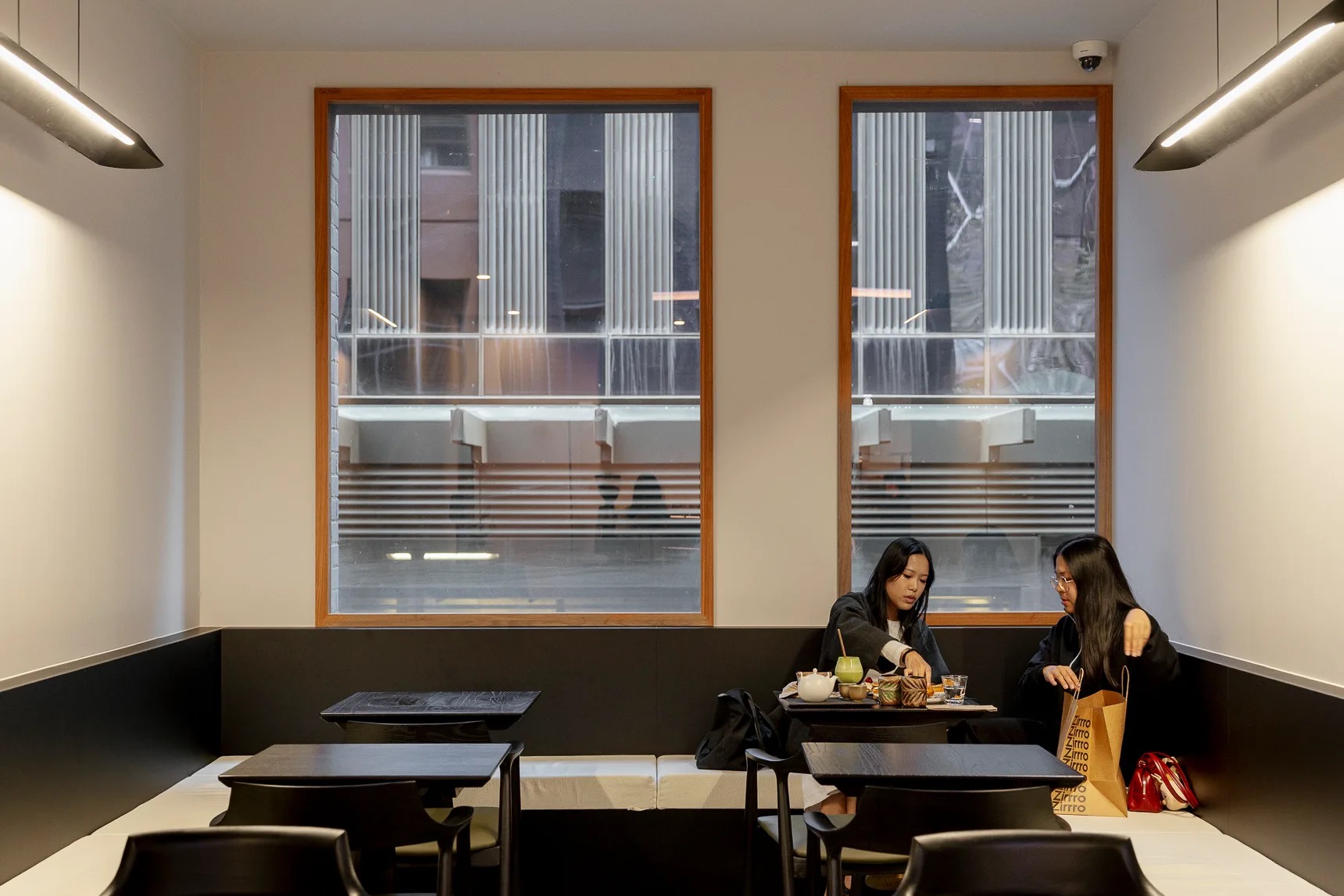
One unmarked door in central Melbourne. Push through and there is a bar, above ground rather than below, and up the stairs a tea house that opens only in the daytime. In a coffee city, a shop where coffee is not the lead has opened, and it runs from 9:30am to 4:30pm and then shuts. That timetable is half of this place's profit and loss.
1.Level one of 62 Little La Trobe Street in central Melbourne. The tea house that opened in May is called Interlude. It serves more than twenty hot teas a day, three cold brews and five combination drinks of the day. Chinese and Japanese oolong, green and black tea form the spine of the list. There is still no sign on the street. The operator has said it is waiting on council approval.
2.The operator is Sean Then. He worked nights at the now closed sake izakaya Leonie Upstairs, opened the coffee shop Cafe Tomi in North Melbourne at the end of 2024, and early this year opened Bar Kaeru with more than 100 sakes on the floor below this one. Then this tea house upstairs. Three shops sit under one roof called Tomism. Coffee, alcohol, tea. It sells three kinds of drinking.
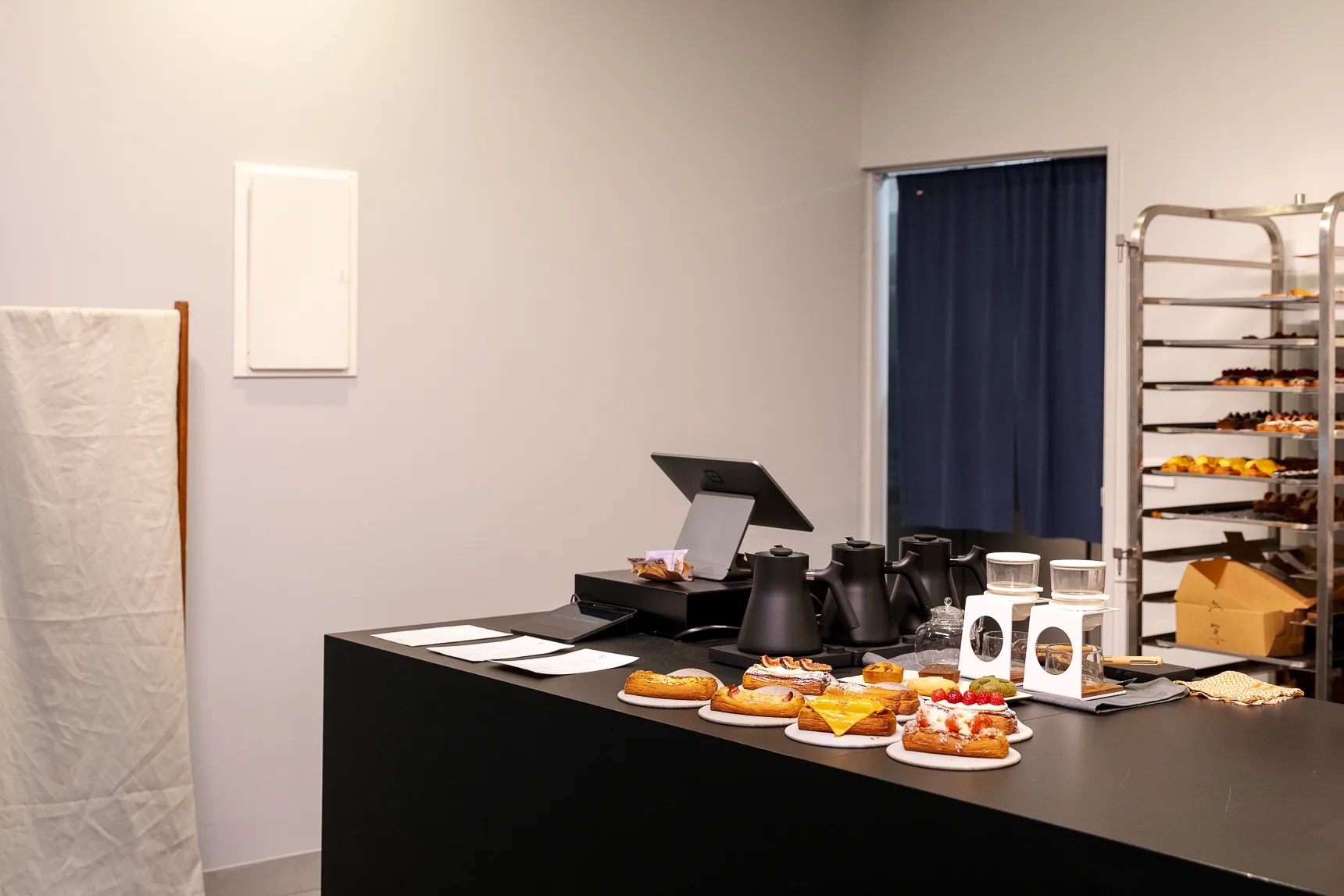
3.Two moves went into the space. An artificial skylight and a tiled floor. Level one of a city building cannot choose its daylight, so instead of bringing light in, it was made to look as if light were there. The tiled floor follows the same reasoning. It is a material that keeps footsteps, so quiet sounds larger when few people are in. The operator's stated aim is to let people step briefly out of the city, and the name itself means the time in between.
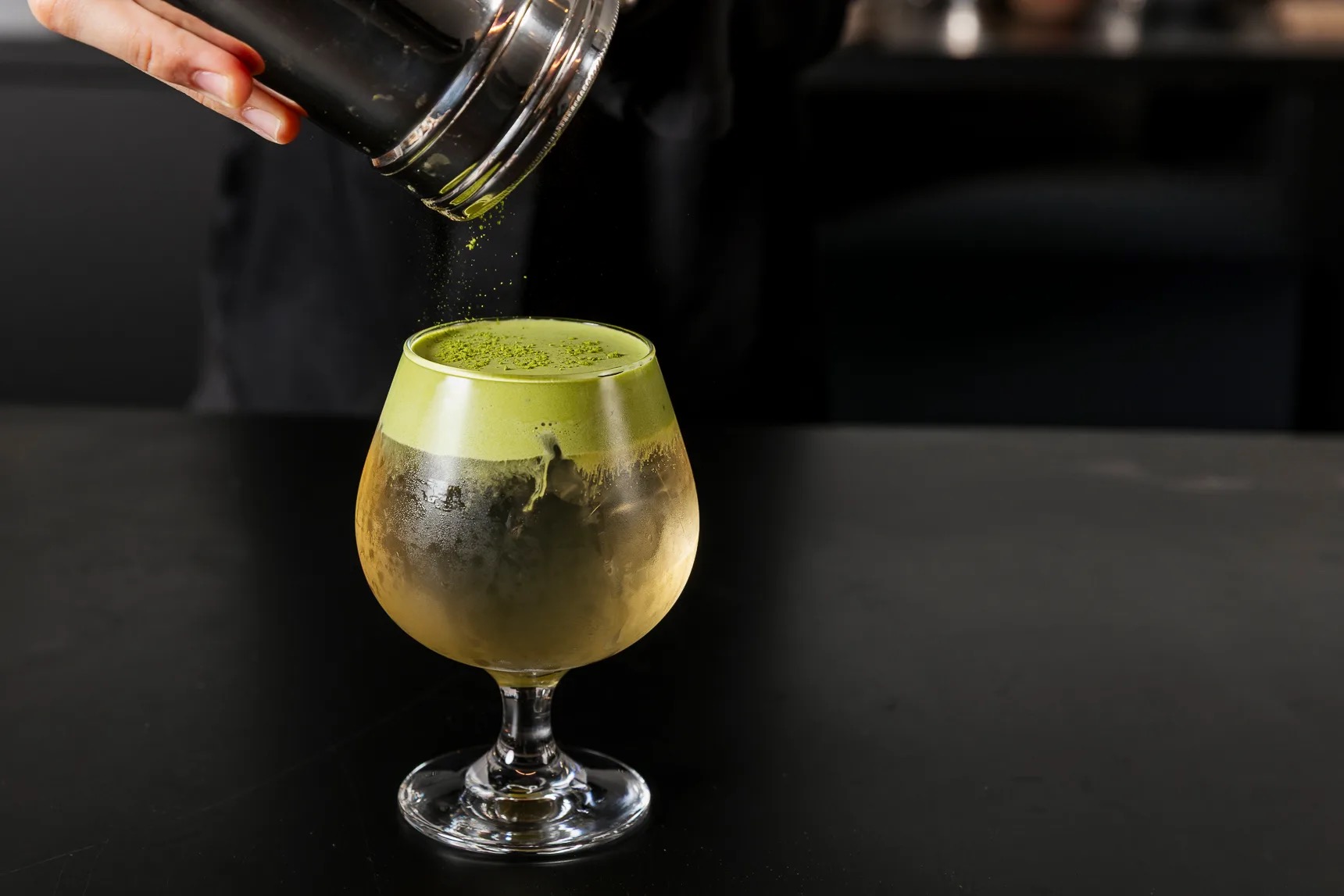
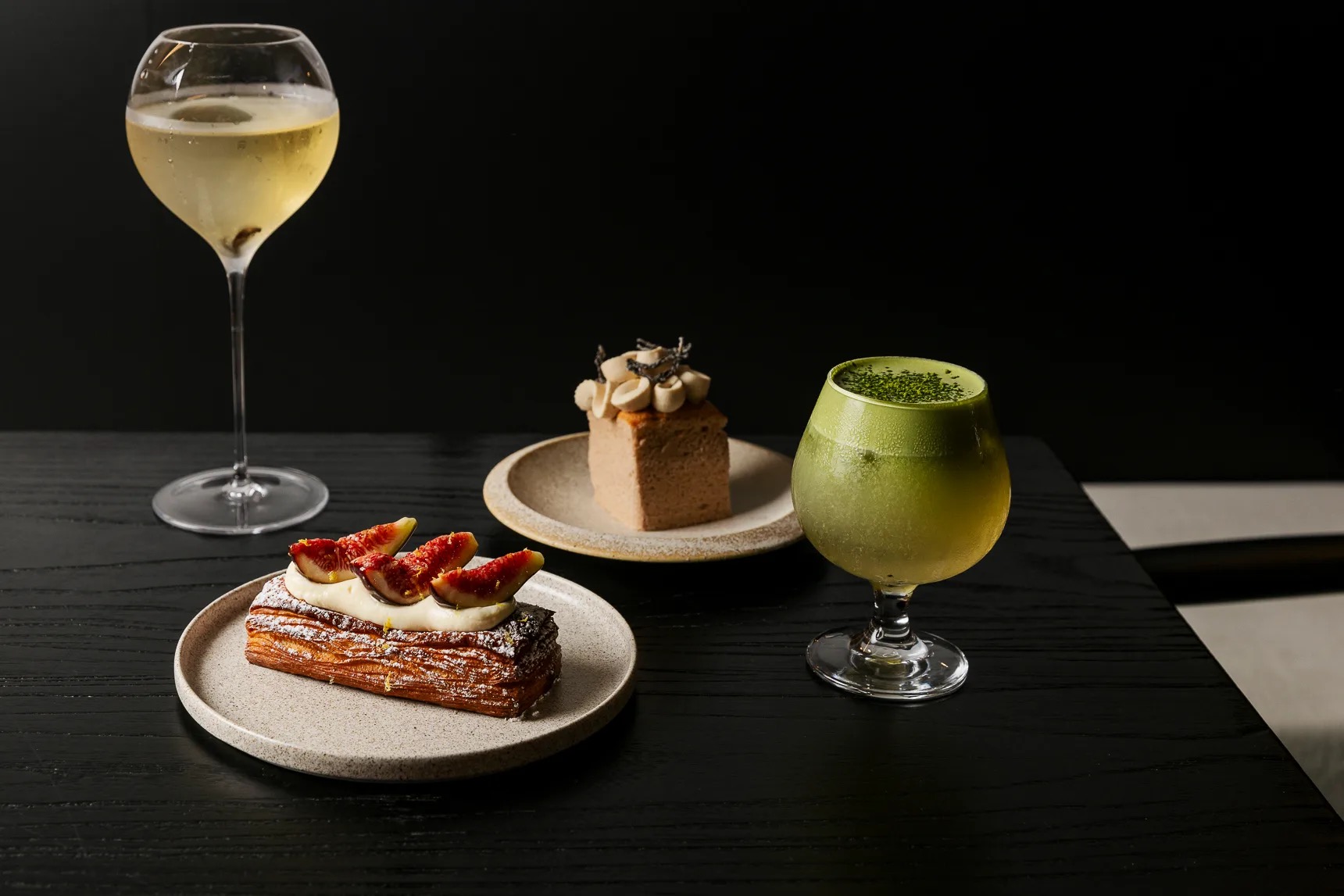
4.The menu is this place's real drawing. More than twenty teas brewed straight, and beside them five signature drinks a day topped with house-made syrup, caramel and foam. The composition shows the hand of someone who used to sell alcohol. A bartender handling brewed tea the way they handle liqueur, and one item actually layers matcha with peach oolong, caramel and soda.
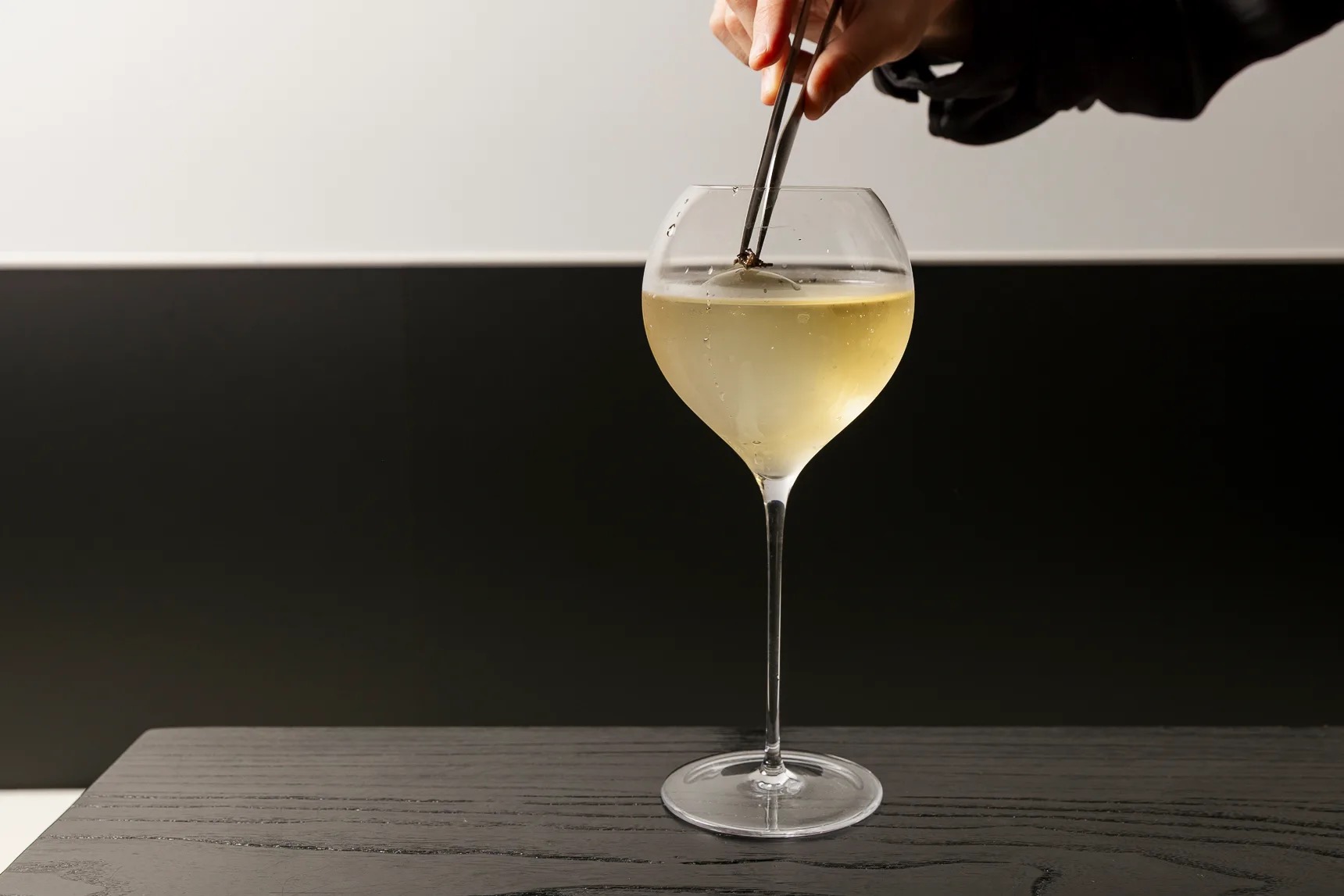
5.Look at the leaf and the two countries part. Japanese green tea falls clear and light, while Chinese oolong stacks flavour in layers. One oolong from Chaozhou is called Autumn Snow, and teas of that kind settle from flower toward toasted grain as the cup cools. The first sip is thin and the flavour rises on the second steep. This is not a drink that ends in one cup but a structure where the same leaf gives a different cup over time, which is why guests sit a long while.
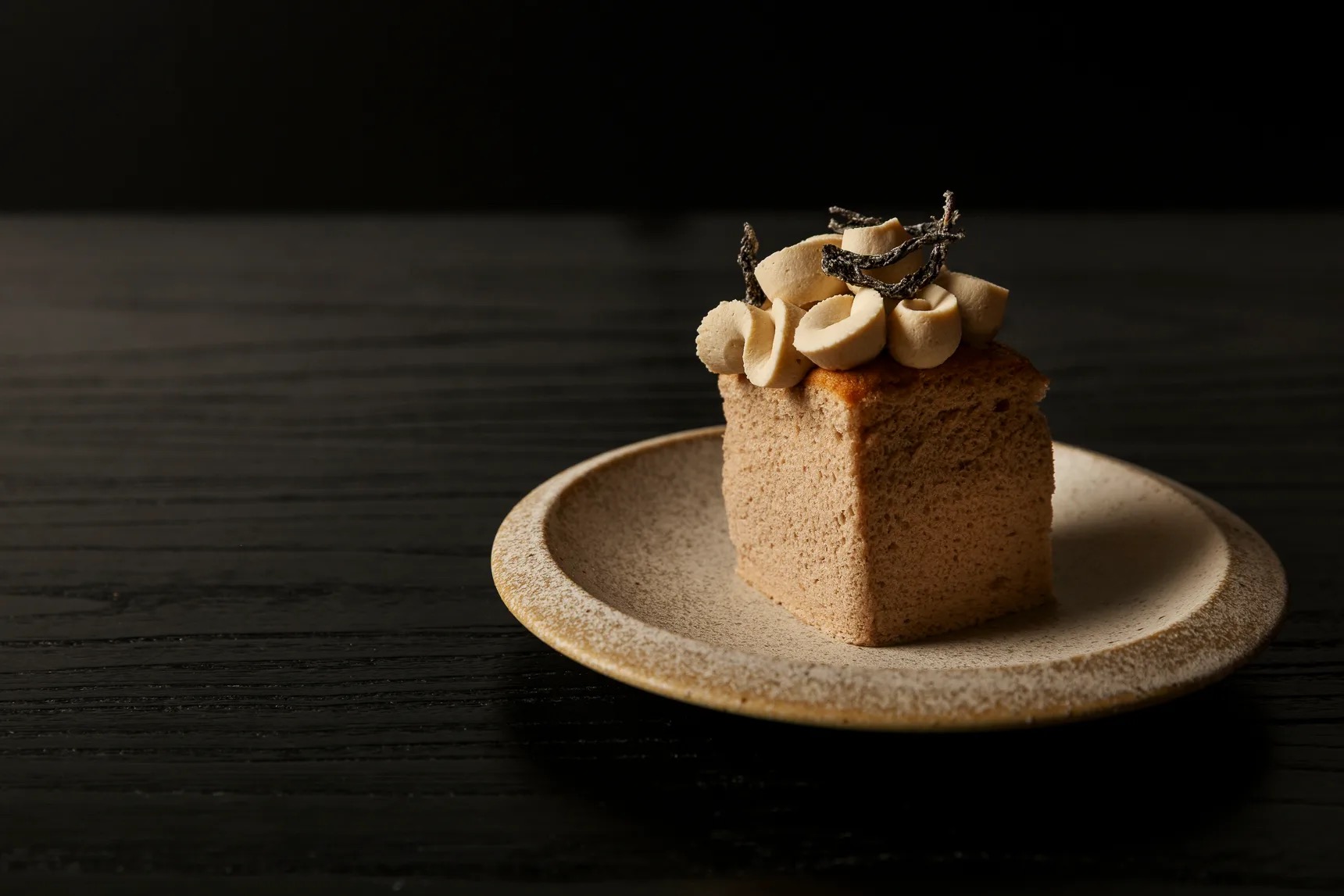
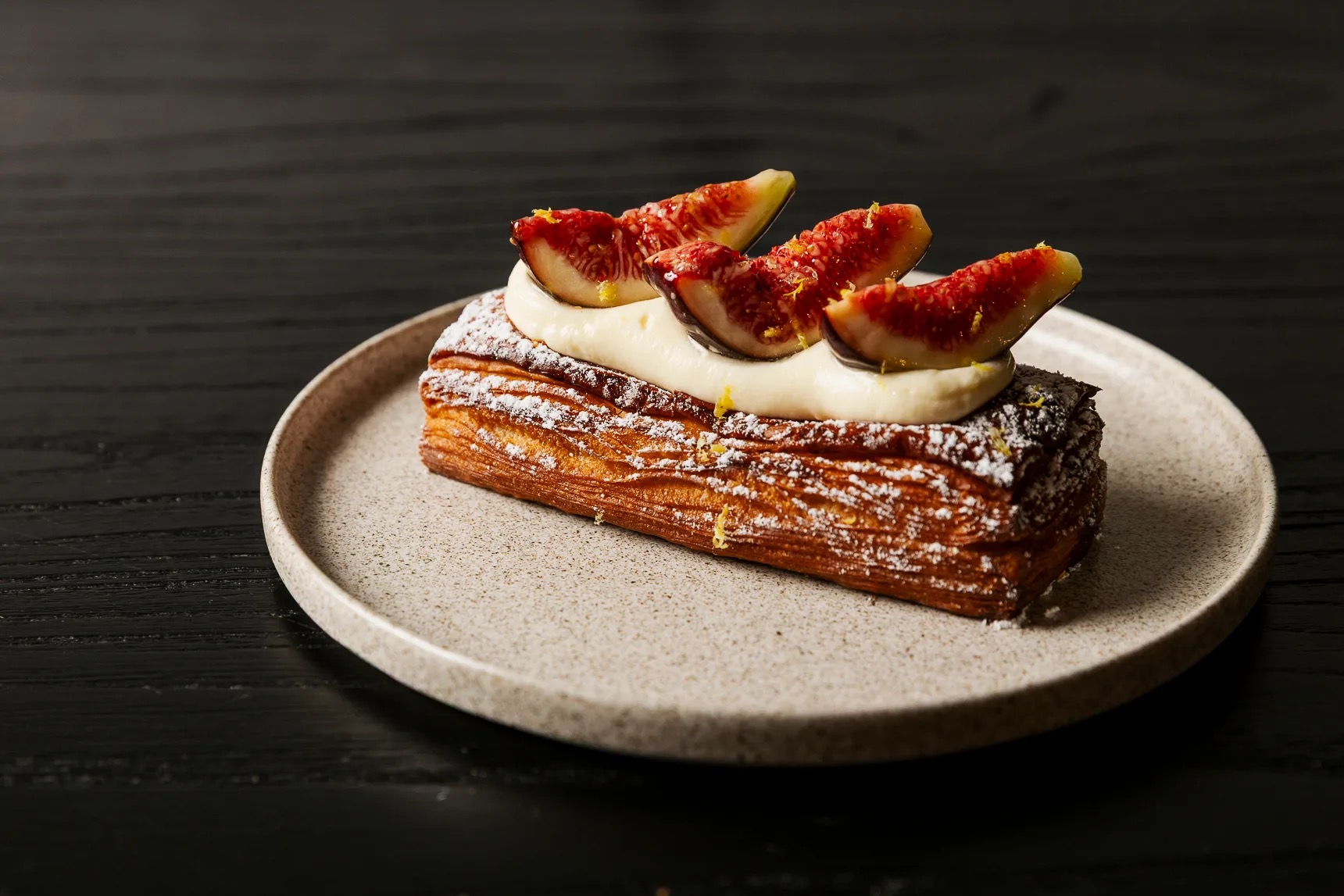
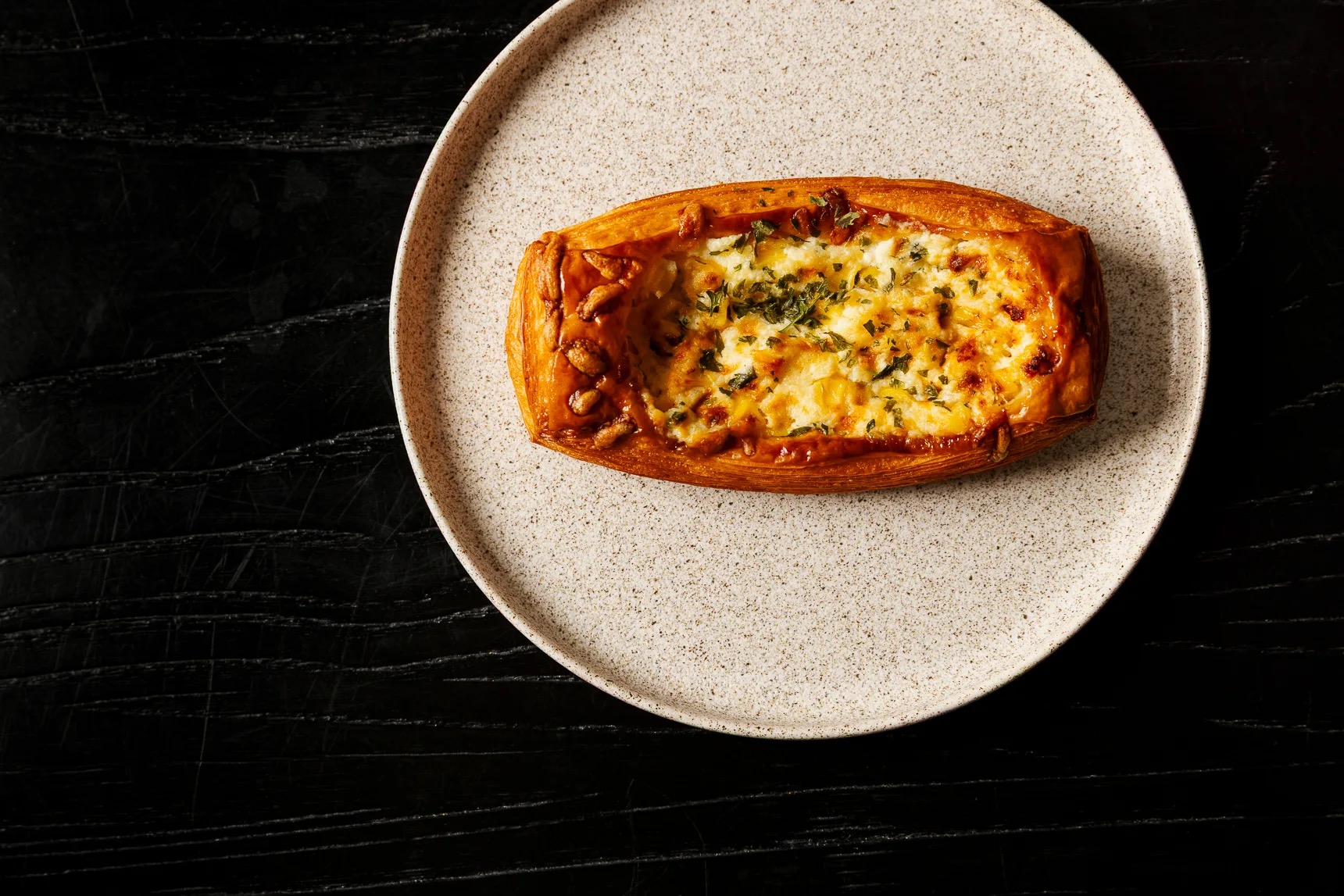
6.Food centres on danish. Head baker Taylor Kim, formerly of Plot, bakes, and pastry chef Kyoko Miyazaki, who came through Sepia and Society, adds the desserts. A savoury danish with chorizo and cheddar, corn and cheese, and fig and raspberry for the seasonal fruit. There is also a Taiwanese castella with oolong in it, miso caramel and matcha pudding. Put the same oolong beside an oolong sponge cake and the aroma arrives twice, and that doubling is really a device for lifting the spend per head.
7.Why does this work in Melbourne? The first reason is that this city is full of coffee. In a market where a flat white has converged between 5 and 6 dollars, finding new room in coffee is hard, and over recent years this city's opening has crowded toward matcha. Matcha specialists opened in a row and raw material prices jumped. This shop picked the seat beside that trend. It kept matcha and moved the centre to oolong and black tea.
8.The second is making quiet the product. Daytime in a city cafe is loud with laptops, meetings and queues, and there is always demand to escape that noise with nowhere much to go. Being on level one behind an unmarked door earns its keep here. Being hard to find works as a filter, and in a shop nobody drifts into, people lower their voices.
9.The third matters most. When this operator opened the sake bar, the idea he put forward was that people fall in love with sake if you build the entrance well. He used the same method with tea. Line up twenty teas and a beginner can choose nothing, so five drinks topped with syrup and foam stand at the front and lower the threshold. A path that comes in through a sweet showy cup and crosses to a cup like plain water. The beginner menu is a signpost rather than revenue.
10.Count it in money and the choice of level one gets clear. Ground floor cafe rent on a well-placed lane in central Melbourne such as Hardware Lane or Flinders Lane runs around AUD 1,500 per square metre a year, at the very top of this country's cafe rents. Take 100㎡ and that is AUD 150,000 a year, in the KRW 140 million range. Climb one flight in the same city centre and it usually falls below half of that (estimate). AUD 60,000 to 75,000 a year, KRW 4.75 million to 5.94 million a month.
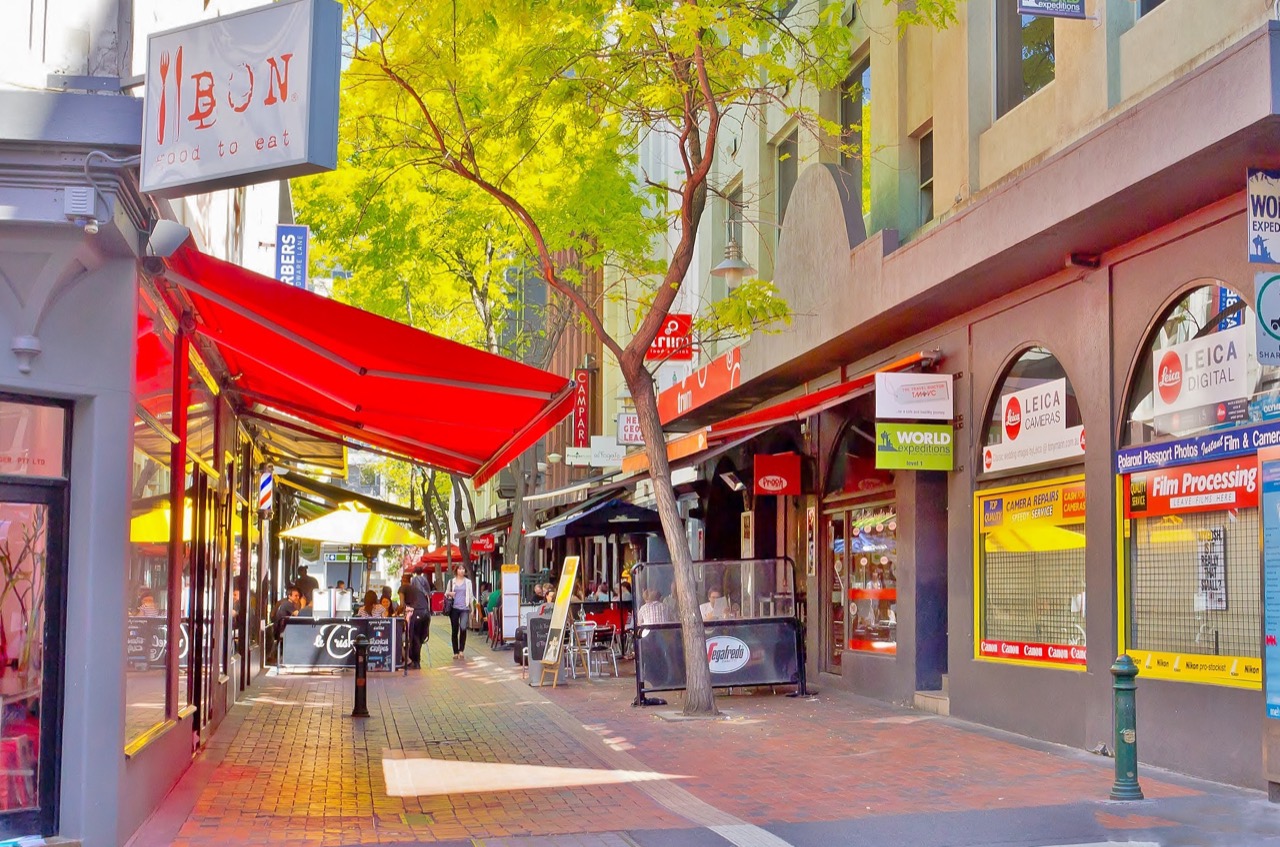
11.Where that difference goes has to be read as a ratio. In Australian hospitality, occupancy cost including rent is considered healthy under 10 percent of revenue, and shaky above 12. Yet a good share of central Melbourne and Sydney venues sit between 14 and 18 percent. Put the spend per head at AUD 16 with 150 people a day and annual revenue comes to AUD 860,000 (estimate), where going in downstairs puts rent in the 17 percent range and upstairs brings it down to between 7 and 9. One flight of stairs cuts the rent share by close to 10 points.
12.Cost favours tea as well. Material cost per cup of tea ends between 0.5 and 1.5 dollars, and many cups take no milk, so charging 8 dollars puts the cost ratio between 6 and 19 percent. Coffee runs about 1.3 dollars a cup for beans and milk together, so it sits in the twenties. There is something paid back for that advantage, though. Brewing takes three to four minutes, and once repeat steeps are served the human hand per cup runs several times that of coffee. That is why three cold brews and five signature drinks are prepared in advance (estimate).
13.The timetable is a labour cost question too. Barista pay in Australian cafes starts at AUD 26.44 an hour for permanent staff and AUD 33.05 casual, with 25 to 50 percent added on weekends and public holidays. Drop evenings and late nights and half of that loading goes unpaid. This shop opens seven days, though, so the weekend loading is still paid in full. It sells only seven daytime hours and lifts the spend per head with danish instead, and keeping a separate person to bake pastry is the answer to that.
14.This format is not a first. Chinese teahouses and Japanese kissaten were always businesses built on sitting long, and tea houses in Western cities hardened into afternoon tea as a tourist product. Forecasts put the Australian tea market growing 5.1 percent a year to reach the 1.1 billion Australian dollar range by 2035, and matcha takes most of that growth now. This shop chose a different road. It split what it sells by time of day rather than by leaf. In the same building, day is tea and night is alcohol.
15.An operator who started in coffee and moved to sake put a tea house with twenty teas on level one of a city building, and with no sign and only seven daytime hours it splits the day with the bar downstairs. The number that stays is a rent share of 7 to 9 percent, half of what a city ground floor would have taken. Put this order in Korea and it catches on registration rather than rent. A place selling only tea and coffee is a refreshment business, and the moment alcohol is added it becomes a general restaurant, while bread baked on site as a main line adds a bakery business on top. Anyone can take the cheap floor. What decides this model is how many things you are allowed to sell on it.