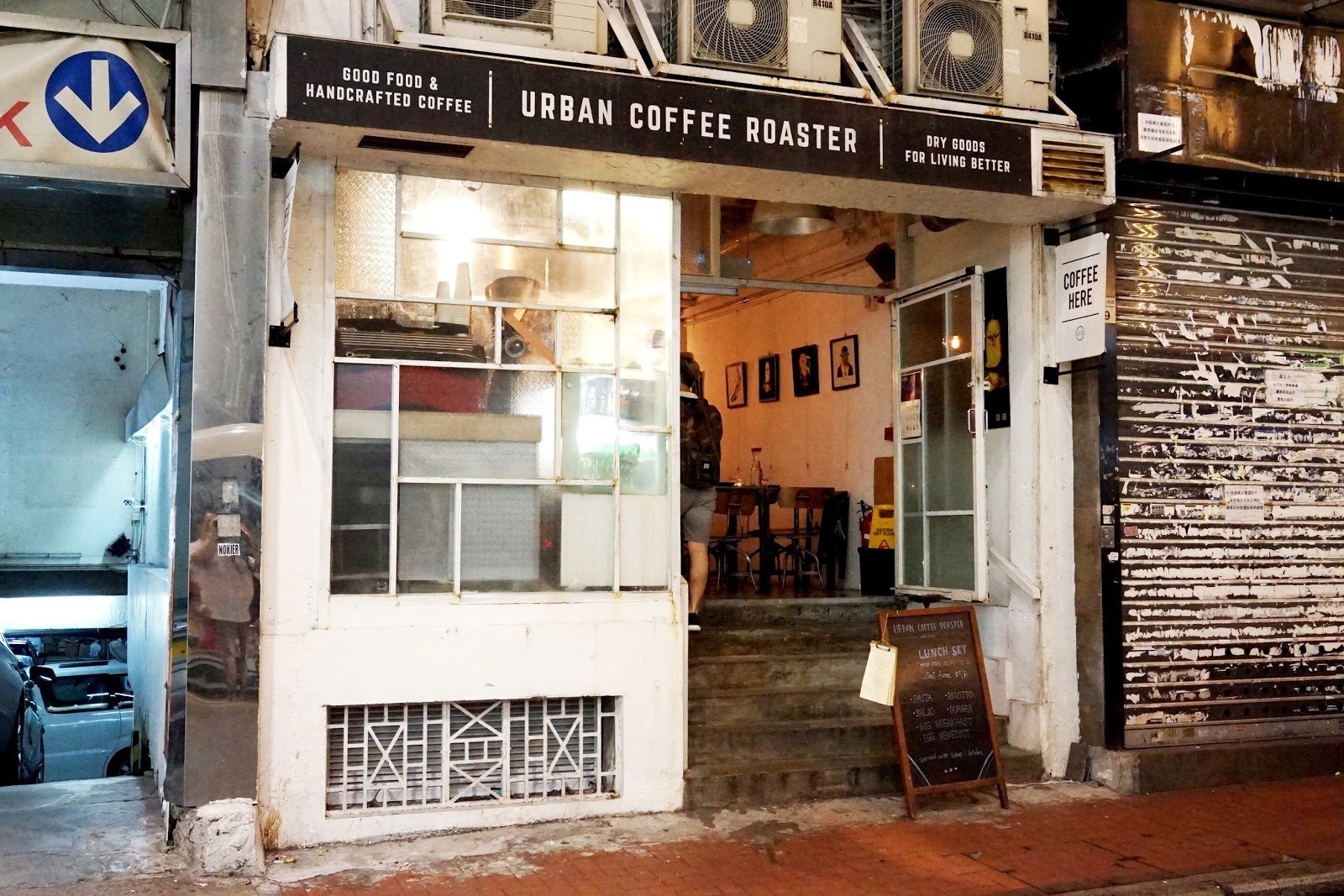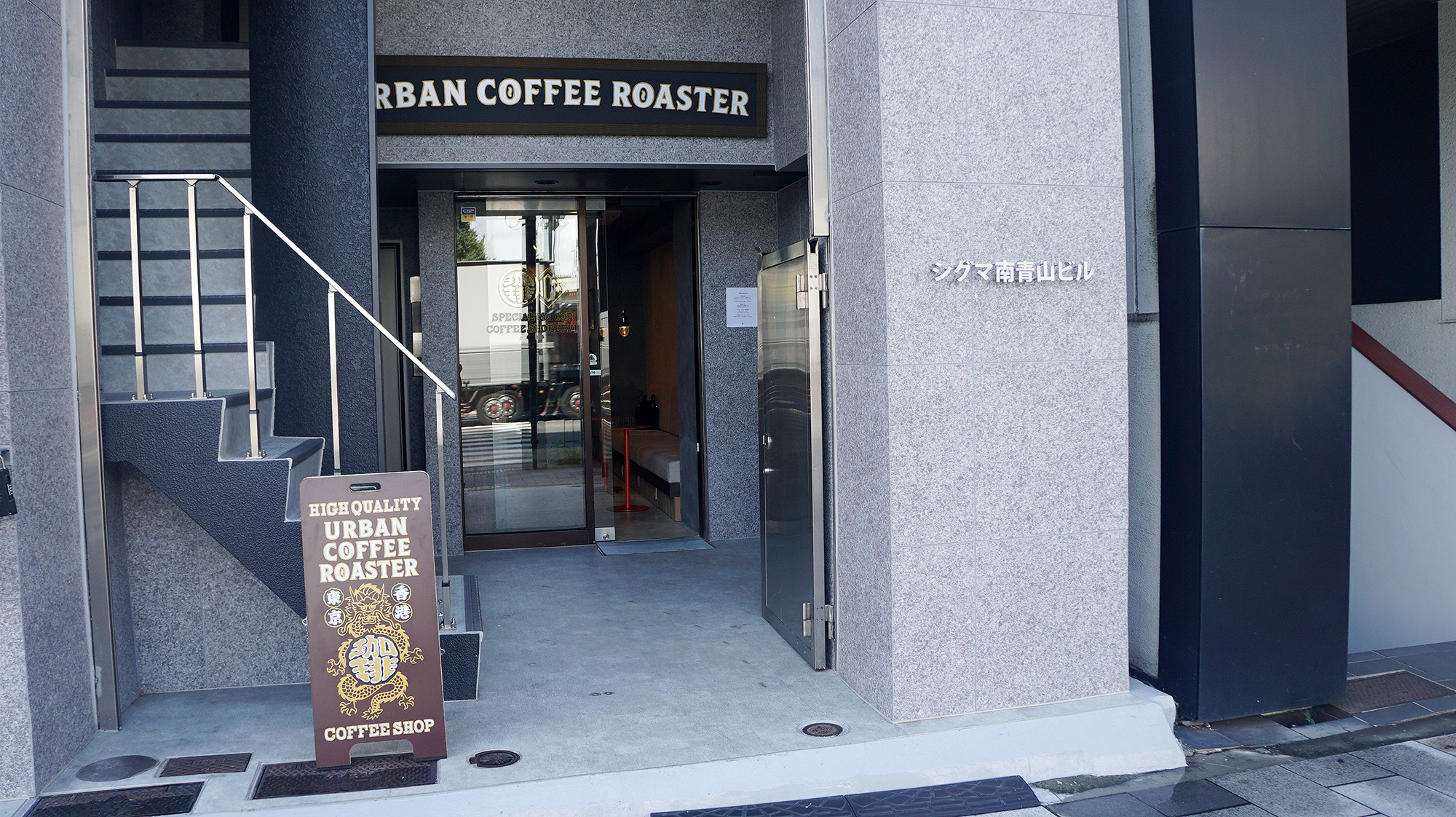
On August 7 a Hong Kong coffee shop opened on the ground floor of Minami-Aoyama 2-chome in Tokyo. Twenty seats. The door opens at eight in the morning and shuts at six in the evening. Out front runs the ginkgo avenue that pulls in some 1.8 million people every autumn, but that street only spills people for a couple of weeks a year. What carries the other fifty weeks is the problem these twenty seats have to solve.
1.The address is 2-11-14 Minami-Aoyama, Minato-ku, Tokyo, ground floor of the Sigma Minami-Aoyama Building. URBAN COFFEE ROASTER TOKYO opened on Friday, August 7. Twenty seats, weekdays from 8am to 6pm, weekends and holidays from 9am. No evening trade at all.
2.The brand started in Hong Kong in 2014. It now runs one roastery and five cafes there, in Tsim Sha Tsui, Tseung Kwan O, Causeway Bay and Soho, and last year it added a counter in the Terminal 1 departures hall at Hong Kong International Airport. Two more are planned this year, the company says. Tokyo is its first standalone store abroad.
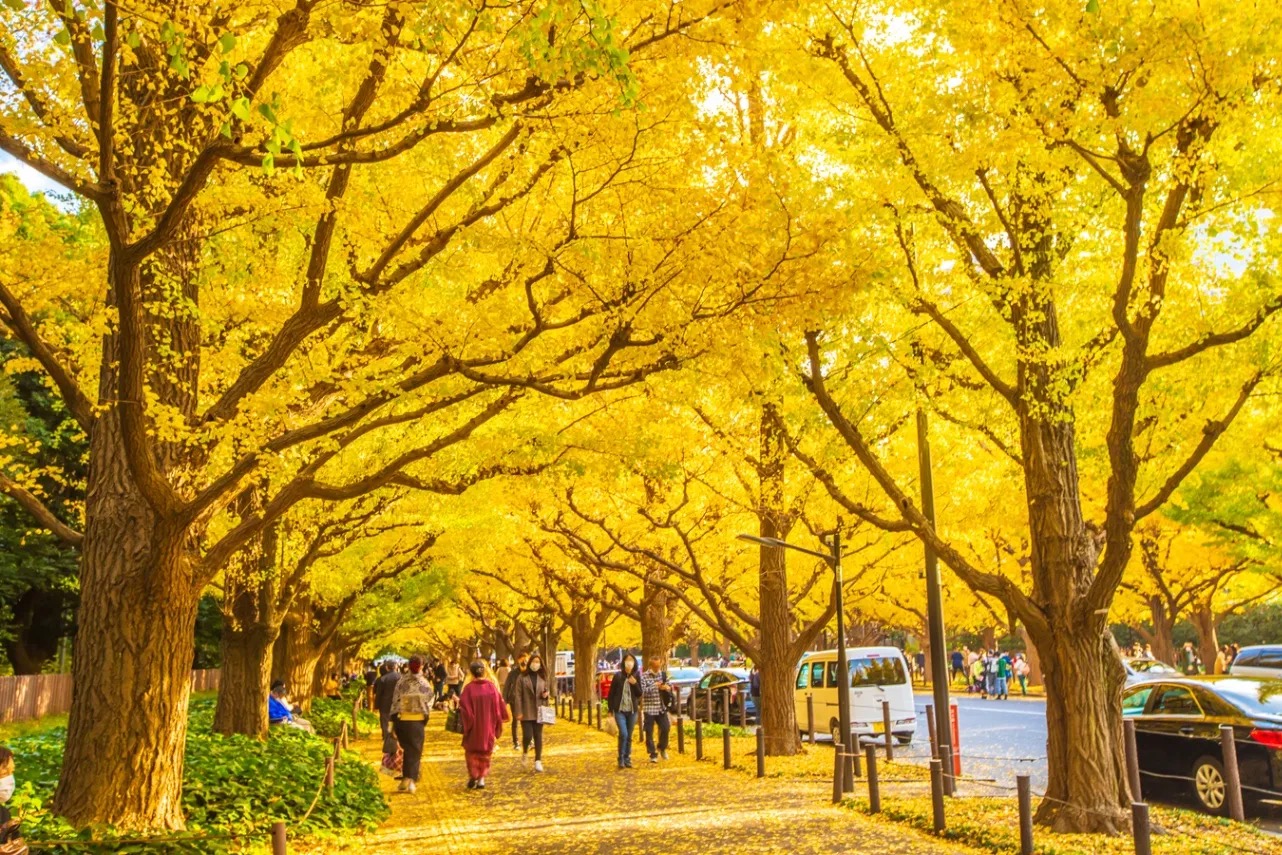
3.Co-founder Gary Au buys the green coffee and works the bar. Champion at the Hong Kong Barista Championship in 2024, champion at Hong Kong Coffee in Good Spirits in 2021 and 2024, third at the Hong Kong Brewers Cup in 2024. Sixth at the World Coffee in Good Spirits Championship last year. He travels to origins in Africa and Latin America every year to select beans, according to the company. So does that record show up in the cup price? The Hong Kong menu says otherwise.
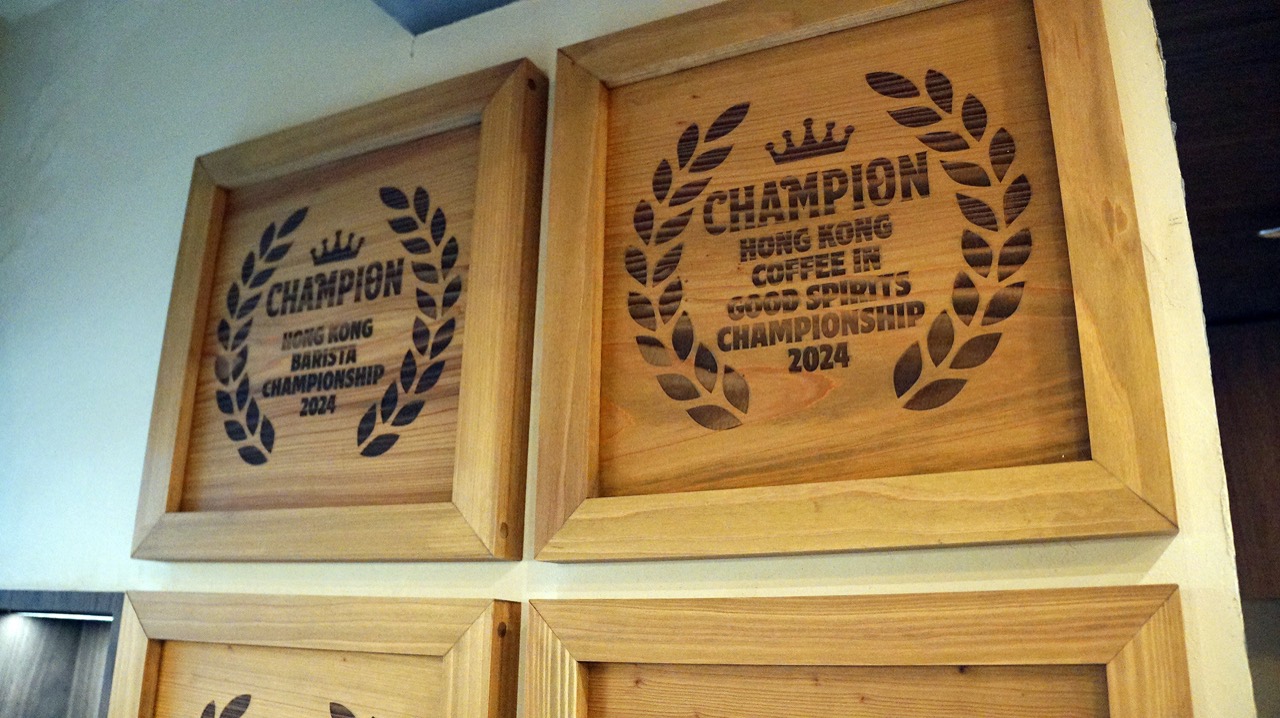
4.The address tells you what this company actually bought. The shop faces the ginkgo avenue of Meiji Jingu Gaien, roughly 300m of four rows of trees that draw around 1.8 million people each autumn. The gold only arrives in mid to late November, though. Parts of the route are currently restricted for redevelopment work, the notices say. This is not a street that stays busy twelve months a year.
5.Three drinks stand out on the menu. Coffee Eggnog, drawn from the Hong Kong egg tart; Bon Blessing Irish Coffee, Gary Au's rebuild of the classic; and Specialty Yuen Yeung. That last one is the shop's nameplate.
6.Yuenyeung is an invention of the Hong Kong cha chaan teng. Coffee poured into a hard-brewed Ceylon milk tea, then evaporated milk and sugar. The ratio varies by shop and no fixed number exists. What kept this caffeine-on-caffeine combination alive for more than half a century was not flavour but speed. Tea brewed in advance, coffee drawn in advance, and all that is left is to mix them.
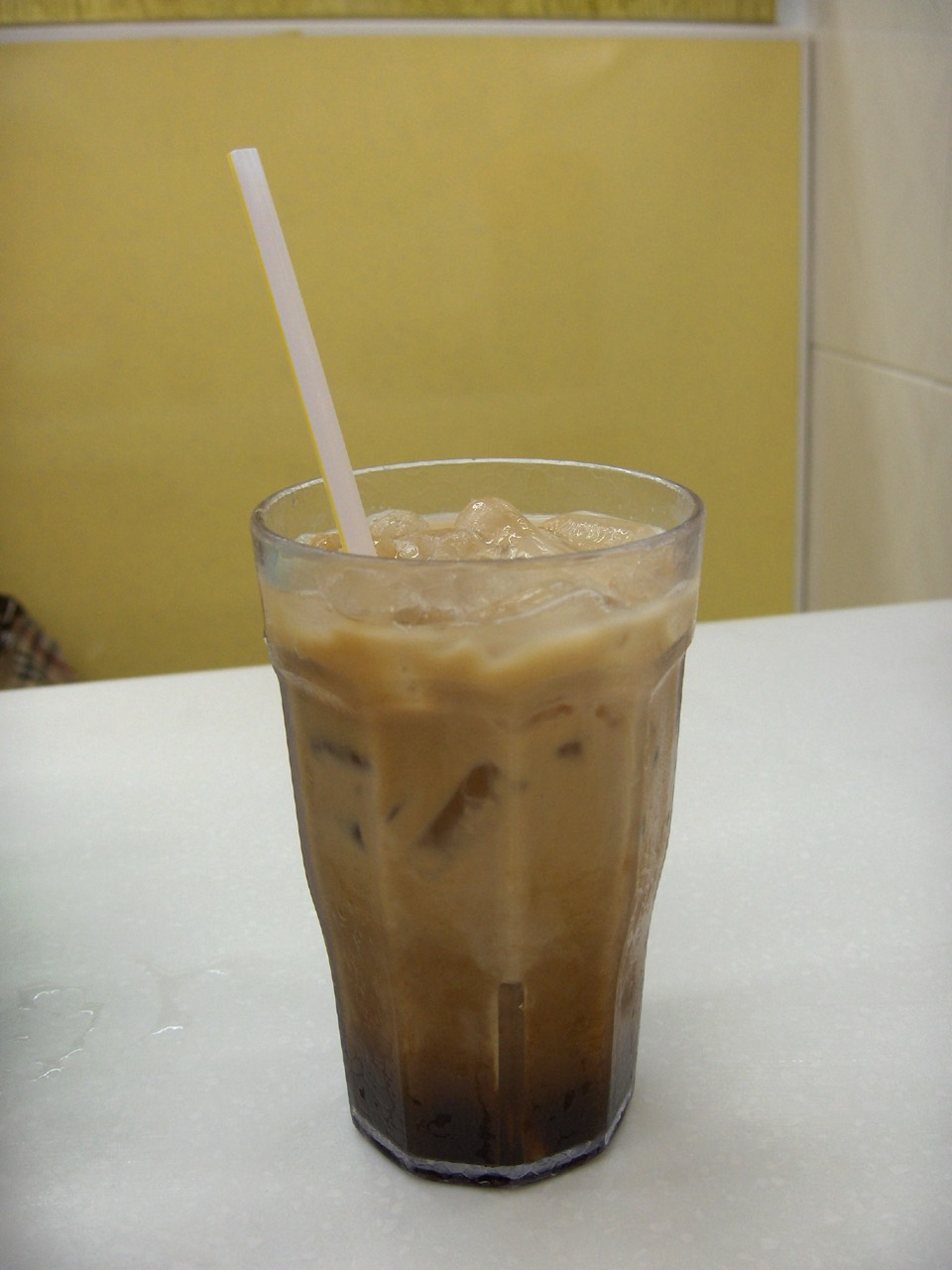
7.Put specialty coffee into that glass and one problem appears. The acidity of a light roast collides with the tannic finish of black tea and the two push each other off the tongue. Add the oily sweetness of evaporated milk and the acidity settles into a vague sourness. Rebuilding the drink around specialty coffee means darkening the roast, shortening the steep, or both. Yuenyeung is the worst possible glass for showing off beans, which is exactly why it is striking that this shop put it on the signboard.
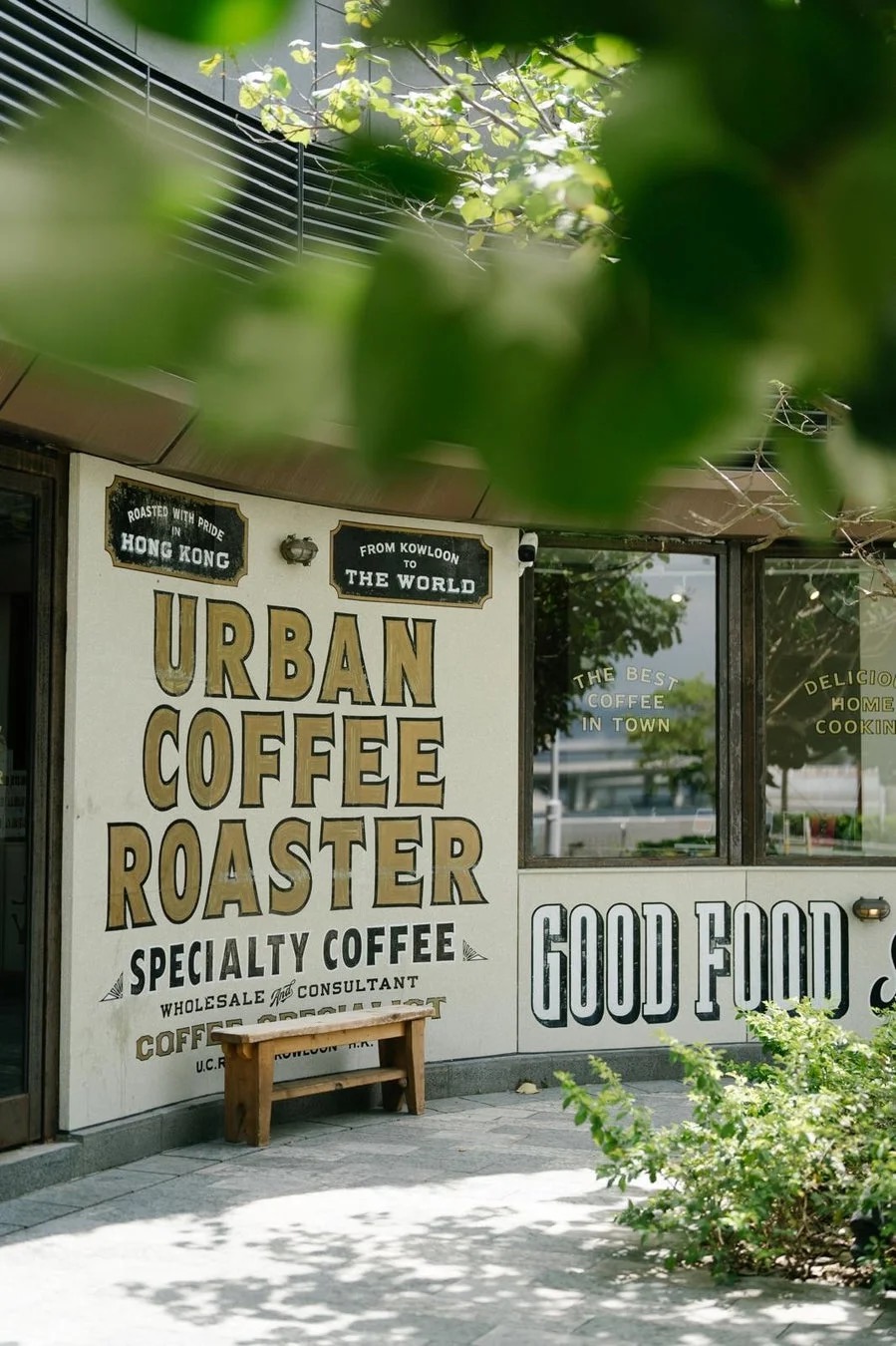
8.The 2-Way Cup that Gary Au designed is itself a product. The rim is cut differently on two sides, so turning the cup changes the width and speed at which the liquid reaches the tongue. The same coffee can lead with sweetness or stretch its aroma and finish. It has won a Red Dot Design Award and a Specialty Coffee Association new-product award, and a limited ginkgo edition was released for the Tokyo opening. An object that makes you taste one cup twice.
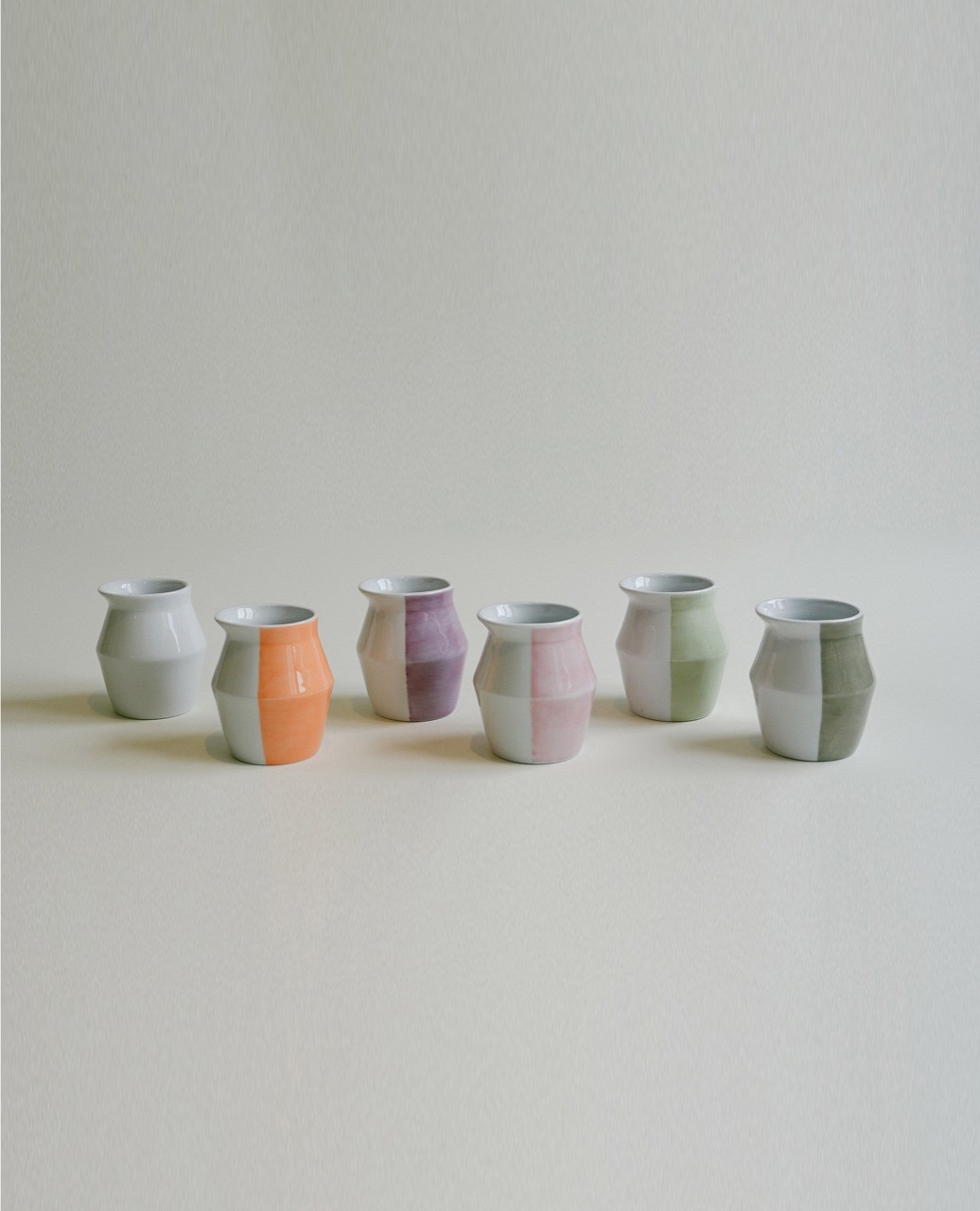
9.The floor area has not been disclosed. Working from the Japanese cafe planning convention of two seats per tsubo and a kitchen at 20% of the total, twenty seats fit into 12 to 13 tsubo. Average ground-floor street-front rent in Minami-Aoyama is 31,318 yen per tsubo, and the priciest block, Minami-Aoyama 2-chome, runs to 50,813 yen. This shop sits in that very block. At 12 tsubo that is 380,000 to 610,000 yen a month, roughly 3.6 to 5.8 million won.
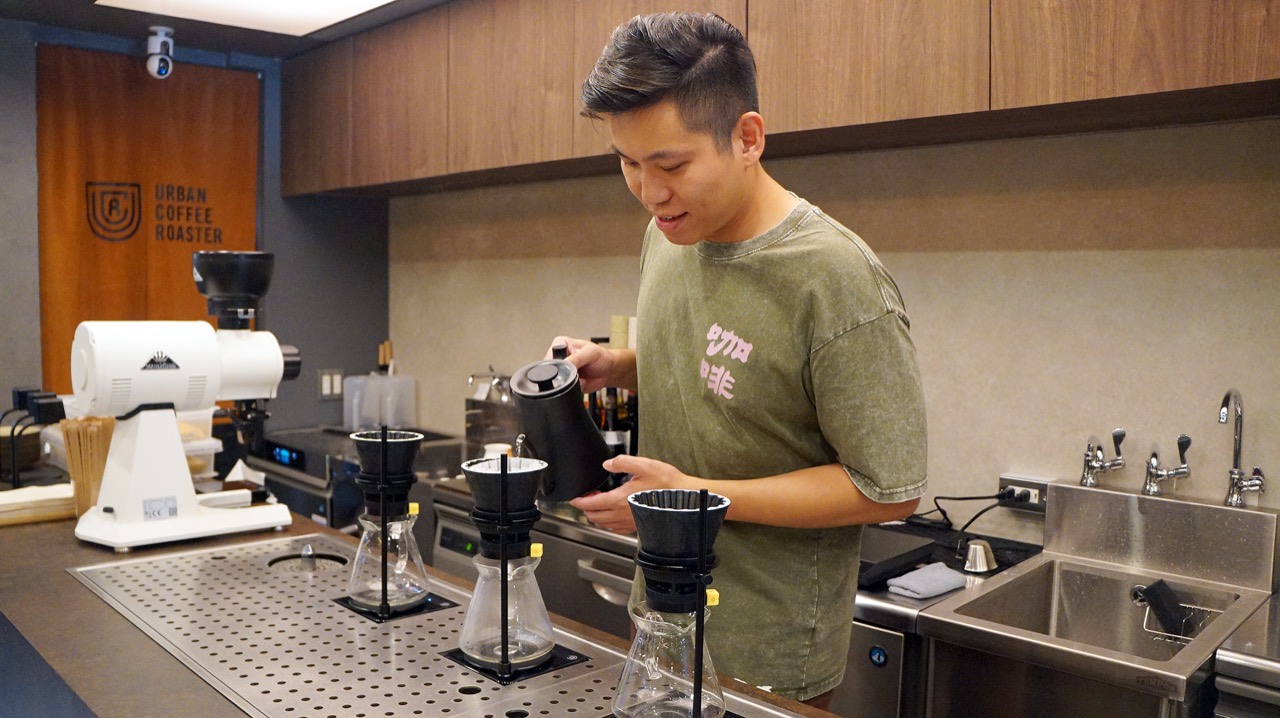
10.Here the numbers tighten. Food-service practice keeps rent inside 10 to 15% of sales, and at 13% this shop needs 2.92 to 4.69 million yen a month. Over 26 trading days that is 112,000 to 180,000 yen a day. At an average spend of 1,200 yen, 94 to 150 people a day. Between five and seven and a half turns across twenty seats.
11.Seated trade will not produce that turnover. A specialty cafe guest holds a seat for 40 minutes to an hour and a half, and across ten trading hours seating alone tops out at three turns. The rest comes from cups handed over standing. Opening at eight is the answer. People heading to offices along Aoyama-dori pass before nine, and cups sold in that hour use no seat at all.
12.The second answer sits outside the cup. One wall is given over to bean bags, drippers and 2-Way Cups in every colour. A person rarely drinks more than two coffees a day, but a cup sells for around ten times a drink and does not spoil in storage. Hong Kong prices put a latte here at HK$49, about 9,100 won, so if a single piece of merchandise stands in for ten lattes, the arithmetic of twenty seats works out differently.
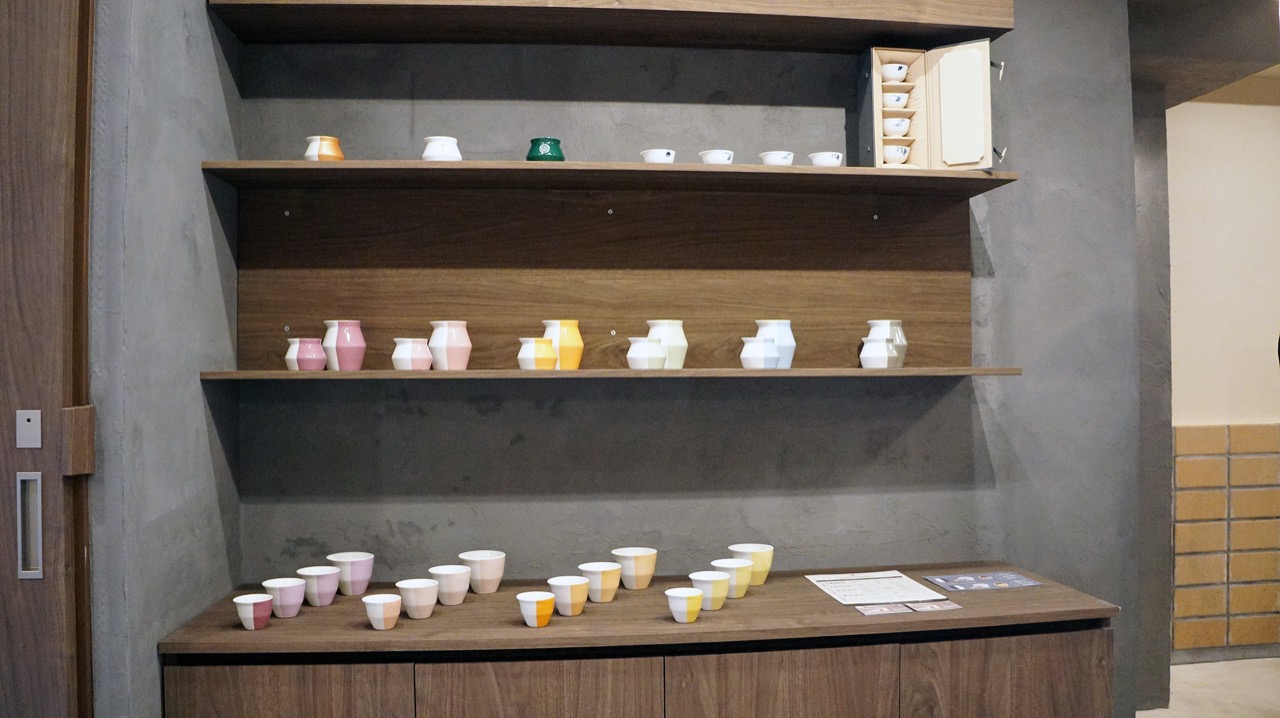
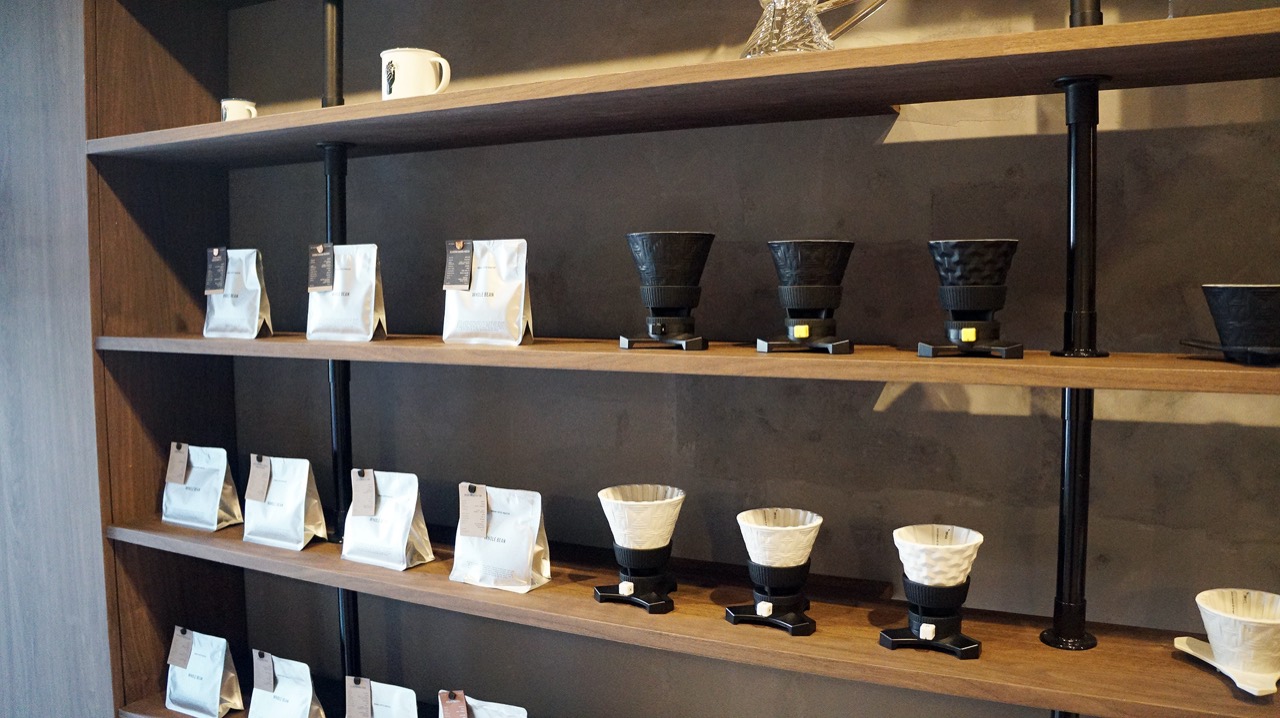
13.When the cha chaan teng invented yuenyeung, it was a way of stretching expensive coffee with cheap tea. The specialty wave of the 2000s pushed that mixed glass aside as unsophisticated, and counters explaining origin and processing took its place. What this shop does is bring the discarded glass back, only from the opposite direction. Where tea was once added to stretch cheap coffee, tea is now added to advertise expensive coffee.
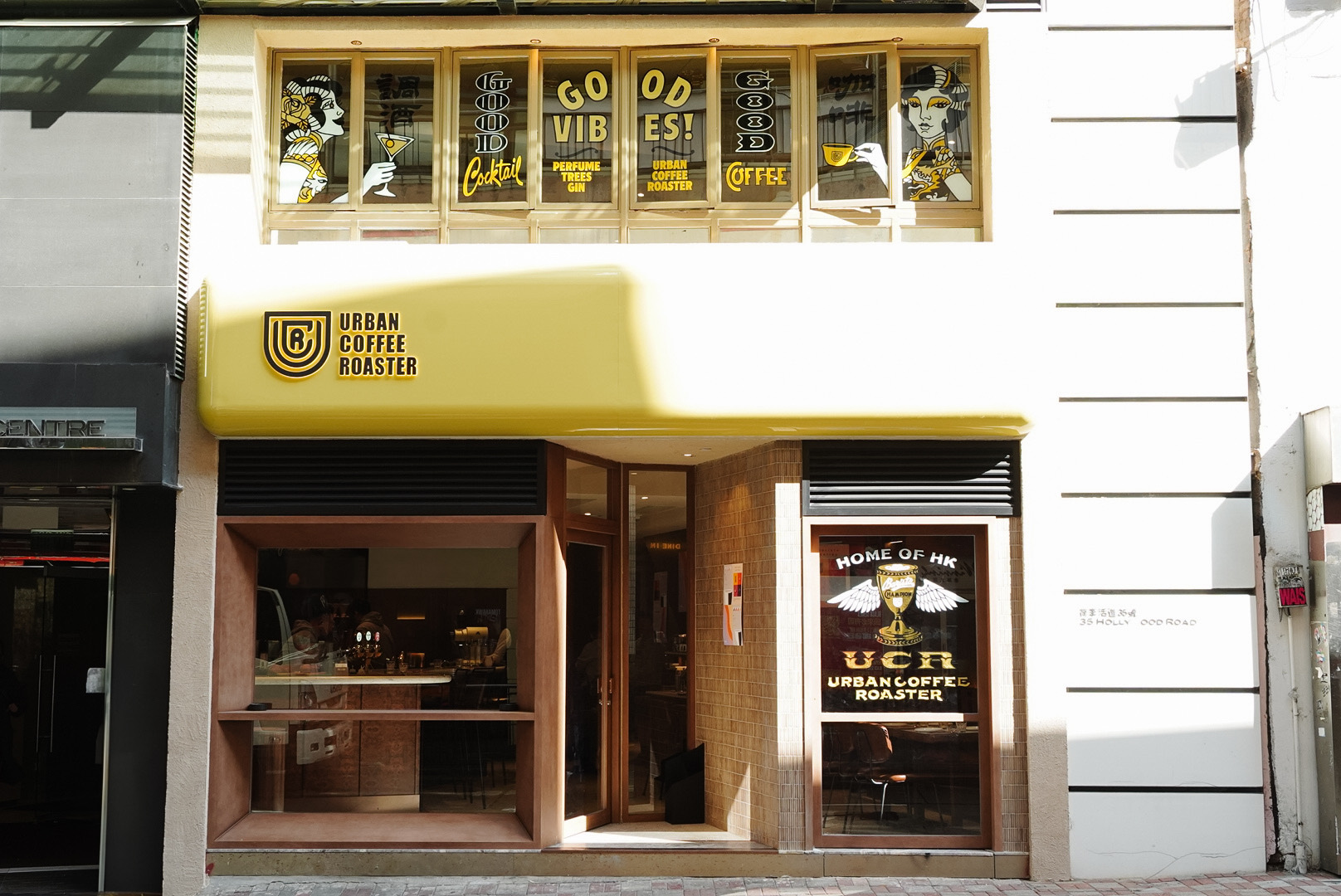
14.So who actually opened the Tokyo shop? Not a branch of the Hong Kong parent but UCR Co., Ltd., set up separately in Tokyo in December 2024 with capital of 5 million yen and the founder himself as representative. Its head office is in Sangenjaya, Setagaya. Twenty months passed between incorporating and opening the first store. Rather than selling a master franchise, they built a local company and went in direct, so instead of collecting royalties they carry the rent and the payroll themselves.
15.A roastery that opened five sites in Hong Kong over twelve years chose one of the most expensive ground floors in Tokyo for its first store abroad and put in only twenty seats. It opens at eight in the morning and closes at six in the evening. Holding rent of 50,000 yen per tsubo to 13% of sales calls for 150 people a day, a number twenty seats cannot seat, so the answer lies in takeaway and in selling beans and cups. Anyone drawing the same picture in Korea hits the deposit first. Ground-floor street frontage in central Seoul carries key money and deposits at ten to twenty times the monthly rent, and that capital stays locked up until beans and merchandise start paying it back.