On 15 July a trade agreement between the UK and India took effect. The 6% duty on roasted coffee vanished that day. Thirty-six days later, a company that owns coffee land in eastern India set up a counter on a high street in south London. The side that used to sell green beans came to sell cups.
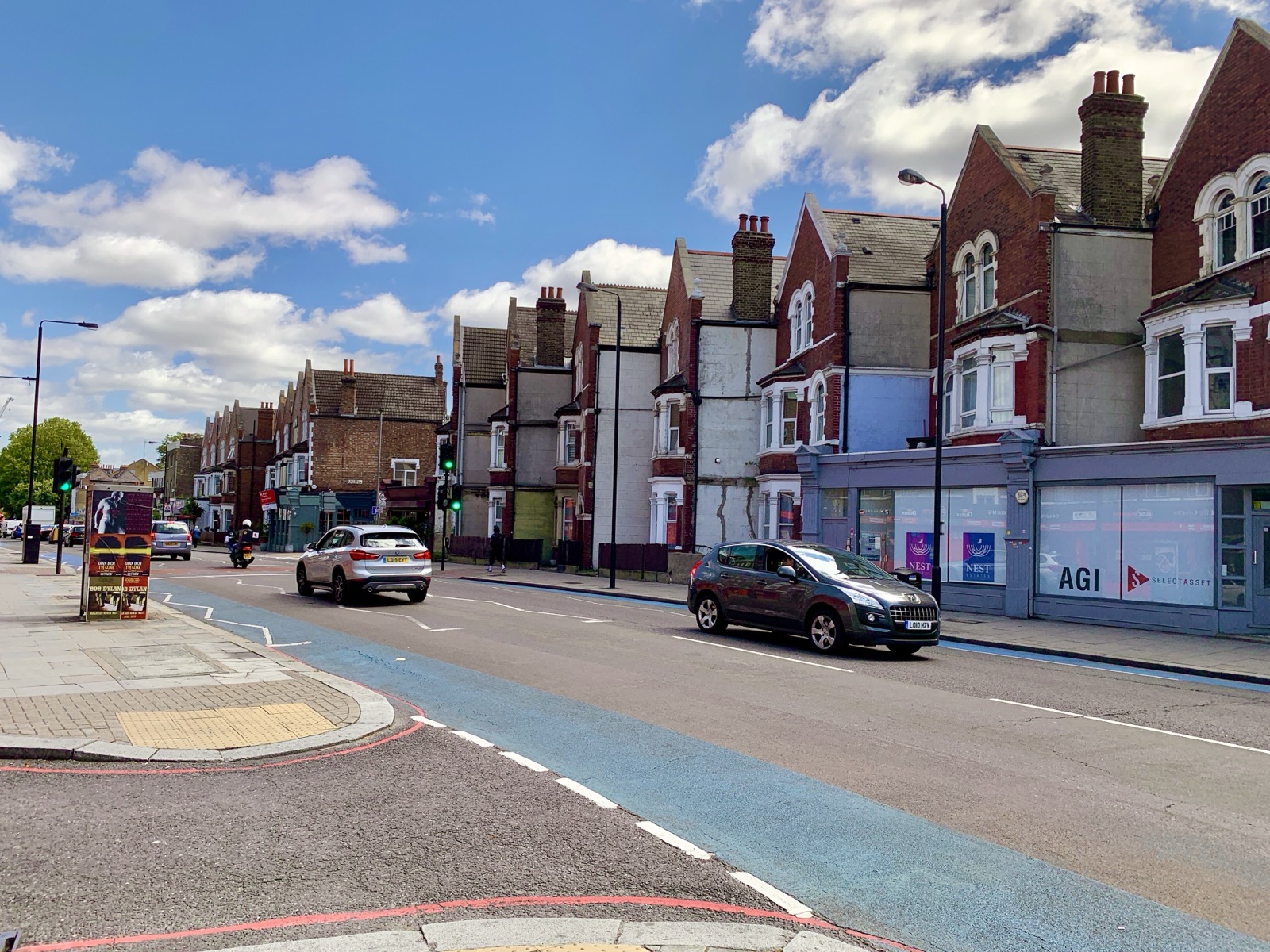
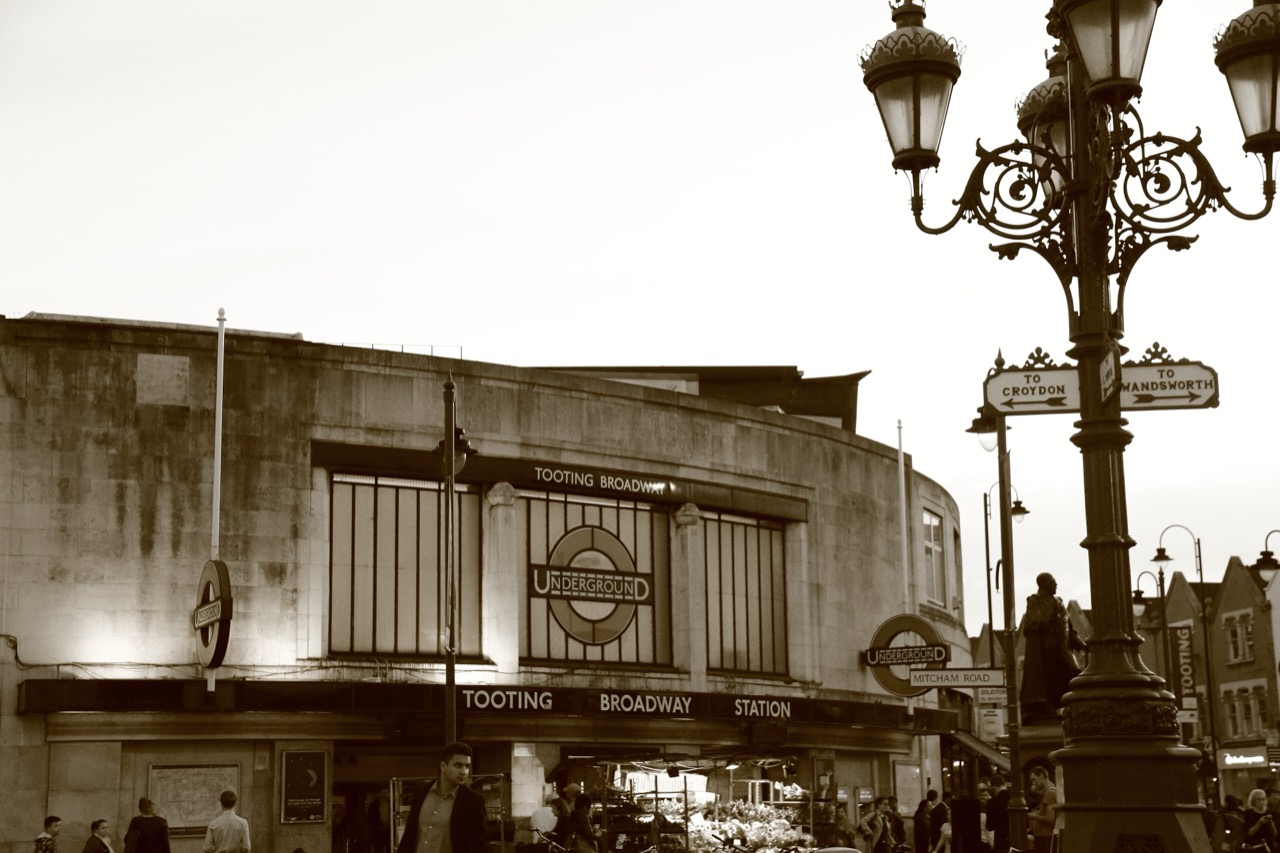
1.The shop is called Kruti Coffee. It sits on Tooting High Street, on the run of shopfronts you reach the moment you walk out of Tooting Broadway station. Opening day was 20 August. This is the first location outside India for a company that grows and roasts coffee in the state of Odisha, and it picked a Zone 3 neighbourhood parade rather than central London.
2.The beans filling this shop were roasted in India and came by sea. Company co-founder Jeeta Mona says that shipment, dispatched from Kolkata, was the first Indian coffee to enter under the UK India Comprehensive Economic and Trade Agreement. The opening date first announced was 1 August, and the doors actually opened nineteen days after that.
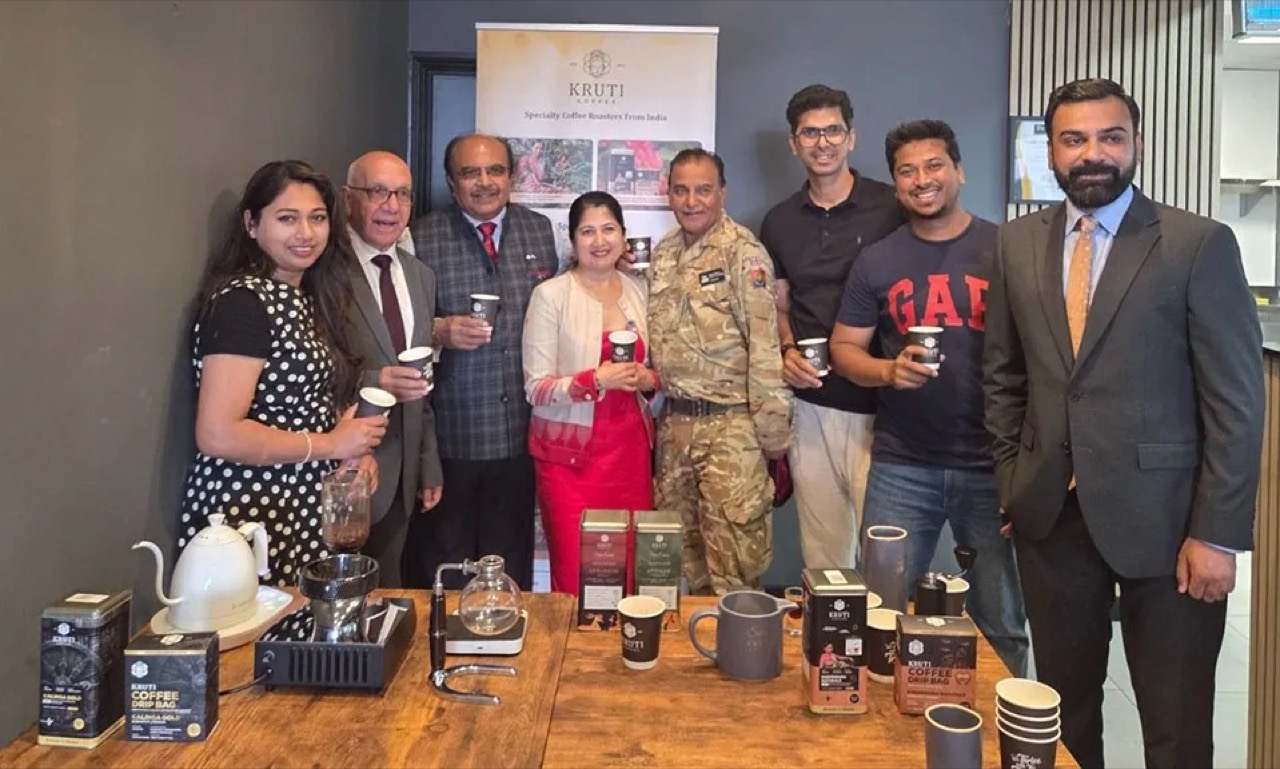
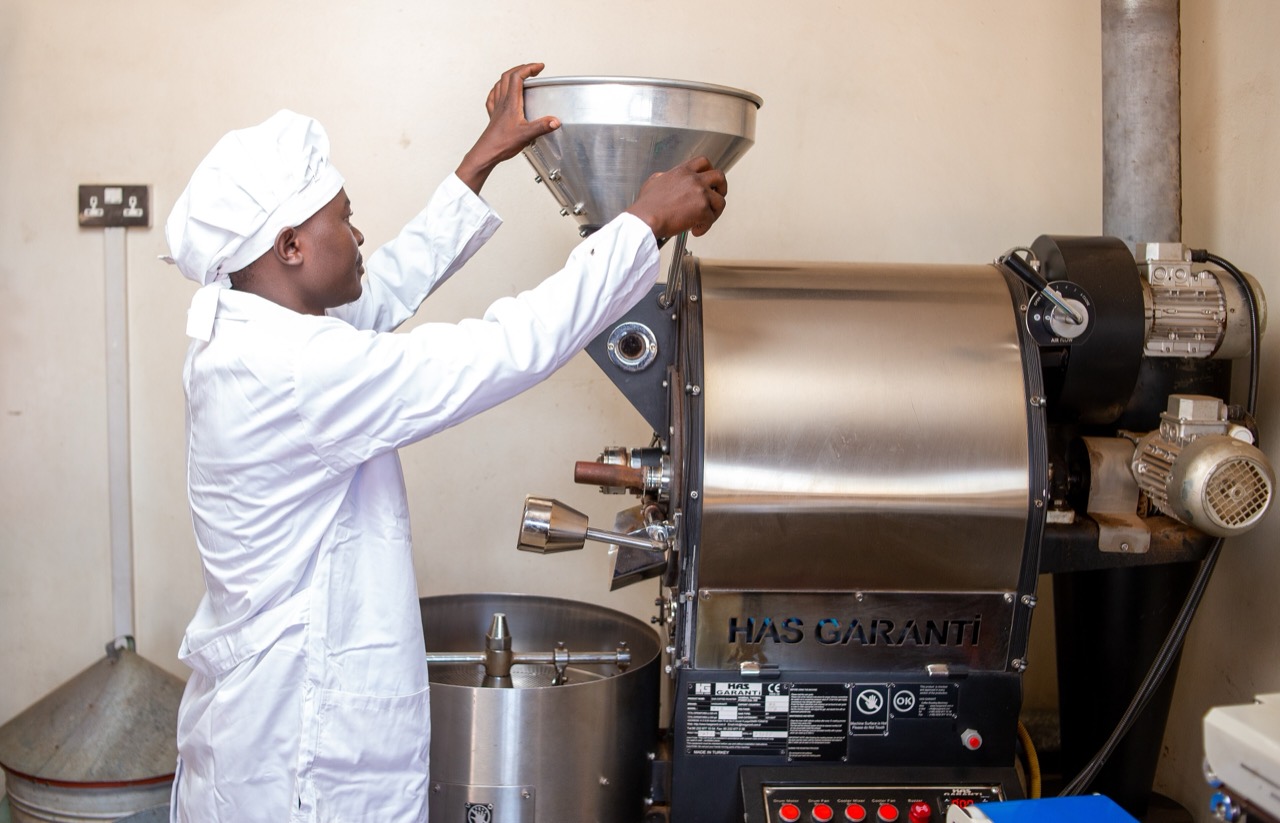
3.What it sells splits two ways. Espresso drinks pulled from a 100% arabica house blend on one side, hand poured filter on the other, with the bean changing cup by cup. The face of the filter list is Kindiriguda Naturals, the lot that took Best Arabica Naturals at the Fine Cup Award during the 5th World Coffee Conference. Roasting happens at the company's own plant in Bhubaneswar, the Odisha state capital.
4.Natural processing dries the cherry with its skin on. The seed dries while holding the sugar of the fruit around it, so ripe fruit notes come forward in the cup and the acidity spreads round rather than sharp. The Koraput highlands ripen cherries slowly under shade trees, which lays the sweetness on thick. All of that follows from published processing and growing conditions, and this writer has not tasted the cup.
5.The problem is how long a customer takes to notice that aroma. One hand poured cup ties up a barista for the three minutes it takes to pour and drain. In the same three minutes an espresso machine turns out six drinks. A shop that puts rotating filter at the front of its menu has to convert those three minutes into a price someone will pay, and if it cannot, the station is simply a slow counter.
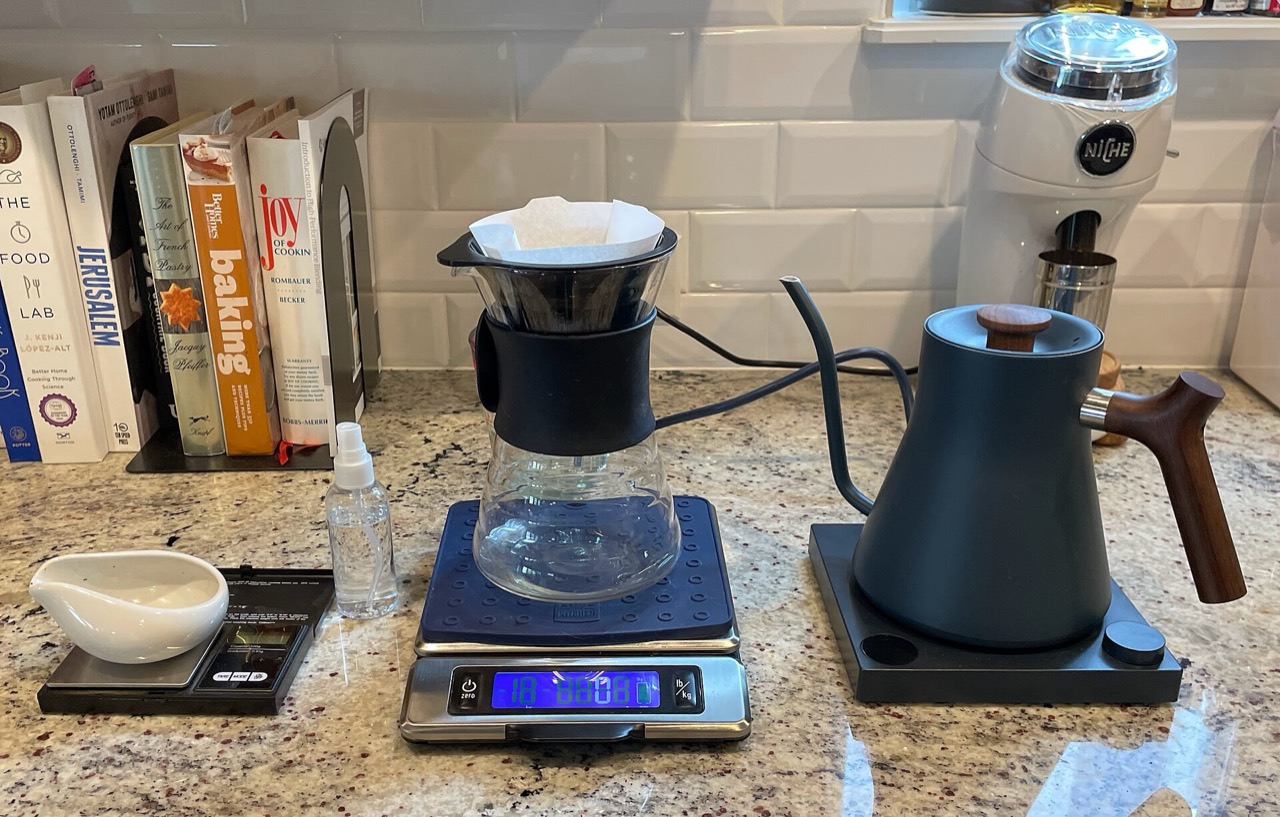
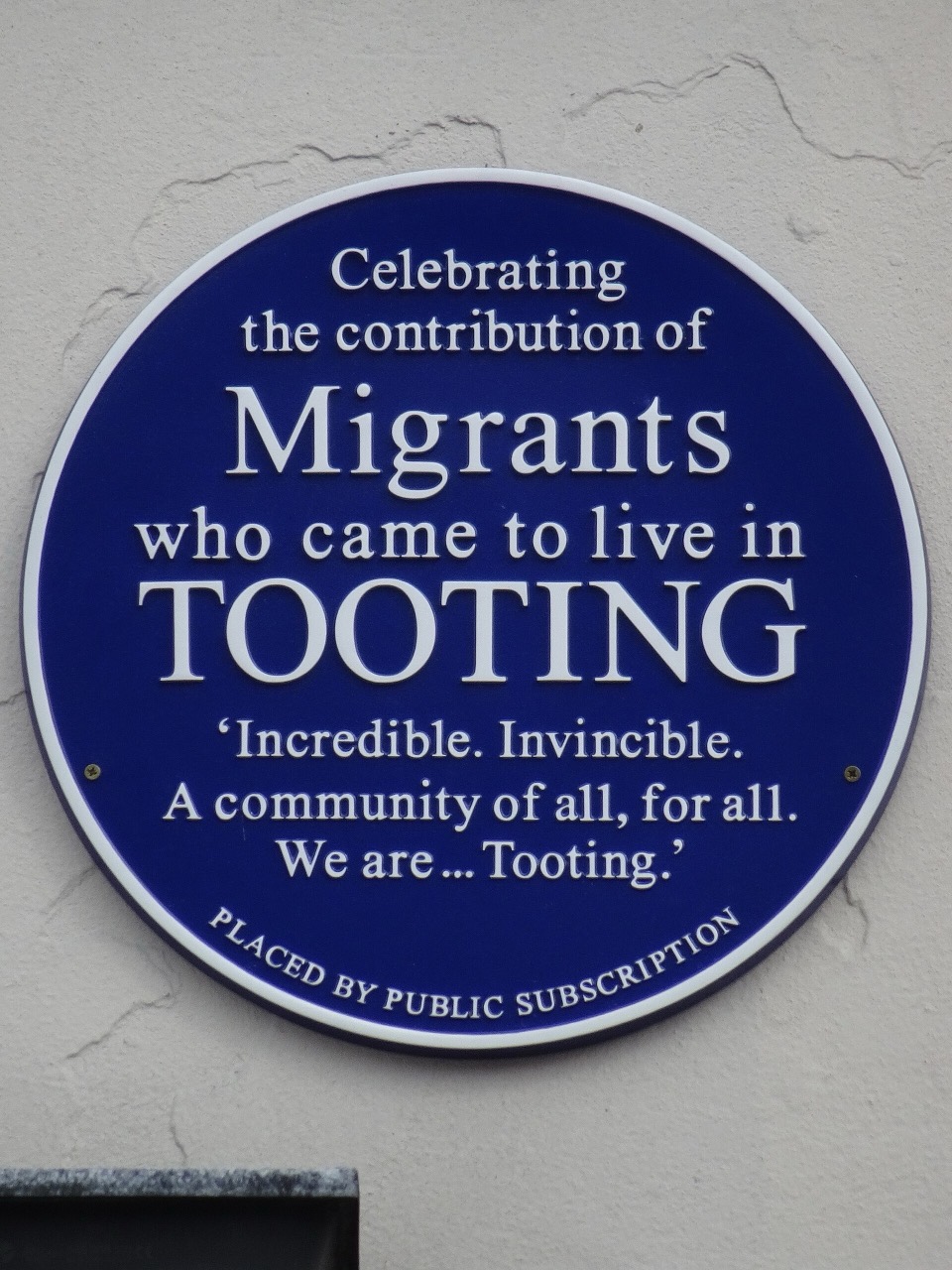
6.Why Tooting. This is one of the areas where South Asian Londoners live most densely, with Asian residents at 29% of the Tooting ward and minority ethnic residents together above half. Indian restaurants and grocers fill both sides of the high street, and a plaque at the entrance to the indoor market honours the migrants who came to live here. No street in London asks for less explanation when you sell Indian roasted coffee under an Indian name.
7.India is the seventh largest coffee producer in the world and still does not get called a coffee origin. Of the 403,000 tonnes forecast for the 2025-26 season, robusta accounts for 284,000, seven tenths of the crop. Green beans make up 64% of exports as well. Raw material that leaves nameless inside somebody else's blend has been the default for this country's coffee, and states like Odisha, which grow a little arabica, stood further back still.
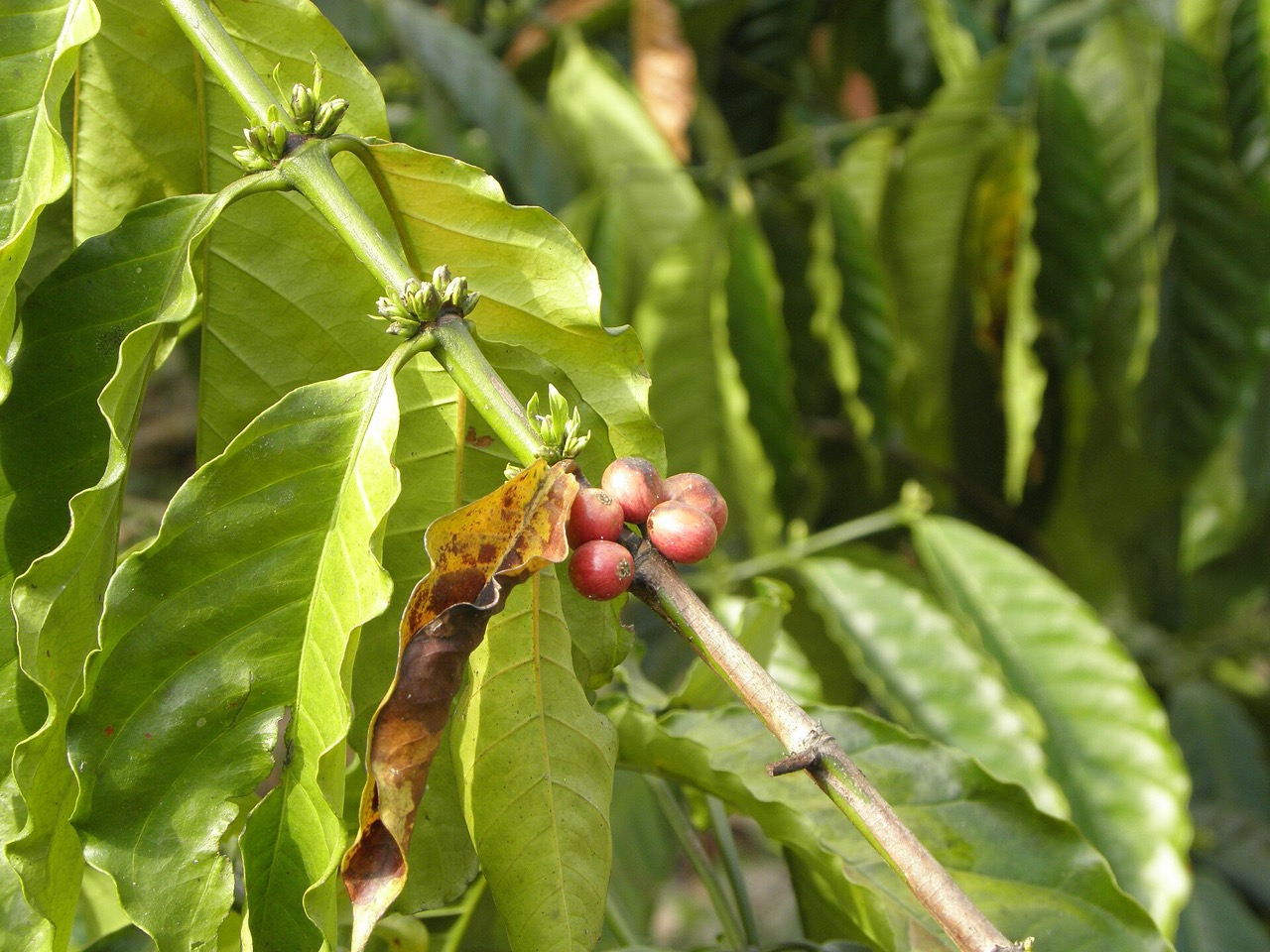
8.What changed in July pushes against that default. Green beans always entered the UK duty free, and the 6% applied to roasted coffee. That 6% is what the agreement erased. Roasting can now stay at origin instead of moving to Europe without costing the seller on price. Duties on tea and spices fell away the same day.
9.How much that 6% is actually worth is modest. Ship ten million won of roasted beans and it comes to six hundred thousand. What moved the company was not the duty itself but where a kilogram of coffee gets paid. Loaded as green it fetches under ten thousand won a kilo, sold roasted in 250g bags it reaches the sixty thousands, and once those beans cross a counter as cups it lands in the three hundred thousands.
10.Open a cafe because you saw the number 37 and you will get hurt. Rent and labour split that gap between them, and Tooting happens to be unusually cheap on the rent side. Average asking rent on Upper Tooting parades runs 34 pounds per square foot a year. Prime Covent Garden is quoted at 1,151, and although the two are measured differently and cannot simply be divided, the order of magnitude is plainly not the same.
11.So in a London cafe this size the fight is decided by people, not rent. The UK statutory minimum wage rose to 12.71 pounds an hour in April, and with employer costs on top, two staff standing for ten hours costs 292 pounds a day. Rent for the same day is 65 pounds. When labour runs more than four times rent, how many people are on the floor matters before how many cups go out.
12.There is one more thing. This company is not only a cafe operator but a roaster selling beans online and to trade accounts, and it runs seven of its own cafes in India. Bags and subscriptions sold at the London shop add revenue that has nothing to do with cup count, and neither the labour nor the rent attached to a cup attaches to them. That is why a company that chose a small unit puts the bean shelf right on the payment path.
13.Origins opening their own cafes abroad has a name that came first. Procafecol, set up by the Colombian coffee growers federation, launched Juan Valdez Café in 2002 and now runs 630 locations across 40 markets. The business was selling a country's name rather than coffee, and reaching this size took 24 years. Not a category that settles quickly.
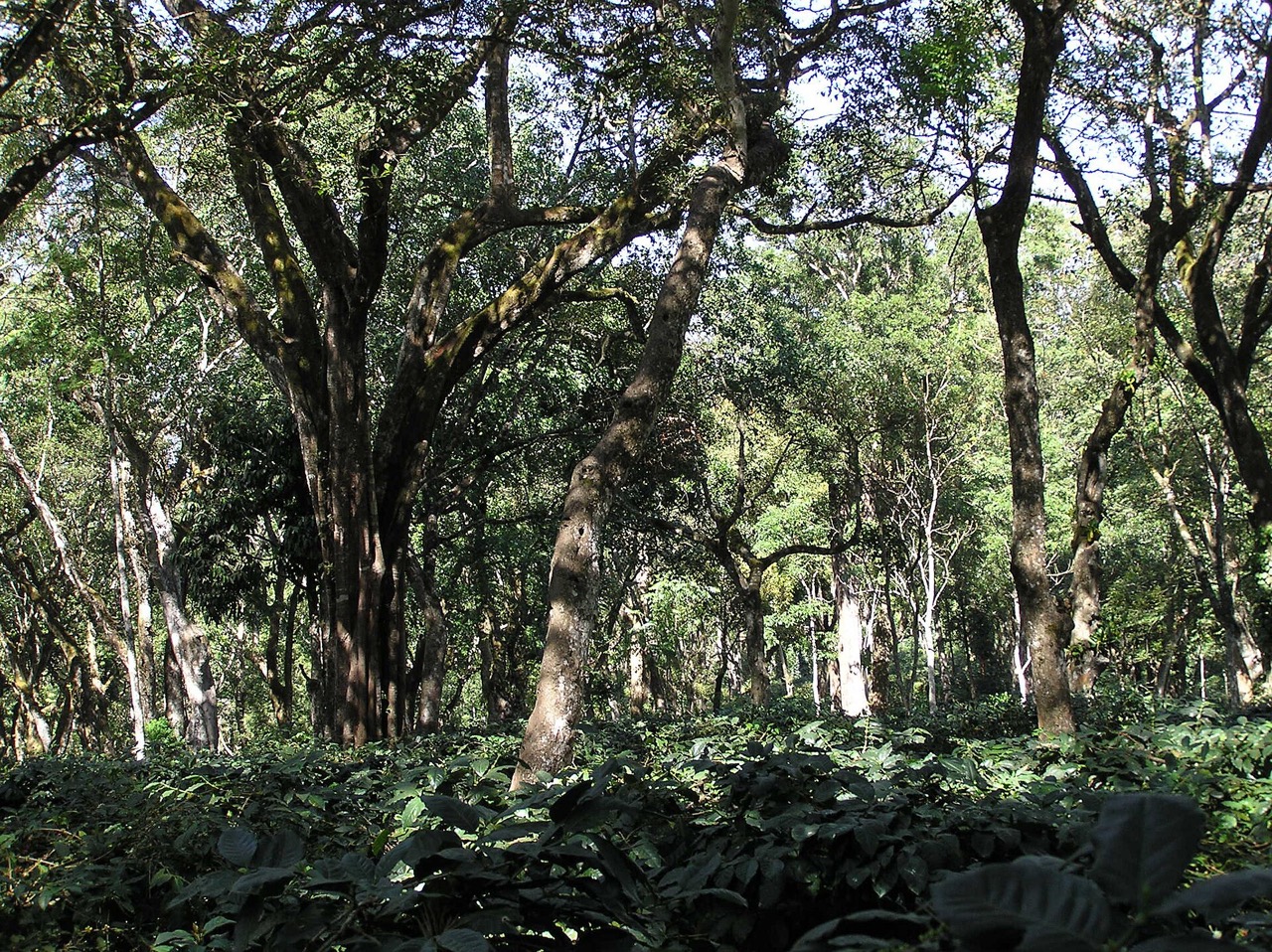
14.Volume does not explain this shop, though. The whole of Koraput district produces around 150 tonnes of coffee a year, while a single cafe selling 146 cups a day gets through roughly 1.3 tonnes of green beans over the same year. Under 1% of the district's crop. One London counter opening a route to market for an origin does not add up in the first place.
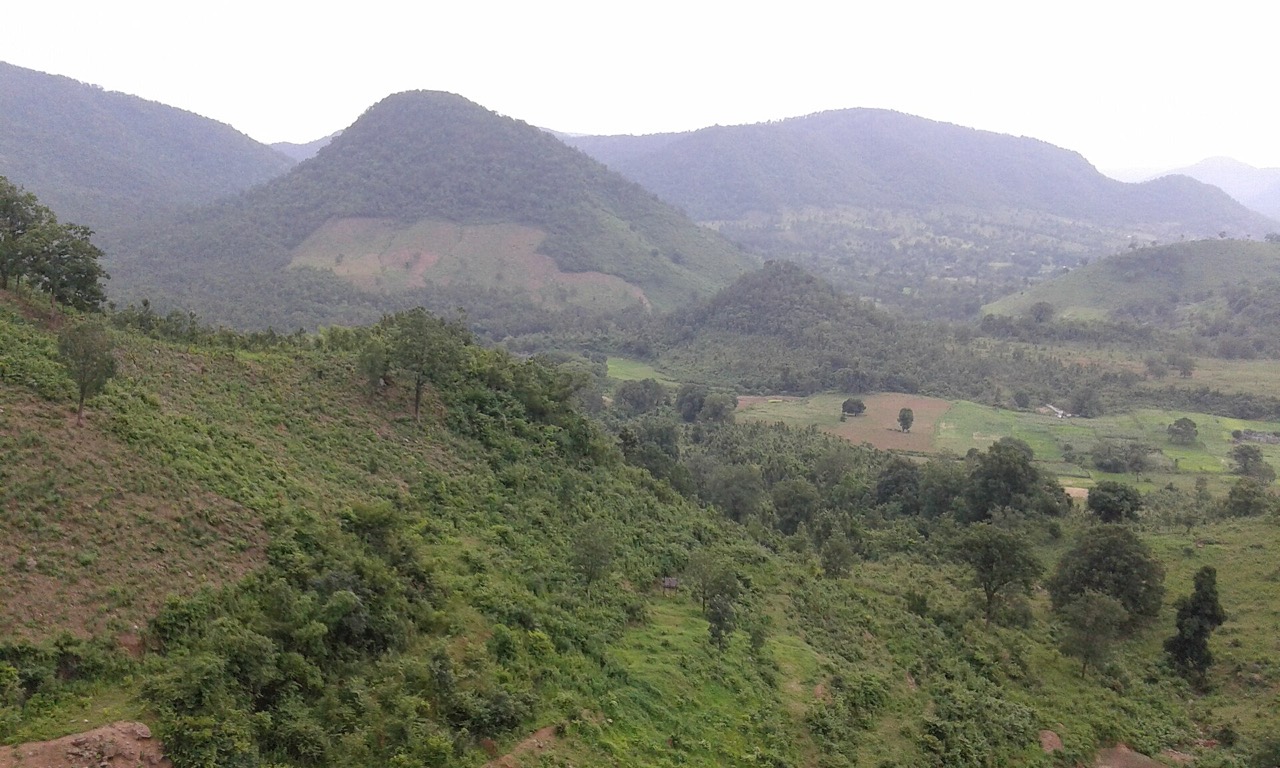
15.So what is this counter for. Rewriting the price list. The single fact that Indian single origin coffee sold in London at close to four pounds a cup becomes the ground for next year's green bean talks and trade account pricing. If a shop creates more value than it earns, it is a showroom rather than a store, and the profit and loss belongs at company level instead of store level.
16.Thirty-six days after the 6% on roasted coffee disappeared, an origin company opened a counter in London, and that counter gets through less than 1% of its home district's annual crop. Anyone doing the same in Korea runs first into origin labelling and food registration. Put an origin name on your trading name and your menu and you have to prove that name on paper, and the labelling changes every time the lot does. Rewriting those documents every month wears people down more than opening the shelf ever did.