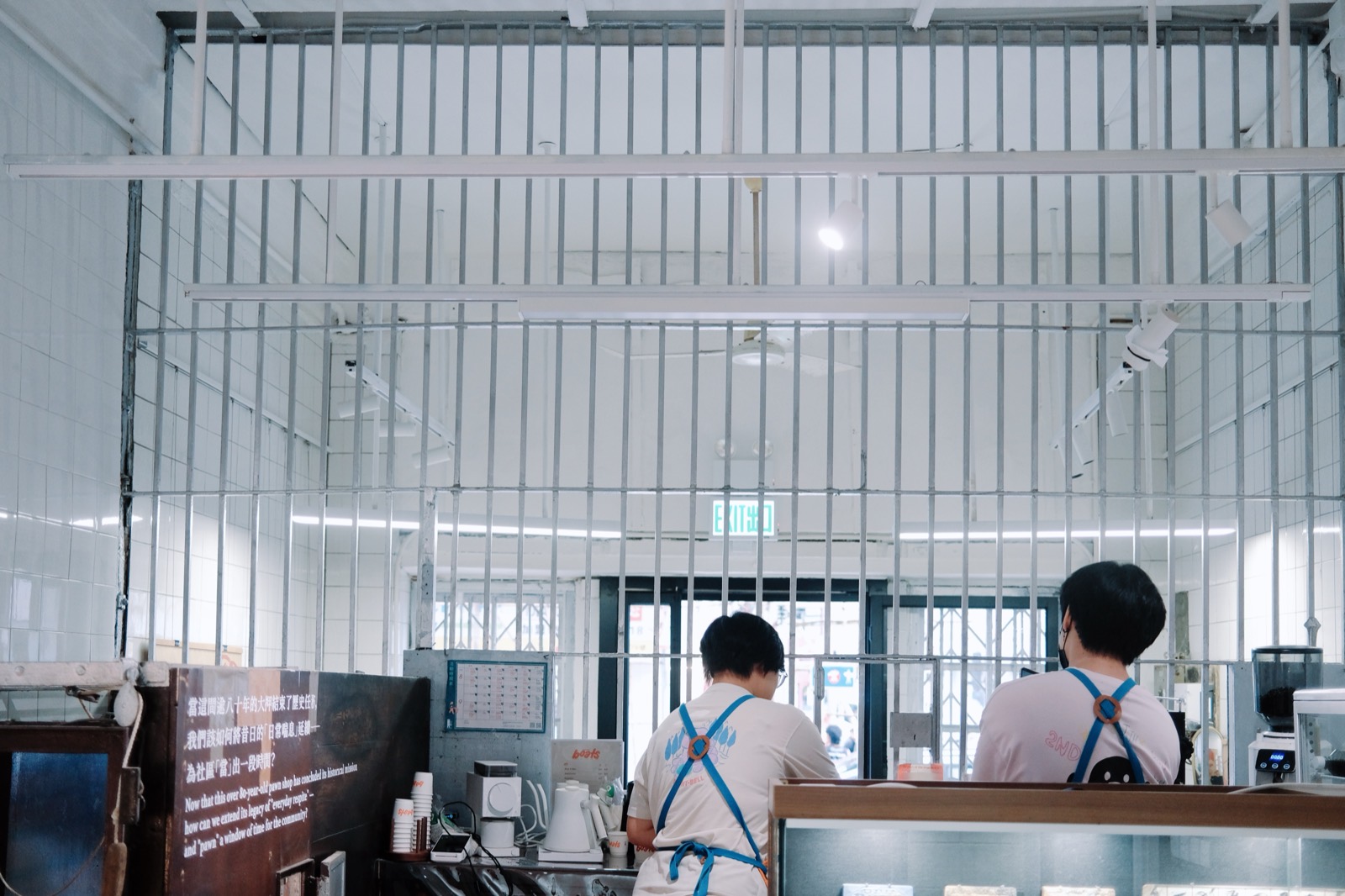
A 1924 pawn shop in Wan Chai, Hong Kong, shut for almost two years, reopened on 17 August. Behind the tall barred counter where customers once pushed their valuables across, a barista now makes coffee. It runs for 125 days, until 19 December. The coffee bar hands 20% of its sales to a charity, taken from the gross before a single cost is paid.
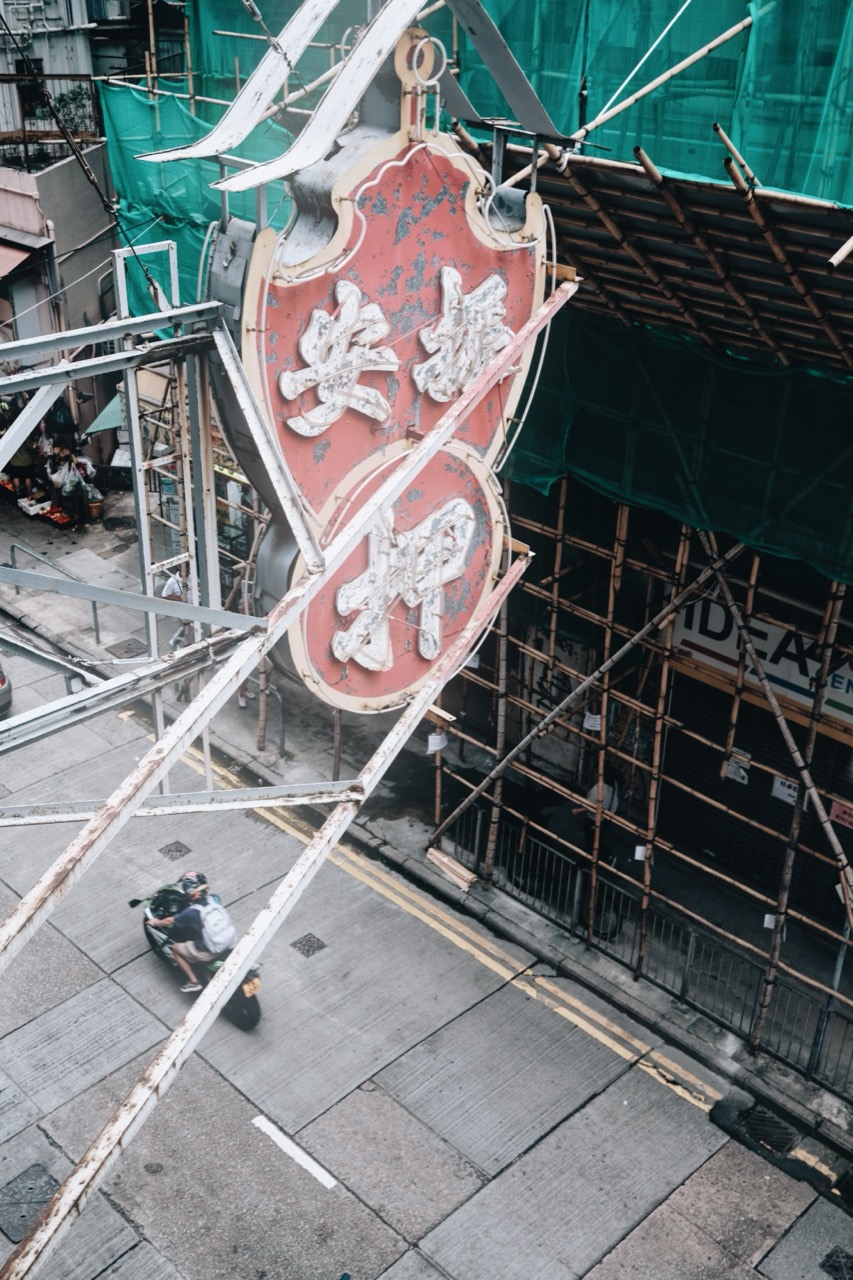
1.The address is 91 Wan Chai Road. For more than 80 years this four-storey tenement housed Chun On Pawn Shop (振安大押). It closed on 3 September 2024 when the lease ran out, and the unclaimed pledges were moved to another pawn shop run by the same family on Hennessy Road. The same year the building was listed as a Grade III historic building by the government's advisory board.
2.The reopened space is called 壹當, Project House in English. onebite Social, which has run neighbourhood space projects before, plans and operates it, and the Lion Rock Heritage Foundation (活在山下基金) funds it. The social enterprise Coffee BOATS took the old counter on the ground floor. It opens at 9am Monday to Thursday and at noon on Friday and Saturday, closes at 6pm, and rests on Sunday. Over a little more than four months, that makes 108 days of selling coffee.
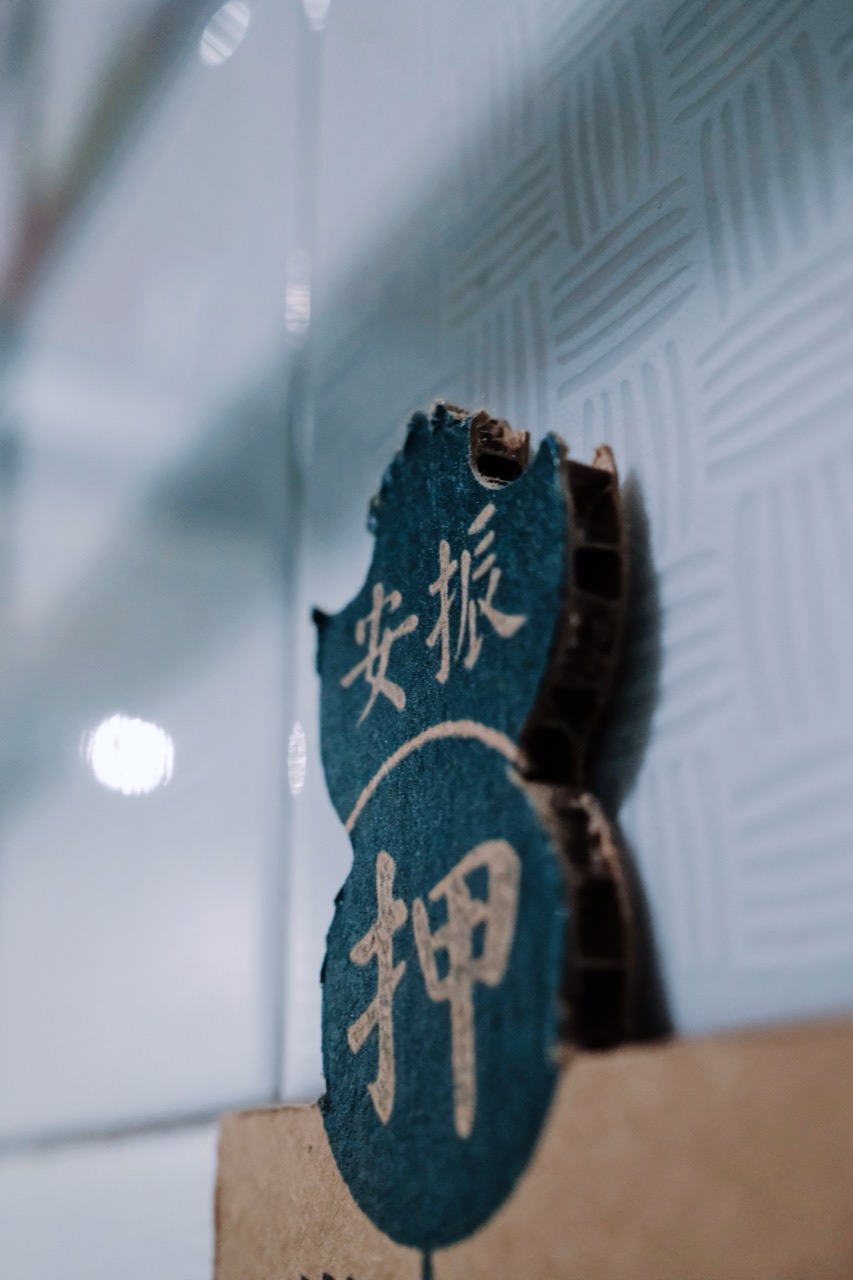
3.Look up from the street and a balcony juts over the pavement on every floor, each with the shop's four-character name beneath it. Behind the letters is a mosaic of old Chinese coins. The ground-floor front is clad in marble carved with the contractor's name and a six-digit phone number, and the government appraisal uses that number to date the marble to the 1960s. On either side of the upper windows, fan-shaped spiked guards.
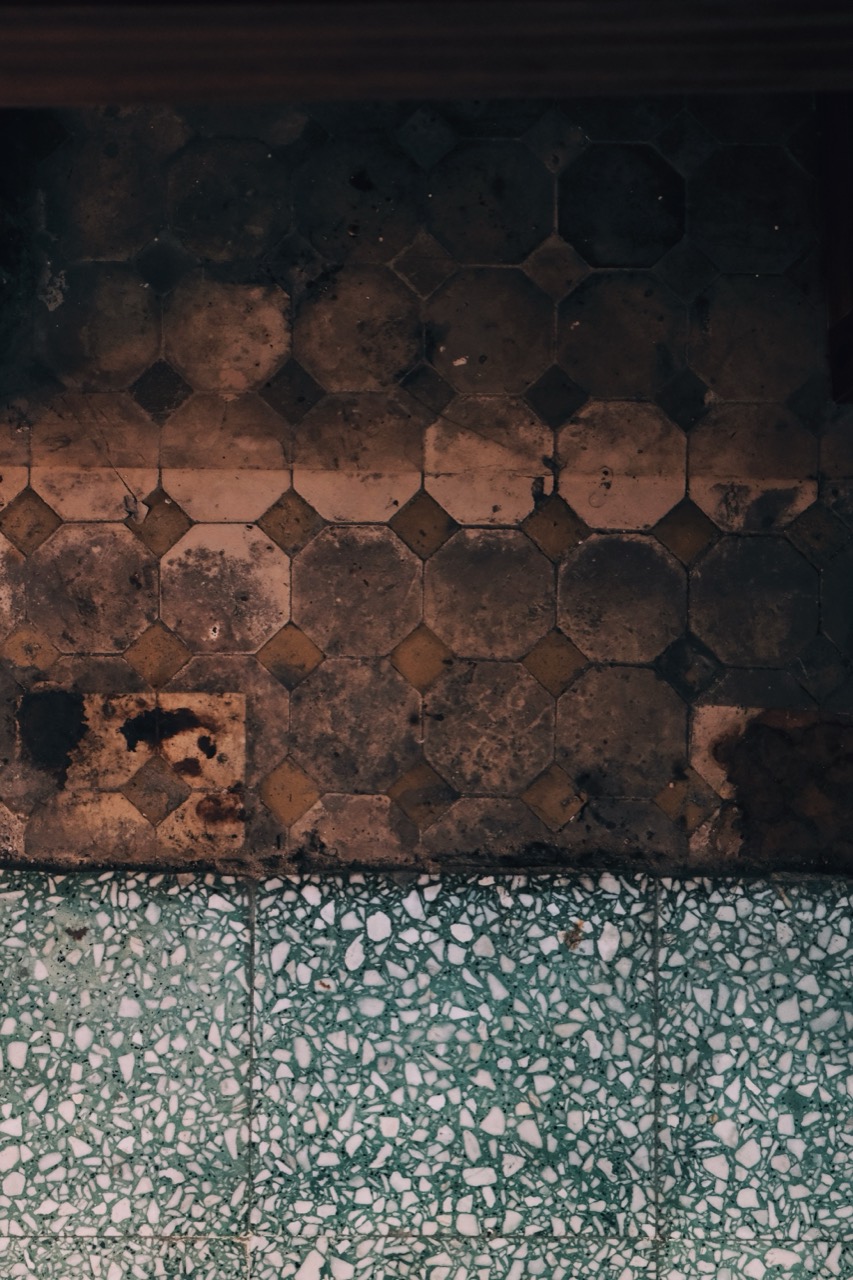
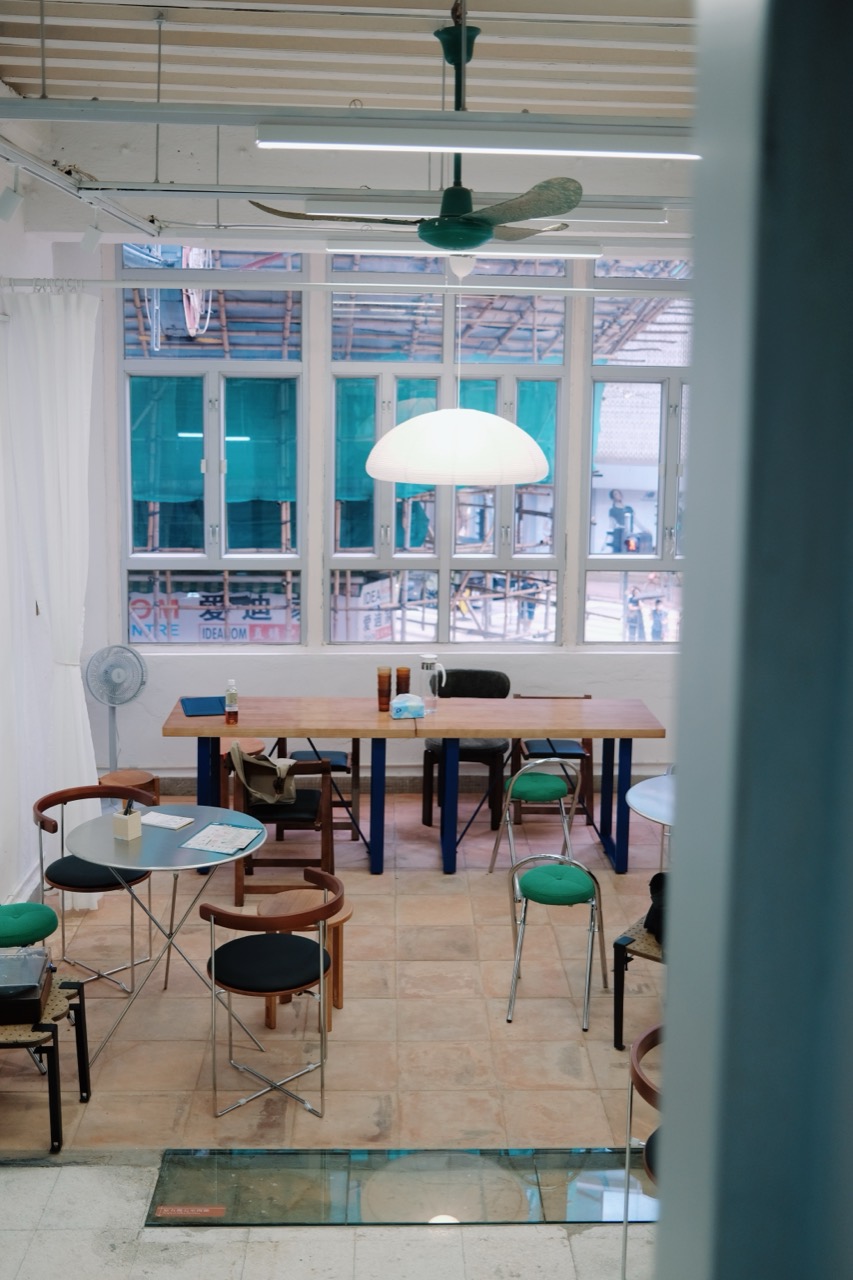
4.Step inside and white hexagonal tiles run underfoot, while the lower walls are yellow terrazzo edged in green and red. A wooden screen once stood right in front of the door so no one on the street could see in. It is gone now. Behind where it stood comes the tall barred counter, and above the staff area behind the bars you can see the timber joists and beams holding up the floor above. The soundtrack is Cantopop on vinyl.
5.The beans come from three origins. Caturra from Finca Villa Loyola, a Jesuit farm in Nariño, Colombia, is roasted two ways: washed, and natural with carbonic maceration. The washed lot leans toward clear acidity and a clean finish; carbonic maceration is a process that pushes fermented fruit to the front. A natural from the Burka Yadot cooperative in Ethiopia and a honey-processed Typica from Karen farmers in northern Thailand fill out the range. The company's line is Coffee Based On a True Story, and every coffee leads with the story of where it grew.
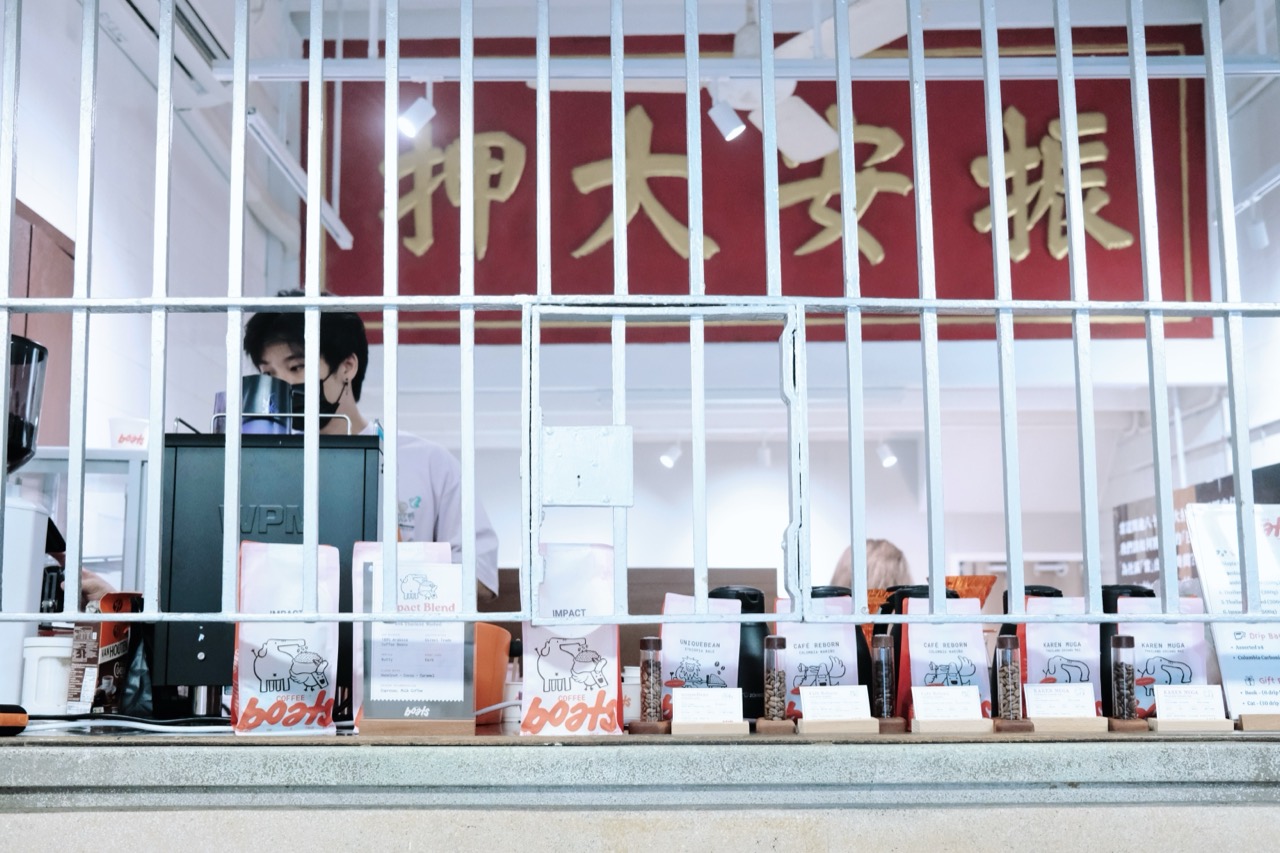
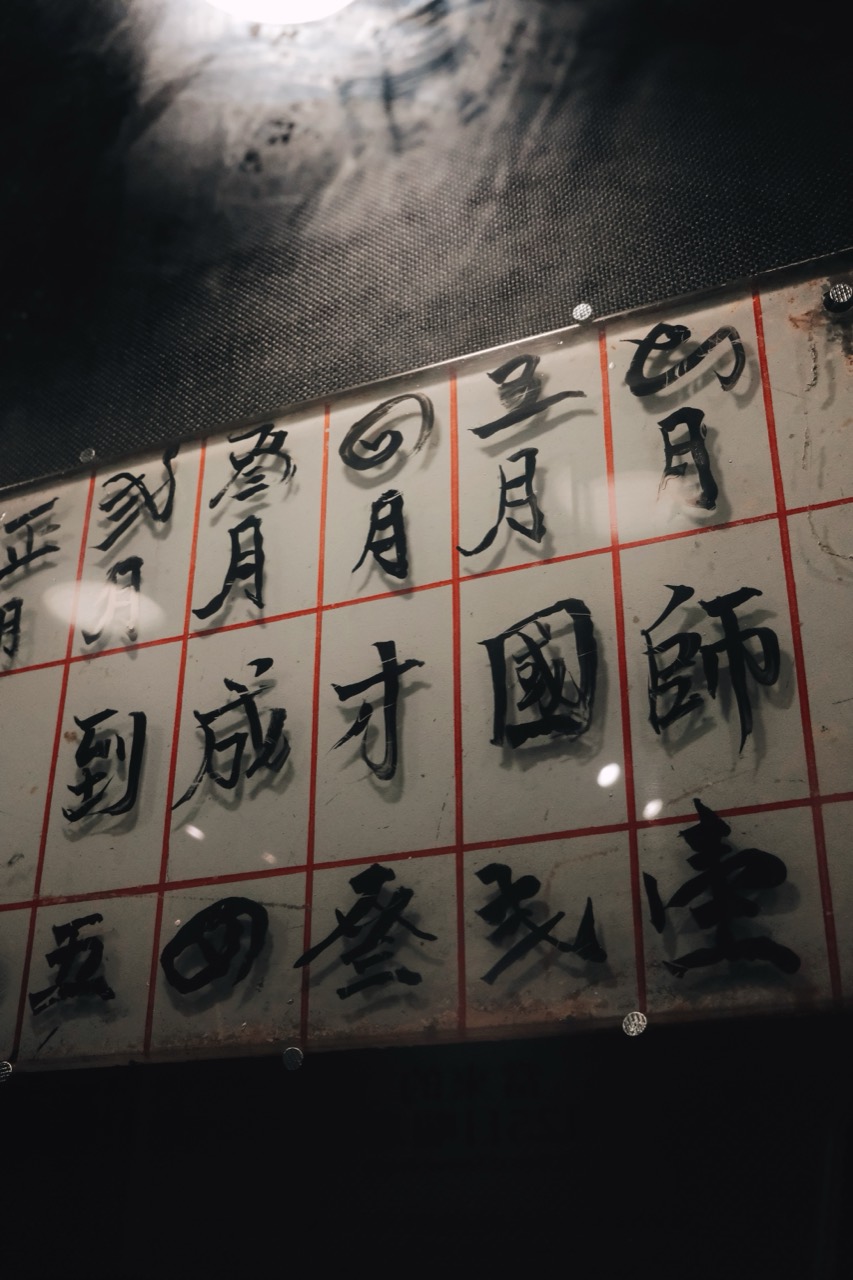
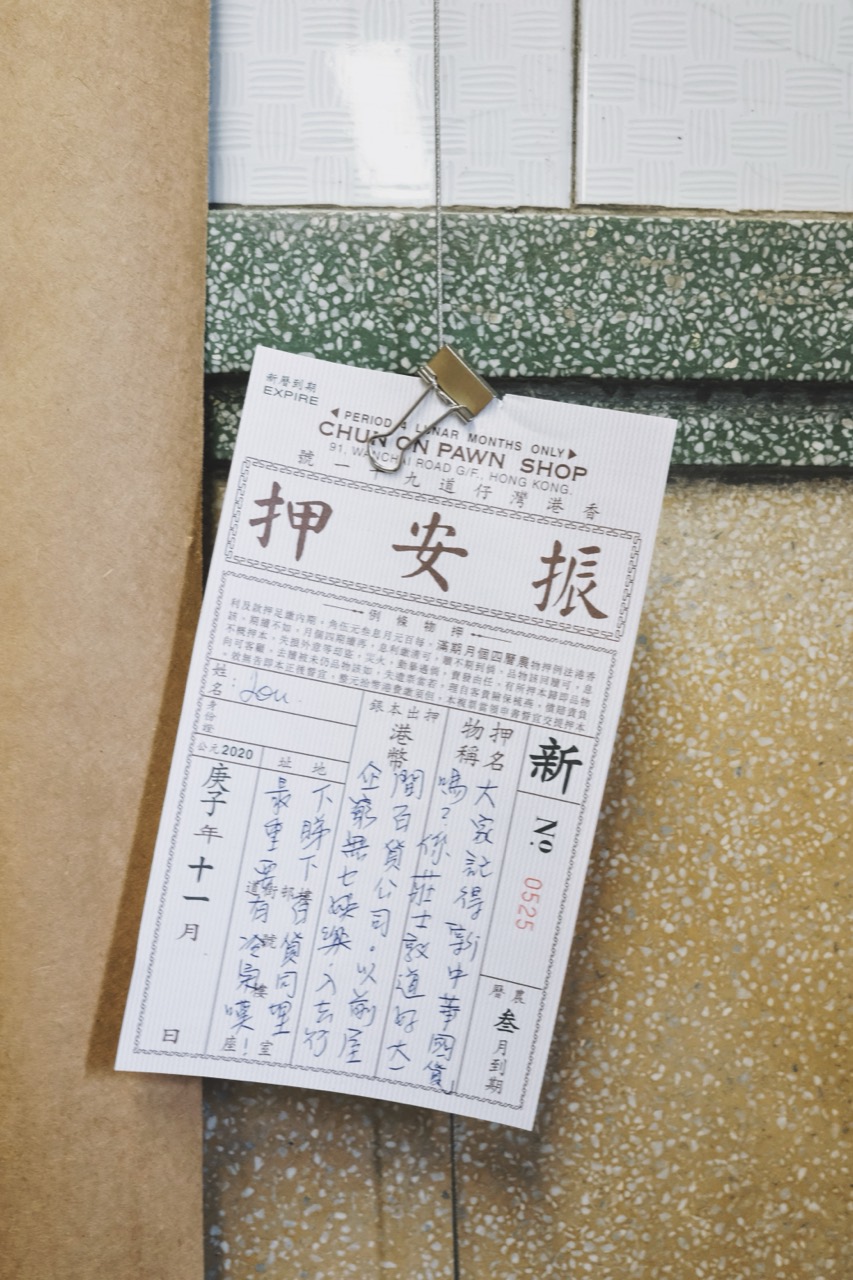
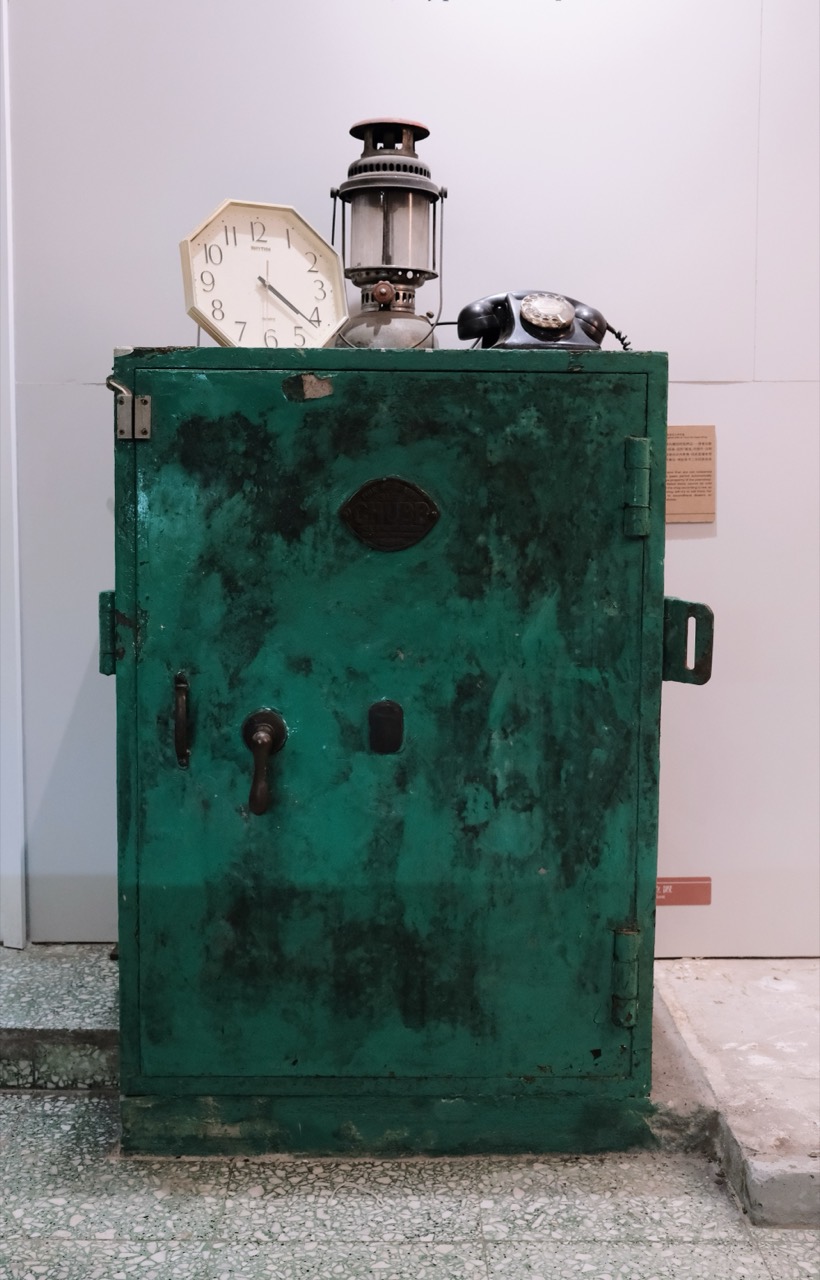
6.People come for the room more than the coffee. In Hong Kong a pawn shop was somewhere you did not want to be seen walking into, and the screen at the door is the proof. That room is now open with no ticket. The code board that hid the month in the ledgers with a different character for each month, pawn tickets written in brush, and the rope-pulled double doors of the passage for valued clients have become exhibits. One former appraiser remembers a jade screen as the most valuable thing ever left there.
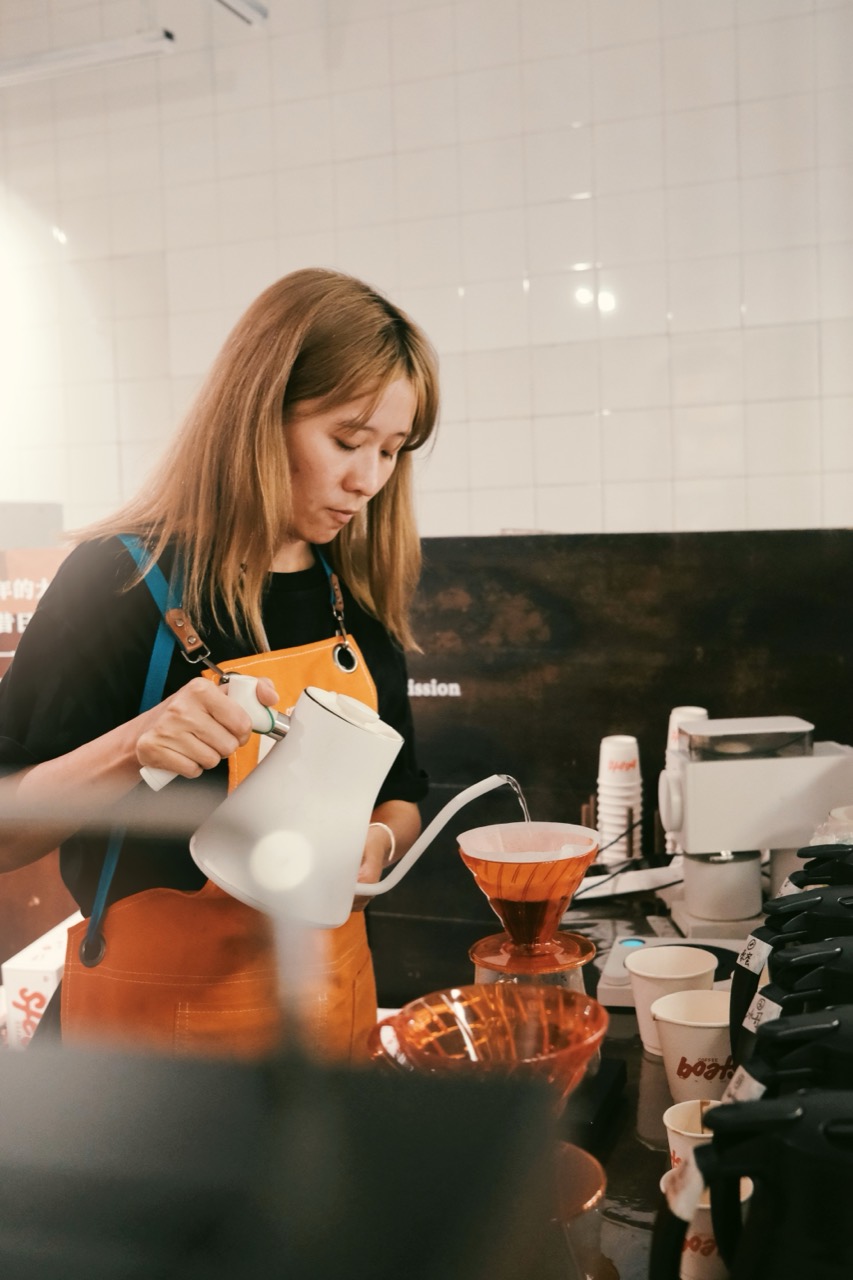
7.The people making the coffee are the shop's explanation. Local mothers returning to work roast the beans; of more than 20 trainees, three stayed on as roasters. The baristas are young people trained by Caritas Hong Kong, and a sheltered workshop for people in mental-health recovery packs the drip bags. The company was founded in 2025 by alumni of Wah Yan College Kowloon and fellow Catholics, ten investors in all, on B Corp principles.
8.A fixed end date also brings people in. After 19 December the room may close again. It does not draw crowds, though. A reporter who dropped by on a weekday Thursday counted about a dozen local residents coming and going. Upstairs is a reading room anyone can sit in, with recipe swaps, vinyl listening sessions and screenings. On some days a group for the visually impaired offers massages.
9.The 20% sets the arithmetic of this shop. It comes off sales, not profit, so it leaves before beans, wages or rent are paid. A neighbourhood cafe in Hong Kong usually spends 25 to 30% on ingredients, around 30% on labour and 15 to 25% on rent, leaving a single-digit margin before tax (estimate). Take 20% off the top and you give away an ordinary cafe's entire profit and still come up short.
10.Rent and fit-out hold this arithmetic up. The operators say the foundation arranged a lease below market rate. Fit-out cost almost nothing because the counter, the bars and the tiles are exactly as they were. Roasting in-house keeps the bean cost low too. Single origins start at HK$100, blends run HK$300 to 380, and a gift box of six drip bags is HK$250. More profit comes from what people take home than from the cup.
11.The sales are not large. At HK$40 to 50 a cup and 80 cups a day, 108 days comes to about HK$390,000 (estimate). Add beans and gift boxes and it is around HK$500,000, roughly KRW 90 million. Twenty per cent of that, HK$100,000 or about KRW 18 million, goes to Caritas. On Fridays and Saturdays the doors do not open until noon, so the trading day is only six hours.
12.This is not the first pawn shop brought back to life in Hong Kong. At 60-66 Johnston Road, also in Wan Chai, stood Woo Cheong Pawn Shop (和昌大押), in business since 1888. The Urban Renewal Authority (URA) restored the building in 2007 and turned it into the restaurant The Pawn, now a local landmark with dining and a bar up to the top floors. That pawn shop, too, belonged to the same Lo family (羅氏家族).
13.This time the direction is reversed. No public body bought it and turned it into a permanent restaurant; the family that bought the building in 1963 kept ownership and lent it out for four months. A Grade III listing is an administrative grade and does not legally stop demolition. What the building becomes after December has not been decided, and the operators describe these four months as a period to find out how the space could be used.
14.The family still runs a pawn shop on Hennessy Road. That is where this building's pledges went. Bringing coffee into a closed pawn shop is less a change of trade than a way of testing the next use of an empty ground floor in front of the public, instead of leaving it shut. Who will be standing behind those bars in four months?
15.A pawn shop closed for two years has reopened as a four-month coffee bar, and that bar sends 20% of roughly HK$500,000 in sales to charity (estimate). Two conditions make the number possible: almost no rent, and no new fit-out. In Korea, even renting the ground floor of an old commercial building for just four months to run a cafe requires the same food-service business registration. If the building register does not list it as a neighbourhood commercial facility, the registration will not go through, and in old shops the cost of adding toilets and fire equipment grows first.