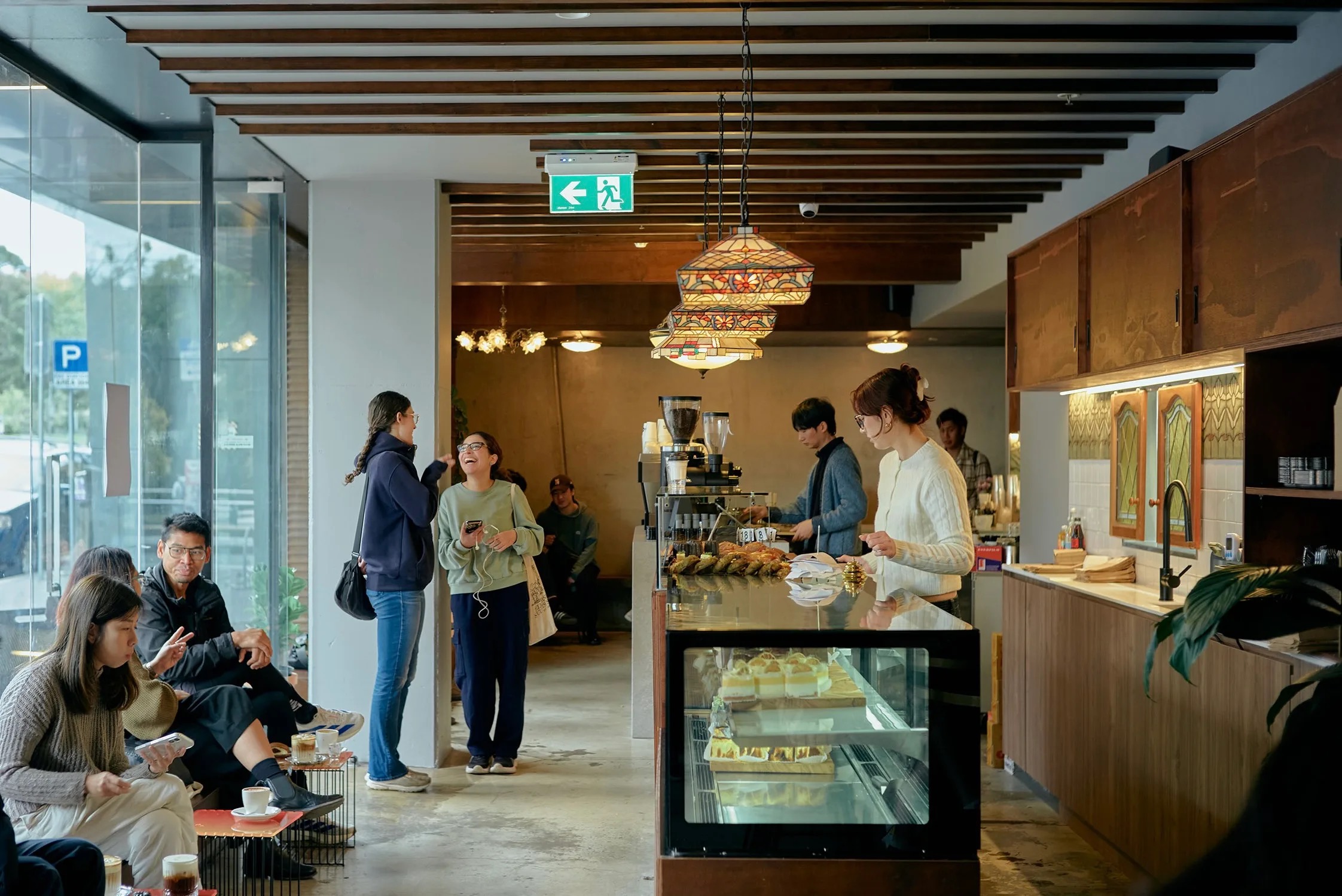
Heebi, a cafe opened in Melbourne's Carlton by four Korean-Australian owners, stays open until 5pm. In this city, those two extra hours are rare. What fills them is shio pan baked every day, and a cream-topped drink designed for dipping the bread.
1.The address is 127 Pelham Street, near Lincoln Square, on the ground floor of a glass-walled building a short walk from the University of Melbourne. Broadsheet introduced it as a new opening in early June this year. It opens at 7:30am on weekdays and 8am on weekends, and closes at 5pm every day. The first thing in the cabinet is not coffee but shio pan.
2.There are four owners: Clara Son, Laura Choi, Roy Park, and Sean Park, a barista with 14 years behind the machine. The two Parks are not related. The team first opened Omo, a Japanese cafe and restaurant, on Merriman Lane in the CBD in December 2024, and the bread is baked daily by pastry chef Vanessa Wu, who came over from Omo. Son says that when she lived in the city, it was hard to find a cafe where she could sit down over coffee with friends.
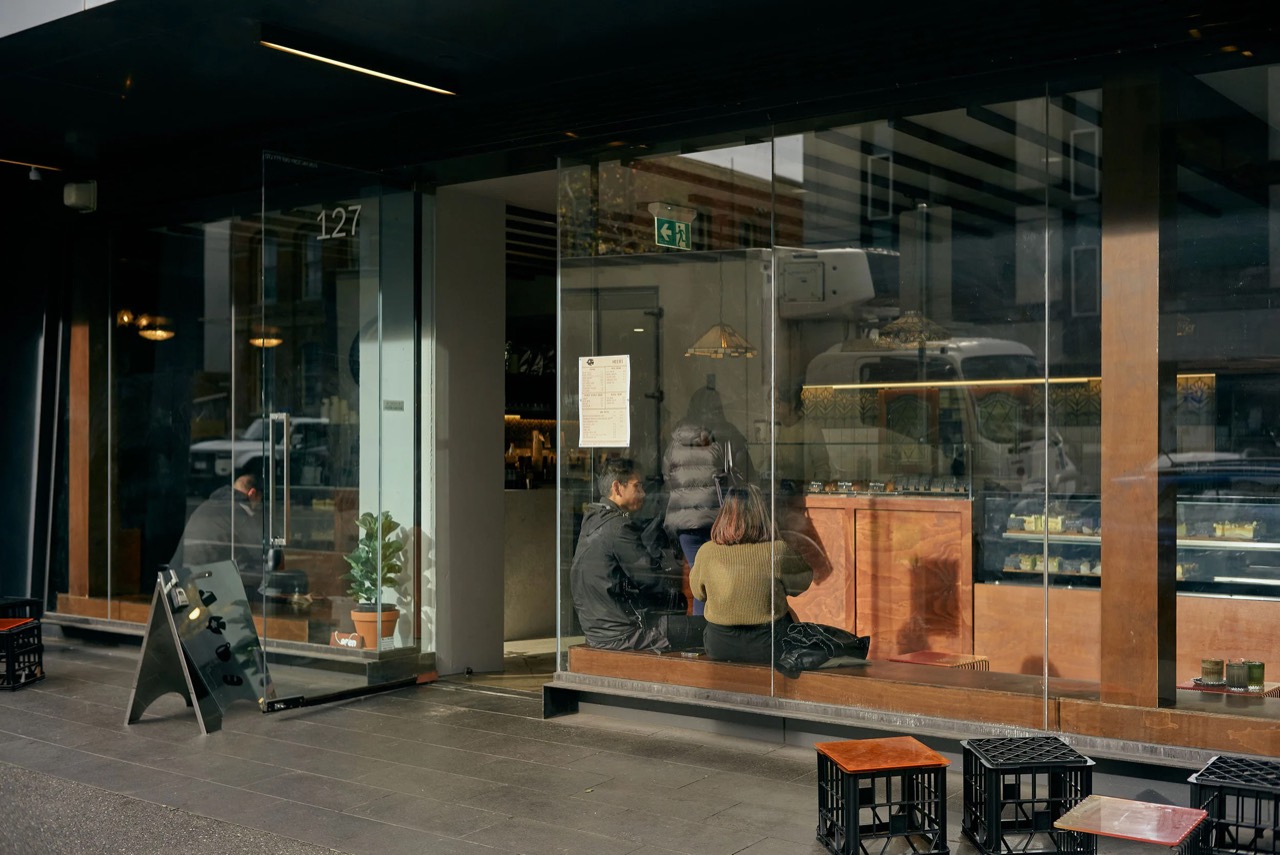
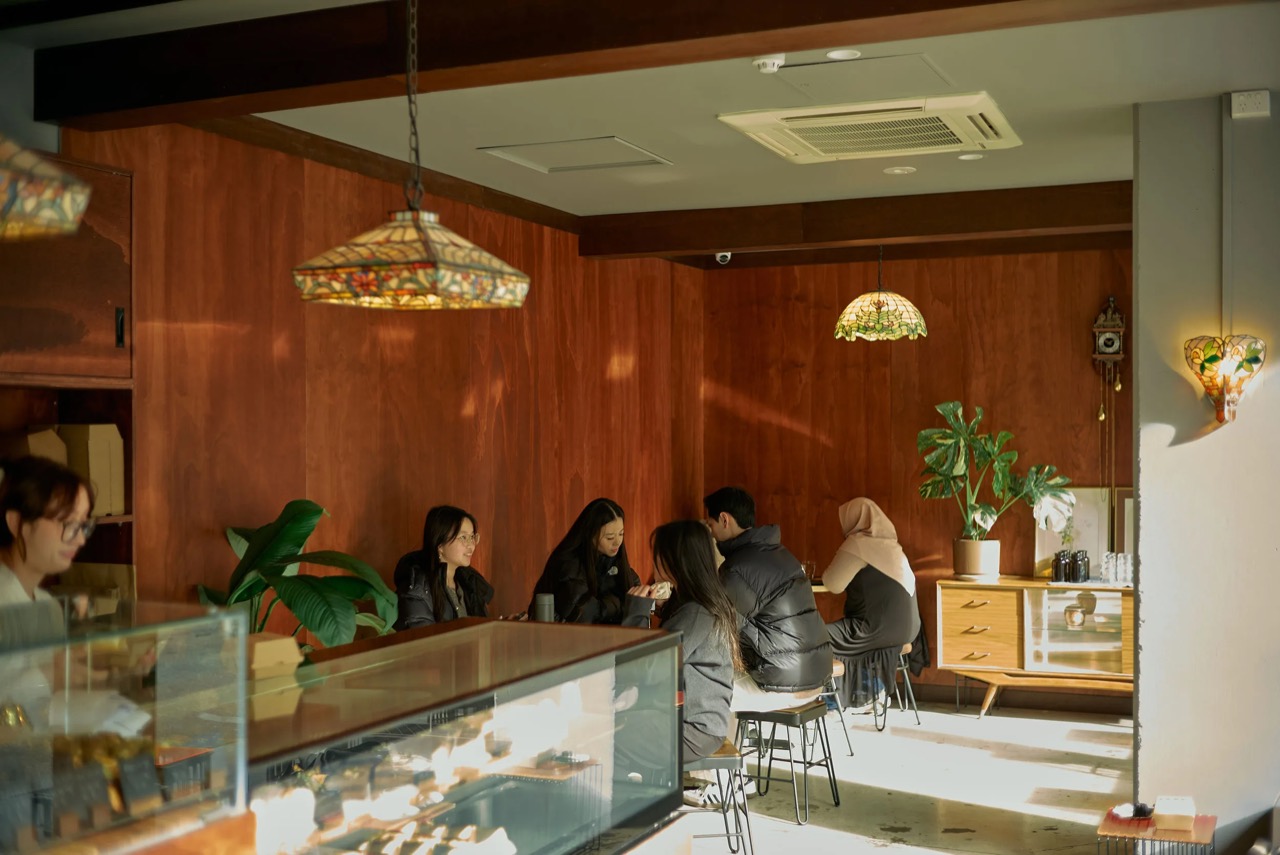
3.Inside, they went dark. The walls are wrapped in deep timber panelling, and pendant lights with stained-glass shades hang from the ceiling. The tables, chairs and lamps are vintage pieces Roy Park collected over the years. The kitchen sits behind a timber-framed window set with coloured glass, so from your seat you can see the oven and the bread racks. Son says the place looks much better at night-time, yet it closes before night arrives.
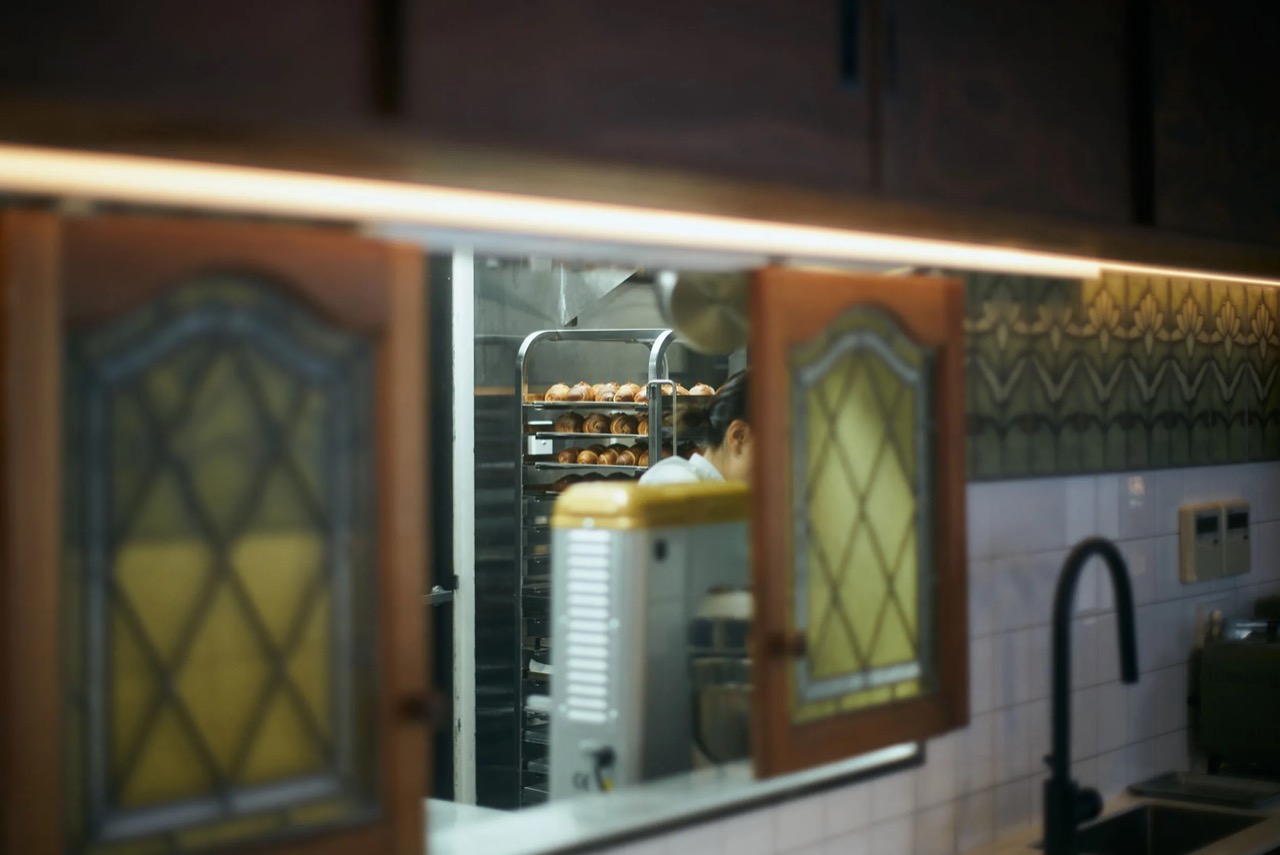
4.There are four kinds of shio pan: the original, tomato and basil, mocha with a crisp craquelin-like shell, and hotteok, filled with brown sugar, cinnamon and pepitas. A visitor review lists the original at $4. The butter rolled into the dough melts in the oven and runs to the bottom, so the base sets almost as if fried, and the coarse salt on top cracks between your teeth. Bite into the hotteok and brown sugar syrup runs out.
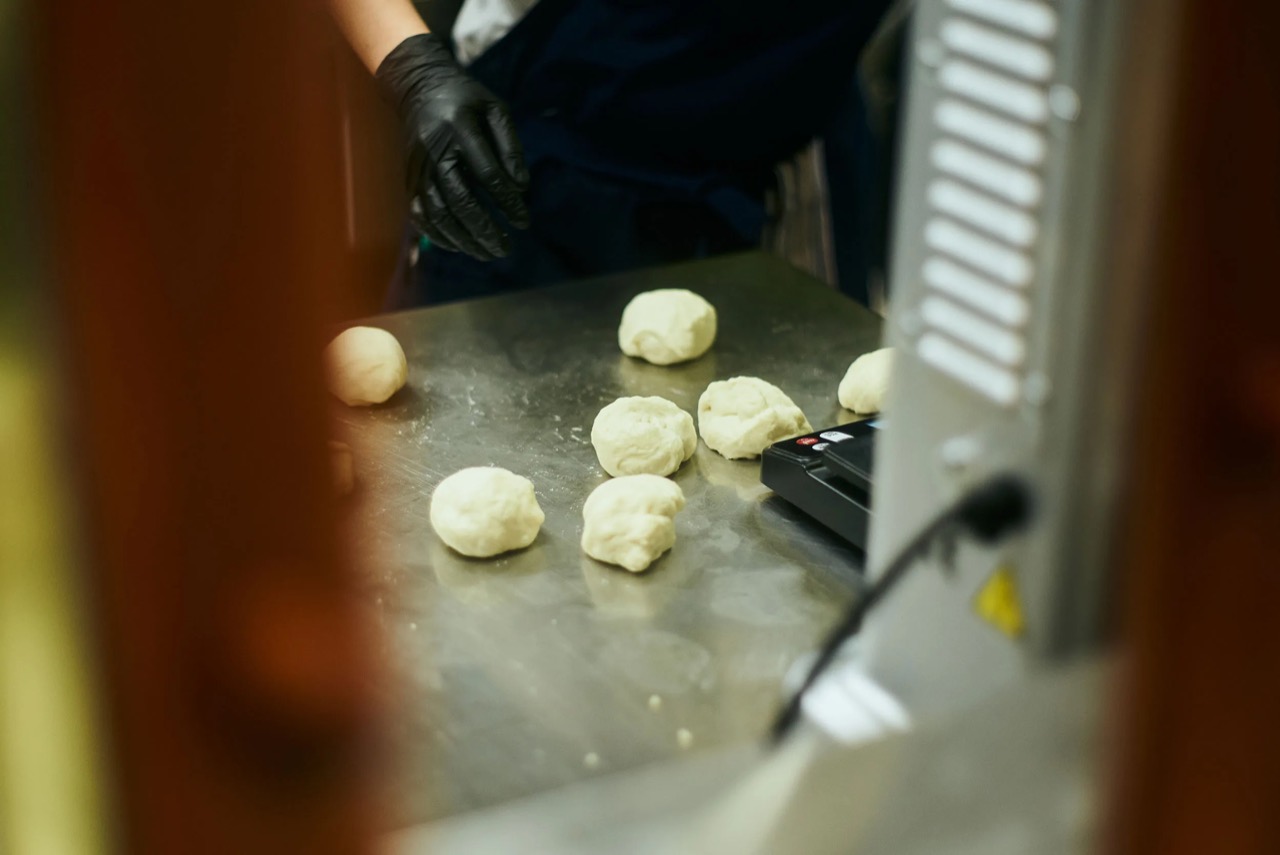
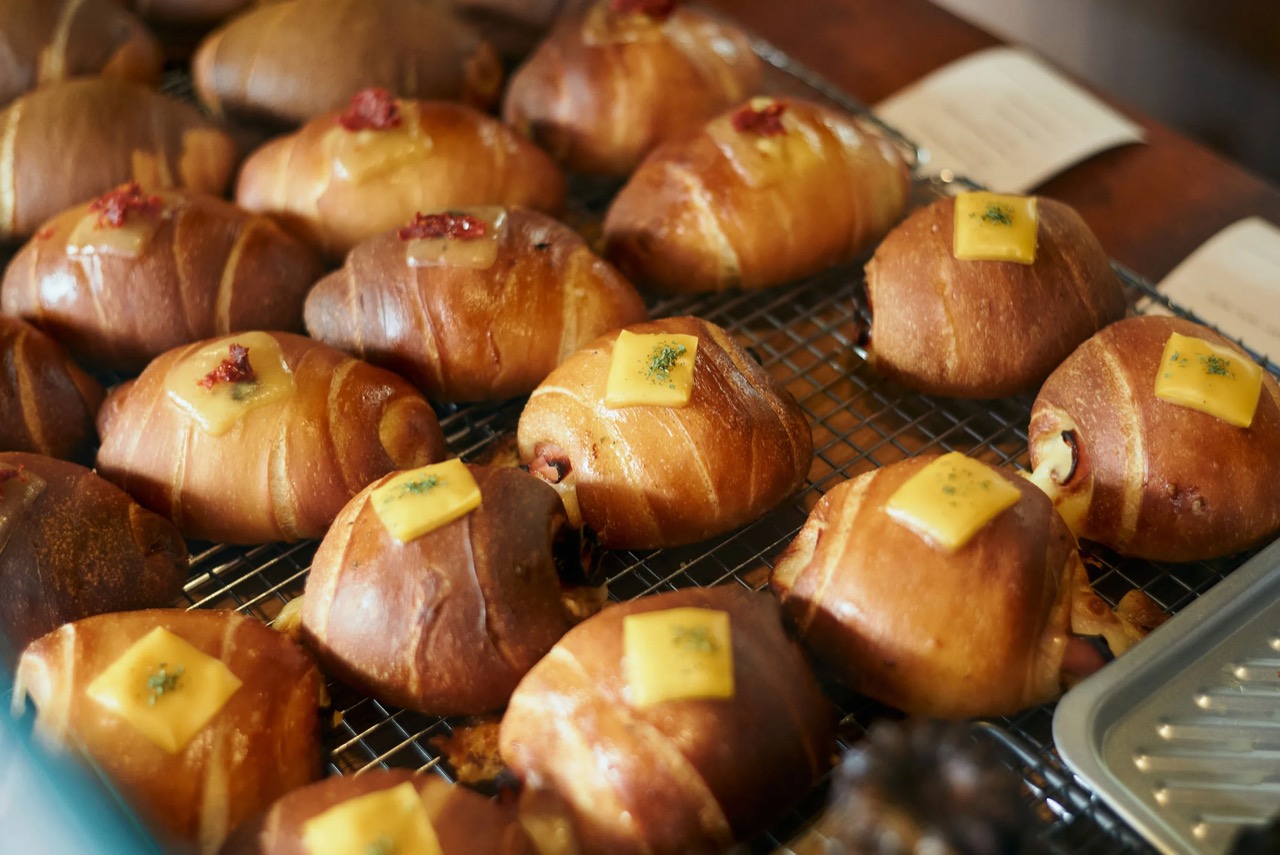
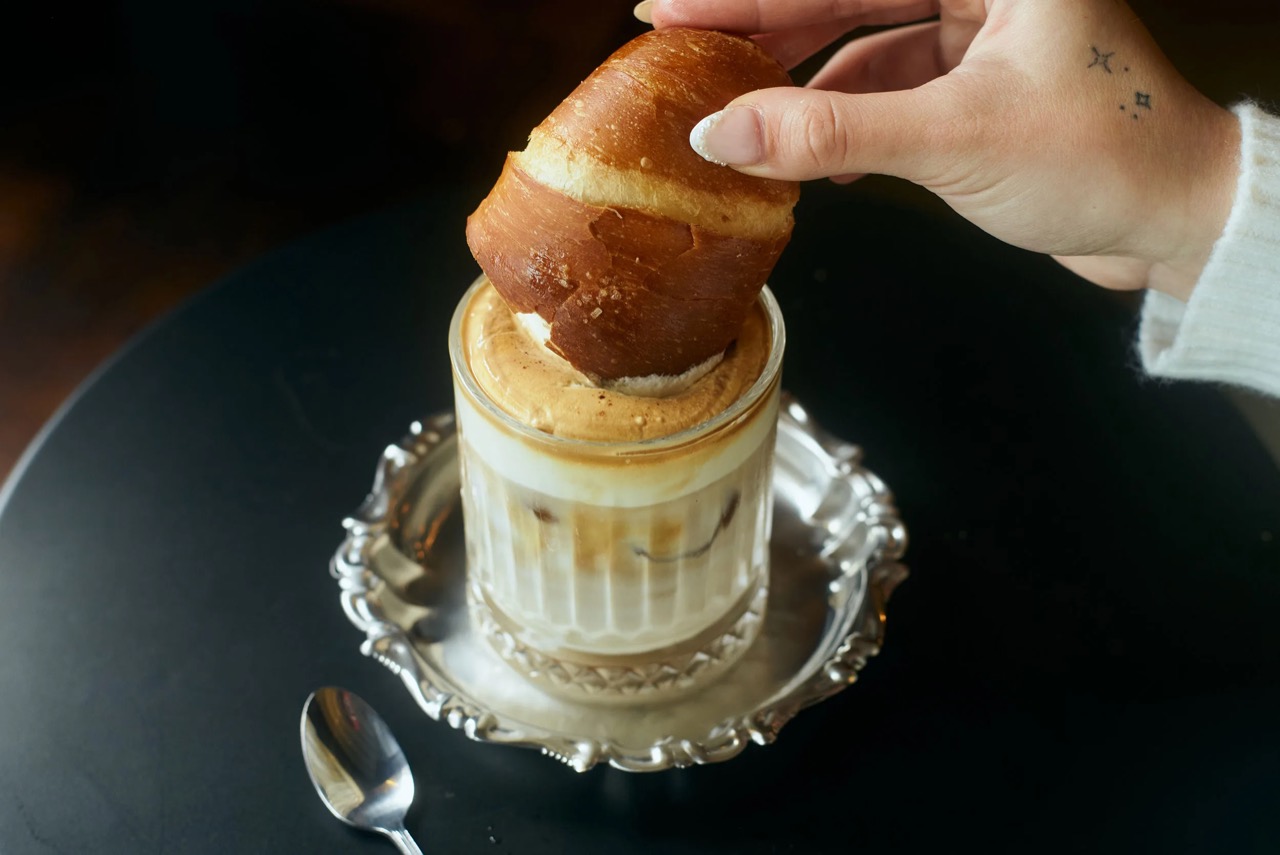
5.The house drink, Heebi Deep, puts an aerated sweet cream on top of coffee. It is a glass made for dipping shio pan. The salty bread goes through the sweet cream and meets the bitter coffee, in that order. The espresso beans come from Code Black Coffee, a roaster in Brunswick, Melbourne. Its signature 3056 blend combines Ethiopia Yirgacheffe, Guatemala Huehuetenango and Brazil Sul de Minas, with plum, citrus and milk chocolate as the stated cup notes. Which blend Heebi uses has not been made public.
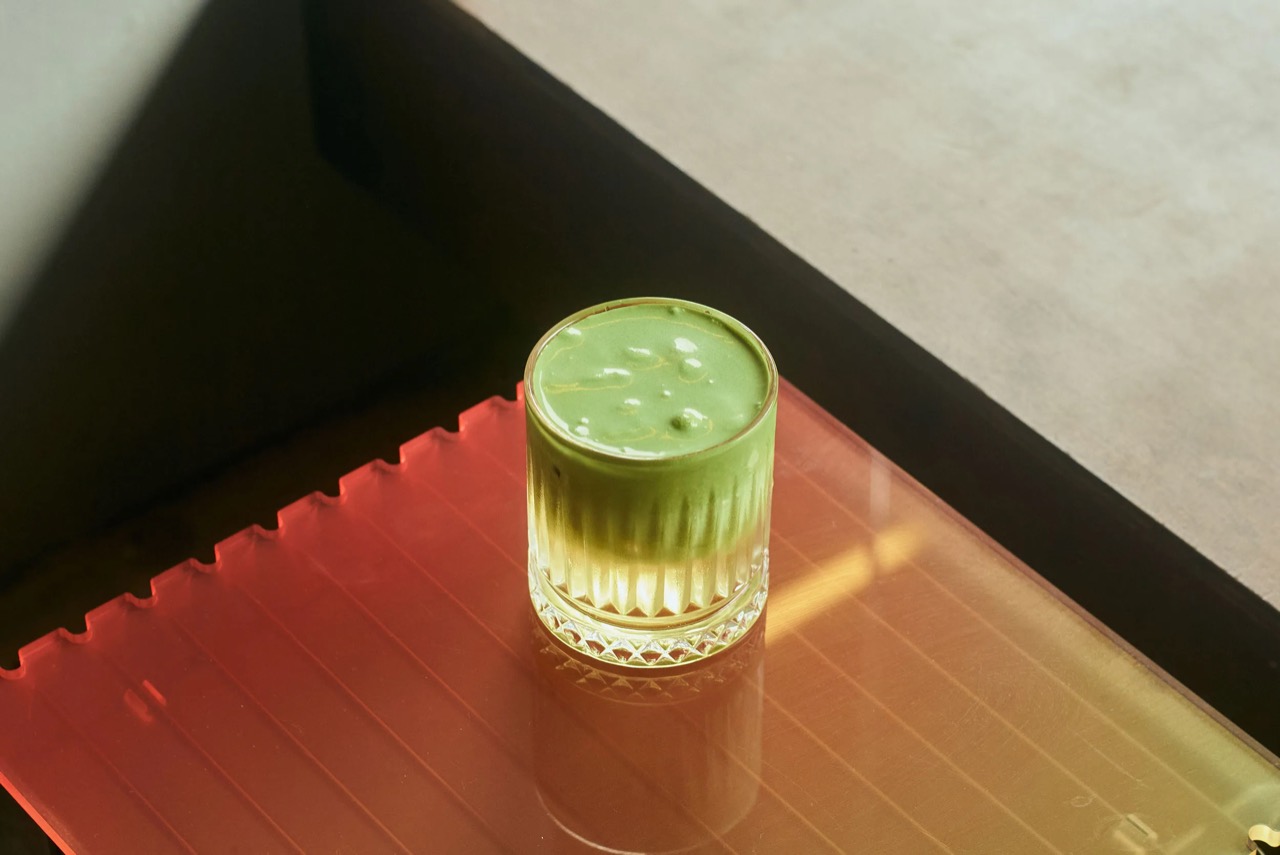
6.The other drinks follow the same idea. Matcha gets a layer of matcha cream; coffee gets peanut butter cream or shio cream. The shio cream matcha latte costs $9.30, and one visitor review called it pricey. Cakes are sold by the slice: Basque cheesecake, strawberry shortcake, and a dark chocolate bourbon layer cake. Anyone who has looked into a neighbourhood cafe cabinet in Seoul will recognise the line-up.
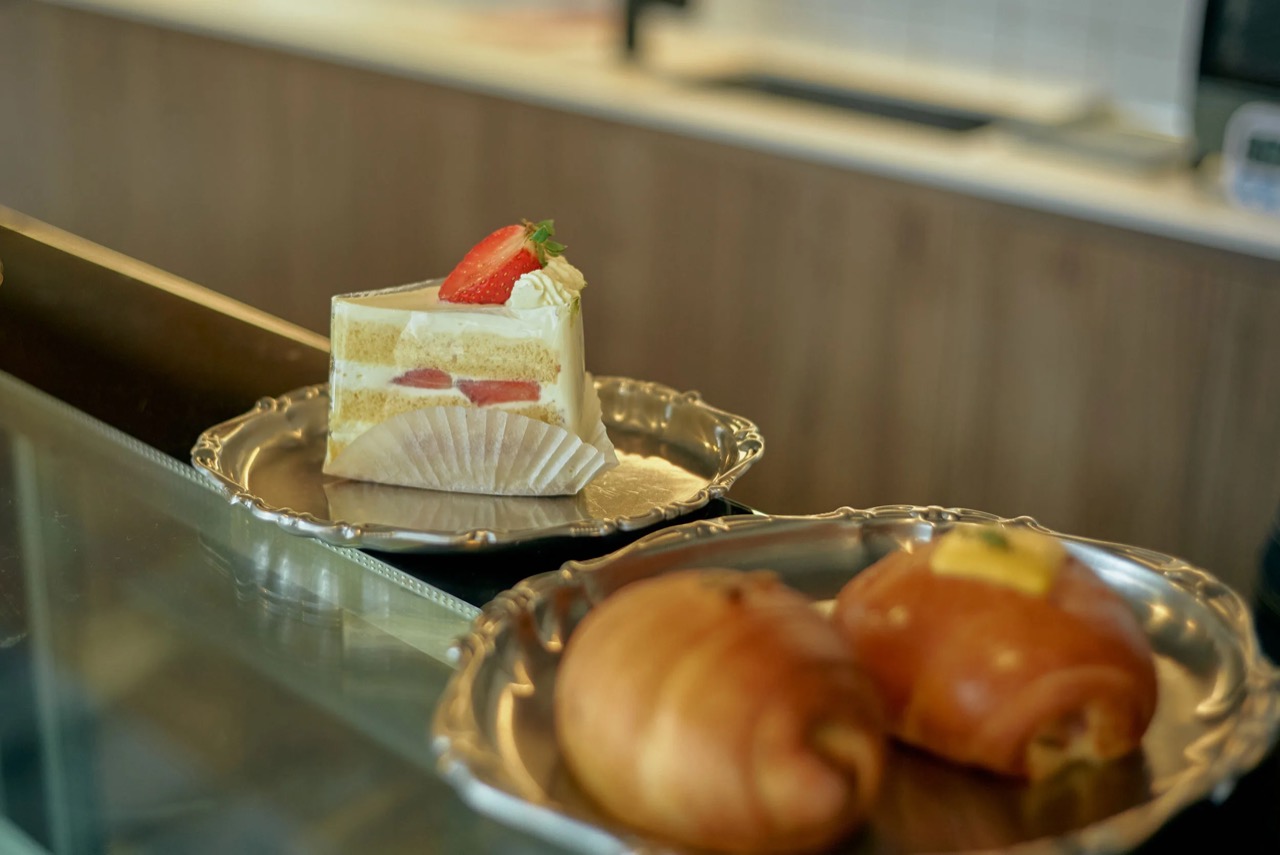
7.Melbourne cafes live on brunch. Opening around 7am and closing at 2 or 3pm is common, and Broadsheet itself wrote that getting a brew in this city after 3pm is still hard. Students out of afternoon classes, people stepping away from working at home, office workers on a late lunch: they all have fewer places to go at that hour. That empty window is what Heebi went after.
8.The owners looked to Japanese kissaten and to Korean cafes that keep their lights on late. Still, Heebi does not stay open until 10pm the way a Korean cafe would. It added exactly two hours. The reason a shop styled for the evening still shuts at 5 lies in the wage bill.
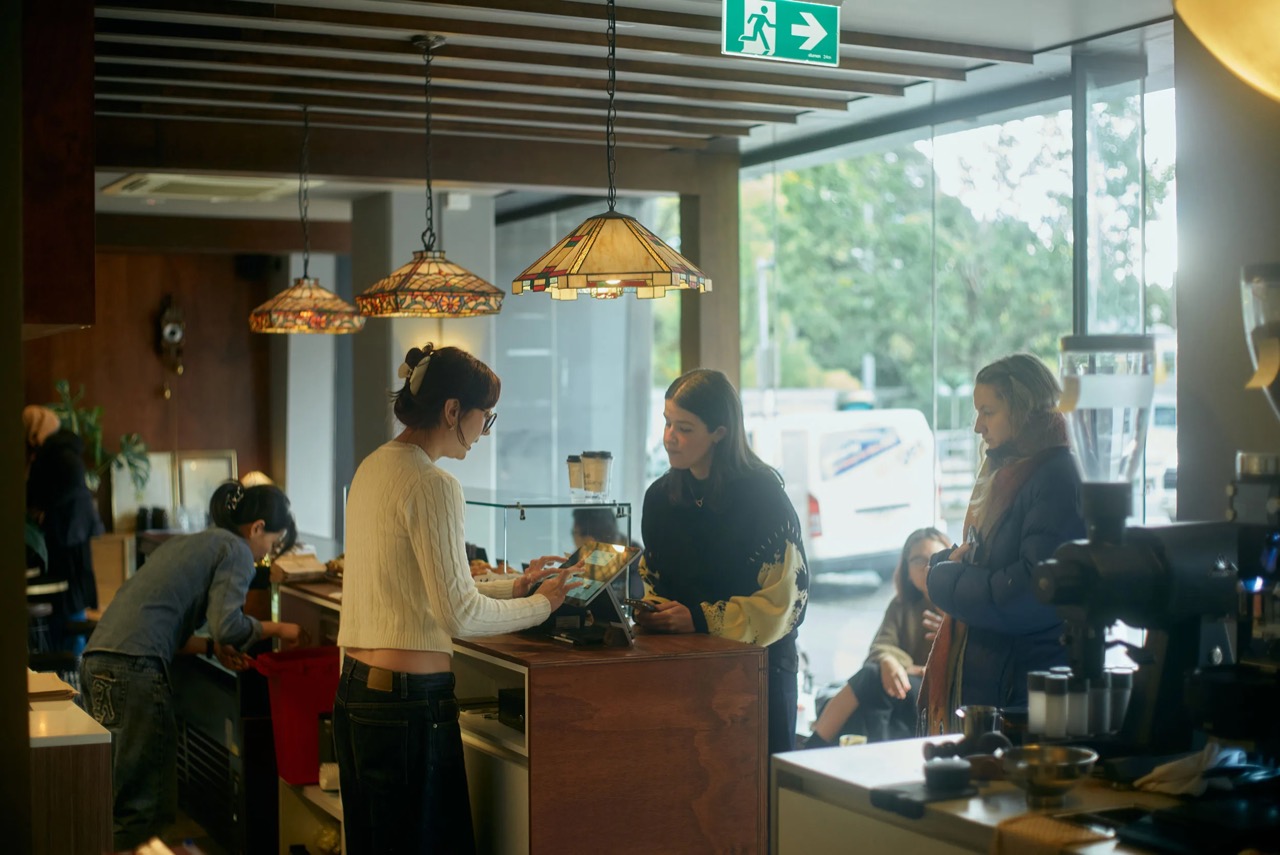
9.Under the Restaurant Industry Award, which covers most Australian cafe staff, the base hourly rate for a Level 2 employee is $27.08. Hire them as a casual and a 25% loading lifts it to about $33.85; Saturdays are paid at 125% of base and Sundays at 150%. With no penalty before 5pm on weekdays, adding two afternoon hours costs no extra loading. It is simply two more hours of wages.
10.Two staff working two extra hours, plus 12% superannuation, comes to about $152 a weekday. If each customer spends $11 on one shio pan and one drink, and ingredients run at 30%, each customer leaves $7.70. Twenty customers between 3 and 5pm covers the cost. All of this is an estimate.
11.Shio pan is what brings in those twenty. Bread baked in the morning is still in the cabinet in the afternoon, and it adds $4 to the receipt of someone who came in for just a coffee. With flour and butter as the main ingredients, one roll likely costs around $1 in materials. Coffee is not heavy either. Code Black's 3056 blend retails at $22 for 250g, so even an 18g dose comes in under $1.60 a cup, and wholesale prices for cafes are usually lower.
12.Revenue has not been disclosed. At 250 customers a day and an average spend of $11, that is $2,750 a day, about $82,500 a month. At 900 won to the dollar, roughly 74 million won. An estimate. How much of it comes from the last two hours, only the shop knows.
13.Shio pan was born at Pain Maison, a bakery in Yawatahama, Ehime Prefecture. It went on sale in 2004; the owner had been troubled by bread sales dropping every summer. Looking for a bread people would still reach for on a hot day, he landed on salt. The roll crossed to Korea and branched into many flavours. As Son puts it, Japan keeps the original, while Korea has developed a lot of different flavours.
14.A bread invented to fill the slow summer months is, twenty years later and on the other side of the world, filling the slow afternoon hours. What came over from Korean cafes was not the long opening hours either. Hotteok shio pan, cream-topped drinks, a cabinet of cake slices: they took the parts that make money and left the late nights behind.
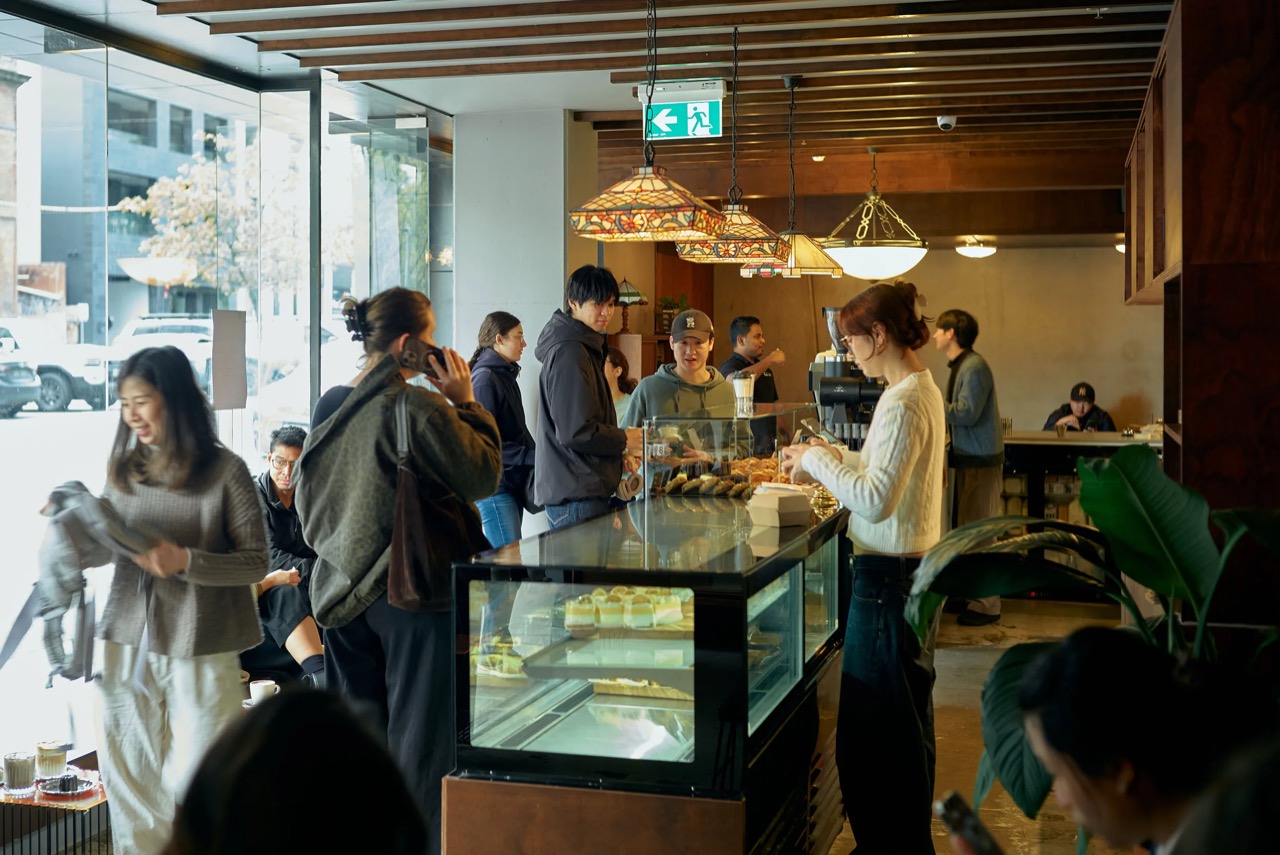
15.Weekends work differently. On Sundays the rate is 1.5 times base, so the same two hours cost more than on a weekday. Heebi still stays open until 5 on weekends. The bet is that once the brunch crowd leaves, enough people come in for shio pan to cover the cost.
16.Heebi filled the 3 to 5pm gap that Melbourne cafes leave empty, with $4 shio pan and cream-topped drinks. On a weekday, those two hours break even at an estimated twenty or so customers. In Korea the situation is reversed: most cafes already stay open into the evening, and the first thing that bites when you extend hours is not penalty rates but weekly holiday pay. Staff who work 15 hours or more a week are entitled to it, so many shops split the roster into short shifts across more people, and then no one stays long enough to remember the regulars' faces.