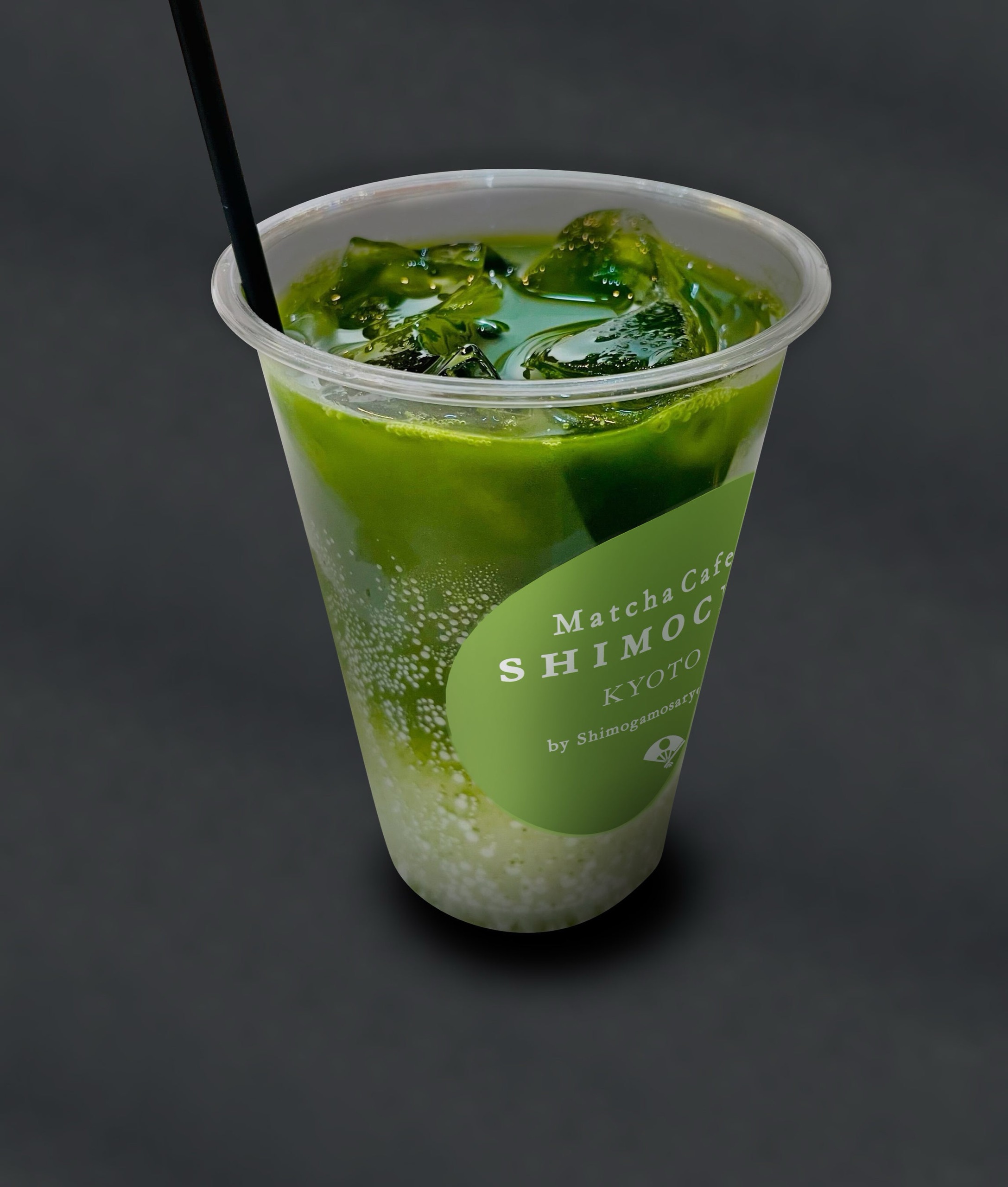
Shimogamo Saryo, a Kyoto ryotei, marked its 170th year by opening a matcha cafe in Azabudai, Tokyo. The matcha terrine it used to serve as the last plate of its kaiseki course now goes between two wafer shells, for the price of a drink.
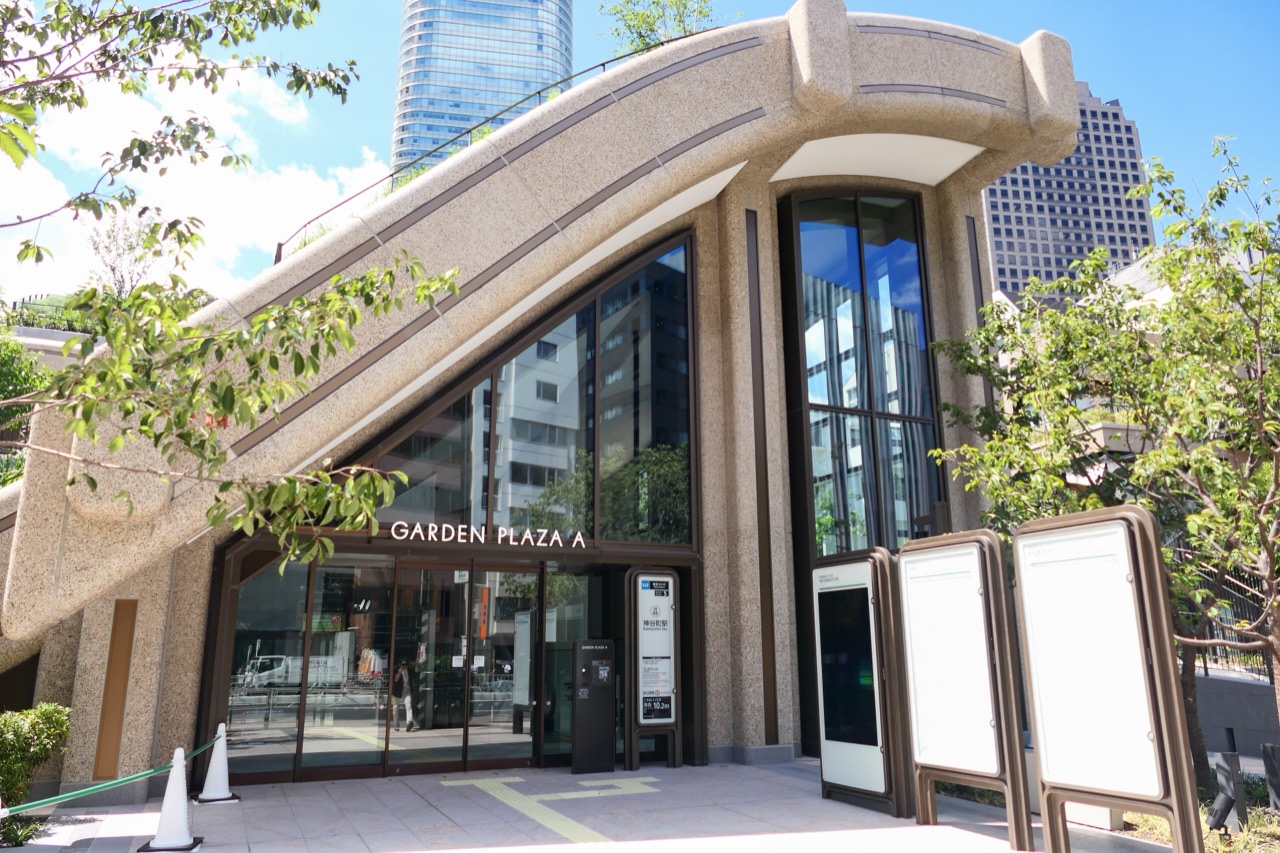
1.On September 11, Matcha Cafe SHIMOCHA opened on the ground floor of the SD22 Building in Azabudai 1-chome, Minato, Tokyo. It is a three-minute walk from Kamiyacho Station on the Tokyo Metro Hibiya Line, open from 9 a.m. to 6 p.m. Closing days are irregular. It is a new cafe brand from a ryotei that has lasted 170 years in Kyoto.
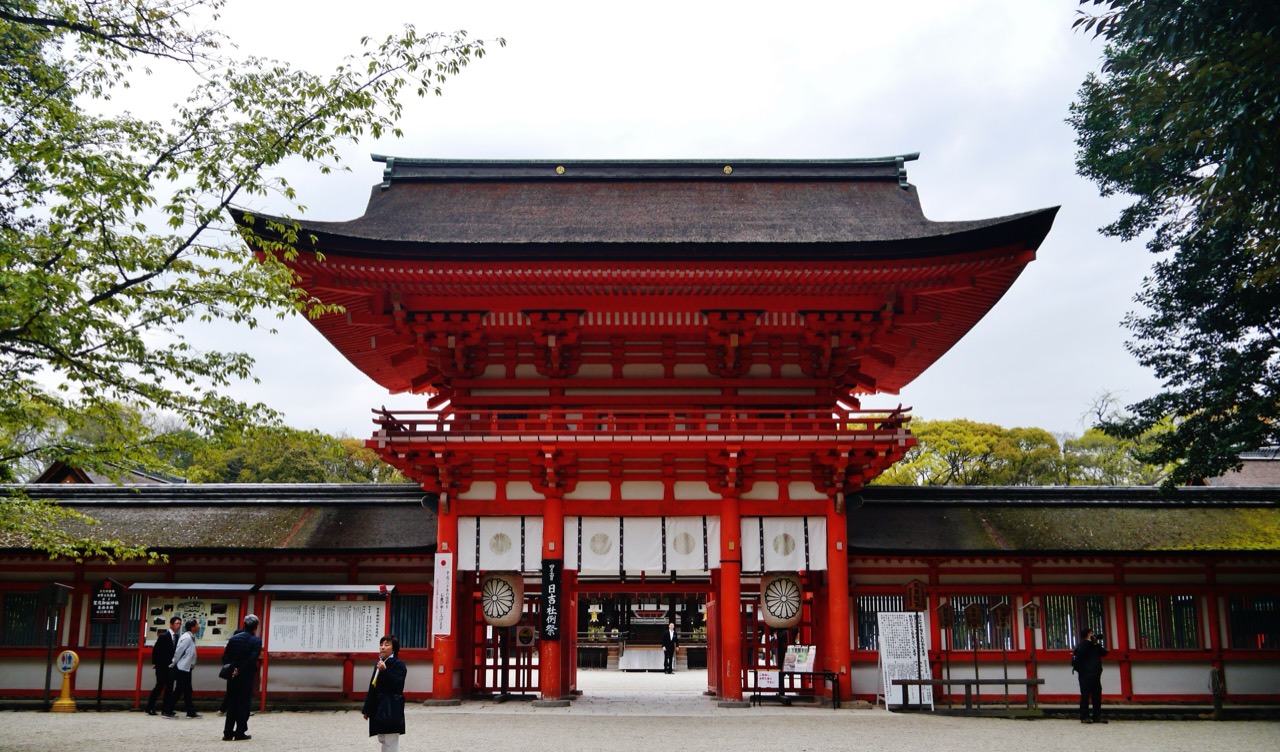
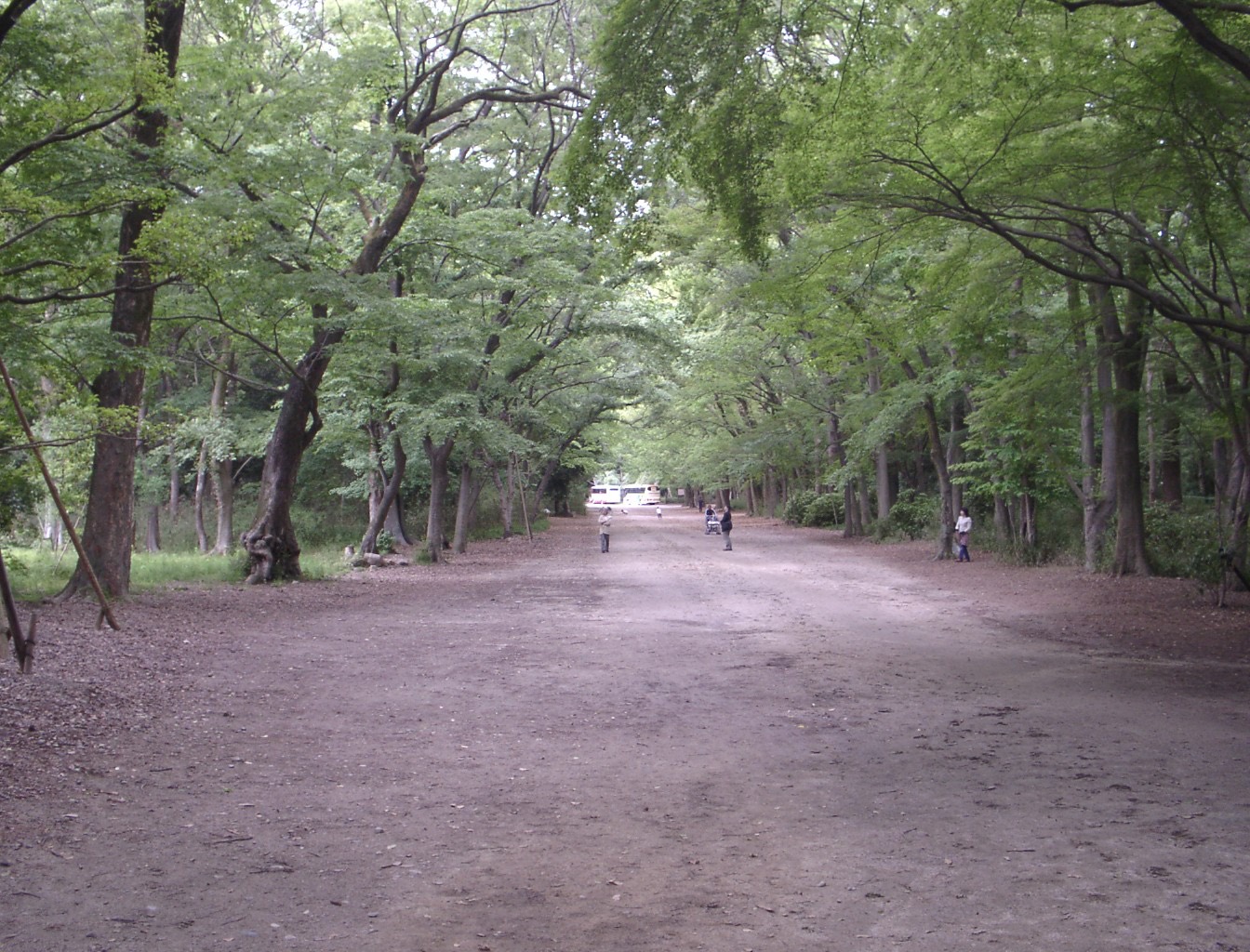
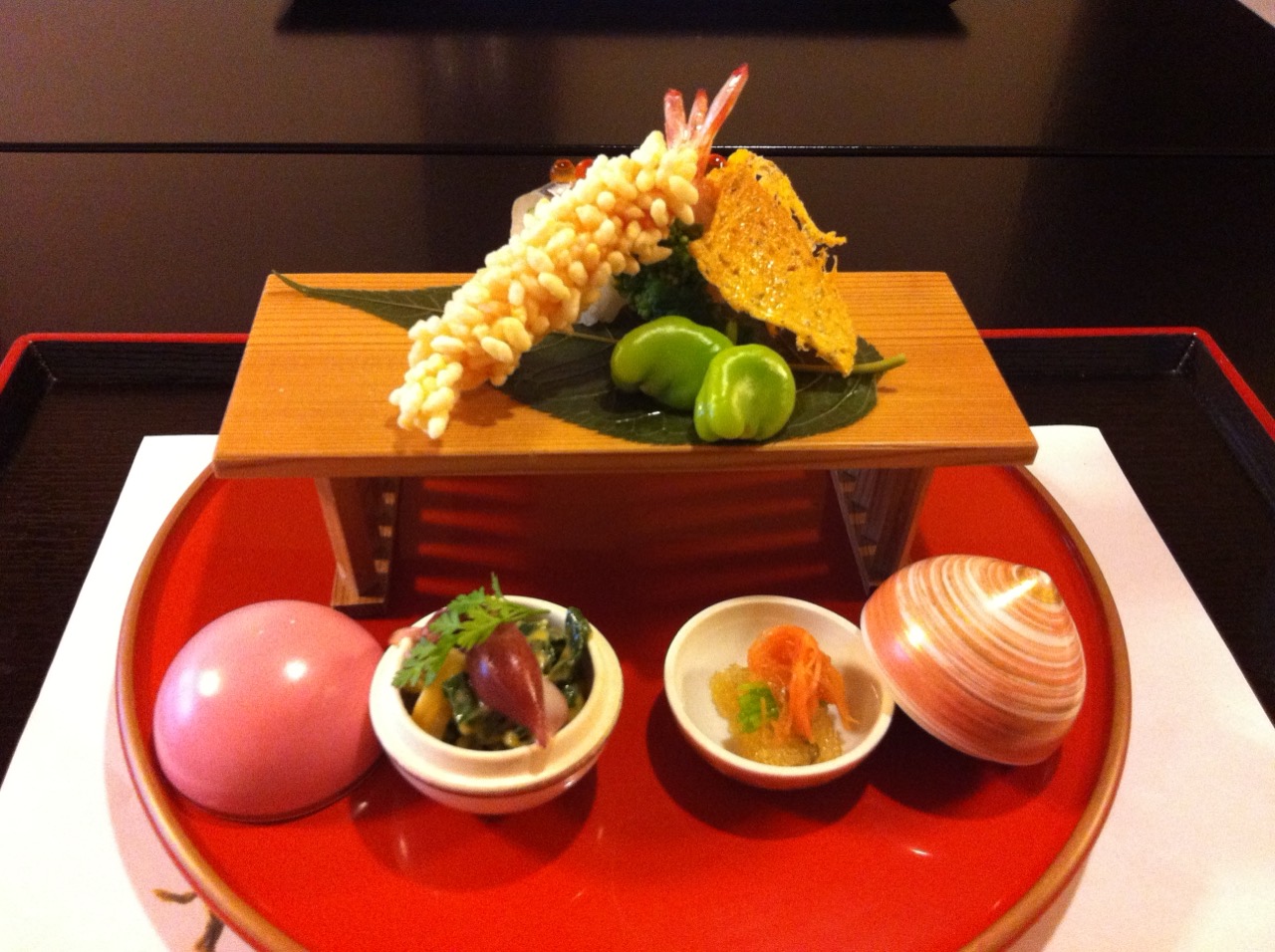
2.The main restaurant sits in Sakyo, Kyoto, beside Shimogamo Shrine. Founded in 1856, it charges 14,300 yen for a lunch course, and dinner runs past 20,000 yen. The current head is broadcast writer Kundo Koyama, who wrote the screenplay for the film Departures. The former proprietress asked him to help with branding, and in 2012 he took over the business itself. The cafe's name comes from Shimocha, the shorthand locals have long used for the ryotei.
3.The cafe works in green and white, with pale wood mixed in. The logo sets Shimogamo Saryo's fan crest on a green field. That is about all the operator has disclosed; floor area and seat count are not public. The main restaurant keeps separate rooms for parties of 4 to 36 and seats its guests apart. The Azabudai shop stands at the other end. You walk in, pick a cup, and don't stay long.
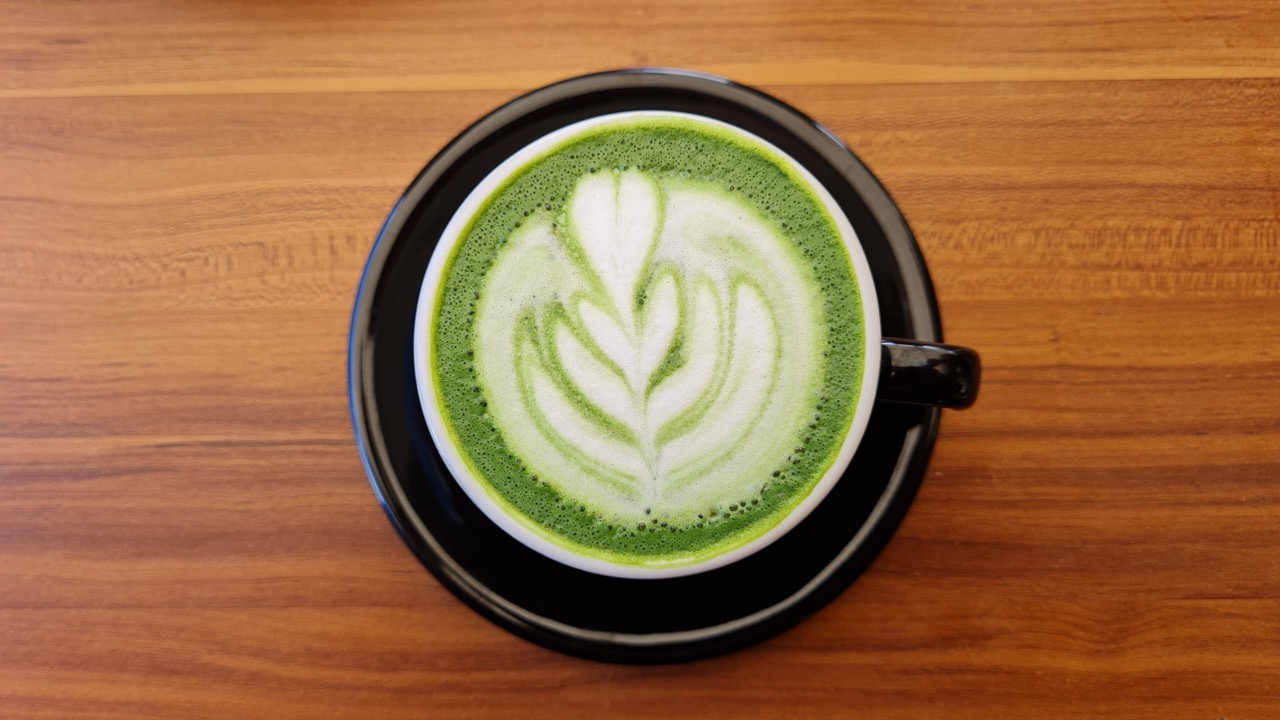
4.Matcha is the center of the drinks menu. Matcha soda and matcha latte are 770 yen, a matcha smoothie 990 yen. There is coffee too, americano and latte, plus cold-brewed green tea. The drinks were developed with help from the owner of Shiritsu Coffee Shogakko, a Tokyo coffee shop. He taught elementary school before opening his shop in Daikanyama. The kitchen of the ryotei handles the food, and the drinks alone went to a cafe person from outside it.
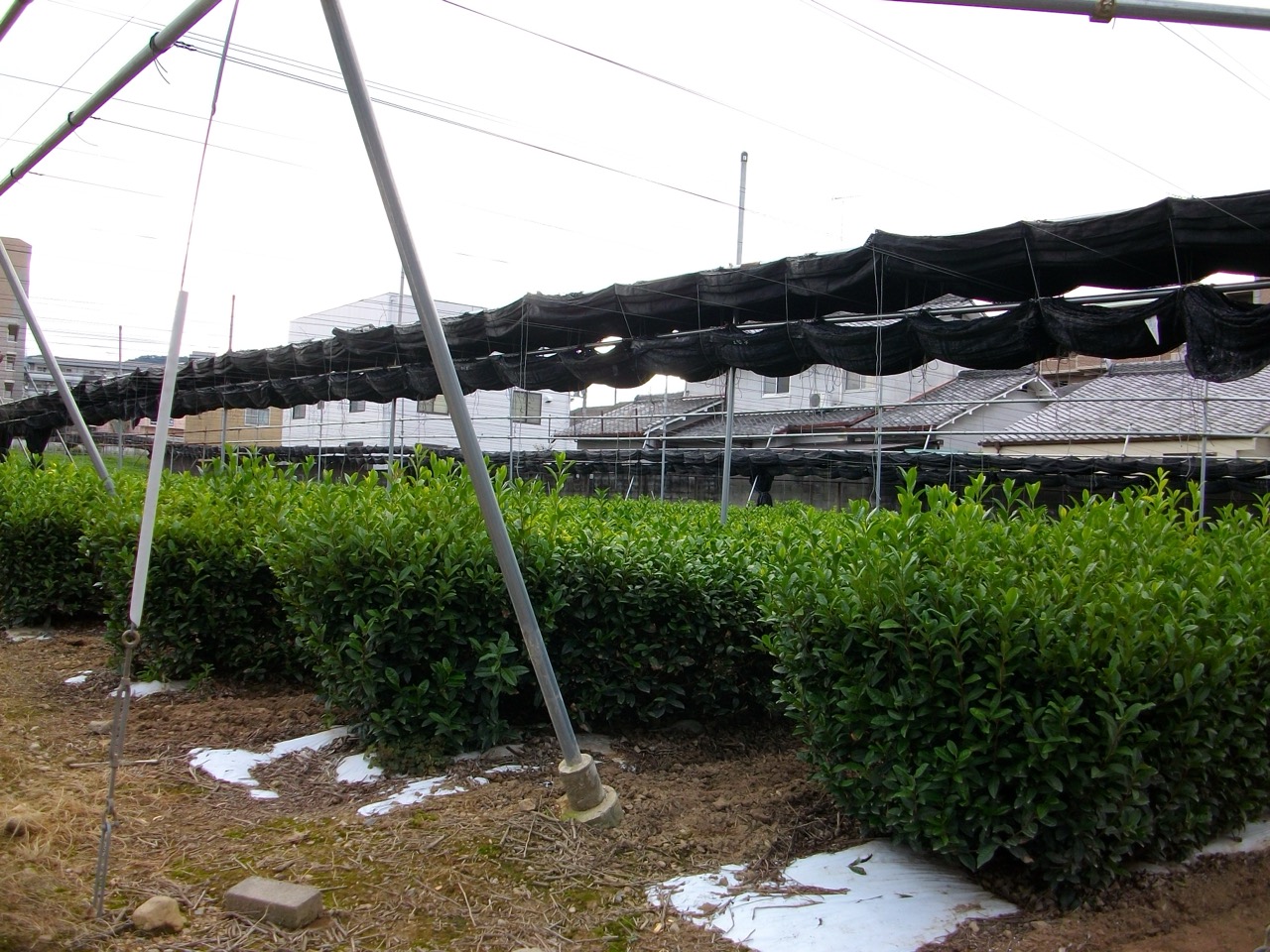
5.Matcha soda is what the name says, sparkling water and matcha in one cup. Tencha, the leaf that becomes matcha, is grown under shade cloth for several weeks before harvest, and cutting the sun lowers bitterness and leaves savory depth. When that green powder meets sharp carbonation, a grassy smell rises first and the bitterness follows as you swallow. The layers blur as the ice melts, so this is a cup to drink quickly. It keeps time with a shop where no one stays long.
6.The signature item is the matcha sandwich. The matcha terrine served as the main restaurant's course dessert is pressed between monaka wafer shells, with a choice of mango, raspberry or lemon. The terrine is white bean paste worked with white chocolate and fresh cream, then matcha, so dense a spoon goes in slowly. The crisp rice shell breaks first, and the sour fruit cuts the sweetness that stays behind. It costs 660 yen.
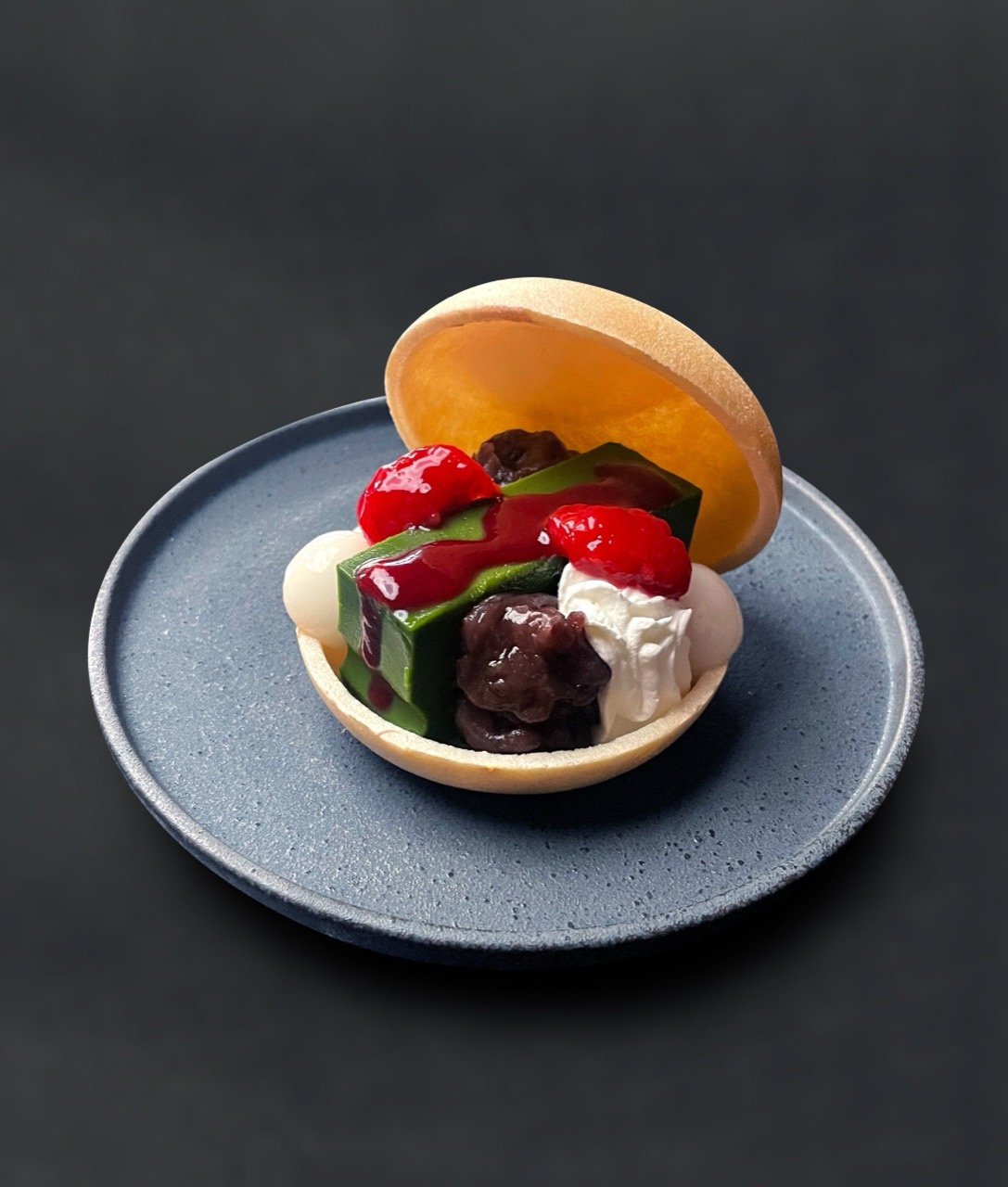
7.A plate you once had to eat a 14,300-yen course to taste is now 660 yen. A Kyoto ryotei is a high doorstep for a first-timer, and one course means booking ahead and clearing half a day. What SHIMOCHA sells is a bite in front of that doorstep. If a customer who tastes the name goes on to book the main restaurant, good. If not, they buy a box of terrine.
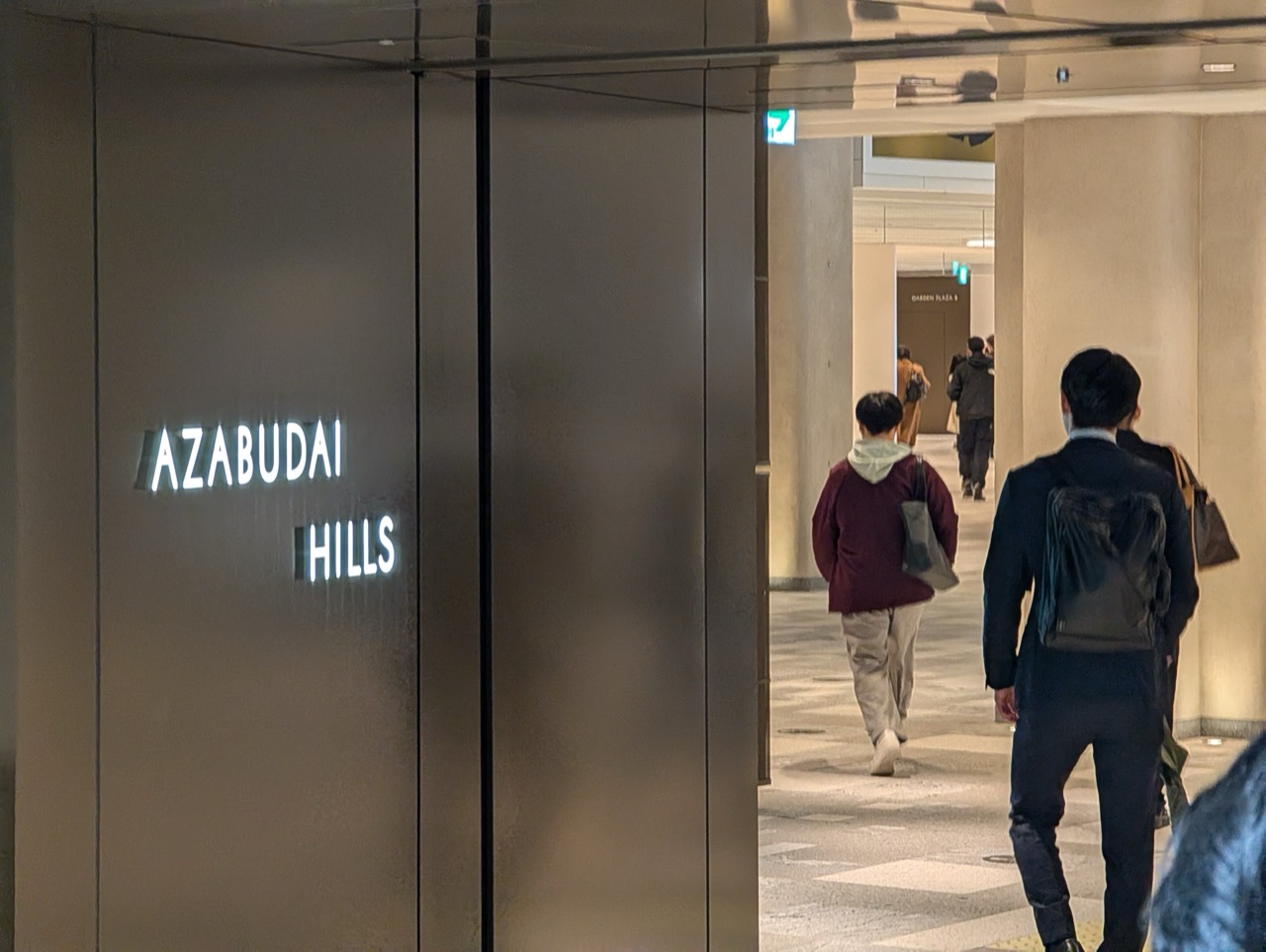
8.Choosing Azabudai follows the same math. Since Azabudai Hills opened in November 2023, embassy staff, people from foreign companies and tourists share the same streets here. The operator itself cited a neighborhood where people from many countries pass as a reason for opening. For people who will never get to Kyoto, is there a better spot to sell a Kyoto name?
9.People looking for matcha are already in line. As overseas demand grew, Japanese tea farms have been cutting sencha and switching to tencha, and matcha stands have opened all over Tokyo. In that crowd, a new shop has few things to claim. Where the leaf comes from, or who made it. SHIMOCHA staked 170 years on the second.
10.The money comes out of one terrine three times. At the main restaurant it is folded into a 14,300-yen course, and the online shop sells a box of four for 1,944 yen. That is 486 yen apiece. SHIMOCHA adds fruit and a monaka shell to one piece and charges 660 yen. No new product was developed; the same terrine was split into three price tiers. Frozen, the terrine keeps for 30 days, which makes it easy to make in Kyoto and ship to Tokyo.
11.On the drinks side, the raw material is unsteady. At the first tencha auction of JA Zen-Noh Kyoto on May 13 this year, the average winning bid was 14,127 yen per kg, the highest in ten years. That is about 1.7 times last year's first auction. Grind the leaf into powder and pass it through wholesale, and the matcha a shop receives costs more. At 30,000 yen per kg and 3 g per latte, matcha alone is 90 yen, and with milk and the cup a drink's ingredients come to about 170 yen. An estimate.
12.Rent is not light either. According to the restaurant property site Inshokuten.com, ground-floor shops around Kamiyacho Station averaged 48,528 yen per tsubo per month over the past year. The floor area is not public; at 15 tsubo, that comes to about 730,000 yen a month. An estimate.
13.To keep rent at 10% of sales, the shop has to sell 7.3 million yen a month. Over 28 trading days that is 260,000 yen a day, or about 220 customers at 1,200 yen each. Across nine hours, that is 24 people an hour. Drinks alone would struggle to fill that, which is why the 1,944-yen terrine box matters. One box equals two and a half matcha lattes. All estimates.
14.Kyoto tea sellers running cafes is nothing new. Gion Tsujiri, a tea merchant in Gion, also runs the tearoom Saryo Tsujiri, and already sells a matcha terrine as a product. It started as a merchant selling tea leaves. It held the eye for raw material and the supplier network first, then built a shop on top.
15.Shimogamo Saryo came the other way. A ryotei does not sell tea leaves; it serves a cup of tea inside a course, and the press release names no matcha origin and no tea wholesaler. When tencha prices rise, it may feel the pain before the tea merchants do. What it has instead is a 170-year-old name and a terrine recipe that guests at the end of the course recognized first. This is a matcha cafe that competes on cooking and a name, not on the leaf.
16.Shimogamo Saryo put the matcha terrine it served as a course dessert into a 660-yen monaka on a ground floor in a Tokyo office district, and sells it again as a box of four for 1,944 yen. It happened in the year the first tencha auction price rose about 1.7 times in twelve months. In Korea, a restaurant that wants to send its flagship dessert to a shop in another city runs into food licensing first. A license for making and selling on the spot, the instant manufacturing and sales business, does not allow supplying other businesses, so registering as a food manufacturer and preparing labels come with it.