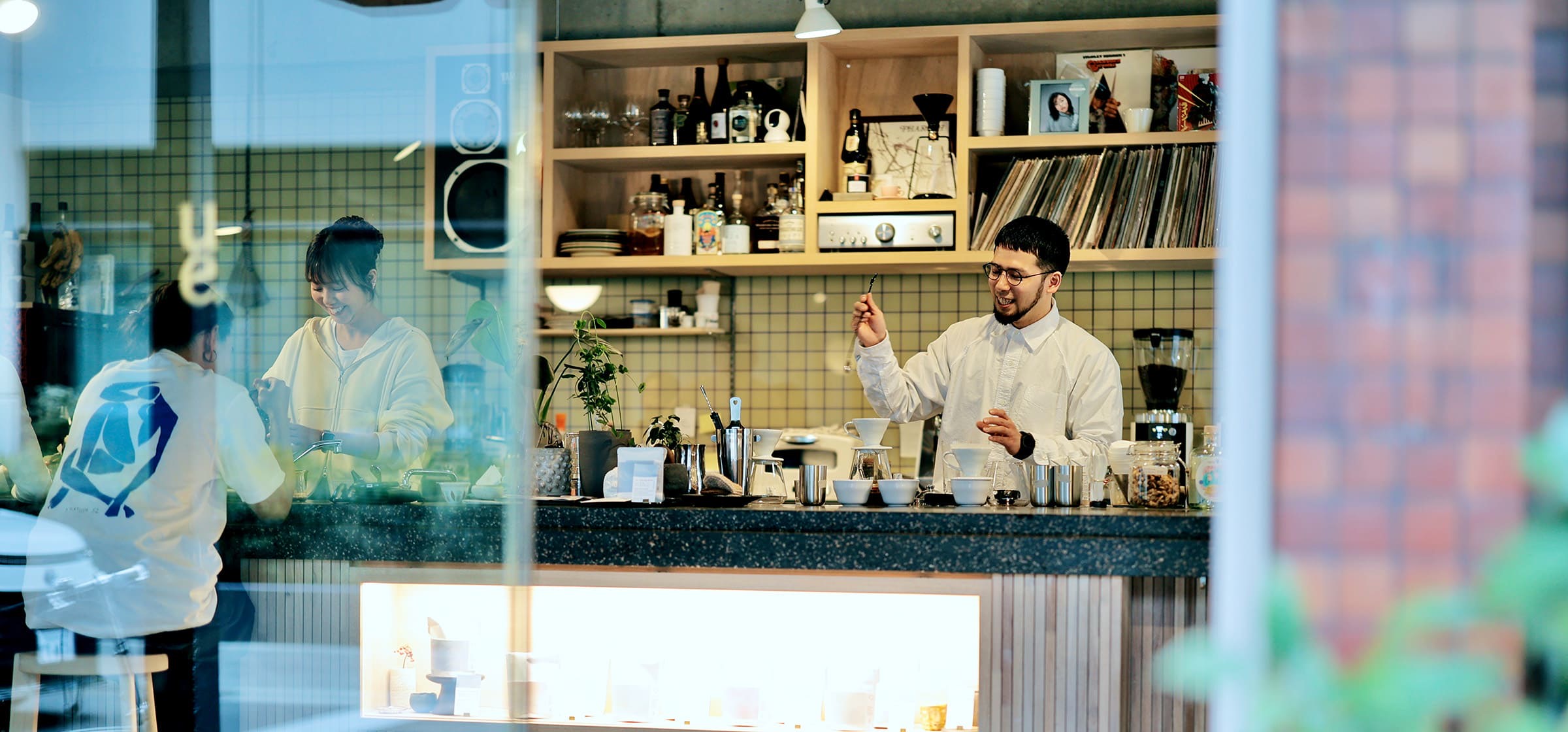
ue., an 11-seat coffee bar in Osaka's Shinmachi, has opened its second shop. It put an American-made roaster into a 5-tsubo room in a residential neighborhood to the east, and sells the beans it roasts by the bag.
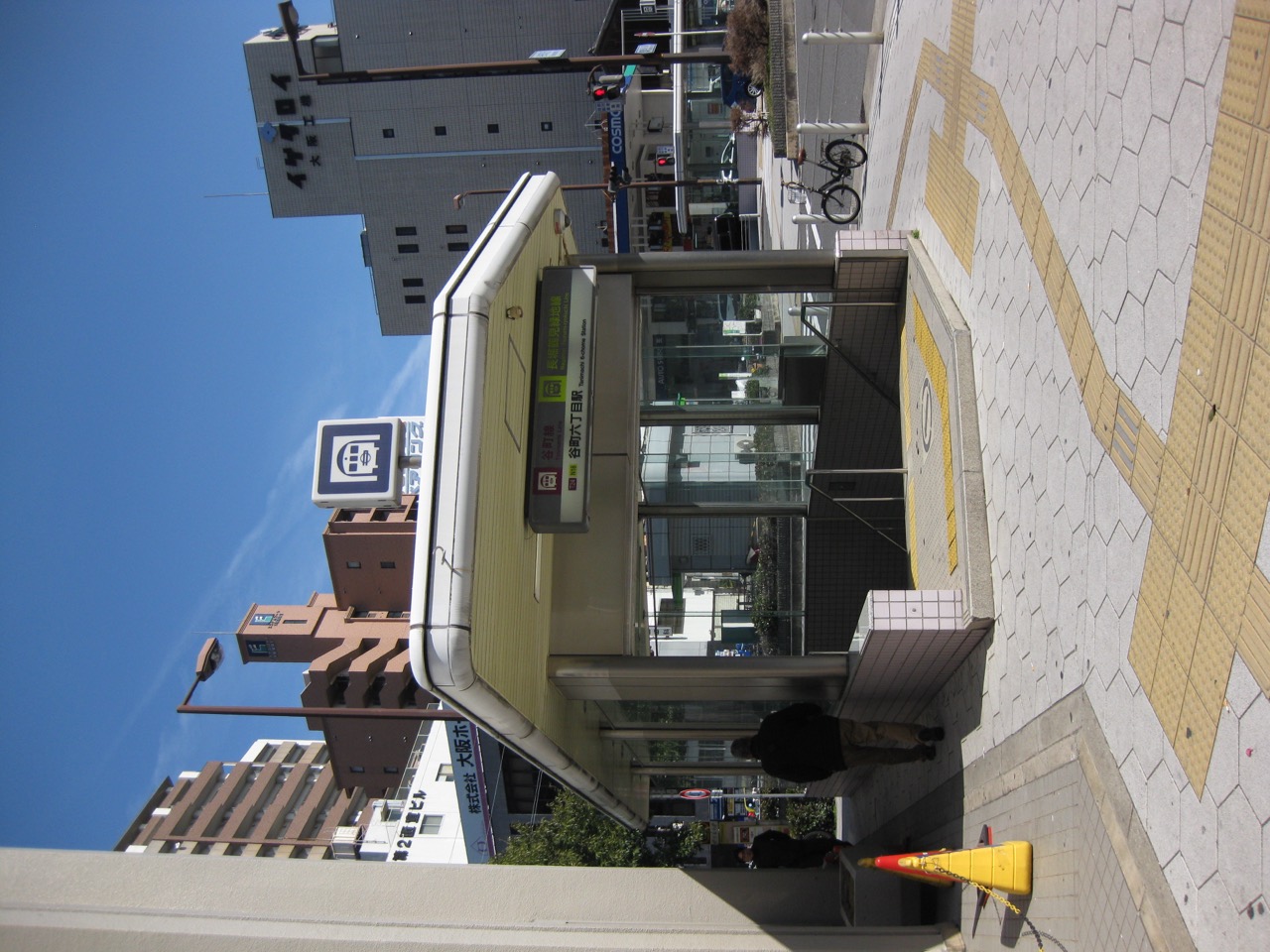
1.On September 14, ue.焙煎所 (ue. Roastery) opened in Uemachi, Chuo Ward, Osaka. It is a seven-minute walk from Tanimachi-Rokuchome subway station. The floor is 5 tsubo, about 16.5 square meters. What takes the middle of the room is not seating but a single Loring roaster from the United States. There is a bench at the back for a pour-over or a latte, and payment is card or QR only.
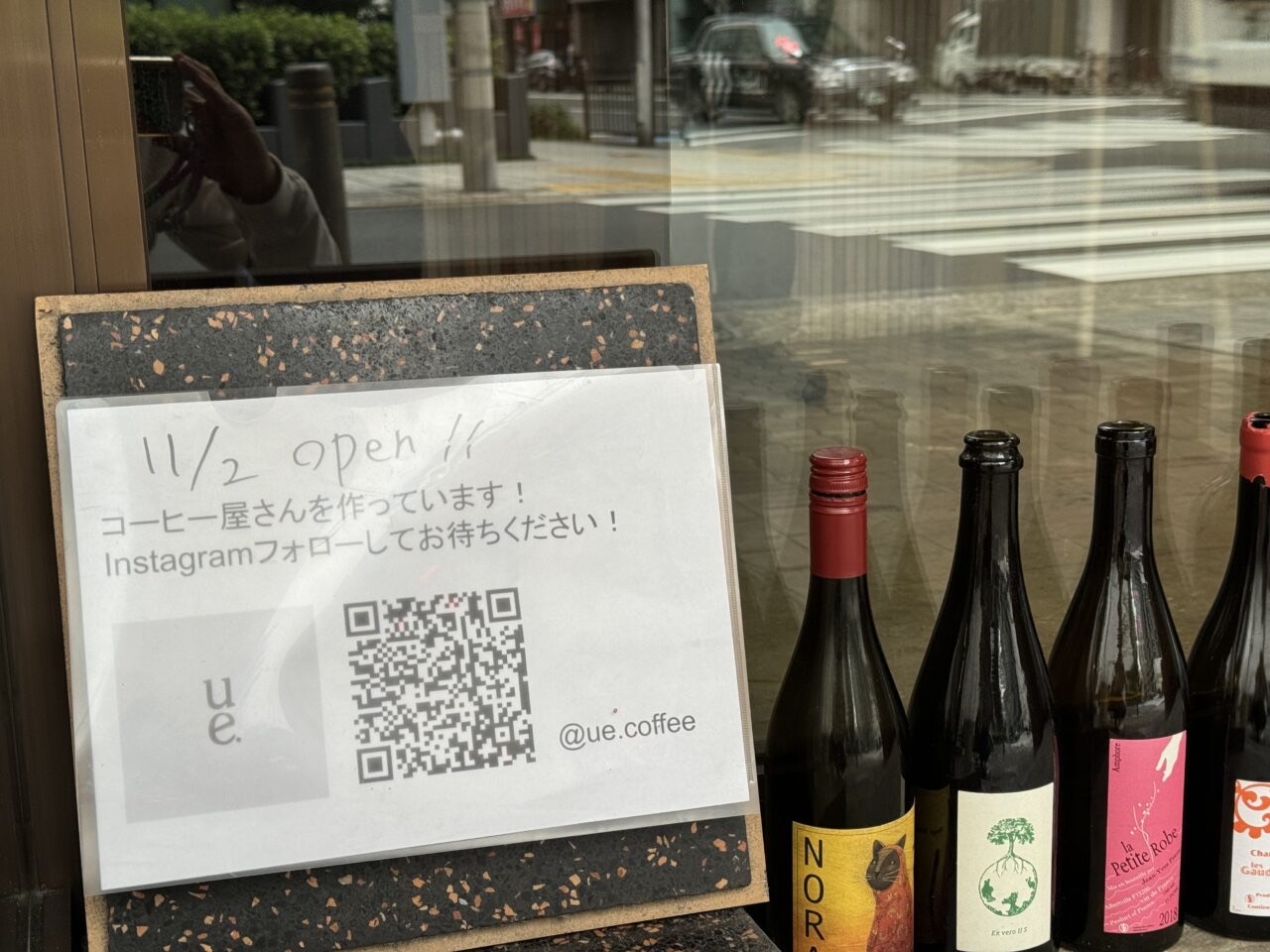
2.The first shop sits five subway stops west, in Shinmachi, Nishi Ward. It opened on November 2, 2024, in a ground-floor corner unit that an eyeglass store had left. Owner Shinya Ueda has worked as a barista and roaster since he was eighteen, and came up through EMBANKMENT Coffee, a light-roast specialist in Kitahama, before opening his own place.
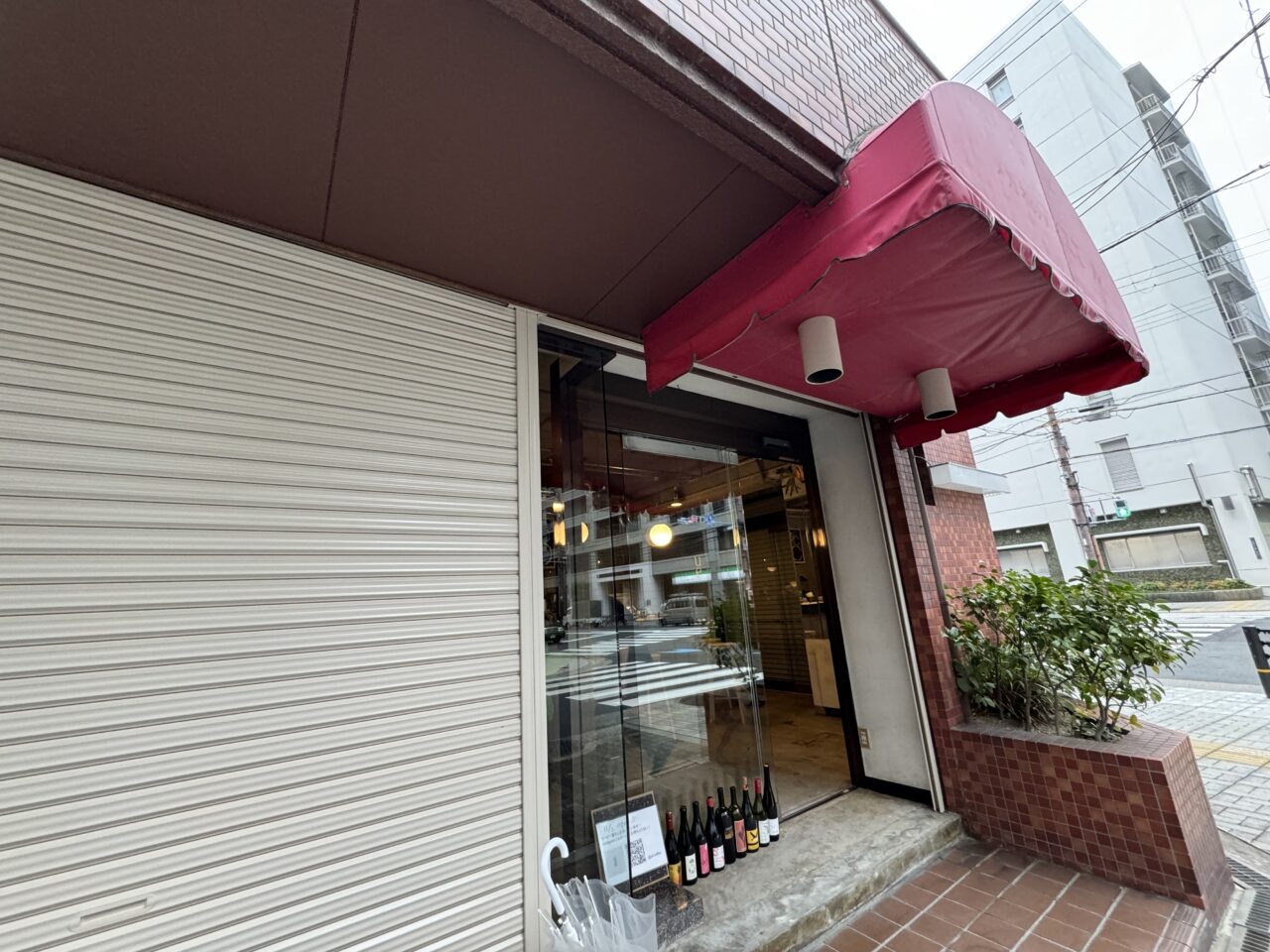
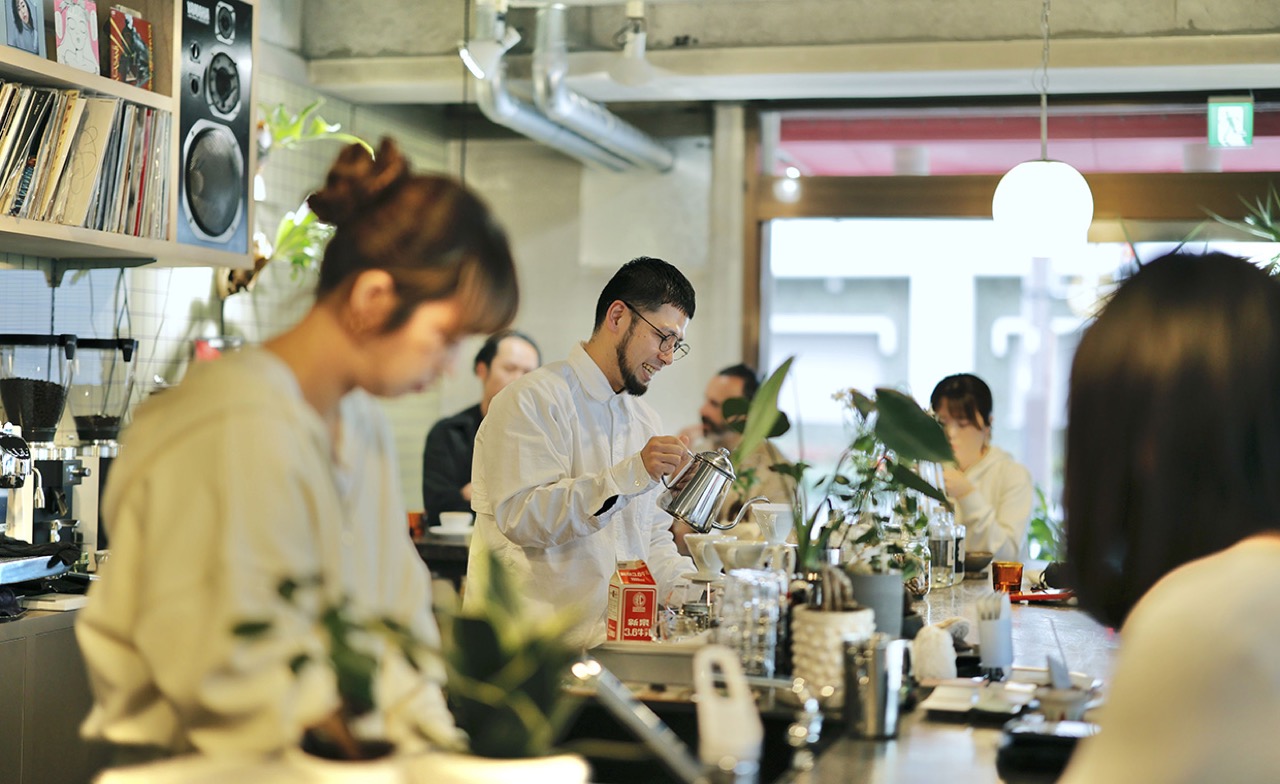
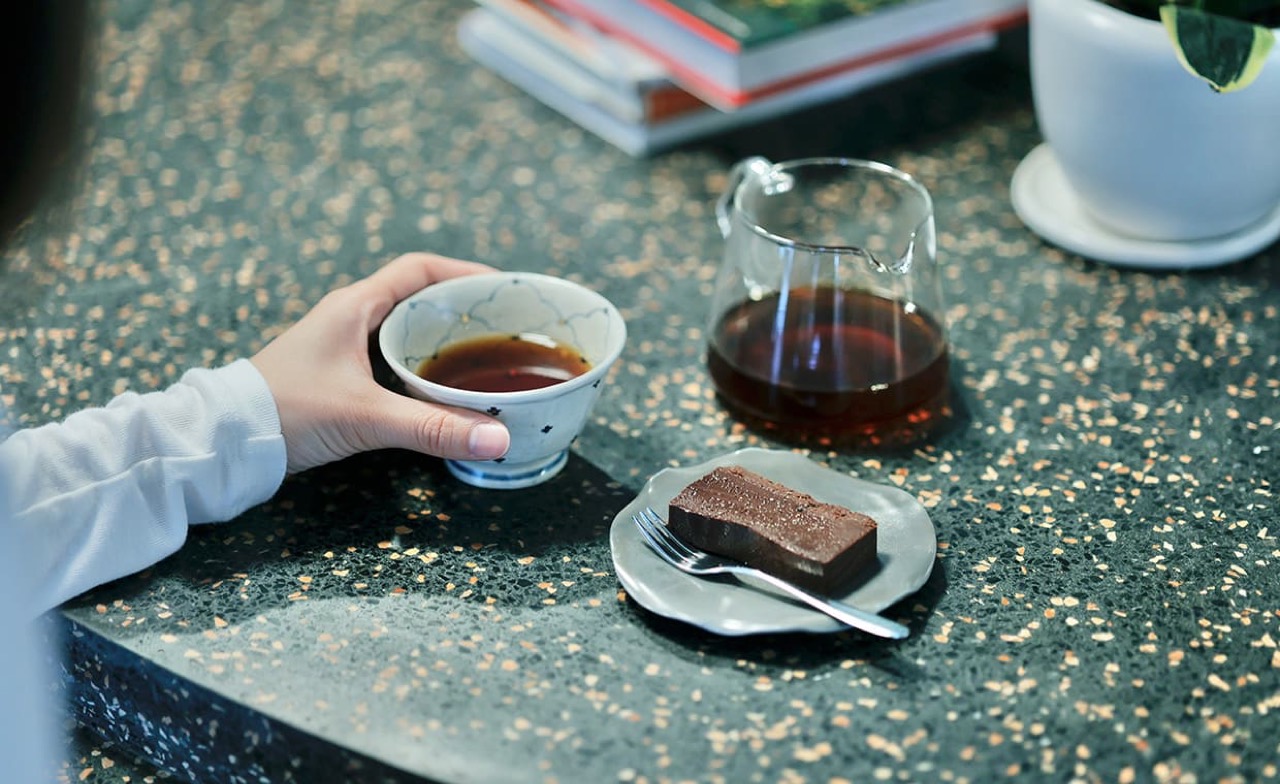
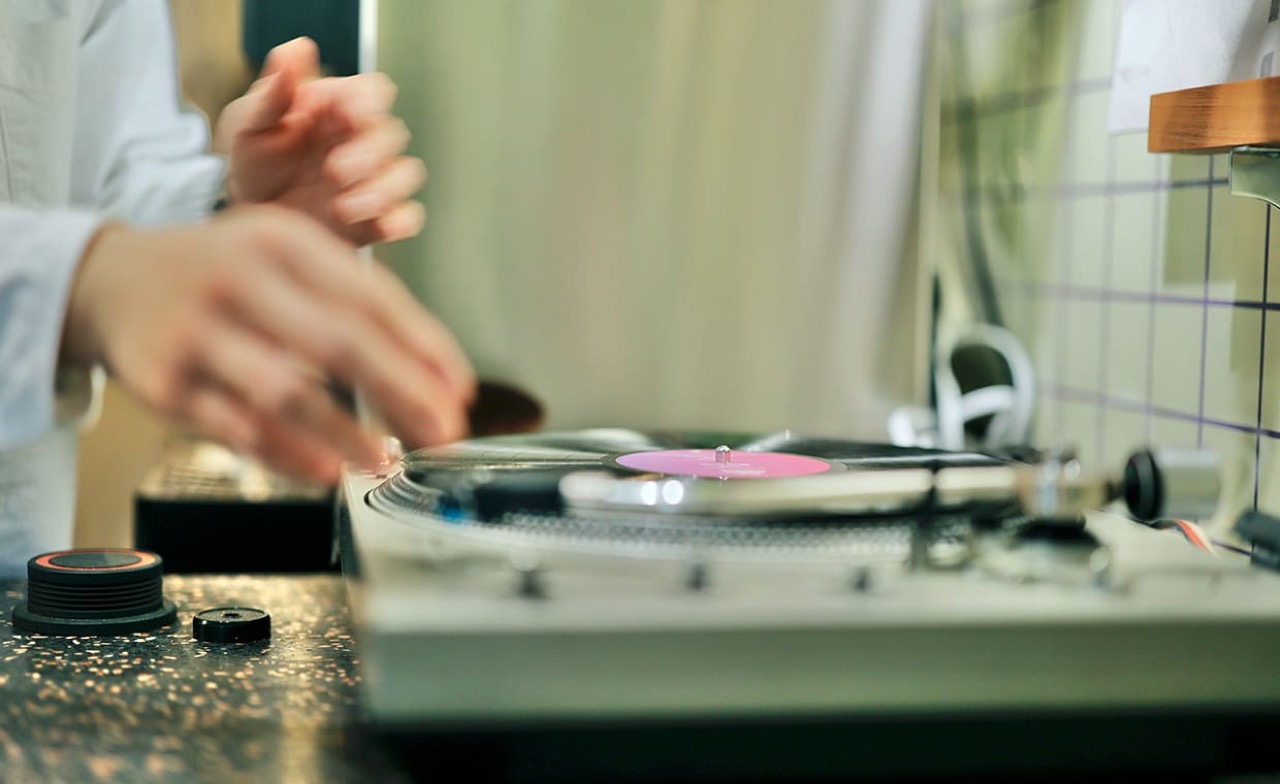
3.Two sides of the Shinmachi corner are glass. Inside is a U-shaped counter, and guests sit around it, a hand's width from the barista pouring water. There are 11 seats. Music comes off vinyl, and records brought in by guests get played too. The cups are hand-painted by a Tokyo ceramicist.
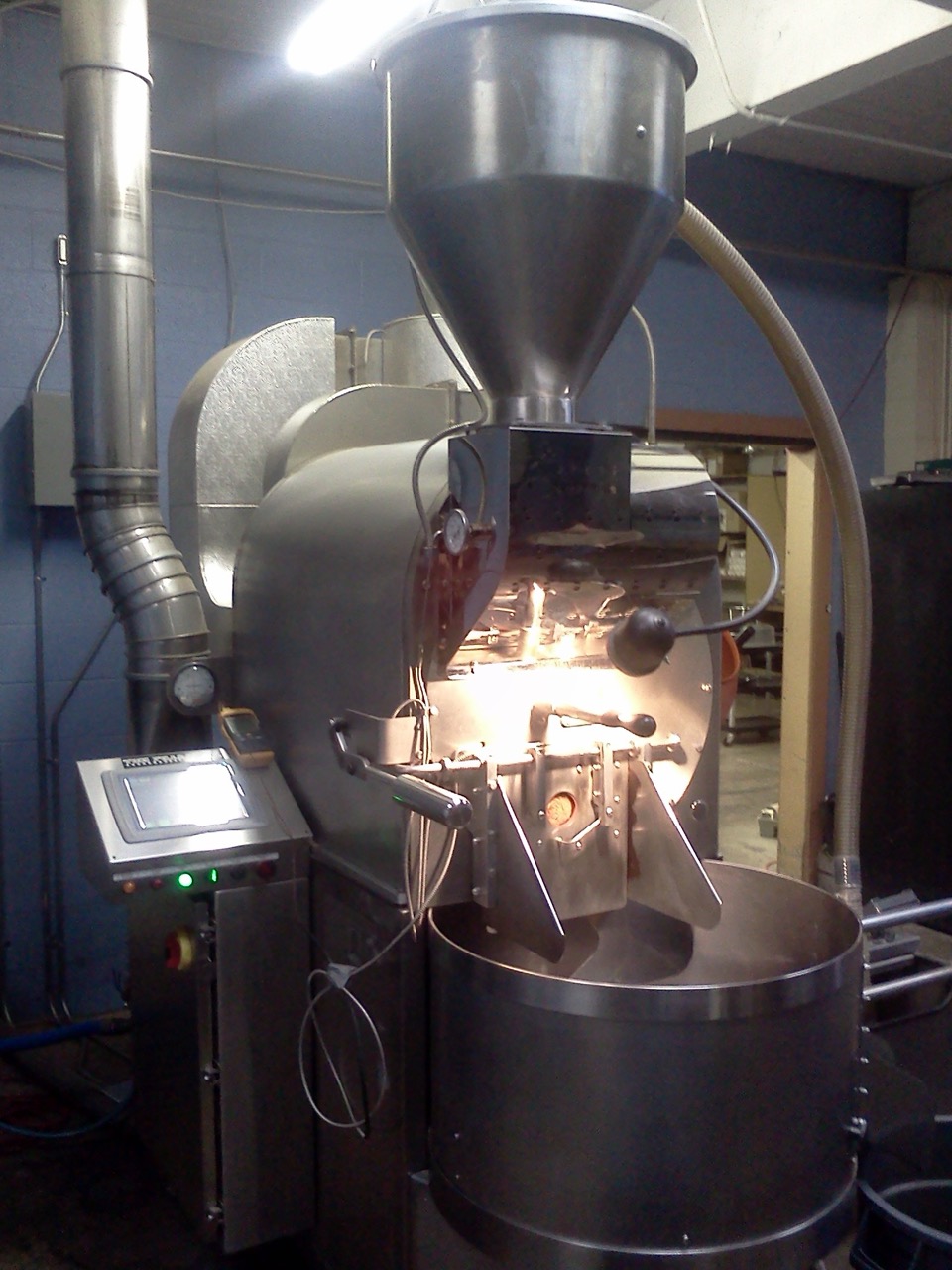
4.Uemachi is laid out the other way round. The roaster claims the floor first and people use what is left. The shop has not named the model, but even Loring's smallest, the S7 Nighthawk, takes up 1m by 1.8m. Add sacks of green coffee, a packing table and an espresso machine, and there is barely room for one bench. The interior colors were matched to the Shinmachi shop, according to the report.
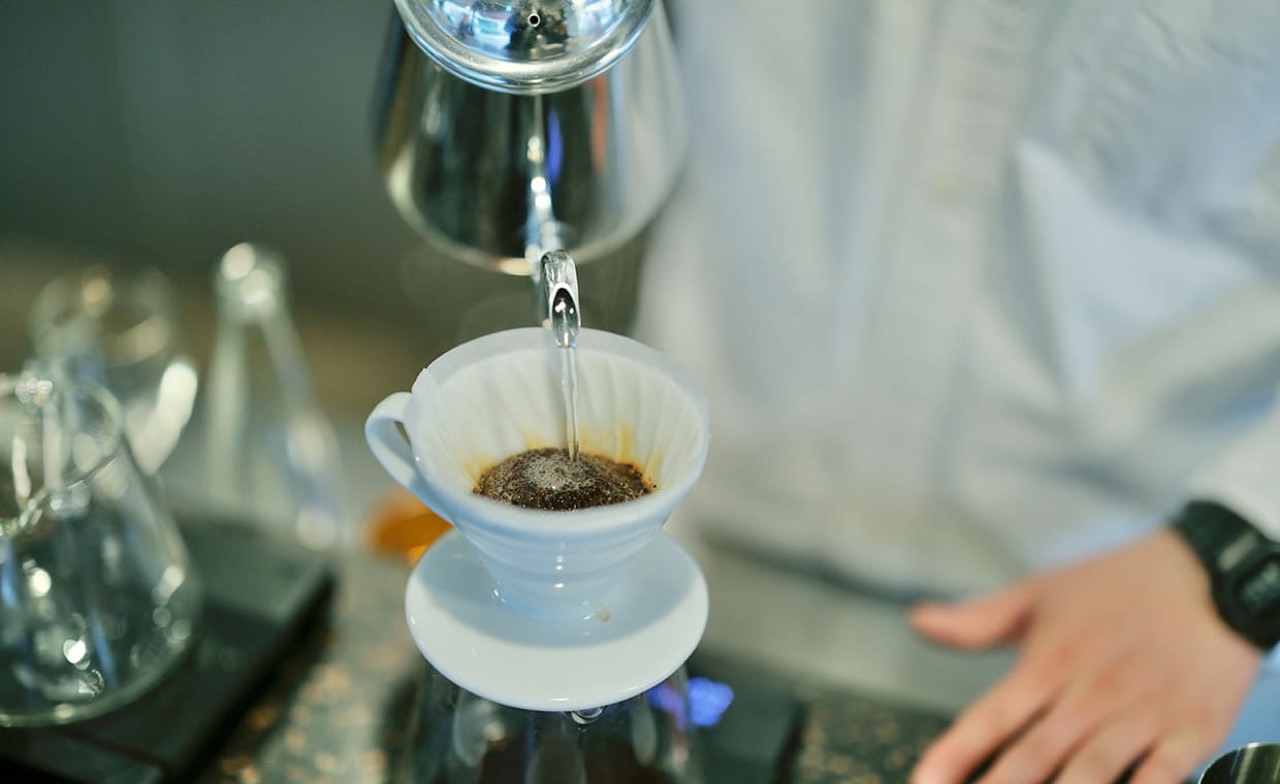
5.The coffee centers on washed lots from Central and South America, roasted light. Washed coffee, pulped, rinsed and dried, puts acidity ahead of sweetness, and a light roast pushes that acidity toward lemon peel or red fruit. The sharp edge you get when it is hot rounds off as the cup cools, leaving a brown-sugar sweetness at the end. In Shinmachi a Honduras drip costs 750 yen. It is a coffee that does not give up everything in one sip, so people stay at the counter.
6.A shop with a roaster announces itself by smell. As green beans take the heat, the grassy smell turns into something like baking bread, and husks crackle inside the drum. A typical drum roaster fits an afterburner to burn off the smoke this produces. In a Loring, one burner does both jobs, heating the beans and burning the smoke, and the company claims up to 80% fuel savings. Whether a roastery can open on a residential street comes down to that line of smoke.
7.There is no room for a roaster behind an 11-seat counter. Ueda split the business in two. Shinmachi is where you sit and drink; Uemachi is where beans are roasted and sold by the bag. One shop sells the time guests spend there, the other sells the weight of the beans. Had he tried to fit both into one room, the chairs and the roaster would have fought over the same floor.
8.Casa BRUTUS introduced the Shinmachi shop as a neighborhood culture hub that runs from coffee to food, music and books. Ueda told the Kansai magazine SAVVY that at its core it is a coffee shop, but he wants people to use it freely, for a drink or for music. The shop does hold events around food, music and books. At a bar that plays the records guests bring, a regular leaves a mark with a single album.
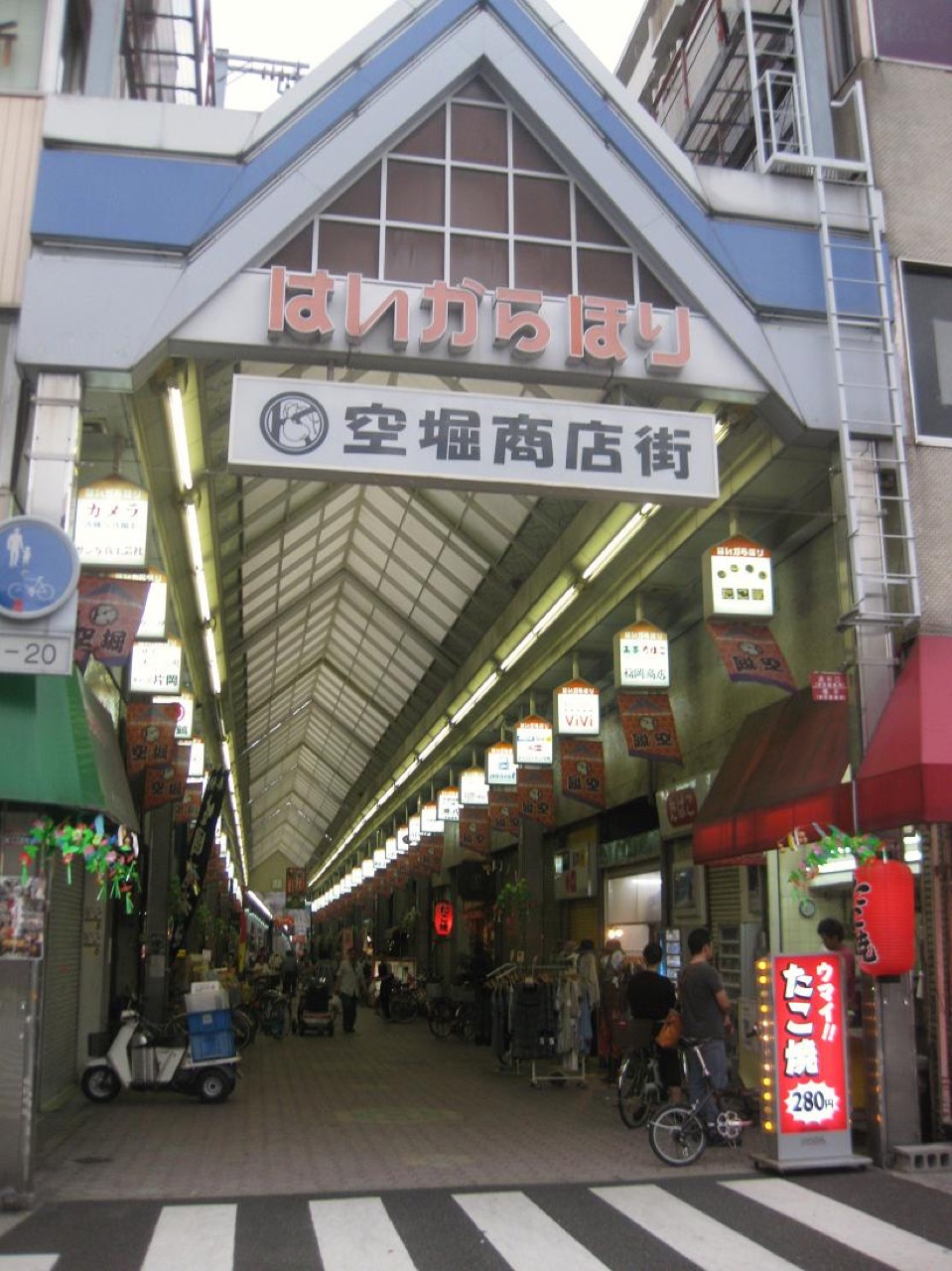
9.Uemachi sits on the Uemachi Plateau, which runs south from Osaka Castle. Temples, old houses and apartment blocks mix together, and the covered arcade of Karahori Shotengai stretches out around the station. The shop opens at 9 a.m., two hours earlier than Shinmachi. The schedule looks aimed at locals picking up a bag of beans on the way to work.
10.Beans are sold in 200g bags. A washed Kenya AA Kangocho is 2,600 yen and a natural Ethiopia Haro Batume is 3,000 yen. Per kilogram that works out to 13,000-15,000 yen. A single-farm Peruvian lot is sold separately at 3,400 yen for 80g.
11.The shop has not disclosed what it pays for green coffee. If specialty green costs 3,000 yen a kilo, then allowing for the weight lost in roasting, a 200g bag takes about 700 yen of green beans. With the bag and label it stays around 30% of the shelf price. A drink needs milk, a cup and a barista's hands; a bag of beans, once roasted, sells itself off the shelf. All of this is an estimate.
12.Rent is light. According to the restaurant property site 飲食店ドットコム, the average rent for ground-floor café units around Tanimachi-Rokuchome Station over the past year was 15,900 yen per tsubo per month. At this shop's size that is a little over 80,000 yen a month. A month's rent equals 30 bags of 200g beans. An estimate, based on floor area and the area average.
13.There is also the option of renting a roaster instead of buying one. A roastery in Sumida, Tokyo rents out an S7 from the same maker at 3,500 yen an hour. Roast three hours twice a week and it comes to 84,000 yen a month, almost the same as this shop's rent. Ueda chose to buy the machine and put it in the middle of the room. The price of a new unit is not public.
14.The S7 roasts up to 7kg of green coffee per batch. Load just 5kg and you get 21 bags of 200g, worth over 50,000 yen at shelf price. One batch covers two-thirds of a month's rent. Since the roasted beans presumably go into cups at the Shinmachi bar as well, this machine is why an 11-seat bar can lean less on table turnover.
15.Roasting inside the shop is nothing new in Japan. Kissaten that advertised their own roasting did it in a back room, and the smoke and smell served as their signboard. About 50 Loring roasters are installed in Japan, and early adopters were large roasters such as Maruyama Coffee in Nagano. A machine built for volume roasting has now moved into a 5-tsubo shop.
16.ue. opened a separate 5-tsubo roastery in a different neighborhood from its 11-seat bar and put a roaster that burns its own smoke in the middle of the room. At the area's average rent, the monthly cost is a little over 80,000 yen, the price of 30 bags of beans. In Korea, a roaster on the ground floor of a residential street first draws complaints about smoke and smell. Most drum roasters need a separate afterburner or smoke filter, and that equipment plus the exhaust duct eats more of a small shop's floor.