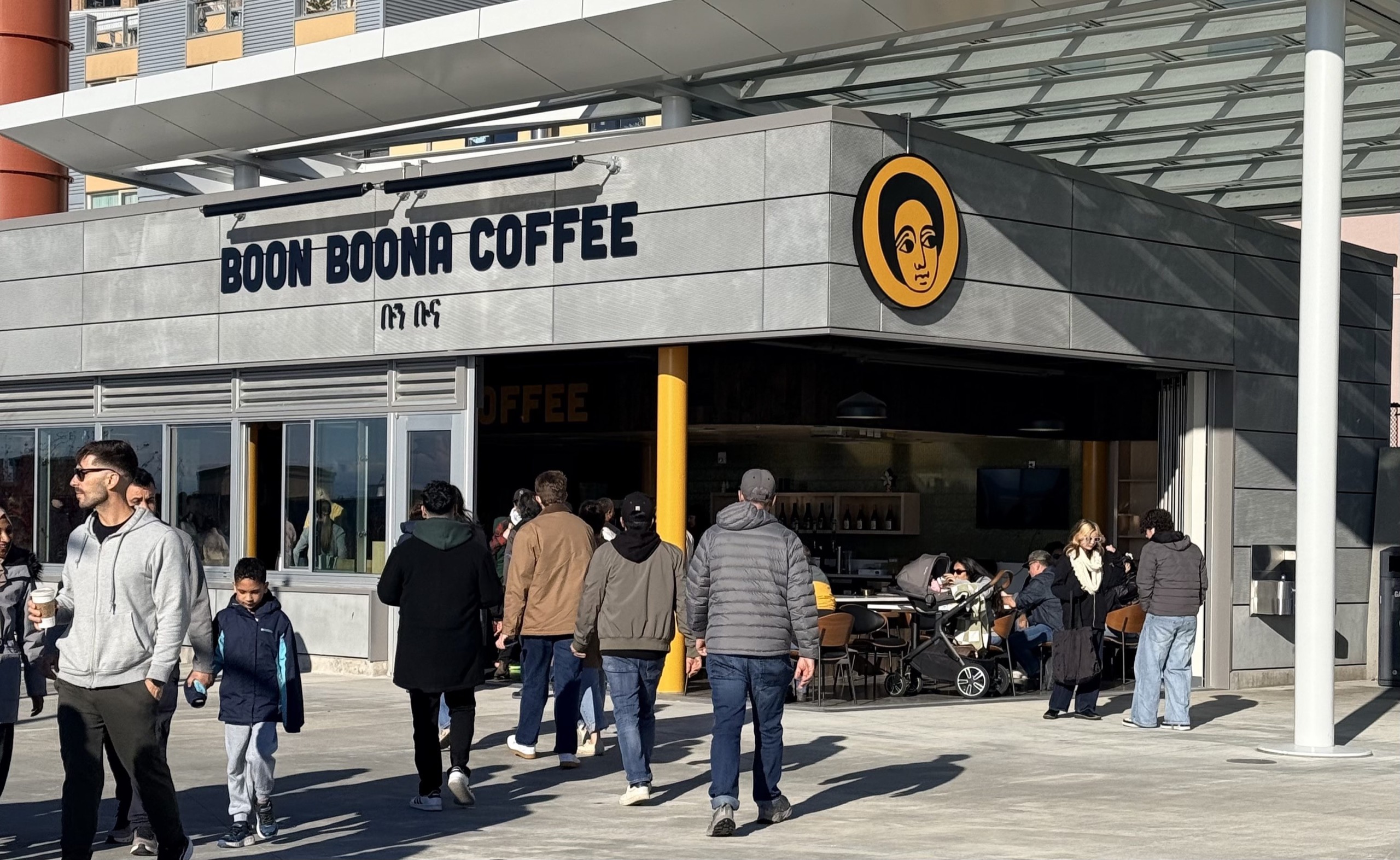
On a footbridge built where Seattle's waterfront viaduct once stood, the café concession went to Boon Boona Coffee, a company that started out importing green coffee, through a city-run selection process. Every bean it serves is African, and next to the bar, green coffee is roasted in a pan every day for a traditional coffee ceremony.
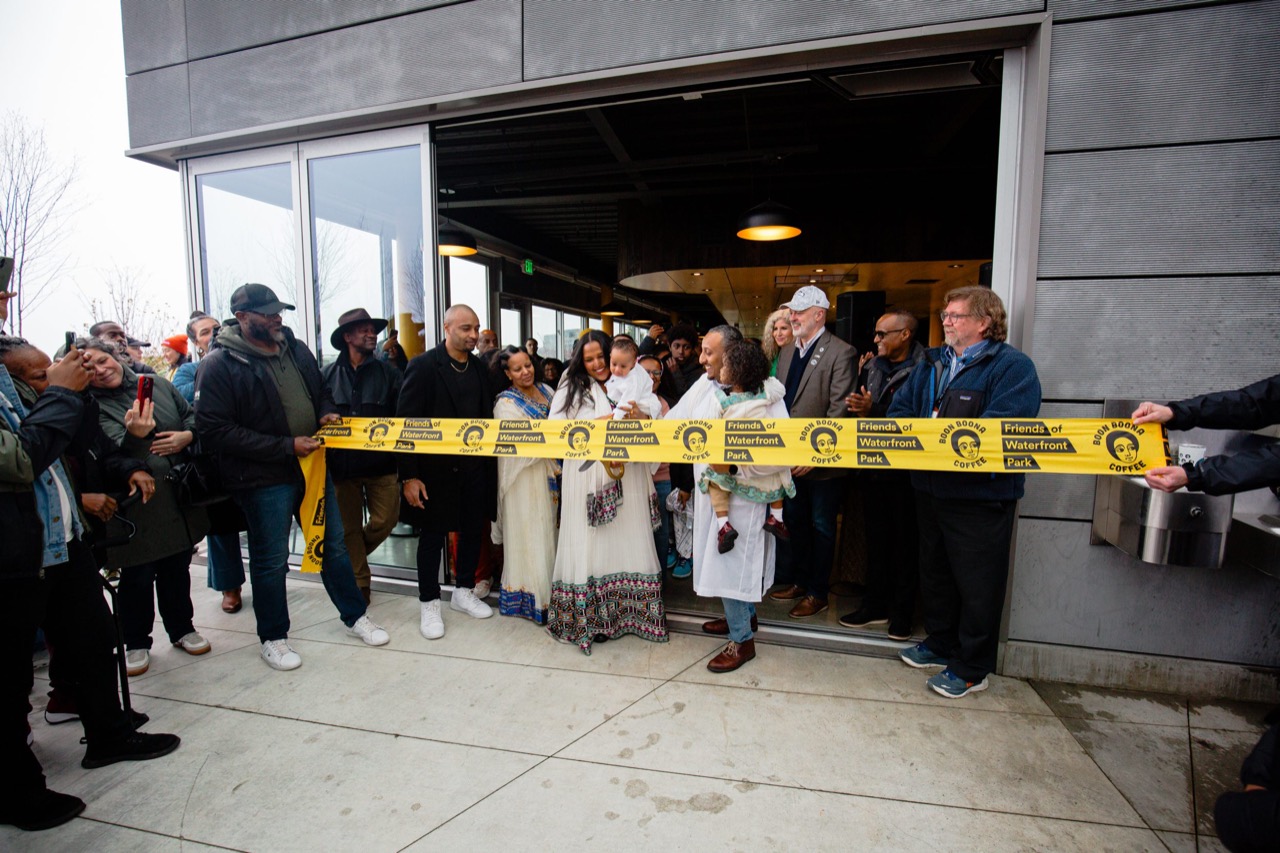
1.On February 7 this year, Boon Boona Coffee (Boon Boona from here on) opened its fifth café on the footbridge linking Seattle's Pike Place Market to the water. The address is 1515 Western Ave, open daily from 8 a.m. to 8 p.m. It won the spot in a city process against more than 50 competing proposals. The selection was run jointly by the nonprofit Friends of Waterfront Park, the city's waterfront office and Seattle Center. This month the coffee site Sprudge revisited the shop's design and equipment.
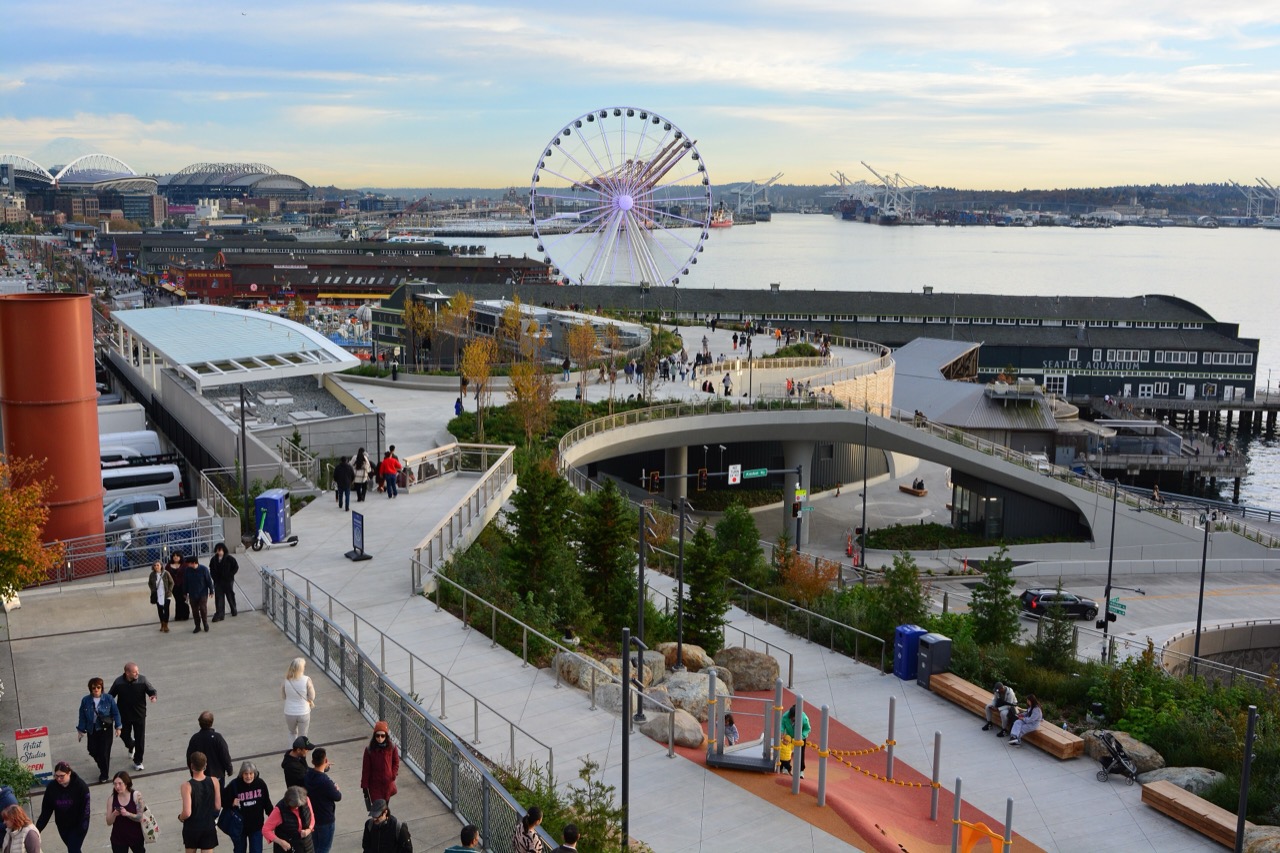
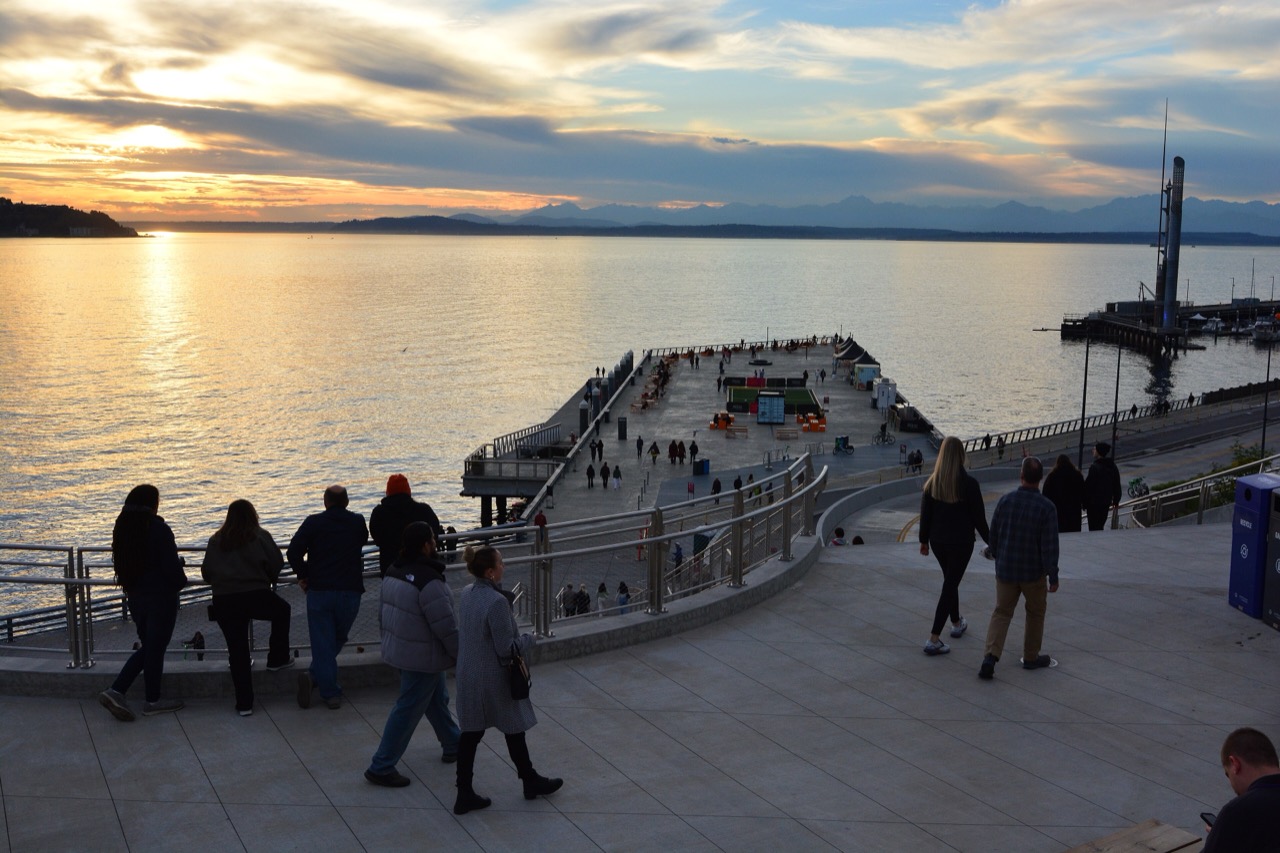
2.The bridge is called Overlook Walk. In 2019 the Alaskan Way Viaduct, the elevated highway that ran along the shore, came down, and this bridge went up in its place for $70 million. Until it opened in October 2024, there was no way to walk straight from the market down to the water. The bridge is one piece of an $806 million waterfront park redevelopment, and the café sits in a roofed pavilion partway along it.
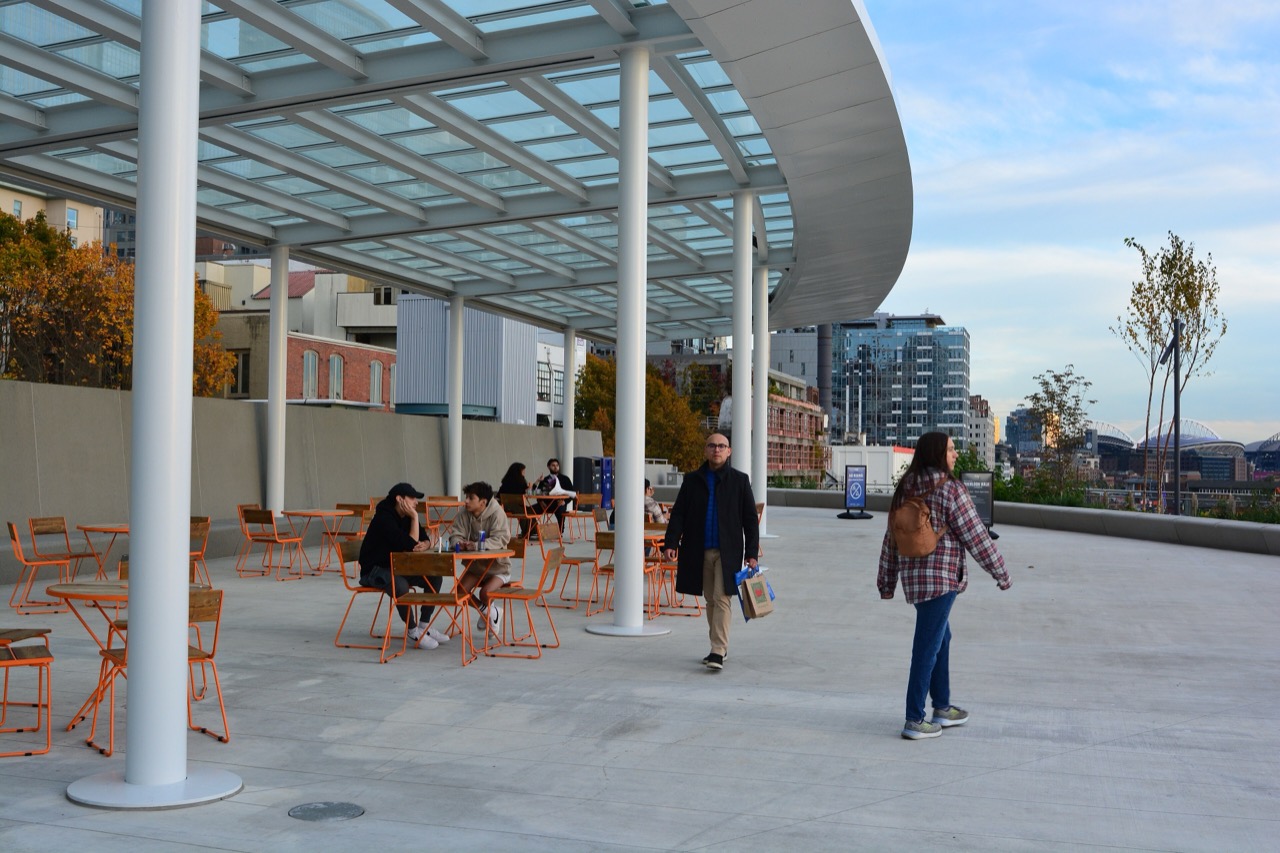
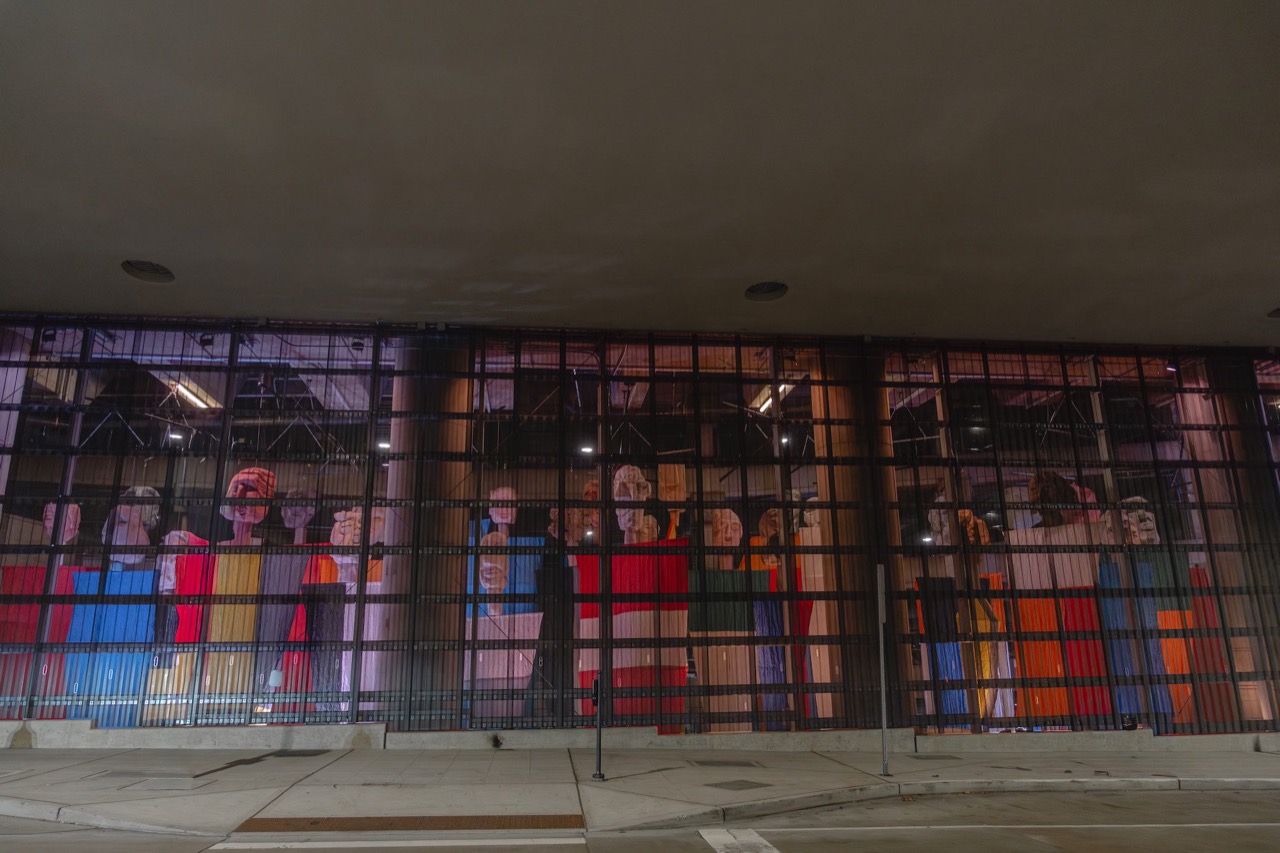
3.Large windows and sliding glass doors open the shop to the outside. Push the doors all the way back and the floor runs straight out to the tables under the pavilion roof. Seattle architecture firm Boxwood designed it, and local workshop Splinter and Slag built the tabletops from fir. The coffee flavor wheel on the wall was redrawn by artist Yeggy Michael. In the passage beneath the pavilion hangs Ann Hamilton's installation Guests.
4.A three-group Slayer Steam EP handles espresso, and filter coffee goes through a Modbar Pour-Over. No beans from outside Africa. Single origins from Ethiopia, Kenya, Uganda, Rwanda and the Democratic Republic of the Congo rotate through, and in the evening there is a little beer from a Seattle brewery and Washington wine.
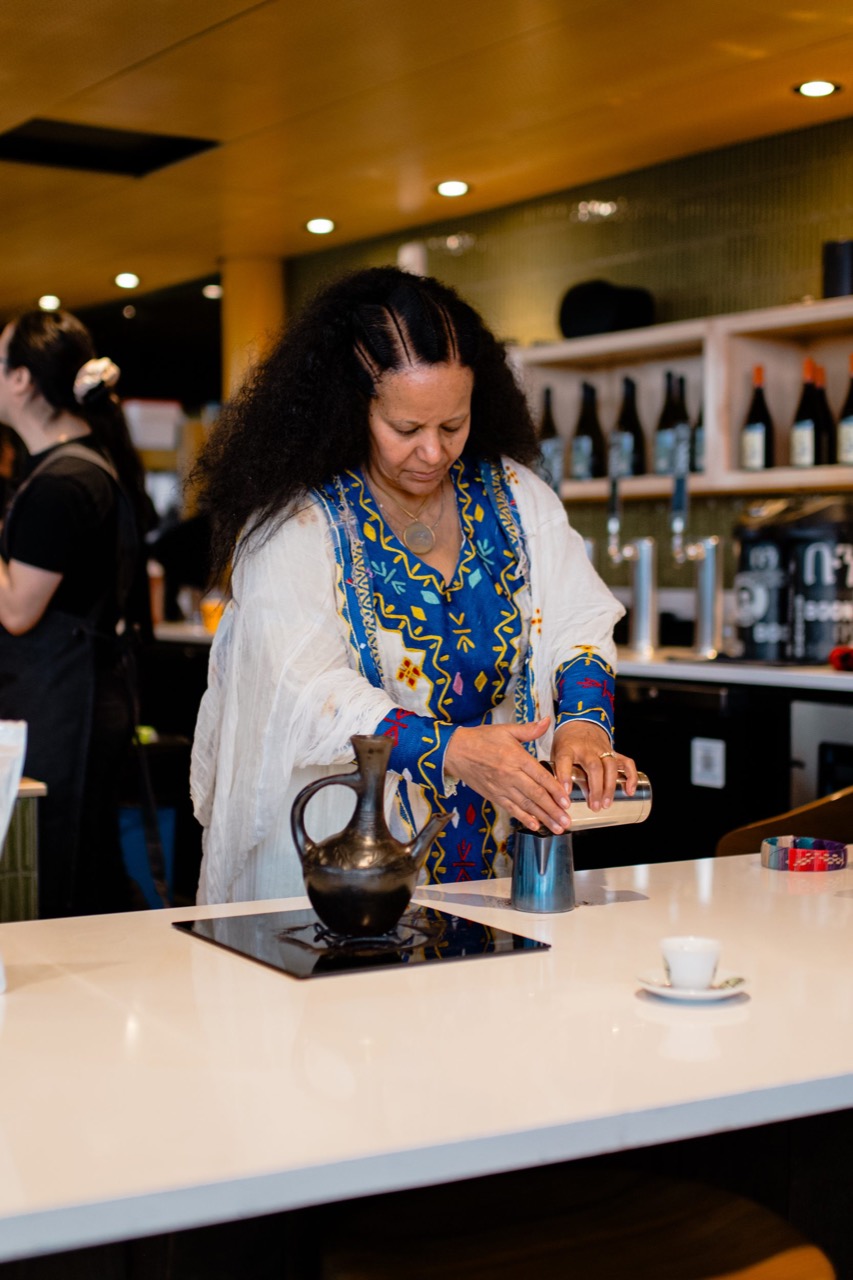
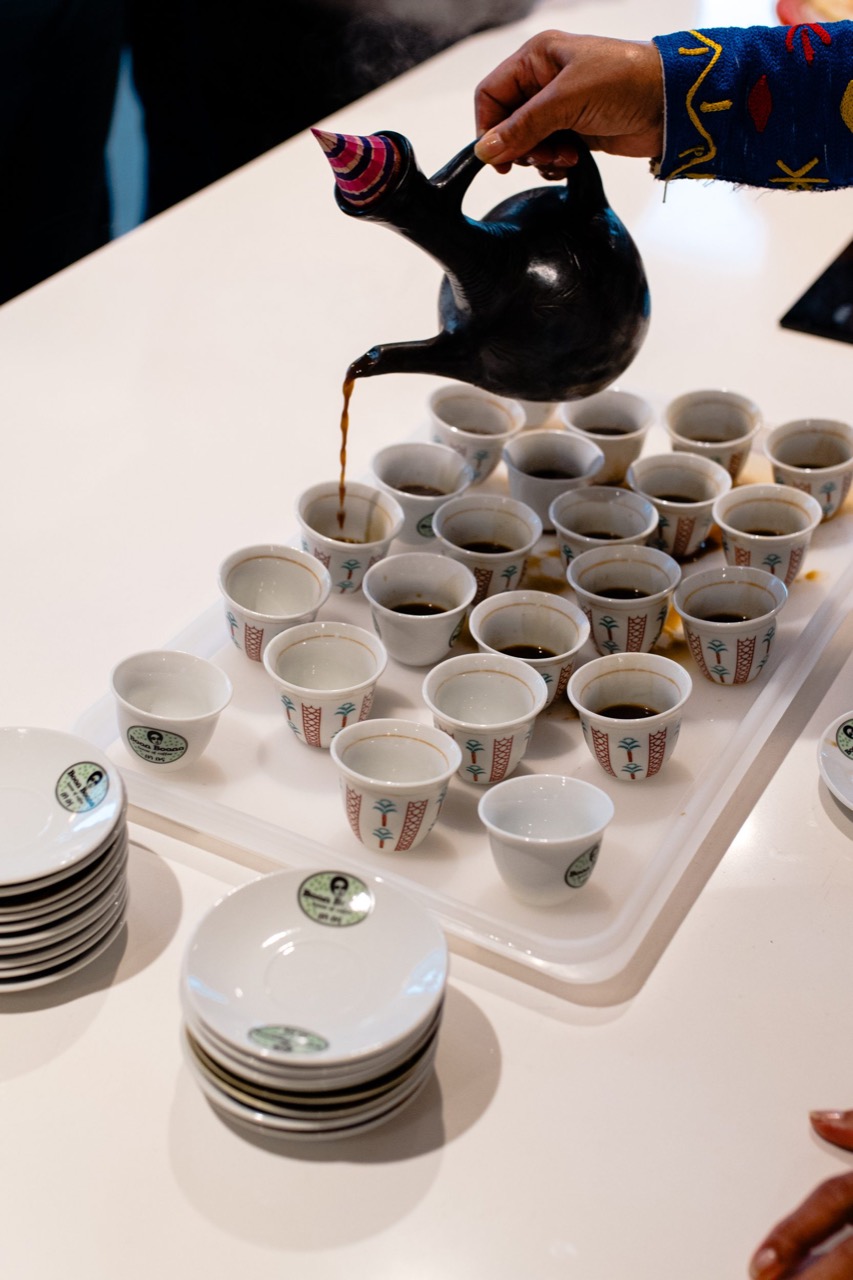
5.At one end of the bar, an East African coffee ceremony takes place every day. Green beans hit the heat of the pan and the grassy smell turns into toasty smoke; the beans are crushed in a mortar and boiled in a clay pot called a jebena. The pot is lifted high to fill a row of small cups, and the same grounds are brewed three times for three rounds. The person holding the pot is the founder's mother. Beside a bar where an espresso takes 30 seconds, a ritual of more than an hour takes the same spot every day.
6.The drip bar goes in another direction. Washed Ethiopians usually lead with jasmine and lemon peel, while Kenyans bring a blackcurrant acidity that scrapes along the side of the tongue. Ugandan and Congolese coffees tend to sit heavier. The Modbar bar is where those differences get split out, cup by cup, in front of the customer. It is the opposite end of the dark-roasted espresso most people picture when they hear Seattle coffee.
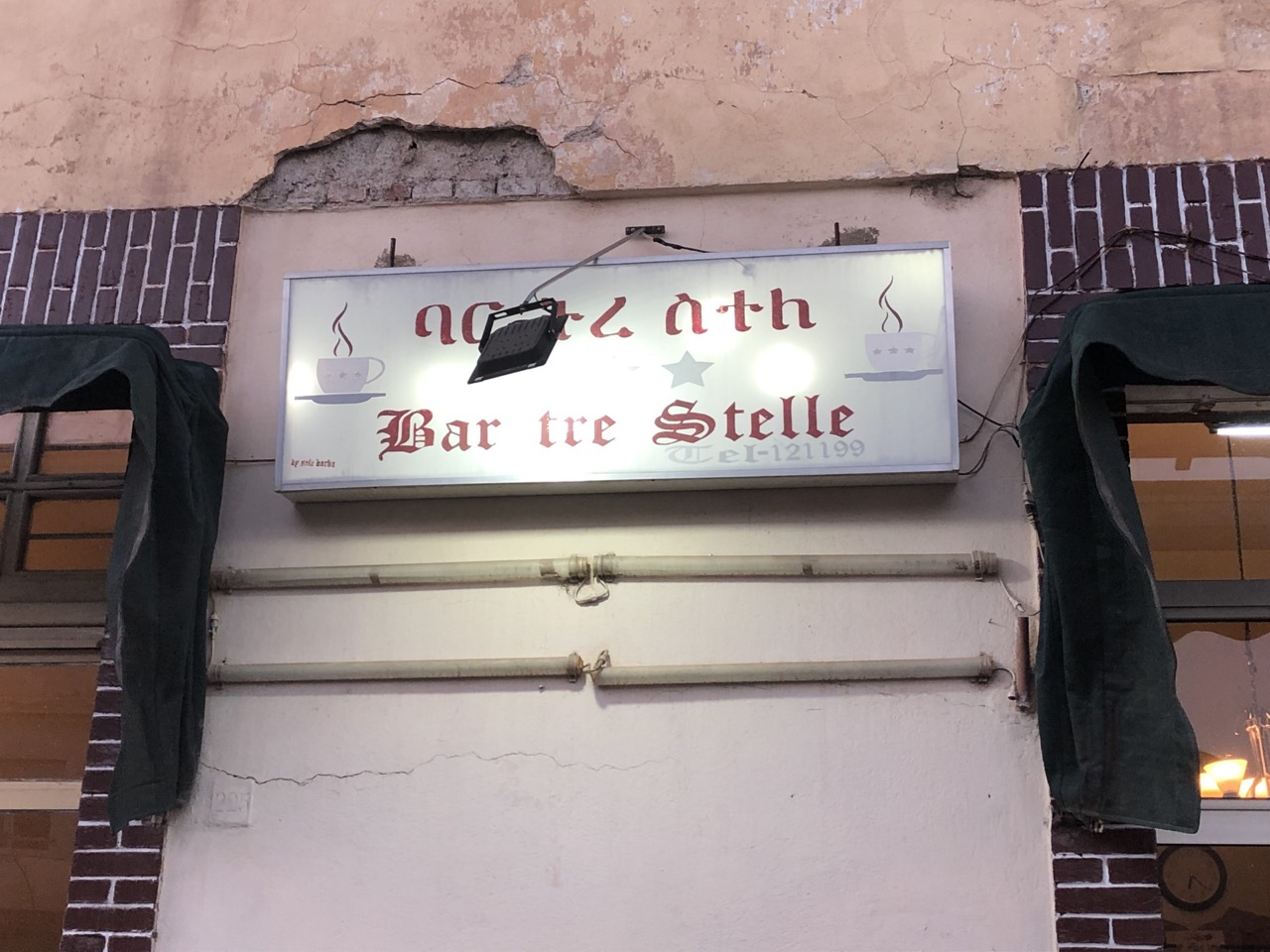
7.Founder Efrem Fesaha grew up in West Seattle, the son of Eritrean immigrants. He worked in corporate finance until the 2008 crash, and in 2011 a trip to the Eritrean capital, Asmara, showed him neighborhood cafés pulling people together. The company he started the next year was not a café but a business importing and selling Ethiopian green coffee. The name joins two words for coffee: boon in Eritrea and parts of Kenya, boona in Ethiopia.
8.In the same market stands a Starbucks that has occupied its storefront since the 1970s, and the line outside it is one of Seattle's tourist sights. Visitors come to this market looking for where Seattle coffee began. Boon Boona offers those same visitors the way coffee is done in the land where it began. A local magazine reports that the opening was also timed ahead of this summer's World Cup matches in Seattle.
9.What the selection panel weighed was less a sales plan than a proposal for how the space would be used. The original Renton café holds a ceremony on the hour on weekend afternoons and has given its room to county library storytimes and poetry readings. For Overlook Walk, the company pledged a gathering spot for artists, nonprofits and local small businesses. A neighborhood living room dropped into the middle of a tourist district.
10.This company began with sacks of green coffee, not cups. It sold imported green coffee from 2012, started roasting in 2016, and only opened its first café, in Renton, in 2019. Shops followed on Capitol Hill, in the University of Washington bookstore and inside corporate campuses in Redmond. Its roasted coffee also goes wholesale to the local co-op grocer PCC, according to PCC.
11.On the official online store, a 12-ounce (340g) blend costs $19 and single origins run about $25. It also sells Ethiopian green coffee at $18 for 2 pounds, pitched for doing the ceremony at home: $9 a pound. Priced at import cost, the green coffee in a bag of beans comes to roughly a fifth of the retail price. Even at the green price it charges consumers, it stays under a third. Import prices are not public, so this is an estimate.
12.The cup works out differently. A customer review mentions a 16-ounce latte topping $7 at another of the company's shops. Beans, milk and cup together cost a little over a dollar (estimate). The heavy part is labor. Seattle's minimum wage in 2026 is $21.30 an hour, and if one barista turns out 25 drinks an hour, labor alone is close to a dollar a cup. The daily ceremony, running over an hour, also ties up a person, and no price for it has been published.
13.The lease terms appear nowhere. Concessions in public parks often pay a fee linked to sales, but the rate and length of this contract are unknown. The bigger variable is weather. Much of the seating sits under an open-sided pavilion, so the outdoor seats shrink through Seattle's long rainy winter. The shop opened in February, at the tail end of that winter. Perhaps a date picked to put the whole summer season ahead of it.
14.The coffee ceremony is what Ethiopian and Eritrean households do when guests arrive. In the United States it was something Ethiopian restaurants served after a meal, not a menu item at specialty cafés. Seattle coffee grew up around dark-roasted espresso from Starbucks onward. On the busiest tourist route in that city, a drip bar that splits coffees by origin and the oldest way of making coffee now stand side by side at one bar.
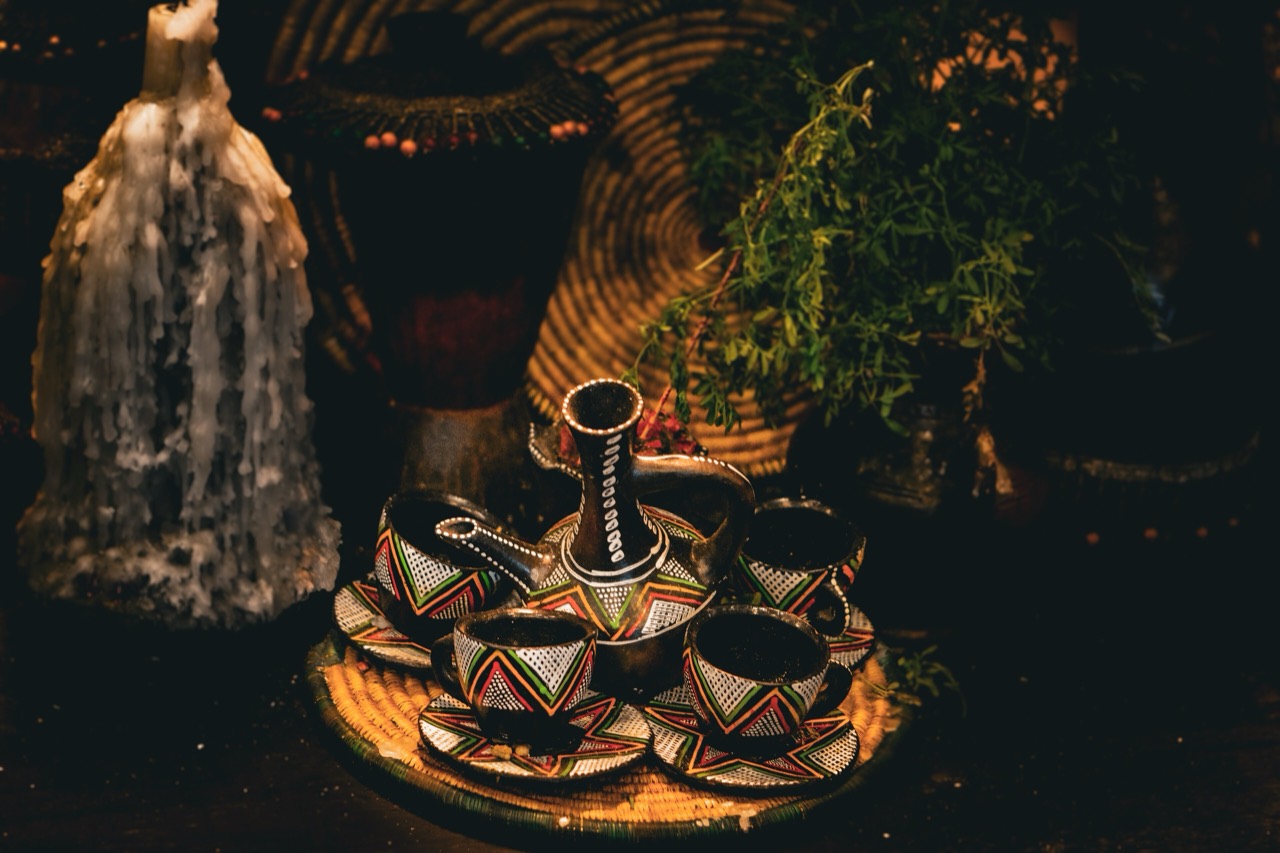
15.A ceremony pours for a single group of guests over an hour. In that same hour the espresso machine pulls dozens of drinks, so by cup count alone the math does not work. Yet that hour sat at the center of the proposal that won the concession. It is also what separates this shop from a tourist kiosk.
16.A five-shop company that began as a green coffee importer beat more than 50 rivals for the café spot on a $70 million footbridge. The bar serves espresso and African single-origin drip, and beside it, green coffee is roasted in a pan every day and poured in three rounds. In Korea, café spots in parks and public plazas usually go to whoever bids the highest usage fee. That scoresheet has no column for a plan like an hour-long ceremony every day.