Kilo Coffee has opened in an old shopping plaza in Dallas's university district. A pour-over starts at $11 and climbs to $50. It doesn't roast its own beans, and it takes its name from the kilogram.
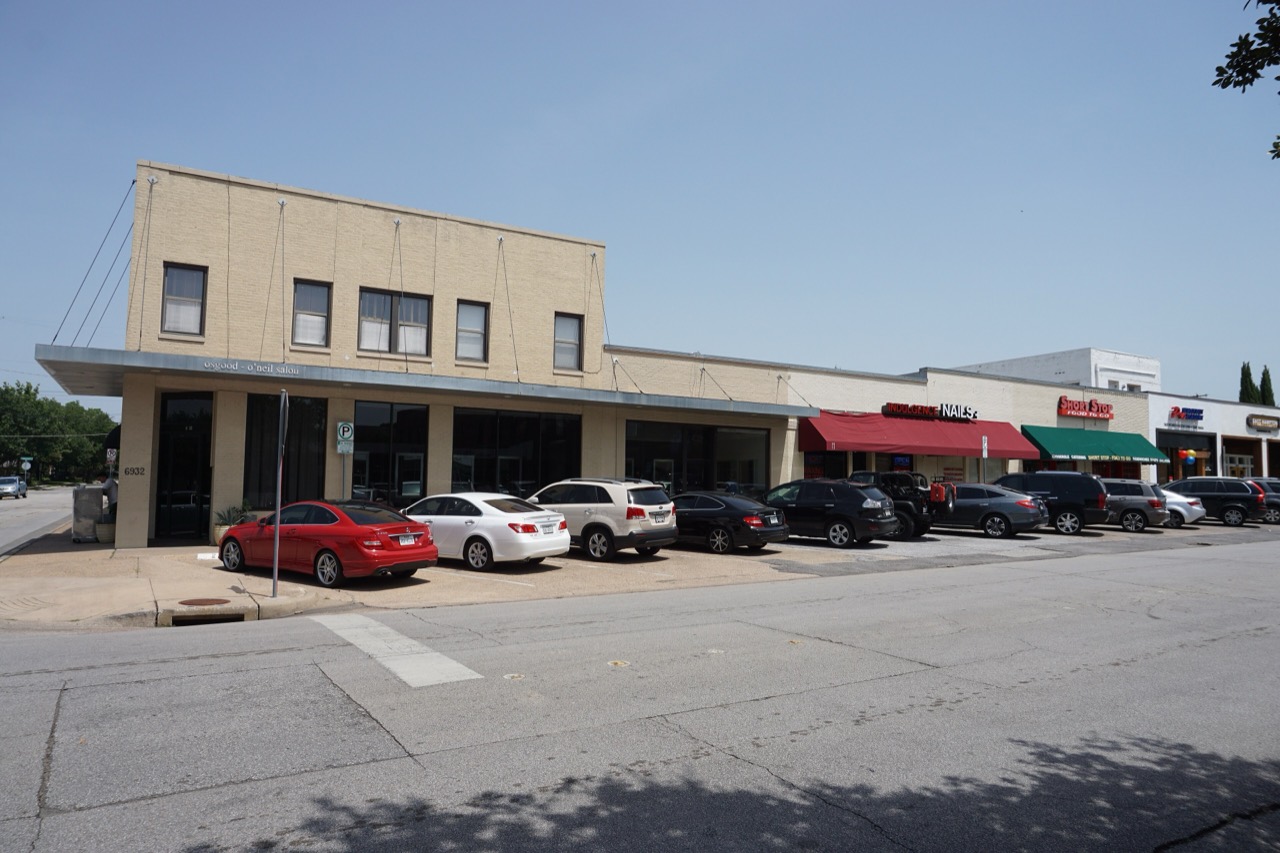
1.Over the first weekend of September, the US Labor Day holiday, Kilo Coffee (Kilo from here on) held its grand opening in Dallas's Snider Plaza. It sits on a corner of a shopping plaza that opened in the 1920s, right beside the Southern Methodist University (SMU) campus. Its nine pour-over offerings start at $11 a cup and run up to $50. Local magazine PaperCity put that $50 straight into the headline of its opening story.
2.Five people started the shop: siblings Alex Vu, Victoria Vu and Ryan Vu, plus friends Anthony Nguyen and Bao Nguyen. Their parents run V's House, a Vietnamese restaurant outside Dallas, and Alex learned extraction by fixing that restaurant's espresso machine himself. Early this year they tested the idea with pop-ups on the same plaza and along the Katy Trail. Hours are 7 a.m. to 7 p.m. every day.
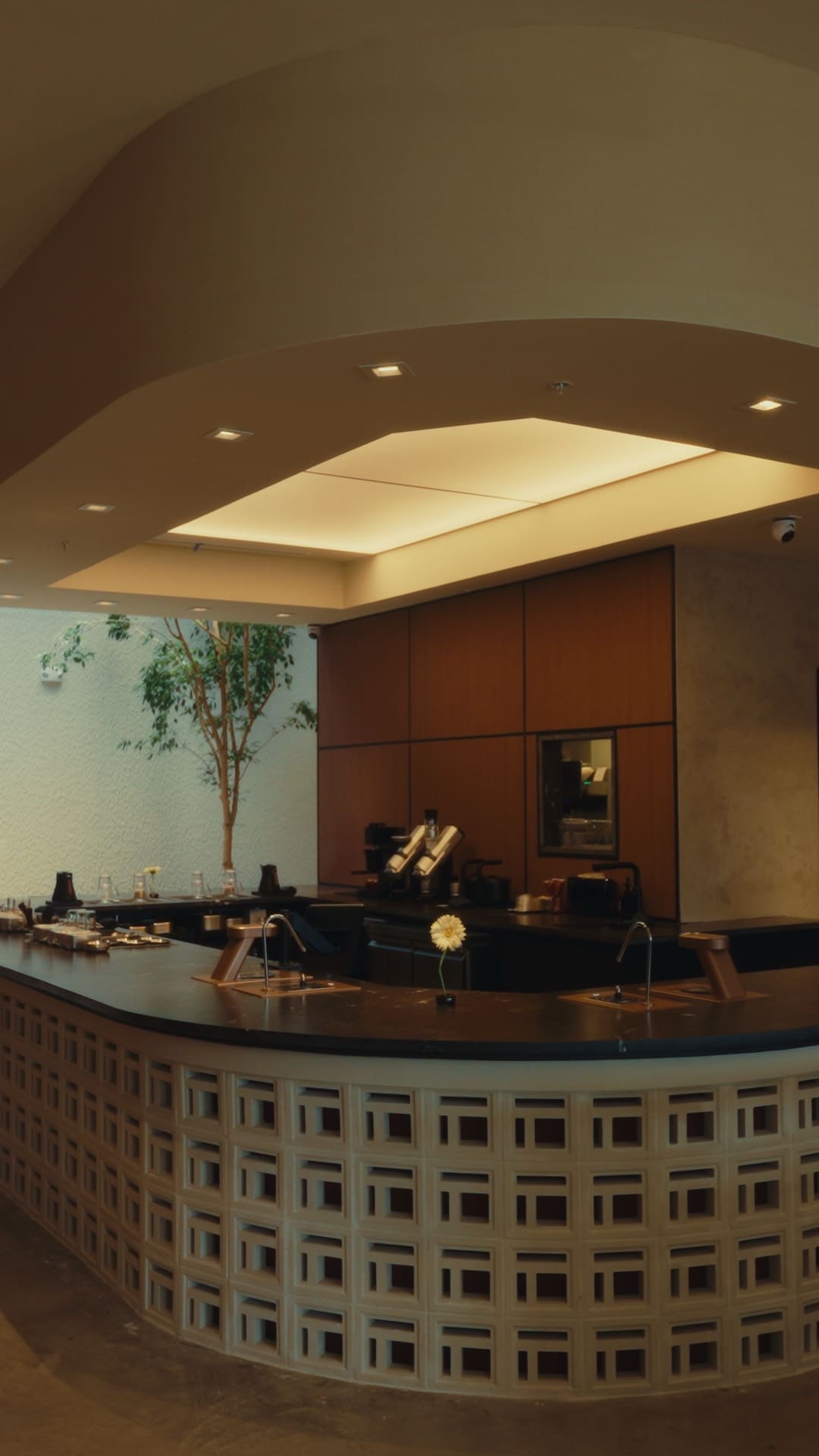
3.Hatsumi Kuzuu, who leads Dallas studio Kuzuu Design, did the interior. She previously designed the soba restaurant Tei-An and the restaurant FT33. The bar sits in the middle of the room, ringed by low lounge chairs, counter seats and a few tables. Its front is a curve of perforated breeze blocks, backed by a wall of wood panels.
4.Further in is a separate atrium. Daylight drops in from above, and wooden benches stand next to a living tree. Four seats facing the bar have been set aside here. The owners plan to run an omakase-style coffee tasting in them a few months after opening, and the shop already has a page on the reservation platform Tock.
5.Two kinds of machine share the bar. An automatic espresso machine handles milk drinks, and a semi-automatic one pulls the single-origin espresso. Under the pour-over counter sit weight sensors that track every gram while the water goes in. The shop's name comes from the kilogram. Pre-opening coverage said the signature drinks would be named for their weight in the cup; the menu today reads Orange .013 and Bergamot .008, a flavor followed by a dot and a number.
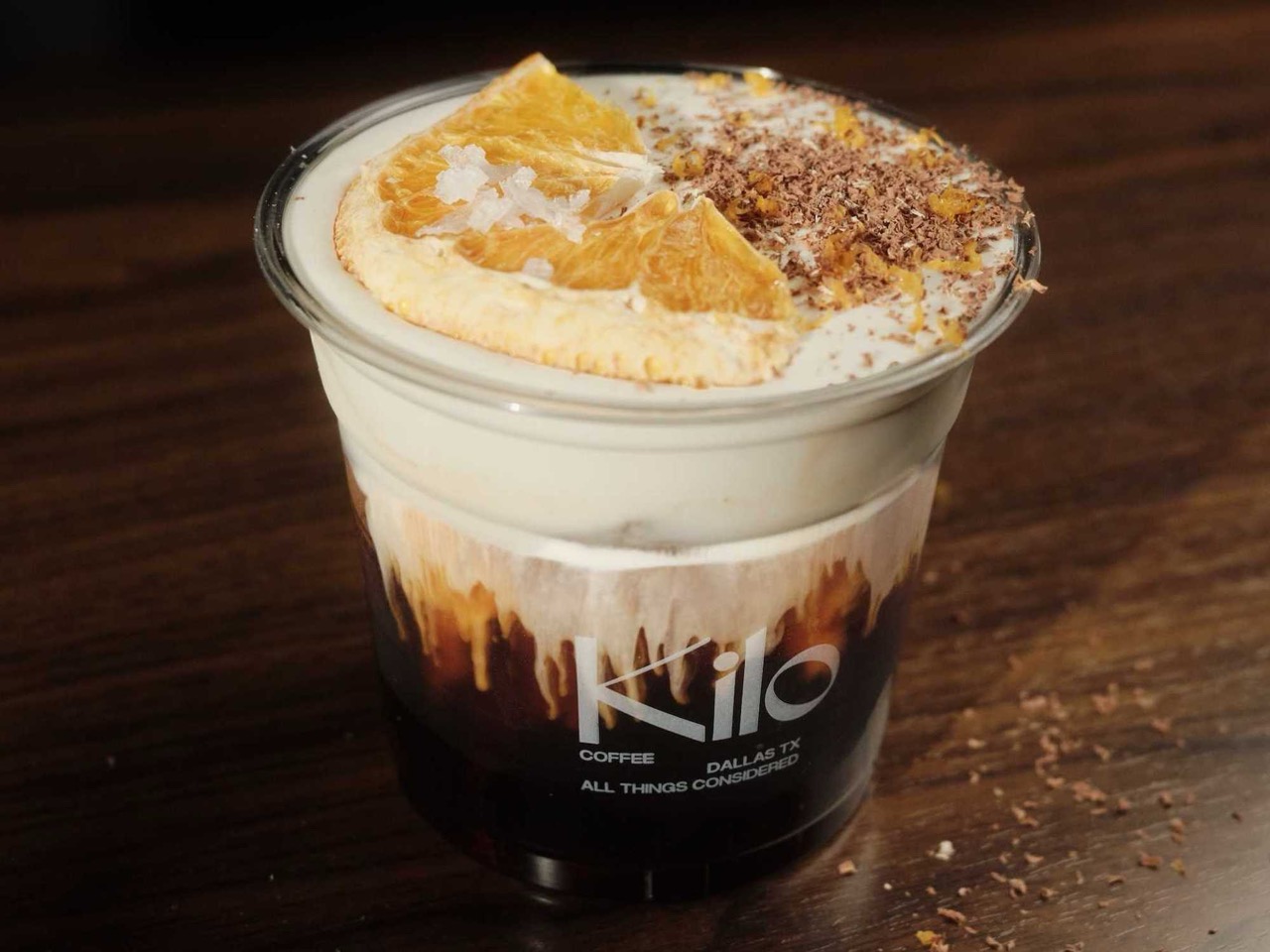
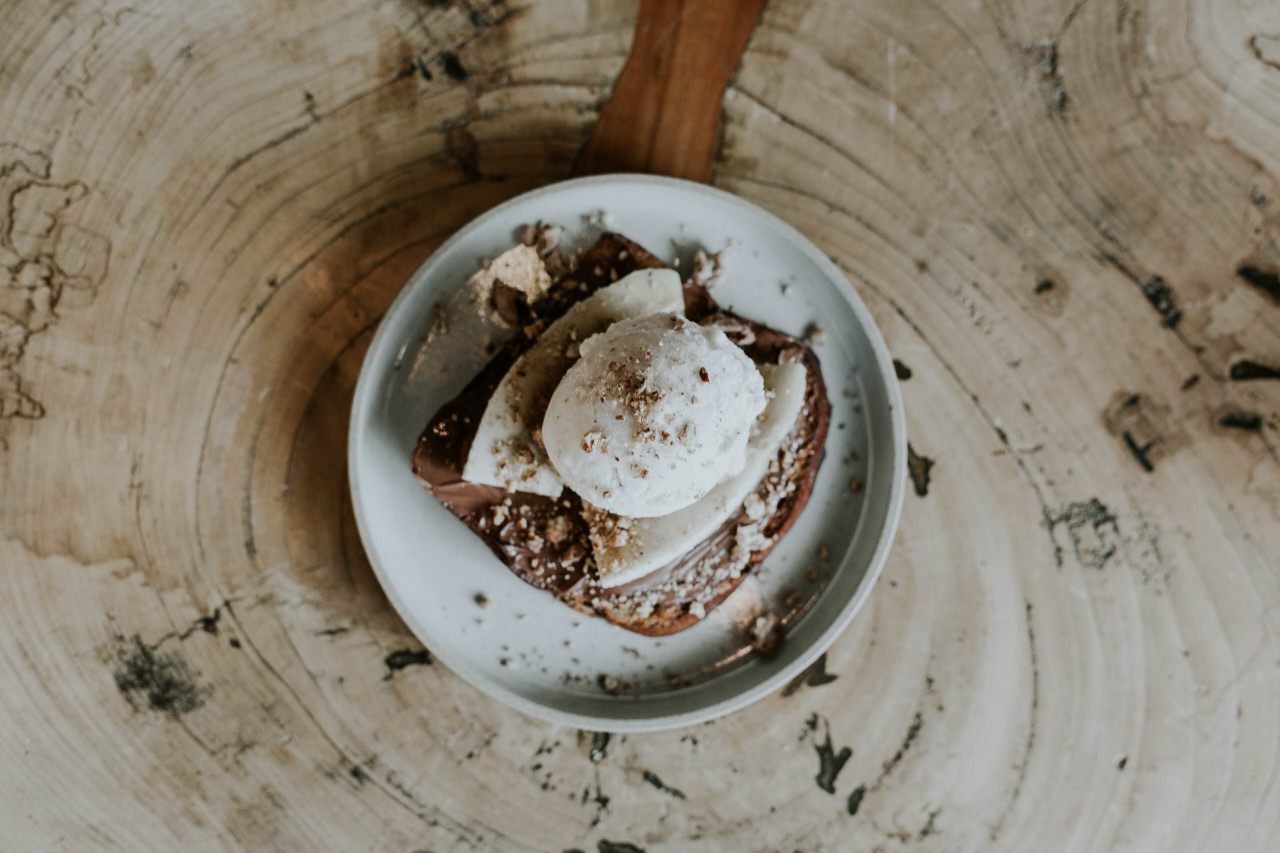
6.Orange .013 adds orange, nutmeg and dark chocolate to espresso. The cup in the photo carries a dried orange slice on one half of the cream and chocolate shavings on the other. Bergamot .008 is an Earl Grey espresso tonic finished with fresh lemon. In an espresso tonic the fizz usually breaks at the top and the bitterness arrives first, with the coffee settling in after; here bergamot lays one more layer on top. All nine signature drinks, including four matcha drinks, cost $9.50 each.
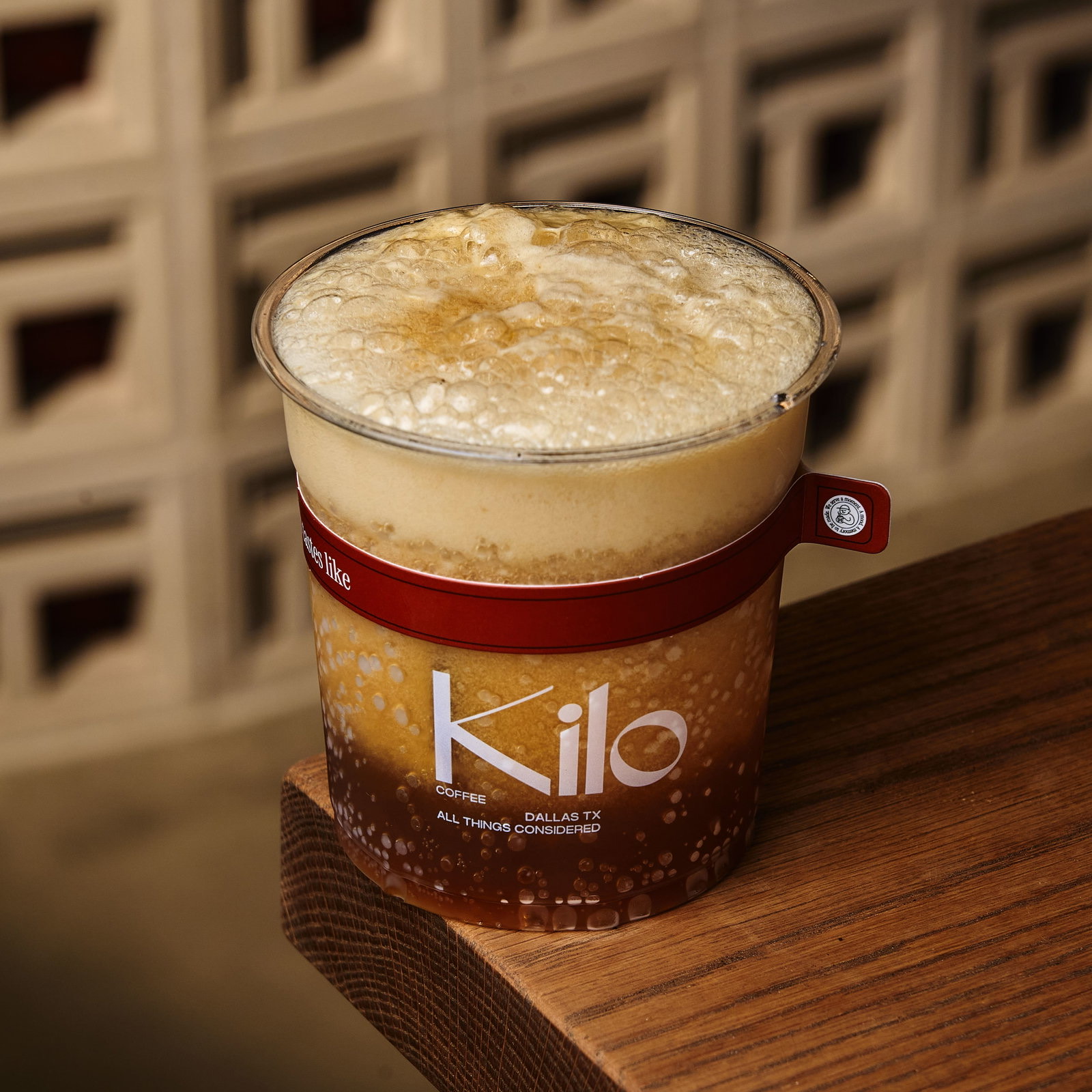
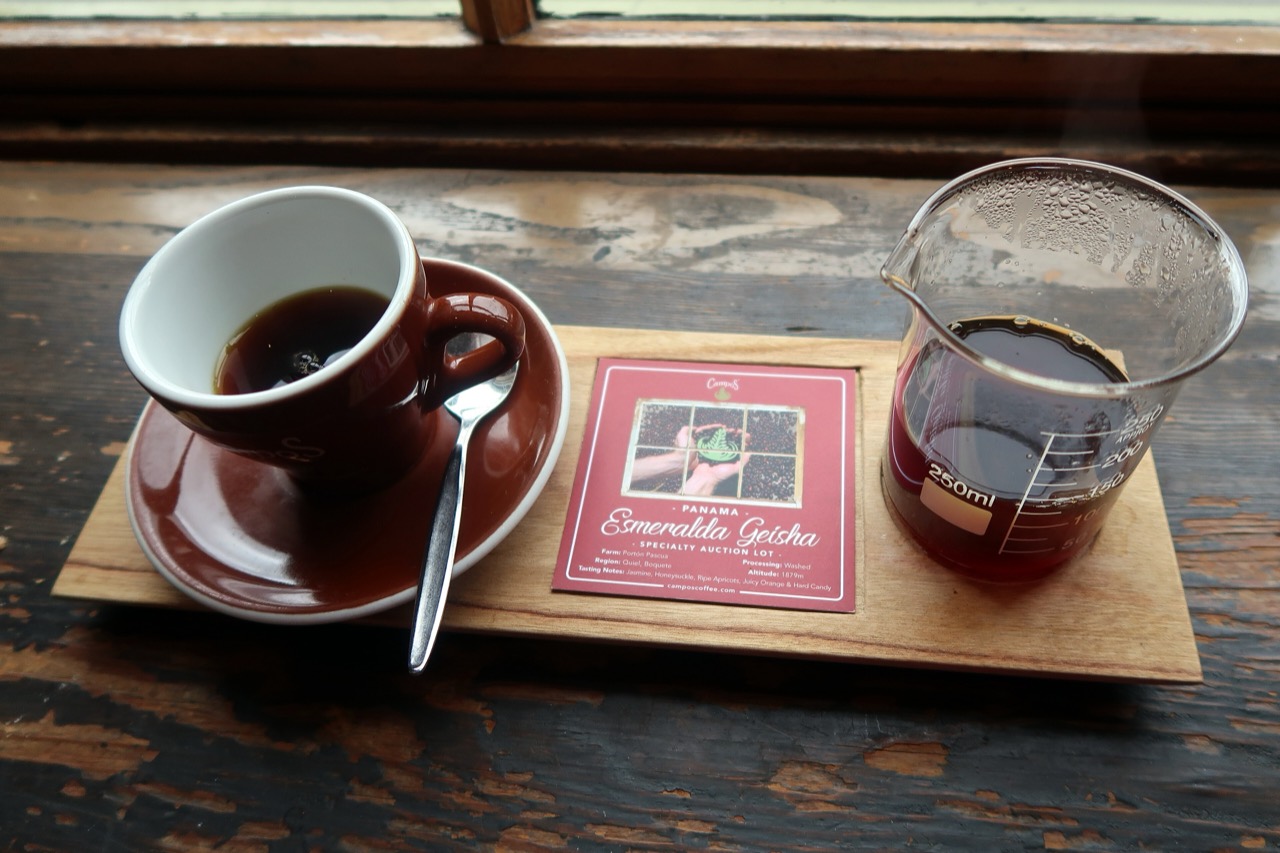
7.The pour-over bar rotates coffees from Kenya, China and Colombia, and even coffee grown in California. Beans come from Onyx Coffee Lab (Onyx from here on), a roaster in Arkansas. The Panama Geisha on the menu is from Finca Deborah in Volcán, Chiriquí, produced by Jamison Savage, a name well known for competition coffees. The cherries were picked at 1,650 meters, fermented for 36 hours with limited oxygen and then dried, and Onyx lists grape soda, lime, violet and jasmine as cup notes. A Geisha usually sits light on the tongue, like tea, and its florals deepen as it cools.
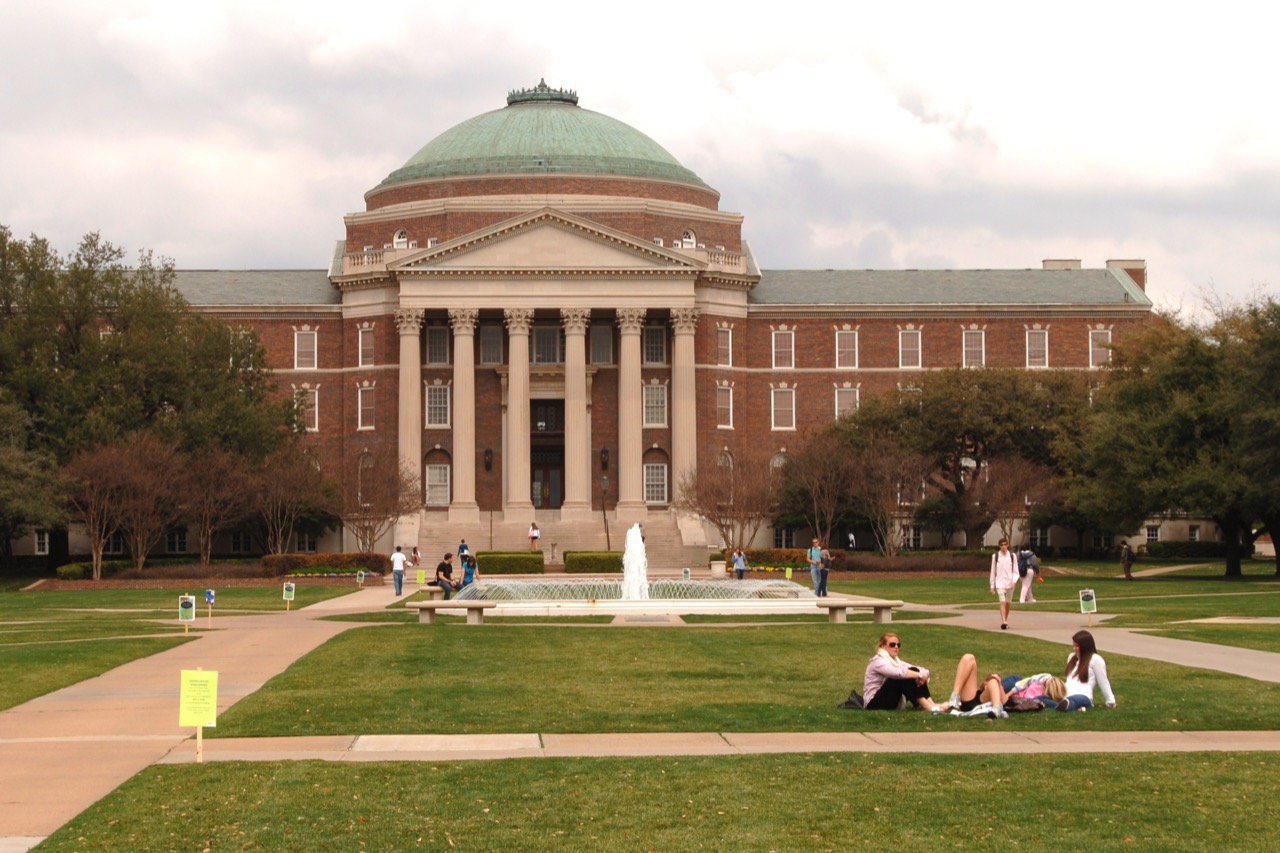
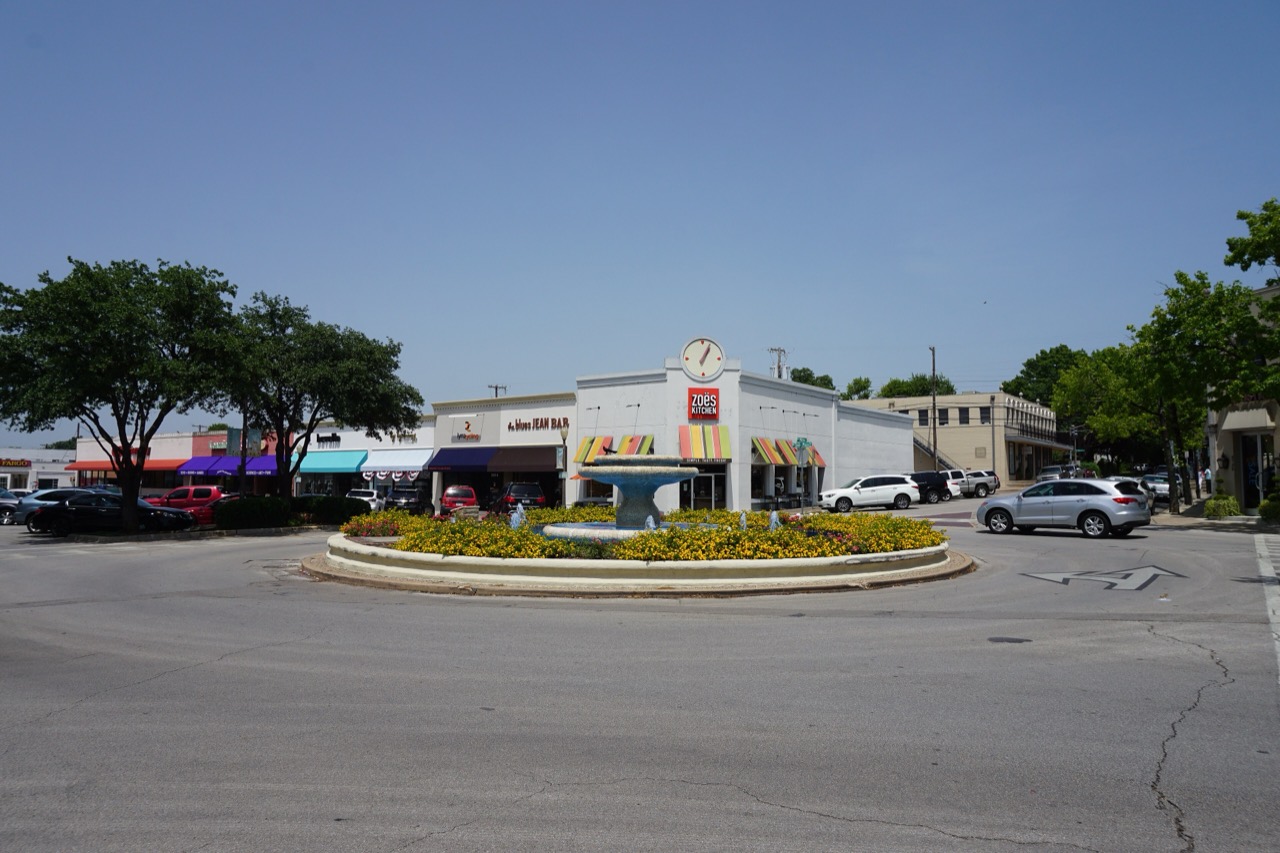
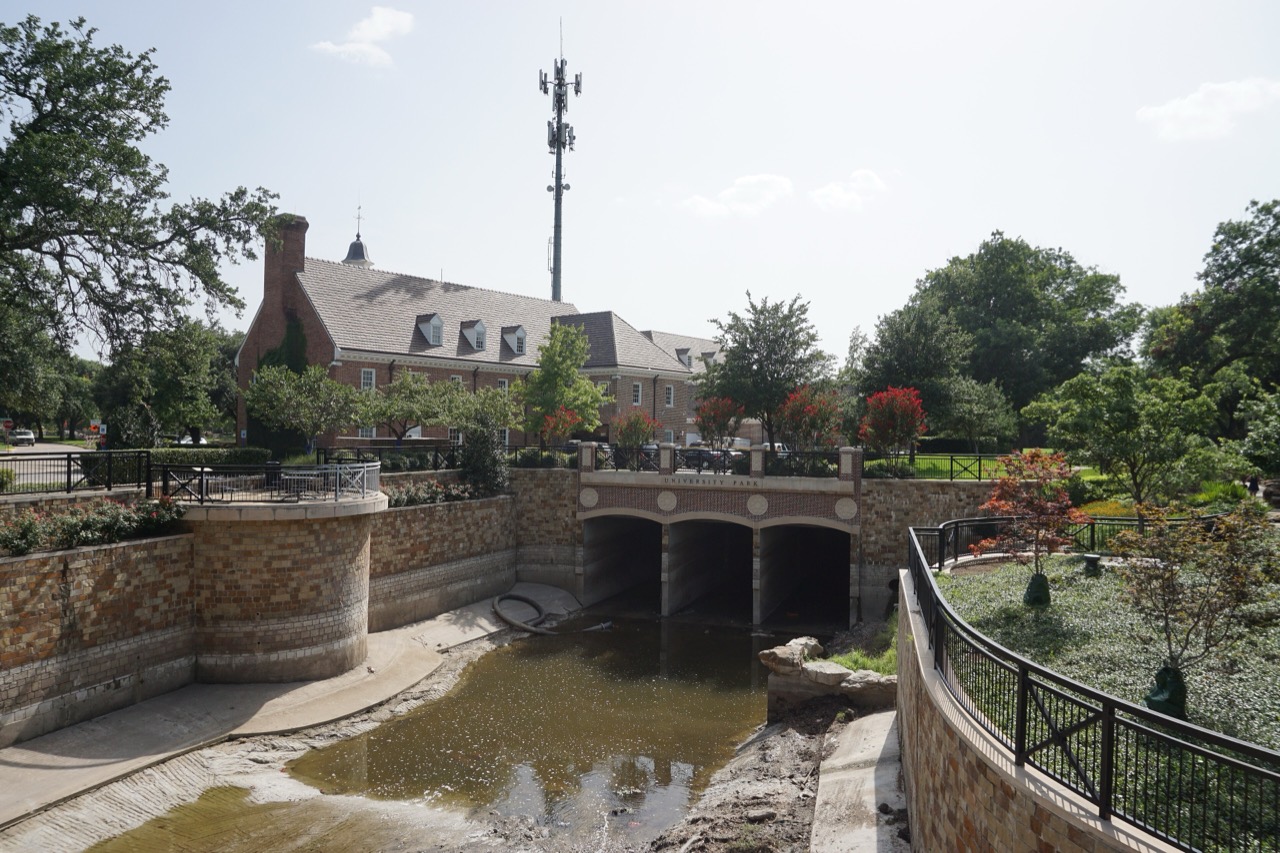
8.Snider Plaza opened in June 1927, when the water was turned on in the fountain at its center. It borders SMU and is surrounded by University Park, one of the wealthier parts of Dallas. In a city that moves by car, it is one of the few plazas where people shop on foot, so students and neighbors share the same sidewalk. This spring, local outlet Hoodline headlined the plaza's café competition a "coffee arms race."
9.Kilo isn't aiming at one kind of customer. Alex told CultureMap Dallas that "approachability is the biggest thing," and that the shop wants to meet people wherever they are with coffee. The website calls out, in turn, to the curious, the classic and the casual. So sweet $9.50 signature drinks and a $50 pour-over share the same bar. Students take the front of the menu, the neighborhood's coffee devotees the back.
10.Onyx's online shop sold this Geisha at $33 for 2 ounces (about 57 g). At 18 g of coffee per pour-over, that is a little over $10 at retail. The articles don't say which cup is the $50 one, so here the Geisha is treated as the most expensive (an estimate). How much of that cup is the coffee itself?
11.Put wholesale at about a quarter below retail and the beans come to around $8, roughly 16% of a $50 cup (an estimate). In an $11 cup the beans are also around 10%, so the ratio doesn't move much. Labor and the cup cost the same for both. What widens is not the ratio but the money each cup leaves behind. After beans, hands and cup, one leaves $8 and the other $40.
12.The trade-off is that the $50 cup doesn't sell in volume. A pour-over ties up one barista for several minutes, longer with an explanation of the beans. The first thing customer reviews mention is the long line. Victoria's food program fills the gap. A breakfast sandwich is $10, lunch sandwiches $14 to $15, and savory pastries like beef or chicken pot pie $8.50.
13.Another unit on Snider Plaza advertised base rent of $55 per square foot a year in a 2022 listing. It was a NNN lease, with the tenant separately paying building taxes, insurance and maintenance, and that share was $15.75. Kilo's lease terms have not been disclosed.
14.Assume a 1,600-square-foot shop (about 149 square meters) and rent plus NNN alone comes to roughly $9,400 a month (an estimate). Covering that with the $8 an $11 pour-over leaves behind takes close to 40 cups a day. With $50 cups, 8 a day. That is why the four seats in front of the bar weigh so much in this shop's math.
15.When specialty cafés raised prices, they usually led with roasting in-house. Installing a roaster and choosing green coffee was the shop's credibility. Kilo opened without a roaster. It left the roasting to a roaster in Arkansas and put its money and people into weighing and brewing each cup. The weight sensors under the counter and the numbered drink names make that choice visible to customers. It saves on roasting equipment and a roaster's wages, and in exchange shares the margin on every bag of beans with Onyx.
16.In a shopping plaza in Dallas's university district, five friends opened a café without a roaster, split pour-over prices into nine steps from $11 to $50, and set four seats in front of the bar aside for tastings. The beans are a similar share of the cheapest and the most expensive cup, 10% and 16%; the difference is in the money each cup leaves behind. In Korea the first obstacle is the location. Ground floors near universities are usually filled with Americanos at around KRW 2,000, and plazas where students and wealthy residents walk the same sidewalk are rare to begin with.