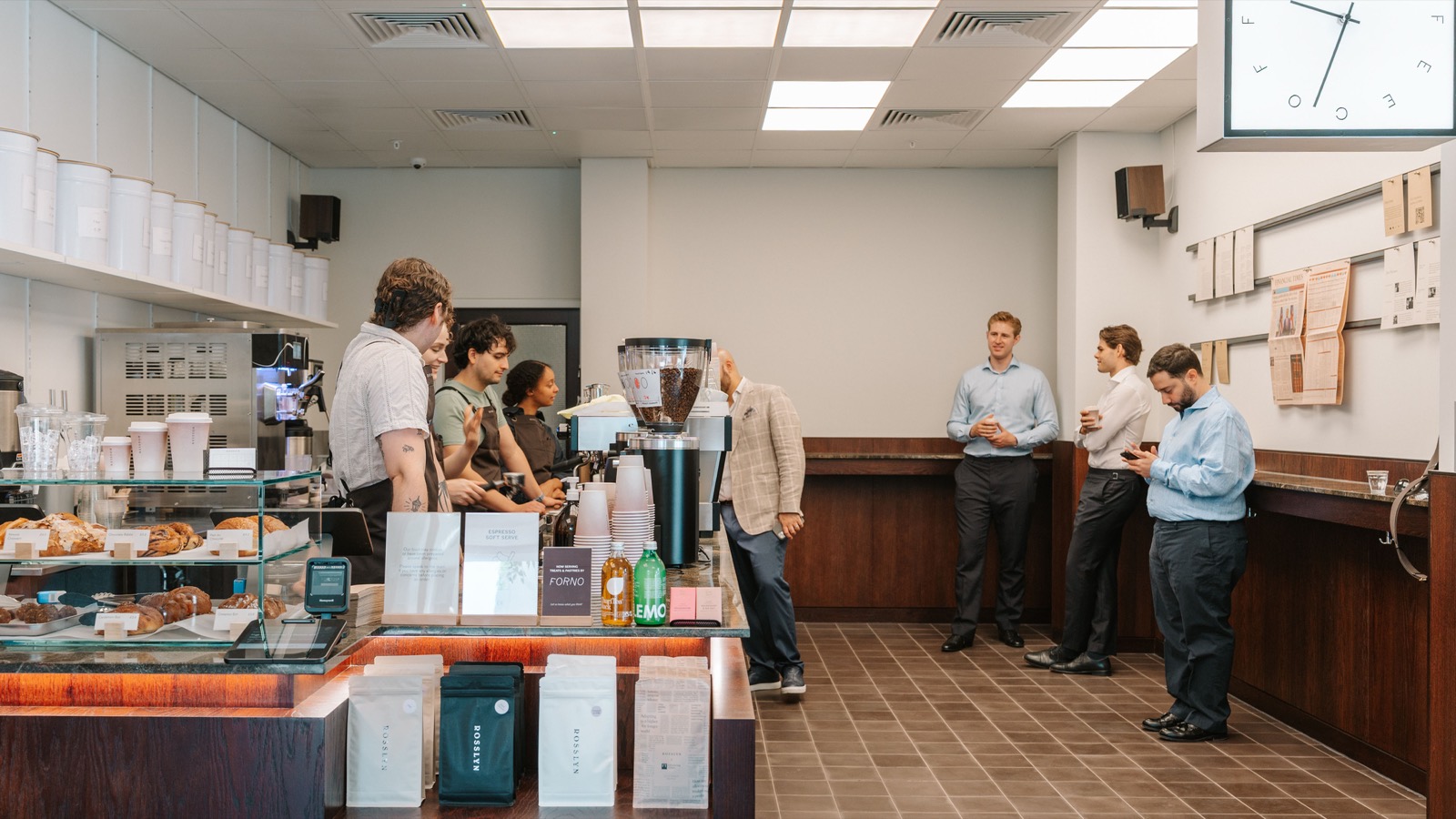
On a Saturday morning when London's financial district empties out, staff from a roastery in Arkansas stepped behind the bar of a coffee shop on London Wall. Rosslyn, which draws queues on weekday commutes, filled two days that normally bring no customers at all.
1.On Saturday 26 and Sunday 27 September, the Onyx Coffee Lab team ran the bar at Rosslyn's London Wall shop in the City of London. Onyx started in Arkansas in 2012 and this year became the first American café to top the World's 100 Best Coffee Shops list. From 8am to 3pm it served a honey and cinnamon latte, along with a mug printed with both shops' names. The dates it picked were a weekend, when City workers stay home.
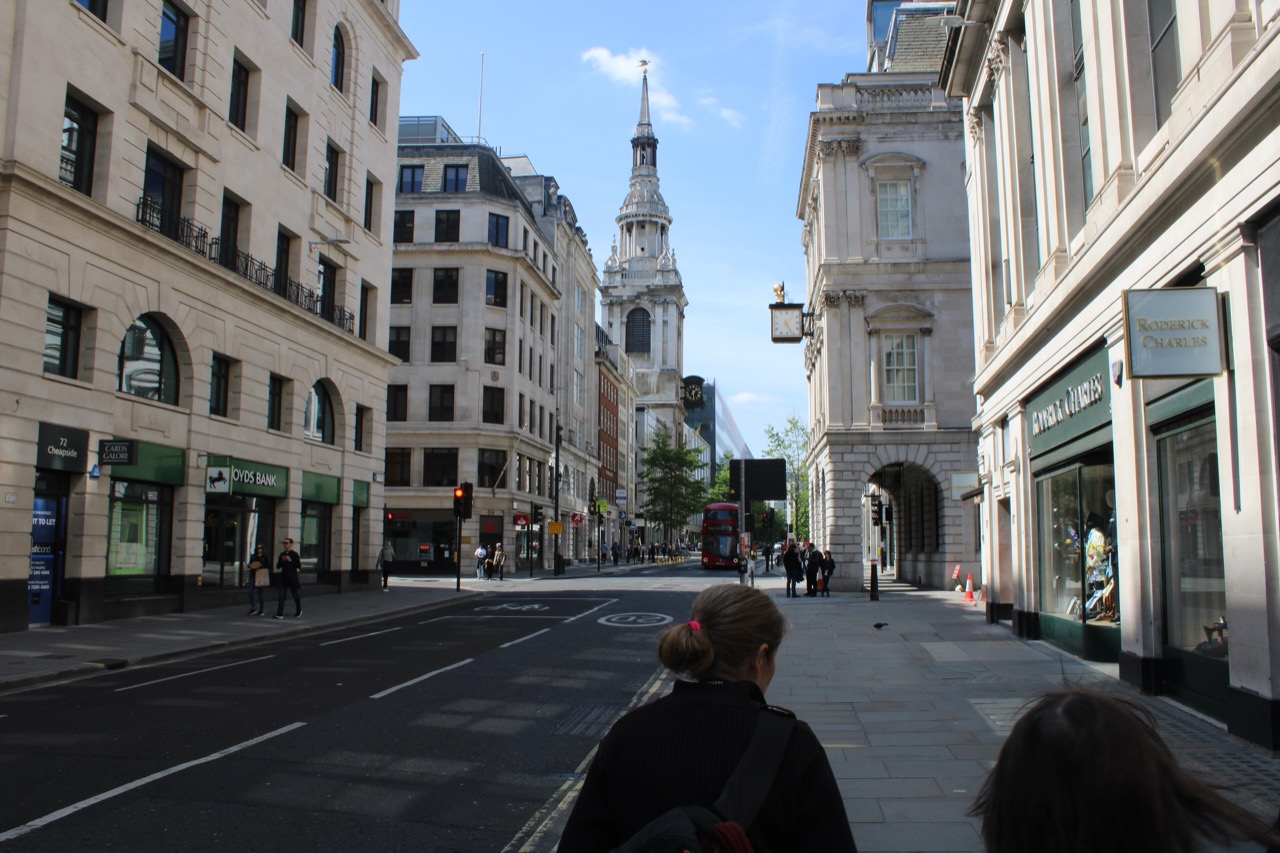
2.It began in 2018 on Queen Victoria Street. James Hennebry and Mat Russell, who learned coffee in Melbourne and later worked together at Caravan in London, founded it and grew without outside investment, opening a tenth shop on Cheapside this July. The site sits directly beneath the bell tower of St Mary-le-Bow. A week earlier, Rosslyn had placed 12th in Europe's 100 Best Coffee Shops, the highest of any café in England.
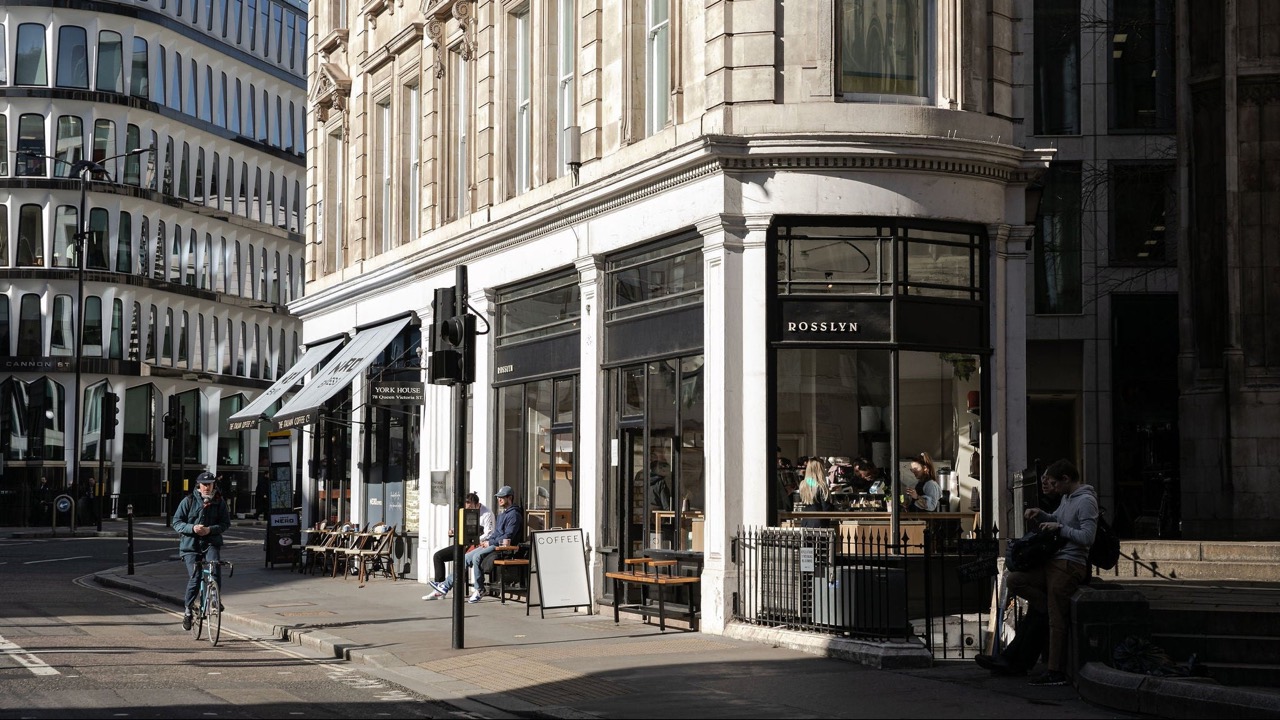
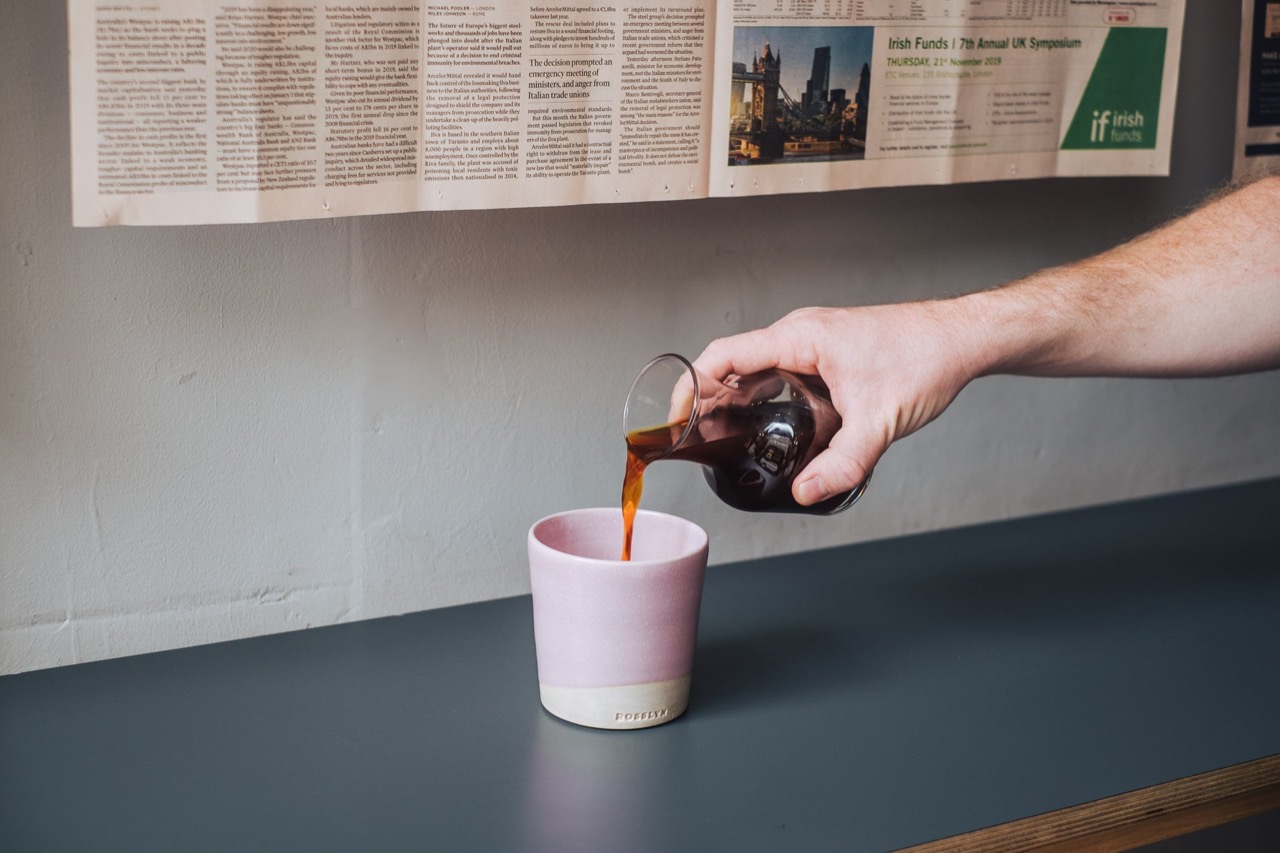
3.The first shop measures 40 square metres. On a wedge-shaped corner plot, glass runs from floor to ceiling and the walls are painted white and pale grey. There are two doors: you come in on the right, order, collect your cup and leave by the left. Even with a long queue, people coming in never collide with people going out, and seating amounts to a window ledge and a bench outside. Pages of the Financial Times are pinned to the wall.
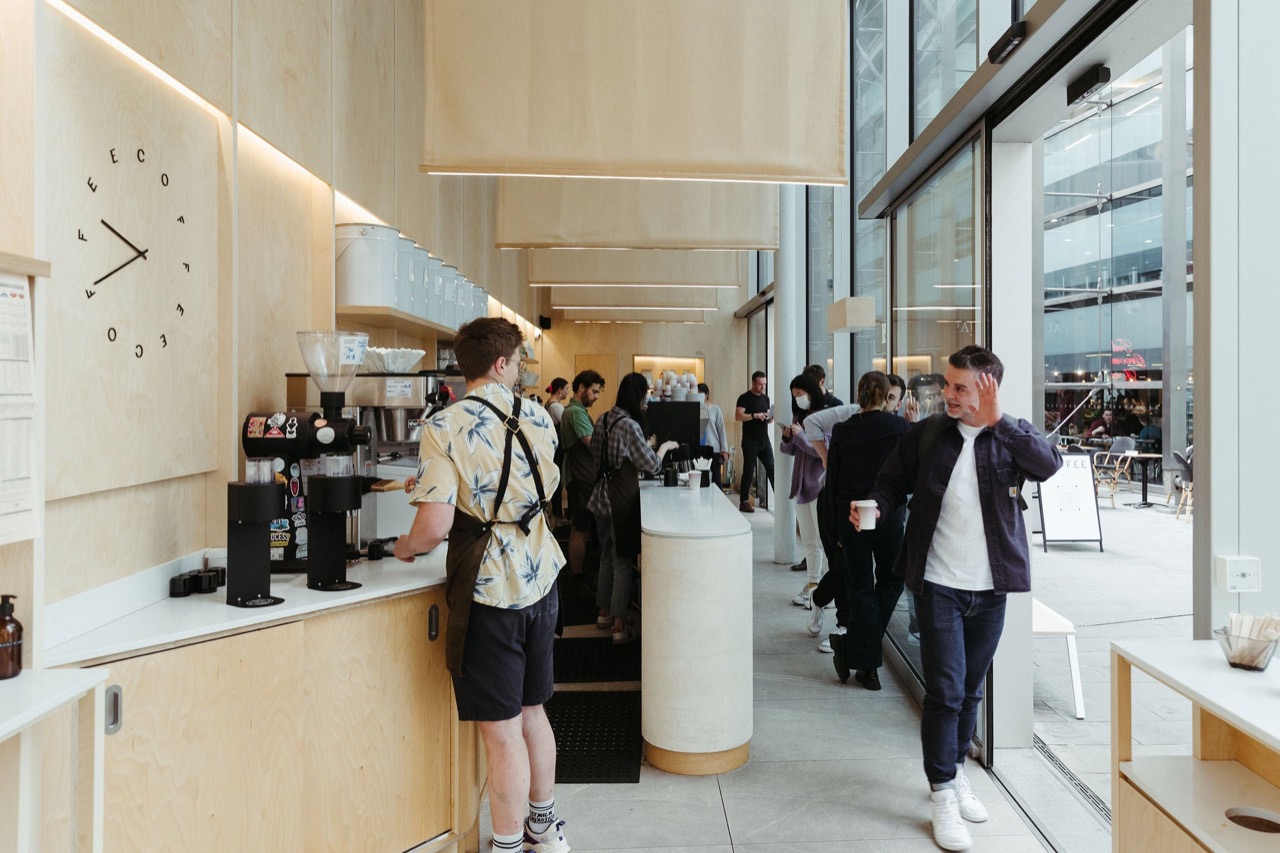
4.The bar equipment was chosen for speed. The espresso machine is a La Marzocco KB90, the grinders Nuova Simonelli Mythos One. Filter coffee is made ahead on a BUNN batch brewer, while single cups go through a Marco SP9. A Marco MilkPal dispenses heated milk and foam in set measures at the press of a button. The minutes a barista once spent standing with a steam pitcher now belong to the machine.
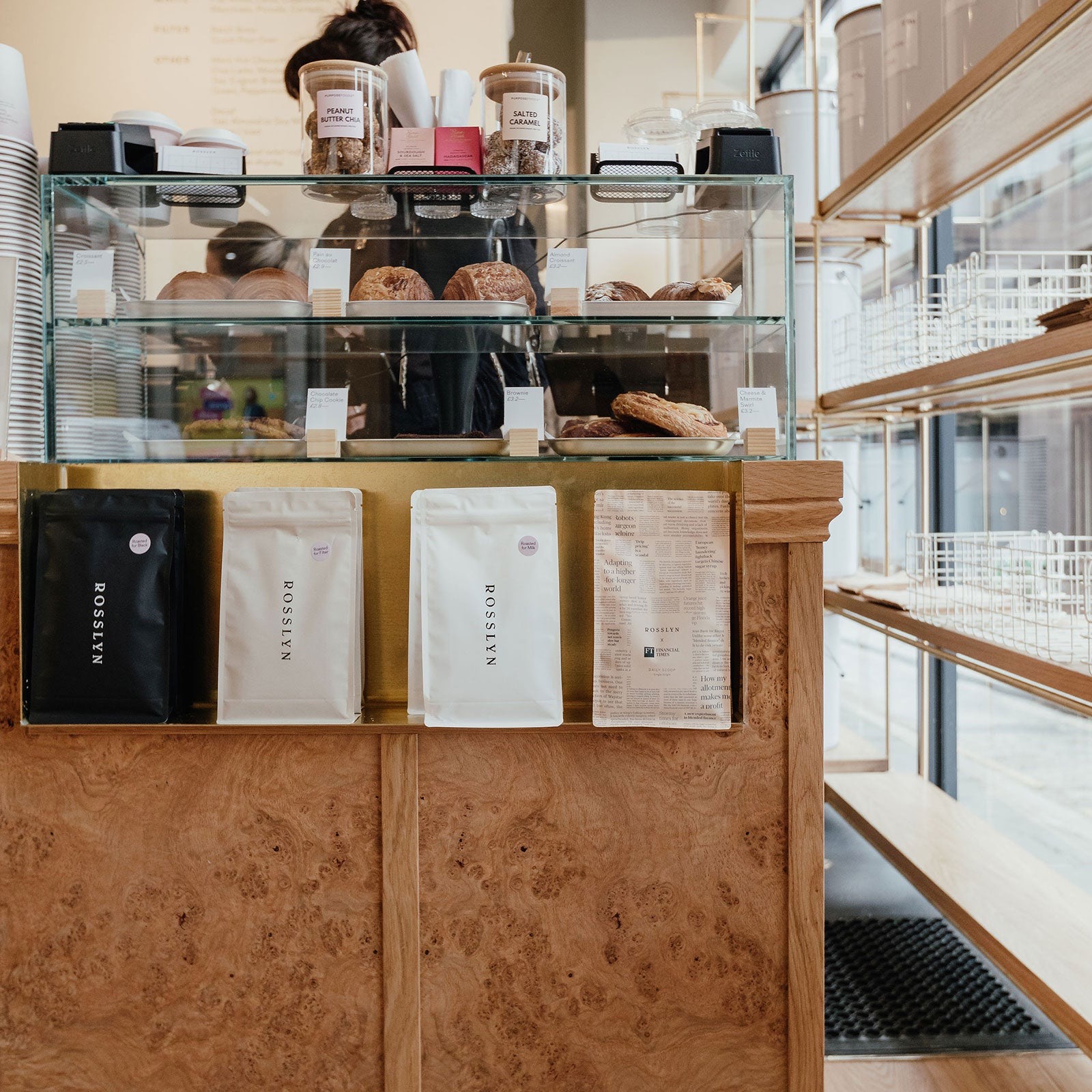
5.Coffee is split three ways by use: one for milk, one for black, one for filter. The house blend is roasted by Origin Coffee in Cornwall and shipped in tins rather than bags. Milk blends are usually pushed away from acidity toward chocolate and caramel. In a flat white with a thin layer of foam, the first thing on the lip is the sweetness of warm milk under the foam, and the coffee follows. The pink takeaway cups, the company says, take their colour from the shop's name.
6.How do they serve the coffee that isn't on the menu? Rare beans from roasters abroad are portioned into single doses and frozen, then ground straight from the freezer when an order comes in. Frozen beans hold their aroma better and grind more evenly, which cuts down the fading you get when one bag is used over several days. From the same bar, batch brew poured from a jug and single cups ground from frozen beans go out side by side.
7.Mornings in the City are short. Someone who has to reach the office before nine has a few minutes for coffee, and for a long time the chains owned those minutes here. Hennebry describes the job this way: "It's not about peacocking, it's about consistently nailing the basics, with speed and accuracy." Taste from the independents, speed from the chains: Rosslyn erased that split inside one counter.
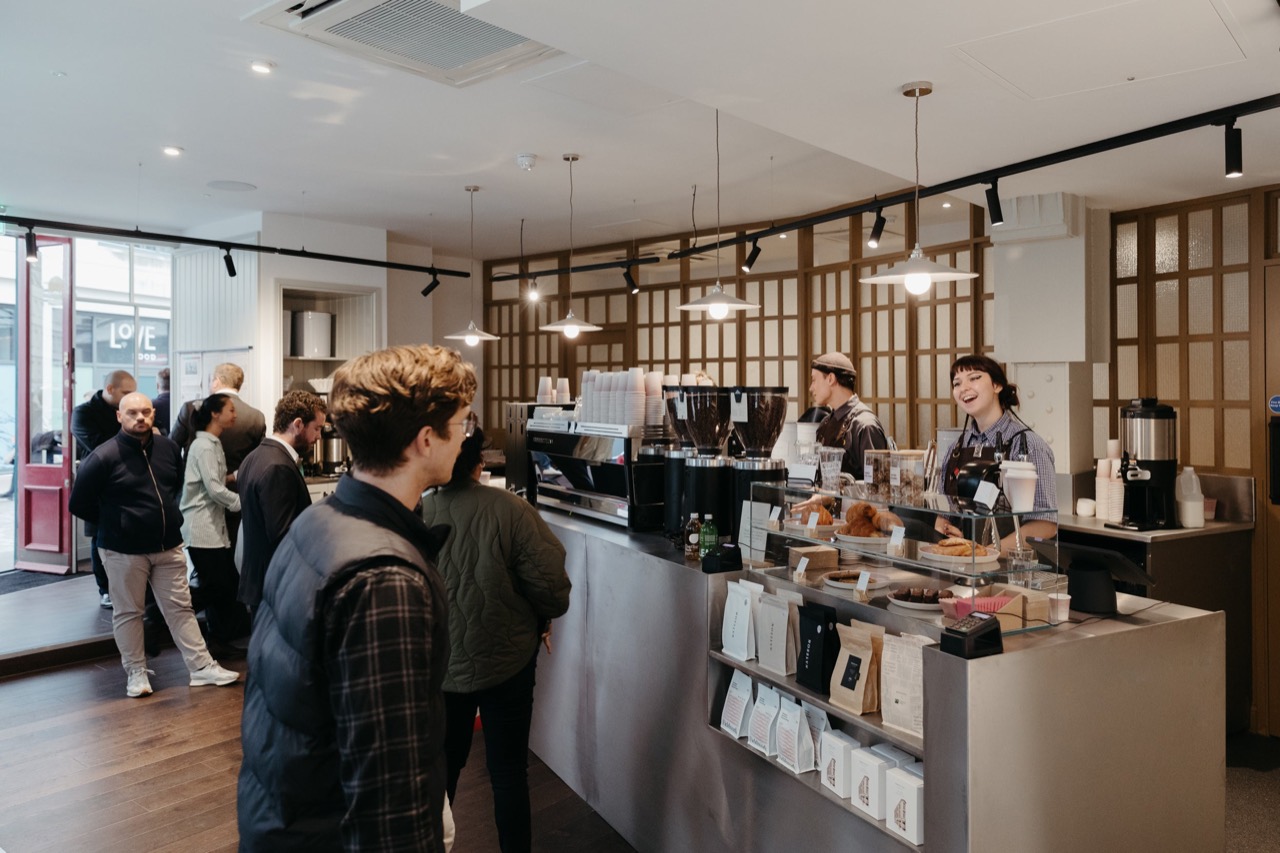
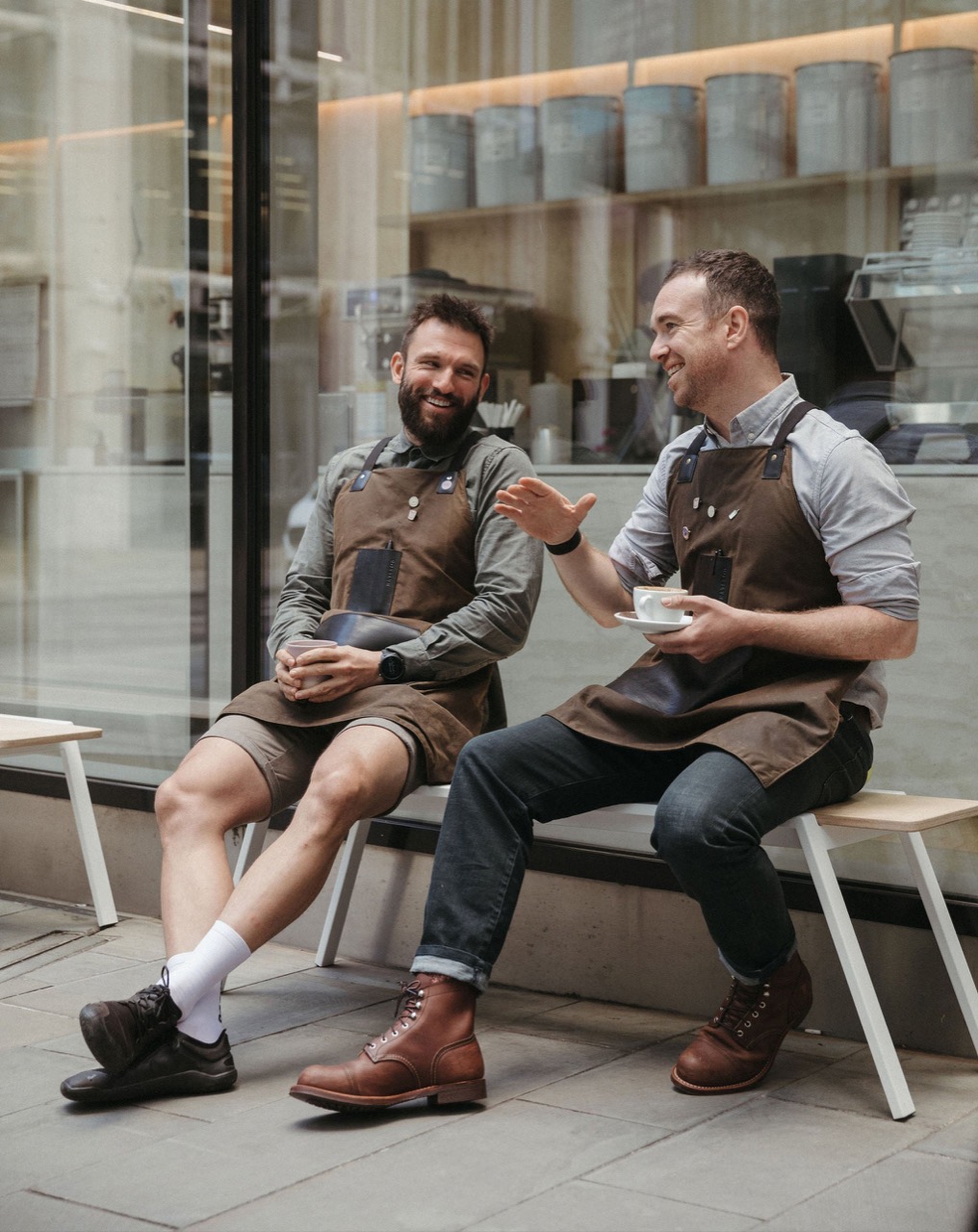
8.This is not a shop reduced to machines. Baristas remember regulars' names and usual orders, and the company's About page carries a single line: "We are nice to people and we make great coffee." Hennebry, from Ireland, and Russell, from Australia, say they put Irish hospitality on top of Australian café standards. Office workers walk the same route every day, so a shop that has called them by name once gets them back the next morning.
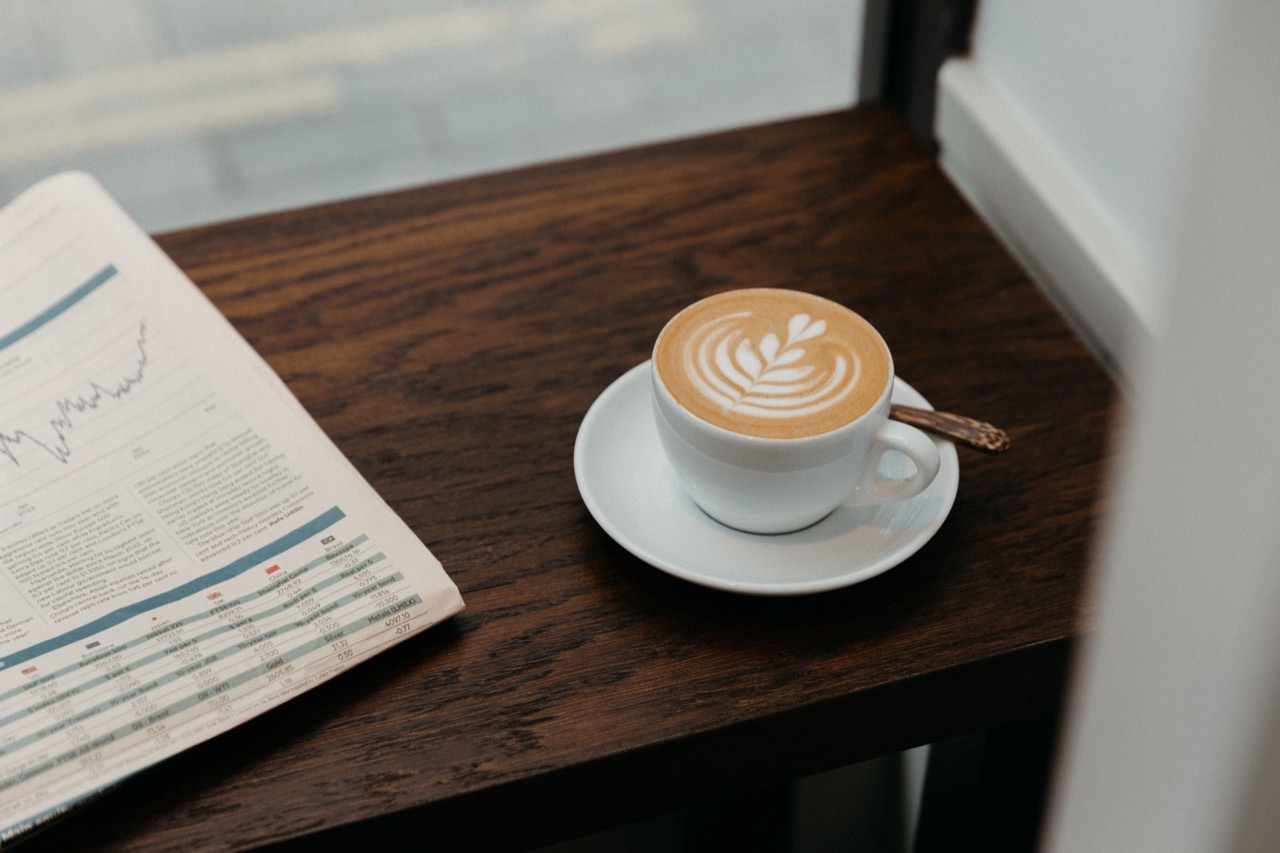
9.On the London Wall shop's ordering-app menu, a flat white costs £3.20, roughly KRW 6,000. The UK charges 20% VAT even on hot drinks to take away, so £0.53 of that goes to tax from the start.
10.Ingredients, meaning coffee, milk, cup and lid, come to about £0.85 a cup, a little over 30% of the price before tax (estimate). Milk arrives daily from The Estate Dairy in Somerset in 20-litre containers, which keeps more than 80,000 plastic milk bottles out of the bin every year. It also saves the hands that would open bottles and clear the empties. A busy shop serves up to 1,300 cups a day.
11.Rosslyn is an accredited London Living Wage employer. The hourly rate in force since May is £14.80, above the statutory minimum wage. Assume one busy shop uses 50 staff hours a day, and with employer costs on top, labour comes to £0.87 a cup (estimate, based on 1,000 cups a day).
12.Rent is not disclosed. Put rent and business rates for a small ground-floor unit in the City at £100,000 a year, and selling 1,000 cups a day for 250 days gives about £0.40 a cup (estimate). Take out tax, ingredients, people and space, and £0.55 of the £3.20 remains. Card fees, overheads and head-office costs still come out of that.
13.A shop busy only on weekdays still pays rent all year. The City empties at weekends, so Saturday and Sunday easily become days of pure fixed cost, and on the last weekend of August, a month before Onyx, the Copenhagen team from Coffee Collective ran the same bar. Both times the empty days brought in customers who came for the coffee itself. The shelves hold beans at £9.80 a bag and drinking chocolate, and on event days the mug with both names went on sale too.
14.London's first coffee house opened in 1652 in St Michael's Alley, Cornhill. Lloyd's of London grew out of people trading ship and cargo insurance in coffee houses, and share dealing went on at coffee-house tables in the same era. When Hennebry says "London invented coffee culture as we know it, long before Melbourne or Seattle", these alleys are what he means. Most Rosslyn shops are a few minutes' walk from them.
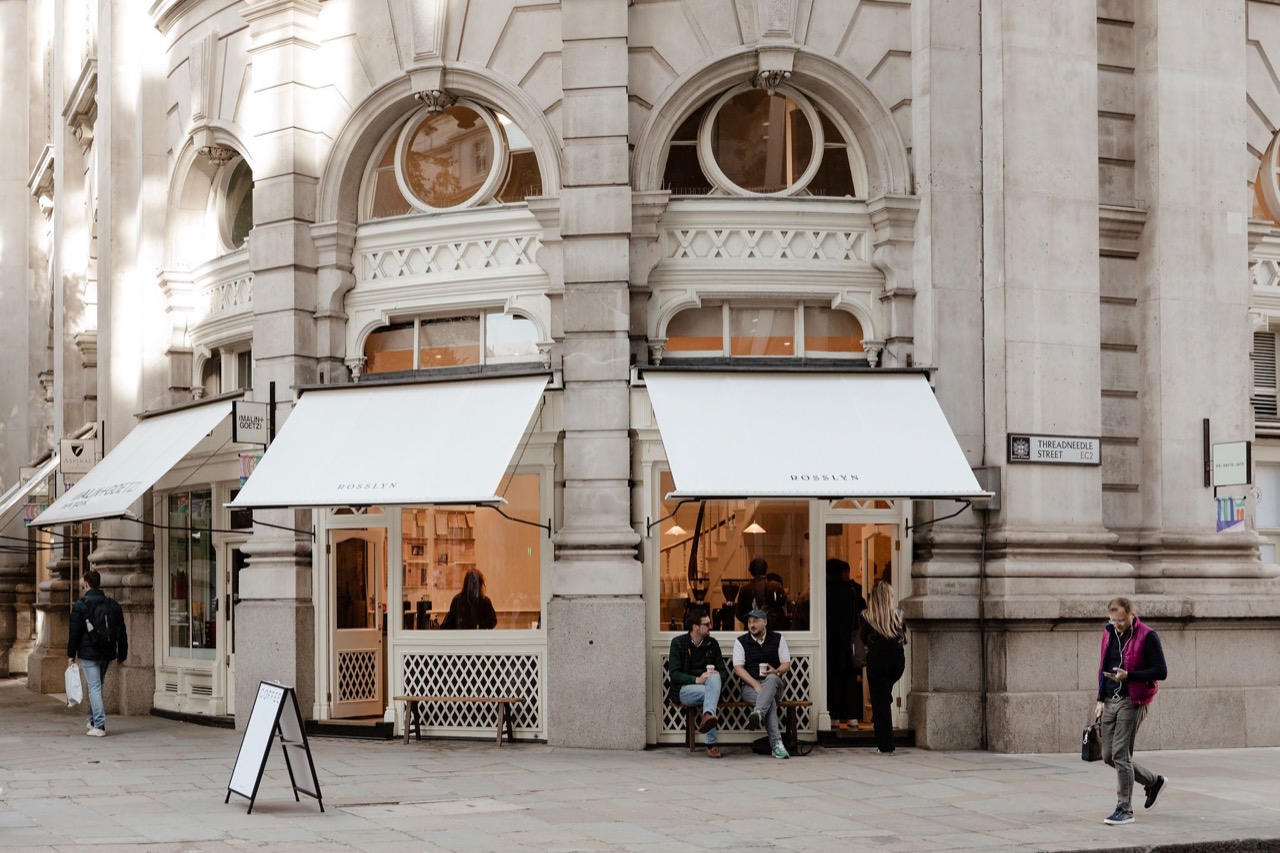
15.Specialty cafés usually widen their territory when they add shops. Rosslyn has not left the City in eight years, and all ten shops sit inside the financial district known as the Square Mile. It accepts the risk of shops splitting the same commuters, and in return runs bean and milk deliveries, barista shifts and cover all within one neighbourhood. Hennebry himself still works shifts on the bar, City AM reports.
16.Rosslyn, which serves up to 1,300 cups a day on weekday mornings in London's financial district, opened its tenth shop on Cheapside, and last weekend put the world's top-ranked roastery behind its bar on two days that used to bring no customers. Take tax, ingredients, labour and space out of a £3.20 cup and roughly £0.55 is left, so the model lives on volume (estimate). In Korean office districts, takeaway coffee at around KRW 2,000 already owns speed, so charging three times that means proving taste and name-remembering service from the very first cup.