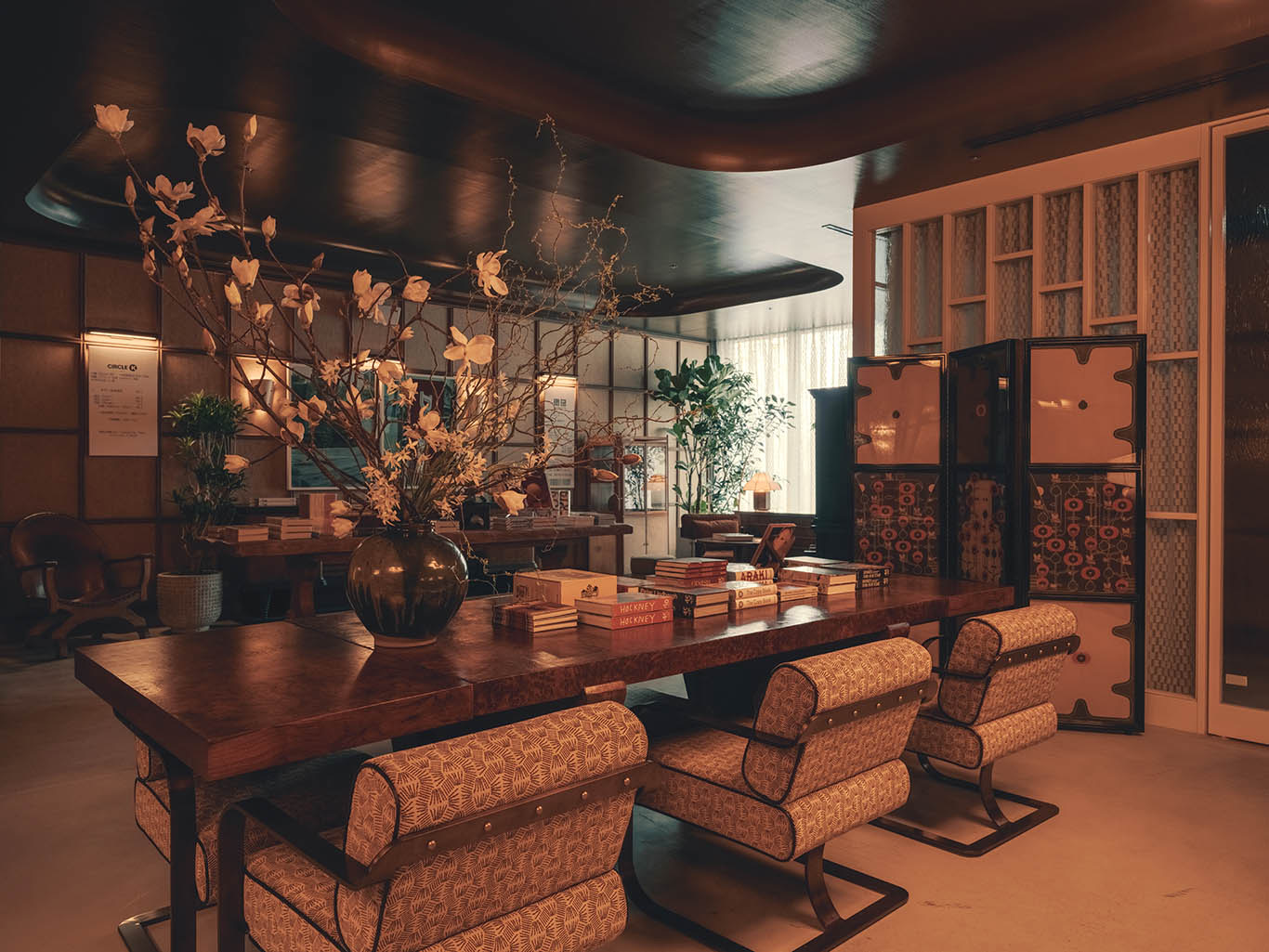
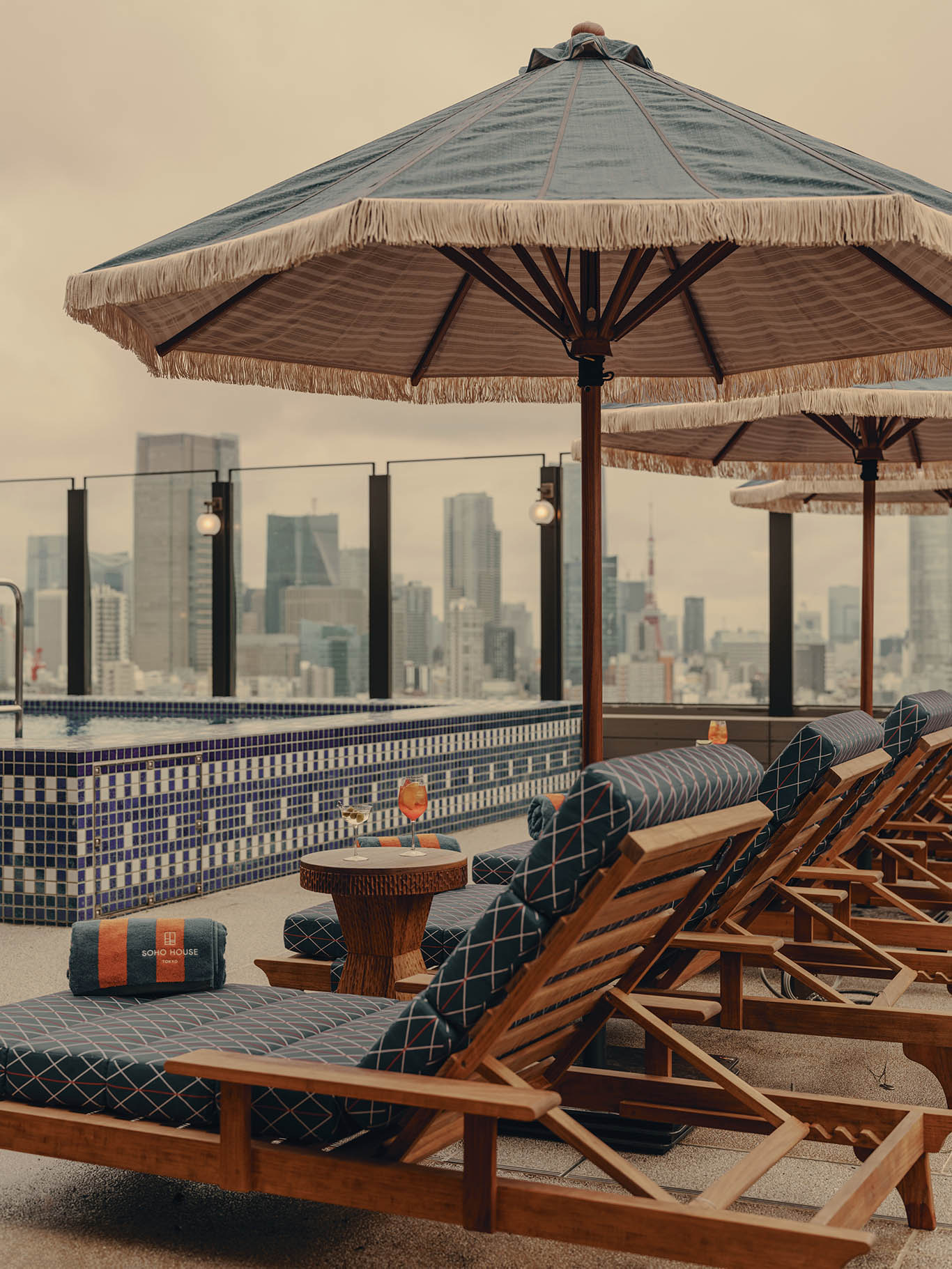
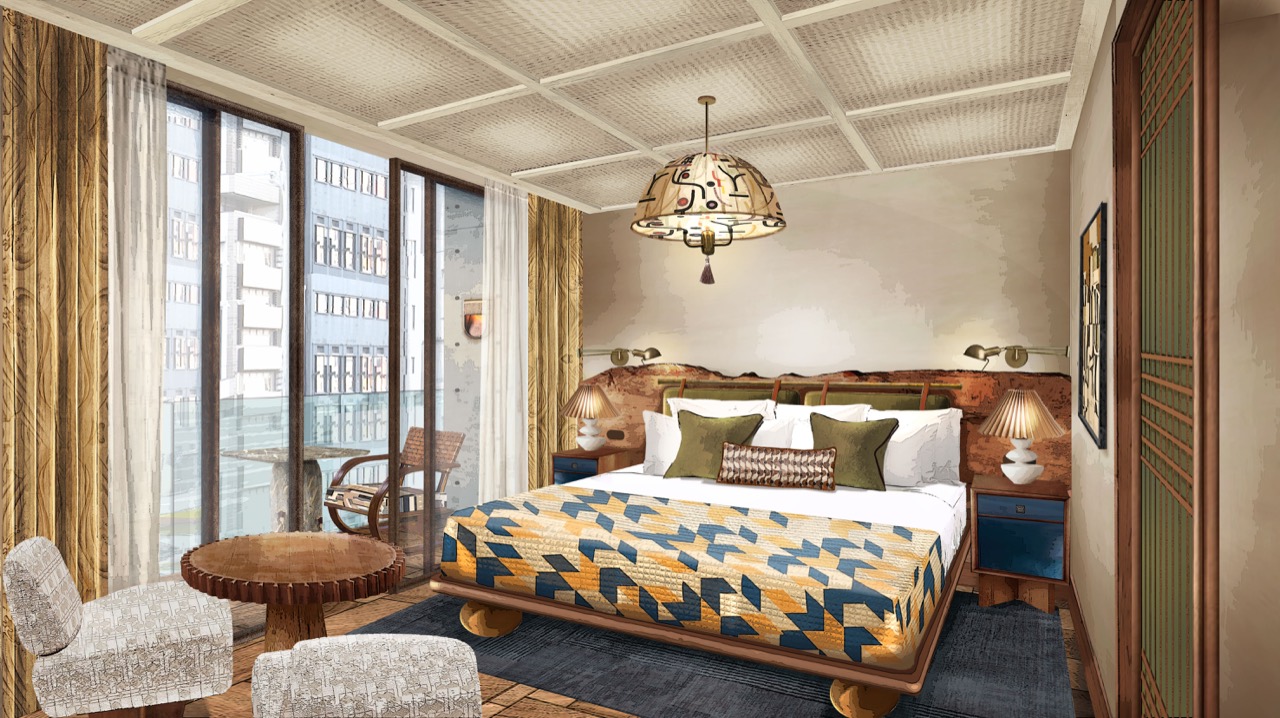
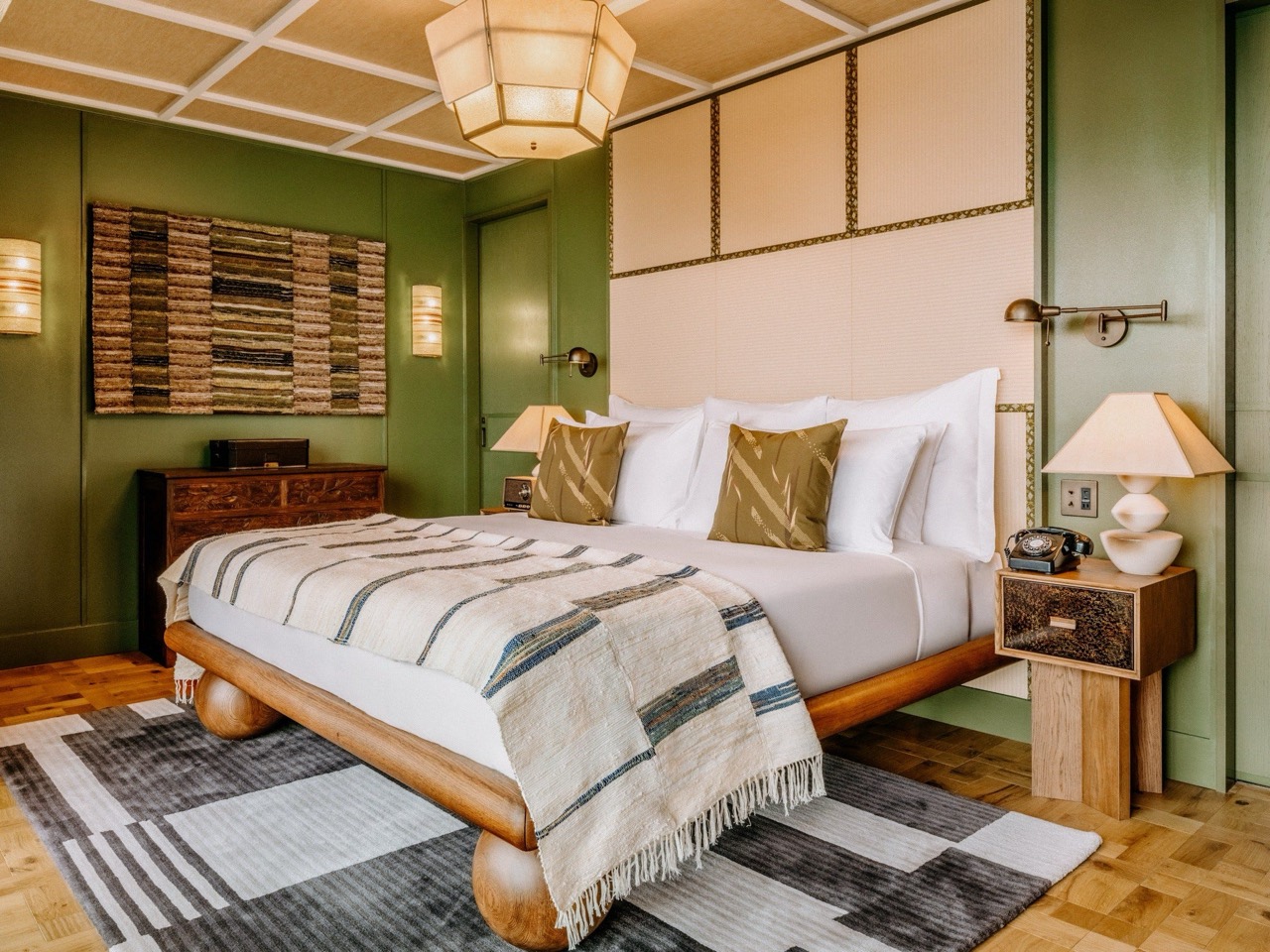
Two of the four floors are clubSoho House Tokyo, opened April 6, 2026. The club takes more area than the rooms. ⓒ Edvinas Bruzas / Soho House, via Robb Report
Daily Hotel
Soho House Tokyo: 42 beds where the beds come second
2026.07.28
Last April a members' club from London filled floors 11 to 14 of a new tower in Minami-Aoyama, Tokyo. There are 42 rooms with beds in them. And those 42 rooms are on no booking site, with no window through which a non-member can even ask the rate. The decision not to sell rooms builds the income statement into a different shape. It is a lodging business starting at 505,000 yen a year in membership fees.
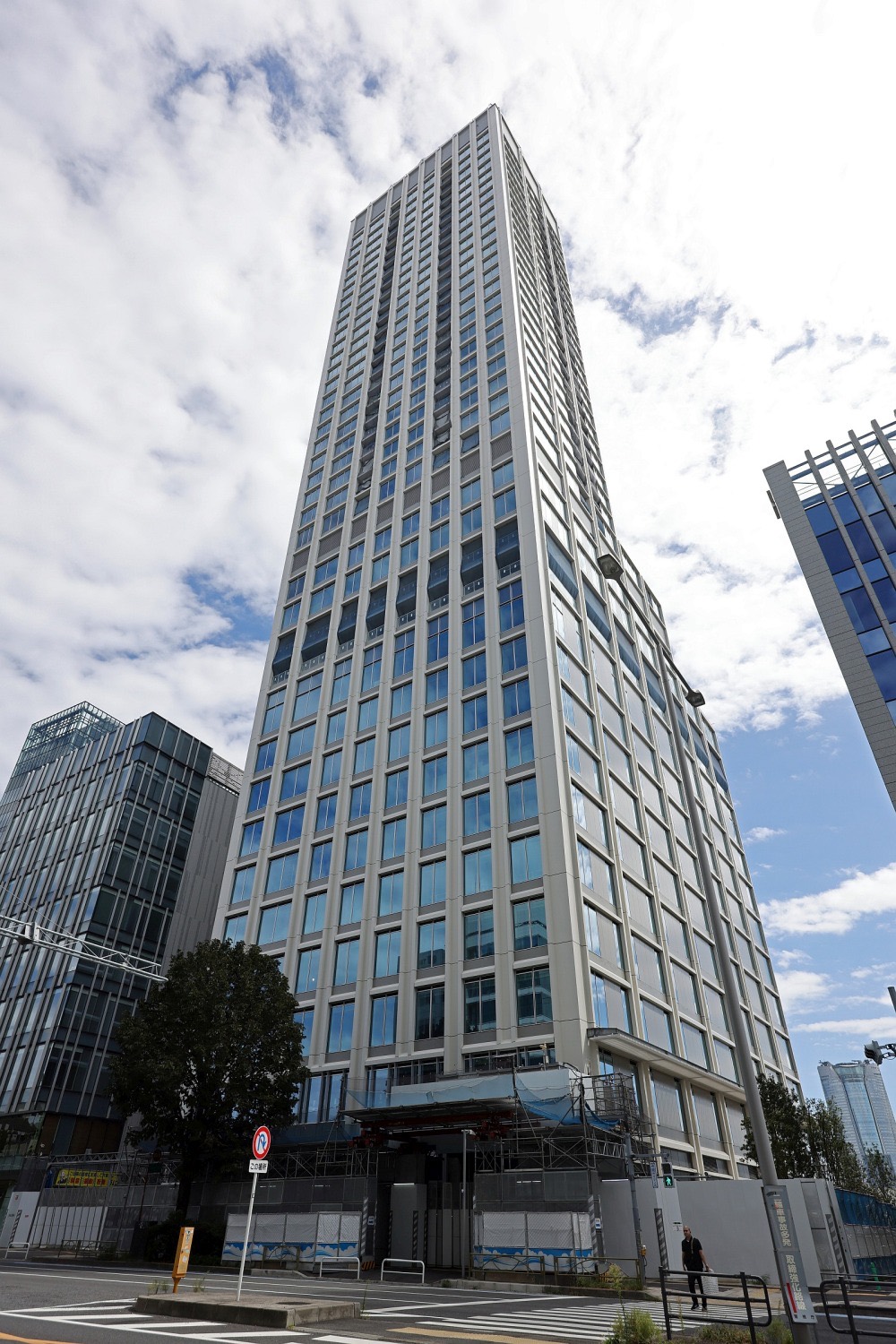
1.On April 6, 2026, at 3-8-35 Minami-Aoyama, Minato ward, Tokyo. Soho House Tokyo occupies floors 11 to 14 of the Omotesando Grid Tower, a mixed-use building of 38 floors above ground and three below at about 160m, completed last year. The area is about 4,300㎡, a little over 1,300 pyeong. 42 rooms. Mitsui Fudosan put the building up, and Soho House & Co of London operates it.
2.The price list has two lines. Local House membership, using the Tokyo house only, is 505,000 yen a year, and Every House membership, using every house worldwide, is 620,000 yen. Under 27 it falls to 290,000 and 375,000 yen. Founding members were capped at 500, and the operator states one floor takes about 250 people at a time. And only members can book a room.
38 floors mixing offices, hotel, rental housing and retailThe Omotesando Grid Tower. Of about 13,791 pyeong of gross floor area, the club takes four floors. ⓒ BLUE STYLE COM
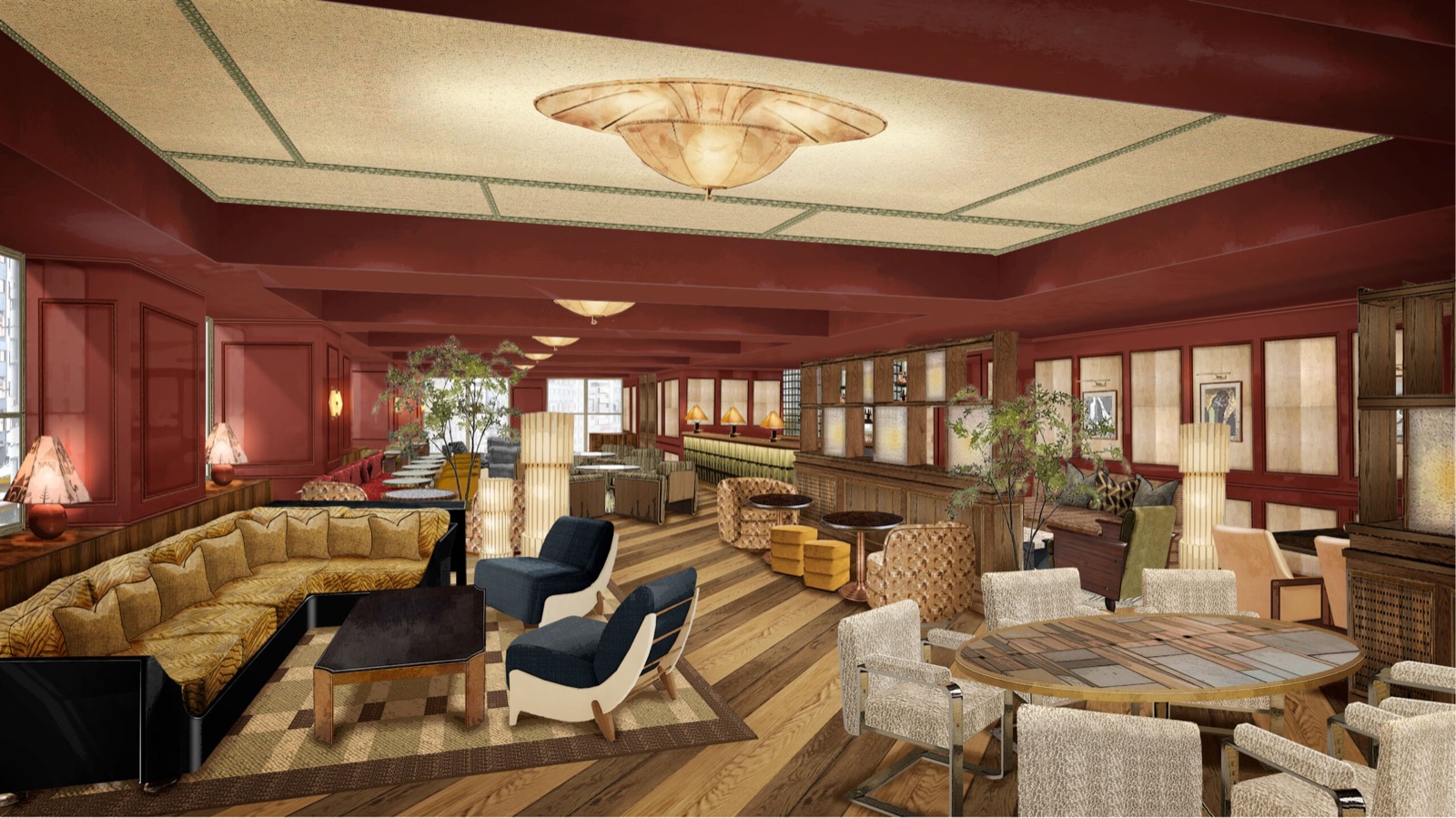
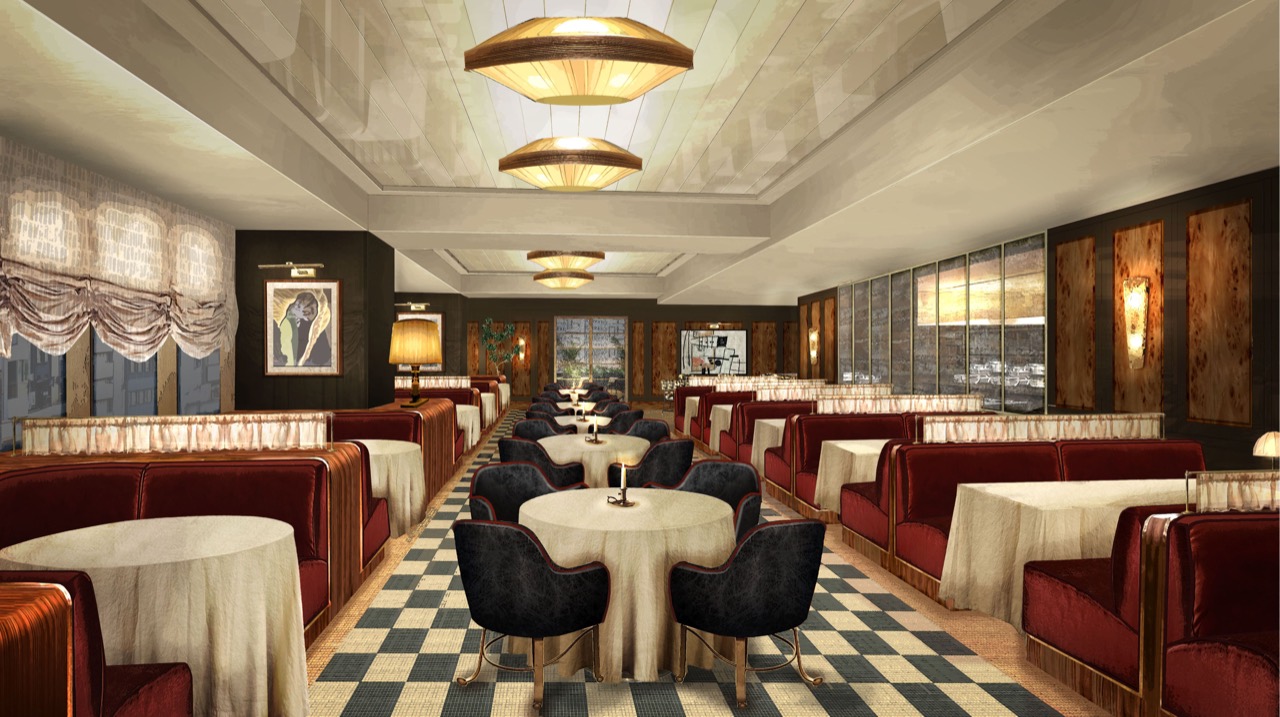
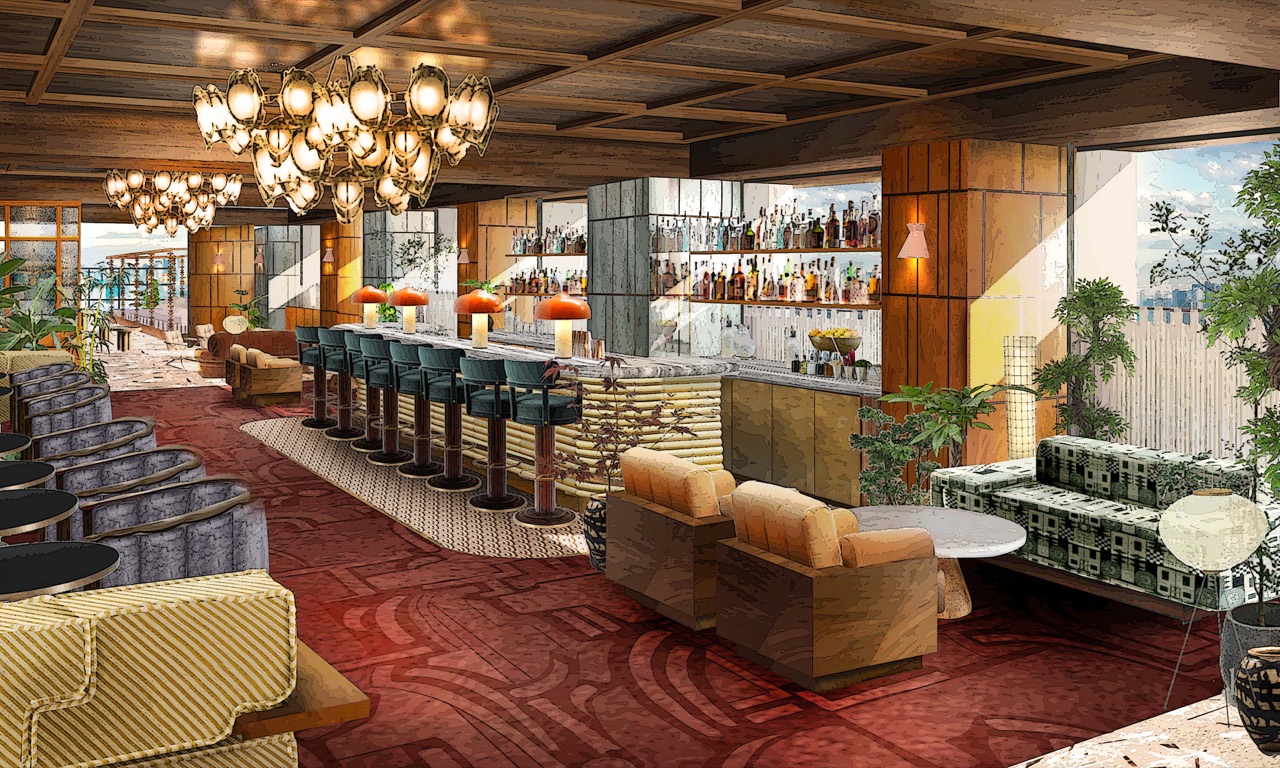
3.The way the floors were cut states the character of this asset plainly. Rooms sit on only two floors, 11 and 12, while 13 and 14 are entirely club. Floor 13 holds the club lounge, an Edomae sushi counter and a wellness studio with a full window onto Aoyama-dori, and floor 14 the rooftop pool and terrace. The ground floor lobby carries a TASCHEN bookshop and communal work tables.
The club lounge on floor 13A members-only floor. Revenue arising on this floor is booked not as room rate but as membership and food and beverage. ⓒ Soho House
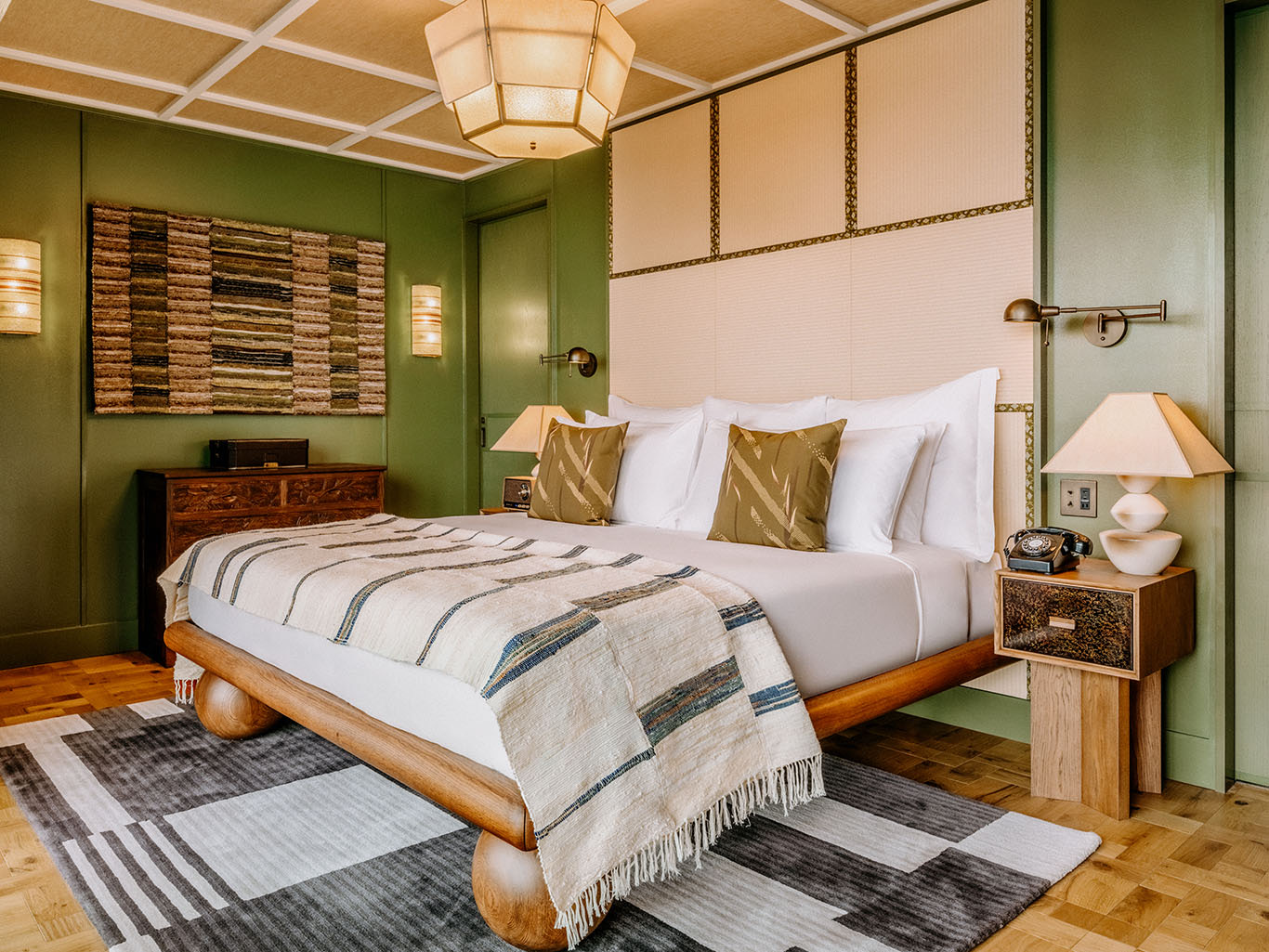
4.There are four room types. Cosy at 22㎡, Cosy Plus at 24㎡, Medium at 46㎡ and Large at 53㎡. Taking the stated standard-led composition and putting the weighted average around 28㎡ gives net room area across 42 rooms of about 1,180㎡ (estimated). Rooms take less than three tenths of the 4,300㎡. Precisely inverted from a city hotel, which spends 65 to 75% of gross floor area on rooms.
Four types, from 22㎡ to 53㎡Every room has a balcony. Only members can book, and rates are not published. ⓒ Soho House, via Los Angeles Times
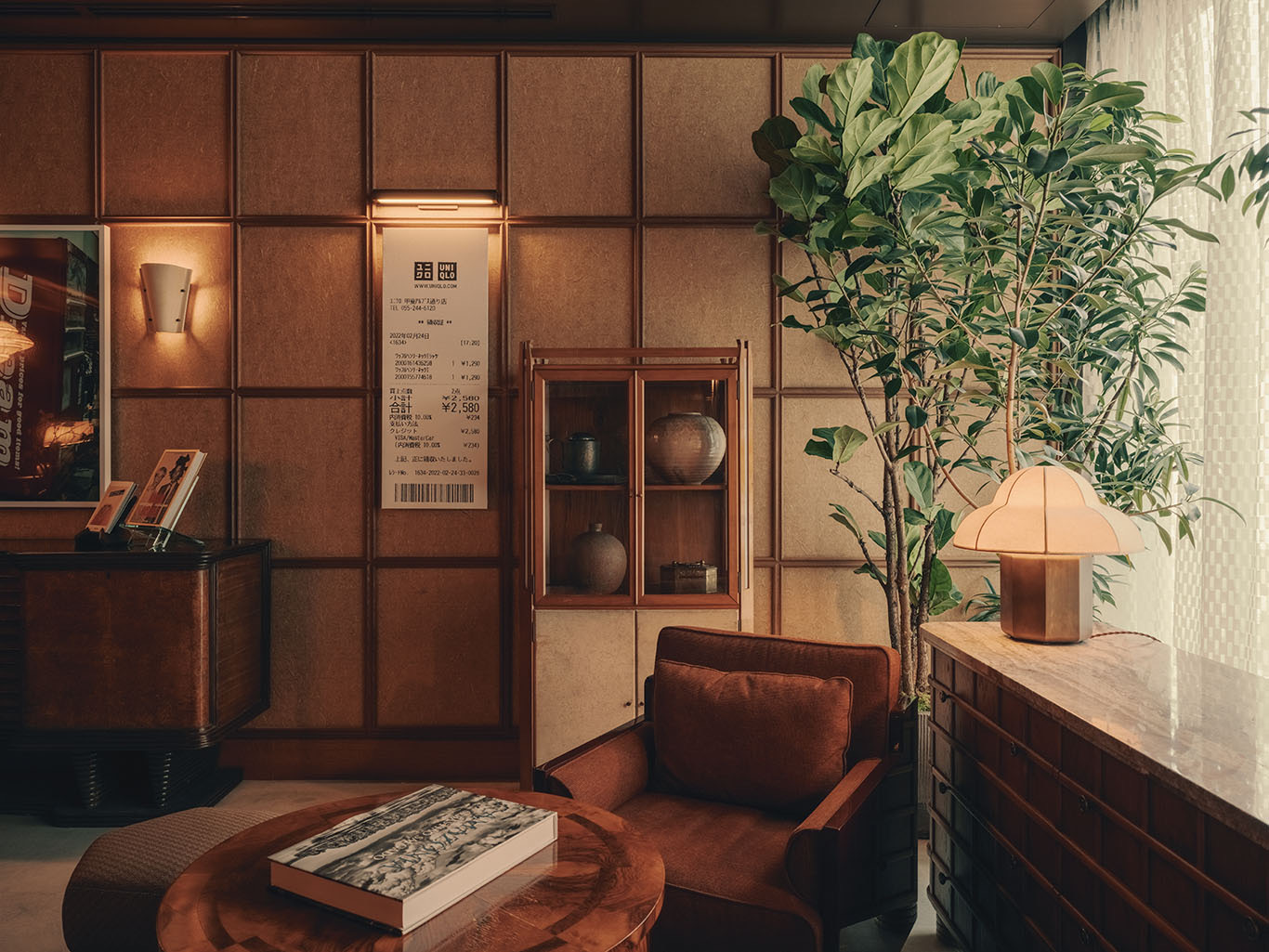
5.Open the materials schedule and it carries bedside tables in Kyoto lacquer, tiles fired in Nagoya, and sakiori cloth rewoven from unpicked old kimono. The rooftop pool floor is laid with tile fired to order in Gifu, and the walls carry work by more than forty artists from Japan and abroad. A list made only of wood, earth and water, and what to look at here is durability rather than taste. A sofa someone paying 500,000 yen a year sits on every week has to last longer than a hotel lobby sofa.
A place to work by dayLounge, shelves and communal tables fill the daytime. A composition that uses the same area twice by time of day. ⓒ Soho House, via Los Angeles TimesThe rooftop pool on floor 14Finished with tile made to order in Gifu. Moved to Korea, this one space becomes a filing matter under the sports facilities act. ⓒ Soho House, via Los Angeles Times
6.The numbers start here. Lay the baseline: the average room rate in Tokyo in May 2026 was 33,168 yen, up 12.8% on the same month a year earlier, and hotel occupancy across Japan was 80%. A market where rate is climbing fast. Room rates at Soho House Tokyo are members-only and do not come out. All rates, occupancy, member counts and revenue below are the writer's estimates, not figures published by the operator.
7.Put Tokyo members at 1,500 in the first year and the average fee at 550,000 yen, and annual membership income is 825 million yen, about KRW 7.8 billion (assuming 100 yen to KRW 950). On the room side, 42 rooms at an ADR of 60,000 yen and 70% occupancy give 644 million yen a year. Membership runs 28% larger than room revenue. In a building holding 42 beds, the beds come second.
Membership is a third of revenueAn income statement where the membership, not the room, stands at the top. The Tokyo figures are estimates and the parent figures are published quarterly results.
8.This split is not Tokyo arithmetic alone. Of parent company Soho House & Co's total third-quarter 2025 revenue of USD 370.8 million, membership was USD 122.7 million at 33.1%, in-house revenue combining rooms and food and beverage was USD 126.1 million at 34.0%, and the remaining 32.9% was the beach club and living businesses. The growth rates diverge. While membership grew 14.3% year on year, in-house managed only 4.5%.
9.Where would that money have come from in a full-service hotel. Tokyo full-service hotels make around three tenths of revenue from weddings and corporate banquets. A banquet hall eats a lot of area, and that revenue has to be sold again from scratch every year. There is no banquet hall here. In its place sits a membership fee that renews automatically every year, and the membership uses no area.
A counter instead of a banquet hallA British brasserie and an Edomae sushi counter handle food and beverage. Membership fills the place where wedding and banquet revenue would be. ⓒ Soho House
10.Distribution is more extreme still. With only members able to book, not one unit of inventory goes to an OTA. The usual 15 to 20% commission disappears entirely, leaving over 100 million yen a year on the room revenue above (estimated). That money goes elsewhere. More than 40 events a month, member vetting, and staffing to run four floors continuously. A payroll that would end in the twenties for a 42-room hotel alone has to run at more than three times that here. It is a structure that converted distribution cost into content cost.
11.Converted per pyeong it comes to this. Put annual revenue combining membership, rooms and food and beverage in the 1.9 billion yen range and divide by 1,301 pyeong of leased area and you get 1.49 million yen per pyeong a year, about KRW 1.18 million a month (estimated). Run the same arithmetic on an average Tokyo hotel and one room carries 9.69 million yen a year, which over nine pyeong per room including allocated common area gives KRW 840,000 a month. A gap of 1.4 times, and most of that gap comes not from the beds but from a membership fee that uses no area.
Two things built differently, area and distributionThe room share was cut to a third and the OTA cut out entirely. The commission left over moves into events and staffing.
12.This does not sell because Tokyo has no members' clubs. Business clubs, golf memberships and hotel memberships are already dense. Those mostly filter by age and title. What filters here is occupation, and a price list cutting fees nearly in half for those under 27 is the declaration. The arithmetic of letting in cheaply the people you intend to hold for a long time.
The floor at nightThe lounge that worked by day becomes a bar in the evening. More than 40 programs a month run over this area. ⓒ Soho House
13.The second is density. 250 people at a time across 4,300㎡ is 17㎡ each. Not the density of a hotel lobby but of somebody's living room. To secure indoor space with that much slack privately in Tokyo you would carry the whole Minami-Aoyama rent, and 500,000 yen a year is that rent split 1,500 ways.
Rooms on two floors onlyFloors 11 and 12 are rooms, 13 and 14 are club. Even the order in which the floors were cut runs opposite to a normal hotel. ⓒ Soho House
14.Look at the record and the order is inverted. It started on Greek Street in London in 1995 as a club for people working in film and media, and rooms came much later. There are 46 houses now. A hotel did not attach a club, a club attached rooms. That is why membership stands at the top of the income statement.
15.And yet this company keeps losing money. In the third quarter of 2025, adjusted EBITDA rose to USD 53.8 million and the net loss was still USD 18.7 million. In December 2023 it stopped accepting new members entirely in New York, London and Los Angeles, after members complained about crowding. A waiting list of 102,000 is an asset and at the same time demand that cannot be taken. Add members and the experience breaks, hold them and revenue does not grow. Capping Tokyo at 500 founding members and 250 per floor looks like the result of that lesson.
Cloth rewoven from unpicked old kimonoKyoto lacquer side tables, Nagoya tiles, work by more than forty artists. The materials schedule serves as the grounds for the fee. ⓒ Soho House
16.The capital side shook once too. In August 2025 the company agreed to go private at USD 2.7 billion. Nine dollars a share, led by MCR Hotels with Apollo Global Management and Goldman Sachs Alternatives participating. Then in early January this year MCR, which had led it, gave notice that it could not meet a USD 200 million equity commitment, and the deal nearly stopped, closing at the end of the month after USD 50 million from Morse Ventures and a further USD 50 million from MCR, plus increased debt and wider rollover, cut the cash required. What caught a brand with 100,000 people waiting was not demand but USD 200 million.
Summary
It comes to this: across four floors holding 42 beds, the money the beds make came second. An estimated 825 million yen in membership against 644 million in rooms, and on the parent company's own figures membership is 33.1% of revenue. Anyone moving this structure to Korea runs first into the membership terms rather than the permits. Mixing lodging and neighborhood facilities in one building, the sports facilities act filing that attaches once you have a pool, and the lodging business filing under the Public Health Control Act all have precedent. What remains is the annual fee. A contract taking payment in advance for more than a month and over KRW 100,000 is a continuing transaction under the Door-to-Door Sales Act, so a member can cancel at any time and recover the unused portion, and penalties can only be taken within the limit the law sets. The cash flow of membership lodging is strong because the annual fee is locked for a year, and in Korea the law unlocks it. Gyms and funeral plan providers have lived on this ground for a long time, and that clause deserves a look before the price list does.