The side changing its signAneuk Signature Hotel Seoul Guro. An urban mid-scale hotel with 113 rooms, and the only Seoul property among the four. ⓒ아늑호텔
Daily Hotel
Four Korean mid-scale hotels take a Marriott sign, and the fee total barely moves
2026.08.02
Revenue per available room at Seoul hotels now runs 67% above 2019. Mid-scale and small hotels in the same market rose 1.7% in a year, and the figure actually fell in the capital region. In the year those two markets moved in opposite directions, four Korean mid-scale hotels agreed to hang the sign of the world's largest chain. This is the first official brand contract between a Korean mid-scale hotel and a global chain.
1.On February 26, 2026, a contract was stamped at a hotel in Guwol-dong, Incheon. The lodging solutions company Deohyusik (co-chief executives Shin Hyun-wook and Kim Jun-ha) signed the main brand agreement for Series by Marriott with Marriott International. The signing venue is itself one of the properties being converted.
2.Four properties are involved. Aneuk Signature Hotel Seoul Guro, Aneuk Hotel Incheon Guwol, Aneuk Resort and Spa Busan Haeundae, and Aneuk Signature Gyeonggi Anyang, which has yet to open. All four convert in sequence under the name Aneuk Signature, Series by Marriott. Deohyusik has run development, finance, construction, operation, marketing and IT inside one company since 2021, across a cumulative 200-odd mid-scale hotel assets.
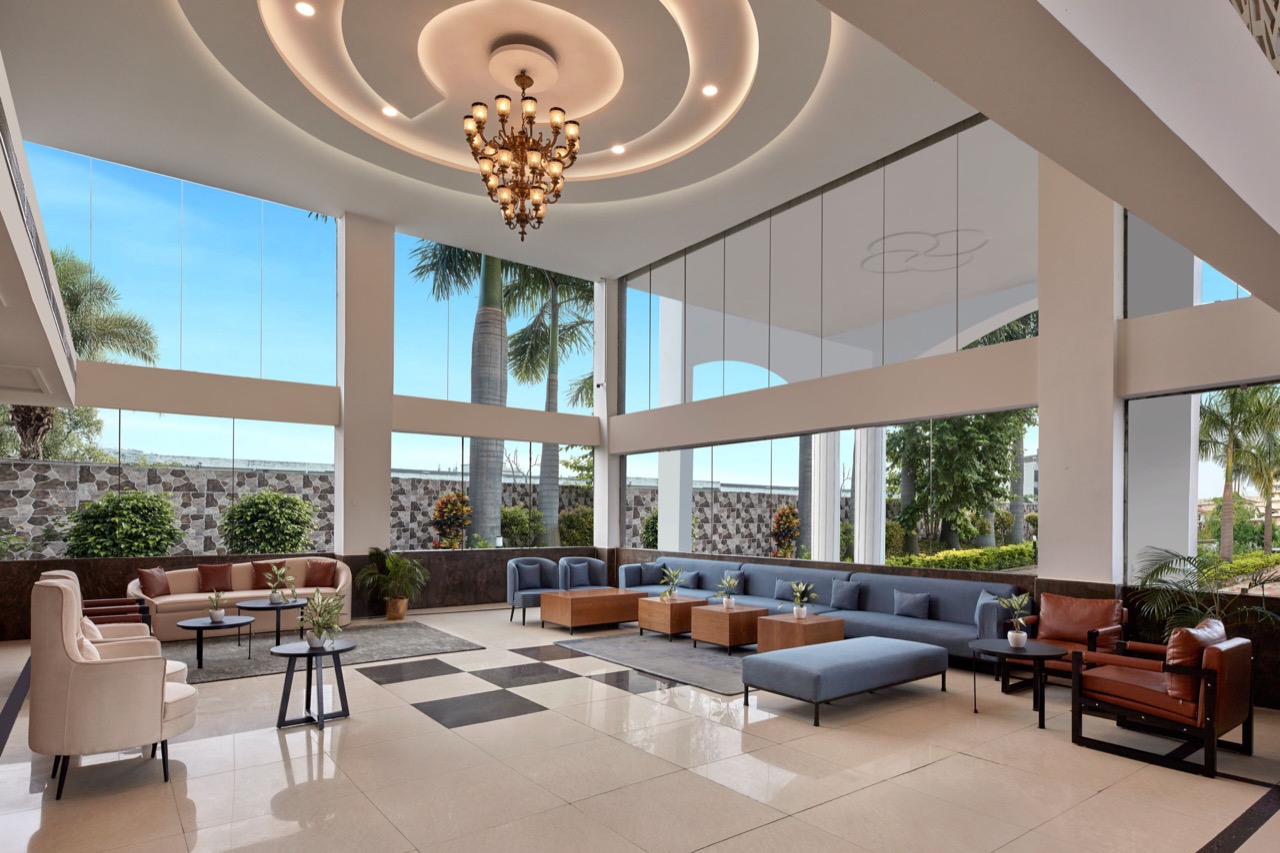
The front desk is smallThe lobby at the Seoul Guro property. The brand leads with a structure where one company holds development, construction, operation and IT, and the unstaffed operating system sits inside that. ⓒ아늑호텔
3.Reading this contract means laying out the market first. The 2026 Seoul hotel market report from Cushman & Wakefield Korea puts 2025 occupancy at Seoul hotels at 79.2% and revenue per available room at KRW 207,345. That is 67% above 2019. Foreign guests make up 71.2% of stays, and new rooms added in Seoul since 2023 run about 1,000 a year, a quarter of the pre-pandemic rate.
Two markets splitSeoul hotel indicators set beside indicators for mid-scale hotels nationwide. The survey bodies and samples differ, so read only the direction of change.
4.The mid-scale side stood outside that current. Yanolja Research puts third-quarter 2025 results for mid-scale hotels at a 2.6% rise in room rate, a 0.9 percentage point fall in occupancy and a 1.7% rise in revenue per available room against the same quarter a year earlier. While Jeju jumped 32.8% and Busan 21.6%, the capital region fell 2 to 3%. The boom that foreign guests filled never reached this seat.
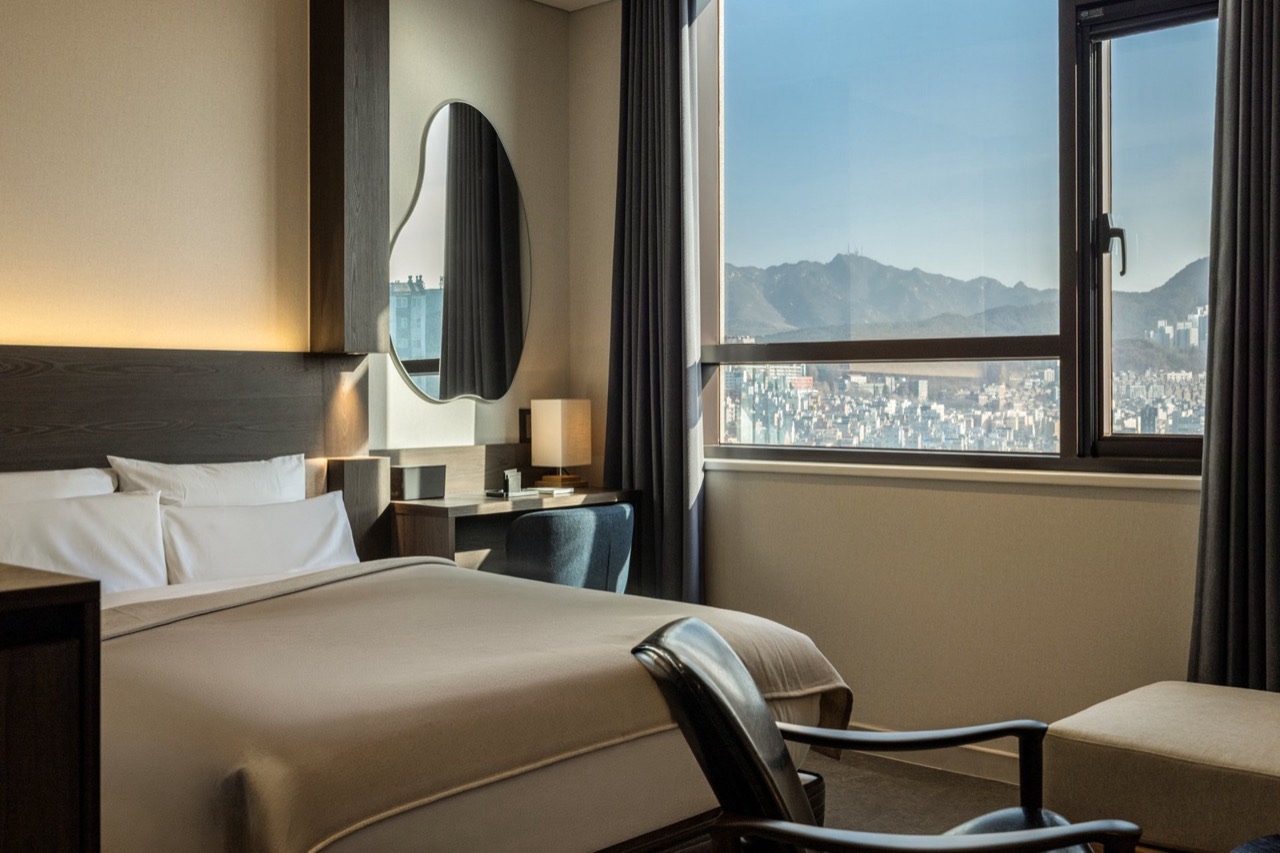
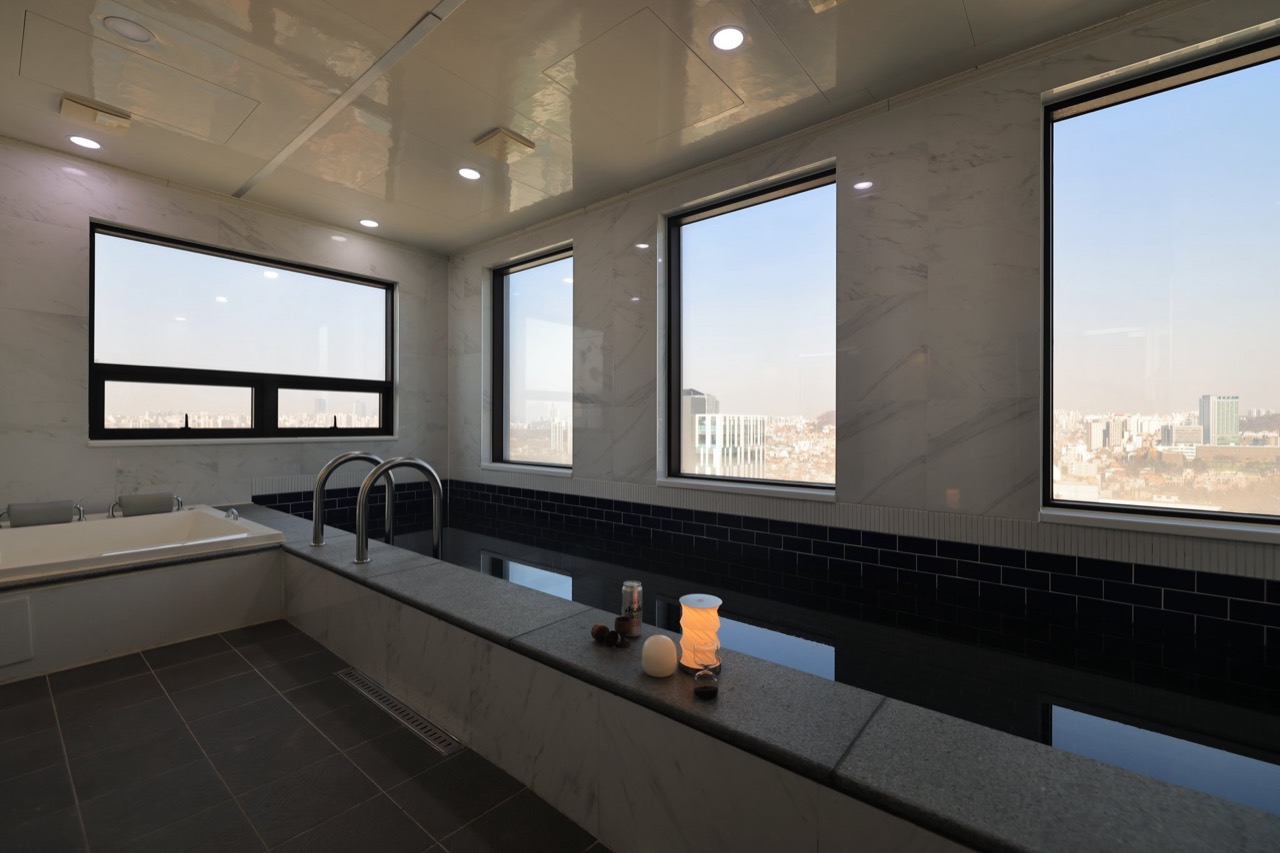
5.Into the space. Aneuk Signature Hotel Seoul Guro has 113 rooms and sits seven minutes by car from Guro Digital Complex station. A large bath, a dry sauna, a massage room, a fitness room and two food and drink spaces are attached to the guest room block, and the published lowest rate is KRW 74,802. The bath and sauna come inside that rate for guests.
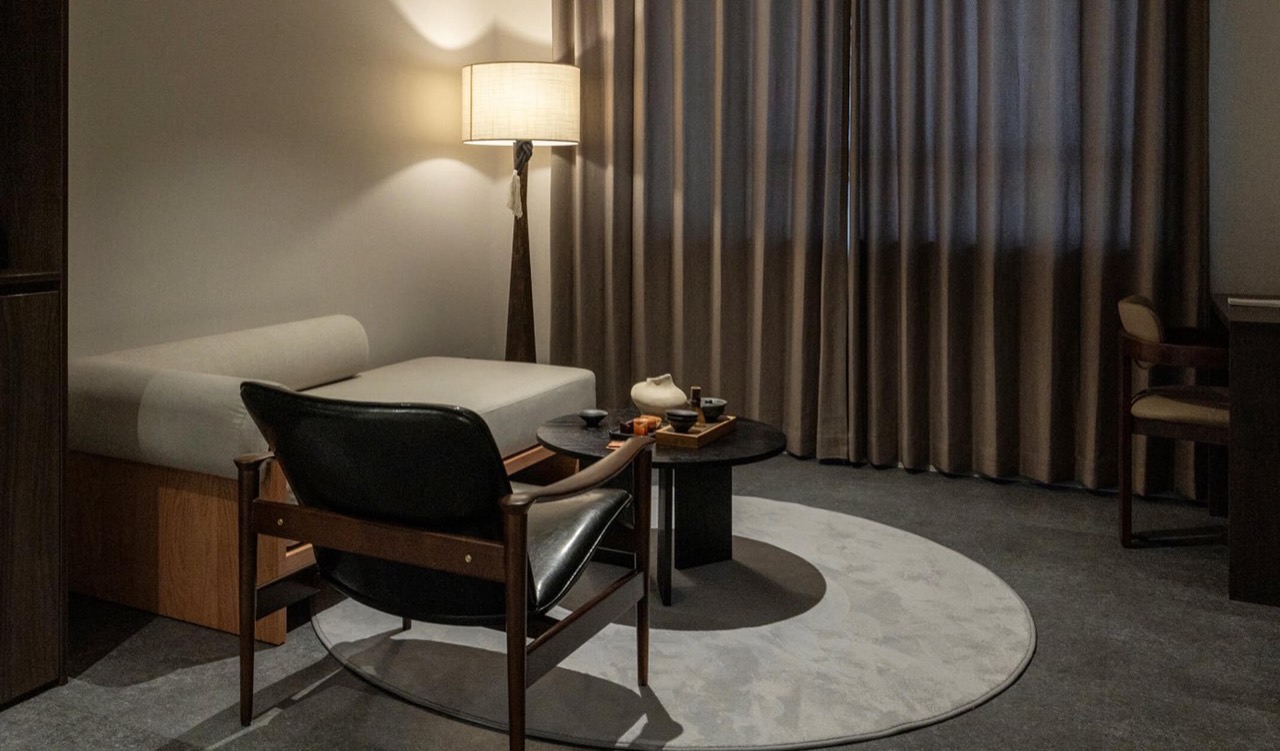
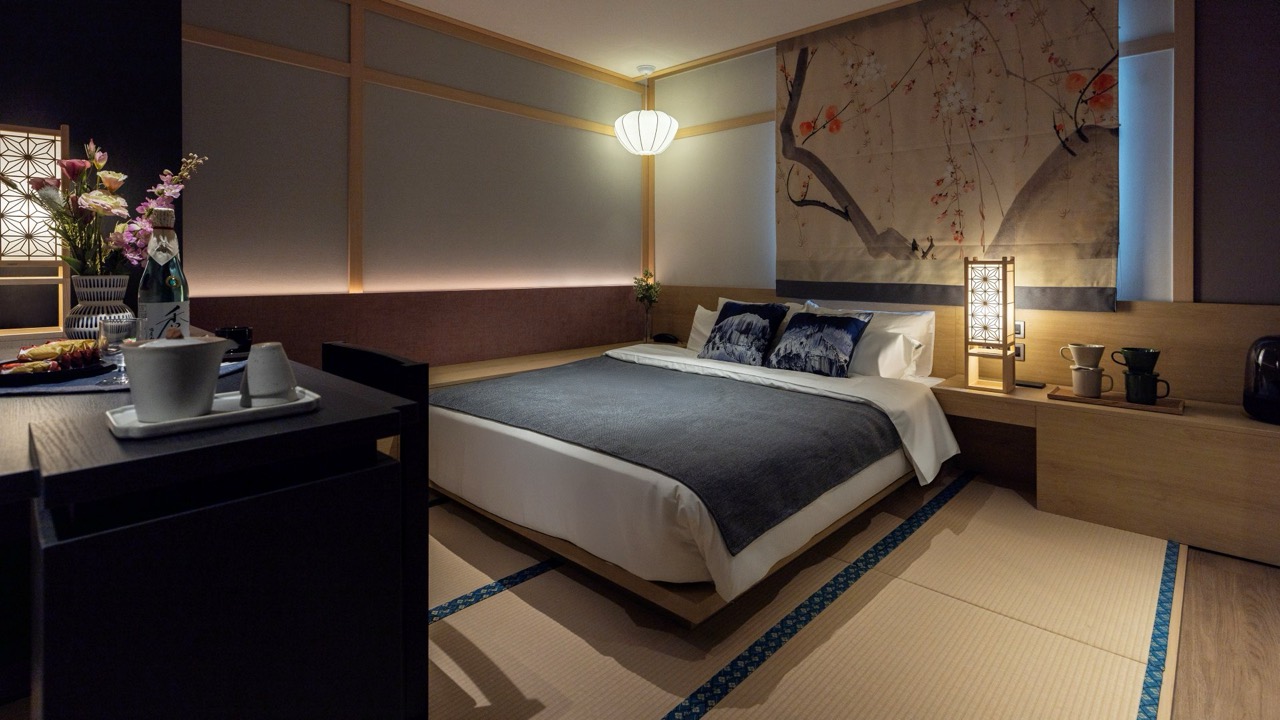
The rooms are ordinaryA guest room at Seoul Guro. Standard rooms at three-star scale are stacked and repeated, and the difference is staked not on the room but on the wet spaces downstairs. ⓒ아늑호텔
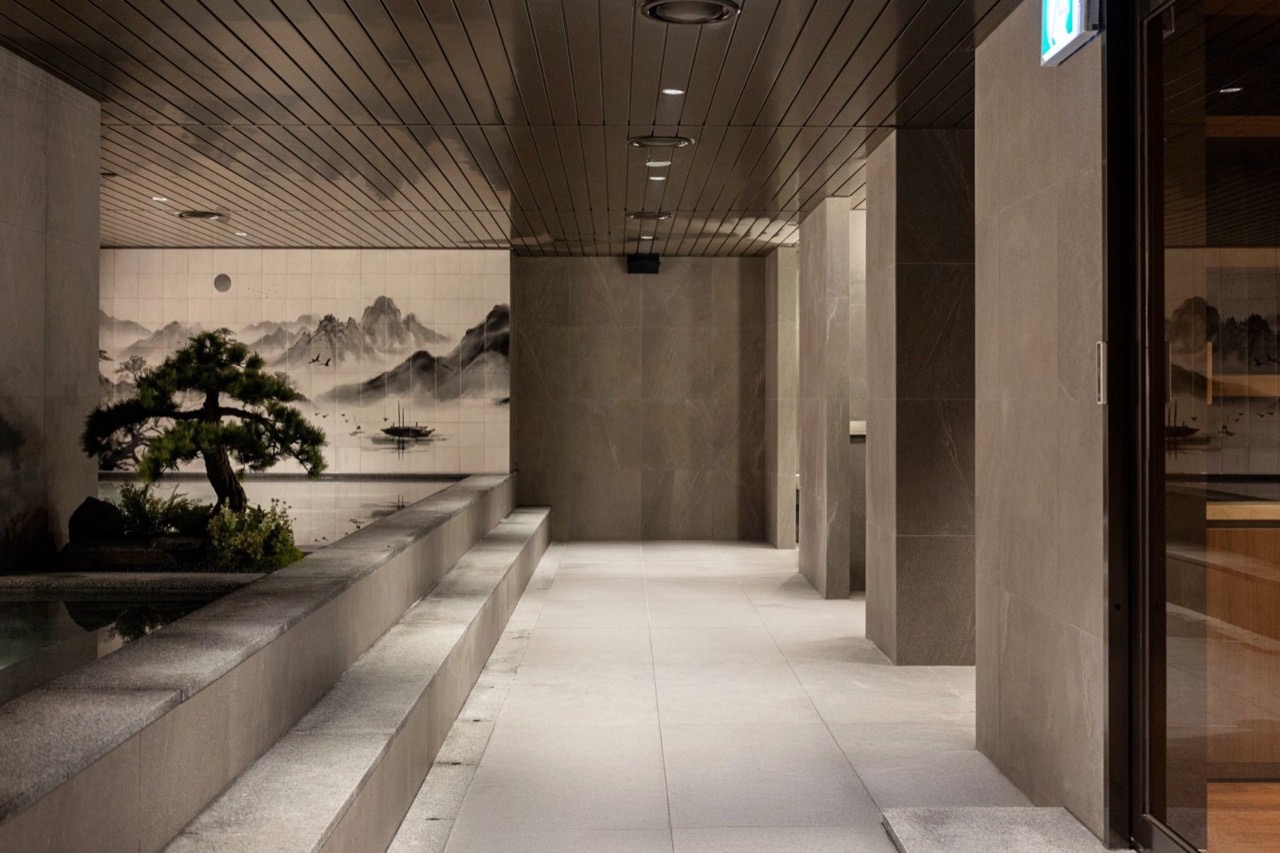
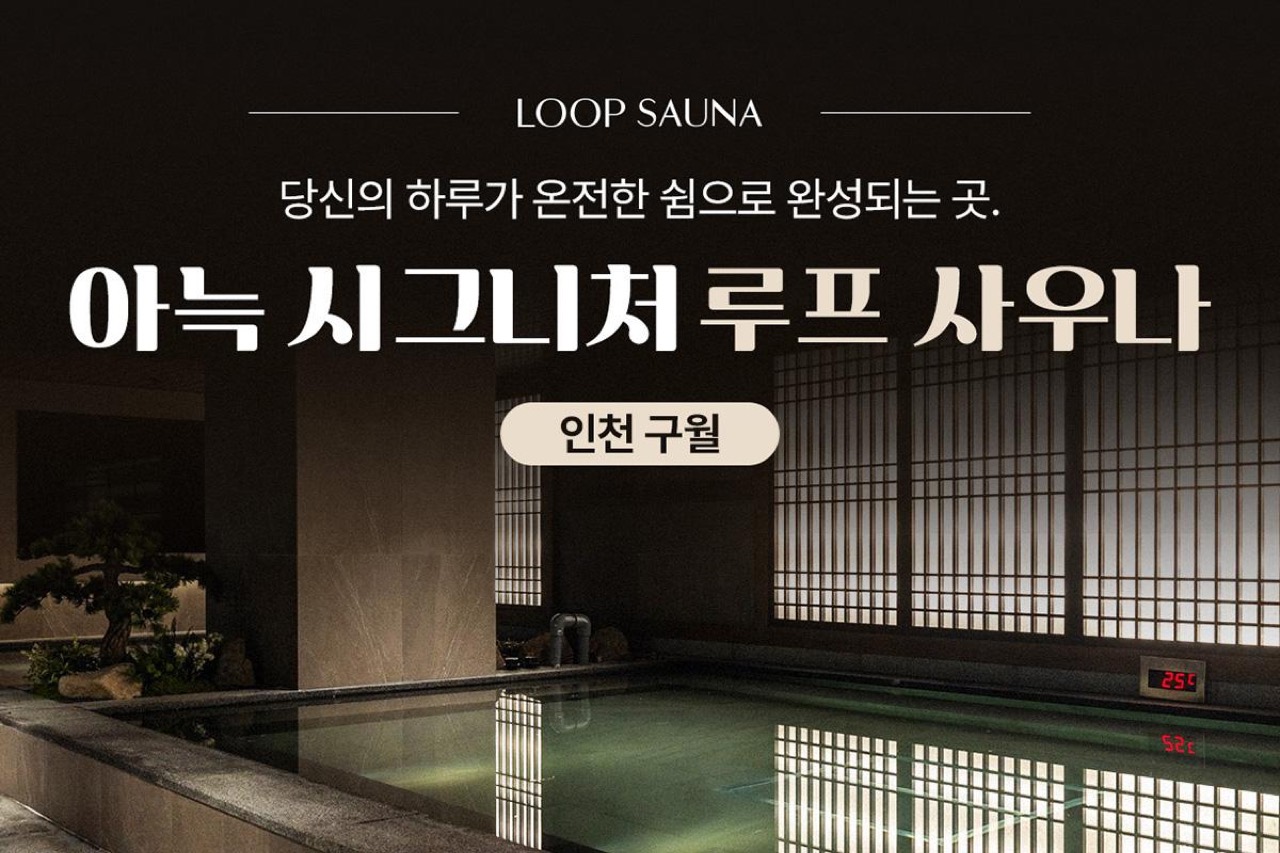
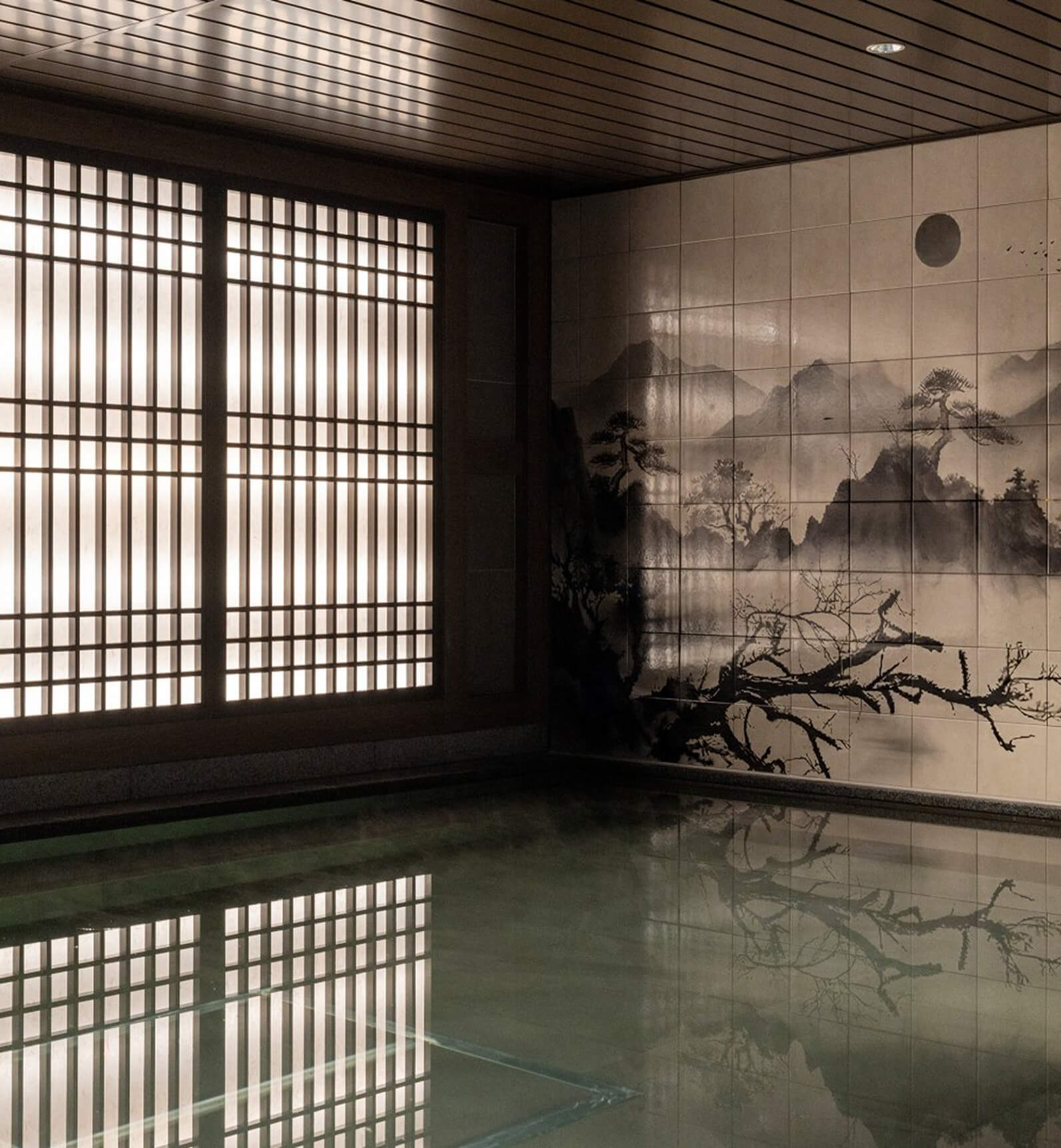
6.The sauna is this brand's product. The dry sauna that the space planning firm Space Planning put into the Incheon Guwol property runs past 90 degrees Celsius and is finished in charred timber. Open the door and burnt wood reaches you first, and a few breaths on the bench dry out the inside of your nose. Cold and hot water are held and managed at separate temperatures. A company that spent the pandemic pushing content inside the rooms of a hundred-odd assets has now pulled it back out of the rooms.
Water is the productThe large bath at Incheon Guwol. A dry sauna past 90 degrees sits alongside cold and hot water zones. ⓒ아늑호텔Charred timber, chosenThe sauna finish. Wood hardened by burning its surface goes soft less easily in damp, and it eats light and settles dark. ⓒ아늑호텔 / 야놀자
7.Wet facilities are the most expensive box on a plan. Put in one large bath and that floor's waterproofing, drainage, hot water capacity and ventilation all change, and the area that could have been sold as rooms disappears. Incheon Guwol added a brunch buffet on the second floor and a banquet room for 80 on the third, on top of the lobby lounge and the bath. Busan Haeundae sells a separate kids' room with a spa and sauna inside the guest room. Each trade area uses water differently.
The ground floor opens as a loungeIncheon Guwol. A second-floor brunch buffet and a third-floor banquet room sit above the lobby lounge. ⓒ아늑호텔Haeundae looks at familiesBusan Haeundae. It keeps a separate kids' room with a spa and sauna inside the guest room, and sells a package with late-night food attached. ⓒ아늑호텔 / 야놀자
8.On to operations. All revenue and fee figures below are estimates, not company disclosures. Mix weekends and peak season at Seoul Guro, put the room rate at KRW 110,000 and occupancy at 80% to match the Seoul average, and 113 rooms make around KRW 3.6 billion in room revenue a year. Converted to revenue per available room that is KRW 88,000. About 42% of the Seoul average.
9.Set out the distribution cost going out today. Yanolja and Yeogi Eottae charge 9.9% in brokerage fees, with a sign-up fee and a monthly advertising fee on top. Advertising averages KRW 343,000 at Yanolja and KRW 390,000 at Yeogi Eottae. Both companies have at times cut the rate to 9% for small merchants in the bottom 40% by transaction volume. Put direct bookings at 20% and KRW 2.9 billion rides the platforms, with roughly KRW 290 million going out in fees alone.
10.Now the Marriott arithmetic. The Korean terms for the Series brand are not public. Marriott franchise royalties usually run 4 to 7% of room revenue, and on the mid-scale Fairfield by Marriott standard, a 5.5% royalty carries a 2.5% marketing contribution. Apply that 8% straight to KRW 3.6 billion and you get KRW 290 million. Change the sign and the total leaving the building barely moves.
The numbers overlapThe result of applying two rates to the same revenue. Korean rates for the Series brand are not public, so published terms for another Marriott mid-scale brand were used.
11.So this contract is not won by cutting fees. Marriott Bonvoy has 237 million members, and their bookings arrive without passing through a platform. In a market where 71.2% of guests are foreign, the customer mid-scale hotels have been worst at catching sits exactly there. Lift the room rate 10% and direct bookings to 30% and the arithmetic flips. Fail to lift them and the fee has only changed hands.
12.Set this against the graded hotels and the model's place shows. Luxury hotels build revenue outside the room through banquets, weddings, buffets and club lounges, and that share can pass 40%. Mid-scale has no such seat. Instead it put the large bath and sauna inside the rate and raised the price of the room itself. Rather than selling the facilities separately, it melted them into the room rate. Recovery is slow, and in exchange nobody carries a banquet hall that empties out of season.
13.Why a sauna of all things. Naver DataLab search volume shows sauna searches from January to April 2026 running 1.7 times weekday levels on weekends and 2.6 times over holidays. In a city where the neighborhood bathhouse has vanished, water became a product again, and the hotel serves as the vessel that binds that demand to a one-night rate. Putting the bath inside the rate looks less like taste than a decision read off search volume.
A sign laid on topSeries by Marriott is a collection brand that keeps the existing name and design while laying a reservation system and a loyalty program over them. ⓒMarriott International
14.The brand itself is recent. Series by Marriott came to the global market on May 22, 2025 as a regional collection brand, and Concept Hospitality of India opened 26 properties at once as founding partner. Five Found Hotels converted in the United States, and a target of 100 was set with CG Hospitality in China. Handing properties over in stages without a full rebrand is the condition this brand puts forward.
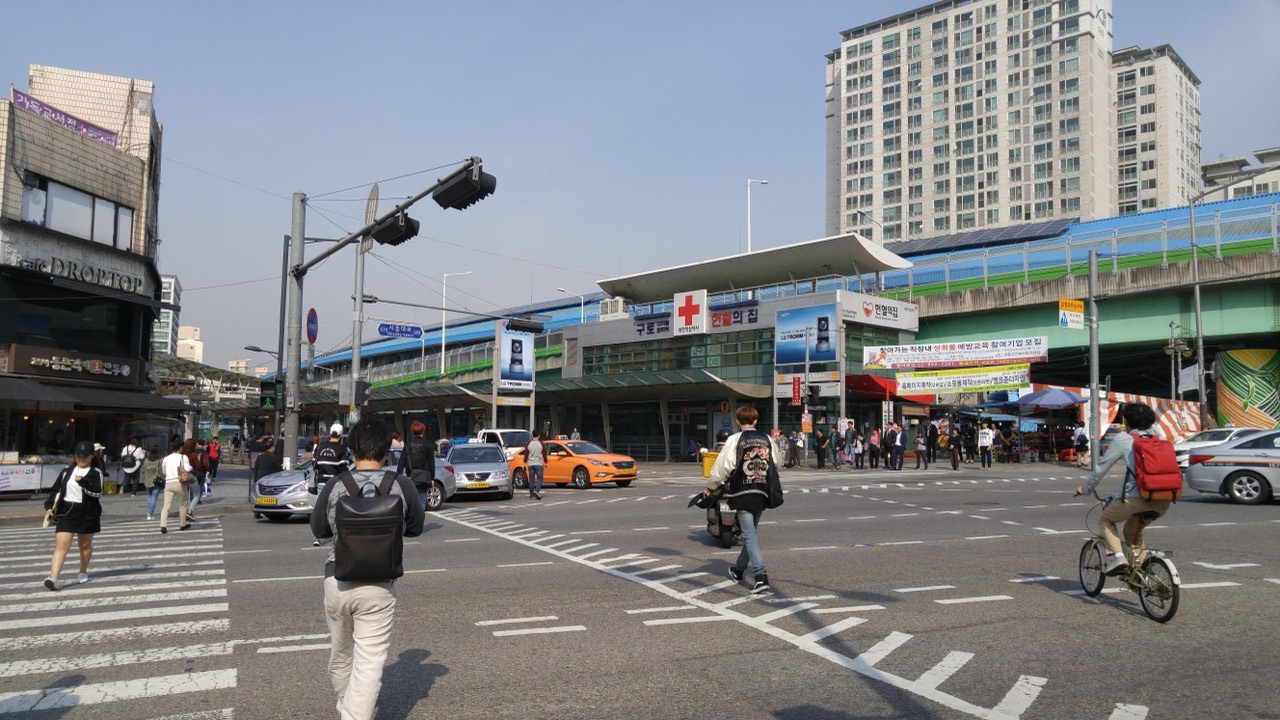
Offices sit behind itThe intersection at Guro Digital Complex station. With a business district alongside, weekday business demand and weekend leisure demand run differently, and that gap is what calls for a facility like the large bath. ⓒWikimedia Commons
15.What matters is the length of the contract. A platform can be dropped next month if results are poor, but a franchise usually binds in ten-year blocks, and the cost of meeting brand standards follows every year. How far Marriott's operating standards allow the labor cost that Deohyusik has cut with unstaffed systems is what actually splits the result. Those terms are not public, and they will only be visible after the first of the four properties changes its sign.
This floor splits the resultThe facility floor at Seoul Guro. Wet spaces eat area that could be sold as rooms, and they are also the only device that raises the room rate. ⓒ아늑호텔
Summary
Four Korean mid-scale hotels agreed to convert in sequence to a collection brand of the world's largest chain, and the first contract was signed in February 2026. If one number stays, it is this: revenue per available room at Seoul hotels rose 67% against 2019 while mid-scale rose 1.7%. The sign was borrowed to close that gap, but run the arithmetic and the 9.9% paid to platforms and the 8% payable to the brand come to nearly the same total, so nothing is left unless room rate and direct booking share move. For anyone drawing the same picture, the first obstacle is not the brand but the water. The moment a large bath goes onto the floor below the rooms, hot water and septic capacity, waterproofing and ventilation all get recalculated, and opening that facility to anyone beyond overnight guests triggers a bathhouse business filing under the Public Health Control Act, separate from the lodging filing. Individual sites need confirmation from the competent department. How many pyeong the wet floor takes on the plan is the real cost of this model, and until that decision is made there is no point reading the brand contract.