They spent $15 million on 36 rooms, and a third of it comes back through taxes
2026.08.14
A southern U.S. town, twenty years after its mill shut down. The 1903 head office of a textile company opened as a hotel in February. Next door sits a 320-room casino resort.
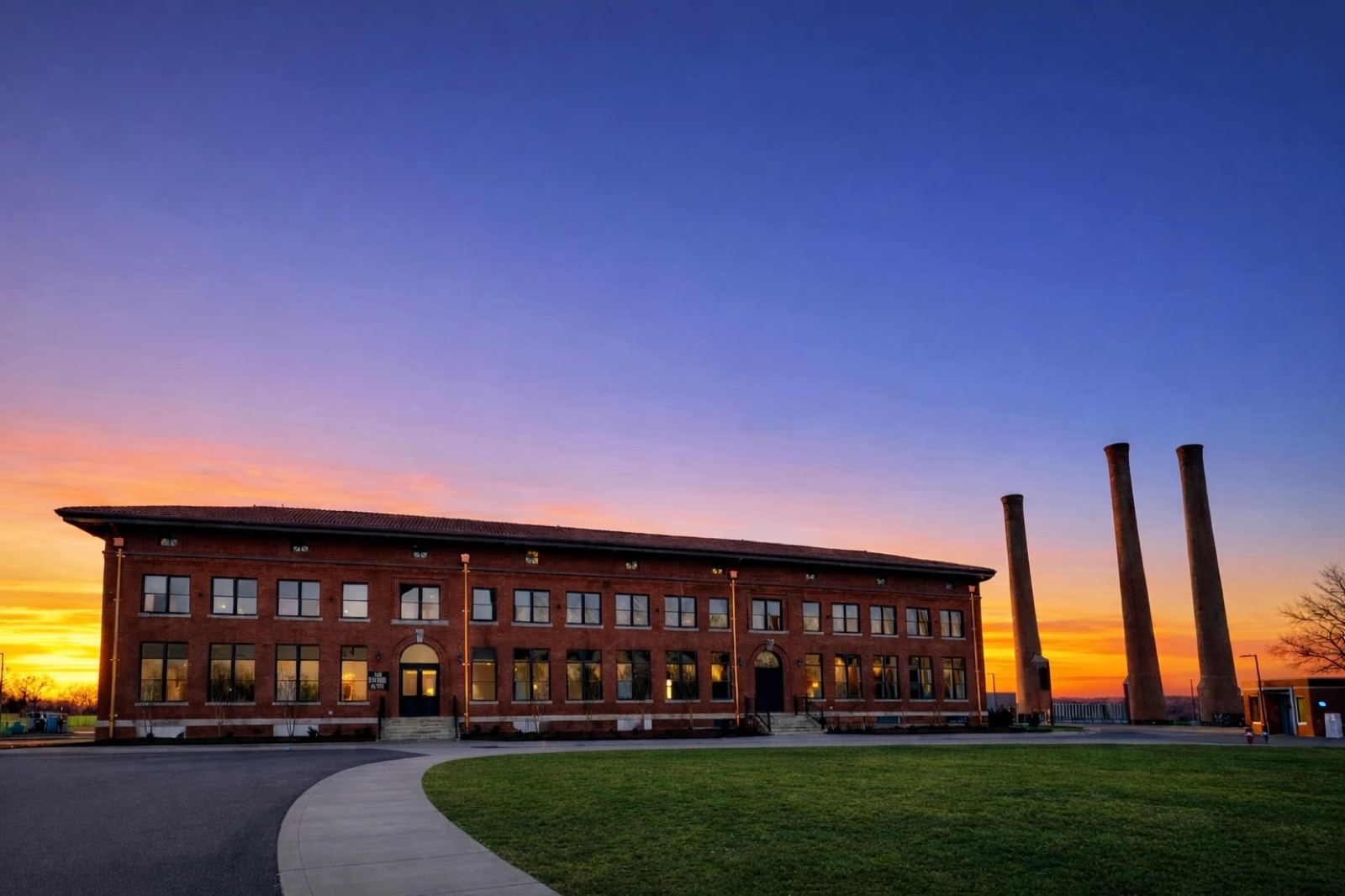
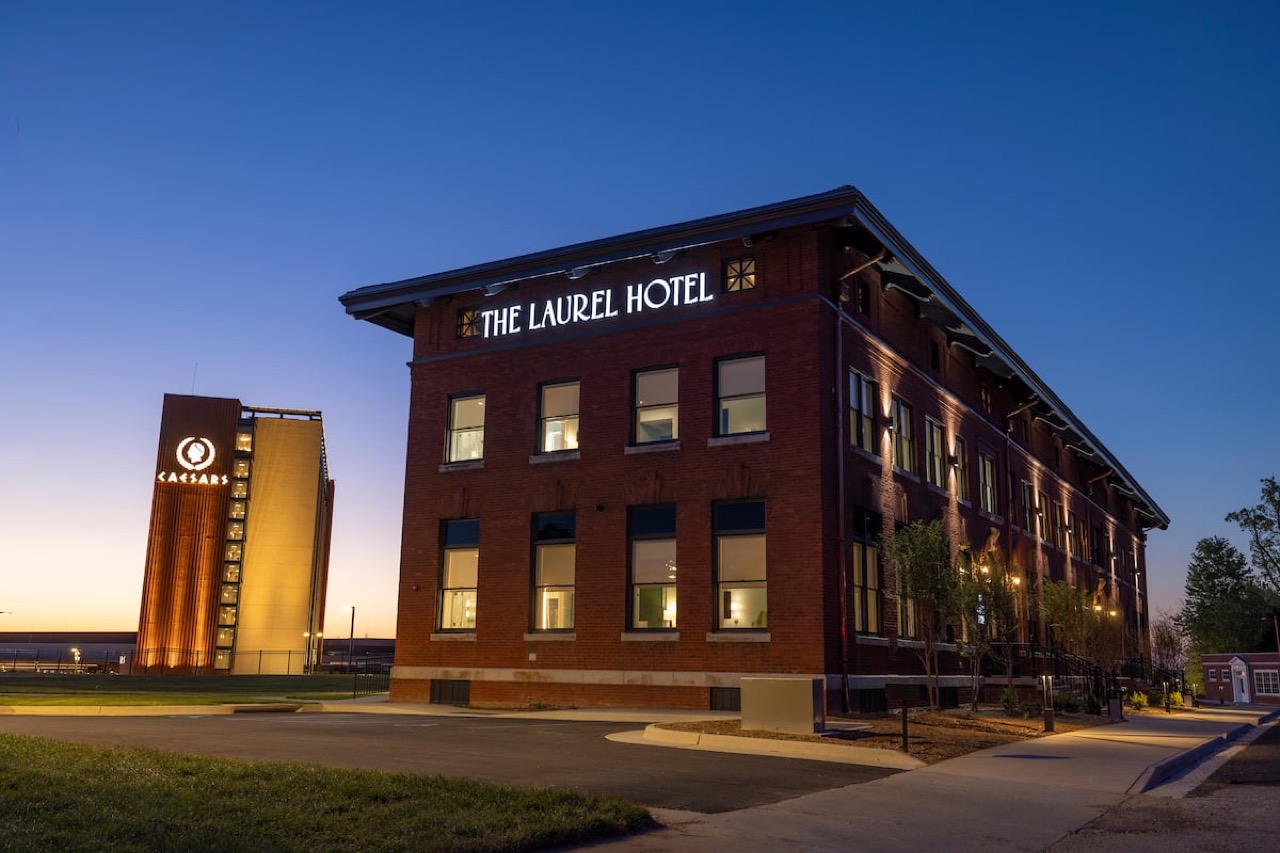
1.The Laurel Hotel opened in mid-February. It stands at the western edge of Danville, Virginia, in an old mill village called Schoolfield. The building went up in 1903 as the head office of Dan River Mills, and the hotel holds 36 rooms. The developer is Ed Walker, who has spent his career in Roanoke picking out worn-down buildings and fixing them. Blair Construction built it.
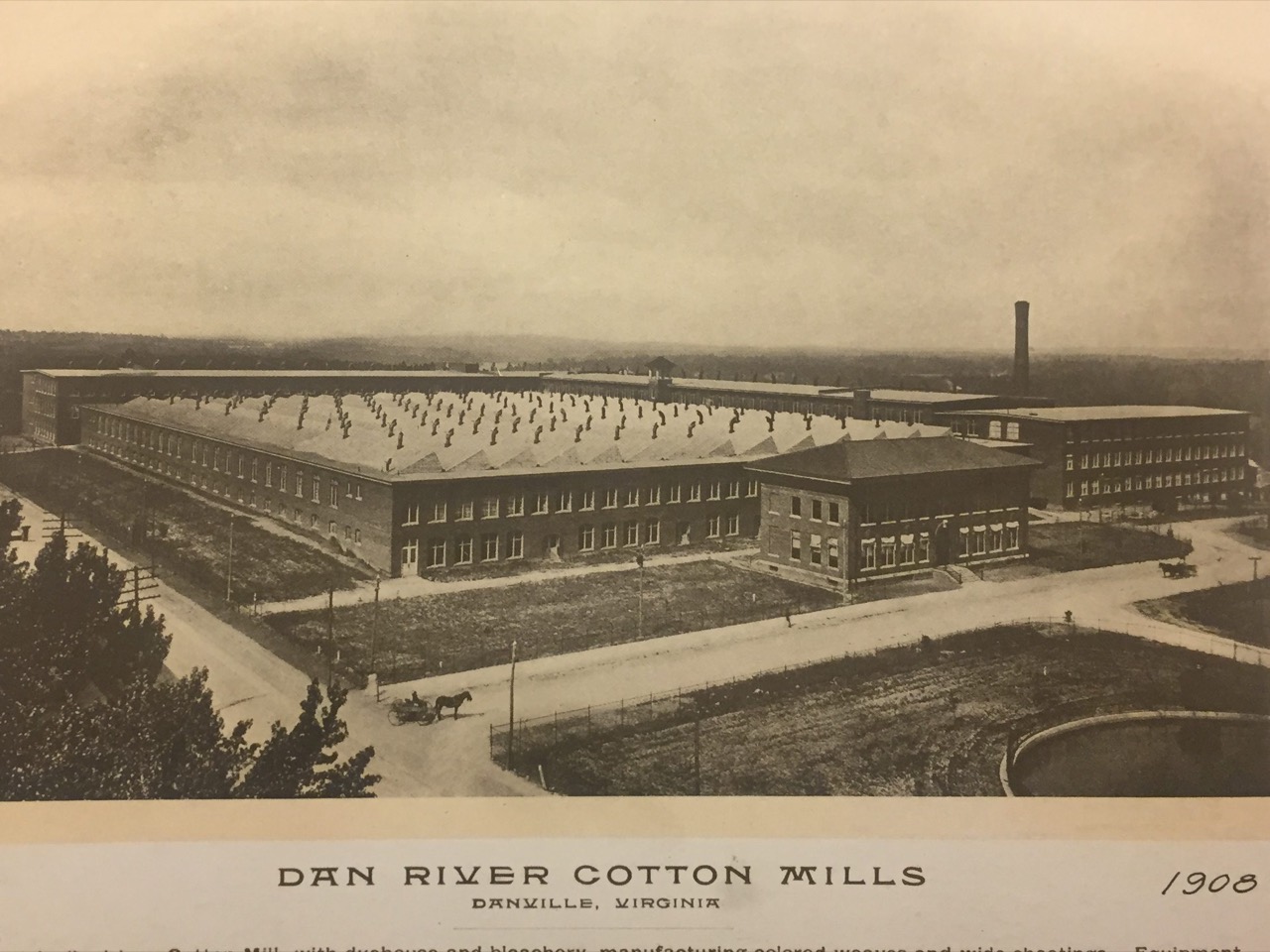
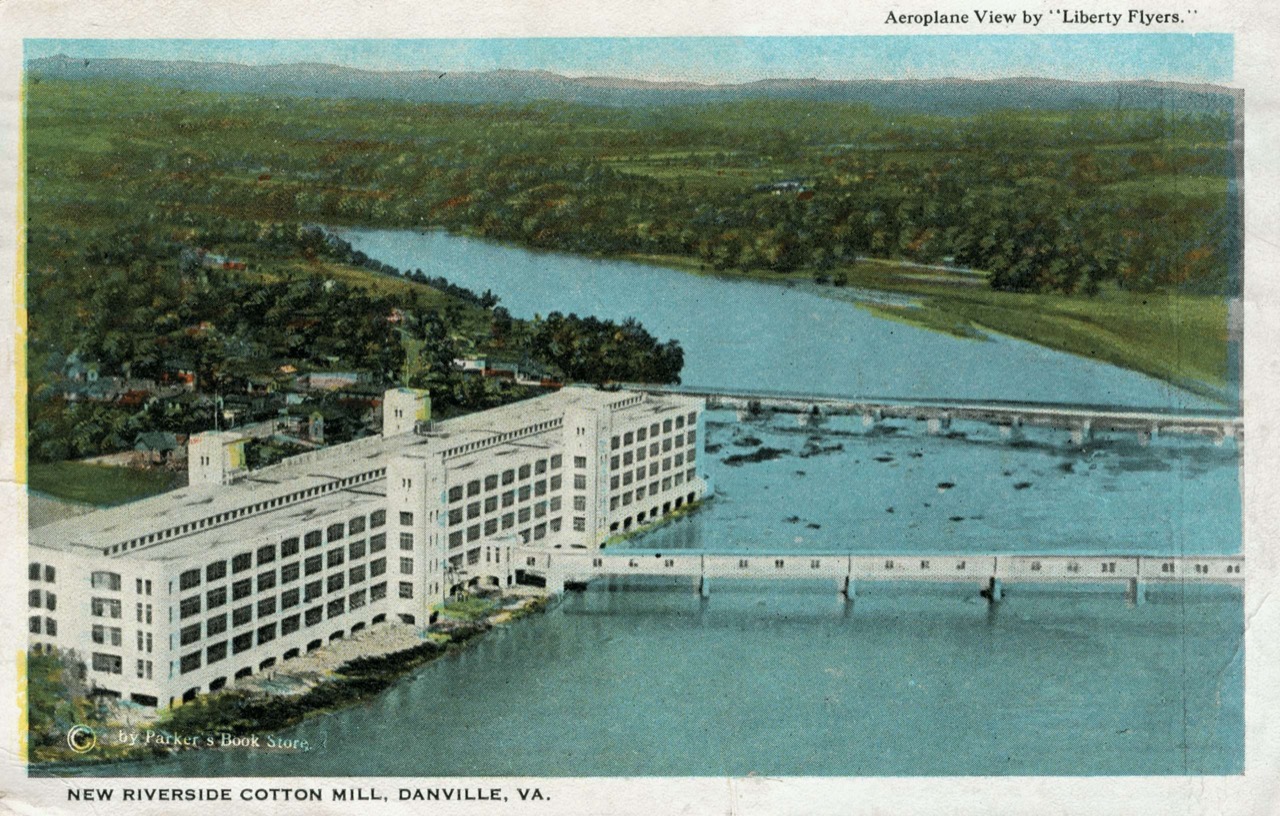
2.Danville's population is 41,493 and falling every year. Dan River Mills was the largest textile company in the American South, and at its peak it employed 14,000 people in this city alone. It closed in 2006. The city sat empty for a long time after the company vanished.
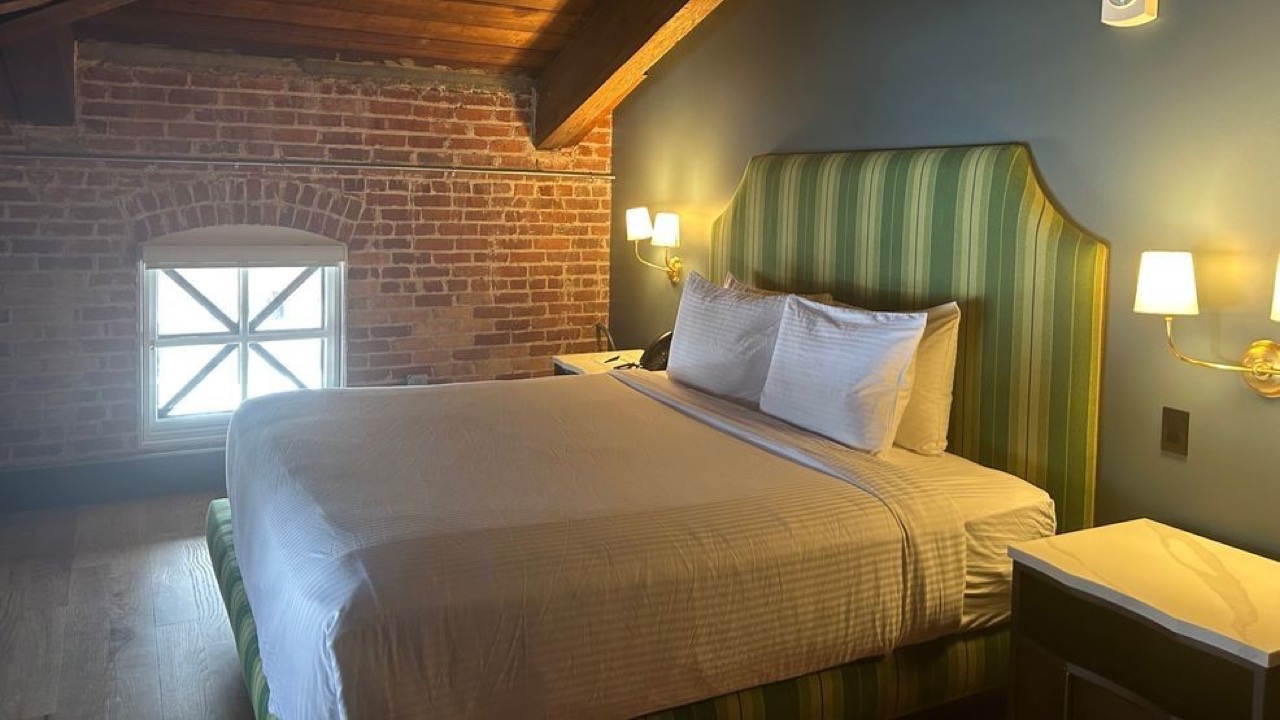
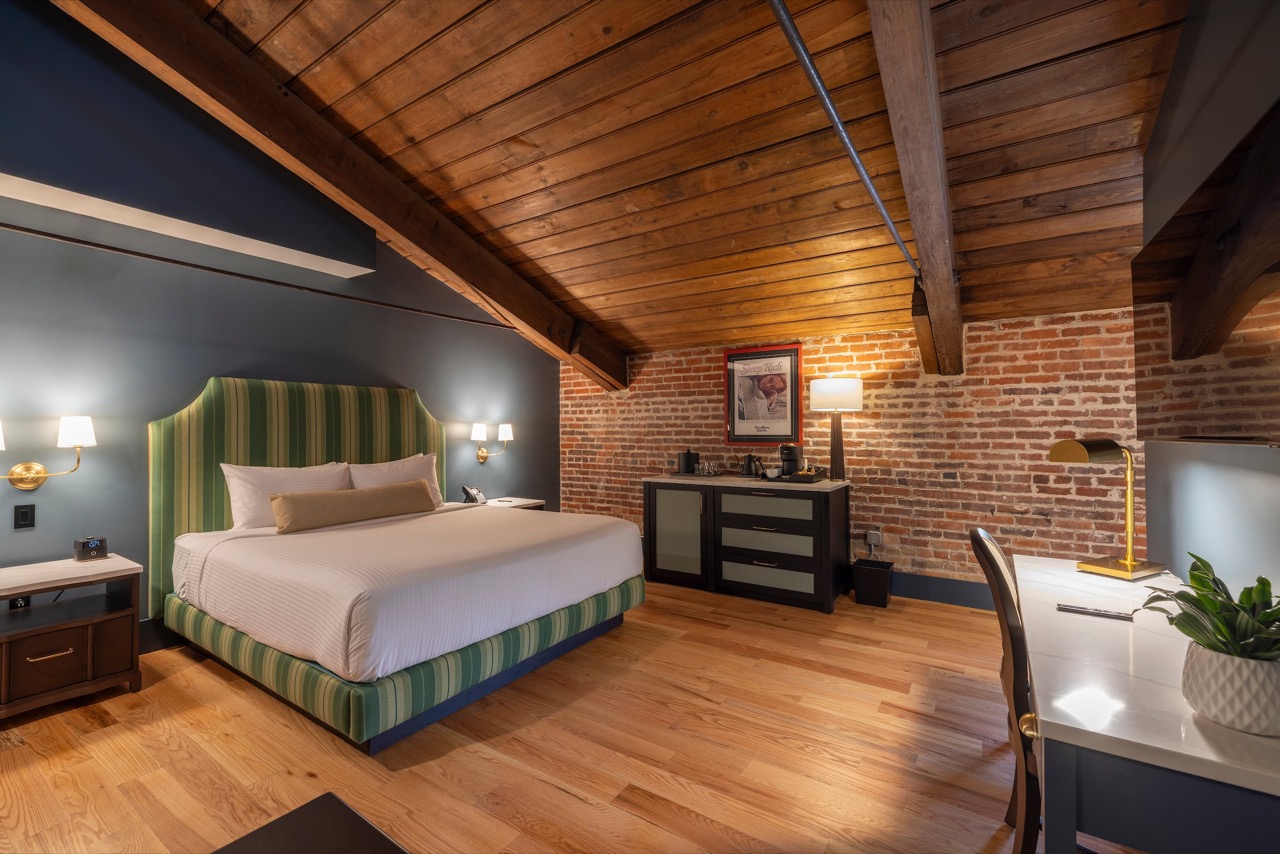
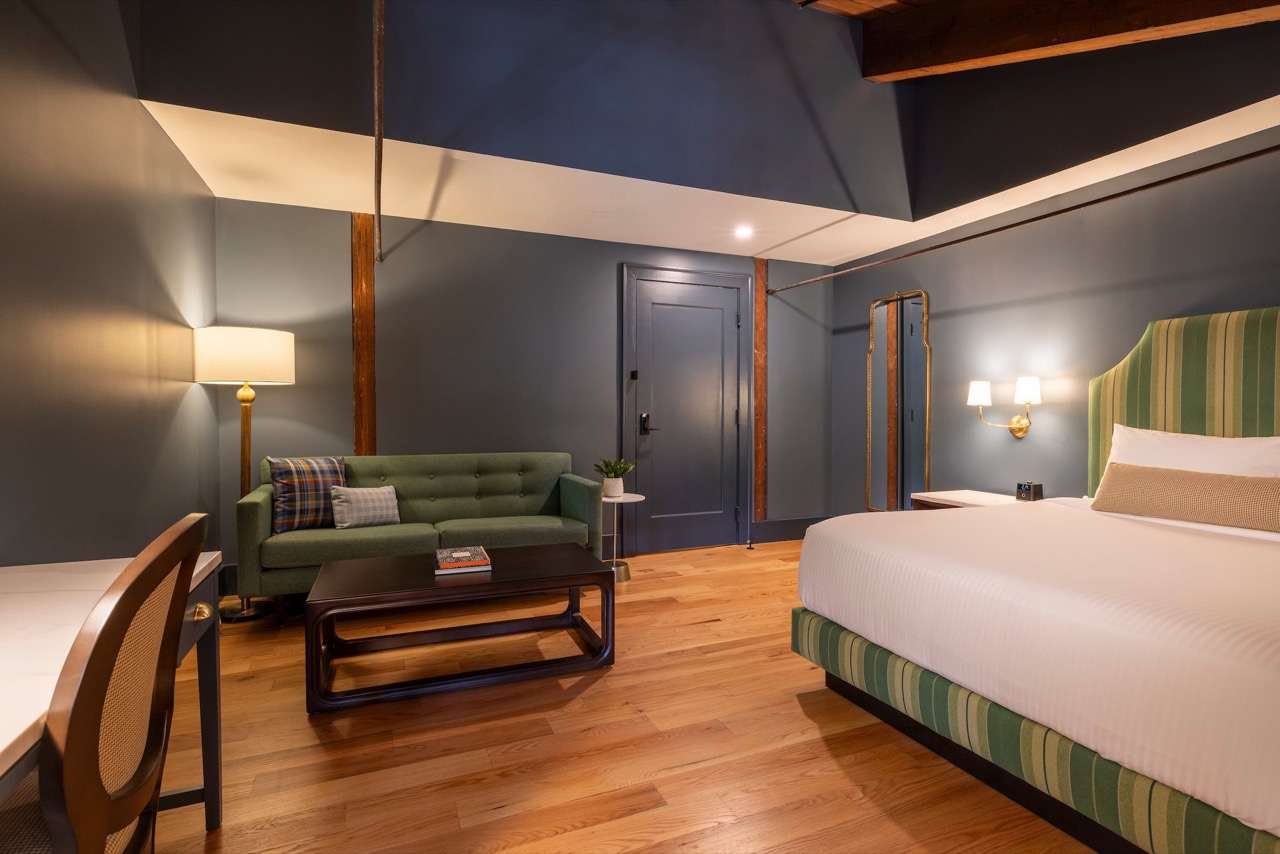
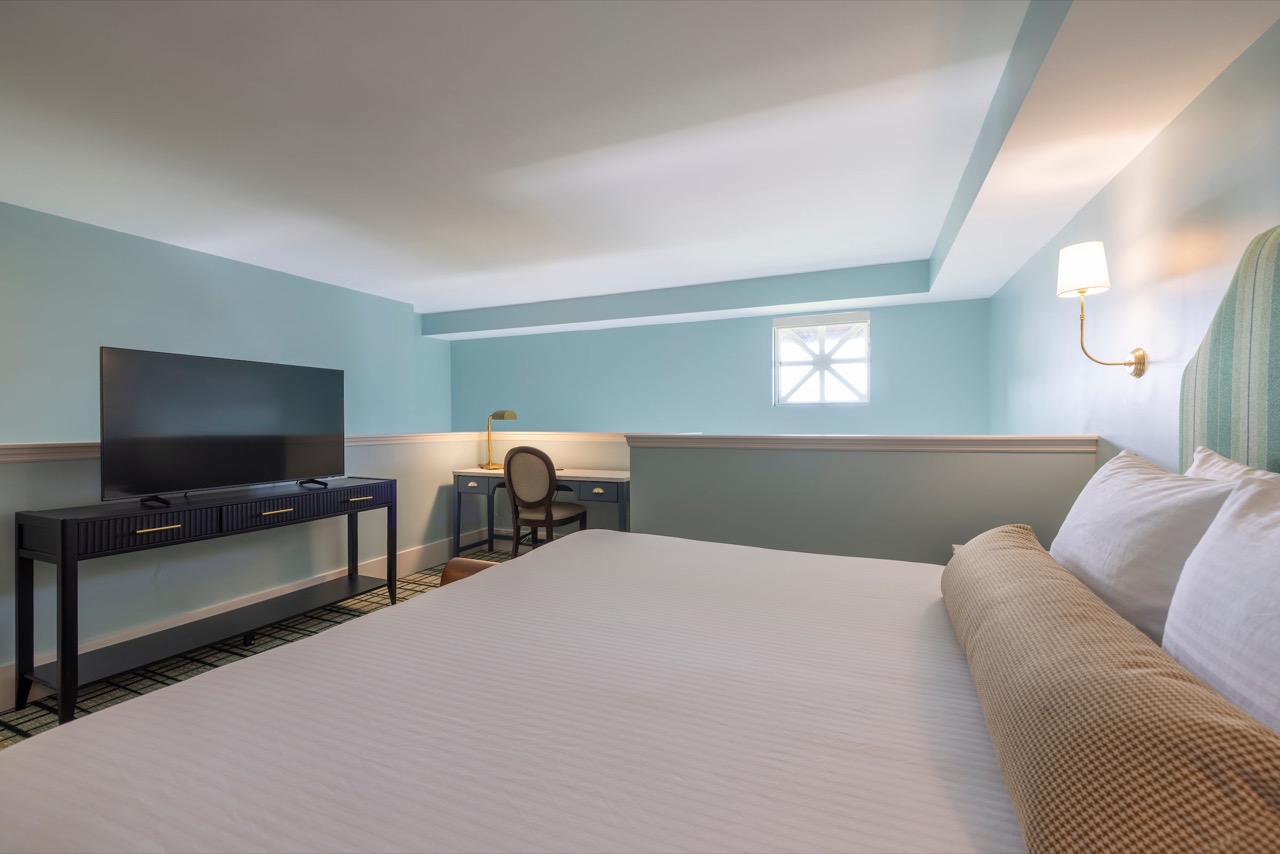
3.Something else arrived the winter before last. Caesars Virginia opened within walking distance of The Laurel, a $750 million project with 320 rooms. Six months in, monthly revenue ran around $30 million and monthly visitors around 175,000. A textile town had switched over to being a casino town.
4.The work started at the ground. The foundation came down five feet and the floors dropped three. Office ceiling heights do not give you guest rooms, and if you cannot go up, where do you go. Down. The original elevator shaft stayed, and the windows were pulled out, restored, and set back into the same openings.
5.No two of the 36 rooms share a plan. You cannot cut an office building into bedrooms and get identical results. There are kings and queens, deluxe rooms, wheelchair-accessible rooms, a two-story loft, and separate spa rooms with deep soaking tubs. Every room is a different product, and that difference turns into cost the moment you manage channels.
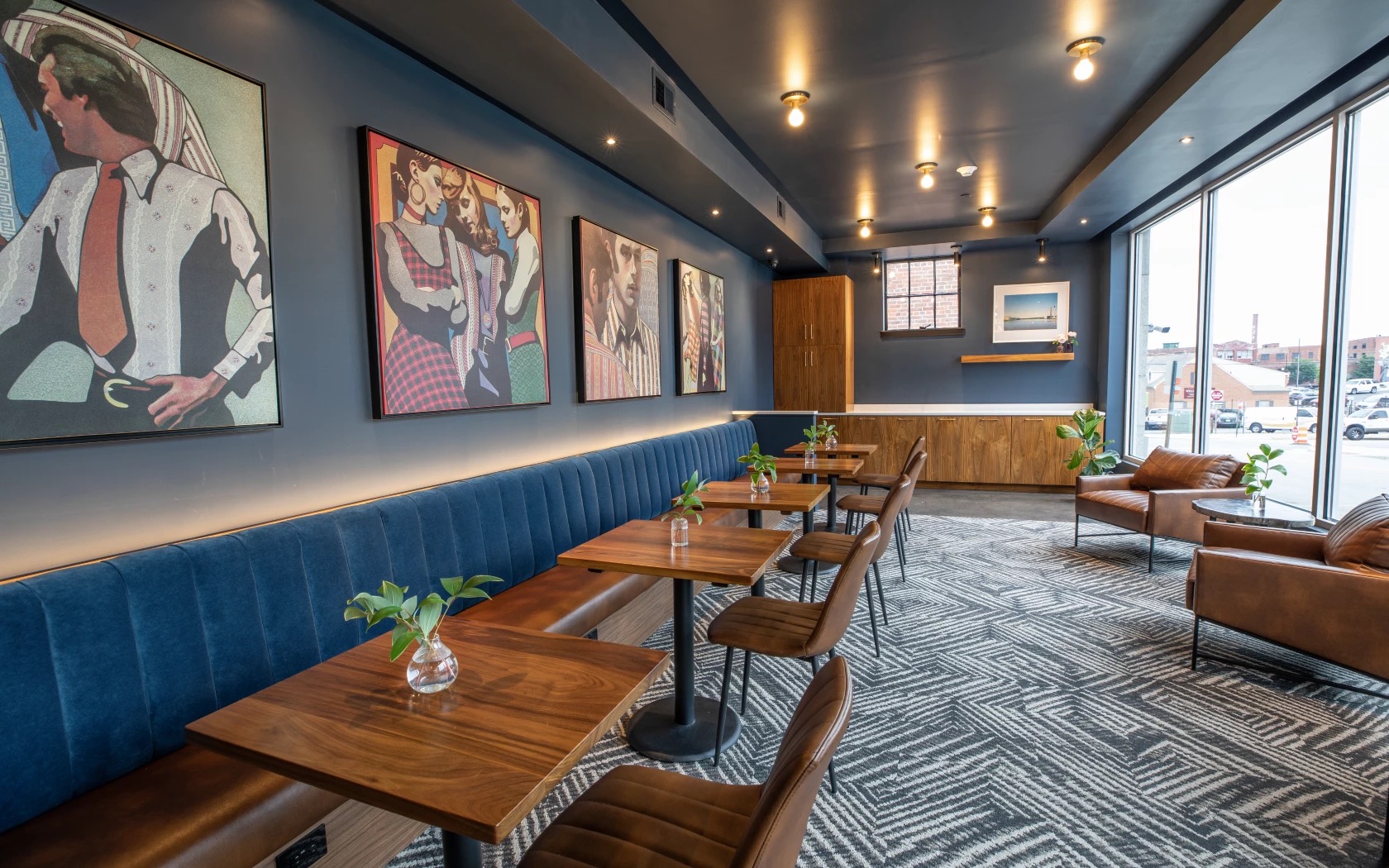
6.The ground floor walls are wrapped in wood paneling milled in Salem. Carpet patterns and photo mats were taken from bedding designs the company once sold, and one corner of the ground floor holds a display of company history. Old plate glass bends the view outside a little. That sensation would have disappeared with new windows. The reason for keeping them was not taste. It was money.
7.Total project cost runs past $15 million, which is $417,000 per room. Building a hotel of this class new in the United States costs $250,000 to $350,000 per room. Fixing the old building came out more expensive.
8.The reason sits in the paragraph above. Lowering a foundation, pulling windows out to restore them, hunting down matching materials: none of that finishes cheaply. Take the historic tax credit and every original element must be restored, or where that is impossible, matched exactly in material, color and texture. The rules set the method, and the method sets the cost.
9.Something comes back in return. The federal government returns 20 percent of qualified rehabilitation expenses as a tax credit, and Virginia returns 25 percent. Forty-five percent together. Not all of the project cost qualifies, so with qualified expenses at $11.5 million, $5.2 million comes back and the money actually sunk drops to $9.8 million. That is $272,000 per room. Only here does the number land near new construction. The credit figure is this article's estimate; the developer disclosed only the project cost.
Cost and tax creditThe $9.8 million net figure assumes $11.5 million in qualified rehabilitation expenses, an estimate by this article.
10.Rooms move at around $195 a night. Put first-year occupancy at 60 percent and revenue per available room lands at $117, with annual room revenue near $1.54 million. That is under a sixth of the $9.8 million sunk. Even at a generous 30 percent operating margin only $460,000 a year remains, and selling rooms alone does not pay this building back. The rate comes from the public booking screen, the occupancy from this city's lodging market.
11.So the math does not run on one hotel. Ed Walker has already fixed two others in this city. The Bee, in a former newspaper office, opened with 47 rooms in 2020; The Holbrook, in a 1957 medical building, opened with 45 suites in 2023. The three go by Danville Hotel Collection. Retro Hospitality runs them.
12.The reason to bundle is payroll. Seat a general manager, a revenue manager and an accountant at a 36-room hotel and that payroll alone eats more than 5 percent of revenue. Run three properties and 128 rooms as one organization and the same person costs 1.6 percent. The collection now has a single area lead across all of it, with sales, reservations and accounting sitting on the management company's side. A small hotel buys with scale what it can never afford alone.
Overhead and bundled operationsSame person, and the share falls to a third. This is how a small hotel buys scale.
13.Sales happen next door. When Caesars Virginia fills up it has been sending guests to The Bee and The Holbrook, and now The Laurel joins them. The casino does not treat them as competition. 320 rooms cannot hold 170,000 people a month. Where a full-service hotel would staff a ballroom and a convention floor to fill itself, here the overflow from the building next door does the filling.
14.There is also a reason the casino does not hold those guests itself. A large share of casino rooms go out free to strong players, and those nights never book as revenue. Sending the cash-paying guest next door serves the casino too. One side uses rooms as bait; the other sells them.
15.The numbers have cooperated so far. Danville and the county beside it were Virginia's fastest-growing tourism destination in 2024. Visitor spending hit $275 million, up 23.5 percent on the year, and the city's lodging tax rose with it. But the growth came out of essentially one place. That is the soft spot in this business. If the casino's numbers turn, all three properties move at once. The population is still shrinking.
In a city of 41,000 a textile company's head office became a 36-room hotel, and the work cost more than $15 million. What makes $417,000 per room work is that 45 percent of qualified rehabilitation expenses comes back through taxes; without that money the building would still be empty. Anyone trying this in Korea hits that same spot first. Listing a modern building as a registered cultural property brings acquisition and property tax relief plus partial repair subsidies, and nothing that returns anywhere near half the construction cost. Fixing an old building runs more expensive than building new, and with nothing to cover the difference the money has to come out of the room rate or out of land appreciation. The first road rarely opens in a small Korean city.