They built a retail complex on an abandoned rail corridor and put in only nine rooms
2026.08.27
A 17-tenant complex opened in March on the site of an old rail corridor in front of Karuizawa Station, and in April a nine-room hotel opened inside one of its buildings. The hotel has no restaurant and no public bath. Everything is in the building next door.
1.HACIENDA KARUIZAWA opened on April 25. It sits in Karuizawa, Nagano Prefecture, one minute on foot from Karuizawa Station on the Hokuriku Shinkansen. Nine rooms, from 38,000 yen per person based on double occupancy. Design was supervised by The Conran Shop.
2.The site matters more than the hotel. Karuizawa T-SITE opened on March 17: a 13,000 sqm plot, 5,400 sqm of floor area, six steel-framed buildings and 17 tenants. The land belongs to Shinano Railway. It is the former Shin-etsu Main Line track bed, abandoned in 1997 when the Hokuriku Shinkansen opened.
3.Three companies split the work. Mitsubishi Estate leased the land from the railway and built, AQUAIGNIS runs the hot spring and the hotel, and Culture Convenience Club runs the shops and the lounge. Construction ran from March 2024 to February this year.
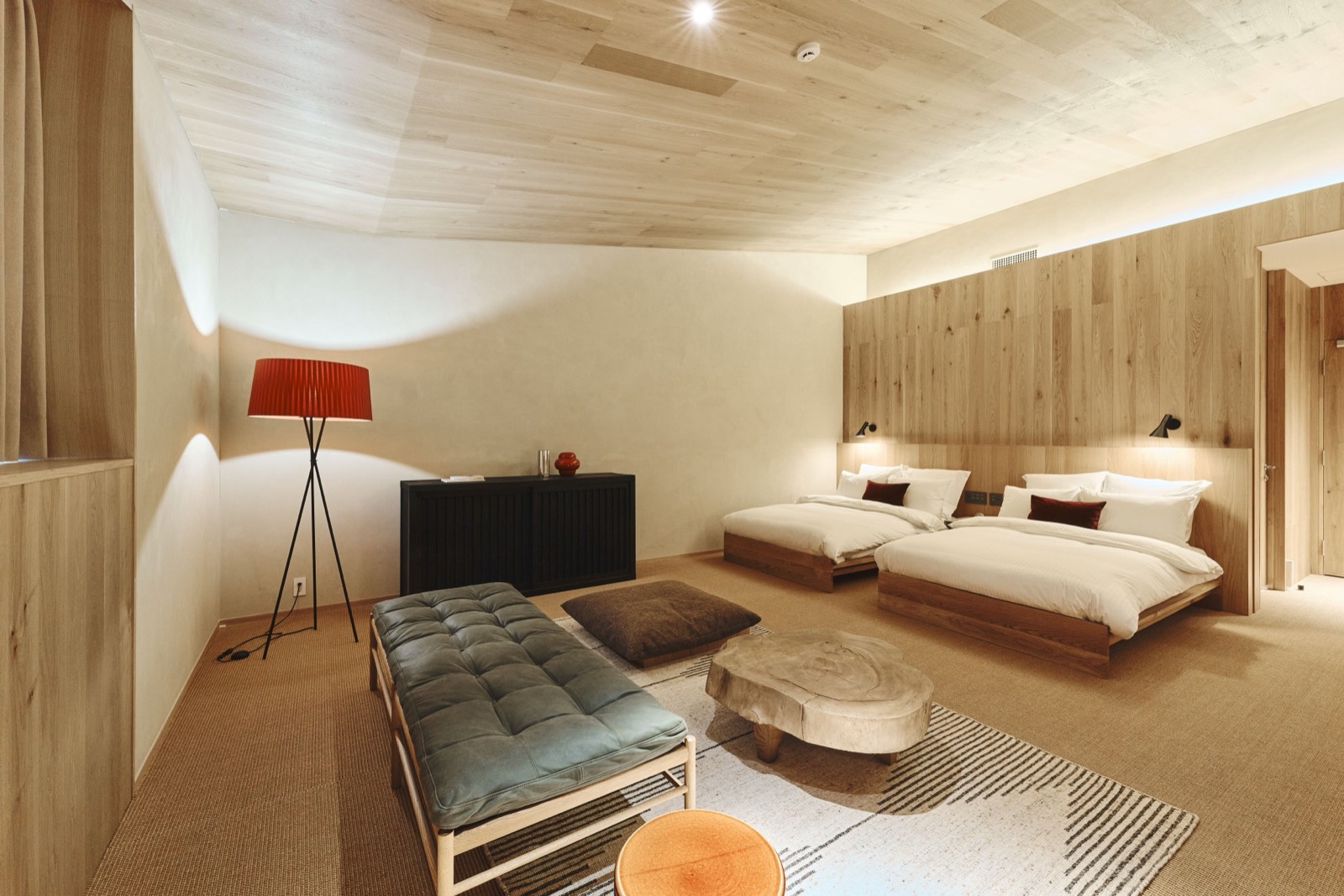
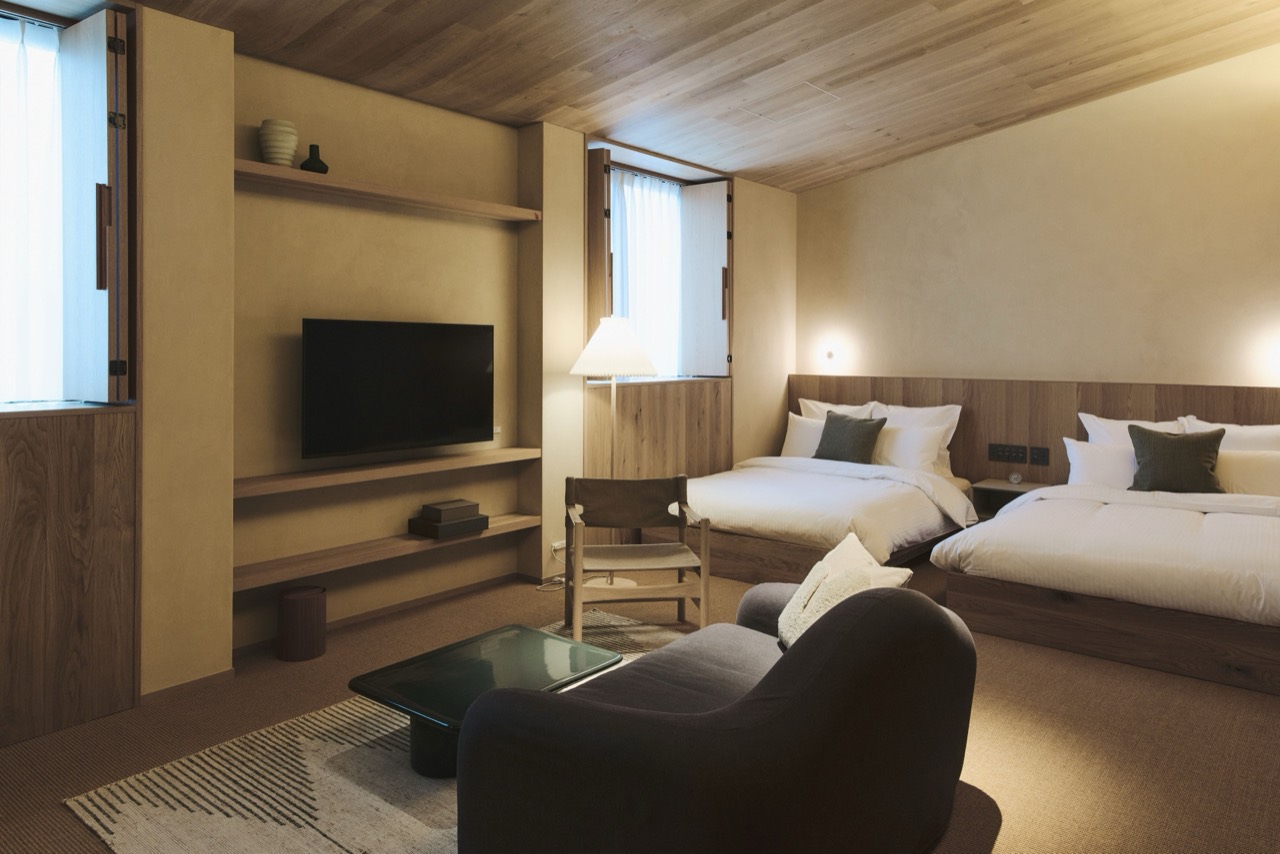
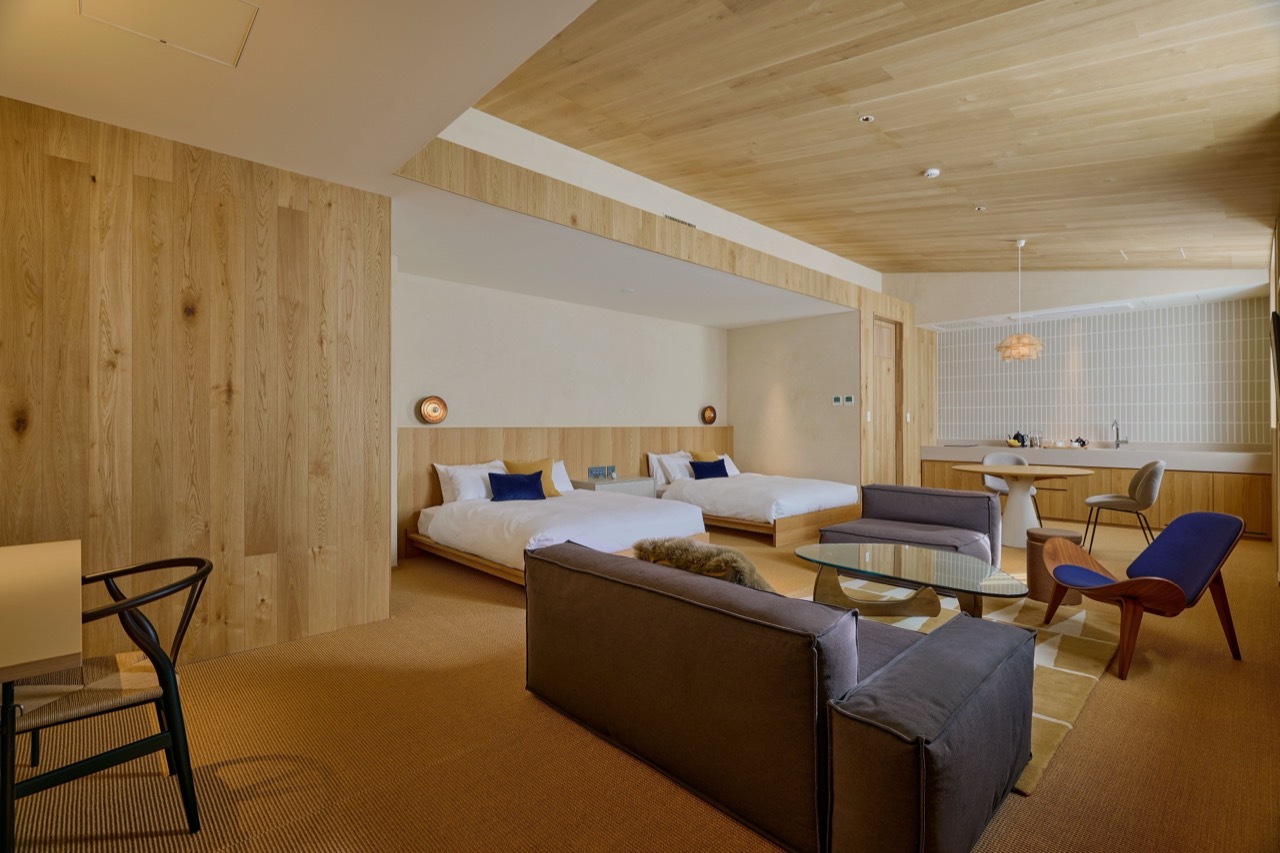
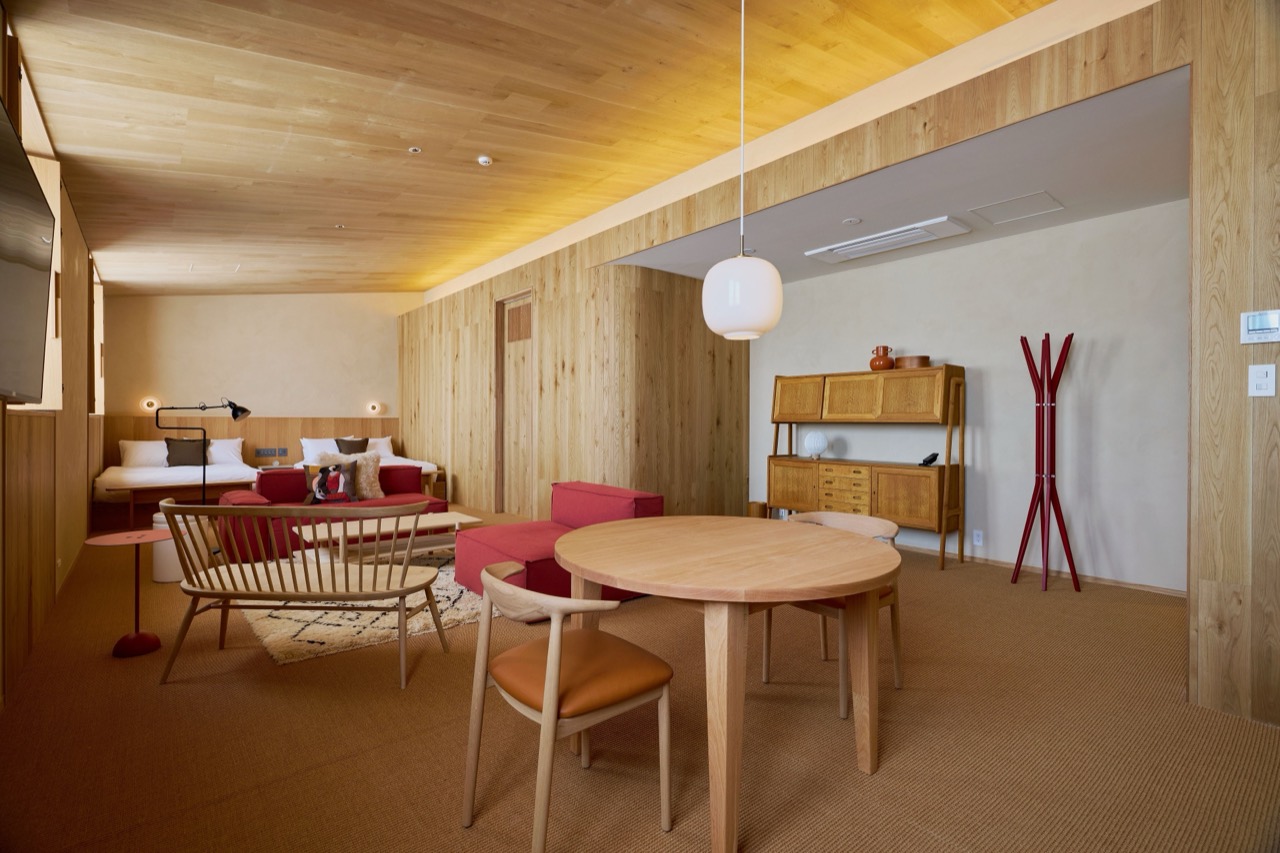
4.There are three room types: three at 52 sqm, three at 51 sqm, and three at 75 sqm with a kitchen and a dining table. Only the last group starts at 48,000 yen per person. A standard Japanese city hotel room runs about 20 sqm, so even the smallest room here is two and a half times that.
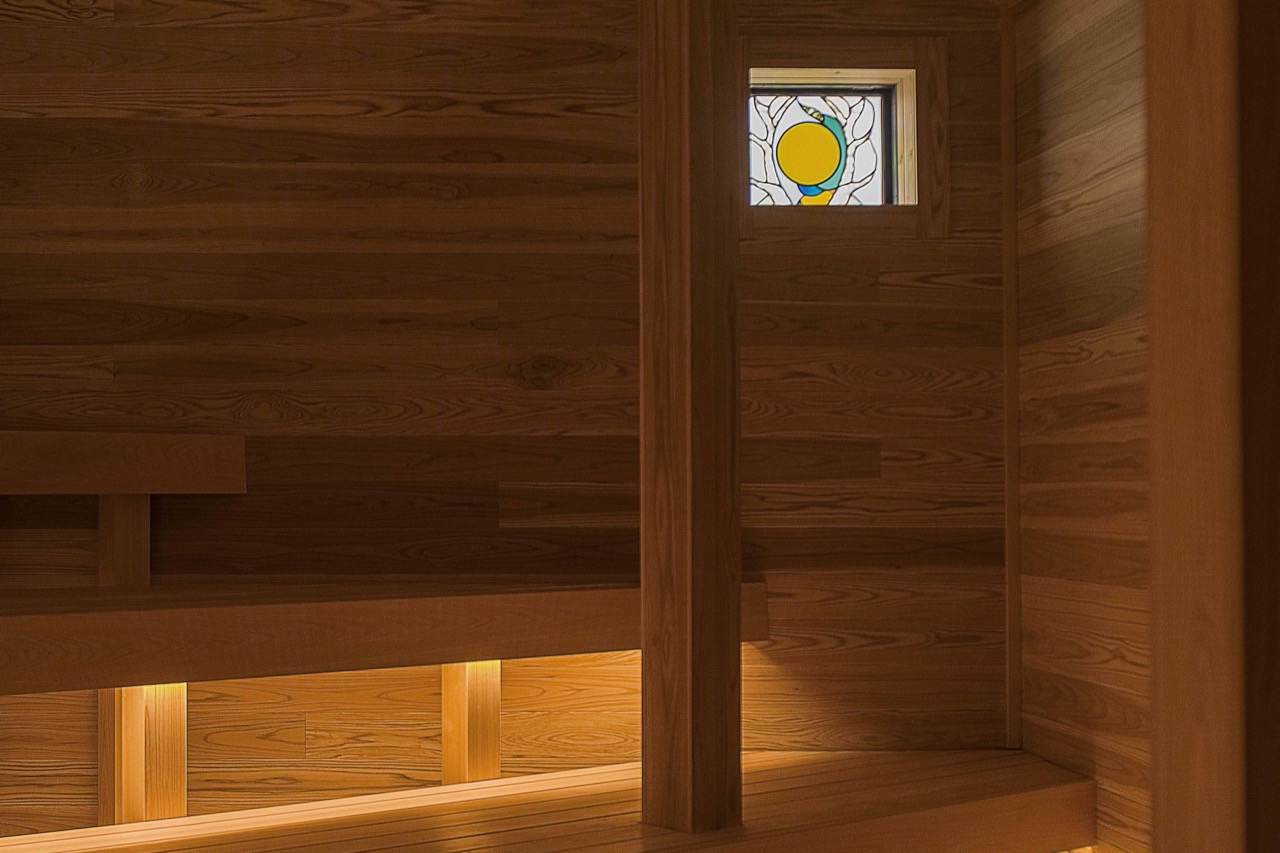
5.Carpet swallows footsteps. Nobody raises their voice in a room like this. The windows run low and wide, and at night the middle of the room goes dark because almost nothing is mounted on the ceiling. Timber, plaster and carpet absorb sound, and a room built that way is a room built for sitting still. Yet this complex only makes money when guests leave the room.
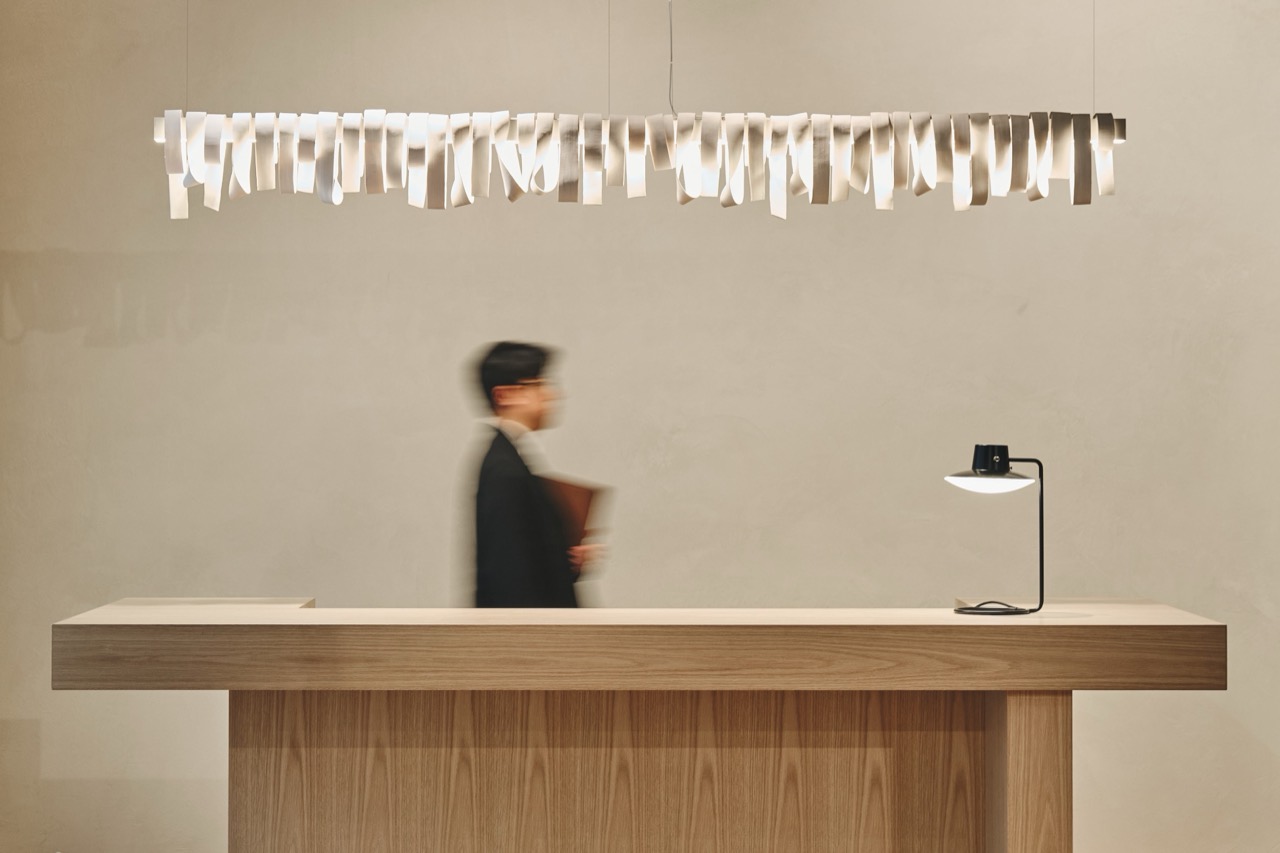
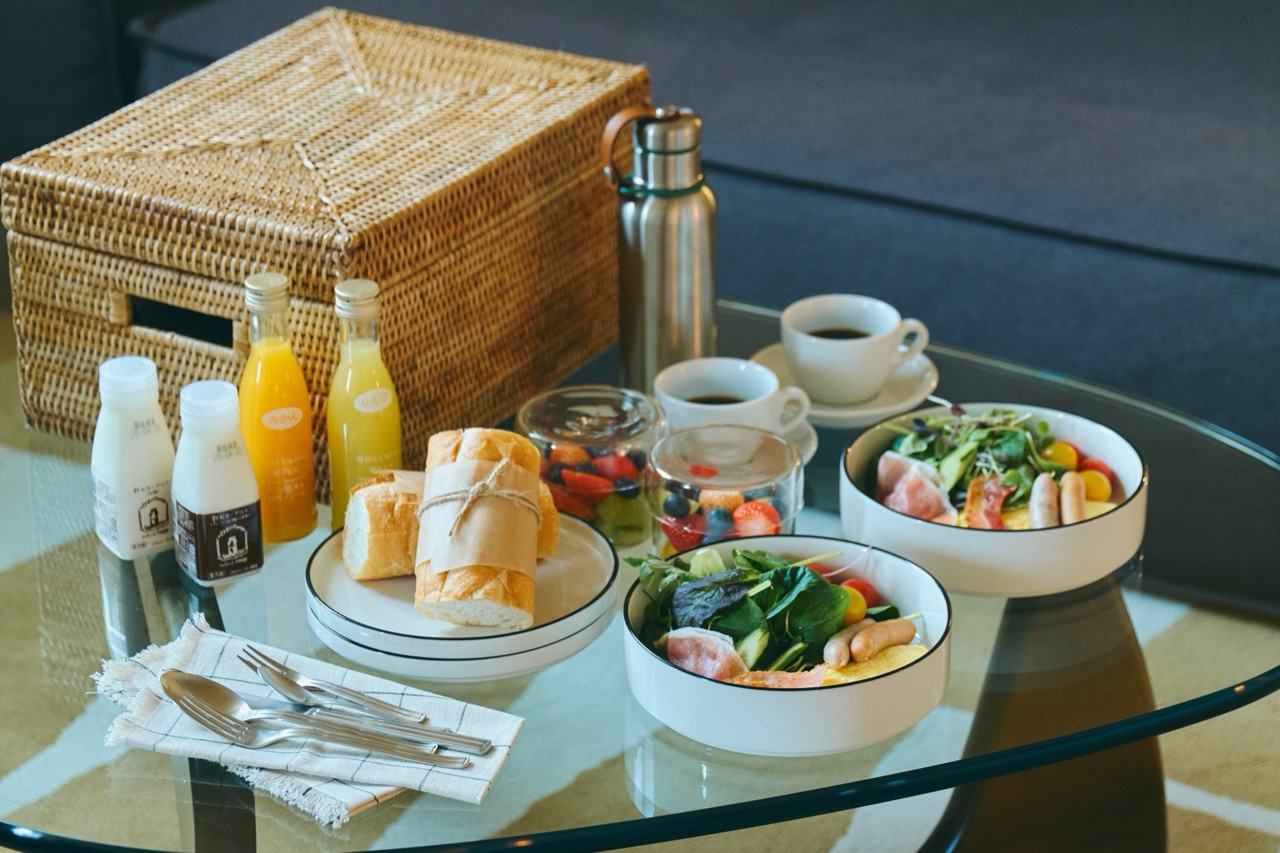
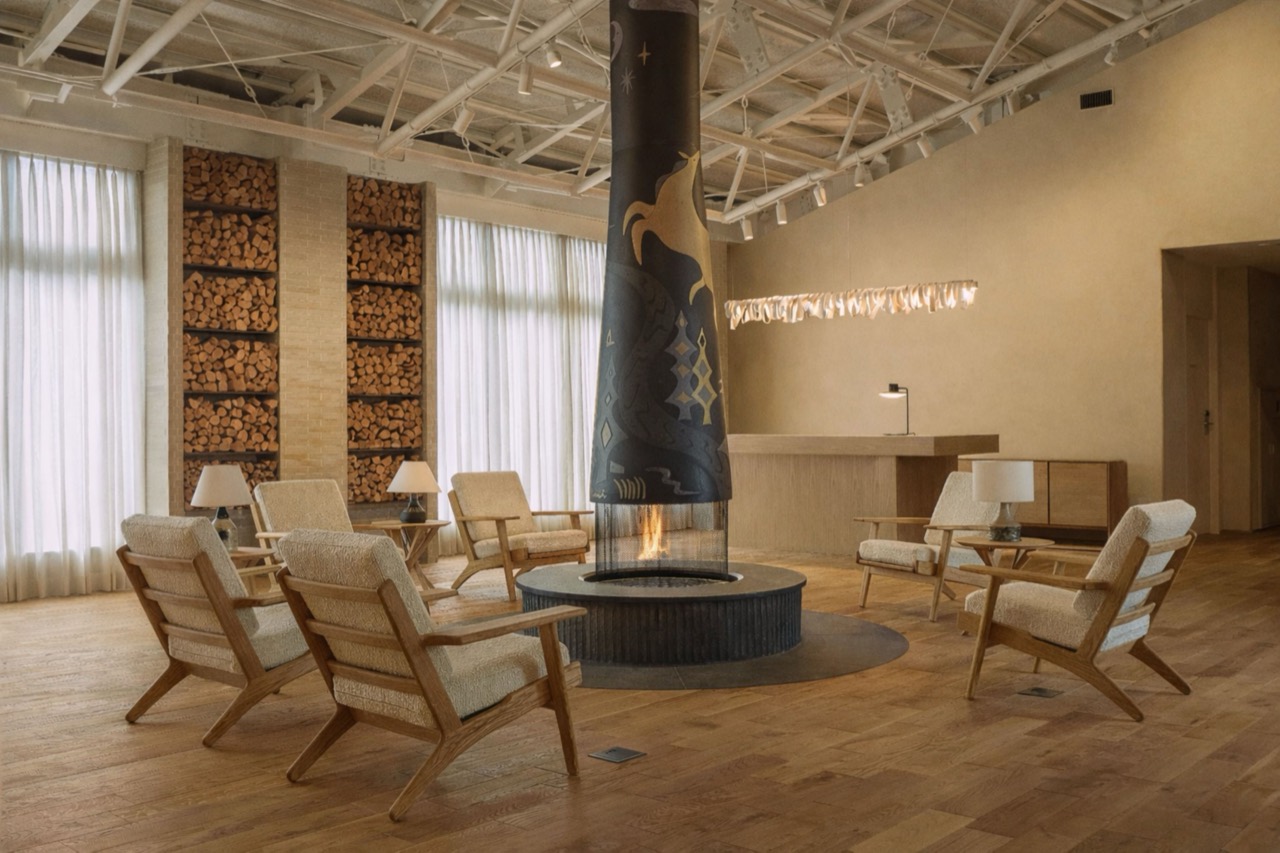
6.It is faster to count what this hotel does not have. No restaurant, no bar, no public bath. One front desk counter and a library are the whole of the shared space. Breakfast arrives in a basket: bread from a Karuizawa bakery, yogurt from Atelier de Fromage, apples from Shinshu. The takeaway window opens for thirty minutes from nine in the morning, and the hotel says it is charged separately.
7.What comes in on a full night? Six rooms at 51 to 52 sqm bring 76,000 yen each, and three at 75 sqm bring 96,000. That is 744,000 yen, an average of 82,700 per room.
One full nightFigures in yen. Actual rates move with the date, the number of guests and the meal plan.
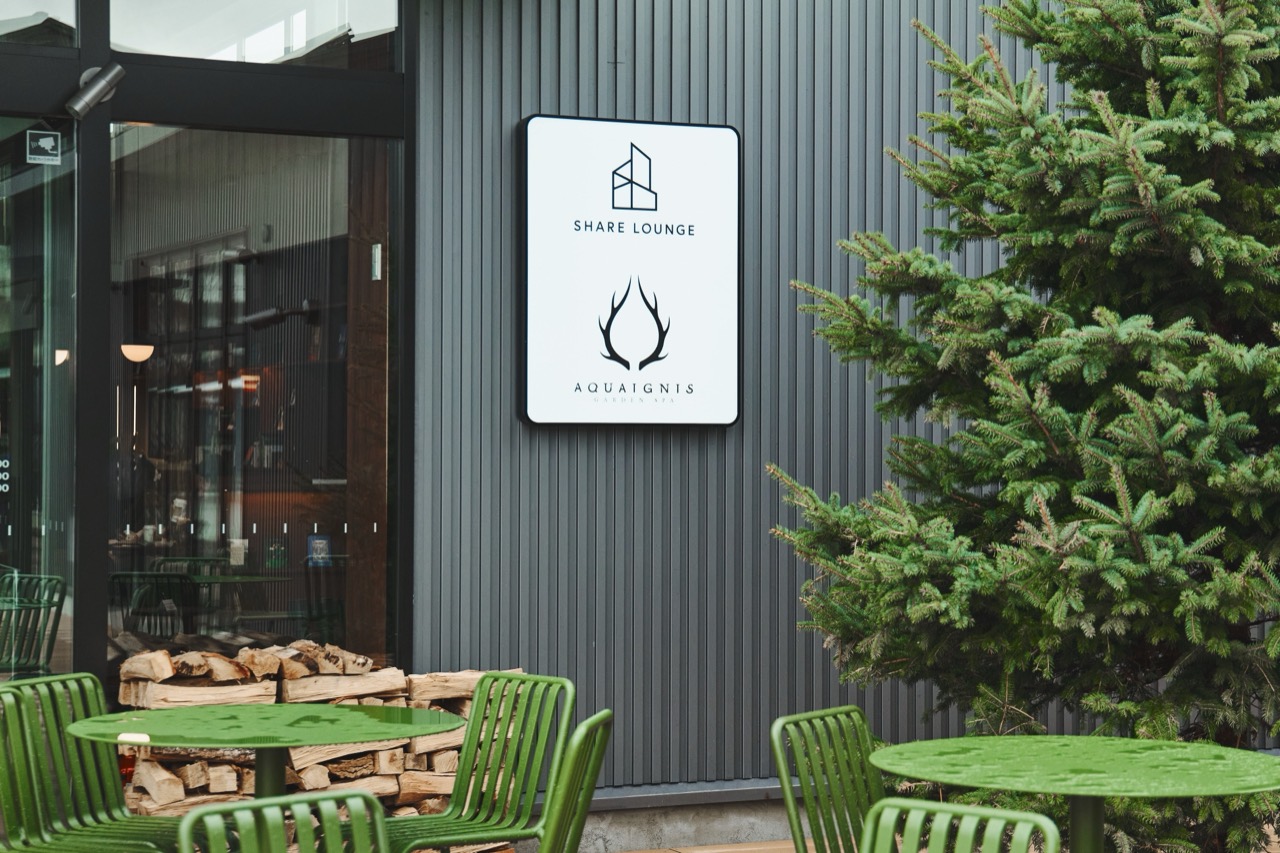
8.From here on these are our estimates. Japanese resort hotels ran 56.9% occupancy last year, so at 60% the revenue per available room is 49,600 yen and annual room revenue comes to 162.9 million. The 534 sqm of net room area works out to 161.5 pyeong. That is a little over one million yen per pyeong a year, or 84,000 yen a month, roughly KRW 730,000.
A year of revenue against areaOccupancy, revenue and the value of the included passes are our estimates, drawn from published rates.
9.Staffing is thin for the same reason. No kitchen means no cooks, no bath house means nobody running one. Two front desk shifts and the cleaning of nine rooms come to about six people, or 0.7 per room. That number only holds because the same company also runs the hot spring next door. Take the hotel out on its own and it cannot even carry one general manager.
10.Where would a 200-room hotel have found this money? Food, beverage and banquets. A full-service hotel draws a quarter to a third of revenue from that side, which means building a kitchen and a banquet hall and keeping cooks on the payroll year round. This one gave up that revenue entirely and did not build any of it. Guests eat in the building next door, and the tenants keep the money.
11.What went in instead is access. From check-in to check-out, guests use AQUAIGNIS GARDEN SPA and the share lounge at no charge. The spa costs 1,600 yen on weekdays and 1,800 on weekends and holidays, and the lounge starts at 1,870 yen an hour, so two people on one night are handed roughly 4,000 yen of it. Against a 76,000 yen room rate, a little over 5% comes back as access.
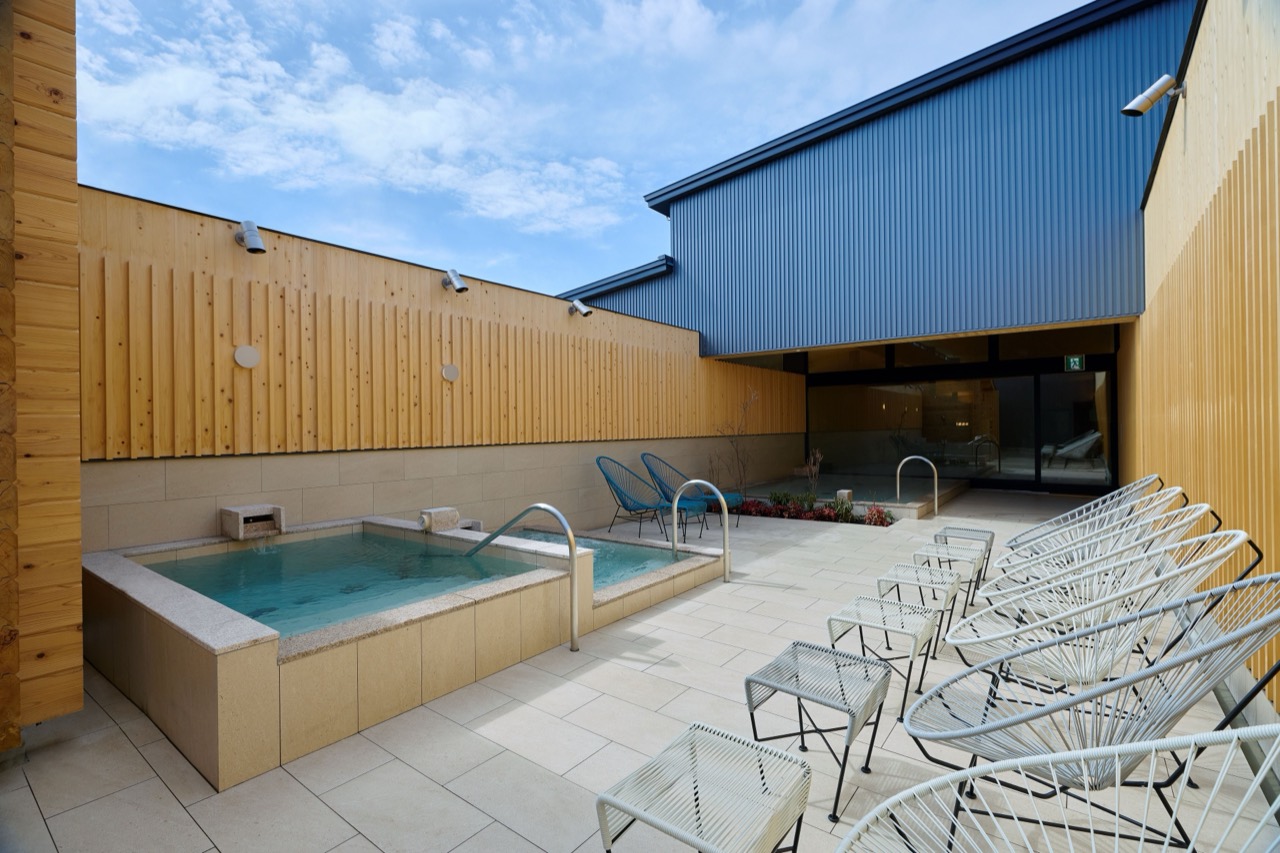
12.The hot spring extended its hours to match the hotel's opening. In March it opened at eight in the morning; from April 25 it opens at six and closes at eleven at night. Whoever gets into the bath at six is not a local. With nine rooms full, 18 people start their morning inside the complex, and they are in it before the shops open.
13.Karuizawa has always drawn day trippers. It is a little over an hour from Tokyo by Shinkansen, so people come in the morning and go home in the evening. Putting only nine rooms one minute from the station is a bid to peel one night off that flow, and with only nine there is no reason to price against the market average.
14.The T-SITE format itself is something Culture Convenience Club has run in Daikanyama and Shonan, while AQUAIGNIS began in 2012 with a 49,000 sqm hot spring resort in Komono, Mie Prefecture. This is the first time a retail developer and a hot spring operator have landed on the same site.
15.The weak point is the calendar. Karuizawa draws 650,000 visitors in August and 260,000 in December. With nine rooms there is no closing a floor in the low season, and no headcount left to cut. Taxes now stack in two layers as well: since June the prefecture takes 100 yen and the town 150, for 250 yen per person per night.
Closing
A commercial complex went up on an abandoned rail corridor, and nine rooms went into one of its buildings. At an average of 82,700 yen a room and 60% occupancy that is 162.9 million yen a year, or roughly KRW 730,000 per pyeong a month, and the reason those numbers work is that the restaurant and the bath were built next door by somebody else. In Korea the first obstacle is the room count itself. Annex 1 of the Enforcement Decree of the Tourism Promotion Act requires 30 or more rooms with bathrooms for a tourist hotel and 20 to 29 for a small hotel. A nine-room property cannot register as tourism accommodation at all and can only file as a lodging business under the Public Health Control Act, which means no star rating and none of the financing or tax treatment that comes with tourism accommodation. Anyone sketching a few rooms inside a commercial complex should count the rooms before drawing the plan.