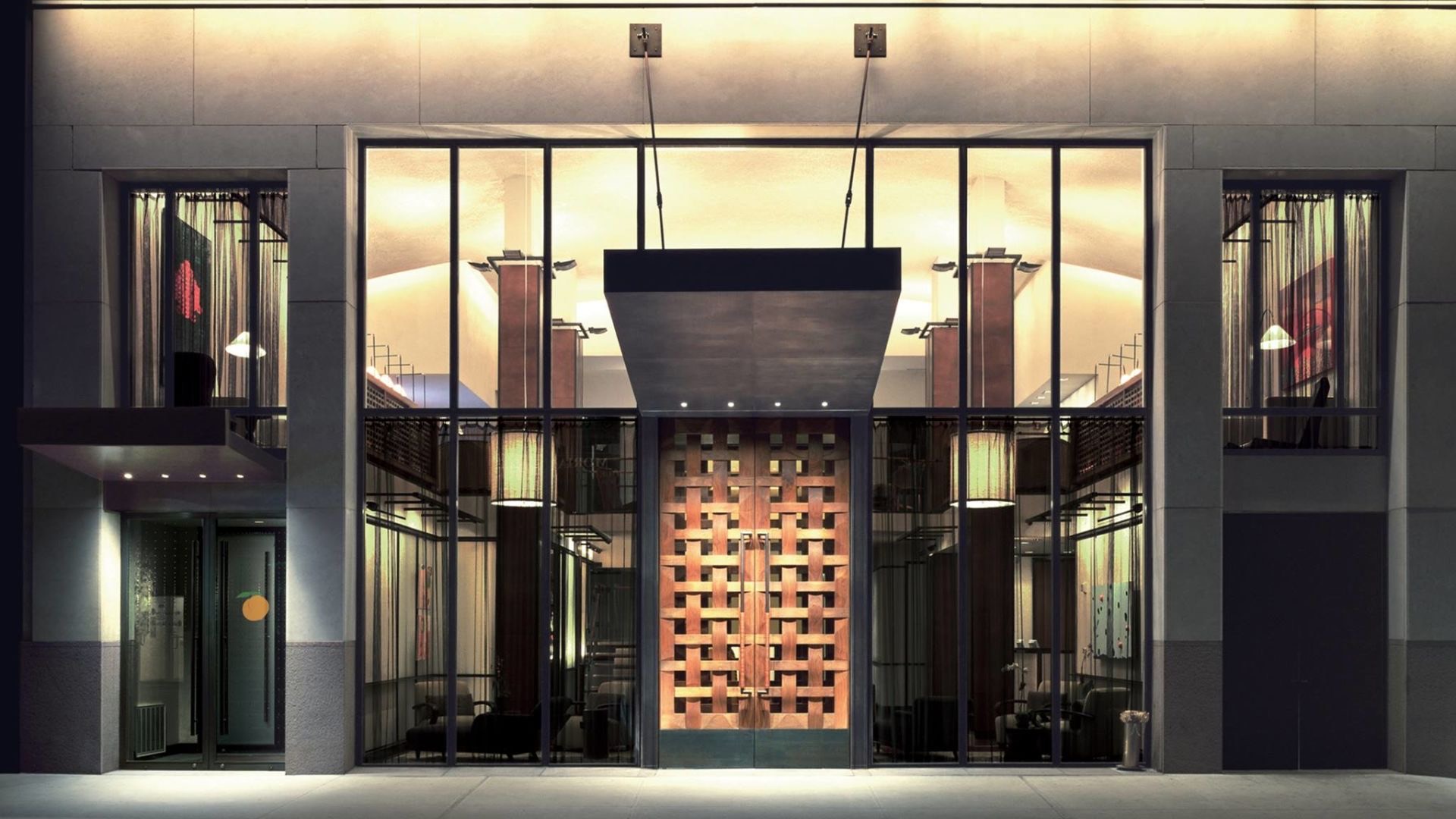
The West 56th Street frontageThe lobby shows through two storeys of glass. The centre doors are woven from timber. ⓒThe Chambers Hotel
Daily Hotel
The operator that leased the whole hotel went bankrupt (US · boutique)
2026.08.28
A 77-key boutique hotel in Midtown Manhattan sat dark for eight months, then reopened on 25 June. It did not close for lack of guests. It closed because the operator that had leased the whole building collapsed.
1.The Chambers Hotel resumed operations on 25 June. It stands at 13-15 West 56th Street in Midtown Manhattan, one block west of Fifth Avenue and a three-minute walk from the Museum of Modern Art (MoMA). Seventy-seven rooms including suites, sixteen storeys. This time it carries no chain's name.
2.Start with the date it went dark. On 7 November last year Marriott International notified the operator Sonder that it was terminating the licence agreement, and three days later Sonder halted operations outright. On 13 November it filed Chapter 7 in the Delaware bankruptcy court. Liquidation, not reorganisation, so the company ended that day.
3.Sonder held roughly 7,500 rooms worldwide, about 1,000 of them in New York. Some 1,150 staff were laid off at once and the reservation system went dead. One owner learned that his own hotel was closing from a news report. Chambers was one of those 7,500 to go dark.
4.The building sold on 18 May this year. BD Hotels, which had held the site since 1998, passed it to Toronto-based Hennick & Company for $66.2 million. Roughly 92.7 billion won. Eastdil Secured brokered the deal, and it was the first change of hands in twenty-eight years.
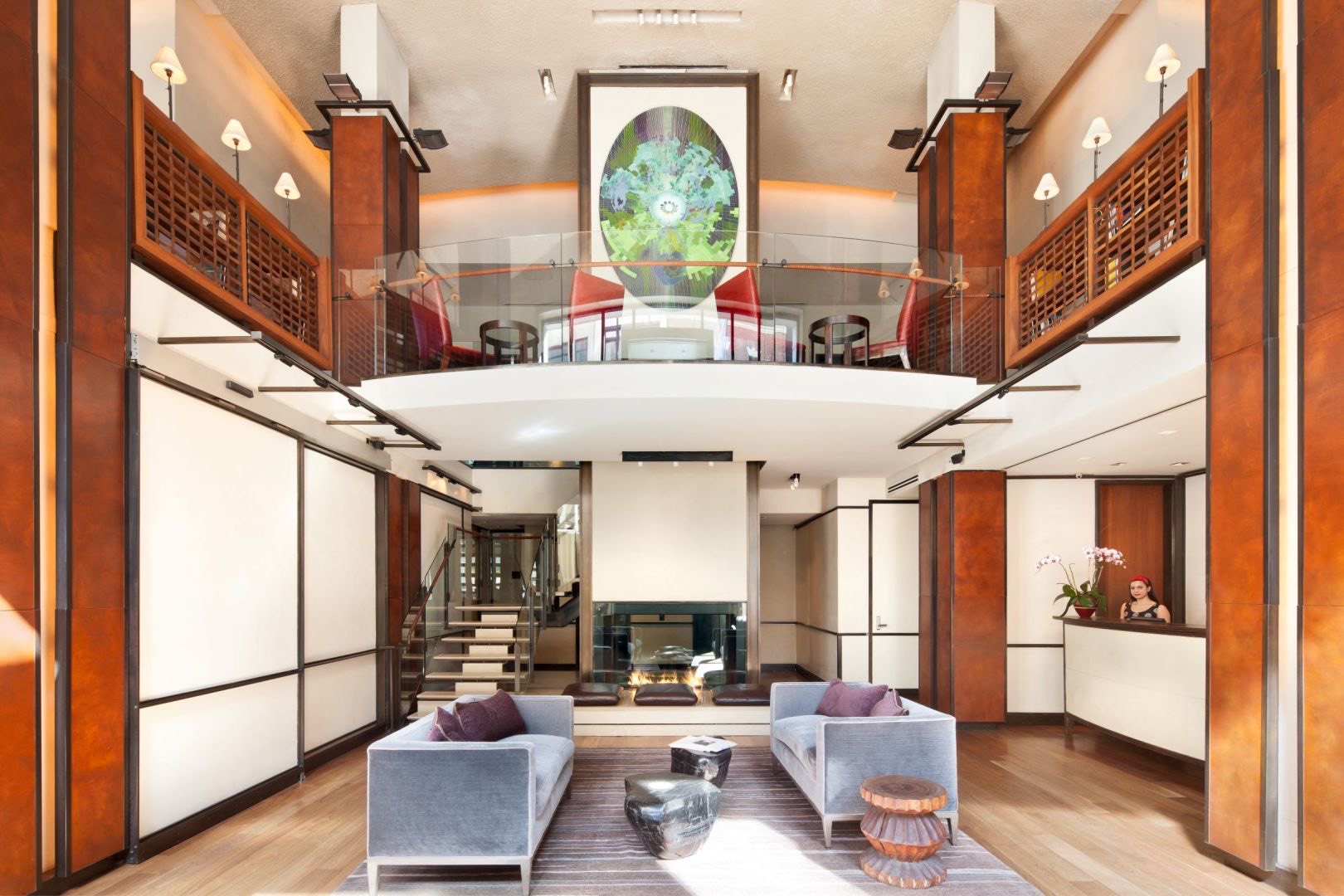
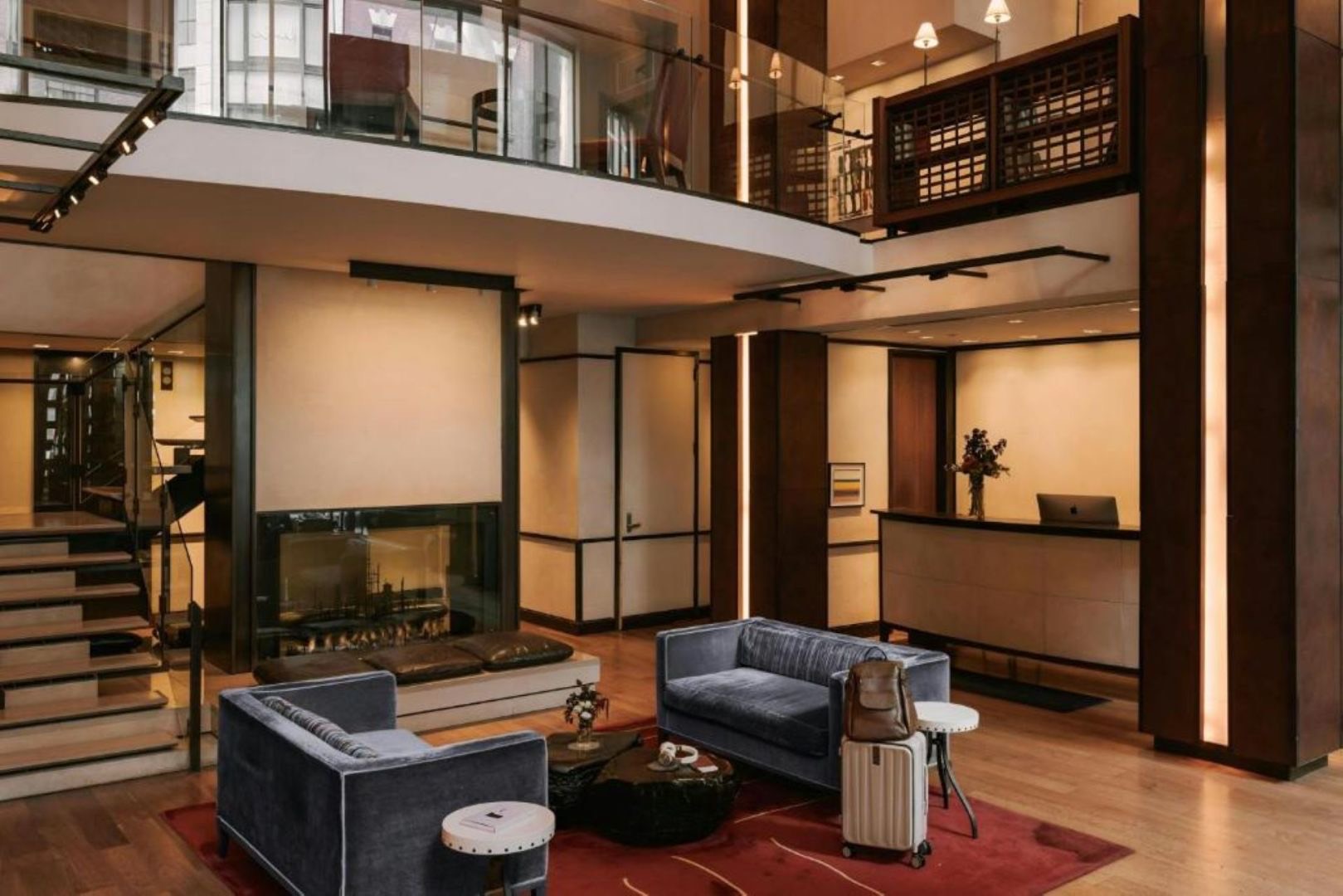
The lobbyThe ground floor and mezzanine open into a single volume. The fireplace sits in the middle, the front desk at the right edge. ⓒThe Chambers Hotel
5.The building itself is a 2001 new-build. Rockwell Group designed it, the practice's first ground-up building in New York. The clients were three men: Ira Drukier, Richard Born and Steve Caspi. The original brief was to make the lobby feel not like a hotel lobby but like the living room of a private collector's townhouse.
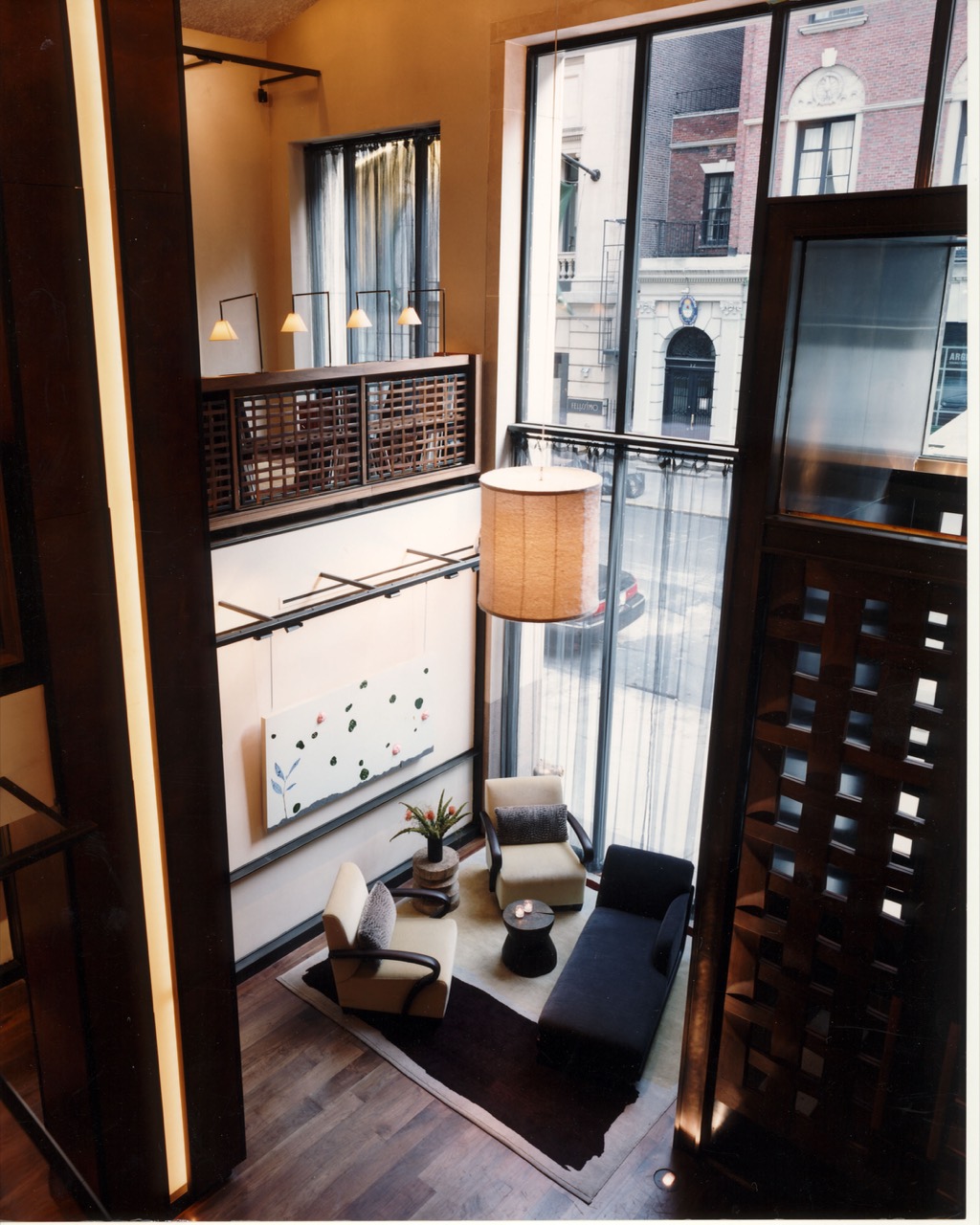
6.That brief is now an asset. More than 500 works of contemporary art hang across the public rooms and guestrooms, and the ground floor and mezzanine were cut open into one volume. Loosely woven timber railings, columns finished in oxidised copper tones, chain curtains hung inside the windows. A 2001 sensibility has held up for twenty-five years.
From the mezzanineBelow the timber lattice railing is the ground floor. Outside the window is the far side of West 56th Street. ⓒRockwell Group
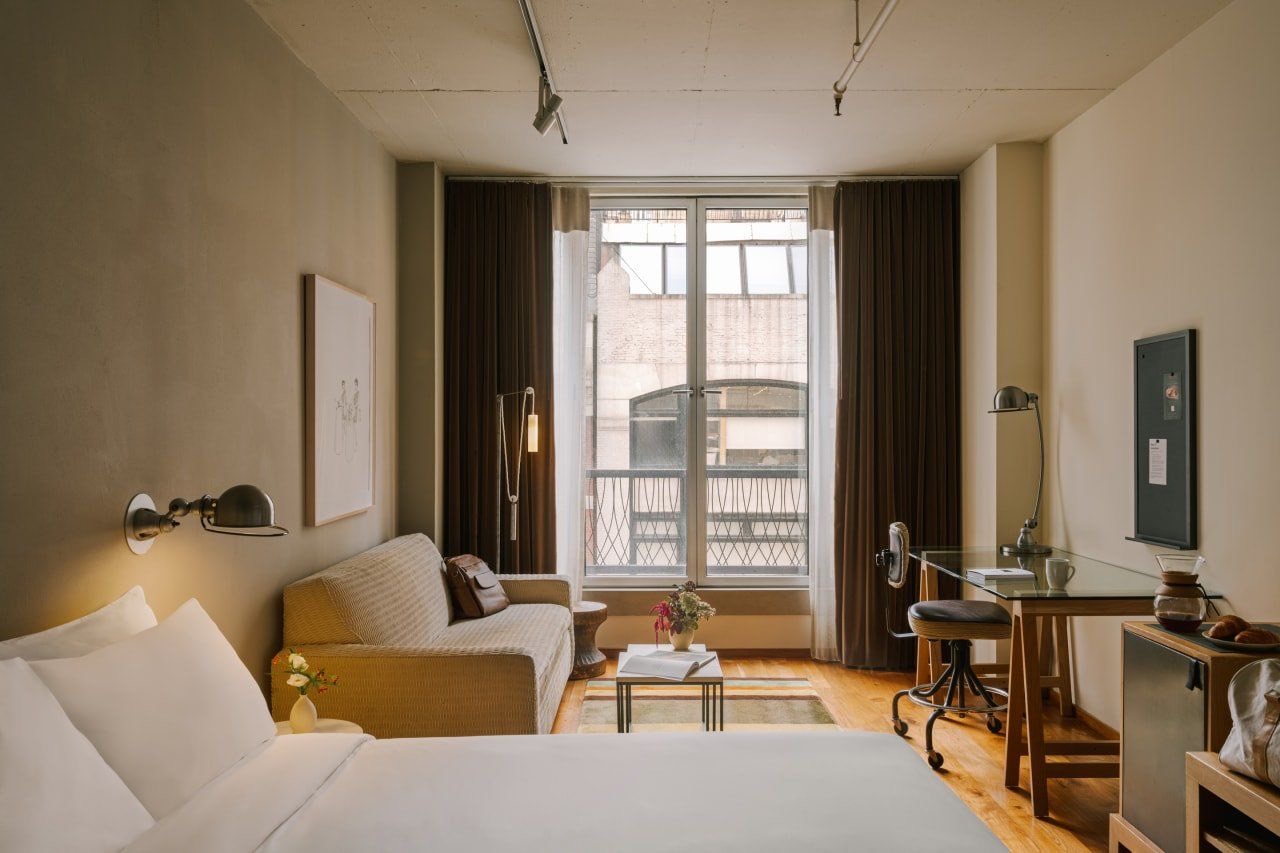
7.The rooms range widely, from studio doubles to a two-storey penthouse. Concrete slabs were left exposed at the ceiling along with the ducting and track lighting, and the walls are earth-toned plaster. The windows are inward-opening French casements. A few upper-floor rooms get private terraces; the rest get Juliet balconies, railings and nothing more.
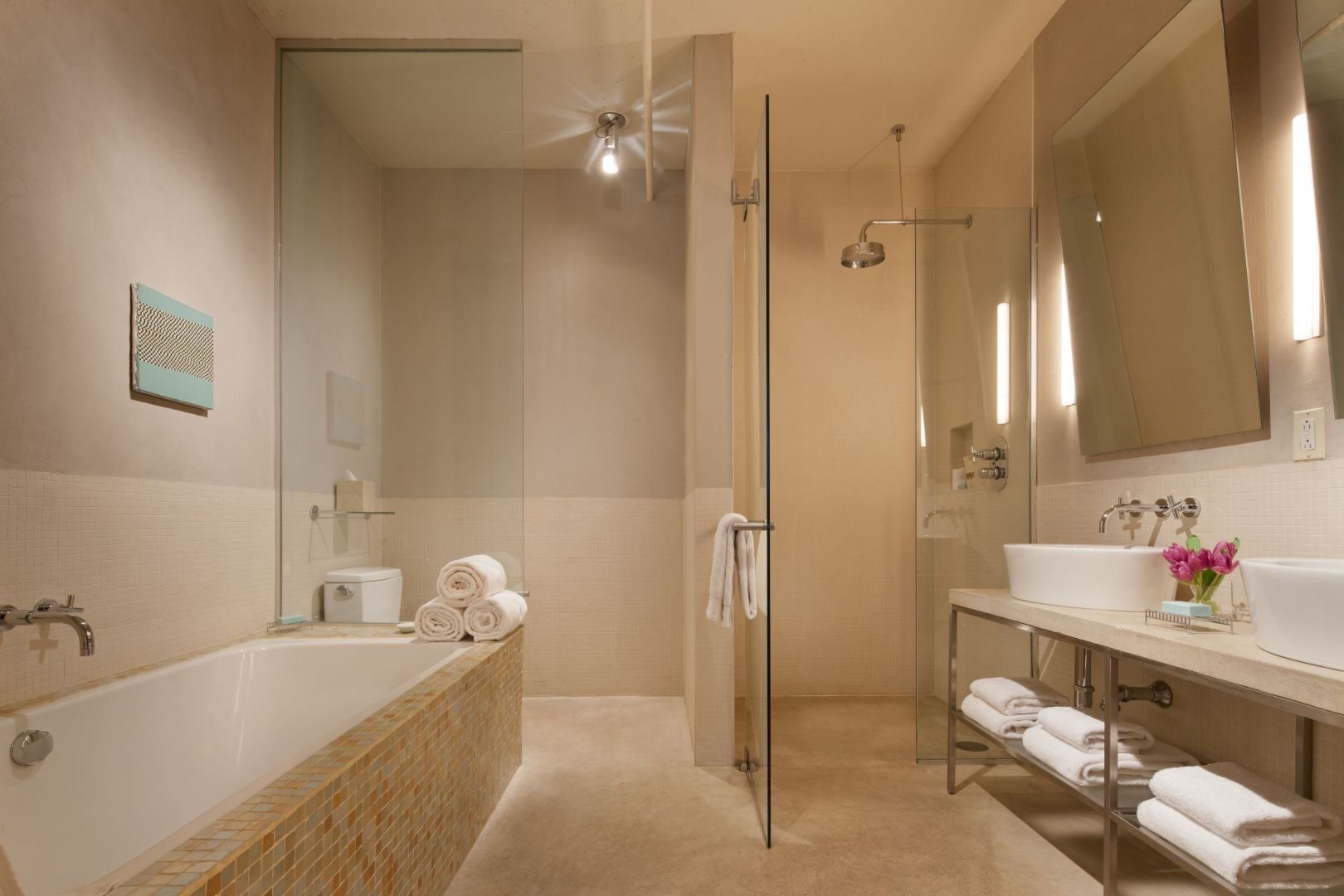
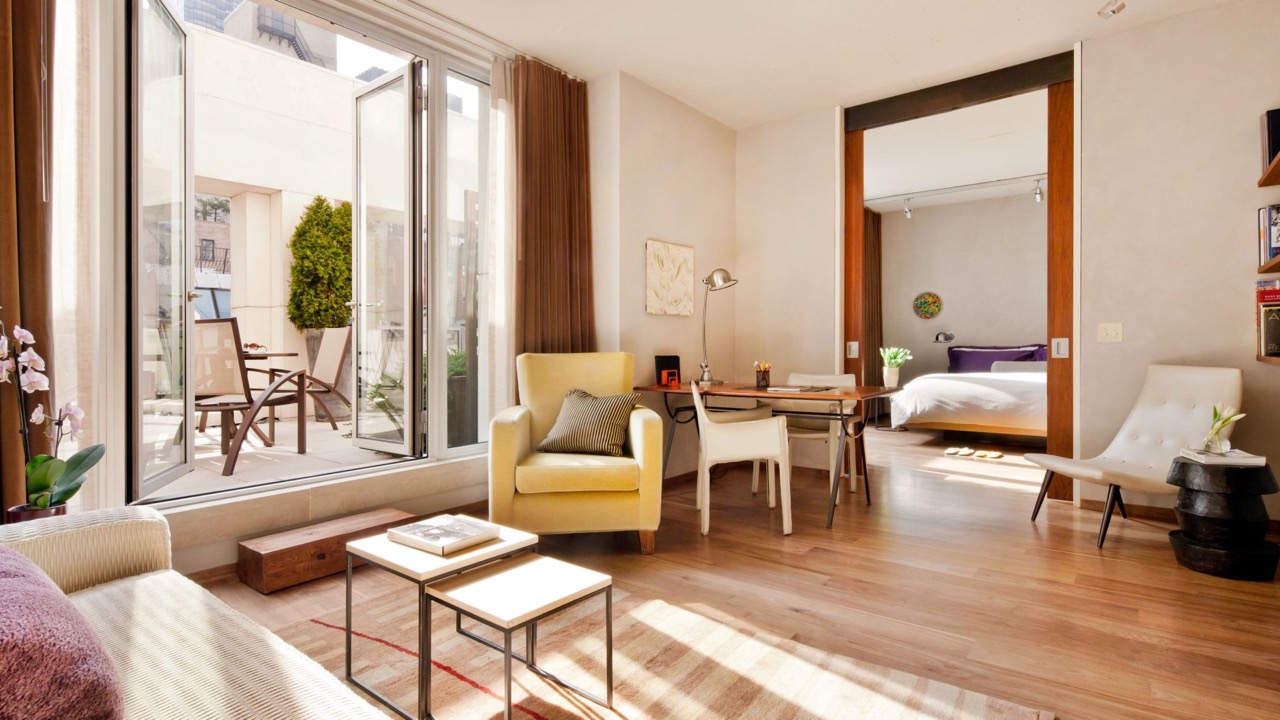
A guestroomThe ceiling slab was never covered. The railing outside the window is the Juliet balcony. ⓒThe Chambers HotelThe bathroomTub and shower are separated and the vanity is split in two. Below the dado is fine mosaic tile. ⓒThe Chambers Hotel
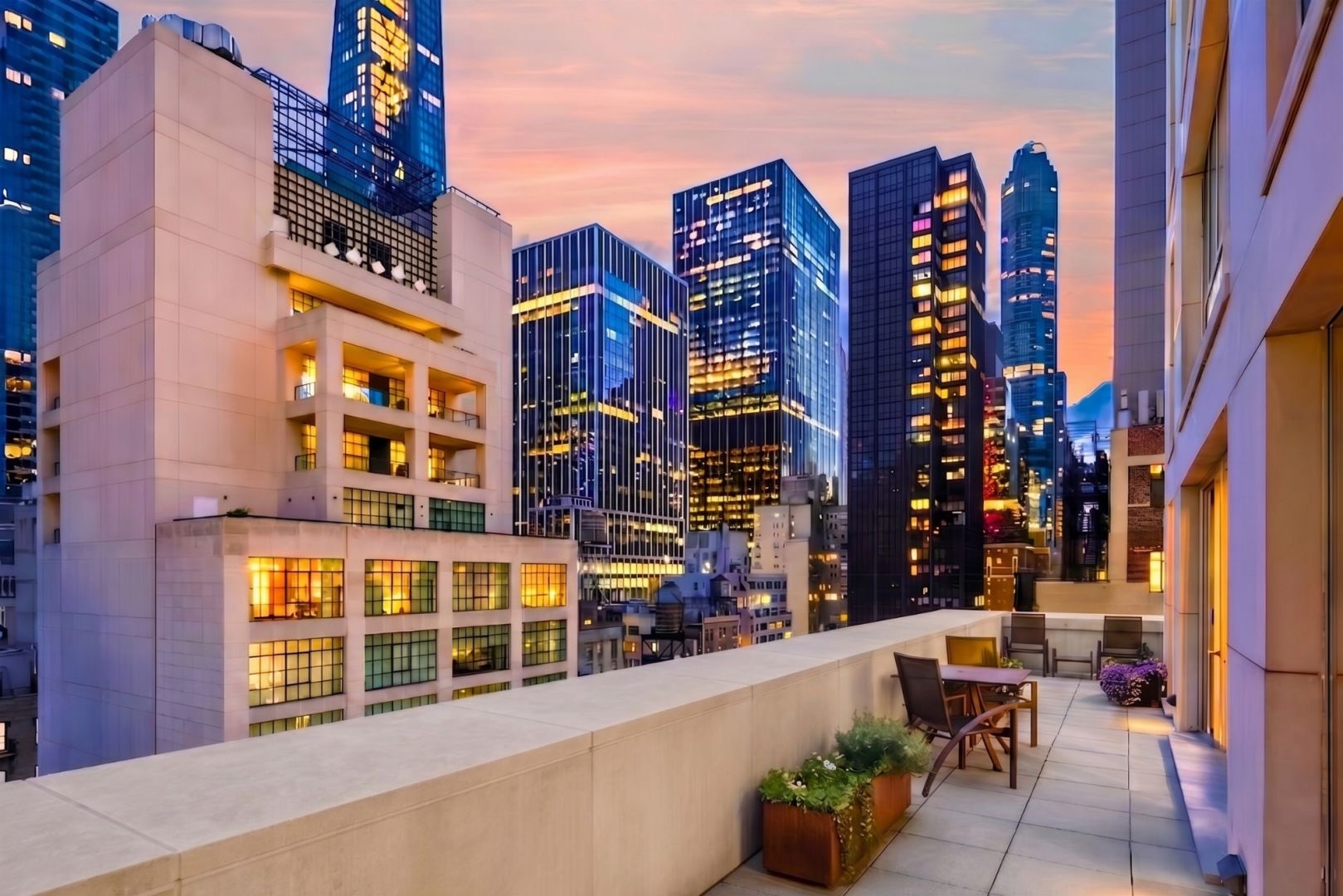
8.Step into a room with a terrace and the sound changes first. This is the middle of Midtown, yet shut the window and the traffic sinks away; open it and the noise of the back-alley vents rises. By day, light bounces off the limestone wall opposite and reaches into the room; by evening the office windows all around come on. What earns money here is not the view but the sense of being outdoors. There are only a handful of things in Midtown that let you add a little to the room rate, and this is one of them.
A terrace roomFold back the glass doors and the living area runs into the terrace. The bedroom sits behind one door. ⓒThe Chambers HotelA private terraceThe parapet is low enough that when you sit down you look straight into the windows across the street. ⓒThe Chambers Hotel
9.Sonder's contract was a master lease. It rented whole buildings for four to seven years with two five-year renewal options, and most of the rent was a fixed amount per unit. The owner gets the same money even when occupancy falls. In exchange, when rates spike in high season, that upside belongs to the tenant.
10.So what the master lease sold the owner was stability. The trouble is that the stability rested on the tenant's credit. Sonder booked $630 million in revenue in 2023 and still ended the following year with cash down to $21 million. A year earlier the figure had been $96 million. When it went under, unpaid dues to Marriott alone came to $17.7 million.
11.So divide what the new owner paid by the number of rooms. $66.2 million over 77 works out to $860,000 a key, about 1.2 billion won. Hotels sold recently in the same Manhattan market ran between $175,000 and $629,000 a key. The one that had been sitting closed was the most expensive.
Price per keyCalculated from disclosed transaction prices and room counts. Asset condition and remaining capital-expenditure burden are not reflected.
12.Whether that price comes back through the rooms is a separate calculation. New York City's average daily rate was $333 last year and Manhattan occupancy ran in the mid-80s. Taking a conservative first-year view at a $350 rate and 80% occupancy gives RevPAR of $280 and annual rooms revenue of $7.87 million. Divide the purchase price by that revenue and it takes 8.4 years. Add one more assumption on top, a 38% operating margin for a boutique hotel, and you get $2.99 million a year, or 4.5% of the purchase price.
Recovery estimateRate and occupancy are drawn from market averages and may differ from actual performance.
13.The new owner changed the structure. Instead of leasing the building out, it went to a management agreement with HHM Hotels, and Aida Figueroa came in as general manager. Management contracts take a fee tied to revenue, so any loss lands squarely on the owner. Fixed rent given up, risk taken back. What last winter established was what that fixed rent had actually been worth, and once you know the price the arithmetic changes.
The front deskThe desk sits against the inner wall of the lobby and is small. Hard to staff up at that size. ⓒThe Chambers Hotel
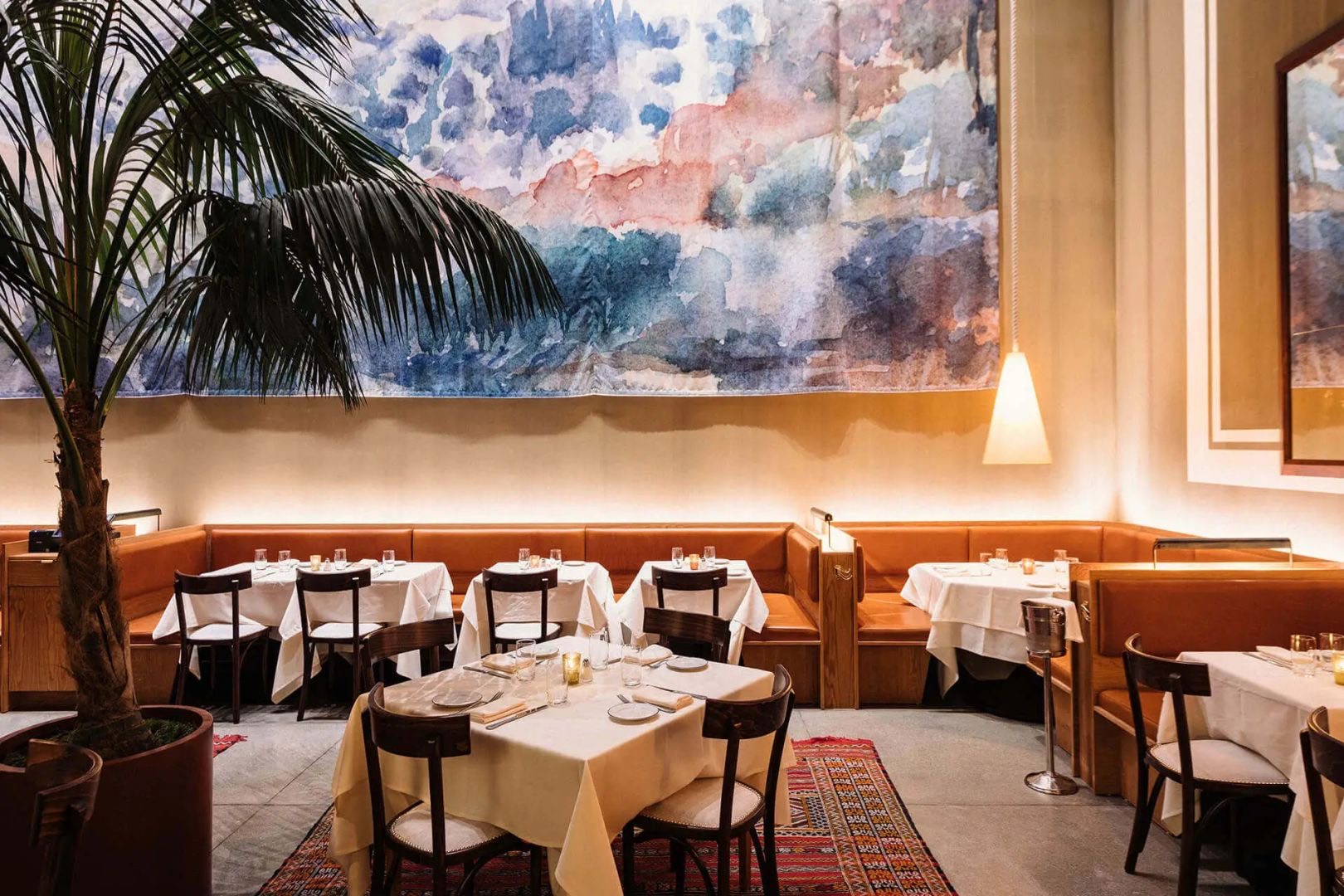
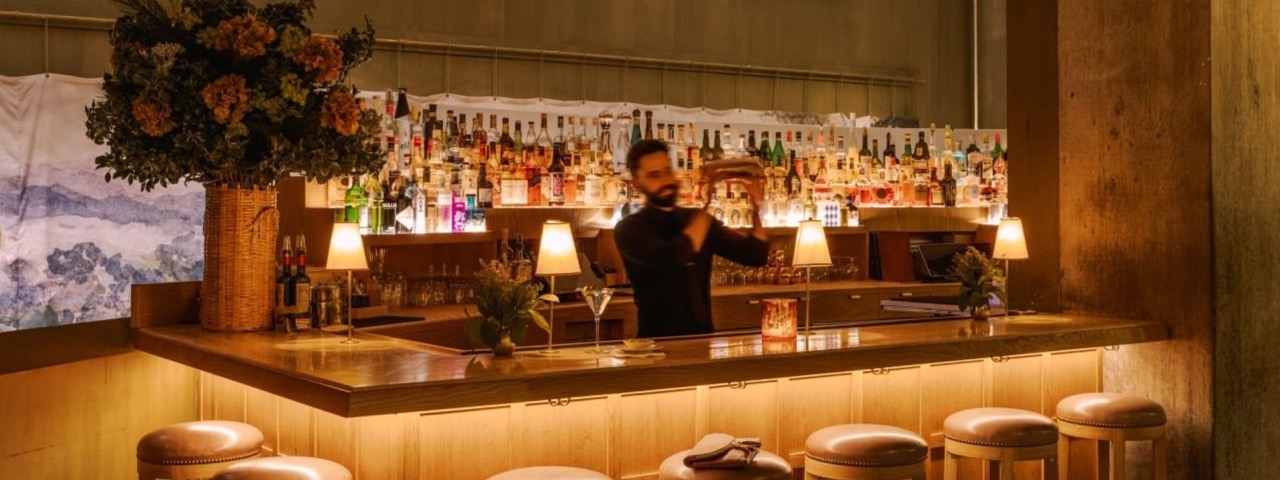
14.The money that comes from outside the rooms is gathered in one place. Felice 56, on the level below the lobby, is an Italian restaurant and bar run separately rather than by the hotel. Where a five-star would have earned this from banqueting and food and beverage, here it arrives split in two, as rent and as room sales. It fills the lobby without taking on kitchen payroll or food cost risk, and it is a size a 77-key house can carry.
Felice 56Banquettes line the walls with square tables down the middle. A layout built for table turns. ⓒFelice 56The barLeather stools run along the counter. Hotel guests and neighbourhood regulars use the same seats. ⓒFelice 56
15.So will it sell without a name on the door. In the reopening announcement the general manager said independence lets the hotel fully embrace its own identity. That is marketing language, but it has something behind it. The building keeps twenty-five years of name recognition and 500 works of art, and on the other side of the ledger sits the record of a company that was plugged into a large reservation network and failed anyway. One reason Sonder faltered was the year it spent connecting to Marriott's system, losing revenue as it went.
An owner who had signed for fixed rent went eight months without a cent, doors chained, and reopened only after the building changed hands. What the new owner bought at $860,000 a key was not just a building but a clean slate with no contracts attached. Korea has the same arrangement, small lodging properties leased wholesale to an operator. If the lodging business registration sits in the operator's name and that company collapses, the owner has to take it over by filing a succession of business operator status, and if the other side files a closure notice first it becomes a fresh registration. At that point fire safety, parking and the septic system are all reviewed against current standards. The older the building's as-built code, the longer it takes to reopen, so the place to look first is how the lease sets out the registration name and the succession terms.