Seventy-five hotels went onto Airbnb in a single day, and the fee is not 3%
2026.09.01
Seventy-five properties belonging to an American boutique hotel operator went live on Airbnb all at once on August 4. Some of them are old houses with barely more than ten rooms. 15.5% comes off every room sold. Not the 3% everyone had known for years.
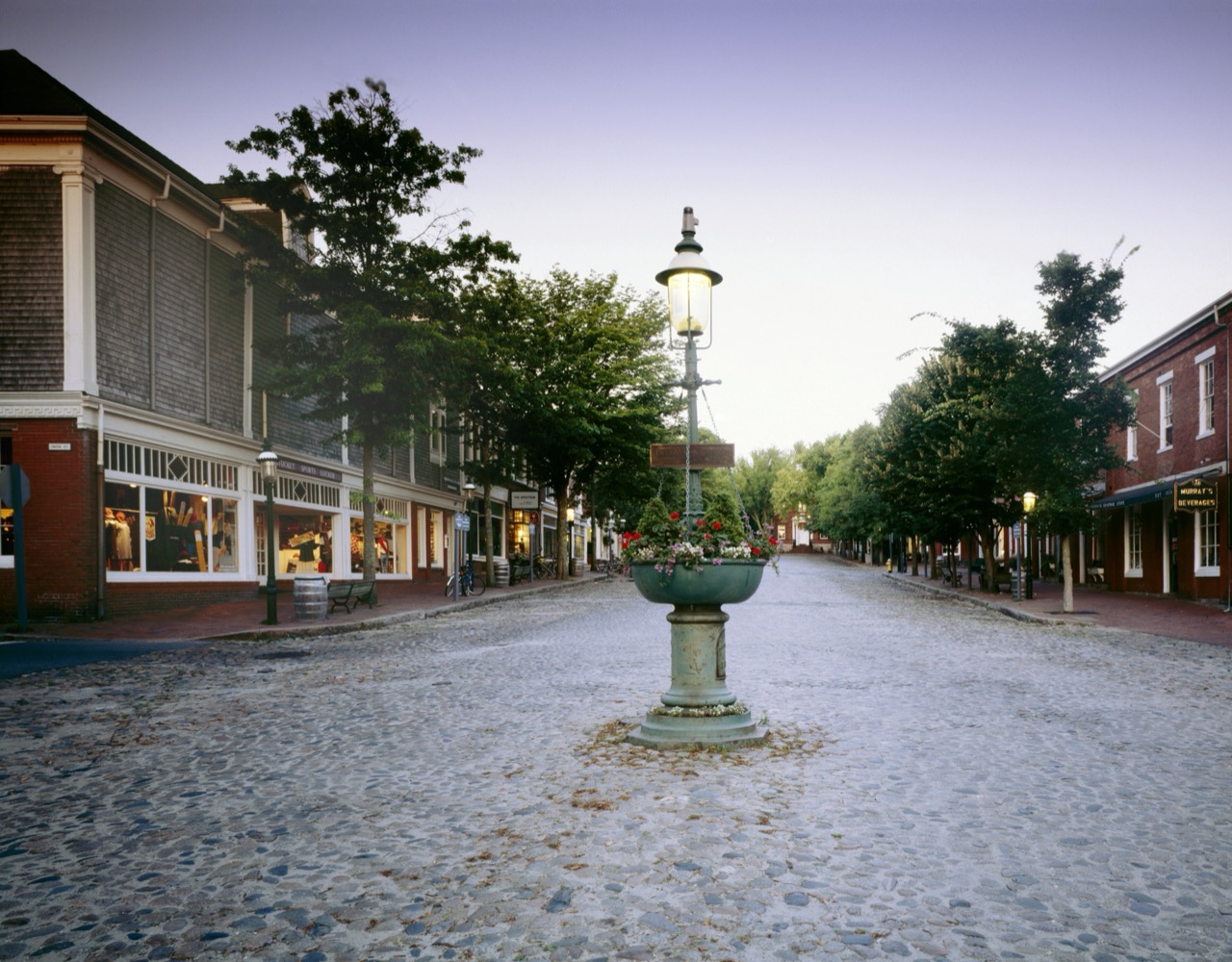
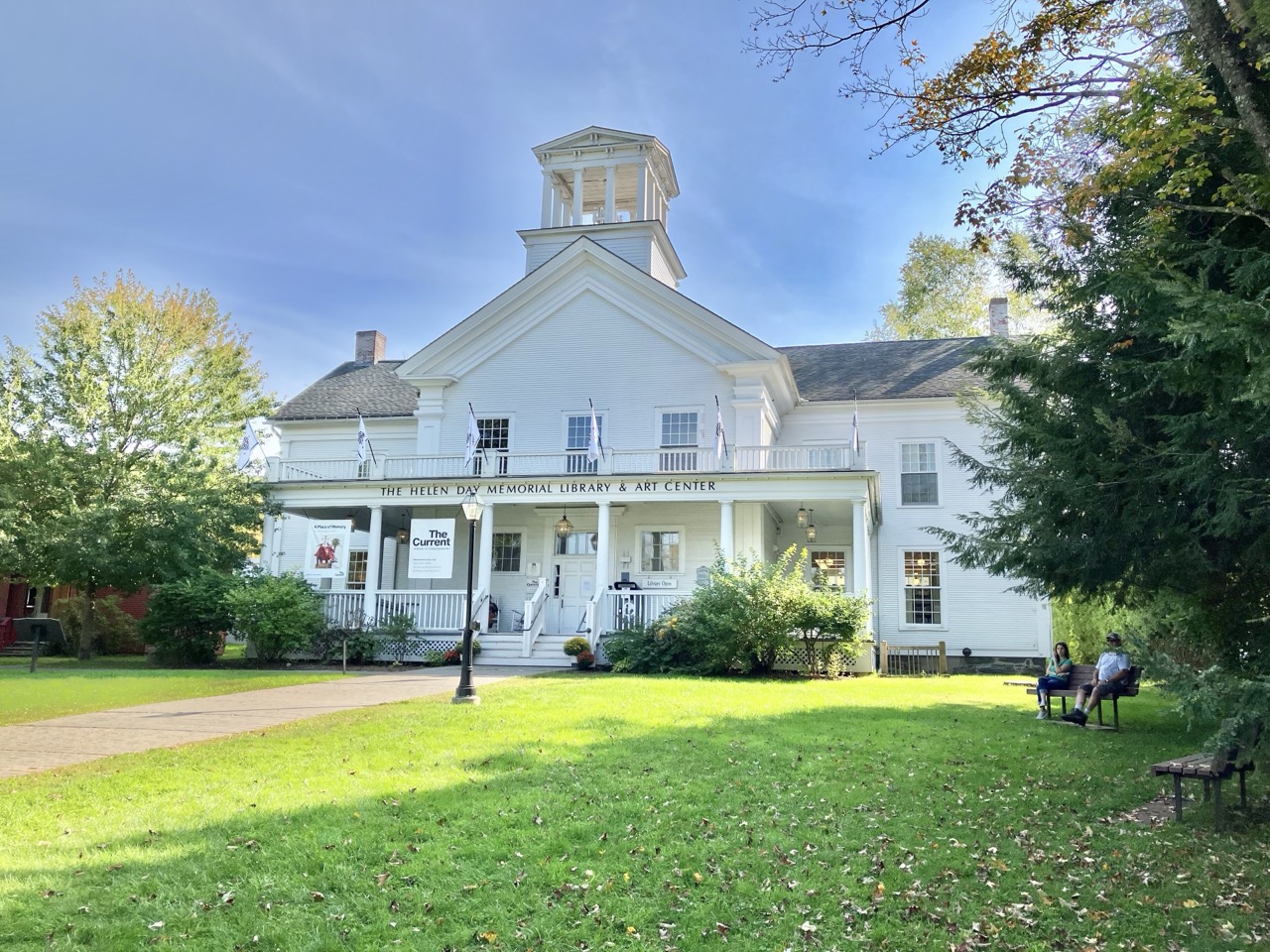
1.Airbnb announced on August 4 that it had signed a distribution agreement with Lark Hotels, an American boutique hotel operator. More than 75 of Lark's properties go onto Airbnb's listings at once. AWOL Stowe in Stowe, Vermont; Blind Tiger Asheville in Asheville, North Carolina; the collection of former sea captains' houses in Kennebunkport, Maine; and on through Nantucket and the Hamptons.
2.Lark was founded in 2012 by Rob Blood. He bought his first property in Kennebunkport at 28, and now runs more than 50 of them. Room counts run from 9 to 95 per property. The current body is Lark Hospitality, formed in a December 2024 joint venture with Life House, and the name it gives itself is the boutique brand and management company for hotels under 150 keys.
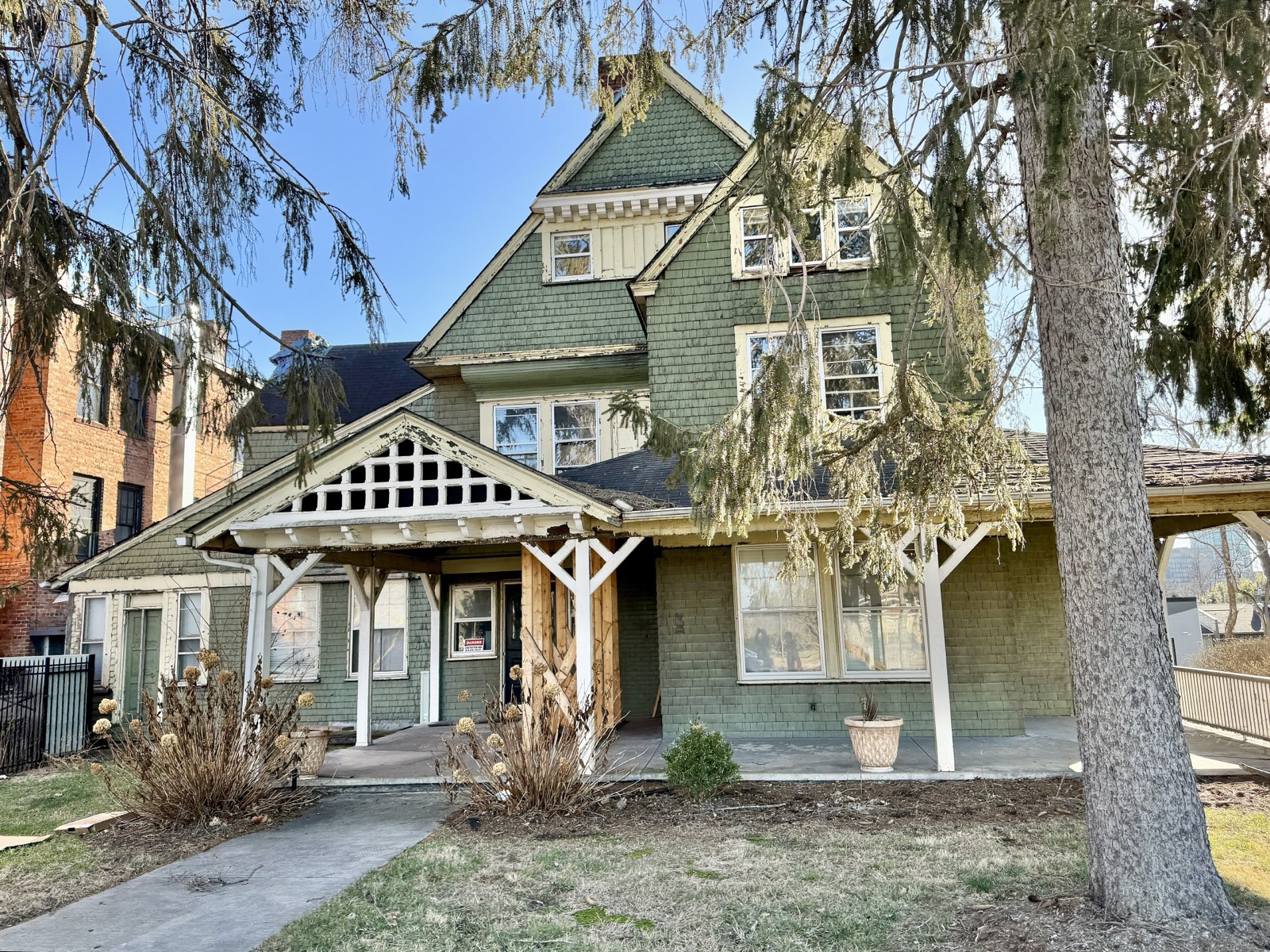
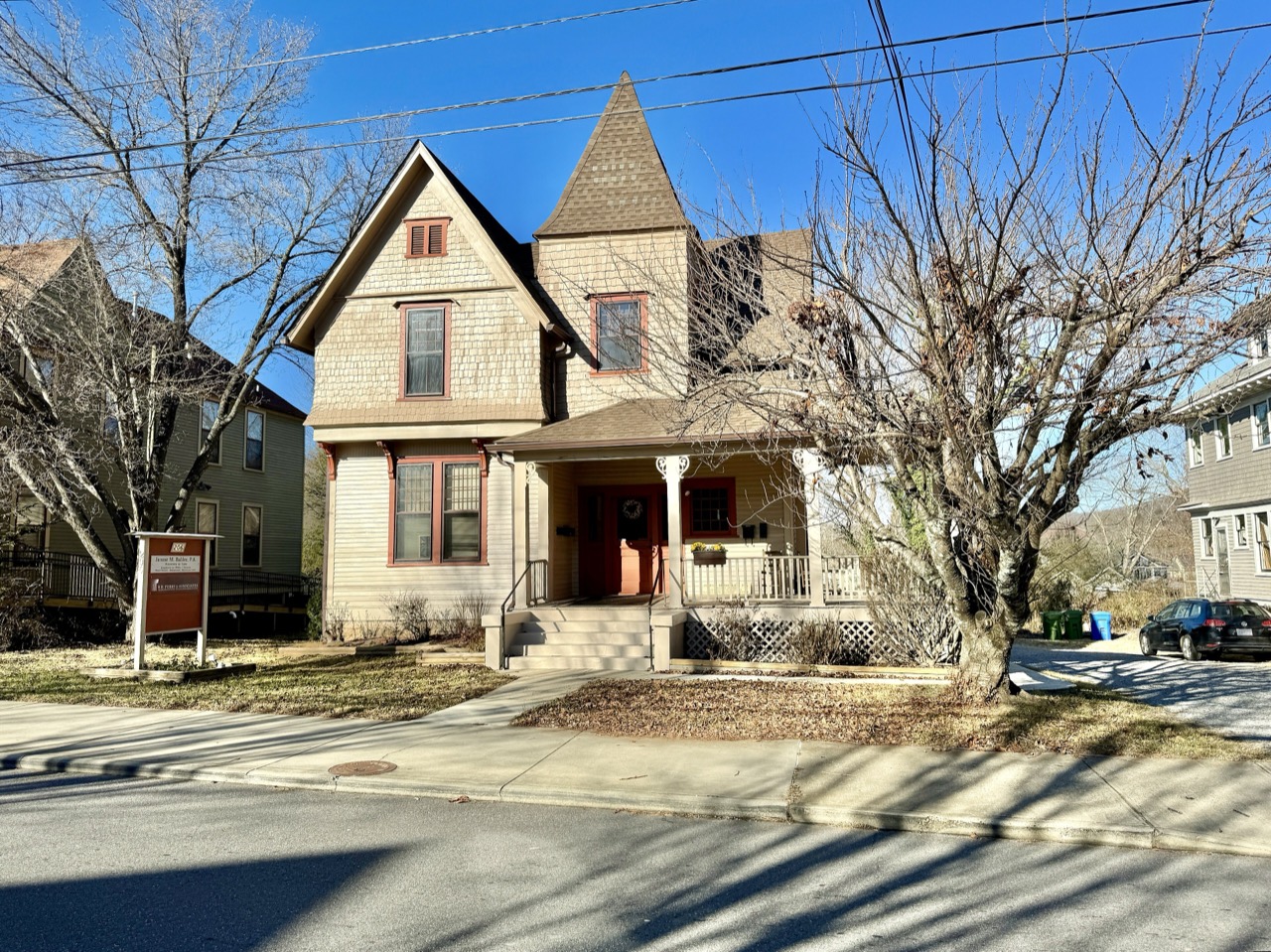
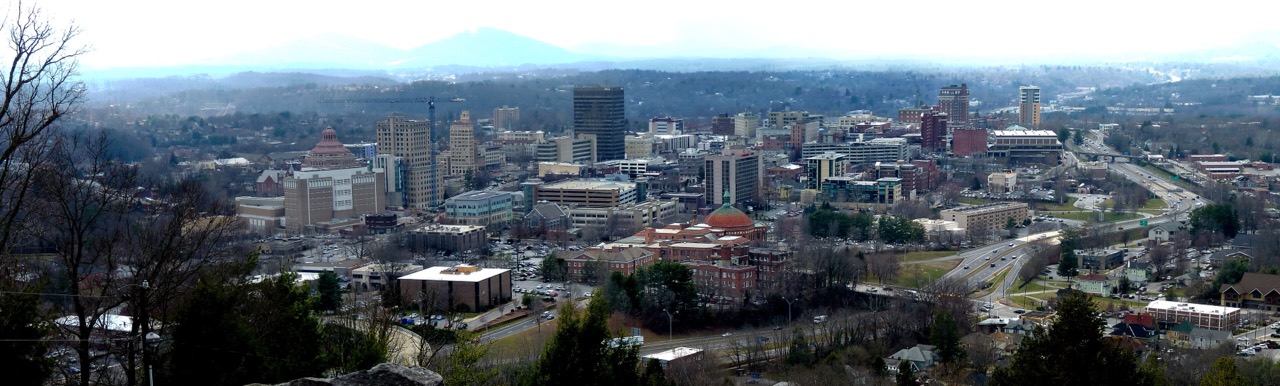
3.Open one house from that list. Blind Tiger Asheville is a Queen Anne timber mansion built as a private residence in 1889, at 173 East Chestnut Street in Asheville's Chestnut Hill. Fourteen rooms, plus one detached cottage in the back garden. Its original sign read 1889 WhiteGate Inn & Cottage, a B&B that had traded in this neighbourhood for years.
4.Put 14 rooms inside a single house and the plan stops behaving like a hotel. Room sizes and shapes differ floor by floor, and no two are alike. The public areas are an entrance hall, a parlour, and one pantry that opens in the morning. There is nowhere to stand a front desk, so a corner of the parlour does that job, and parking is on the street beside the building. No televisions in the rooms.
5.A timber house past its hundredth year cannot hide sound. The stair treads groan differently under every step, and the swing doors stick in humid months. In the guest notes this reads as character; in the ledger it reads as soundproofing and repairs. Laying breakfast out in the pantry for guests to help themselves is not sentiment either, but a payroll calculation.
6.The MICHELIN Guide has given this house a Key two years running. It is the only one in Asheville carrying that mark. The average Saturday room rate sits around $181, and by room type it climbs above $285. A 14-room house cannot keep a sales team of its own, so a mark like this is distribution obtained without paying for it.
7.Divide the joint venture as a whole. Close to 100 hotels and 3,000 rooms, an average of 30 keys per property. Divide annual revenue of $150 million by the room count and each room earns $50,000 a year. Thirty-three food and beverage outlets are mixed into that revenue, so it is not a pure rooms figure.
Dividing the scaleThe totals are published figures; the per-room values are the writer's arithmetic.
8.Run one year at that size of 30 keys. Put a rate of $181 against 70% occupancy and annual rooms revenue comes to $1,387,000. What share of that goes to a channel is a single line of multiplication, and the spread inside that line matches a full year of profit at this size of company.
Fees by channel mixThe rate and occupancy are the writer's assumptions drawn from published prices and industry averages, not company results.
9.Airbnb's fee is no longer the one people remember. For years it was split, 3% from the host and 14 to 16% from the guest, and from late 2025 the two were merged. Hosts connected through a booking system moved first in April 2026, and by September 15 the rest follow. For hotels and serviced apartments the single fee is not a choice but a requirement.
10.Does that not put it in the same line as Booking.com? Booking.com moves between 10 and 25% and averages around 15%, while Expedia is reported at 8% in the United States and Canada, a 5% commission plus 3% for payment. Airbnb did not come here to undercut anyone.
11.If this were a chain property, where would the money have gone? Into the sign. Royalties take 5 to 6% of rooms revenue, marketing and reservation system charges add a few points more, and in exchange the loyalty programme and corporate accounts fill more than half the rooms. Lark has no such sign. A channel fee attaches only to rooms that sell, so on empty nights nothing goes out at all. A fixed cost turned into a variable one.
12.Airbnb's arithmetic runs the other way. Its May 20 summer release put boutique and independent hotels into 20 launch cities, after pilots in New York, Los Angeles, San Francisco and Madrid. All four are cities with tight short-term rental rules. Hotels fill the inventory that regulation dried up, and Brian Chesky says 60% of the world's hotel rooms are independent and boutique.
13.Look at who was not invited and the intent gets sharper. Marriott and Hilton are not on this list. The big brands have their own booking systems and no reason to pay a fee, and above all they do not look different on an Airbnb screen. What looks different is a 14-room house built in 1889.
14.The risk comes from the same direction. The better a 15.5% channel sells, the more it eats into direct bookings, and the less leverage there is to push the rate down at the next negotiation. Cancellation rules and the review system are not hotel grammar either. Once guests start remembering the house as a stay rather than a hotel, the rate band built on a Michelin Key gets hard to hold. A trade: gain a channel, give up a little identity.
A company holding everything from a 9-room house to a 95-room building has laid its whole list onto another company's screen. The price is 15.5% of every room sold, and at a size of 30 keys, letting the direct share slip from 80 to 20 hands $129,000 a year to the channel. Anyone making the same call in Korea works from different numbers. Yanolja and Yeogi Eottae take about 10% and Naver Booking 9.5%, so adding a 15.5% window needs explaining first. Eligibility bites too. There are two routes onto a home-sharing platform in Korea: a building registered as a lodging business under the Public Health Control Act, or a house registered as urban home-stay accommodation for foreign tourists. The latter requires the owner to actually live in a house under 230 square metres, bars corporations, and cannot take domestic guests outside the regulatory sandbox in Seoul and Busan. The decision to add a channel comes out of a marketing meeting, but the right to be on that channel is settled by a registration certificate.