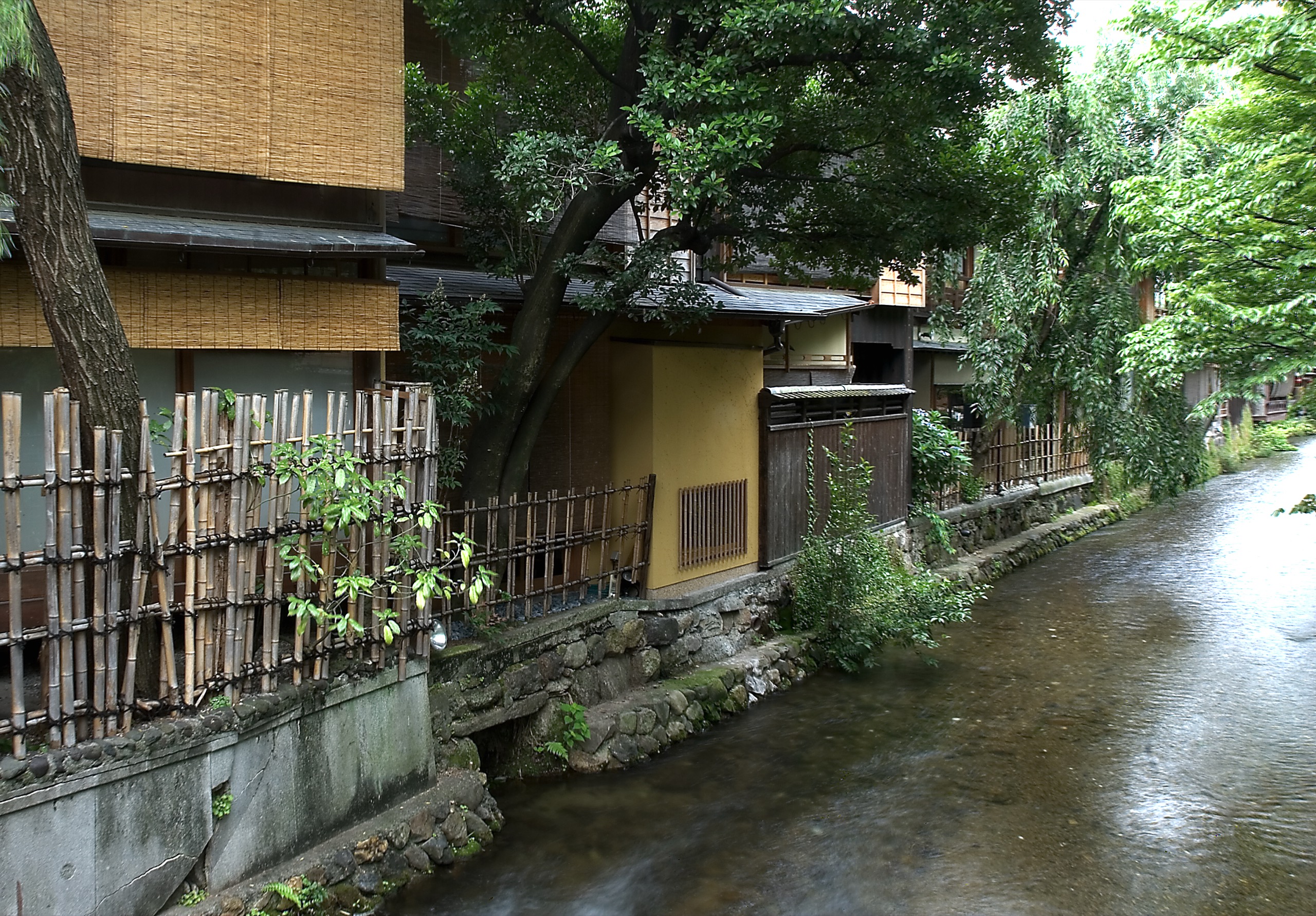
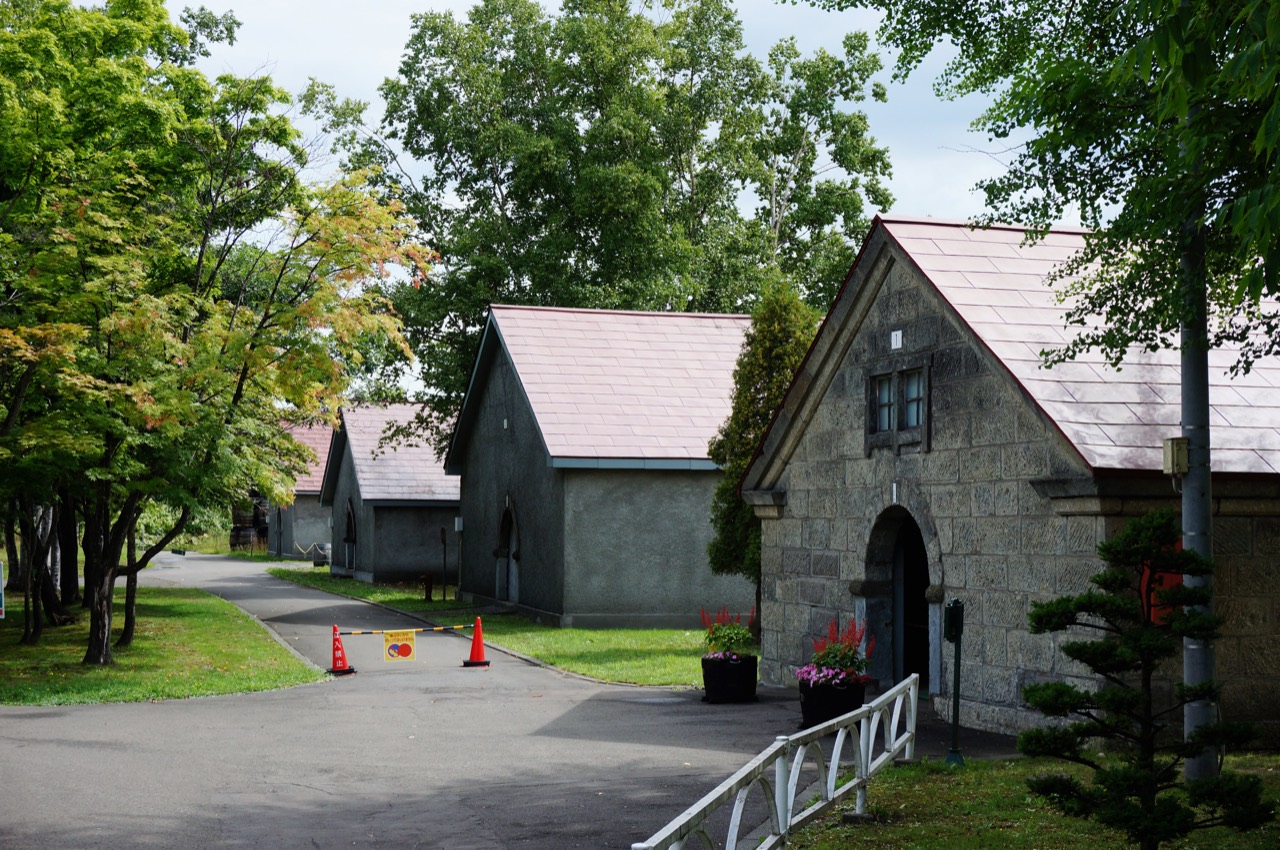
The Shirakawa canalThe block where the restaurant will sit. Kyoto designates this area as a preservation district for historic buildings. ⓒMichaelMaggs · CC BY-SA 2.5
Daily Hotel
A ryokan brand with five hotels planned opened a restaurant first
2026.09.02
A hot spring ryokan brand created by Hyatt and a Japanese partner has closed a real estate fund worth 22 billion yen. Five properties have been announced. Not one ryokan has opened yet, and the first thing the brand will open this autumn is a Kyoto restaurant with no guestrooms at all.
1.The brand is called Atona, two archaic Japanese words joined together, meaning me and you. This autumn it opens Kappo Atona, a counter restaurant in the Gion Shirakawa district of Kyoto. A bar on the ground floor, a wooden counter on the second. No guestrooms.
2.The brand was formed in 2022 as a joint venture between a Hyatt affiliate and the Japanese firm Kiraku. Five hot spring ryokans have been announced: Yufu and Kuju in Oita, Yakushima in Kagoshima, Hakone in Kanagawa, and Yoichi in Hokkaido. Openings are now set for 2028 and later. When the plan was announced in May 2024, the date was 2026.
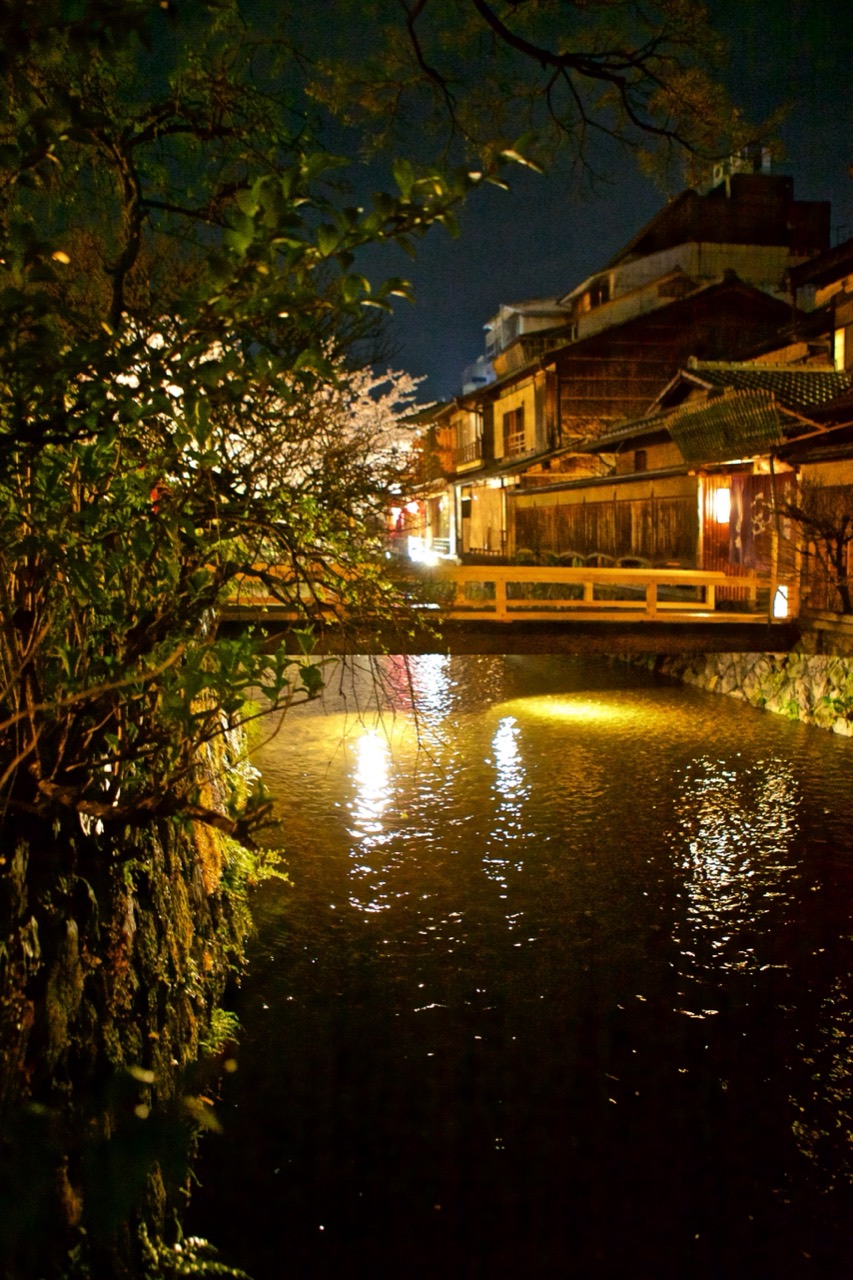
A Gion laneNo new buildings go up here, so getting in means reworking the timber structures that remain. ⓒjosef knecht · CC BY 3.0
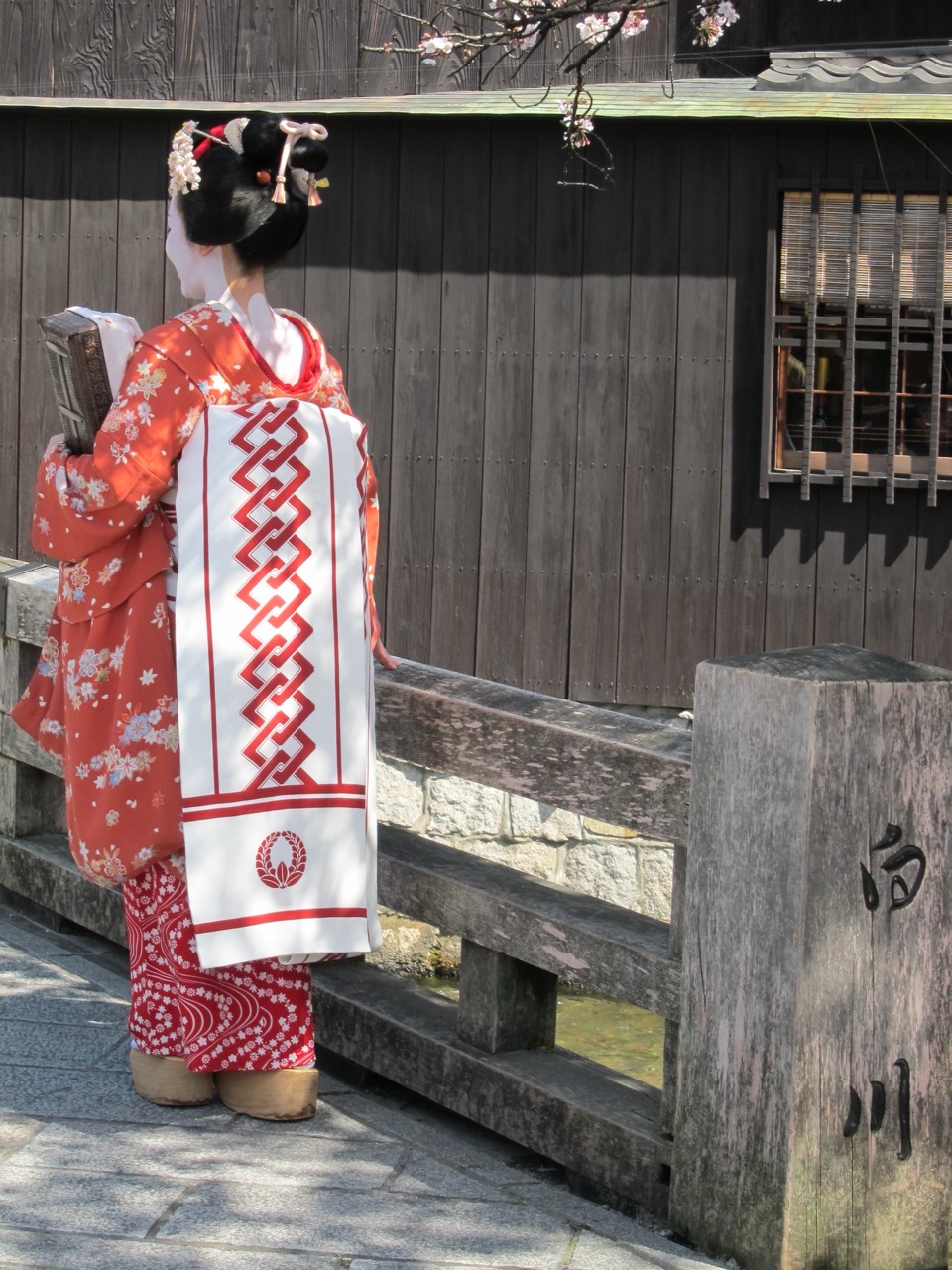
3.Start with the site. Two-storey timber houses line the Shirakawa canal, and rents here rank among the highest in Kyoto. The queue for photographs at Tatsumi Bridge never breaks during the day, and most people in that queue walk on without opening a wallet. The busiest footfall in the city, and almost none of it is custom.
Tatsumi BridgeA visitor posing in maiko costume. This bridge is one of the most photographed spots in Kyoto. ⓒNullumayulife · CC BY 2.0
4.The interior is by Ryu Kosaka of Nomura Co., with art direction from Kenya Hara of Nippon Design Center. Hara spent years as art director for MUJI. The kitchen works by curation, selecting ingredients gathered from across Japan and putting them on the counter that day, with the charcoal fire set in front of the guest.
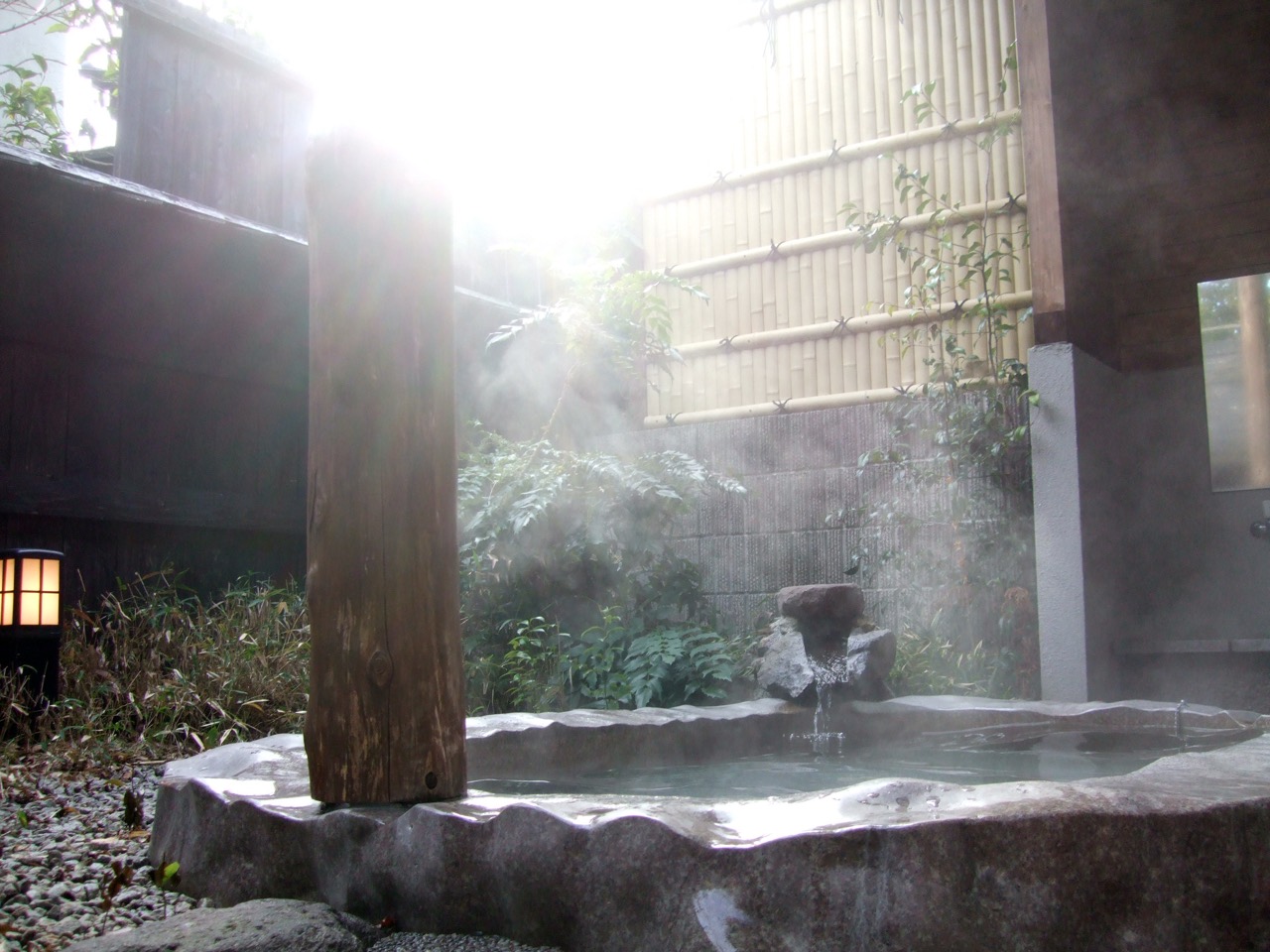
5.No ryokan floor plans have been released, only specifications. Thirty to fifty rooms per property. Standard rooms run 50 to 70 square metres, roughly twice a standard room in a Korean upscale hotel, each with a bath fed from the local spring. Larger rooms mean fewer keys in the same gross floor area, and the brand enlarged them knowing that.
An open-air bath in YufuinWater cannot be relocated. Building in a hot spring town means buying the ground the water comes out of. ⓒR34SkylineGT-R V-SpecⅡNür · CC BY 3.0
6.The target rate is reported at around 100,000 yen per guest, dinner and breakfast included. Tamanoyu, a long-established house in Yufuin with 16 rooms, starts at 41,950 yen per person on the same basis. The brand intends to ask more than double that in the same town.
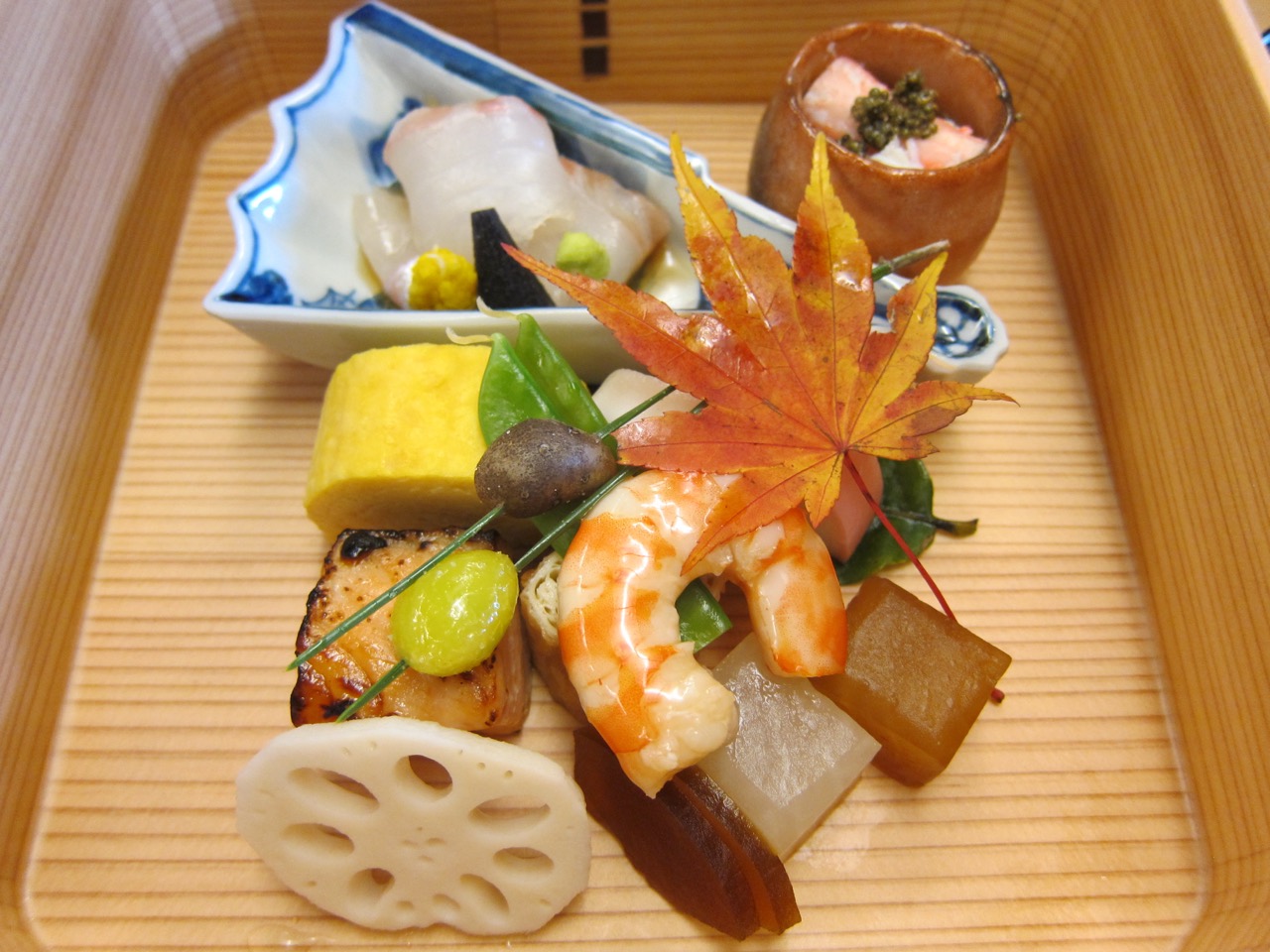
Dinner and breakfast includedA ryokan rate sheet already contains both meals. Food and beverage revenue is folded into a single room line. ⓒYuya Tamai · CC BY 2.0
7.The money came through a real estate fund. A first close of 10 billion yen in May 2024, then a final close of 22 billion yen announced in September 2025. Divide that across the five announced properties and the table below is what comes out.
Dividing the fundFund size and property count are published figures; the per-key value is that total divided out.
8.Run one 40-room property for a year. A rate of 100,000 yen at 70% occupancy gives RevPAR of 70,000 yen. Average occupancy across Japanese hotels sits near 60%, and the leading ryokan operators are described as running RevPAR around 40,000 yen, which puts this target at 1.7 times the top of the market.
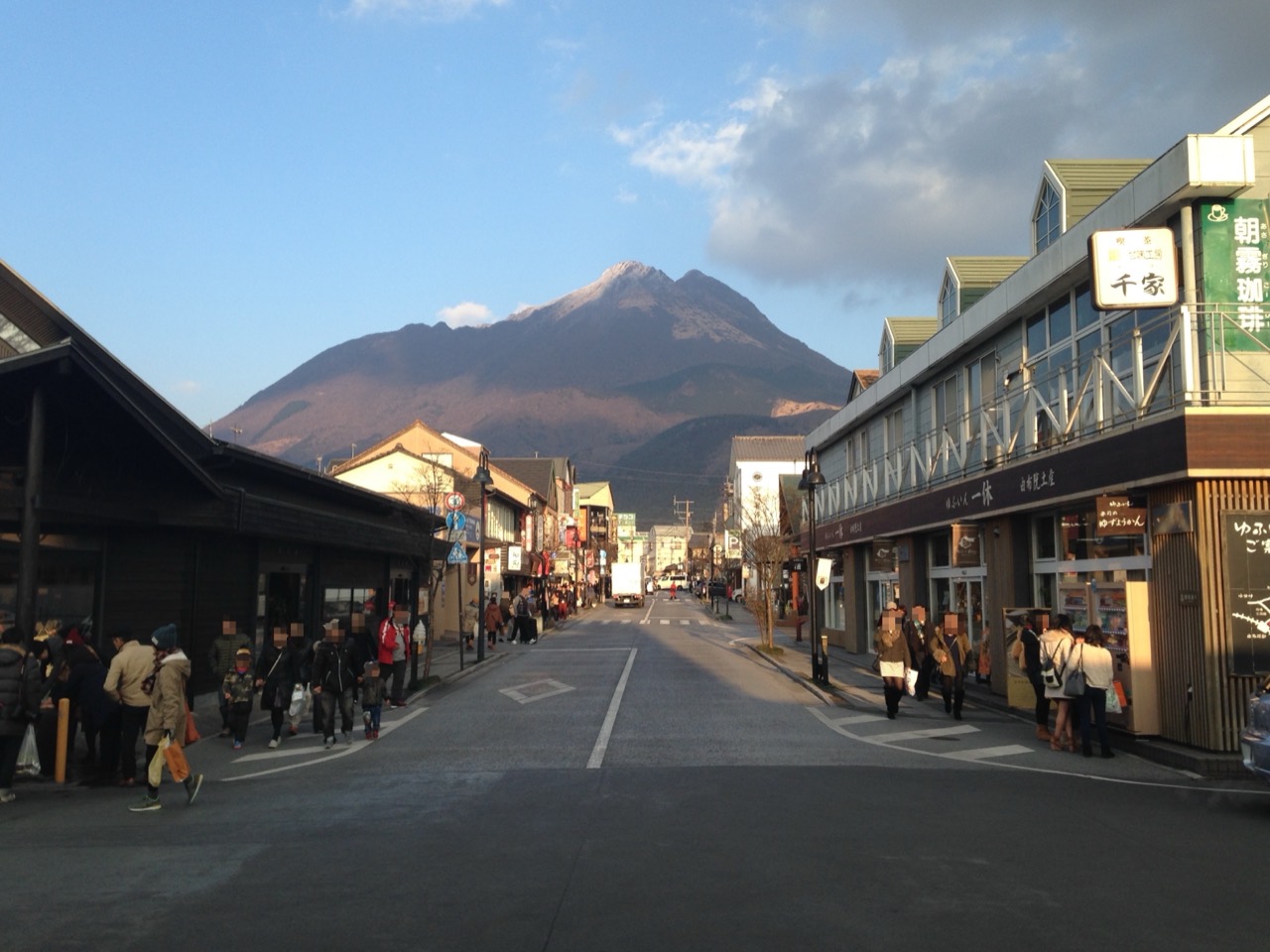
Forty rooms, estimatedRate and room count are published figures; cost ratios apply average ranges for the Japanese lodging industry.YufuinOne of the five sits here. A single mountain supplies the backdrop for this hot spring town. ⓒSoramimi · CC BY-SA 4.0
9.A ryokan carries a different cost structure from a hotel. Serving dinner in the room, laying out futons and staffing the service adds headcount per key. Japanese lodging benchmarks put payroll around 30% of revenue, food cost between 10 and 30%, and utilities between 5 and 8%. Put a spring-fed bath in every 50 to 70 square metre room and both cleaning hours and heating costs rise with it.
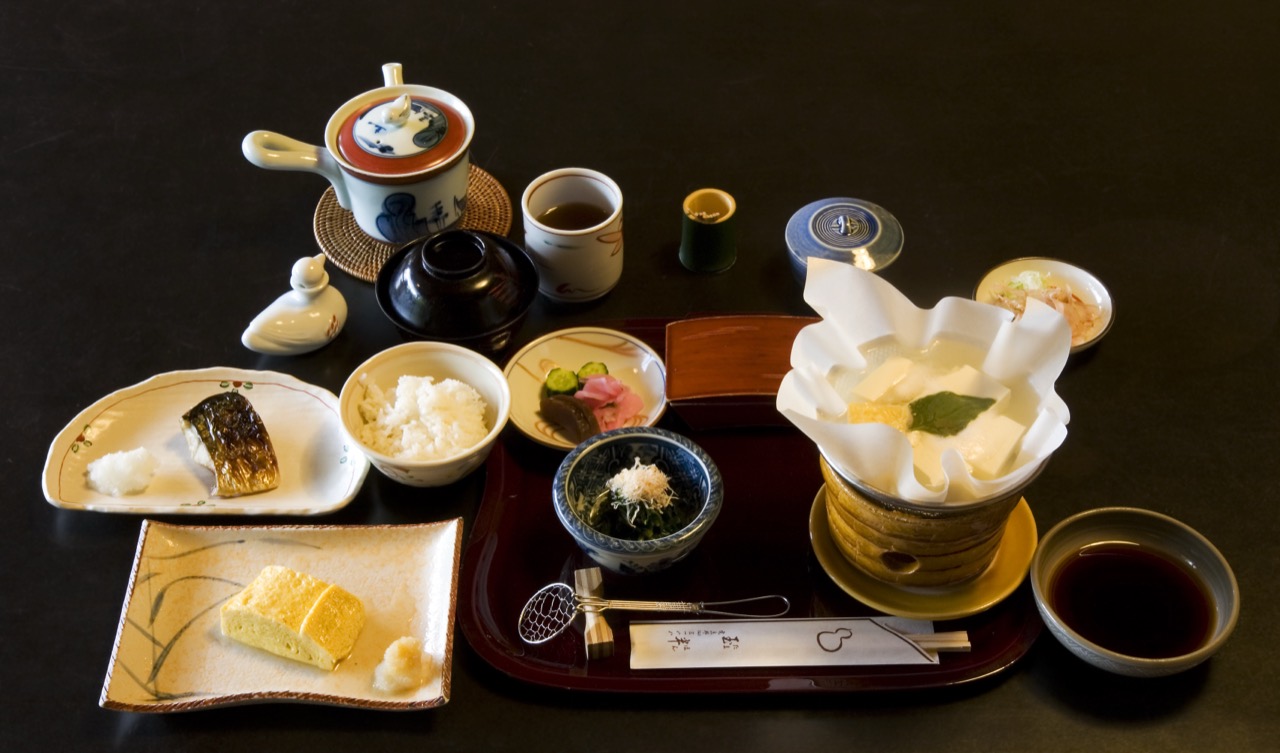
BreakfastBreakfast is inside the rate, which is why the kitchen crew works two shifts a day. ⓒMichaelMaggs · CC BY-SA 3.0
10.In an urban full-service hotel much of this money would come from banquet halls and restaurants. Weddings, corporate events and outside diners generate revenue independent of the rooms, and that revenue holds up the low season. A hot spring ryokan has no such guest. Everyone at dinner slept there that night, so an empty room leaves kitchen payroll and food cost sitting as pure loss. That is where the decision to open the restaurant before any ryokan comes from.
Gora, HakoneThe hot spring town closest to Tokyo. Among the five, this is the one that catches metropolitan demand. ⓒDaderot · CC0
11.What makes this sellable is the water. Hot springs cannot be moved or manufactured, so without owning the ground the water rises through, no amount of capital will reproduce it. That is the reasoning behind a Japanese company choosing hot springs, out of everything it holds at home, to sell to the world.
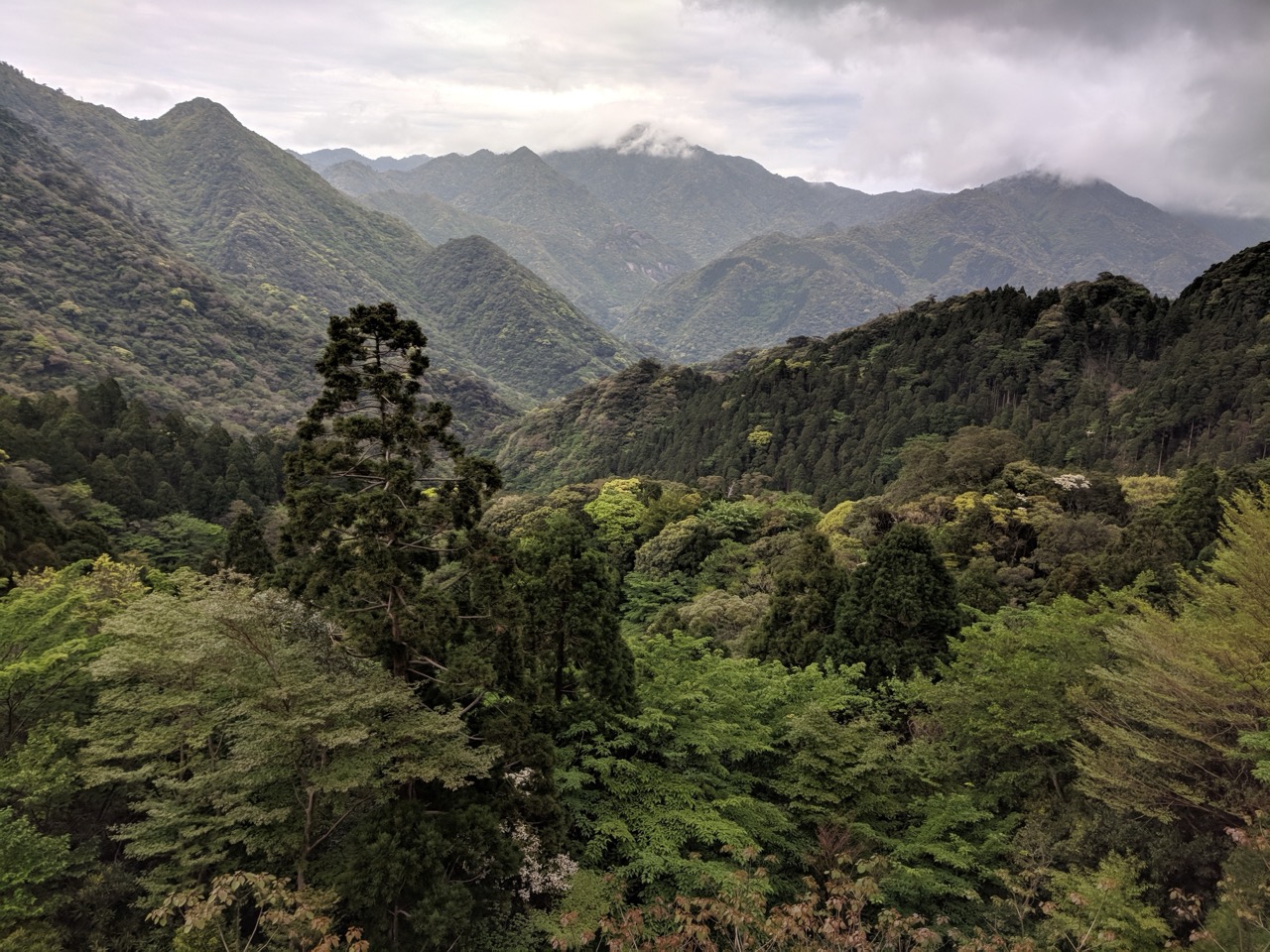
YakushimaThe island contains a World Heritage natural site. Construction conditions and permitting here bear no resemblance to a city. ⓒGrendelkhan · CC BY-SA 4.0
12.Distribution is where it jams. The better known the ryokan, the more likely its website exists only in Japanese, its reservations run by telephone, and its rules on tattoos and children differ house by house. Travellers from abroad struggle to cross that threshold, and what Hyatt sells is not the spring but a booking screen and a loyalty programme with the threshold removed. So why pay for the flag.
13.Branding ryokans is not a new idea. Hoshino Resorts has spent years tying hot spring towns together under a single specification with Kai, and in Yufuin houses like Tamanoyu and Kamenoi Bessou have run 16 to 17 rooms as family businesses. What has changed is that the company supplying the flag is American.
YoichiA Hokkaido town known for its whisky distillery. One of the two properties added later. ⓒ663highland · CC BY 2.5
14.The schedule has slipped. In 2024 the plan was three properties from 2026; the language now is five properties from 2028. Drilling permits for the springs, building restrictions inside national parks, construction periods on mountain sites. A different clock from a city hotel. Holding the brand together through that gap is the job handed to the Kyoto restaurant. The composition of the waiting money is worth a look too. The fund's investors include Takenaka Corporation, the Cool Japan Fund and MUFG Bank.
A brand that announced five ryokans raised 22 billion yen and then chose a restaurant with no guestrooms as its first opening. At roughly 110 million yen committed per key, it needed a way to keep the brand alive until 2028, and one counter in Kyoto took that job. Anyone drawing the same picture in Korea hits the water first. Korean law recognises a hot spring only as water rising from the ground at 25 degrees Celsius or above, and drilling a well requires a separate excavation permit and development plan approval from the local authority. Without that water, the product does not stand up. Putting meals inside the rate is not automatic either: on top of the lodging registration, a separate restaurant business licence is needed before breakfast and dinner can be sold. Water and permits come first, and the rate discussion comes after.