12.4 billion yen for 55 rooms, in a building the hotel does not own
2026.09.05
A 90-year-old theatre in the middle of Kyoto's Gion reopened in March as a hotel. Fifty-five rooms, roughly 12.4 billion yen in total project cost. That works out to 225 million yen per room, and neither the land nor the building belongs to the hotel company.
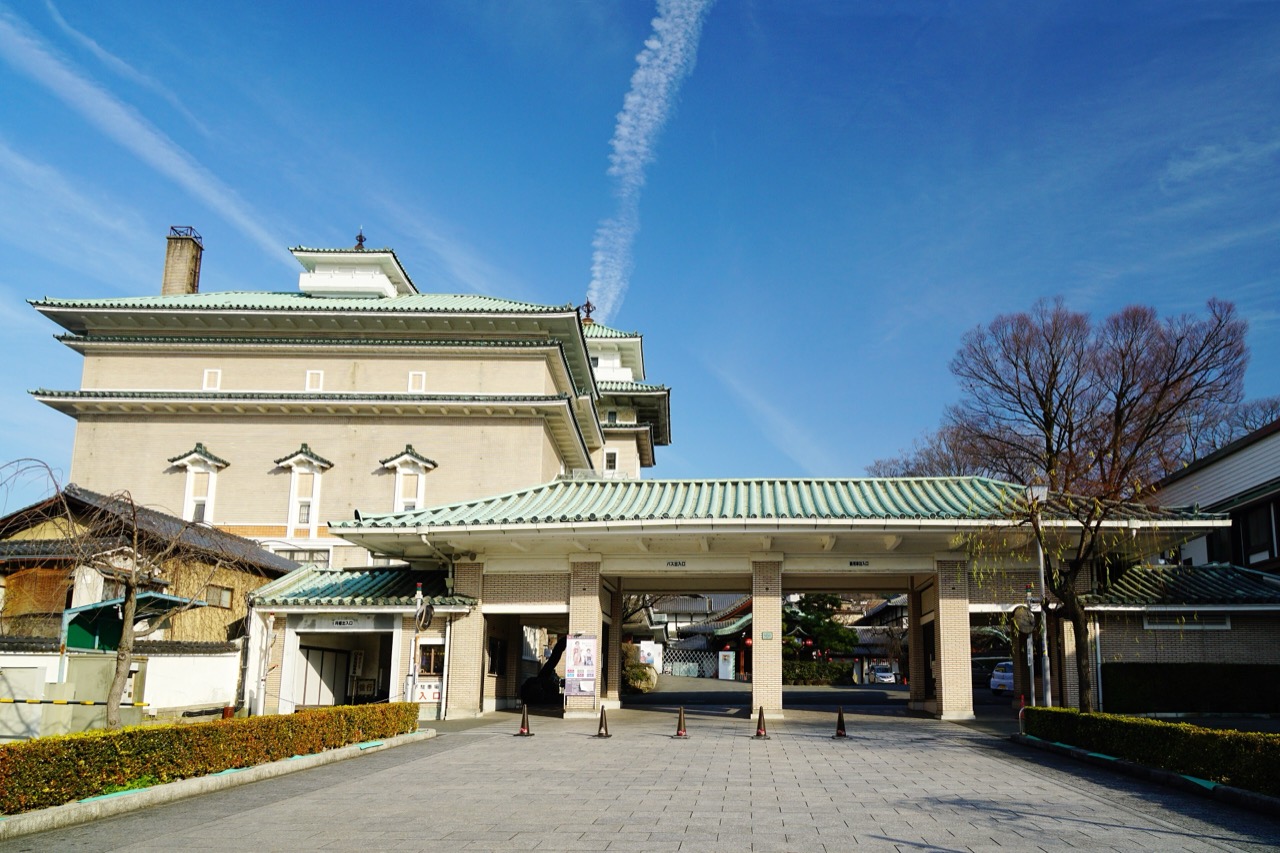
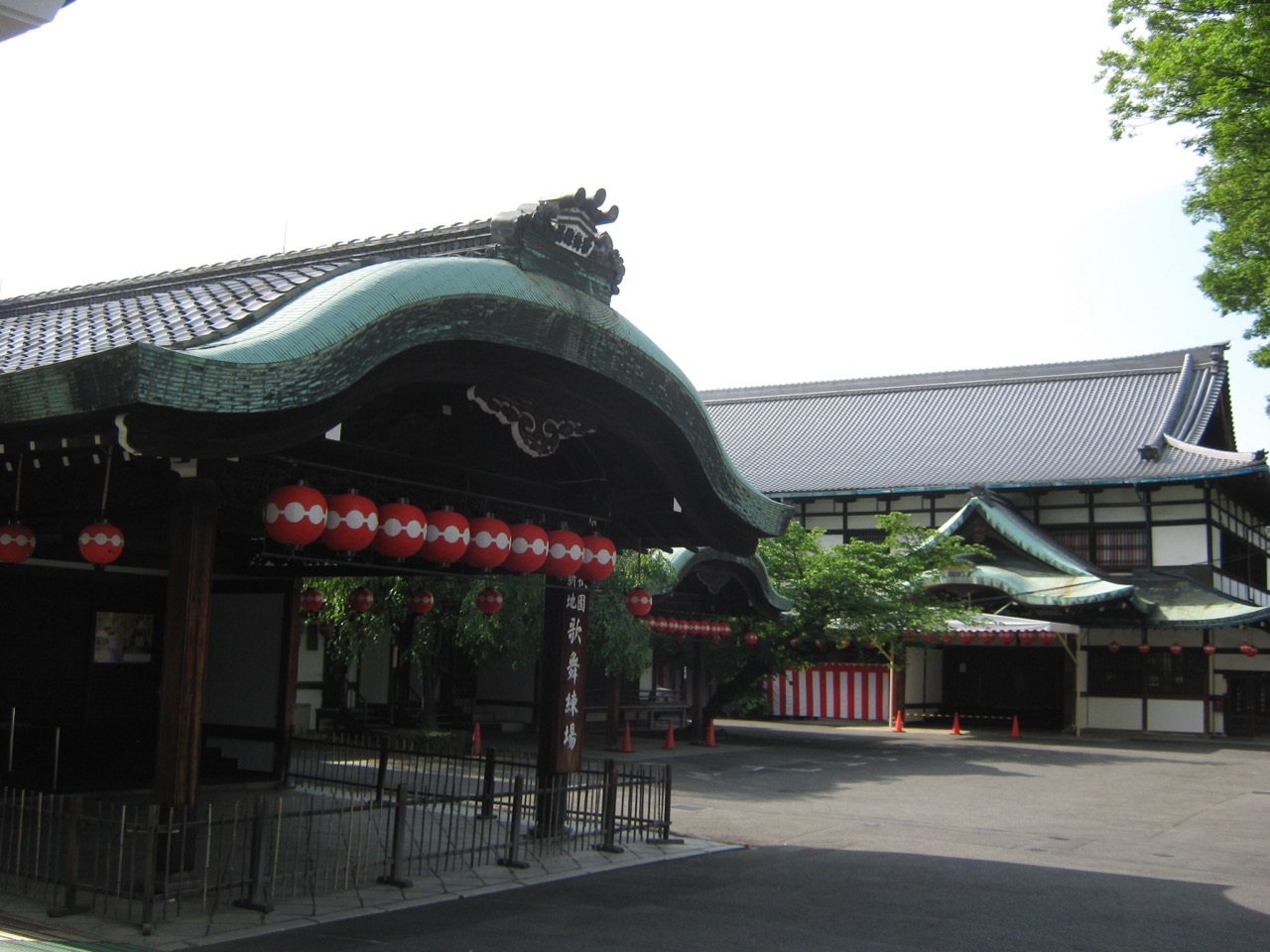
1.Imperial Hotel Kyoto opened on 5 March. It sits in Gionmachi Minamigawa, Higashiyama Ward, inside the grounds of the Gion Kobu Kaburenjo, the theatre that stages the Miyako Odori each spring. There are 55 rooms across 12 types, and even the smallest clears 50 sqm. This is the first hotel the Imperial has built since Osaka in 1996, a gap of 30 years.
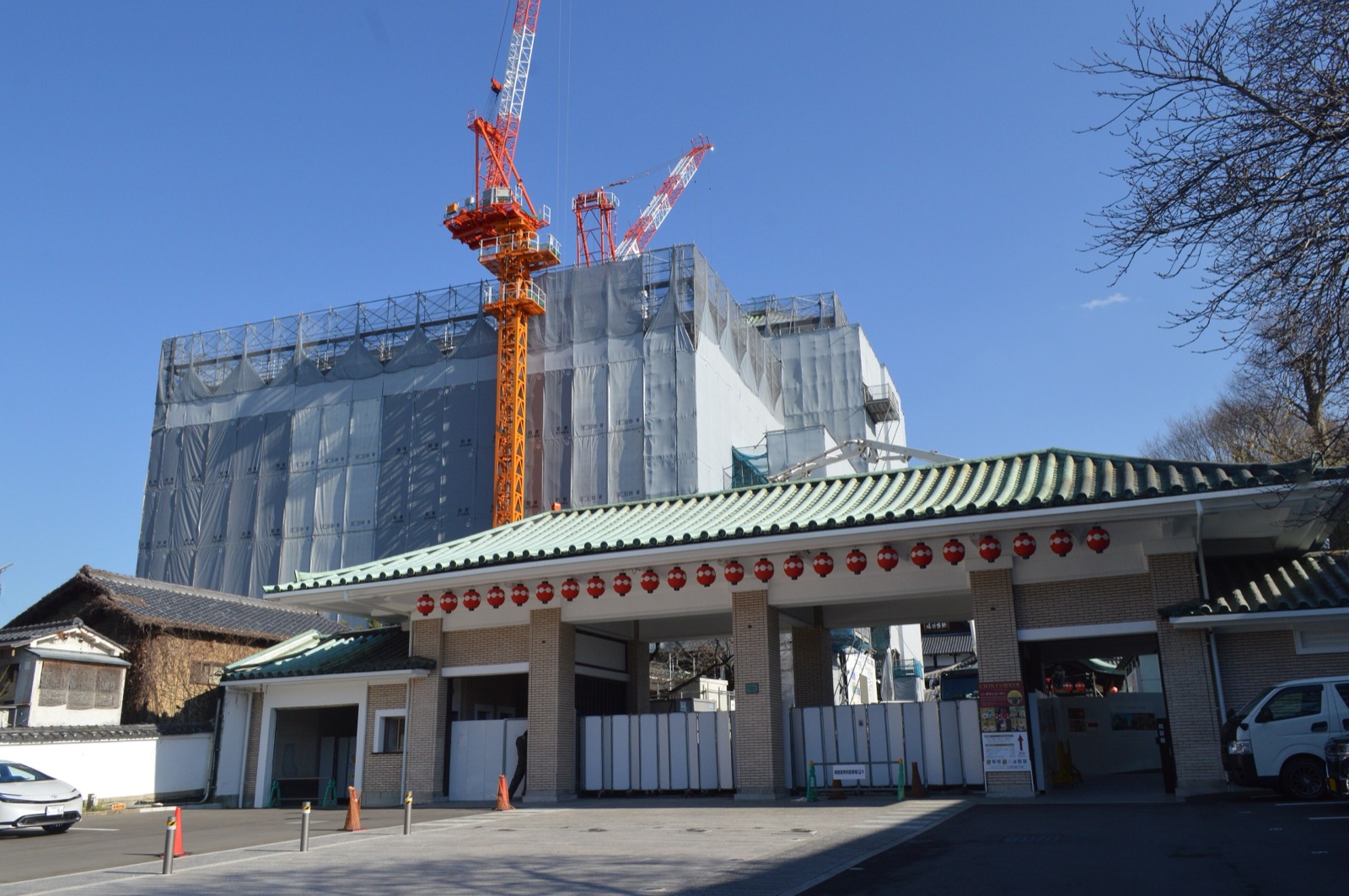
2.The building is not the Imperial's. Yasaka Kaikan belongs to Yasaka Nyokoba Gakuen, the school that trains geiko and maiko, and the hotel company signed a memorandum in October 2019 before beginning its lease of the land in April 2022. The tenant paid for the renovation. Neither the lease term nor the rent has been disclosed by either side.
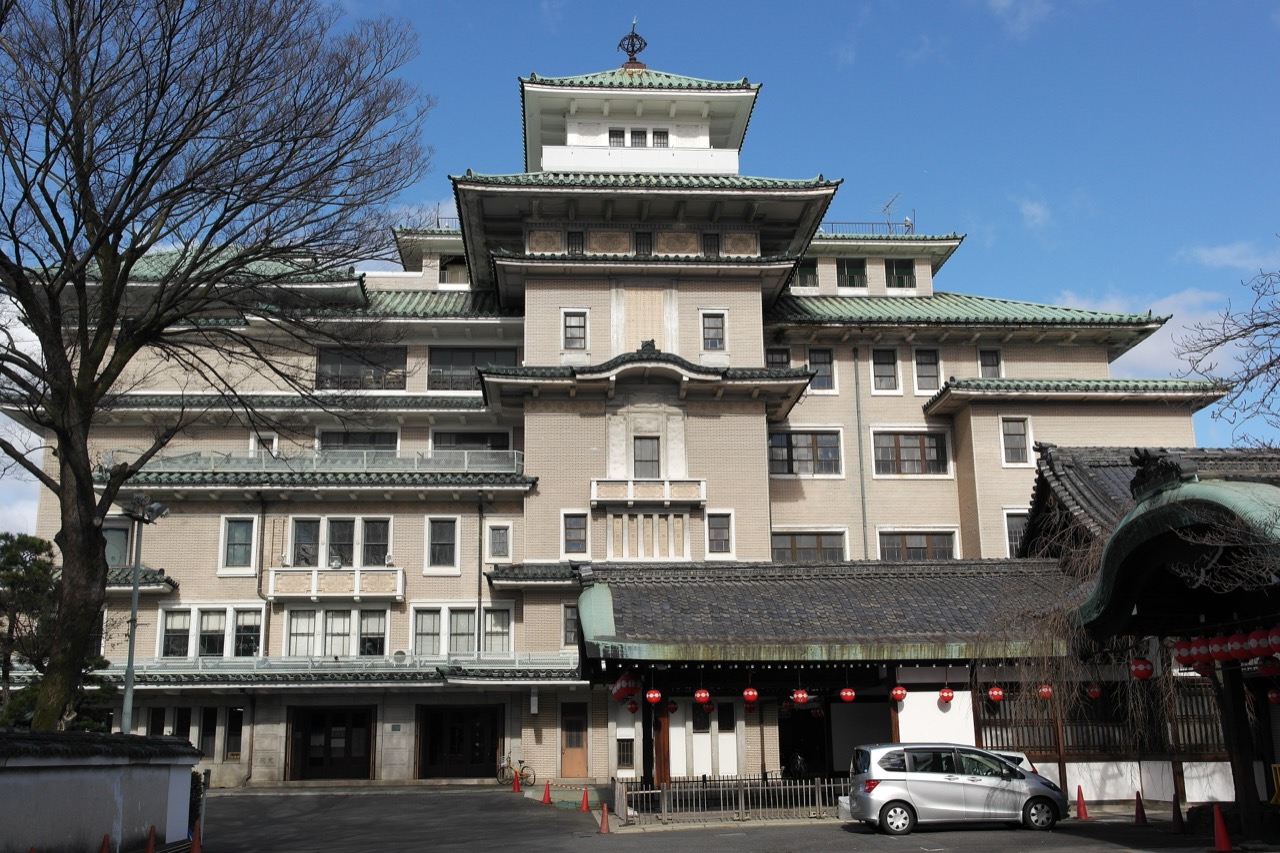
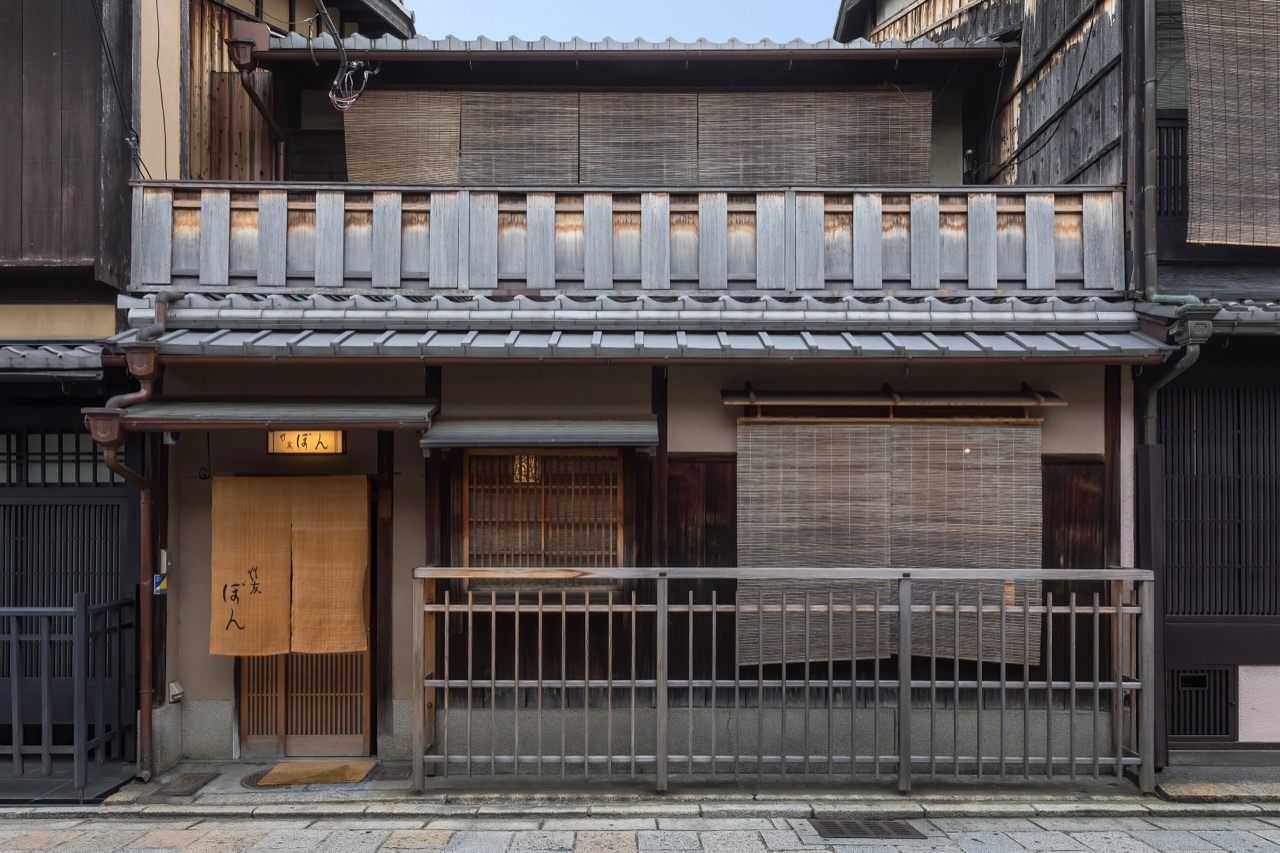
3.Yasaka Kaikan went up in 1936. The Gion Kobu association built it beside the Kaburenjo as a venue for performances, designed by Tokusaburo Kimura and built by Obayashi Corporation. It ran plays and ningyo joruri puppet theatre, then cinema and dance halls, until weak seismic performance left most of its floors empty for years. In 2001 it was listed as a Registered Tangible Cultural Property. Ninety years on, the contractor that came back to the site was Obayashi again.
4.The south and west facades were kept, along with the frame behind them, in an L shape. Columns and beams held back were reinforced with added rebar, and the slabs were thick enough to leave as they were. Exterior tiles came off one at a time by a method called ikedori and went back on, and where the design assumed 10 percent would survive, 16,387 tiles returned to their places. Drawings and as-built conditions diverged, so the contractor chipped away at every column to confirm where the main bars ran, then filed for building approval a second time.
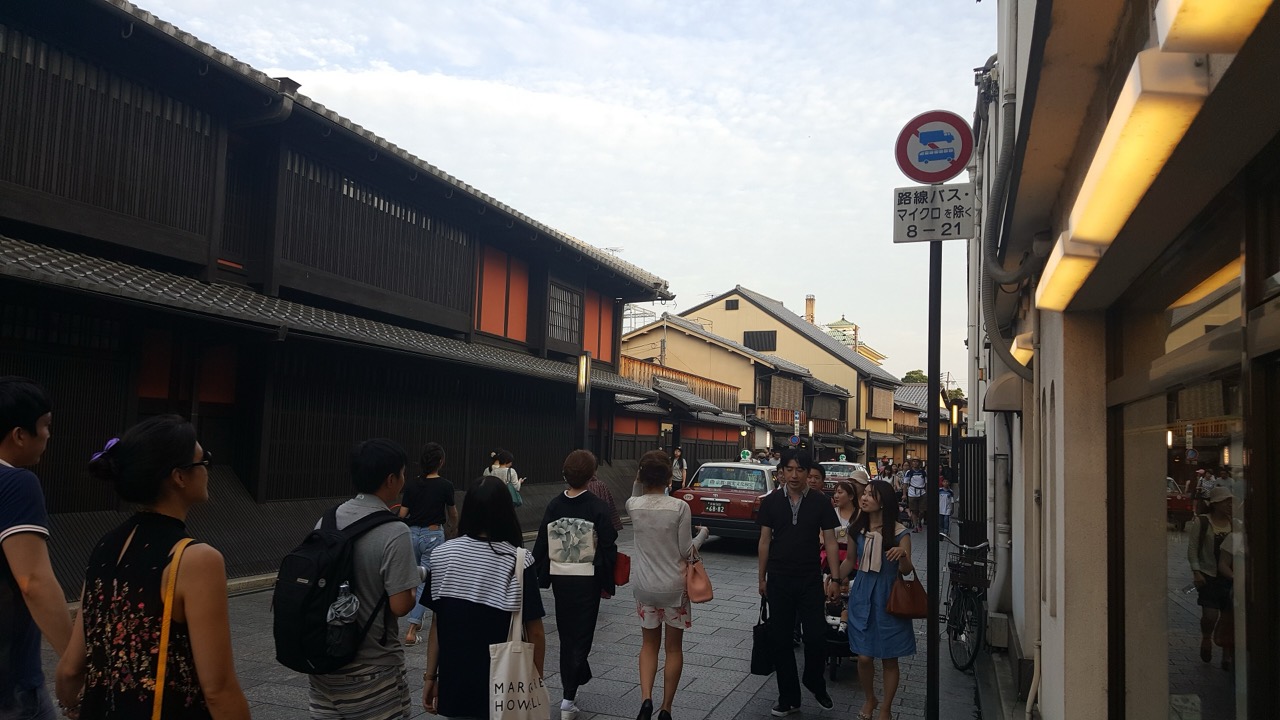
5.There was one way into the site: Hanamikoji. Nothing over four tonnes could enter, so the job ran on a 1.2 cubic metre backhoe fitted with a 21-metre long arm, slim enough to pass between the columns left standing, and the working platform was raised with 2,000 truckloads of recycled crushed stone. New construction here is capped at 12 metres, but Kyoto granted its first height-district exemption and the original 31.5 metres survived.
6.Stone dominates the material list. The entrance columns are Rosso Brocatello, a red marble from northern Italy; the lobby columns are Tamine stone quarried on Okinoerabujima, its surface studded with marine fossils. The Oya stone in the corridor columns comes from the same quarrying era as the Wright Building, and the pool wall carries Kitagi stone pulled off the old Yasaka Kaikan facade. The copper roof tiles on the eaves read as red bronze today. Give them a few years and verdigris will settle in.
7.Of the 55 rooms, 44 are Premier and Grand Premier and the remaining 11 are suites. The smallest is 50 sqm; the Imperial Suite runs 128 sqm with a separate terrace. Eight rooms are laid with tatami, a first for the Imperial brand. Add up the areas by room type against the gross floor area and 35 percent comes out. An urban hotel would normally sit between 55 and 65 percent.
Floor efficiencyOnly a third of the gross floor area is guest rooms. The other two thirds set this hotel's cost structure.
8.Rates start at 208,000 yen for a Grand Premier, double occupancy. The Yasaka Suite behind the preserved facade is 622,400 yen and the Imperial Suite is 3 million. Tax and service are included; the lodging tax is not. Kyoto moved to a five-band tax on stays from 1 March, charging 10,000 yen a night on rooms above 100,000 yen. Every room here, cheapest included, starts in the top band. Opening day fell four days after that took effect.
9.Put the average room rate at 300,000 yen and occupancy at 70 percent, and annual room revenue lands near 4.2 billion yen. Higashiyama Ward posted an average rate of 94,600 yen in April, the highest in Kyoto, and this hotel starts three times above that. But 55 is a number that cannot grow, and occupancy tops out at 100, so room revenue has little room to widen from here. Estimated by applying an occupancy rate and an average rate.
10.The non-room side is thin. Ren, the French restaurant, seats 18; the all-day dining room Yasaka seats 54; the Old Imperial Bar on the seventh floor seats 19; the rooftop seats 24. That is 115 seats, and the 43 in the bar and on the roof close from late November to late March. More to the point, there is no banquet hall. The floor a full-service hotel fills with weddings and receptions never had anywhere to go in this building.
Revenue mixRecovery here rests almost entirely on 55 rooms.
11.So the arithmetic runs tight. Divide 12.4 billion yen by 55 and each room carries 225 million; spread across the gross floor area it is about 1.15 million yen per square metre. Apply the operating margin typical of a small luxury hotel to revenue of 4.9 billion, and roughly 1 billion yen a year is left to pay down the project cost, which takes 12 years. Work through all 12 and the building still has the same owner.
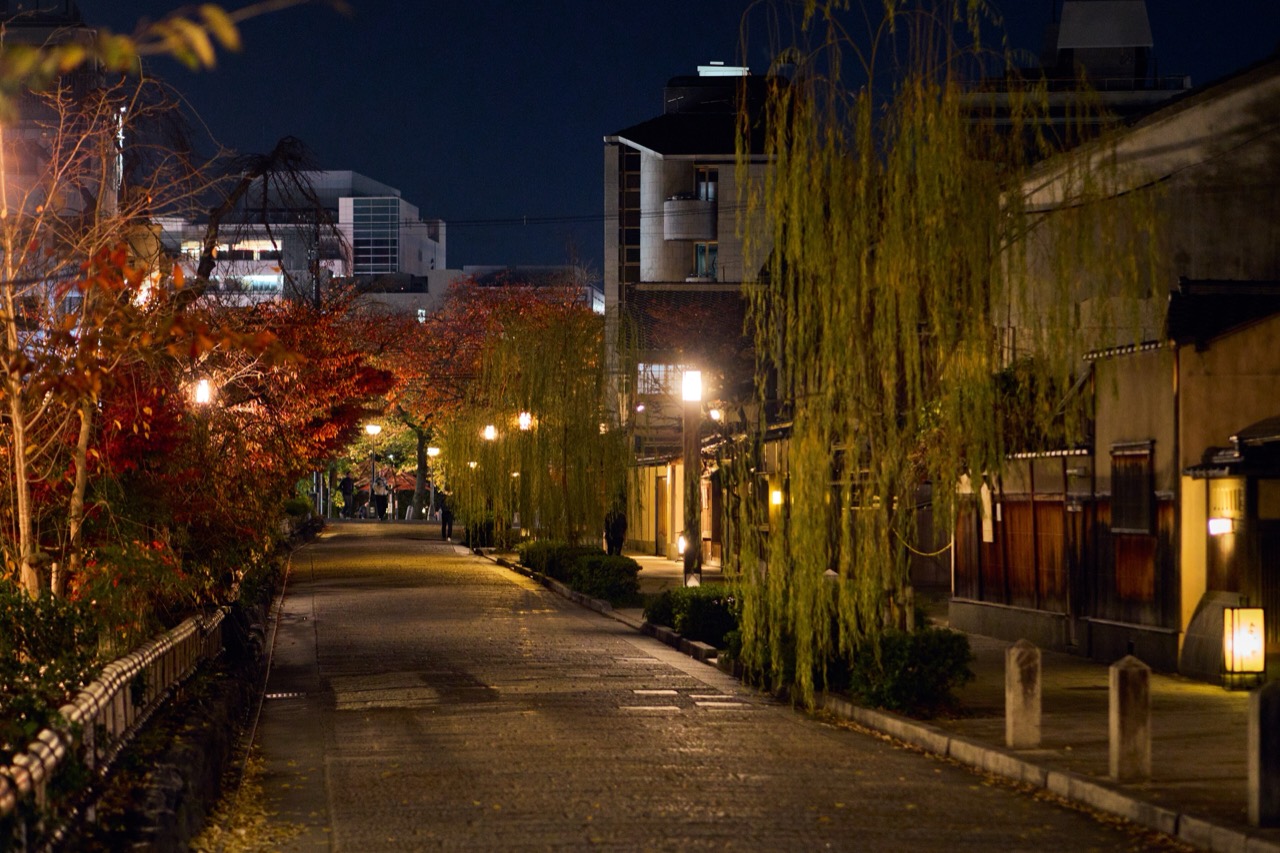
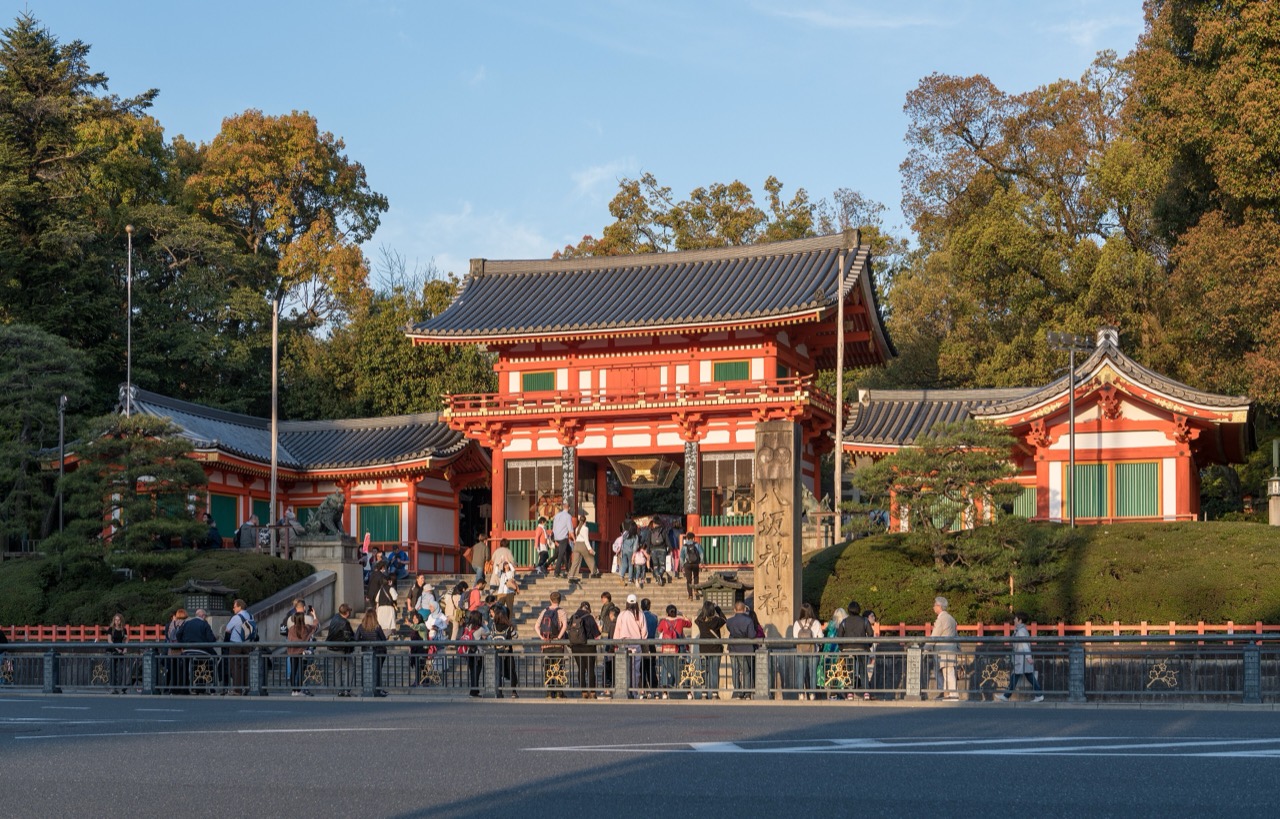
12.Gion is a district where you cannot put up a new building. The scenic ordinance caps height at 12 metres, so nothing at this scale comes out of new construction, and the 31.5 metres was allowed only because the work was a repair of a cultural property. A location money cannot buy was obtained through a lease. That is where a company spent its first new opening in 30 years.
13.What does the school get out of this. Yasaka Nyokoba Gakuen trains geiko and maiko and also owns a 90-year-old cultural property, an asset it could not use without seismic work while the upkeep kept running. With a tenant paying for the renovation and rent coming in on top, the school gets the building back without spending anything. On the day the lease ends, a 12.4 billion yen renovation stays with the owner.
14.The risk sits in the timing. 2026 brought the largest wave of luxury hotel supply Japan has seen in a decade, with several properties opening in Kyoto within months of each other. The lodging tax rose on top of that, and the bar and rooftop shut for four months every winter. Kyoto's occupancy climbs to 87.7 percent in April but sat at 74.9 in February, and across the 12 years of recovery those 43 seats go dark in every off season.
A cultural property built in 1936 as an entertainment hall, then left empty for failing seismic standards, was leased by a hotel company that spent 12.4 billion yen turning it into 55 rooms and opened in March. Only 35 percent of the gross floor area is guest rooms and there is no banquet hall, so recovery rests almost entirely on those rooms, and through the 12 years or so that takes the owner remains the school foundation. Anyone attempting this in Korea runs into beneficial expenses first. Civil law lets a tenant recover money put into a building when the lease ends, but the provision is optional and a single special clause removes it, and in practice it is struck out alongside the restoration obligation as a matter of course. A registered cultural property adds a filing for any change to its condition, and putting it to lodging use means a change of use and a fresh parking count. In a contract where you pour construction money into someone else's building, the thing actually worth negotiating is not the rent but the length of the term.