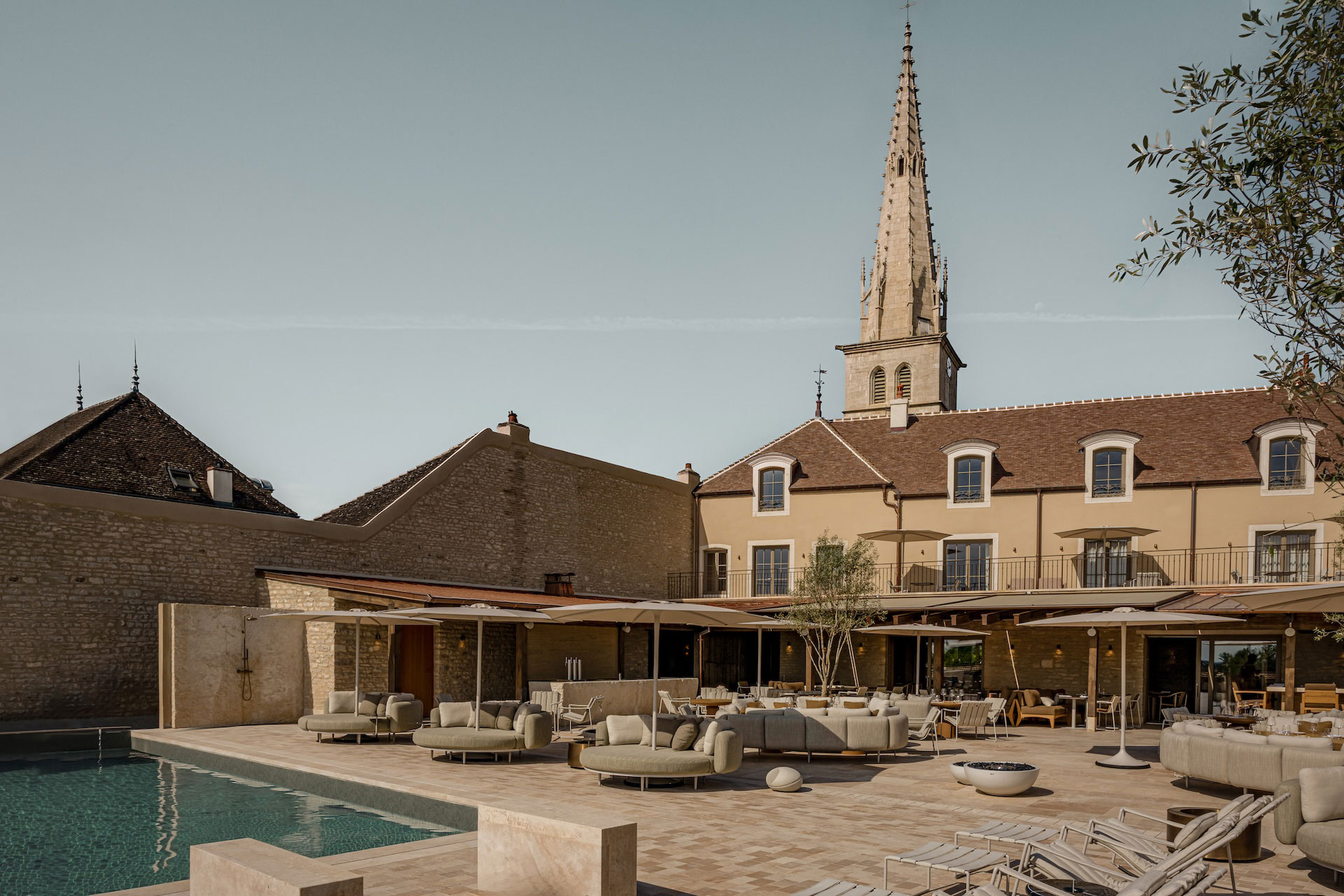
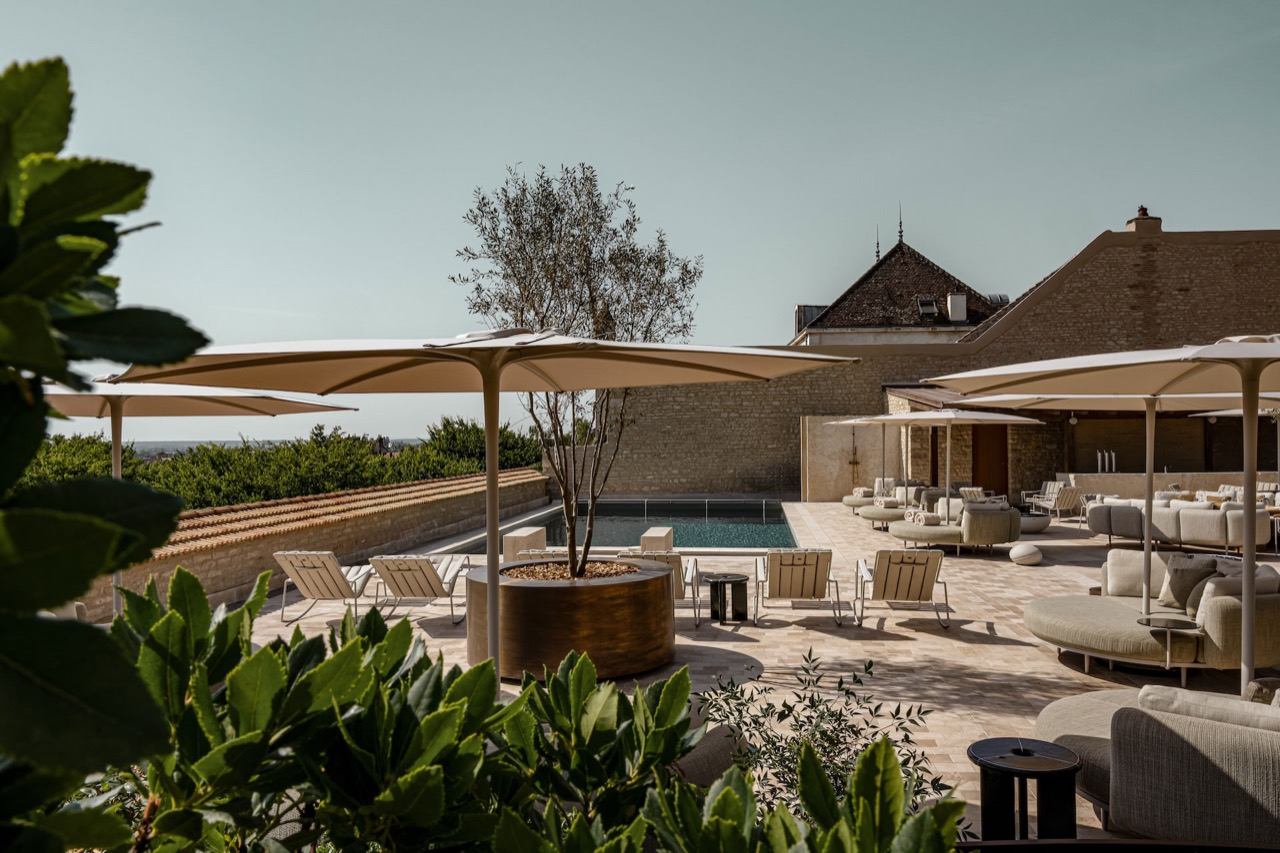
Courtyard and poolBeyond the terrace by the pool rises the spire of the village church. ⓒMr Tripper / Maison Le Chevreuil
Daily Hotel
Ten rooms, and 217 seats for food and drink
2026.09.17
In Meursault, a wine village in Burgundy, Maison Le Chevreuil held its official opening party on September 11. Ten rooms, from 475 euros a night with breakfast. By our estimate, rooms bring in less than half of its revenue.
1.It was not a hotel company that opened it. The owners are wine collectors from Denmark, Switzerland, Germany and Norway, people who, the hotel says, have been buying Burgundy and coming back to the region since the 1990s. Guests started arriving in July, and the party followed in September.
2.Meursault is a white-wine village in the Côte de Beaune. Population: 1,343 (2025 estimate). The hotel sits at 1 Place de la République, the village square, facing the town hall and the church. The building, said to have been a village inn in the 19th century, took two years to restore. Architecture is by Aubin Prost, interiors by Johanna Leserre of Slowhome, a studio based in Beaune.
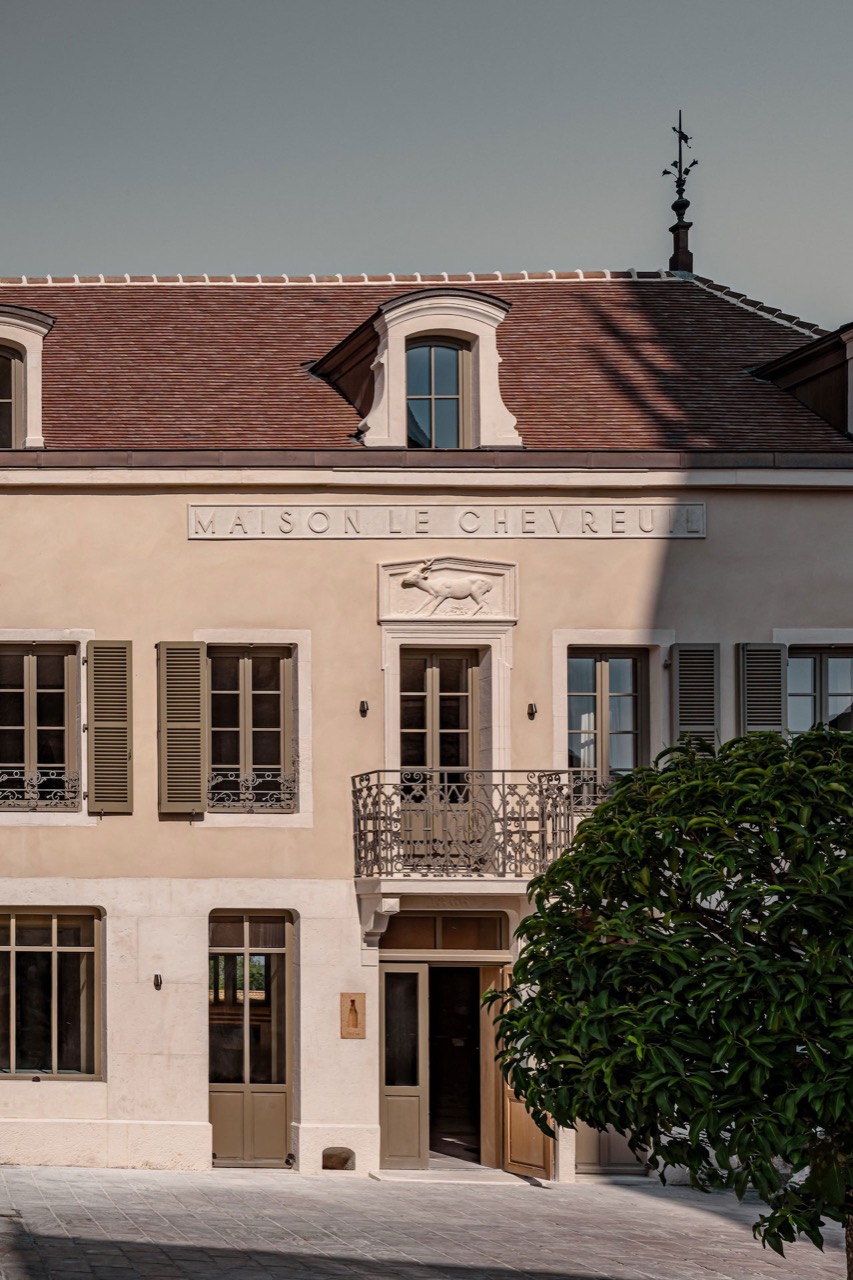
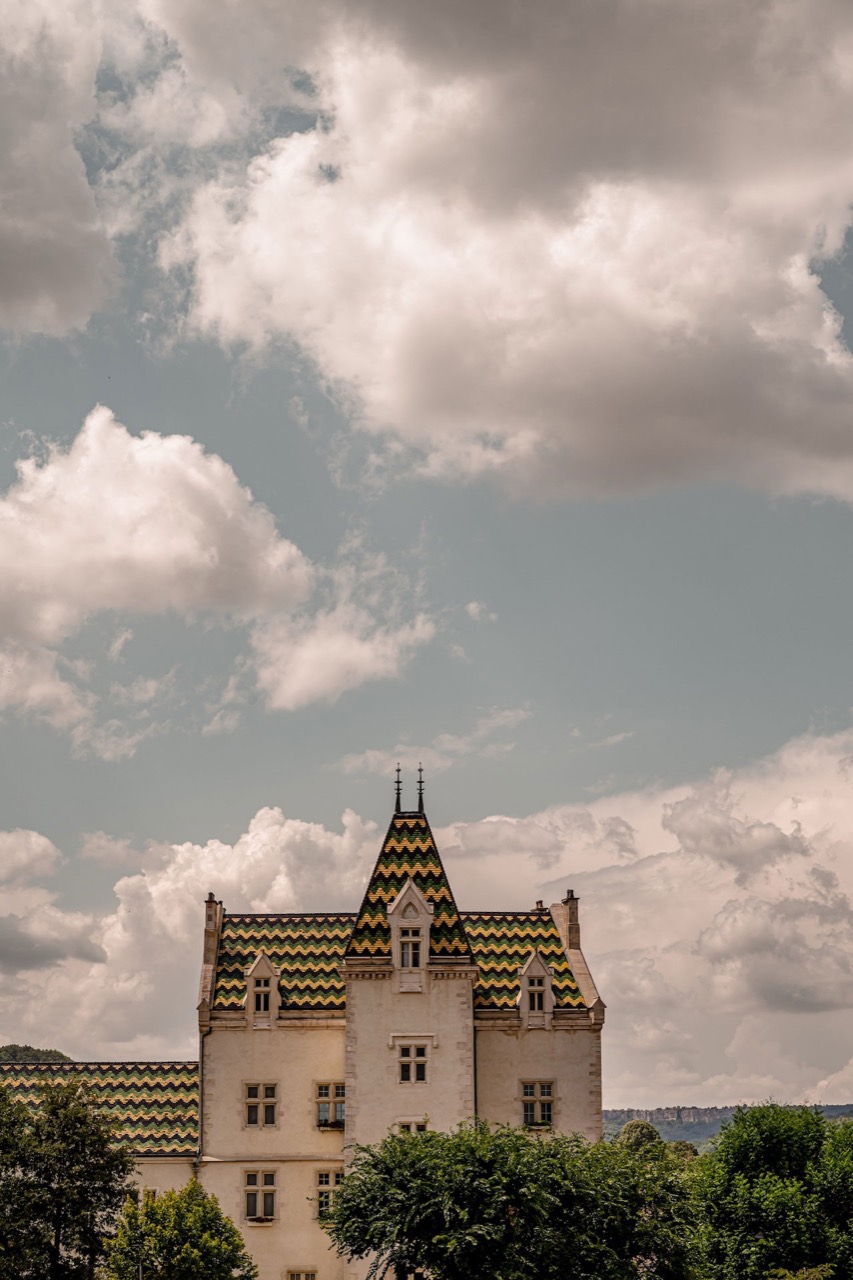
Front on the squareThe hotel name and a deer head hang above the entrance. Chevreuil means roe deer. ⓒMr Tripper / Maison Le ChevreuilView from the hotelThe Meursault town hall roof, laid with diamond-patterned glazed tiles. A roof you see all over Burgundy. ⓒMr Tripper / Maison Le Chevreuil
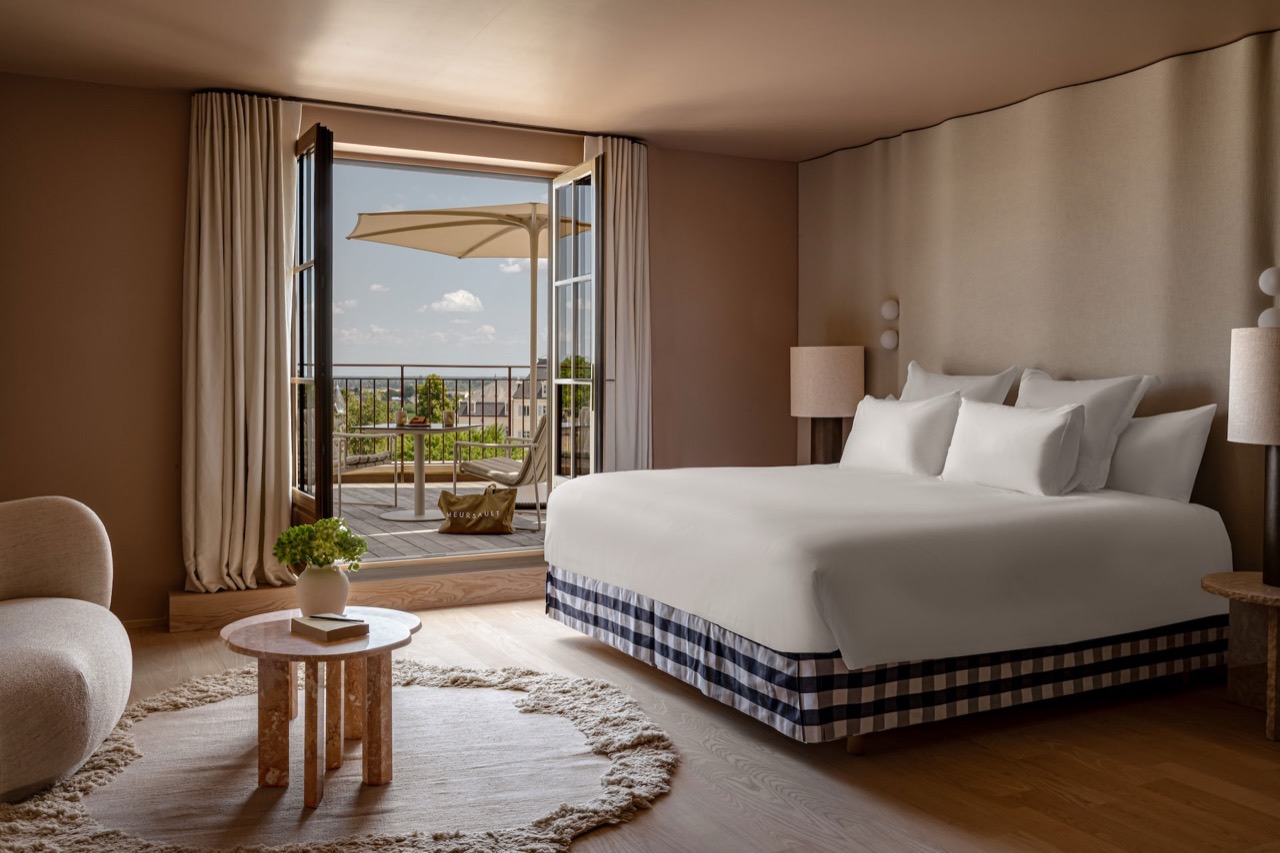
3.Ten rooms is all there is, each with windows onto either the vineyards or the square. Every room has a walk-in wardrobe, a tea station and a desk, and every bed is made by the Swedish company Hästens. The hotel claims to be the first in France furnished entirely with Hästens beds. The bet is that guests pay for sleep more than for furniture.
Room with a terraceThe blue check base marks a Hästens bed. The window opens onto the terrace. ⓒMr Tripper / Maison Le Chevreuil
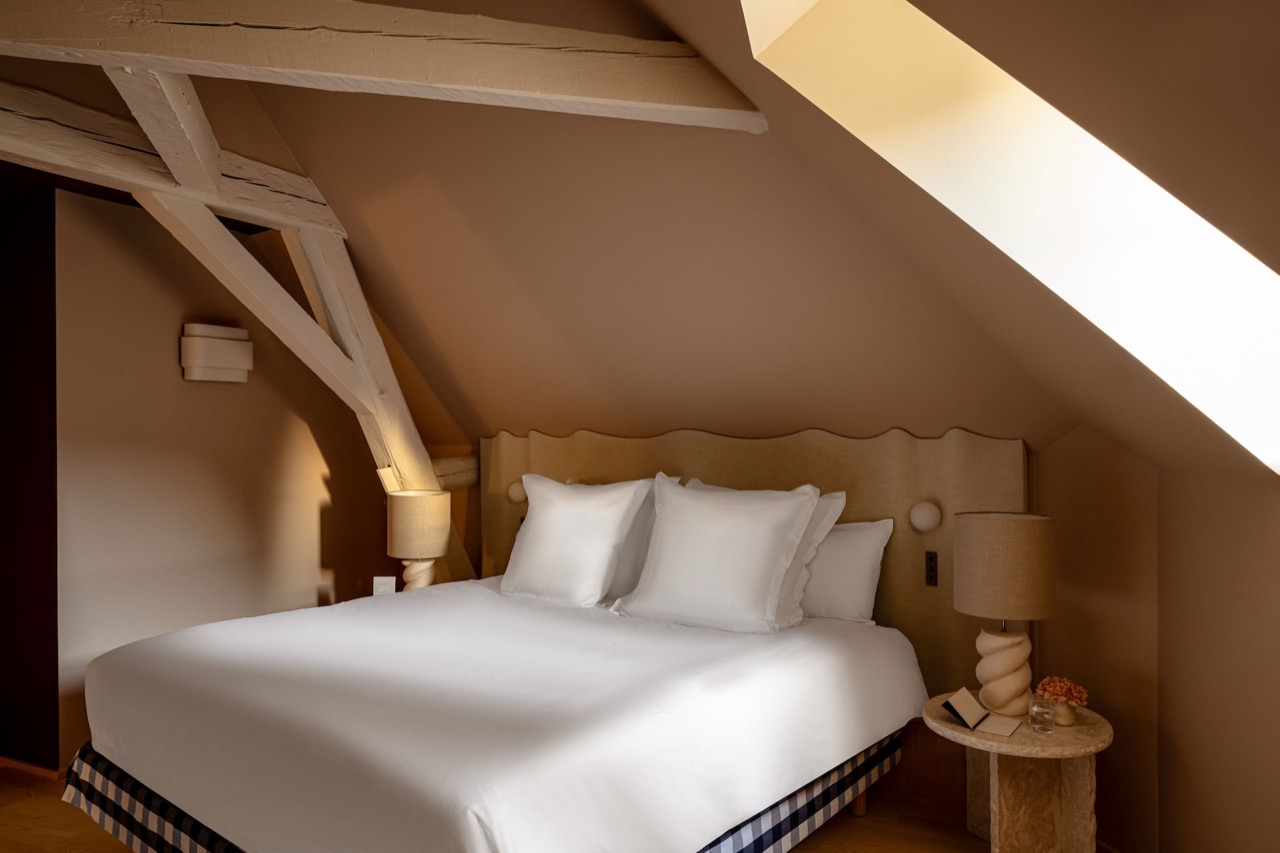
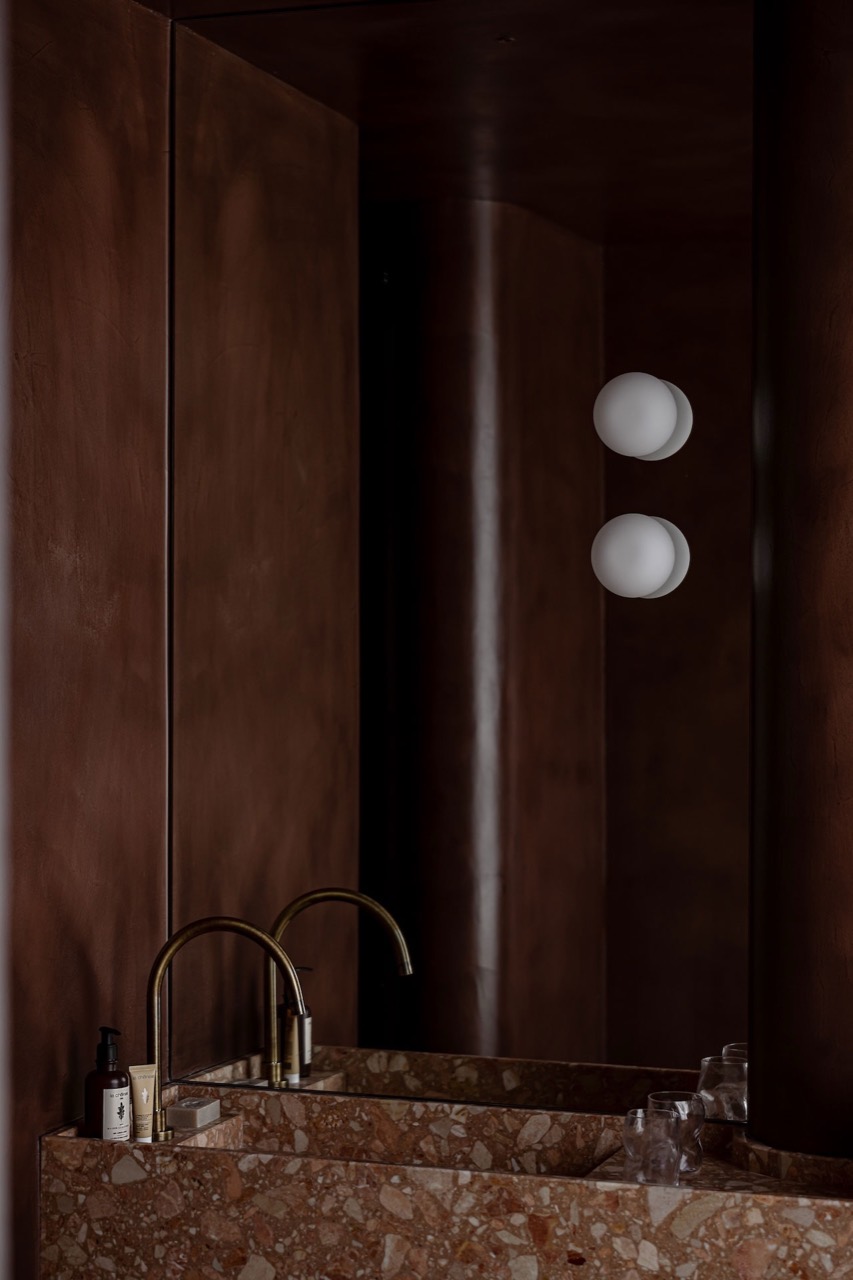
4.On the top floor, the old roof timbers stay exposed under a coat of white paint. Beneath the slanting beams, headboards ripple like waves, and smoked oak furniture built in a Burgundy workshop carries the room's darker tones. In the bathrooms, walls in the colour of wine lees curve inward so the shower feels like the inside of a fermentation vat. When the evening sun comes in, the walls redden first and the white linen stays bright the longest.
Top-floor roomThe old roof frame, painted white, over a bed with a wave-shaped headboard. ⓒMr Tripper / Maison Le ChevreuilBathroomWalls in a wine-lees tone curve around a pink terrazzo basin. ⓒMr Tripper / Maison Le Chevreuil
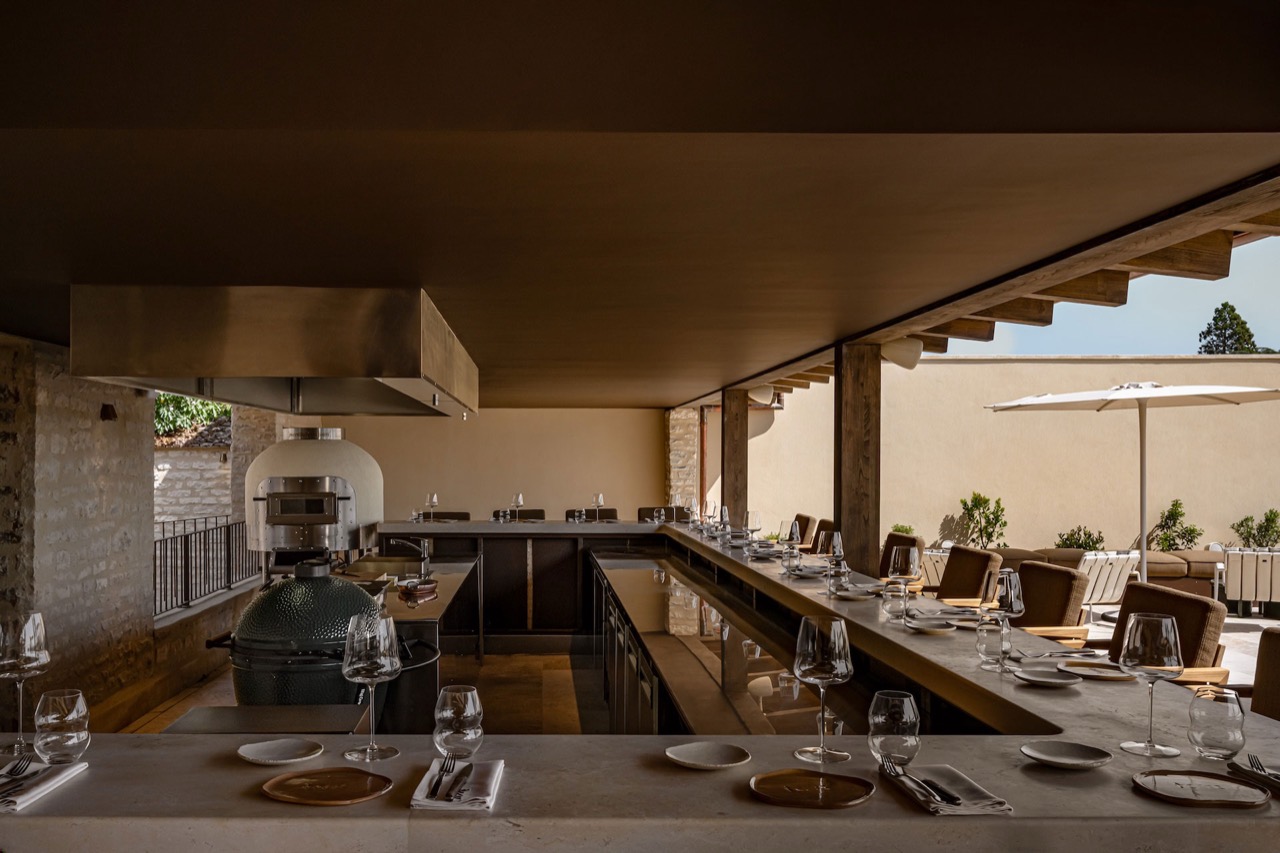
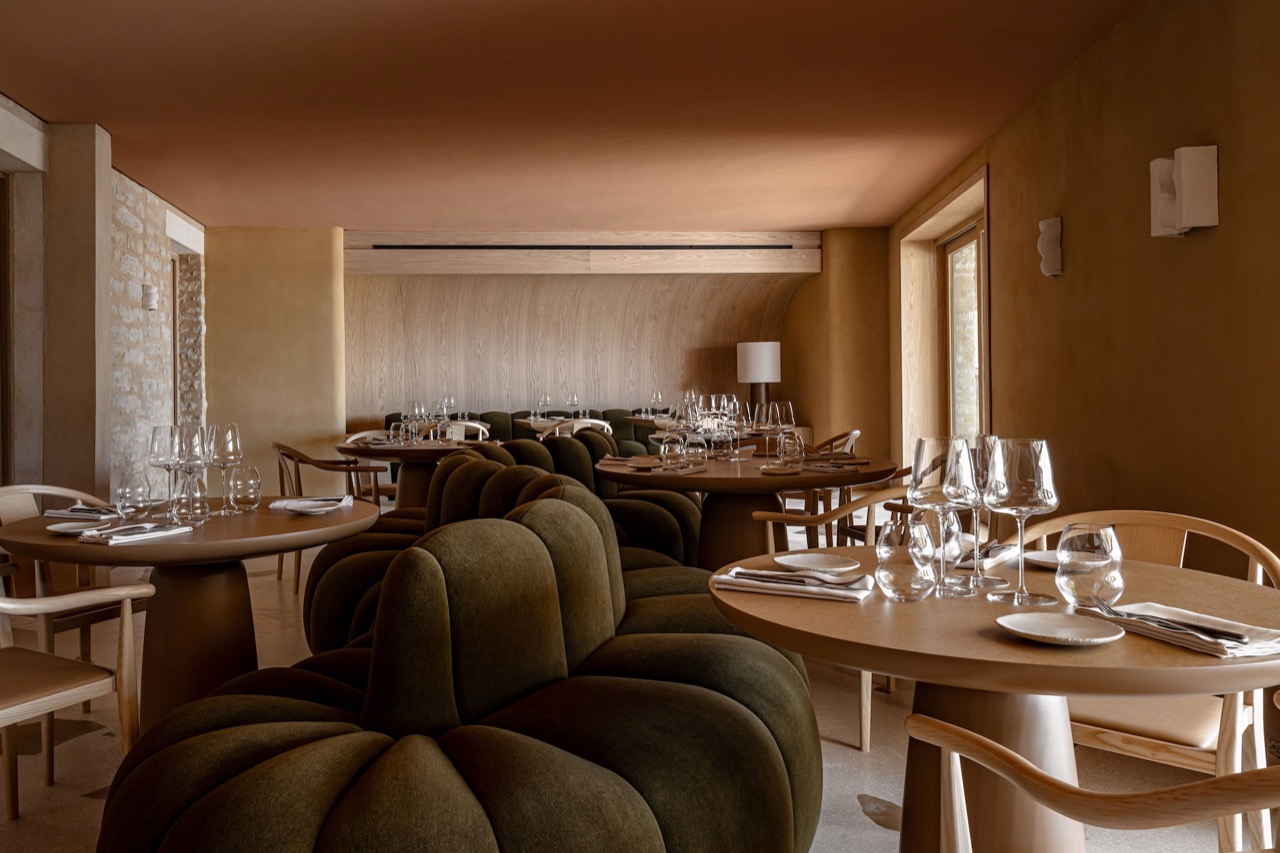
5.Look at the food and drink before the rooms. The restaurant, wine bar, two terraces and outdoor kitchen go under one name, TERRE, and the kitchen is built around wood fire. Chef Alfredo Martin previously ran the kitchen at GrandCœur, Mauro Colagreco's restaurant in Paris. Count the seats and the phrase ten-room hotel stops making much sense (chart below).
Outdoor kitchenA U-shaped bar wraps around a counter with a pizza oven and a charcoal grill. The space is roofed but open at the sides. ⓒMr Tripper / Maison Le ChevreuilTERRE dining roomThe indoor restaurant, with round oak tables and a green velvet sofa. ⓒMr Tripper / Maison Le ChevreuilSeatingEven if every guest came down to eat, they would fill less than a tenth of the seats. The rest belongs to people from outside the hotel.
6.Start with room revenue. Hotels in the Côte-d'Or department, where Meursault sits, ran at 60.08% average occupancy last year. At that rate and an average daily rate of 550 euros including breakfast, ten rooms earn about 1.2 million euros a year (estimate). At 1,600 won to the euro, a little over 1.9 billion won.
7.Split food and drink into indoor and outdoor. If the 69 indoor seats turn once a day for 300 days at 70 euros a head, that is about 1.45 million euros. Count the 140 outdoor seats only on 120 good-weather days, lower turnover to 0.7 and spend to 50 euros, and you get about 590,000 euros. Together, food and drink earn 1.7 times what the rooms do (estimate).
Rooms versus food and drinkEven on cautious numbers, food and drink outearn the rooms. Add events and wine sales and the gap widens.
8.At a full-service hotel, rooms usually account for about two thirds of revenue, with banquets and restaurants making up the rest, or so the industry rule of thumb goes. Here the ratio flips. Instead of a ballroom there is a terrace over the vineyards, and instead of wedding guests there are people touring wineries who stop in for lunch. The hotel's dedicated event space holds 150 outdoors and 65 indoors.
9.Costs lean toward food and drink too. Ten rooms alone would need only a few people for housekeeping and the front desk. A wood-fire kitchen, a sommelier team and 217 seats served every day need close to 30 staff (estimate). This is a hotel whose payroll mostly goes to the restaurant. In this setup the rooms are less a profit centre than a way to keep restaurant guests for one more night.
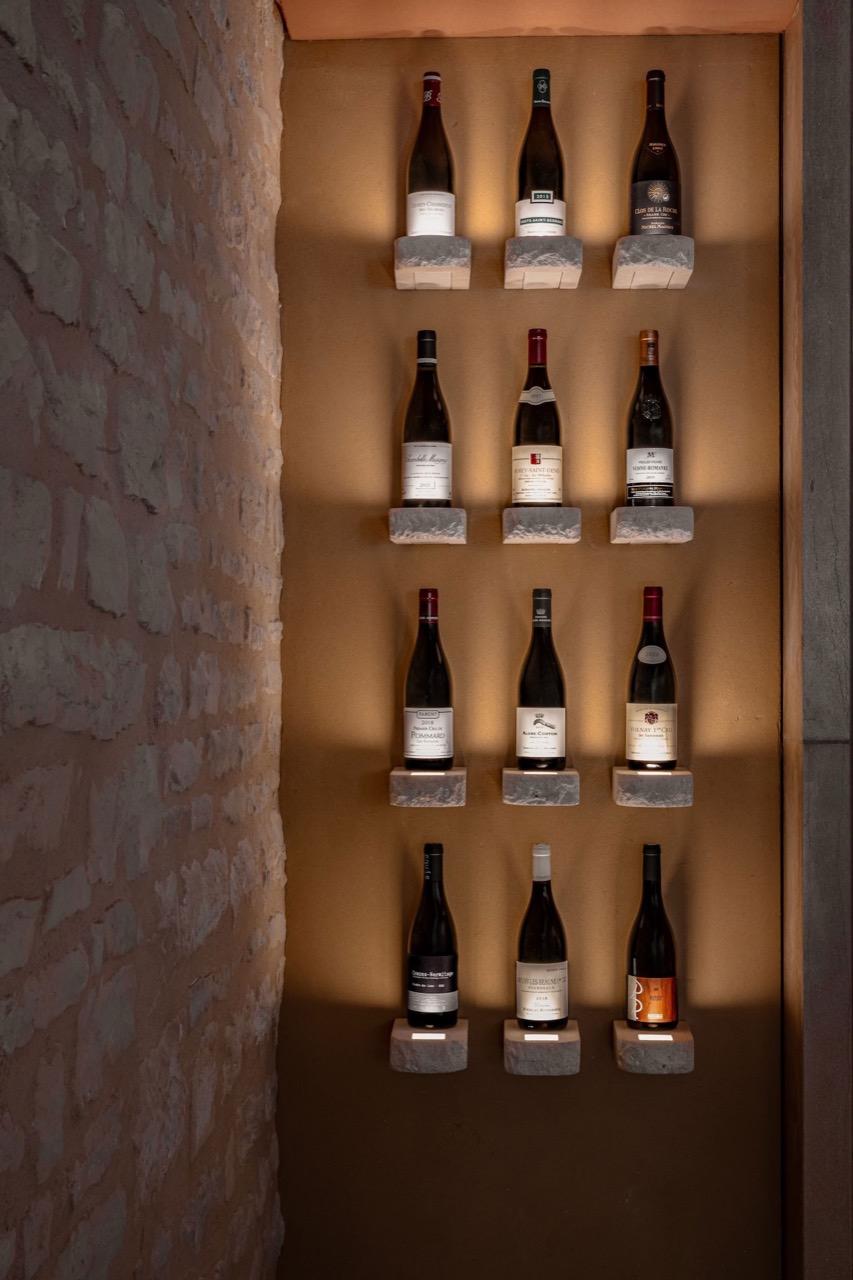
Wine wallBurgundy bottles stand two by two in a niche beside the stone wall. ⓒMr Tripper / Maison Le Chevreuil
10.What a bed in a wine village really sells is an evening without driving. France's drink-driving limit is 0.05% blood alcohol, easy to pass after a few tastings, and Beaune, the nearest town, is a little over ten minutes away by car. A guest who has had grand cru downstairs only has to climb the stairs, so another bottle gets opened. Ten rooms are enough to lift the average spend in the restaurant.
11.The visitors already come to the village. Château de Meursault alone draws more than 20,000 people a year. Most of them, though, sleep in Beaune and only stop by during the day. The hotel fills a gap: there were few places to eat and stay in the village itself.
12.The problem is winter. Côte-d'Or hotel occupancy climbs to 75.9% in July and 73.3% in September but falls to 42 to 47% in January, November and December. With 140 of the 217 seats outdoors, more than half close when the cold arrives. Summer earnings can easily end up covering winter payroll.
Vineyard-side terraceSofas spread out under parasols. This terrace seats 100 and opens only when the weather allows. ⓒMr Tripper / Maison Le Chevreuil
13.Events are meant to fill the gap. The first month alone had a DJ party on September 11, La Paulée du Chevreuil on the 18th and a wood-fire dinner on the 24th, with a hip-hop wine lunch in October. A wine auction is promised before the year is out. The hotel is also listed on GDS systems such as Amadeus and Sabre, opening a booking channel for travel agents.
14.The event's name comes from the paulée, the feast held for workers after the grape harvest. In 1923 Jules Lafon of Meursault revived it with 35 friends, and today it is the closing lunch of Les Trois Glorieuses, the Beaune wine festival on the third weekend of November, held at Château de Meursault. Even in low-occupancy November, the whole village is packed for those three days. The owners likely borrowed the name because their guests move by that calendar.
15.At the start of this year the Côte-d'Or had 210 hotels and 7,842 rooms, 50 of them rated four or five stars. Two and three stars still dominate, but the top end is growing quickly. While most new upscale hotels compete on room count, these wine collectors capped theirs at ten and made the table bigger. Will the tables still fill in the first winter, with the terraces closed?
In Meursault, an old inn reopened after two years of work as a hotel with 10 rooms and 217 food and drink seats, and by our estimate food and drink earn 1.7 times the rooms. Try to set up something this size next to a Korean winery or brewery and room count is the first obstacle. Under Korea's Tourism Promotion Act a small hotel needs at least 20 rooms, so ten rooms cannot register as a hotel. The route is a general lodging business under the Public Health Control Act, with a separate general restaurant permit for the dining side. A rural homestay licence requires a house under 230 square metres with the owner living in it, which rules out a restaurant serving 200 outside guests from the start.