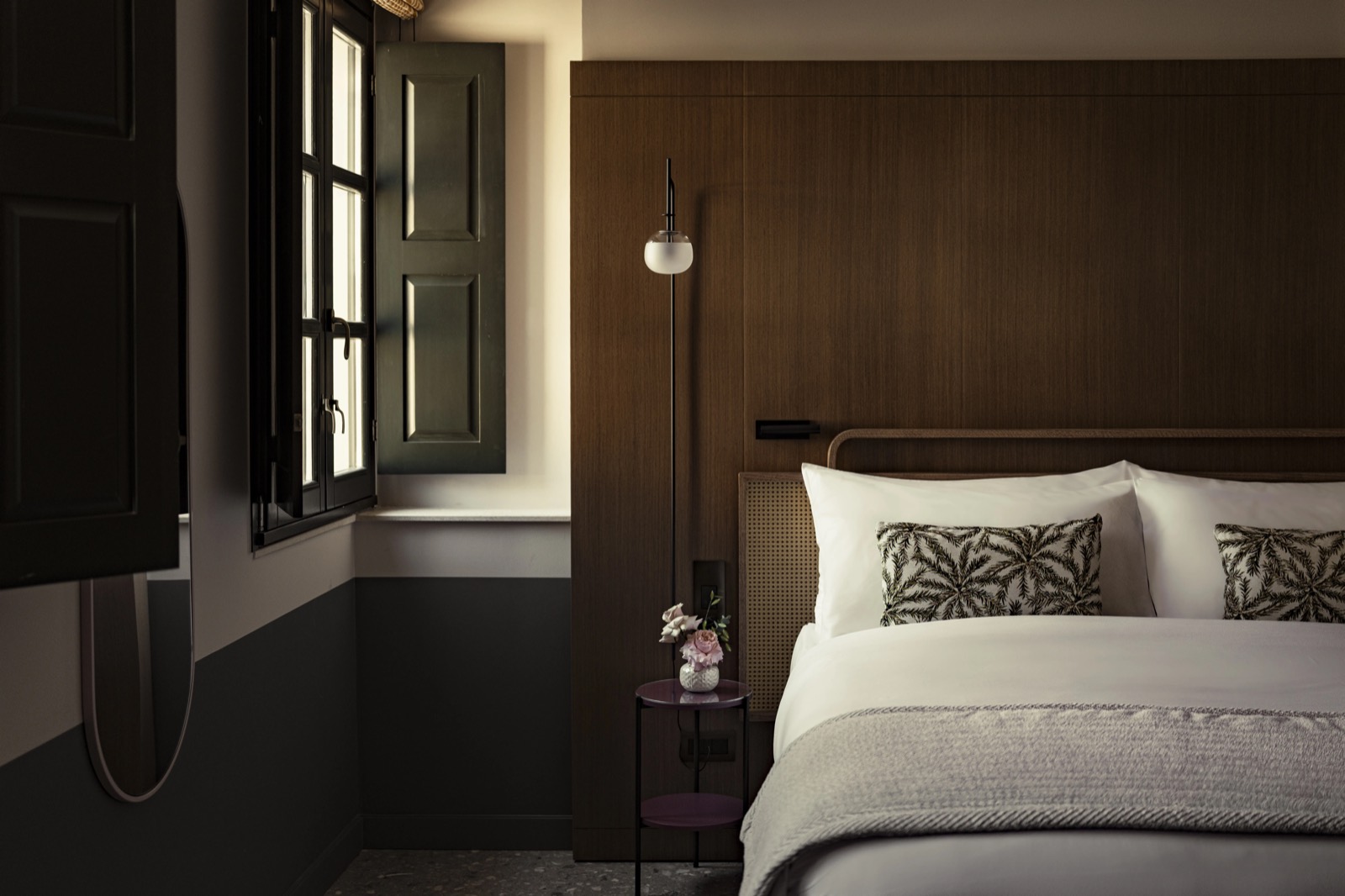
Executive room with balconyTimber panelling wraps the lower wall, and the window carries green shutters. ⓒRomègas Hotel
Daily Hotel
A 22-room palace hotel hung a chef's name over its ground floor, and every small hotel inside the walls does the same
2026.10.02
In Valletta, the capital of Malta, a sixteenth-century knight's residence has become a 22-room hotel. Standard rooms start at 400 euros a night with breakfast. Yet the first thing people learned about this hotel was not its rooms but the restaurant on the ground floor.
1.Romègas Hotel sits at 41-47 Old Bakery Street in Valletta. It has 22 rooms. EM Architects led the restoration, the Maltese family design firm Camilleri Paris Mode did the interiors, and the hotel joined the L.V.X. Collection of Preferred Hotels & Resorts, an alliance of independent hotels. The ground-floor restaurant, Caviar & Bull, opened on August 28.
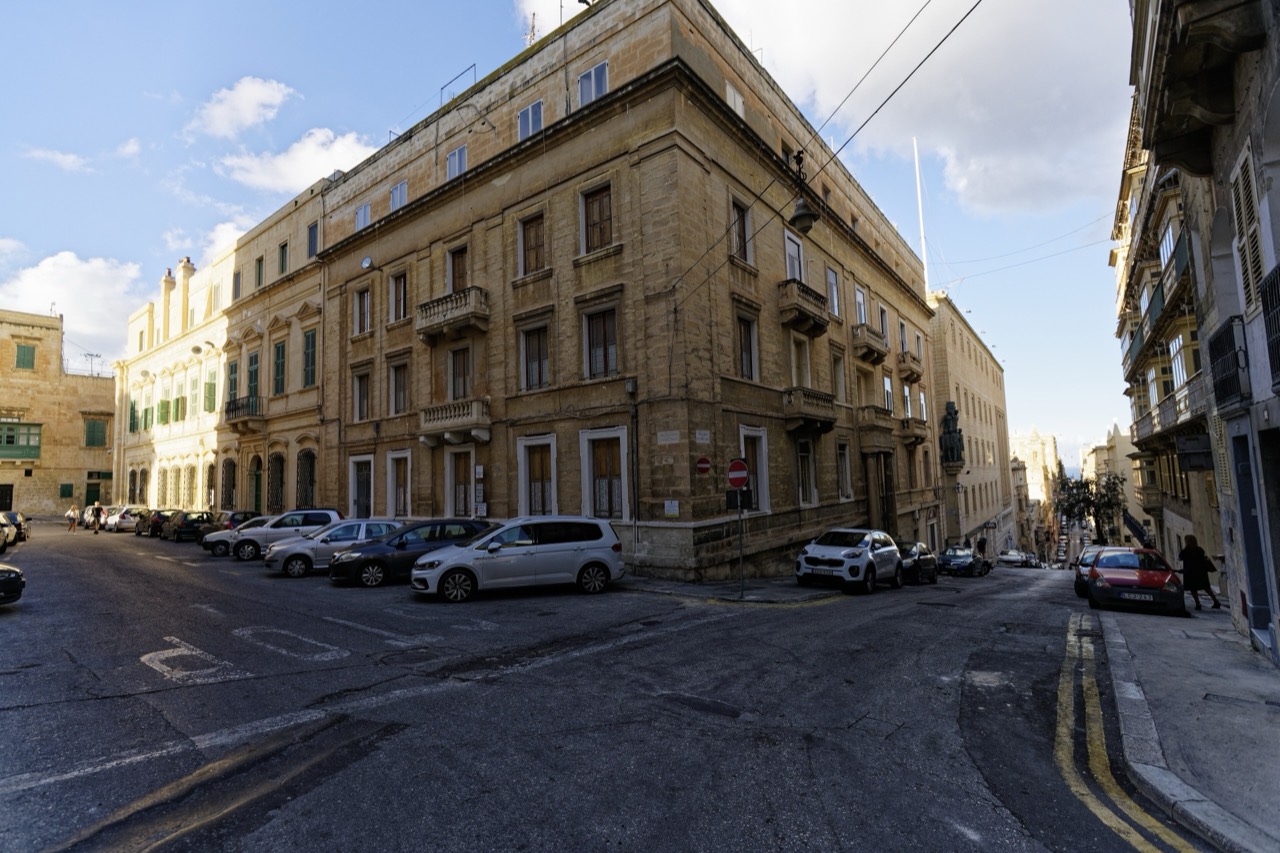
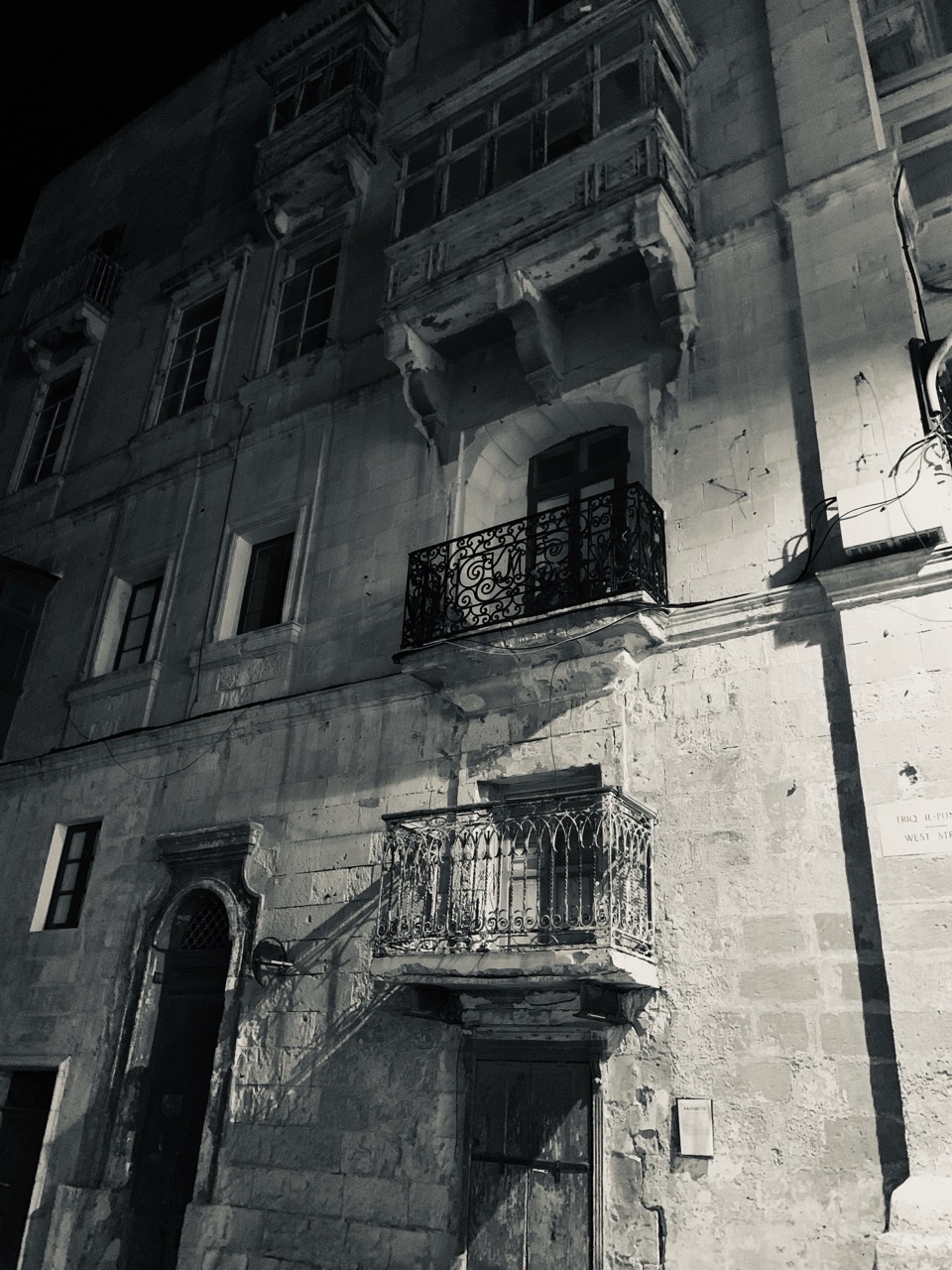
Old Bakery StreetThe street seen from its corner with Cavalier Street. The hotel stands at numbers 41-47. ⓒTxllxt TxllxT · CC BY-SA 4.0 · Wikimedia Commons
2.The building was the late-life home of Mathurin Romègas, a French-born knight who commanded the fleet of the Order of Malta in the sixteenth century. The hotel carries his name. The opening slipped more than once: first announced for spring 2025, then June 2025, then spring 2026, and the PR agency later pointed to late summer this year. Wallpaper* put it on its list of October openings.
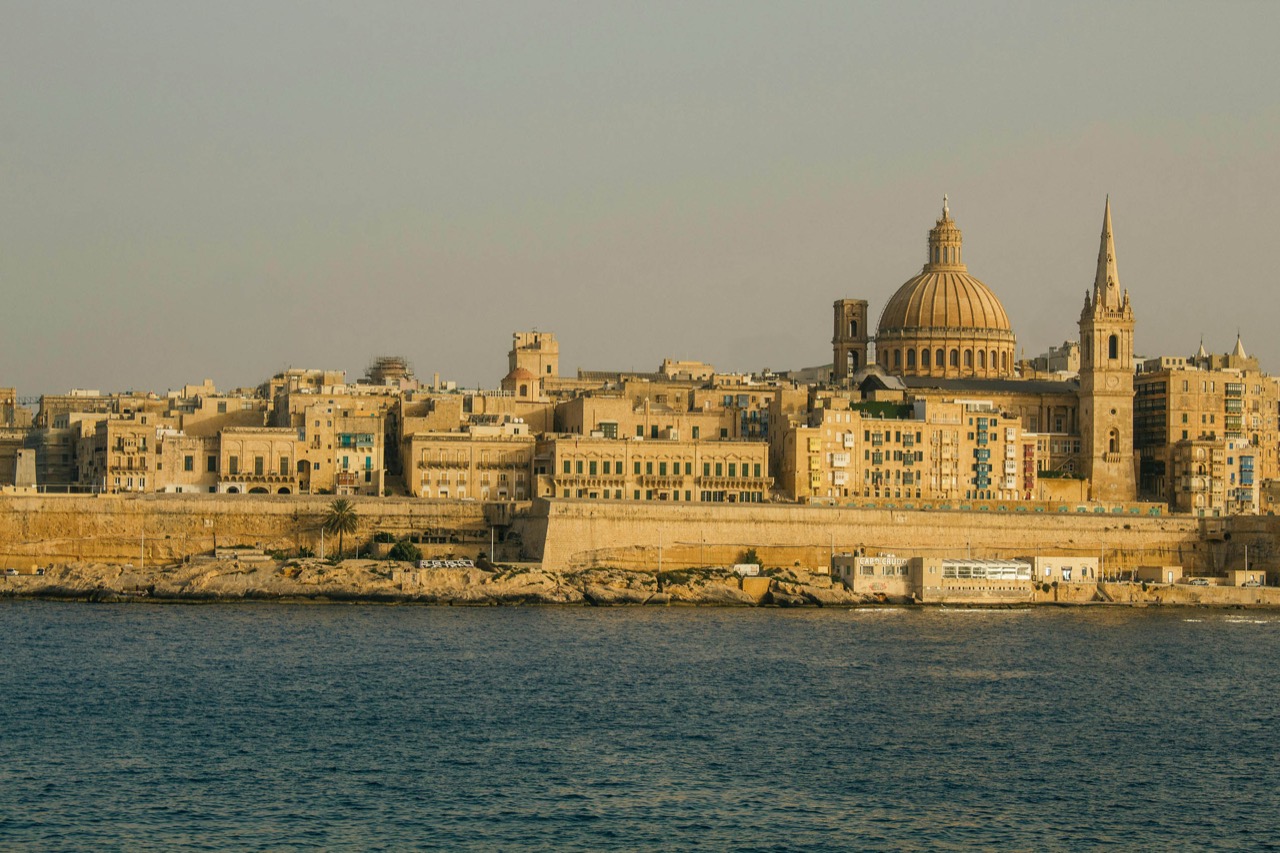
Valletta from across the waterThe whole city fits inside 0.61 square kilometres of walls. ⓒRomègas Hotel
3.The 22 rooms are split into 10 room types: six room categories and four suites, about two rooms per type. A new-build hotel would stamp out identical rooms along both sides of a corridor, but stone walls close to 450 years old give every room a different width and different window positions. Even the Executive room splits into two types depending on whether it has a balcony.
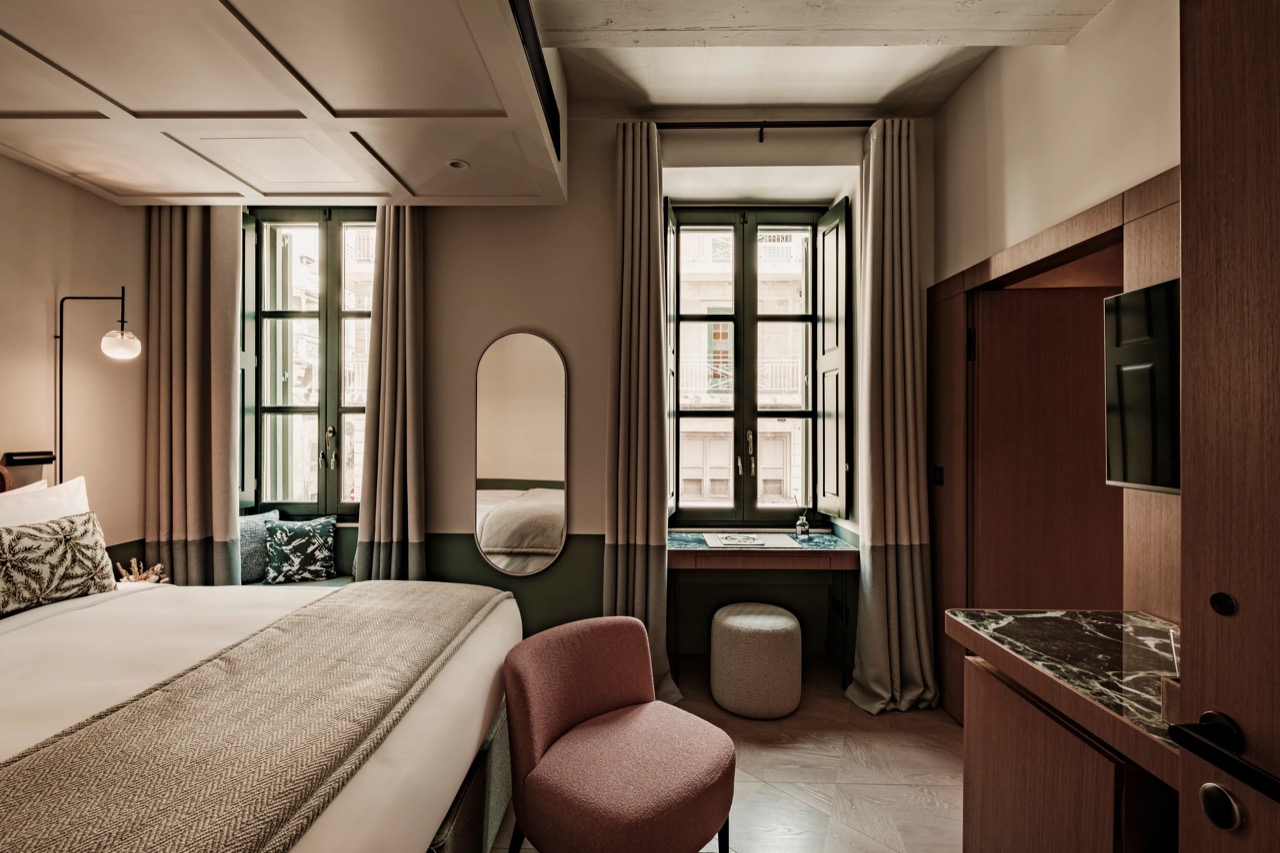
Deluxe room without balconyA room with two windows. The Deluxe room with a balcony is sold as a separate type. ⓒRomègas Hotel
4.Maltese limestone is honey-coloured when freshly cut and soft enough to leave dust on your fingers. Inside those walls the designers ran timber panelling to waist height and laid terrazzo set with marble chips on the floors. Outside, the wooden box balconies that hang off every Valletta building jut over the street, and from inside one, the voices of people passing below rise straight up from under your feet. In this city, that one box decides the room type and lifts the rate.
Valletta's wooden balconiesBox balconies called gallarija in Maltese. ⓒAngie Balzan · CC BY-SA 4.0 · Wikimedia Commons
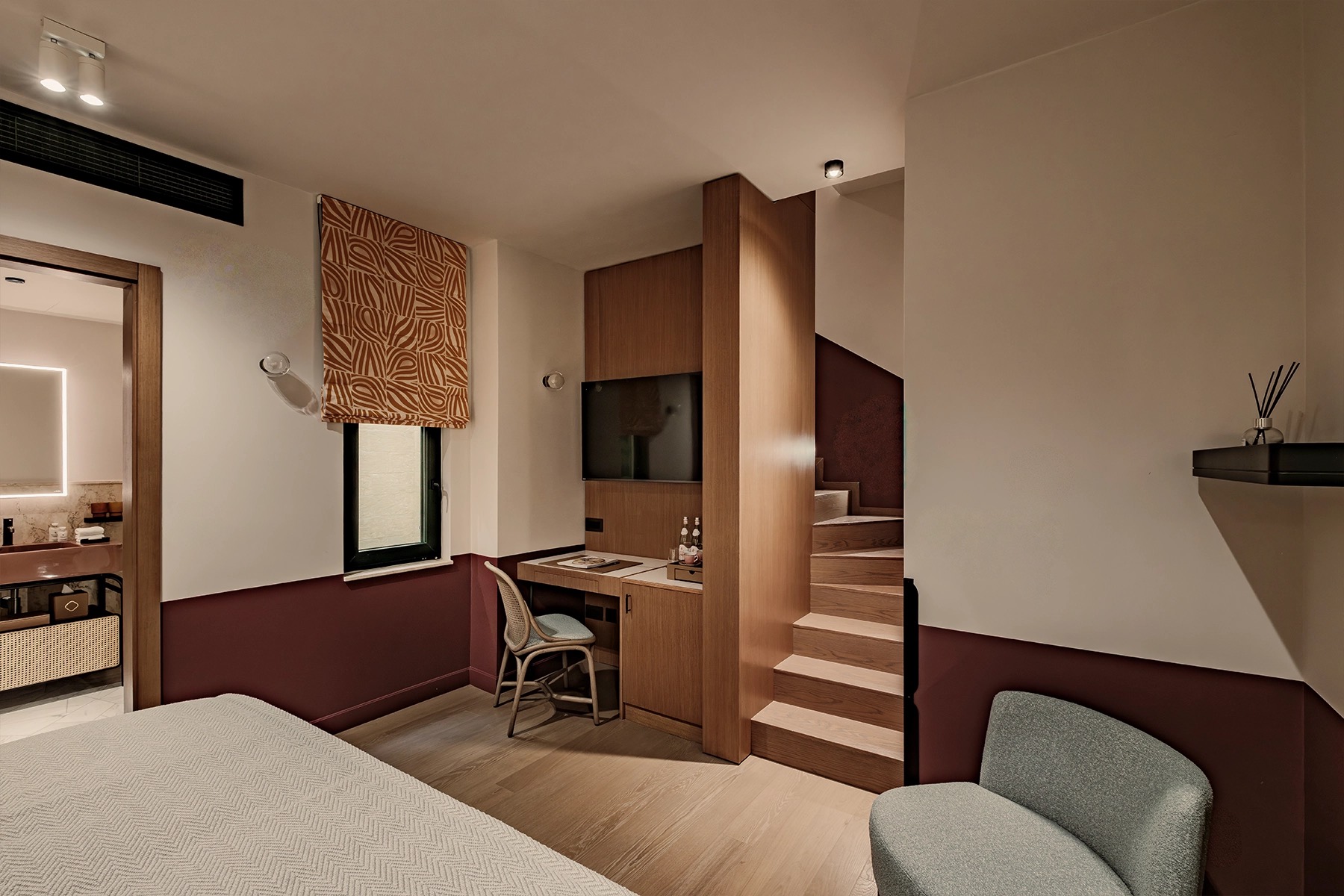
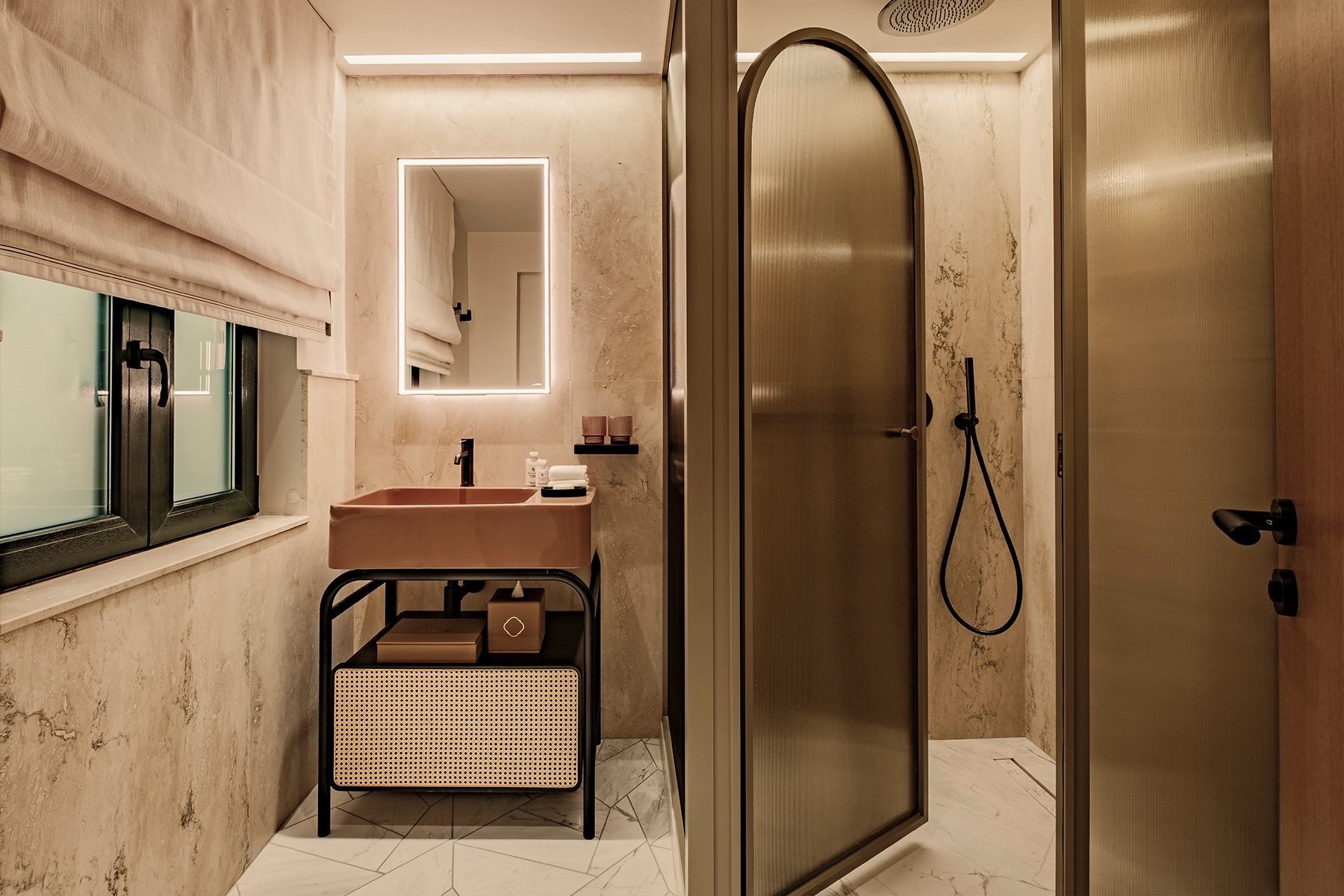
5.Some rooms climb to an upper level by an internal staircase, and one suite is named the Junior Spa Suite. A pool sits on the roof. The bathrooms are finished in marble. Room sizes have not been published.
Room with a staircaseAn internal staircase leads to the upper level. ⓒRomègas HotelMarble bathroomThe basin and shower are set inside marble walls. ⓒRomègas Hotel
6.Standard rooms start at 400 euros a night including breakfast. According to the survey by the Malta Hotels and Restaurants Association (MHRA) and Deloitte, the average daily rate at Maltese five-star hotels in the first half of 2025 was 201.4 euros. Even the peak second quarter alone came to 237.7 euros. The cheapest room here already runs about twice the five-star average.
Malta averages and this hotel's ratesThe cheapest room is about twice the five-star average.
7.Take a blended ADR of 480 euros including suites, and an occupancy of 68%, between Malta's five-star first-half figure of 65.6% and the second-quarter 78.4%. RevPAR comes to about 326 euros and annual room revenue to about 2.62 million euros. At 1,600 won to the euro, that is roughly 4.2 billion won (all estimates).
8.The ground-floor restaurant, Caviar & Bull, carries the name of Maltese chef Marvin Gauci. The original is in St Julian's on the north coast of Malta, and there is a branch under the same name in Budapest. The Valletta kitchen is run by Sergi Huerga Marin, who has worked alongside Gauci for 16 years, and it serves breakfast, lunch and dinner.
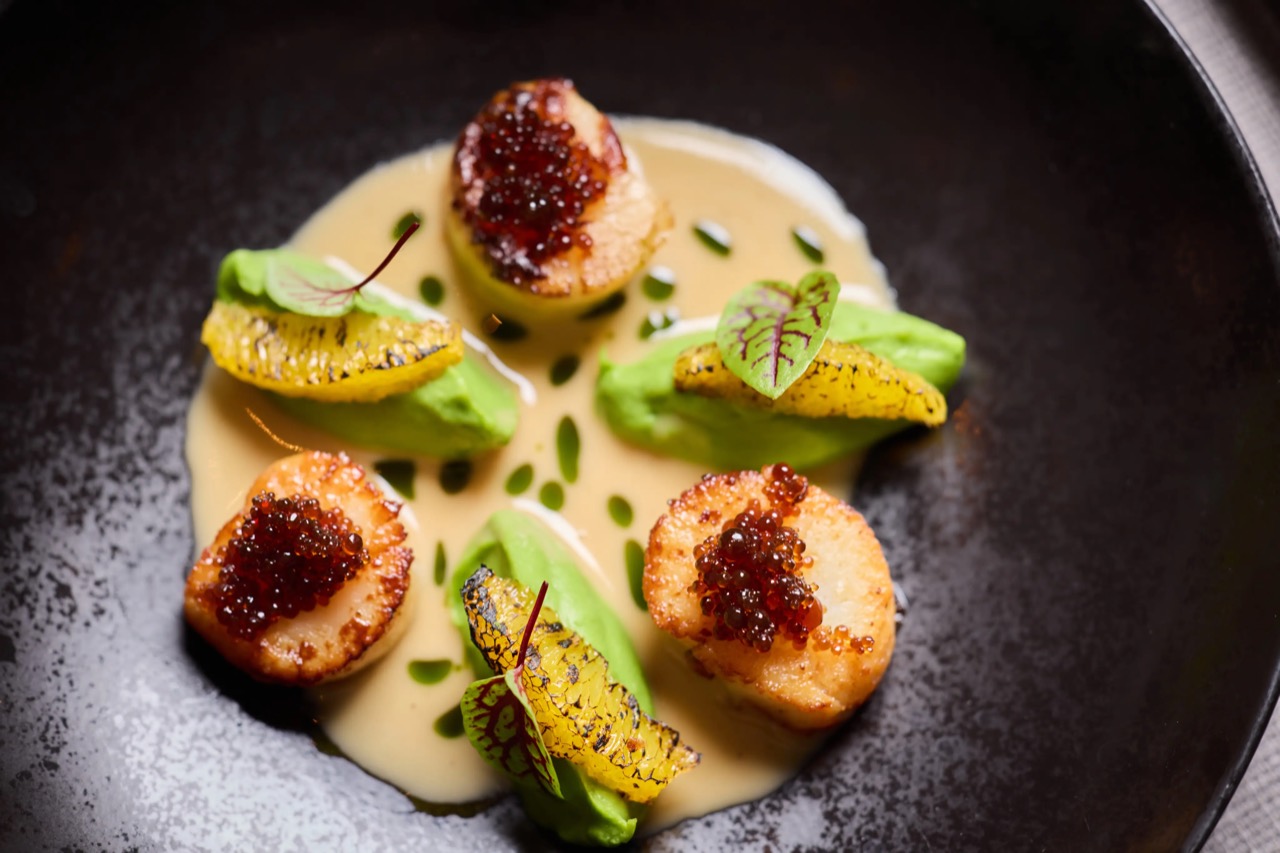
A dish from the hotel websiteScallops topped with red roe. ⓒRomègas Hotel
9.In a full-service star-rated hotel, food and beverage would bring in a quarter to a third of total revenue, earned through a kitchen and banquet rooms staffed by the hotel itself. Twenty-two rooms cannot feed that kitchen. Multiply 22 rooms by 68% occupancy and 1.8 guests per room and breakfast comes to around 27 covers a day (estimate). So this restaurant has to live on outside diners, and what brings them in is the chef's name. The terms between the hotel and the restaurant have not been disclosed.
Hotel barA bar photo published on the hotel website. ⓒRomègas Hotel
10.Valletta has seen this before. Rosselli AX Privilege, a 25-room hotel in a converted seventeenth-century residence, has held a Michelin star for seven years through its basement restaurant Under Grain. Iniala Harbour House, a 23-room hotel on the bastion, put British chef Simon Rogan's ION Harbour on its roof, and that restaurant is the only two-Michelin-star address in Malta.
About 20 rooms each, a restaurant on the signAll three have a similar room count and brought in a well-known chef's restaurant.
11.What about staff? Around 60% of Malta's hospitality workers are foreign, and the industry names recruitment as its biggest worry. If the chef's side brings an entire kitchen team, the hotel only has to hire for rooms and front desk (estimate).
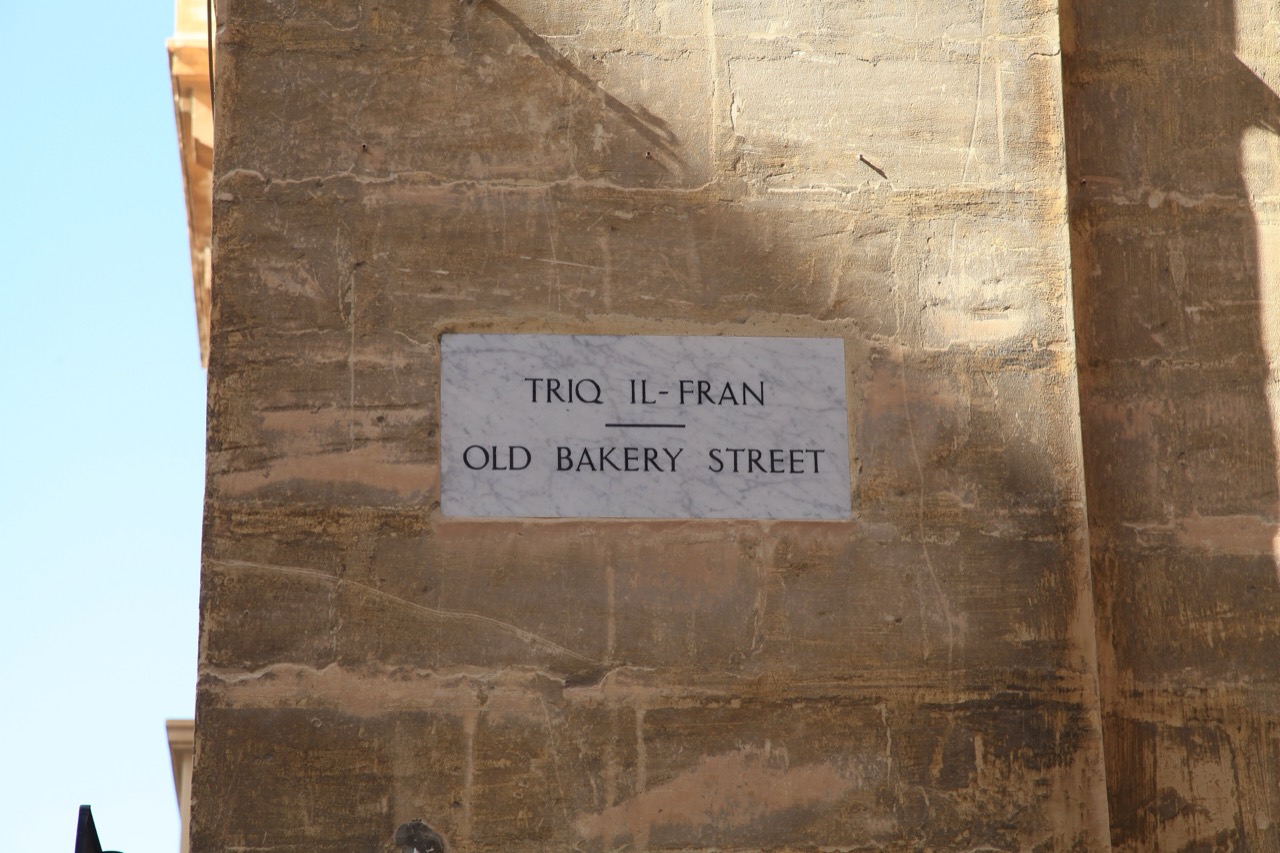
Street signThe Maltese name Triq il-Fran and the English Old Bakery Street carved on one plaque. ⓒFrank Vincentz · CC BY-SA 3.0 · Wikimedia Commons
12.Valletta was built walls first from 1566, with a grid of streets laid inside, and in 1980 the entire city became a UNESCO World Heritage Site. It covers 0.61 square kilometres and has a little over 5,000 residents. Visitors have tended to sleep in Sliema or St Julian's, where beach resorts line the shore, and to walk the walled city only by day. Set a dinner table inside the walls, and the people who come for dinner can stay the night upstairs.
A studio photo from the hotel websiteThe hotel says it hangs newly commissioned works by Maltese artists in the rooms and public areas. ⓒRomègas Hotel
13.The picture across the island is different. Malta drew 3.56 million tourists in 2024, breaking records year after year, but 13,543 new hotel rooms are already approved and more than 8,000 are in planning. The industry warns that room supply could nearly double by 2030 at this rate. Most of that stock is going up along the coast outside the walls. Inside the walls there is no land for a large new hotel, so the knights' old residences are simply being divided into 20-room hotels.
14.There are two risks. One is the time lost to an opening delayed by more than a year, during which some interest and payroll went out with no revenue coming in (estimate). The other is who owns the sign. The Caviar & Bull name and its kitchen team belong to the chef, so when the contract ends, the name that drew the guests could leave the building.
15.Hotel occupancy in Malta swings hard with the seasons. On winter nights when rooms sit empty, the ground-floor dinner tables can still fill with guests from outside the walls, and in that season it is the restaurant rather than the rooms that holds up revenue (estimate).
A sixteenth-century residence inside the walls of Valletta has become a 22-room hotel, with standard rooms from 400 euros including breakfast. That is about twice the Maltese five-star average, and the ground-floor restaurant hangs a well-known chef's name to draw outside diners. Annual room revenue is estimated at around 4.2 billion won. Anyone converting a modern-era building in a Korean city centre into a hotel of about 20 rooms will hit fire safety first. Lodging facilities above a set floor area must install sprinklers on every floor, and how to hide the piping inside the old ceilings and walls that have to be kept decides the construction cost. Bringing an outside chef into the ground floor comes after that.