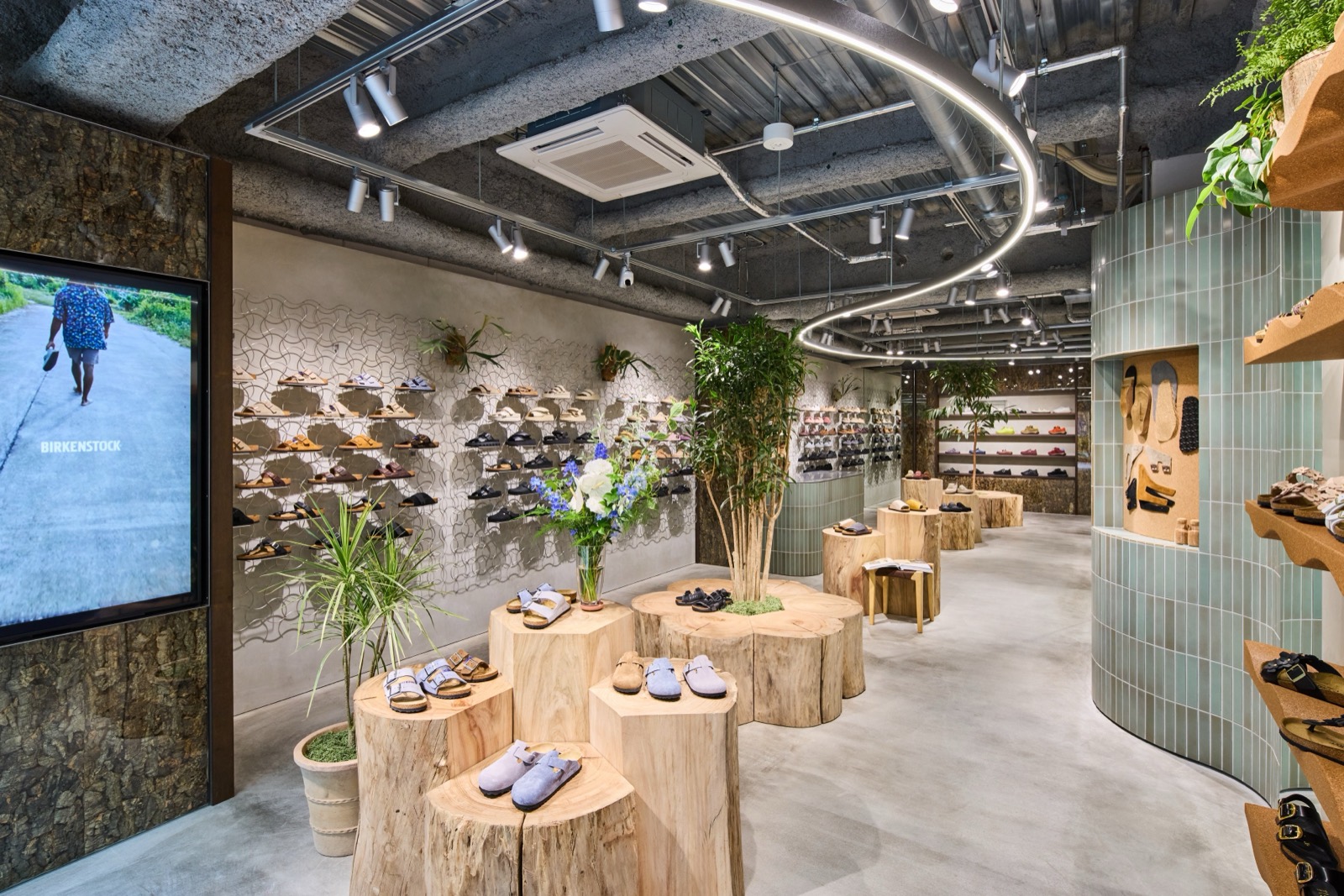
A 250-year-old German shoe company opened a store in Jinnan, Shibuya, Tokyo on the first of this month. It is the sixth concept store and the thirteenth directly operated store in Japan, and the fourth this year alone. Yet of this company's latest quarterly revenue of EUR 618 million, only 24% came from its own stores. All the rest is money made in somebody else's shop. Why a company built on wholesale keeps building its own stores is written on one line of the income statement.
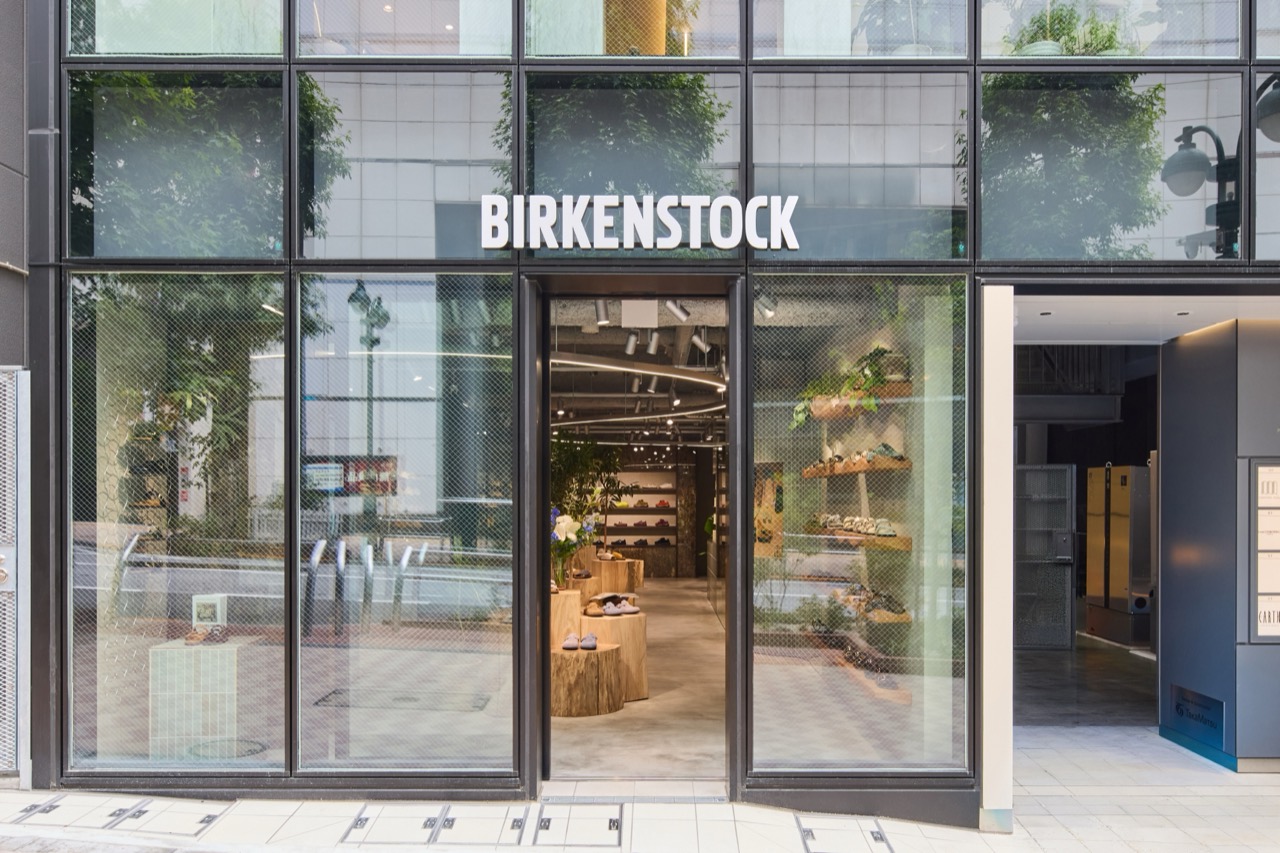
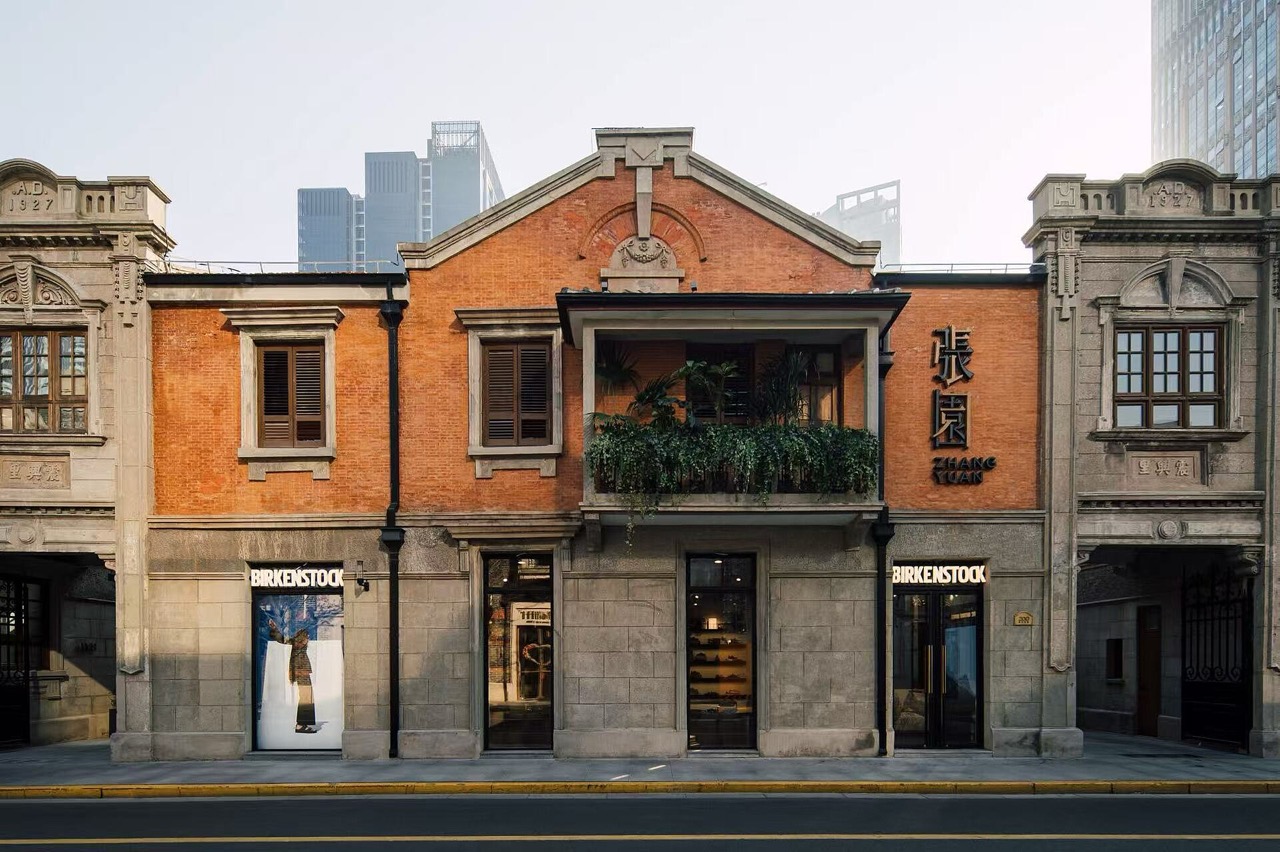
1.The facts first. On July 1, 2026, the BIRKENSTOCK Shibuya concept store opened at 1-20-7 Jinnan, Shibuya, Tokyo. It is the sixth concept store and the thirteenth directly operated store in Japan, and the fourth this company has opened in Japan this year. The previous three were Ikebukuro, Shinsaibashi and Kyoto. Trading runs 11:00 to 20:00.
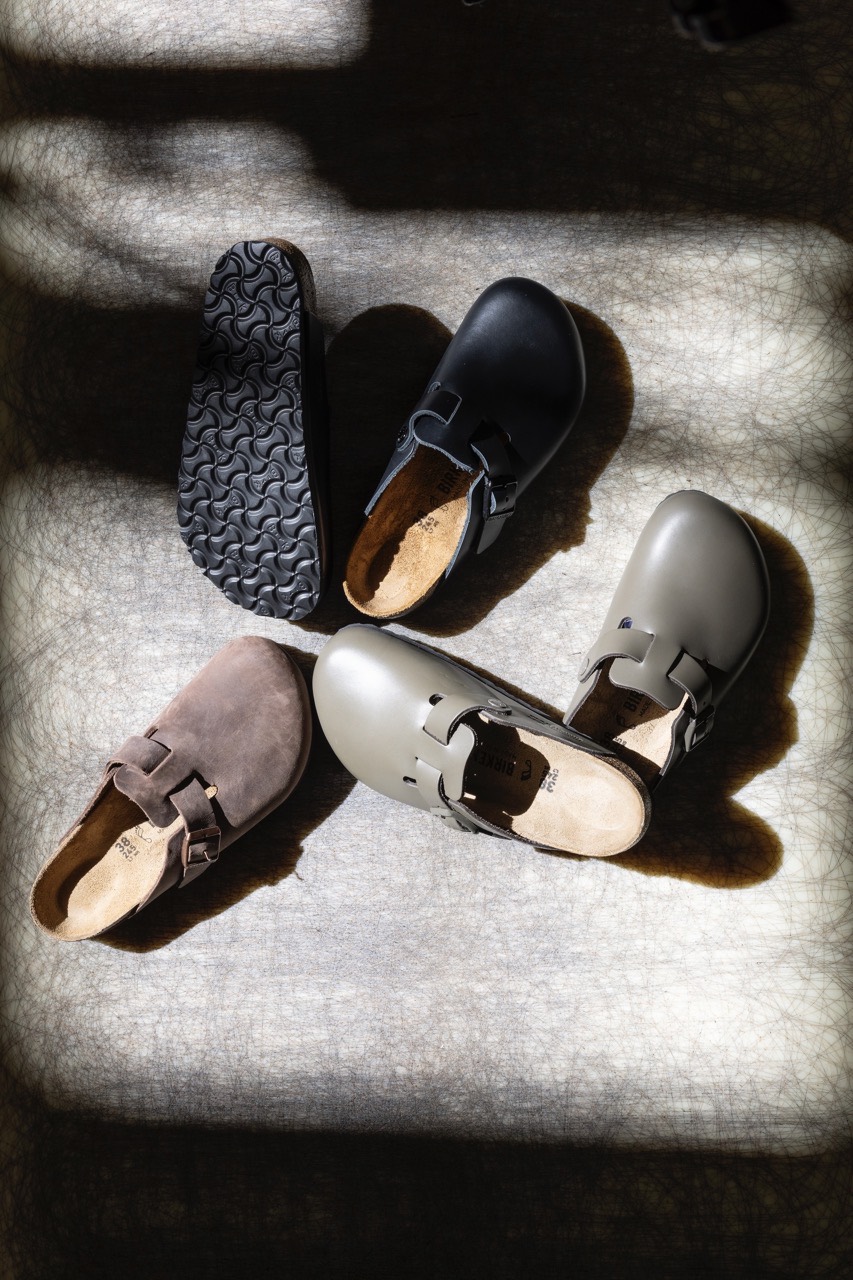
2.The brand starts in Germany in 1774. The prototype of what it sells now came in 1896, the footbed Konrad Birkenstock took directly from the curve of the sole of the foot and named the Fussbett. The company counts this year as the 50th anniversary of the Boston model and the 40th of the London.
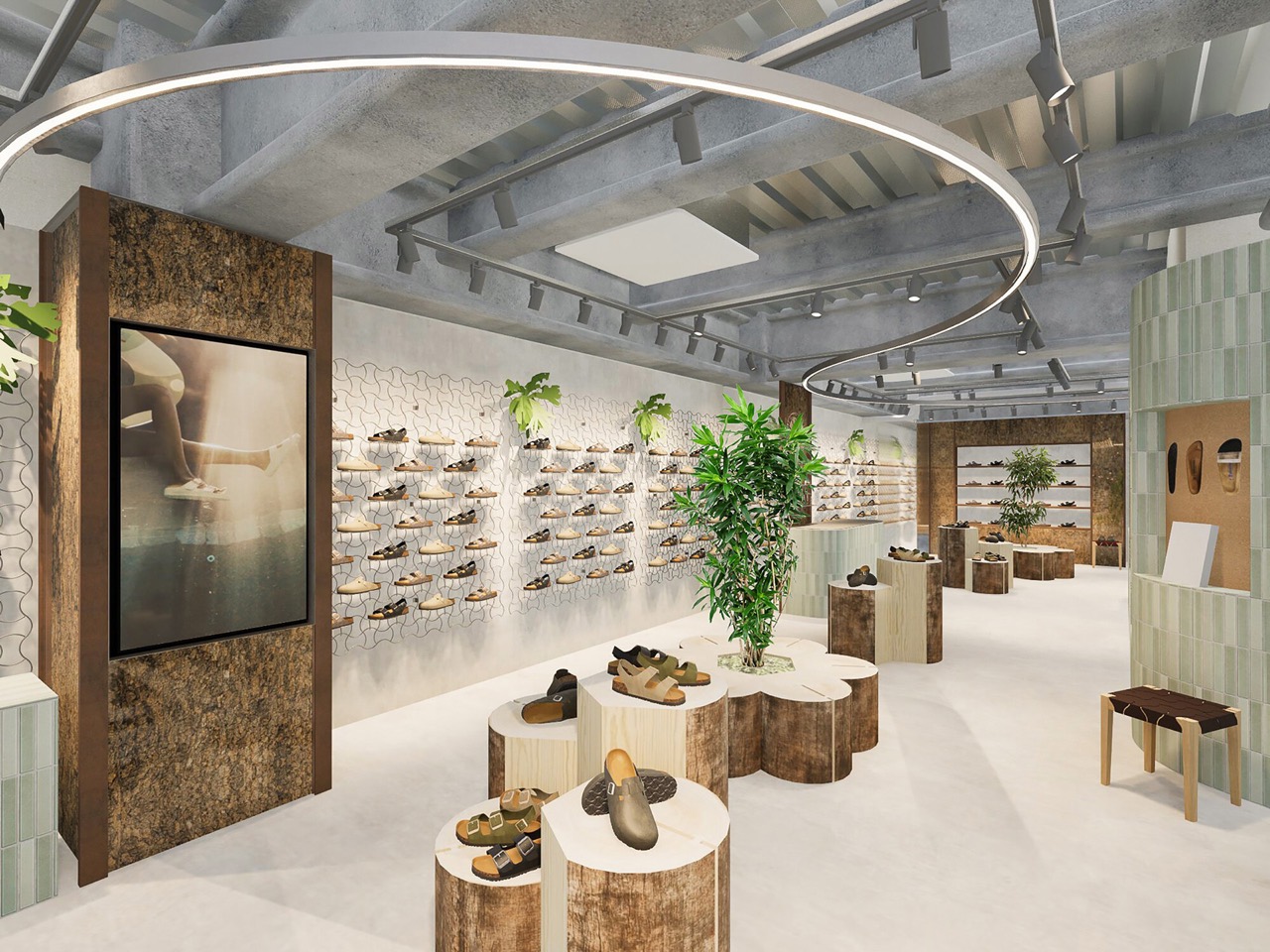
3.There is one keyword, Flow. It overlays the river buried under Shibuya with the movement of the people passing above it in a single word, and the materials take that name. The walls are covered in barely processed virgin cork, and log sections cut crosswise work as benches and display stands.
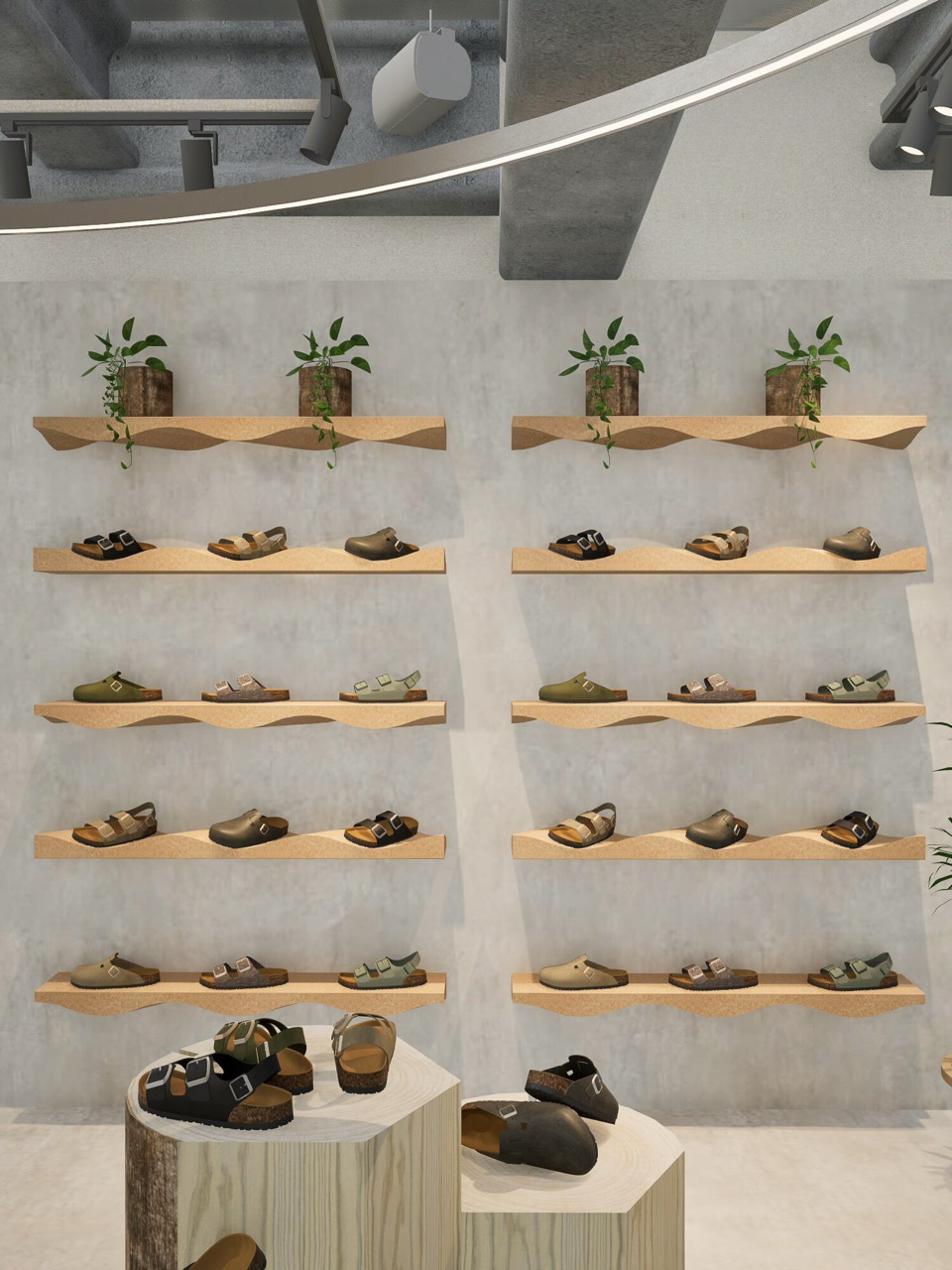
4.The cork shelving is built in a wave, repeating the curve of the arch of the foot on the wall, and the stainless mesh carries the bone pattern the brand has long used. The stools are leather, and the floor of the care corner is a water-green tile. It is a store where the material that went into the footbed came straight up, so every surface a hand touches is the same thing as the shoe.
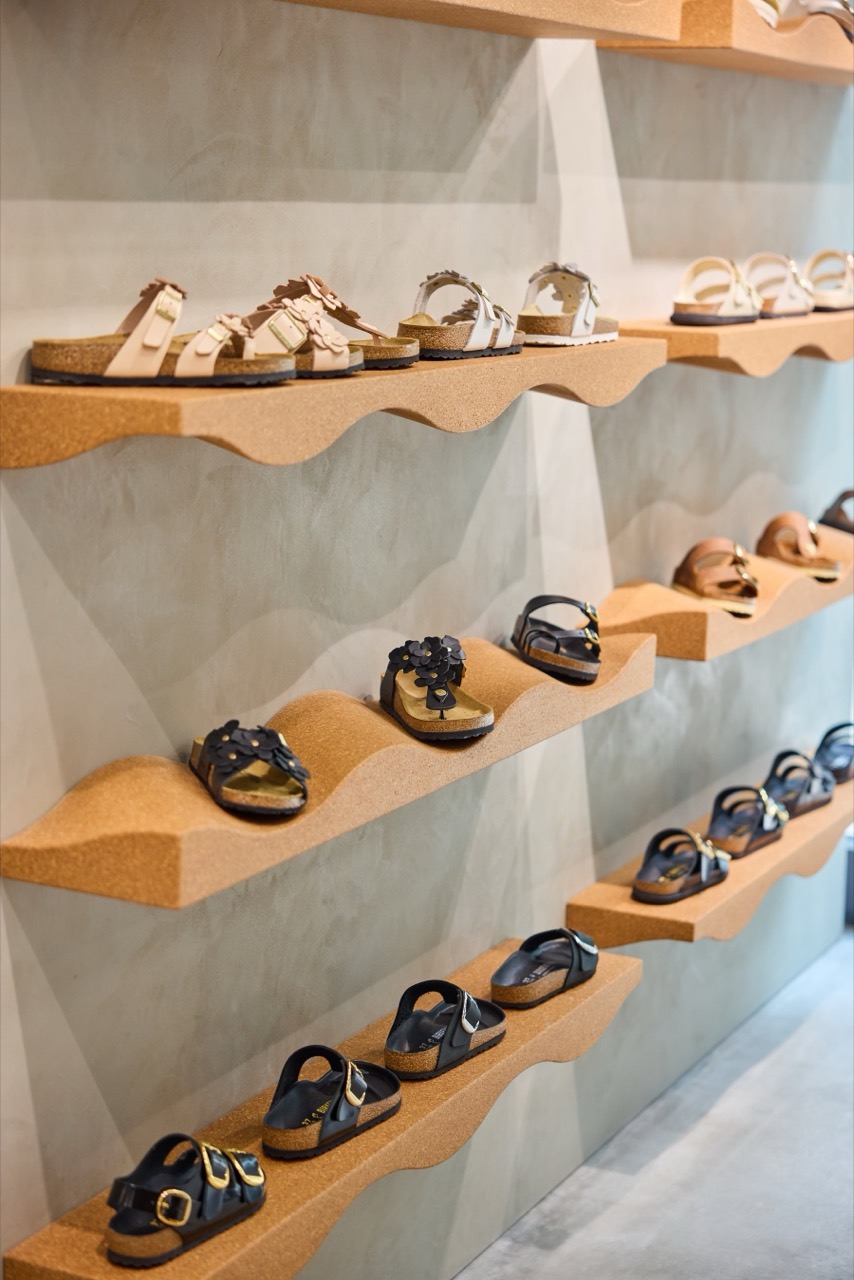
5.What it sells covers the full line of sandals, clogs and shoes, plus the premium 1774 line and foot care products under Care Essentials and shoe care. The threshold for the opening tote bag was a purchase of 22,000 yen or more, and the basket size this store has set per person sits roughly around there.
6.What this brand sells is not a design but one shape. The curve taken from the sole of a foot, the same object for 250 years, so fashion cannot replace this shape. What a guest buys is not a new product but a repetition of the same one, and the repurchase cycle attaches to wear rather than to fashion.
7.Second, the licence to wear an ugly shoe has widened greatly in recent years. As weight moved from shoes worn to be seen in toward shoes worn to make your own feet comfortable, a thick sole packed with cork and latex became grounds rather than a fault. The sentence justifying the price comes from the body rather than from advertising.
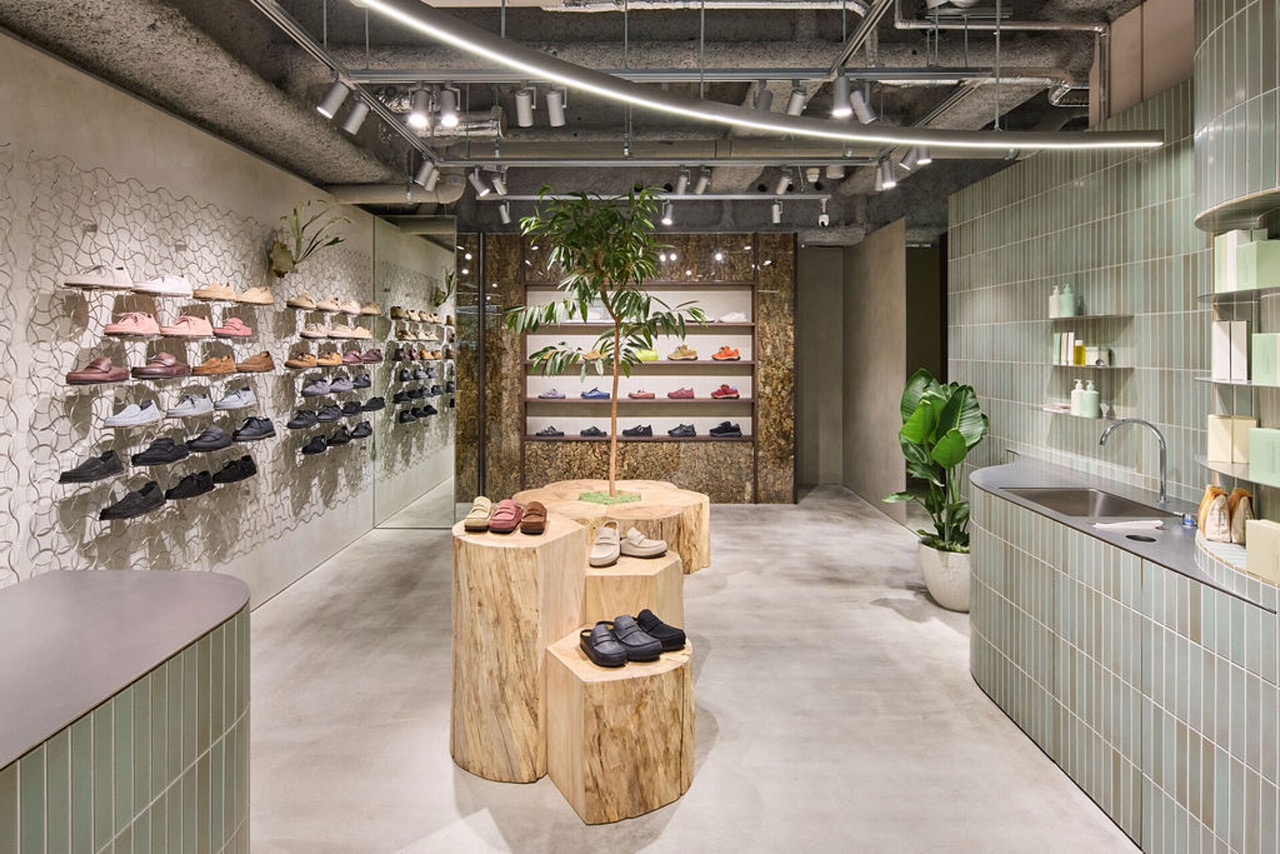
8.The third is the reason the store exists. There is a place where the original Fussbett is cut open and shown, and the foot care products sit on the same floor as the shoes. Closer to a counter that handles feet than to a shoe shop. Instead of laying out stock, it spends floor area on explaining the price.
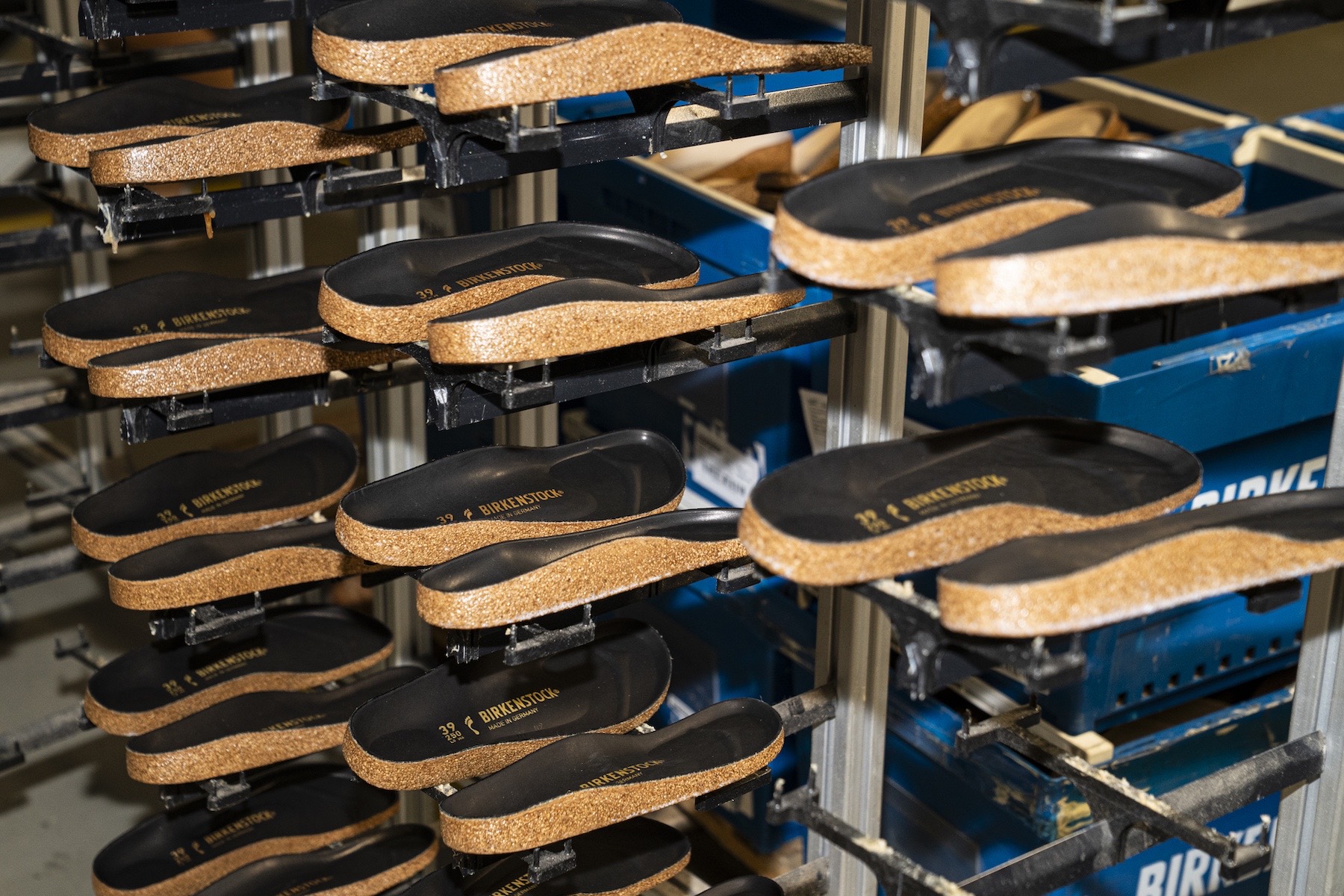
9.Move to the money. Revenue for fiscal 2025, closing in September, was EUR 2.09 billion, with volume passing 38 million pairs. Divide revenue by pairs and you get about EUR 55, a figure mixing wholesale and retail prices, so what a guest pays in a store sits well above it.
10.Split it by channel and the picture inverts. In the same year wholesale grew 20% while directly operated grew only 11%, and the direct share fell from around 40% to 38%. That is after continuing to add stores throughout.
11.So why keep building them. Gross margin in the latest quarter was 53.9%, down 3.8 percentage points on a year earlier, and strip currency and tariffs out of the causes the company gave and channel mix remains. The faster wholesale grows, the more the margin rate is pressed. For a company with a full-year adjusted gross margin target in the 57% range, expanding direct is arithmetic rather than taste.
12.In Japan there is one more reason. Selling in this market was long in other hands, with BENEXY running more than 60 specialty stores nationwide and SEED CORPORATION handling wholesale to select shops and department stores. Head office set up a Tokyo office in 2016 and began running wholesale directly from 2018, and BENEXY withdrew from operating the brand's specialty stores in 2023, local media report. The thirteenth store in Shibuya is one more square in that recovery.
13.Trace the record and the store was always a late device. It started from a family of shoemakers registered in 1774, set the prototype with the Fussbett in 1896, and spread its name as a counterculture shoe in the United States through the 1960s and 70s. For nearly 250 years this company was mostly sold in other people's shops. Building stores under its own name in earnest began after the capital changed.
14.In 2021 the LVMH-affiliated private equity firm L Catterton took control at a USD 4.3 billion valuation, and in October 2023 it listed in New York at a market capitalization in the USD 8.6 billion range at the offer price. The fast growth in stores came after that.
15.Those stores are not revenue machines. The company does not publish a split between its own site and its stores within direct, and an outside e-commerce research firm estimates the site alone at USD 826 million of gross merchandise value in 2025. If that estimate is close, almost nothing is left for 111 stores to divide. The store's job is not to sell but to protect the price. On a wholesale shelf it stands beside a neighboring brand and gets compared on discount, while in its own store the list price is the default.
16.A company making three quarters of its revenue in other people's shops opened its thirteenth store of its own in Japan on the first of this month, and while growing directly operated stores to 111 its direct revenue share fell to 38%. The number to remember is not the store count but a gross margin of 53.9%. The faster wholesale grows the more that line is pressed, and directly operated stores are built to push it back. The first thing in the way for a brand moving this method to Korea is neither rent nor permits but the existing distribution contract. The distributor and importer that built the wholesale volume become the counterparty in the switch to direct, and the money decided by remaining term, exclusivity clauses and stock buyback terms runs far beyond the fit-out budget for one store. The cork wall is the problem after that.