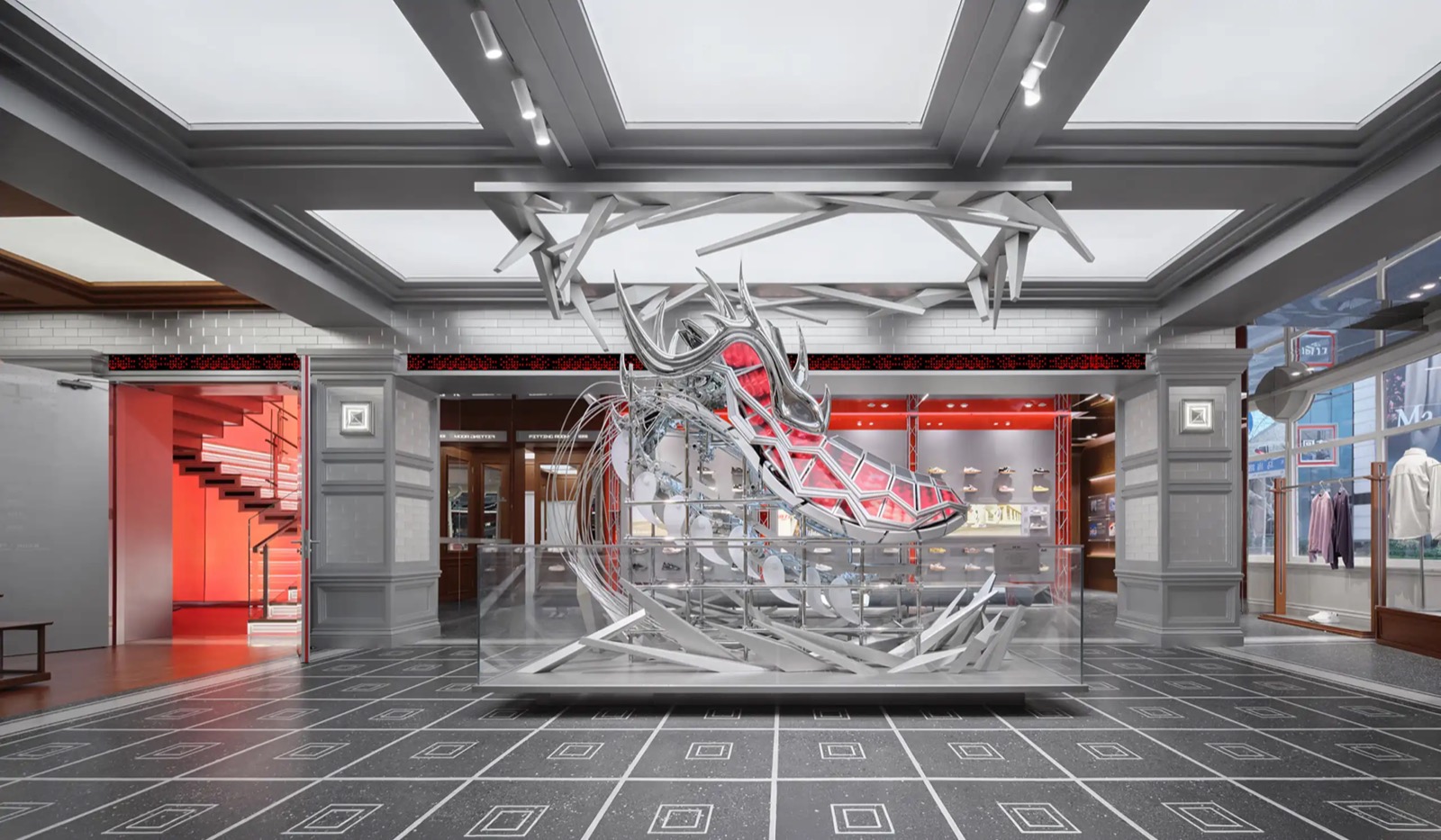
Inside Huaihai Middle Road in Shanghai there is a brick lane put up in 1924. Shangxianfang, a shikumen lilong. A shoe shop has occupied three of its floors since January. The sign reads Warrior 1927. It uses the name of China's oldest sneaker as it is, and the sign itself is three years old. Why 209 pyeong took CNY 10 million is today's subject.
1.The facts first. On 25 January 2026, the world's first concept flagship for Warrior 1927 began trial trading at Shangxianfang, a shikumen lane in the Huaihai Middle Road district of Shanghai. Three floors of a hundred-year-old brick building, 690.8 square metres. That is 208.9 pyeong in Korean units. The design went to STILL YOUNG of Shanghai, with completion the next day, 26 January. The brand states a total spend of CNY 10 million, a little over KRW 1.9 billion at KRW 190 to the yuan.
2.Warrior started in Shanghai in 1927 and now sits under the Huayi Group. In the 1980s it stamped out more than 20 million pairs a year and still ran short of stock, with revenue at CNY 800 million then. Warrior 1927 is a younger line launched in 2023 borrowing that name, and it passed 1,000 stores nationwide in two years. The brand says a little over 200 of those are 100-square-metre-class larger stores selling shoes and clothing together.
3.The building has to come first. Shangxianfang is an old-style shikumen lilong built in 1924 at 358 Nong, Huaihai Middle Road, designated a Shanghai excellent historic building and a protected cultural site in 1989. New World of Hong Kong took the area on and is rebuilding it to a total floor area of 94,346 square metres. The two southern rows were repaired and the two northern rows taken down and rebuilt.
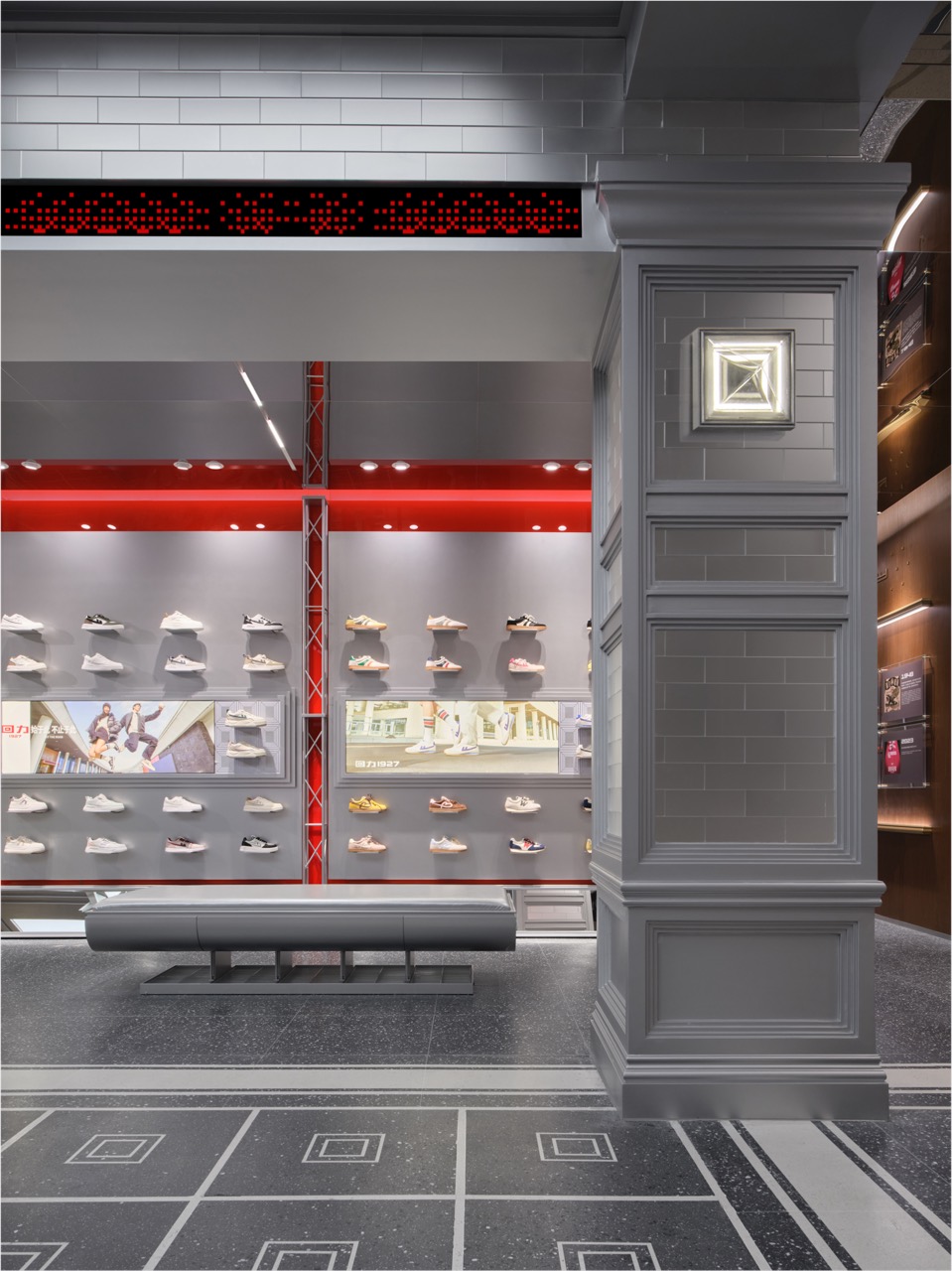
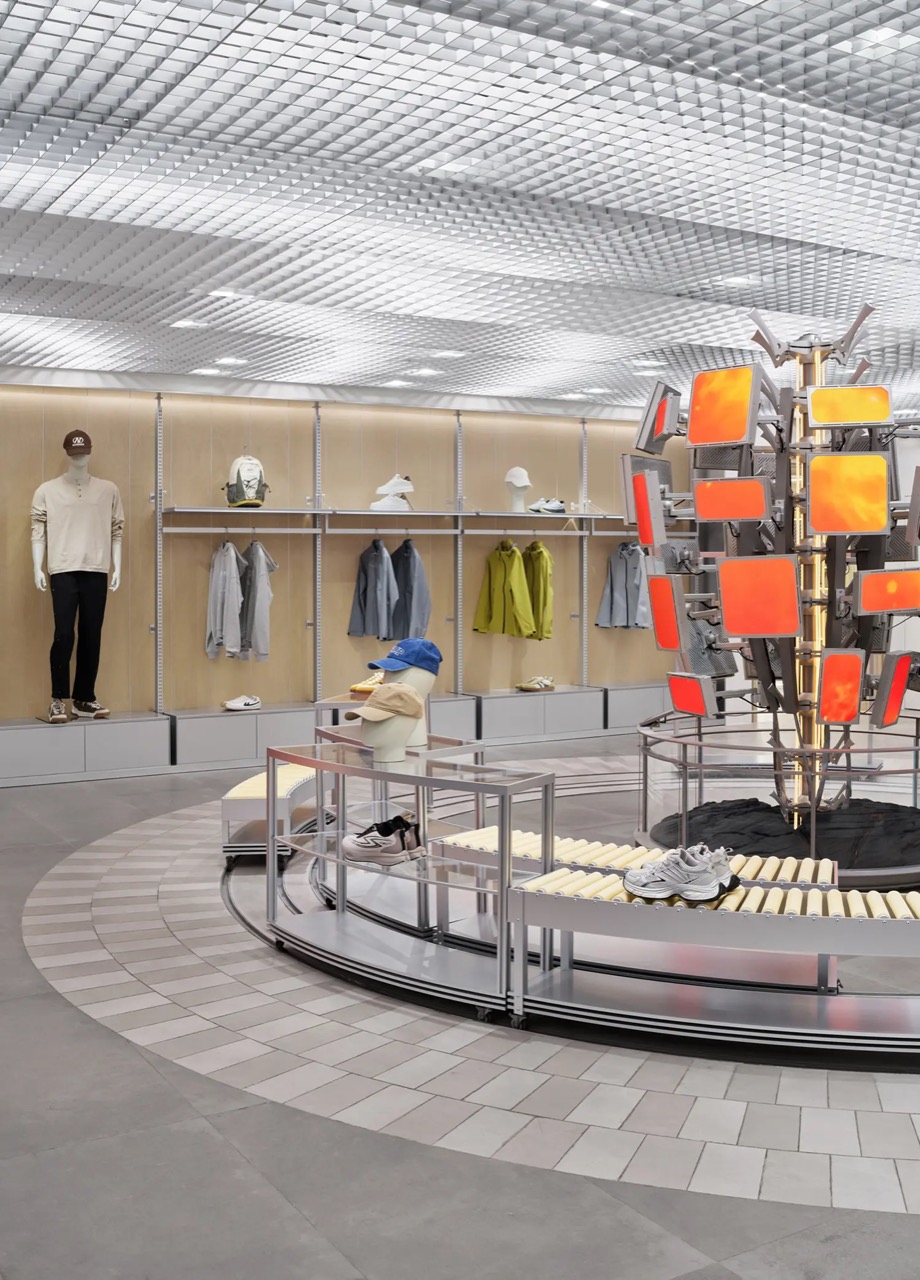
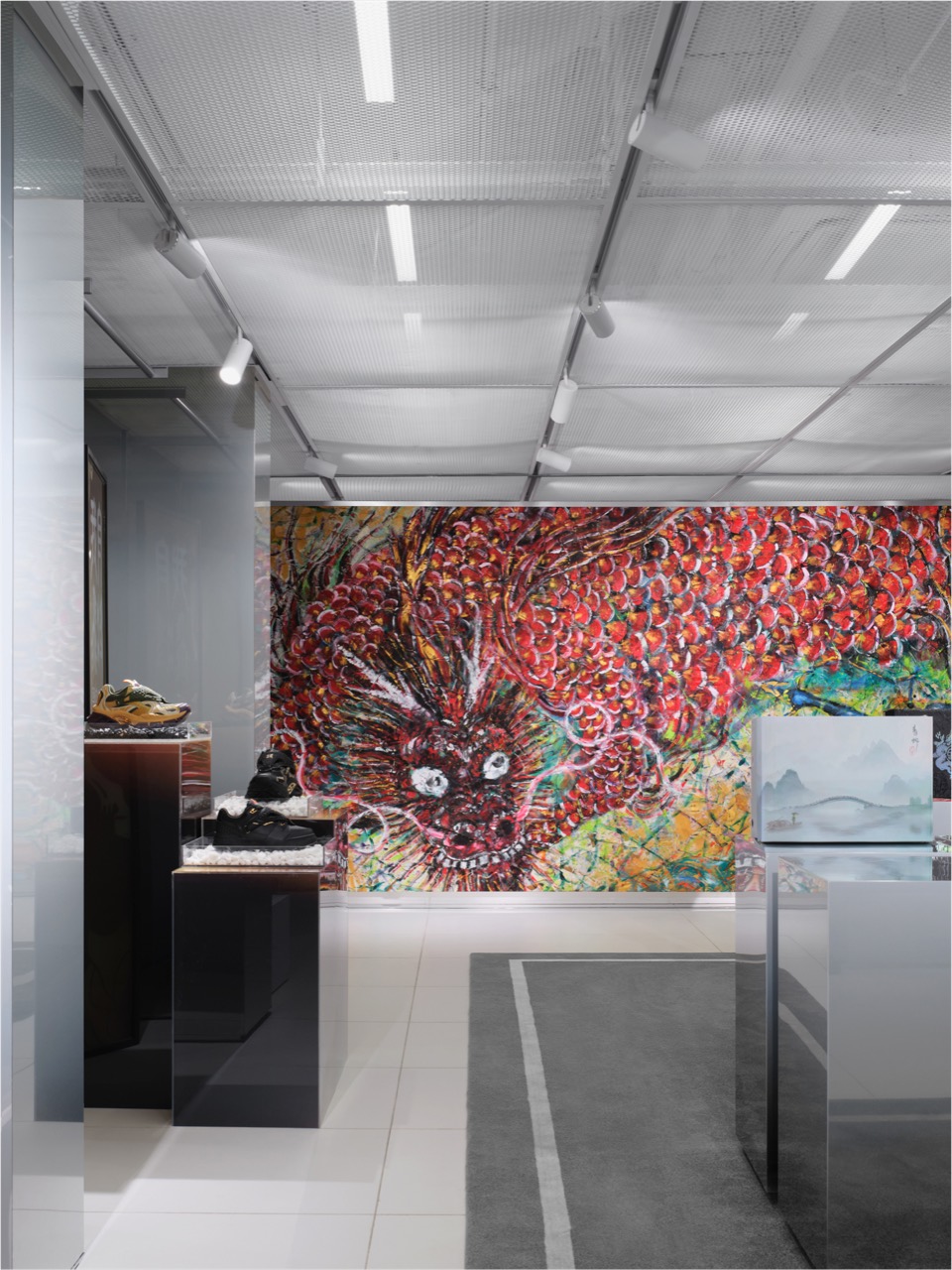
4.Inside, each floor takes a different time. The ground floor is a conversation between past and present, the first floor is sensation, the second is what has not arrived yet. What threads the three together is the dragon, with the head on the ground floor, the spine on the first and the eyes on the second. The brand calls it Eastern Awakening. The route up through the floors was built to become the story itself.
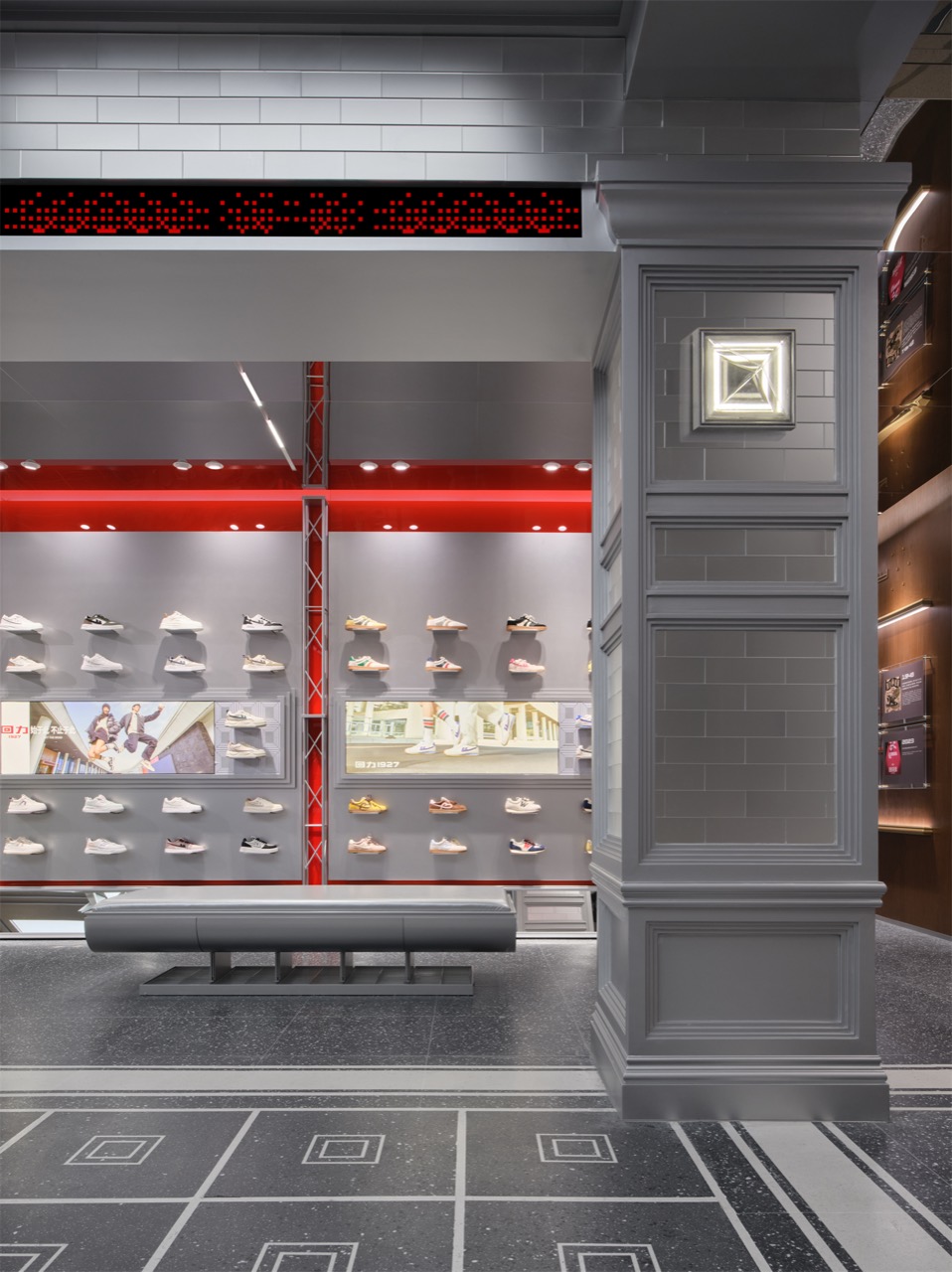
5.The materials settle the judgement. Washed fair-faced brick and black lacquered gates were left untouched, with matte acrylic, metal and walnut laid over them. Go up to the second floor and a silver mirror swallows the wall. The old brick eats light and the new surfaces throw it back. Lighting that adjusts colour temperature moves between the two several times a day. Display, customisation and a place to drink tea are scattered across three floors.
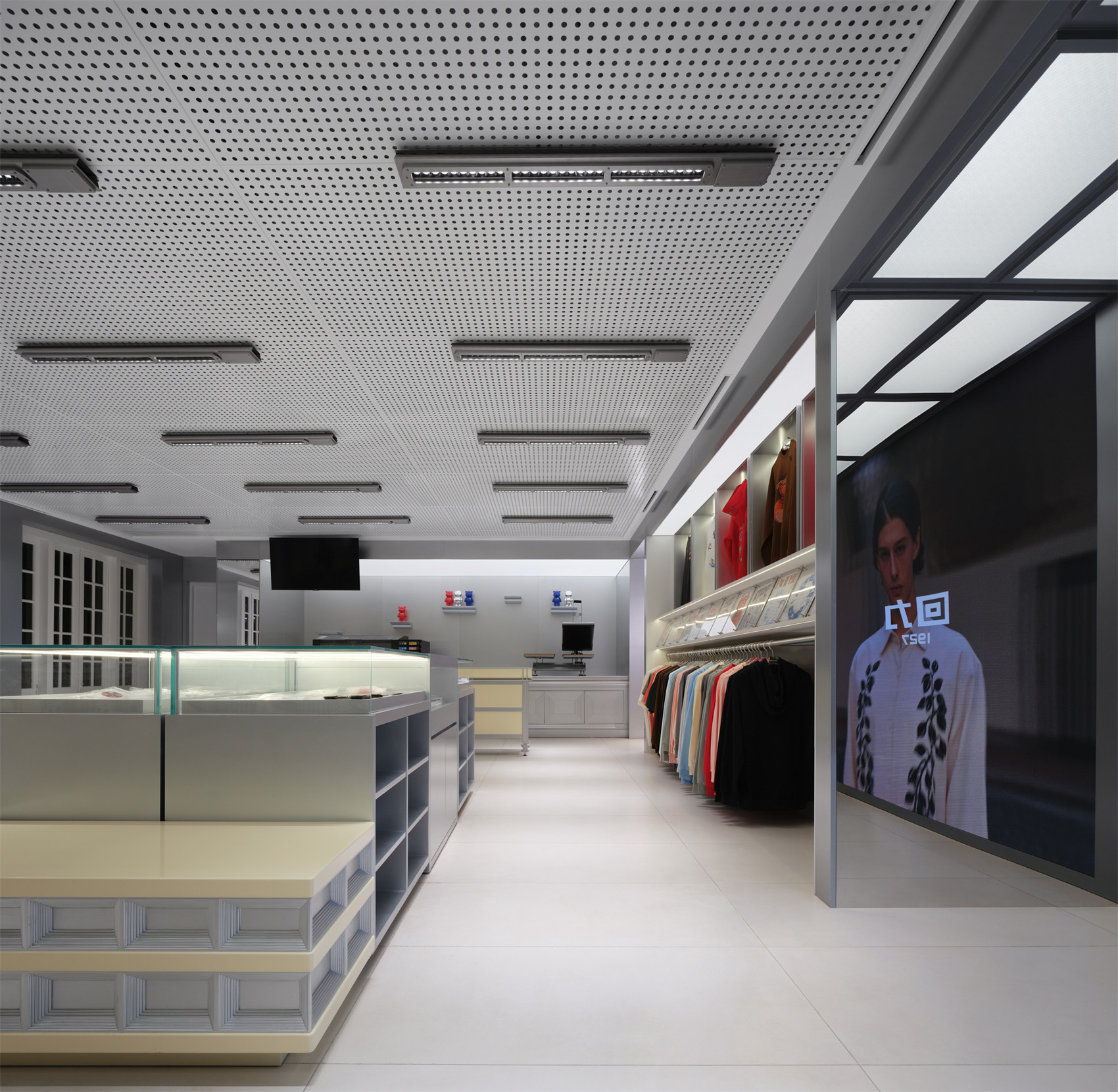
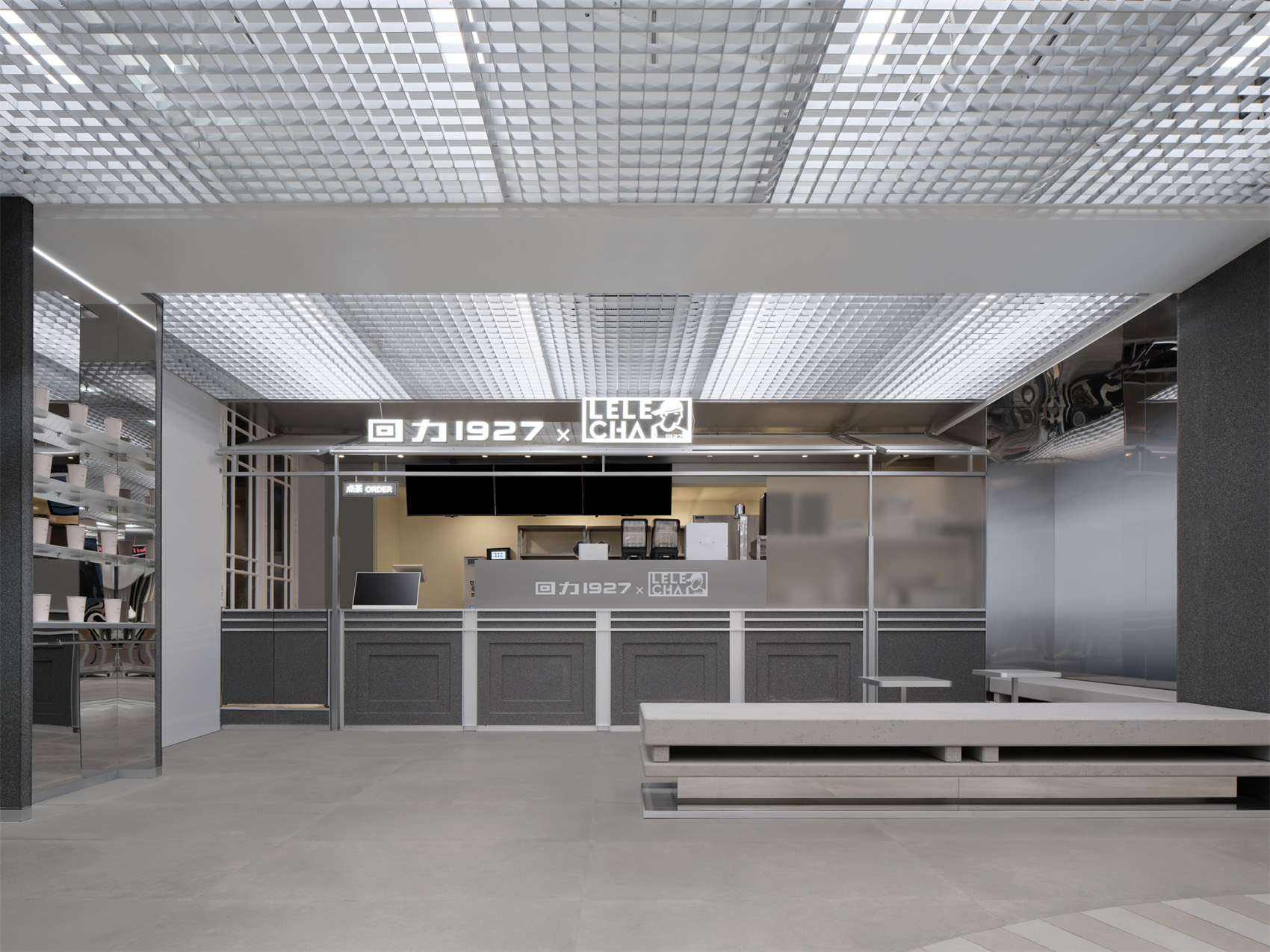
6.Why go this far. First, price. Warrior's classic canvas shoe has sold in the tens of yuan and that cheapness was the brand's recognition. The 1927 line wants several times that. Charging five times as much under the same logo means customers have to come in through a different door. Putting that door in a hundred-year-old brick lane is this store's first job.
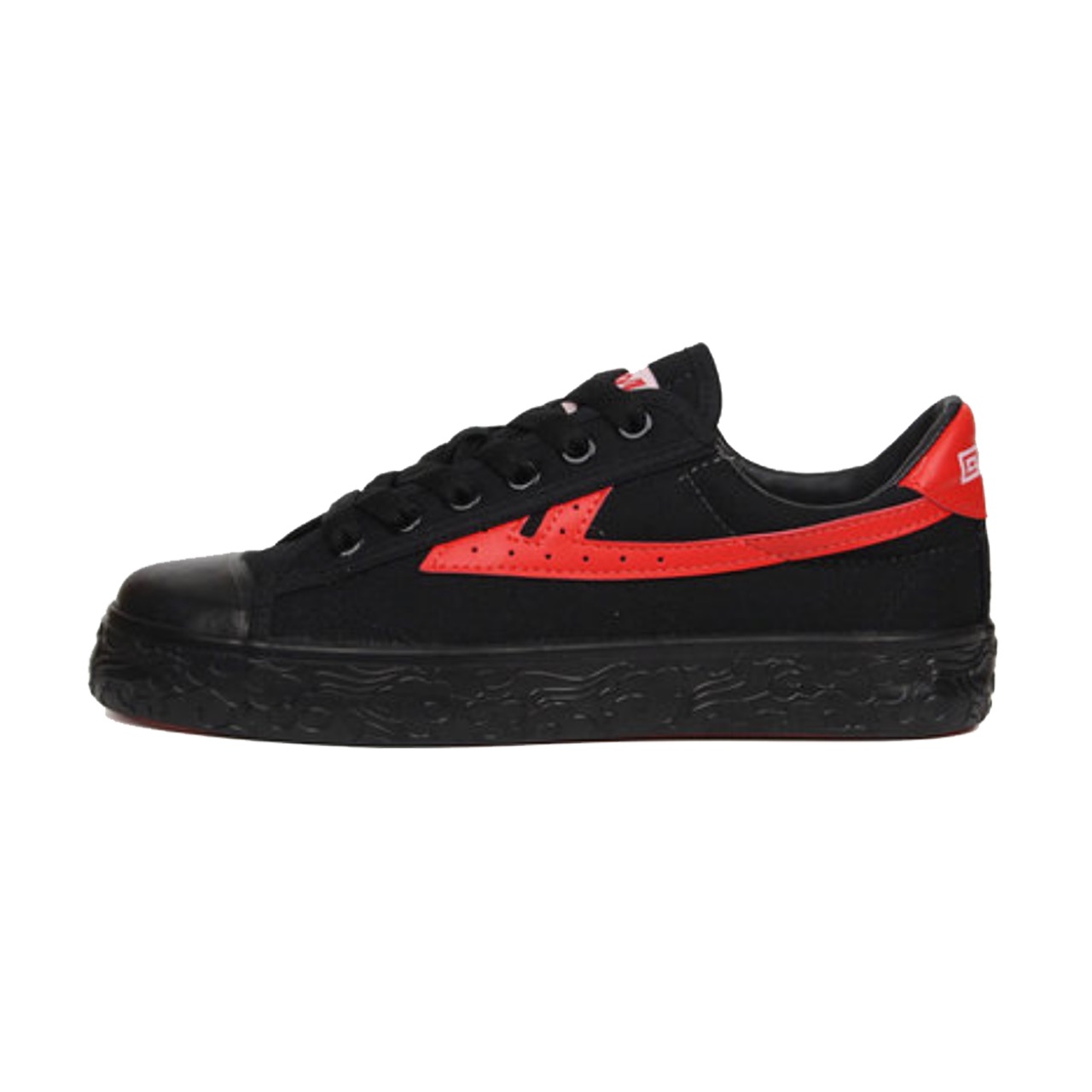
7.Second, generations. To a twenty-year-old today, Warrior is a shoe their grandfather wore rather than a taste. The period when the guochao wave raised prices on a brand's behalf has passed, and the grammar of extracting CNY 300 through patriotic buying alone cooled with it. What remains is proving it through the product and the place. The brand's own line, that it starts here and does not stop here, has heritage in its first half and a plan rather than an excuse in its second.
8.Third, the stage. In Shanghai the shikumen is a device that sells time, and a 1924 building and a 1927 brand vouch for each other. A sight for tourists, an address for local customers. As a way of showing a brand's age rather than explaining it, there are few backgrounds like it.
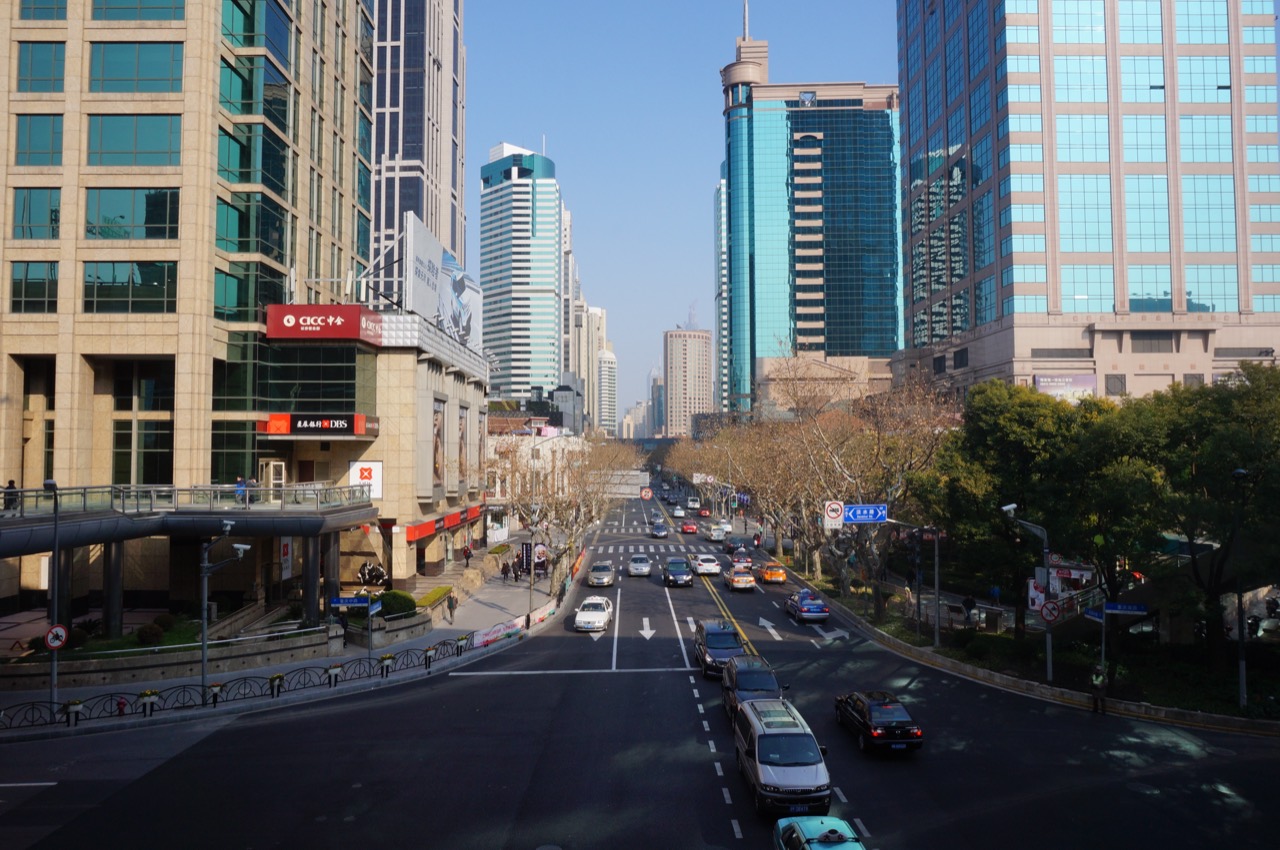
9.Now the money. Asking rents for prime street-level space on Huaihai Middle Road are understood to run CNY 1,000 to 1,500 per square metre a month. This is not on the main road and carries two floors above, so putting in a conservative CNY 800 per square metre gives monthly rent of about CNY 550,000, KRW 105 million. That is CNY 6.63 million a year, KRW 1.26 billion. An estimate from market asking rents multiplied by area, and the actual lease terms are not public.
10.For the store to pay that rent out of its own sales. Trade wisdom holds that a street-level store is in trouble once rent passes 15 percent of revenue, so the monthly revenue needed is about CNY 3.69 million, KRW 700 million. KRW 3.35 million per pyeong a month. Put a pair of shoes at CNY 300 and that is 12,000 pairs a month, 400 pairs on every trading day. A 209-pyeong store would have to move thirty pairs an hour across twelve hours to make that number work.
11.So this is not a place that pays itself back through sales. Spending CNY 10 million on the fitout, KRW 9 million a pyeong, reads less as a store investment than as the price of buying a medium. There are outdoor advertising faces that cost more than this over a year, and instead of hanging an advertisement, this place brings people inside and puts shoes on their feet. The return happens at the other 1,000 stores, not in these 209 pyeong.
12.The sequence is familiar from the lineage. Li-Ning put China Li-Ning on a New York runway in 2018, lifted its prices a step and then replaced its stores, and after that, older domestic brands standing up separate younger lines to raise prices became a grammar of its own. Warrior 1927 joined hands with a magazine from the start. It launched the line with Chinese GQ in 2023, and in May this year it attached the actor Lin Qiunan as a brand friend.
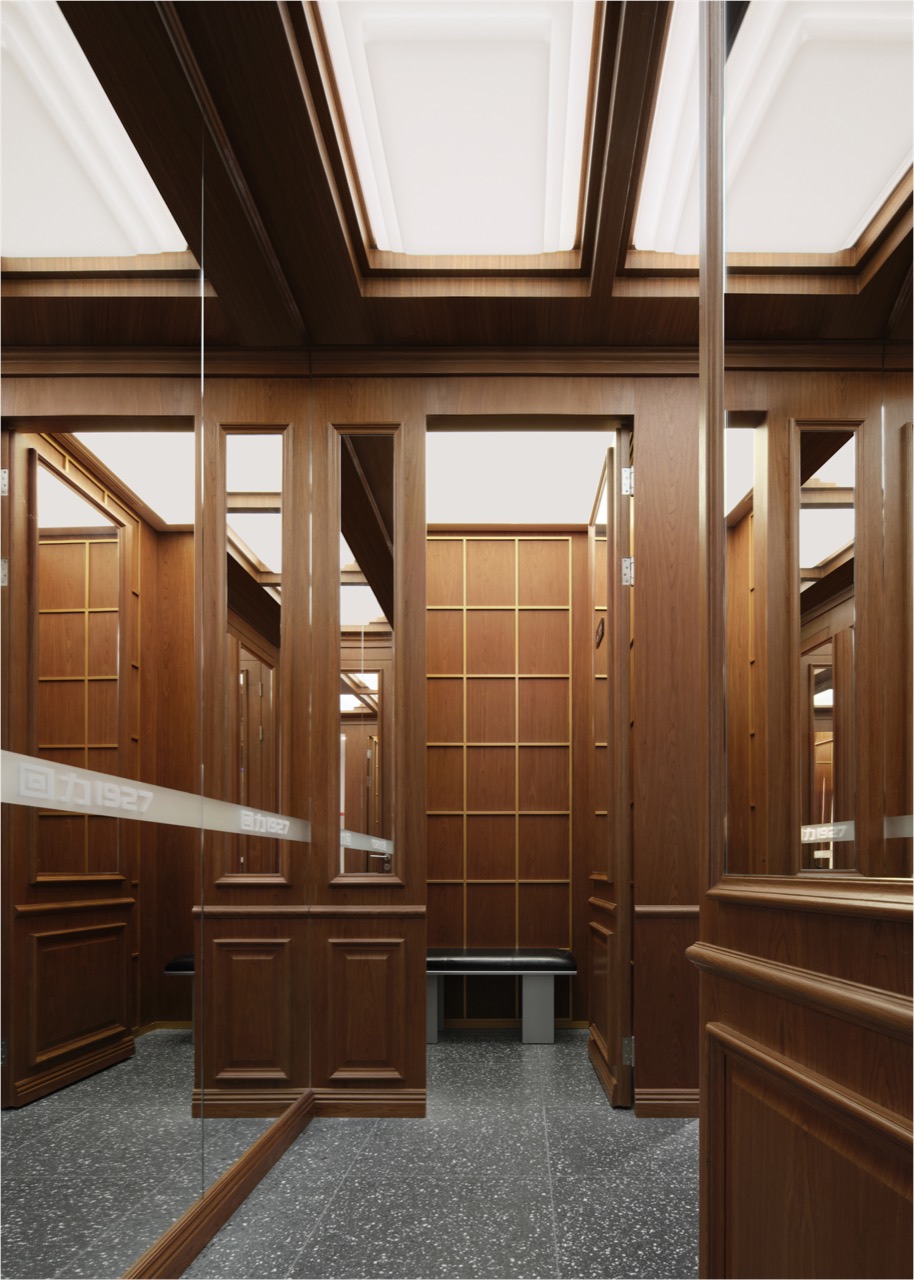
13.What separates it is who the customer is. The first people who need to come to this store are not twenty-year-olds buying shoes but franchisees holding contracts and leasing managers from commercial complexes. Laying down 1,000 stores in two years means most of them opened on somebody else's money, and head office revenue is booked the moment goods pass to those counters. Three floors of 209 pyeong work closer to a show home for persuading those contracts. The brand's announcement that it will release marathon running shoes this year stands in the same line. One canvas shoe cannot fill 100 square metres.
14.A line created three years ago borrowing a hundred-year-old shoe name took three floors of a hundred-year-old brick lane and buried KRW 1.9 billion in them, and covering that rent on store sales alone would take 400 pairs every trading day. The number to remember is not 209 pyeong but 1,000 stores. As long as the return happens there, this store's report card is marked in contracts signed rather than pairs sold. Copy this approach in Korea and what catches first is not the space but franchise law. The disclosure document has to be registered with the Fair Trade Commission and handed to a prospective franchisee, and only after fourteen days can a contract be signed and franchise fees received, with fees received then held at a depository institution. When you plan an order that builds one showroom first and gathers franchisees after, those two weeks are longer than they look.