Last year this brand cut its stores worldwide from 528 to 511. It trimmed selling area by 2% as well. Then last Thursday it opened a 676 square meter store on a main road in Hannam, Seoul. The arithmetic of a company that shrinks and grows at once is today's subject.
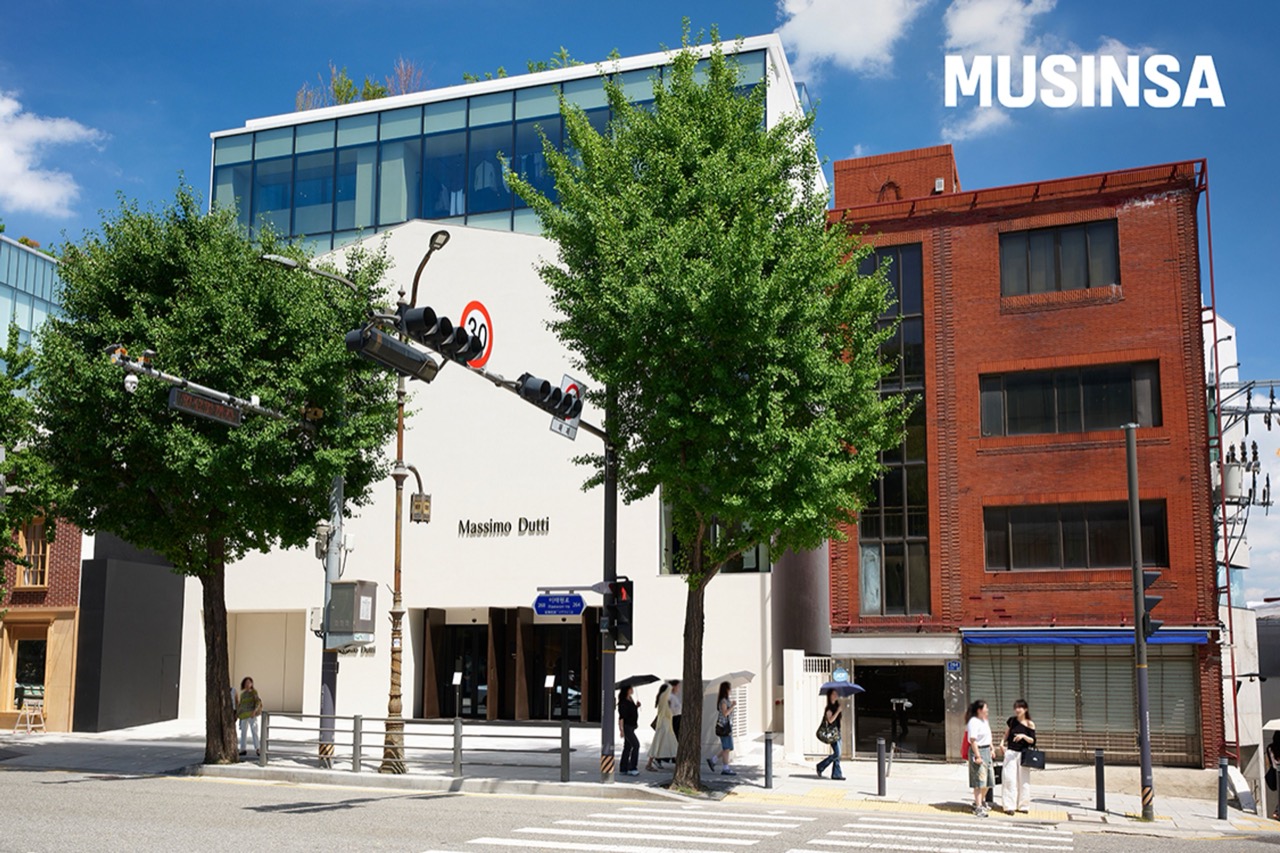
1.The facts first. On July 30, 2026, the Massimo Dutti Hannam flagship opened at 266 Itaewon-ro, Yongsan-gu, Seoul. Area 676 square meters, 204 pyeong in Korean measure. The brand describes this as its first street-level store in Korea.
2.Start with where the brand sits. Massimo Dutti is the highest-priced of Inditex's eight labels, made by the same company as Zara but with clothes costing three or four times as much. In Korea, Zara Retail Korea has run 52 stores across Zara, Massimo Dutti, Zara Home and Oysho. That most of those stores sat inside department stores and malls is the background to this opening.
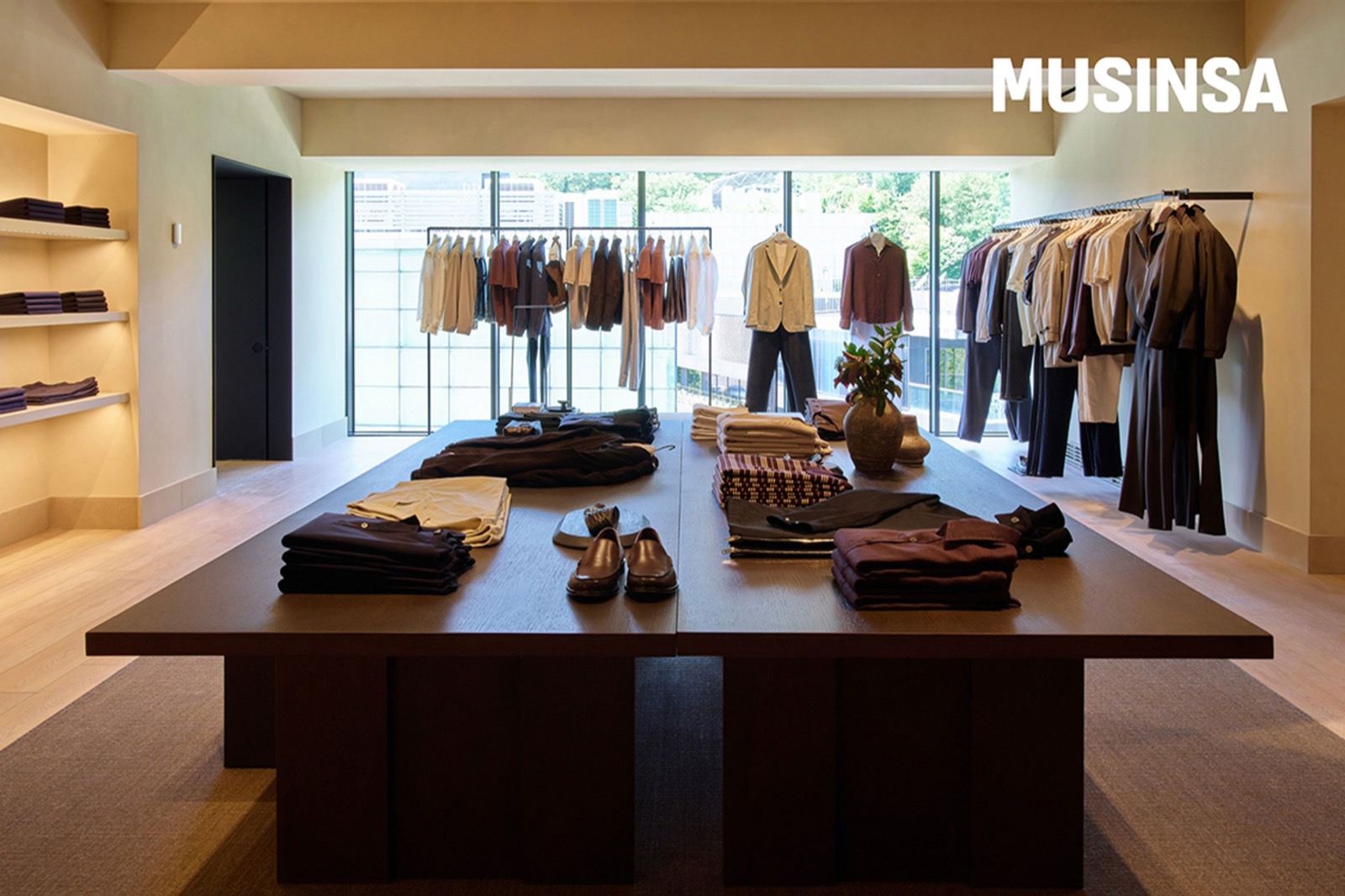
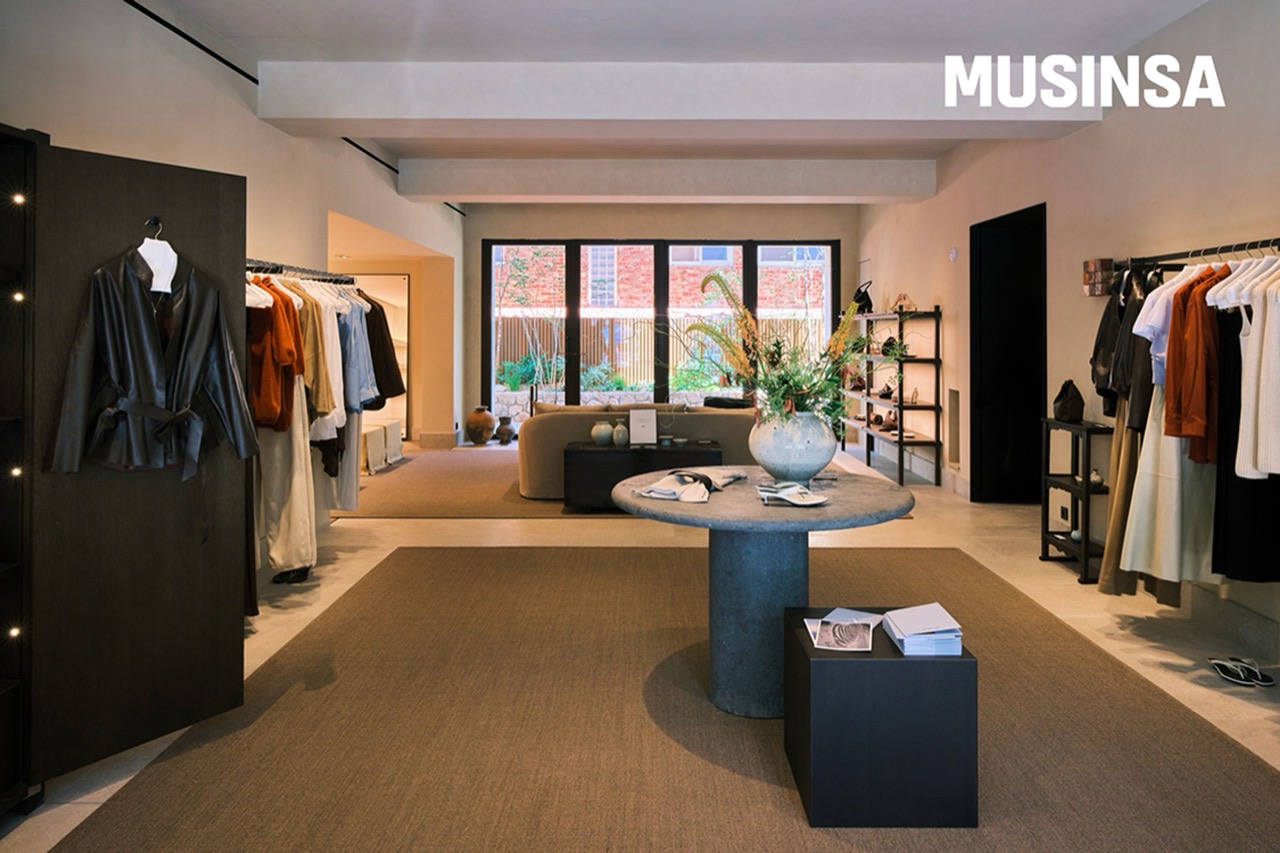
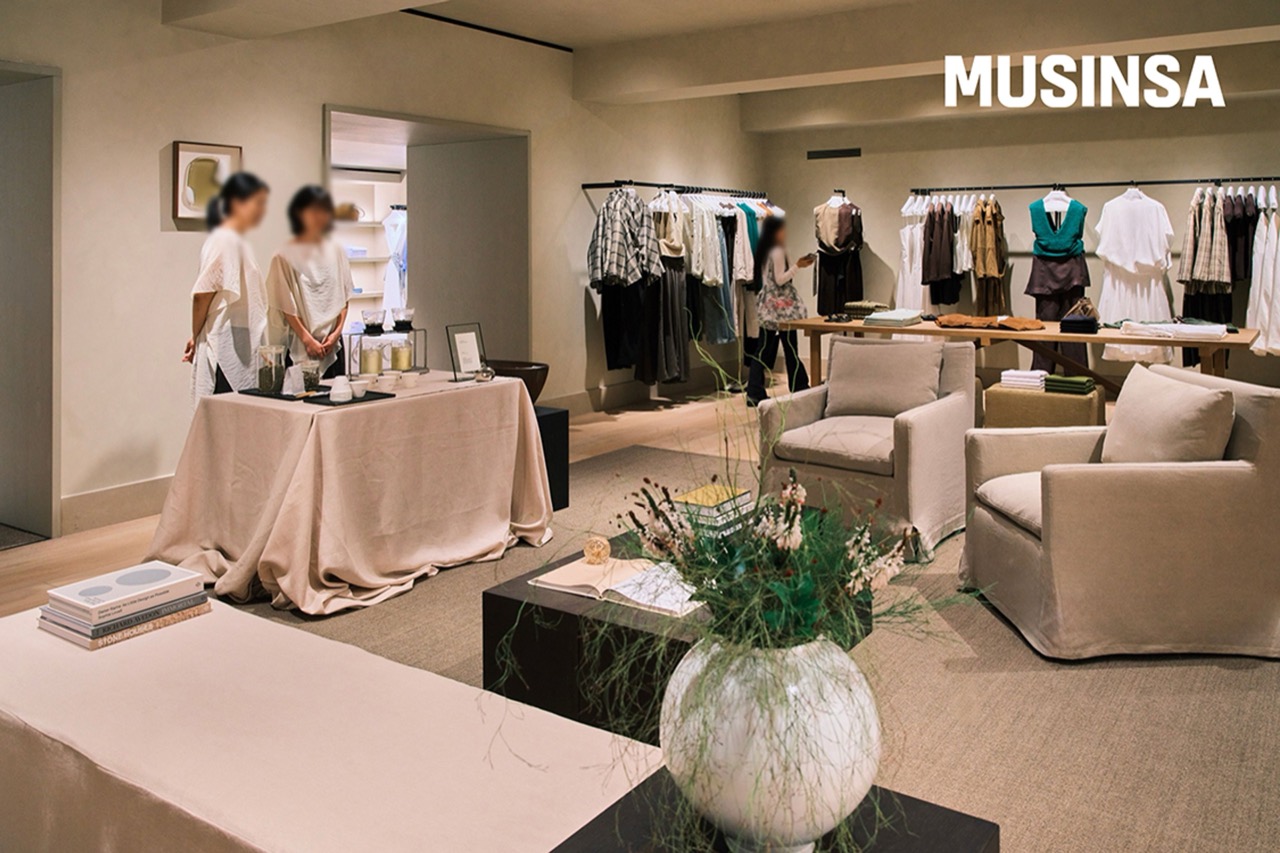
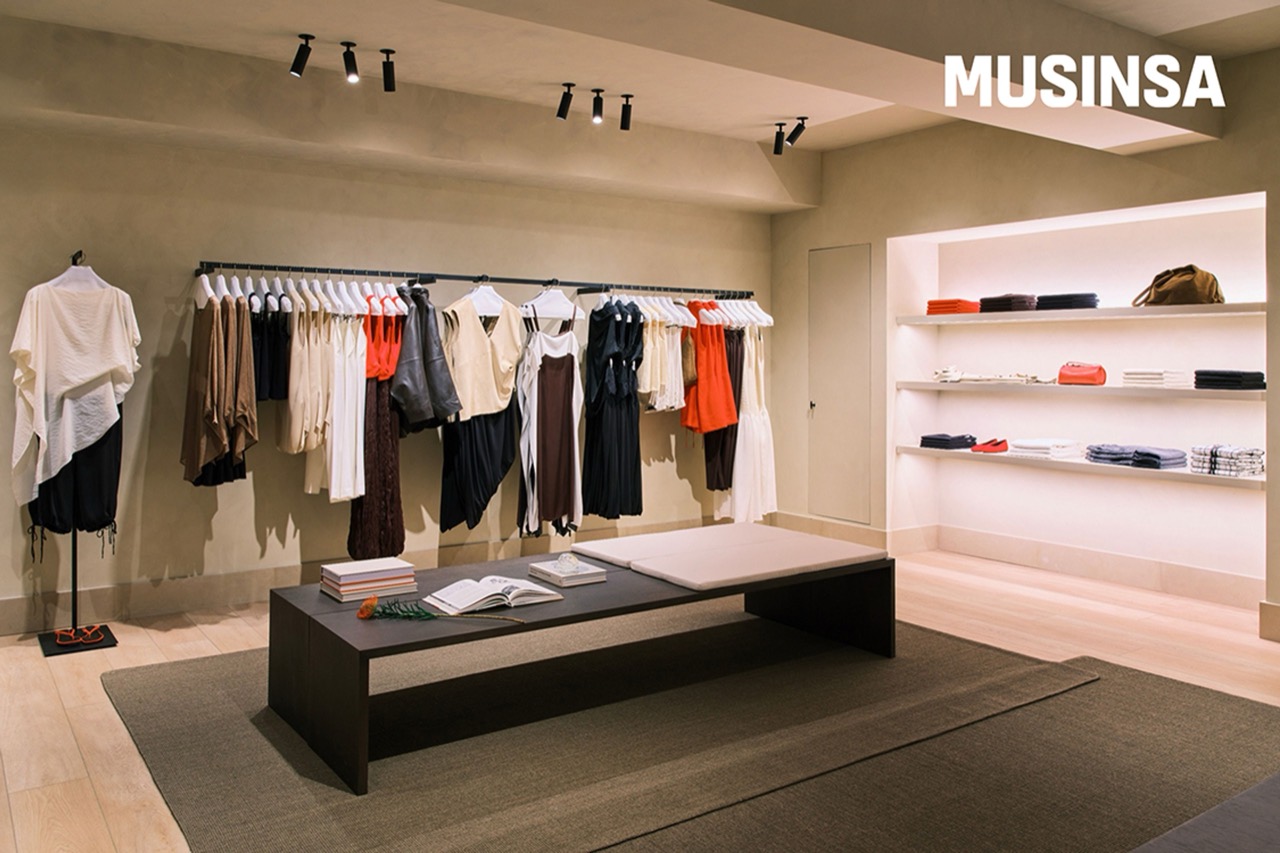
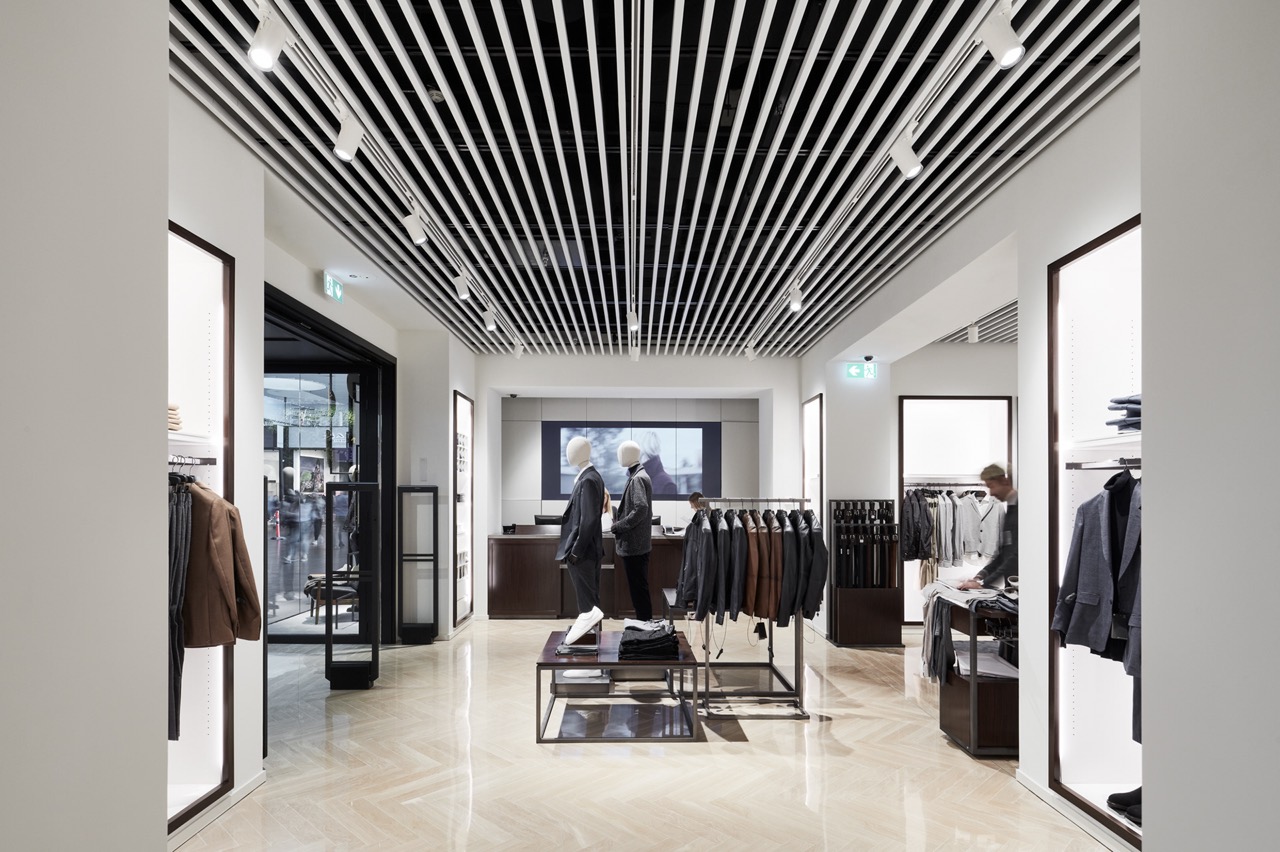
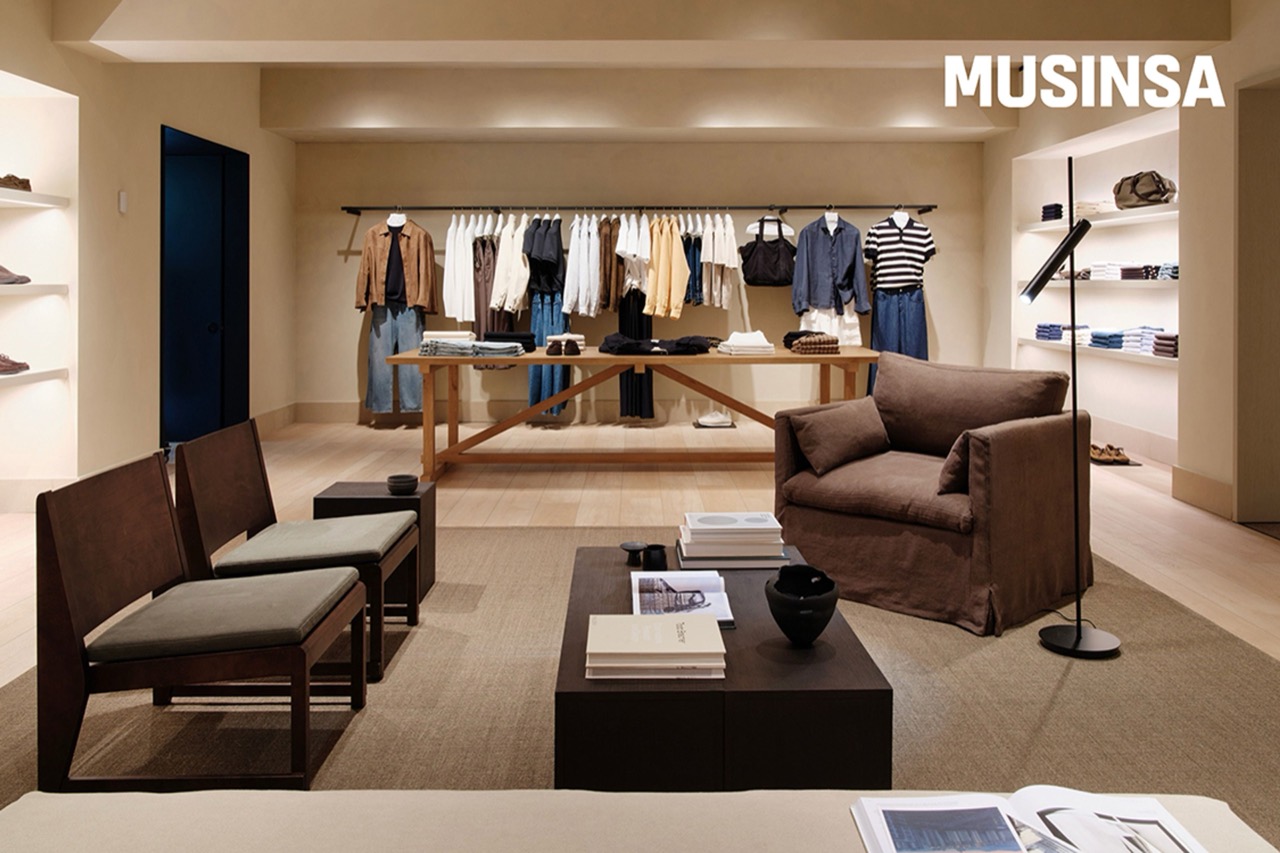
3.Walk in and the empty space registers before the clothes. The 676 square meters are split across several floors with seating on each, and while the area equals three or four department store units combined, the number of garments hanging did not rise to match. The gap between rails runs close to double a standard department store unit. Area went into aisles and empty space rather than into stock, and that decision drives the whole profit calculation that follows.
4.Three programs came with the opening. One is Art in Progress with the installation artist Kim Sun-hee, who works in light, hanji and silk. A two-week show of ten to fifteen pieces went up with Gobokhee, a dealer in Korean antique furniture, and tea was served for four days after opening with APOTEKA SOUL. The brand says the exhibition was composed by the creative studio AL_SEASON.
5.What the three share is a short shelf life. A two-week show and four days of tea are not devices for making revenue, they pull the first month's visitor count forward. Bring a month of customers into the first week and reviews and photographs stack up that much faster, and those photographs call the next customer. Almost no brand in Hannam skips this grammar.
6.The equipment side is less showy and more honest. LED lighting switches by zone according to use, and motion sensors go in staff areas. Air handling reads carbon dioxide levels in the store and adjusts ventilation on its own, and inverters run equipment to match load. The entrance air curtain is sensor-controlled too. Energy use is monitored remotely in real time. In a street store stacked across floors, electricity is the largest fixed cost after rent, and this list belongs to the income statement before it belongs to environmental messaging.
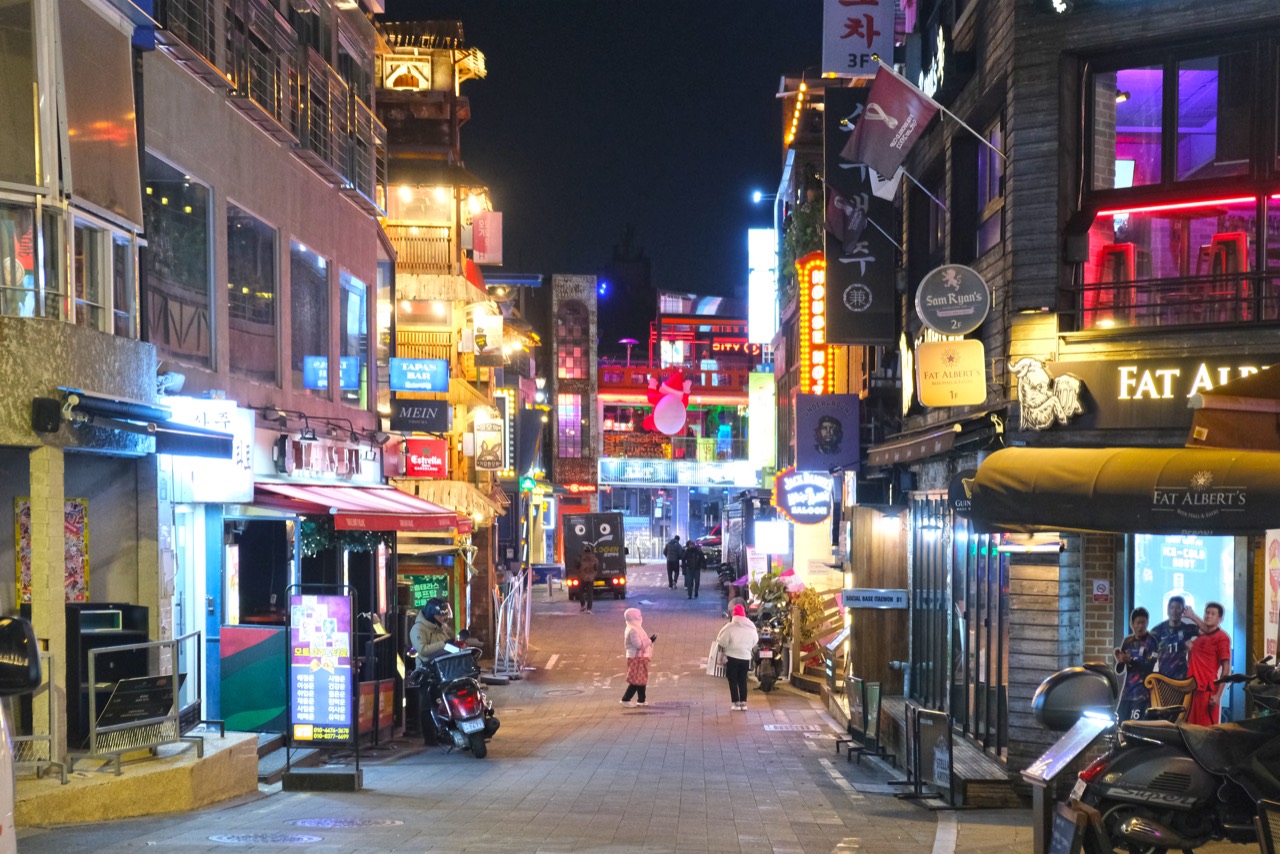
7.Why Hannam. Cushman & Wakefield Korea put the 2024 vacancy rate for the Itaewon and Hannam street retail area at 11%, and the report reads Hannam alone, with Itaewon taken out, as effectively near zero. More striking is the inversion in what trades there. A split of 70 food and drink to 25 retail in December 2023 narrowed to 50 against 45 within a year. A street people came to for food is turning into one they come to for clothes, and apparel brands are racing each other for main-road sites during that turn.
8.The customer side belongs in the same view. Demand for clothes without a large logo in the two to three hundred thousand won range has thickened over the past few years, and that demand struggles to find its floor on a department store directory. Too cheap for the luxury floor, too quiet for young casual. Put a store on the street and that ambiguity disappears, and the brand can explain its own price at its own door.
9.Store service is part of that explanation. A separate fitting room comes with a style advisor, scan and shop reads product information into an online basket, and reserve in store holds an item from the app for pickup within 48 hours. Online orders can be collected in store as well. This is not a question of how to sell but of where to keep the stock, and that thread comes back later.
10.Now the money. Inditex results for fiscal 2025 show net sales of 39.9 billion euros, net profit of 6.2 billion euros and a gross margin of 58.3%. Store count over the same period came to 5,460, down 103 in a year while total selling area actually rose 1.5%. It opened 190 stores while absorbing 293 into nearby units, and 96 of 217 remodels were expansions. A full year spent pushing the area of closed sites into the ones that stayed.
11.Pull out Massimo Dutti alone and the picture sharpens. Sales rose 3.0% to 2.019 billion euros while stores fell 17, from 528 to 511, and selling area was trimmed 2% to 215,323 square meters. Average area per store works out at 421 square meters, 127 pyeong. Hannam's 676 square meters is 1.6 times that average. Where this company is pushing its area right now sits in that one line.
12.Put rent in. For 204 pyeong stacked across floors on a main Itaewon-ro road, blending ground floor and upper floors at around 180,000 won per pyeong of gross area a month is a fair assumption, which gives 37 million won a month and 440 million a year. Apply the common view that rent above 15% of sales turns dangerous in a street store and required annual sales come to about 2.9 billion won, 240 million a month. That is an estimate multiplying market asking rates by area, and the actual lease terms are not public.
13.Is 2.9 billion an unreasonable number. Strip Inditex's average online share of 26.8% out of total Massimo Dutti sales and divide by 511, and one store sells roughly 4.6 billion won a year. With an average store at 127 pyeong, that is around 3 million won per pyeong a month. If 204 pyeong in Hannam only matches that efficiency, it makes 7.4 billion a year and the rent burden drops to 6%. The calculation clears comfortably. The question is not this calculation but the reason to leave the department store.
14.Under Korean department store concession terms, an overseas casual brand usually pays between a quarter and a third of sales in commission. Take 30% off a brand with a 58.3% gross margin and 28% remains, and on the street, rent at 15% plus store labor and management costs leaves a similar share. On the numbers it is a wash. What splits them is that commission is a variable cost attached to sales forever, while rent is fixed for the length of the lease. Double the sales and commission doubles, but the rent burden halves. That is why a brand confident of growing switches to the fixed-cost side.
15.Trace the name and the brand has nothing to do with Italy. Armando Lasauca started it as a menswear shop in Barcelona in 1985, and the name is a coinage joining Armandutti, the nickname friends used for him, with the Spanish lo maximo, meaning the utmost. Inditex bought 65% in 1991 and took the rest in 1995. Womenswear was added in 1995 too. A Spanish brand named to sound like an Italian tailor has been charging for that misreading for 40 years.
16.The thread left hanging in paragraph nine turns over here. This company's online sales reach 10.7 billion euros, 26.8% of the total. At that scale one warehouse cannot hold a city's delivery speed, and stores have to double as logistics points. Reserve in store with its 48-hour pickup, the option to collect an online order in store, and scan and shop are all parts of that structure. It is also why stores get cut while the survivors get bigger. A big store is big not to sell more but to hold more. Read that way, the generous aisles across 204 pyeong are equipment rather than ease.
17.A brand that closed 17 stores worldwide and trimmed selling area by 2% put up a store 1.6 times its own average on a main road in Seoul, and that site is less a shop for selling more clothes than a forecourt propping up 26.8% online. The number to keep is not 204 pyeong but 1.6 times. Build the same structure in Korea and it snags first on lease term rather than rent, because the renewal right guaranteed under the Commercial Building Lease Protection Act stops at ten years. What happens to a store that buried hundreds of millions in interior work and stacked itself across floors when it reaches the renewal table in year eleven has already been confirmed several times on this street.