It closes on 16 August and opens again four days later at a different address on the same street. A move that gives up 100 square metres on one floor after ten years and takes four floors whole. The division that runs this store posted an operating margin of 3.4 percent last financial year.
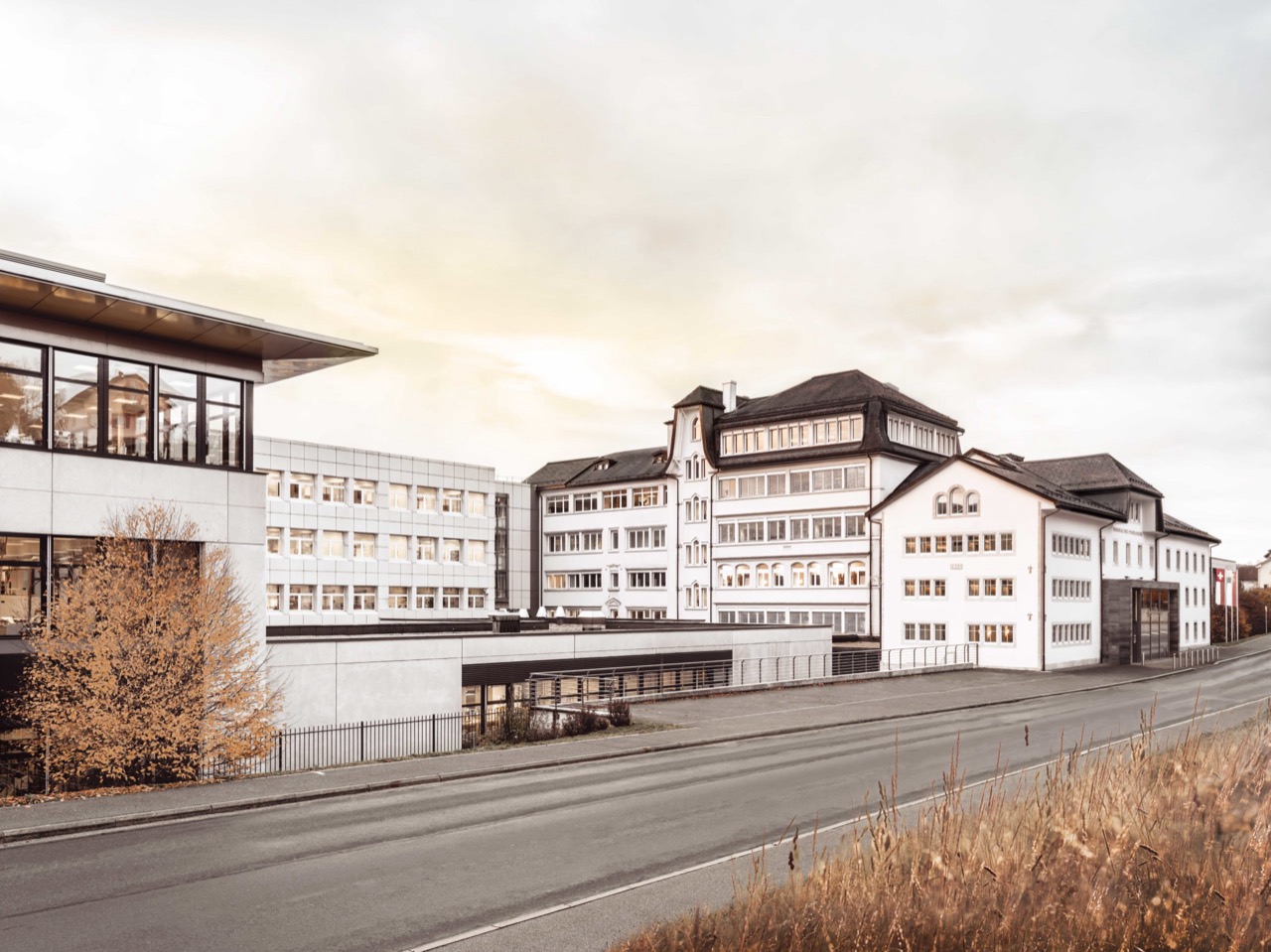
1.On 20 August, a new Jaeger-LeCoultre flagship boutique opens at 5-5-15 Ginza, Tokyo. It takes a four-storey building facing Namiki-dori in Chuo-ku whole, trading from 11am to 7pm. The existing Ginza Namiki boutique on the same street closes four days earlier, on 16 August.
2.The size of the old store makes the contrast. That boutique, opened in autumn 2016, used the ground floor only and ran about 100 square metres, 30 pyeong. Daniel Riedo, then chief executive of the maison, said at the time that he never looked at the other floors and picked the ground floor alone. That store was then the brand's 53rd directly operated location worldwide and its 95th boutique. Ten years on, the floor count went to four on the same street.
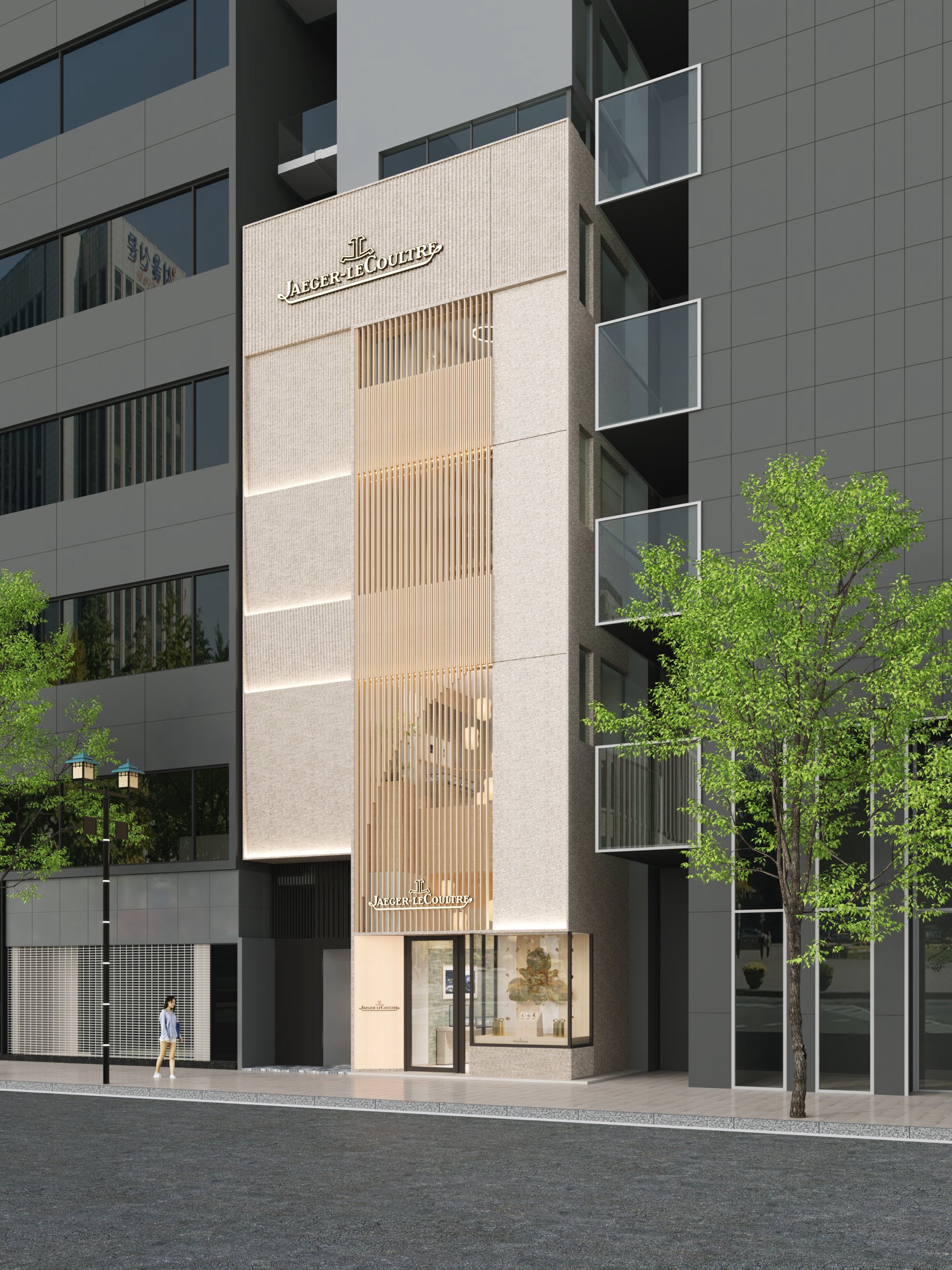
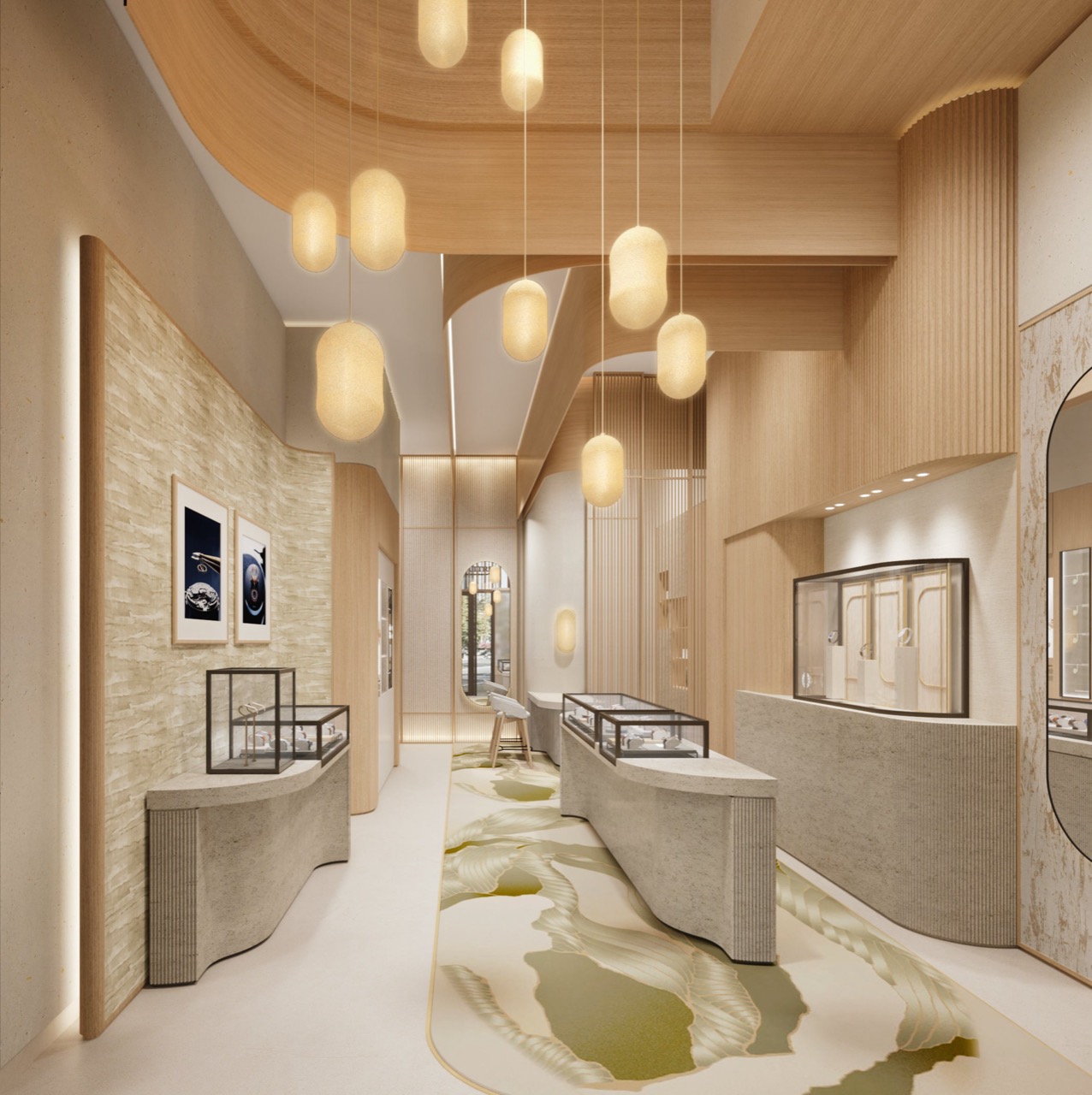
3.The exterior is stated as grounded in Japanese tradition. In the released rendering, vertical timber battens cut a line across a pale stone face from the ground floor entrance to the top, with the logo above. A building narrow at the front and long as it rises. Inside, the reference changes, moving the manufacture at Le Sentier in Switzerland and the Vallée de Joux where that manufacture sits into the interior. The ground floor is narrow and deep. Display cases cut in curved stone stand along the wall, pendants that look wrapped in washi come down in rows from the ceiling, and a green rug modelled on the valley's lake lies in the middle of the floor. Everything around was made large and quiet so that what is for sale would not look small on a wrist.
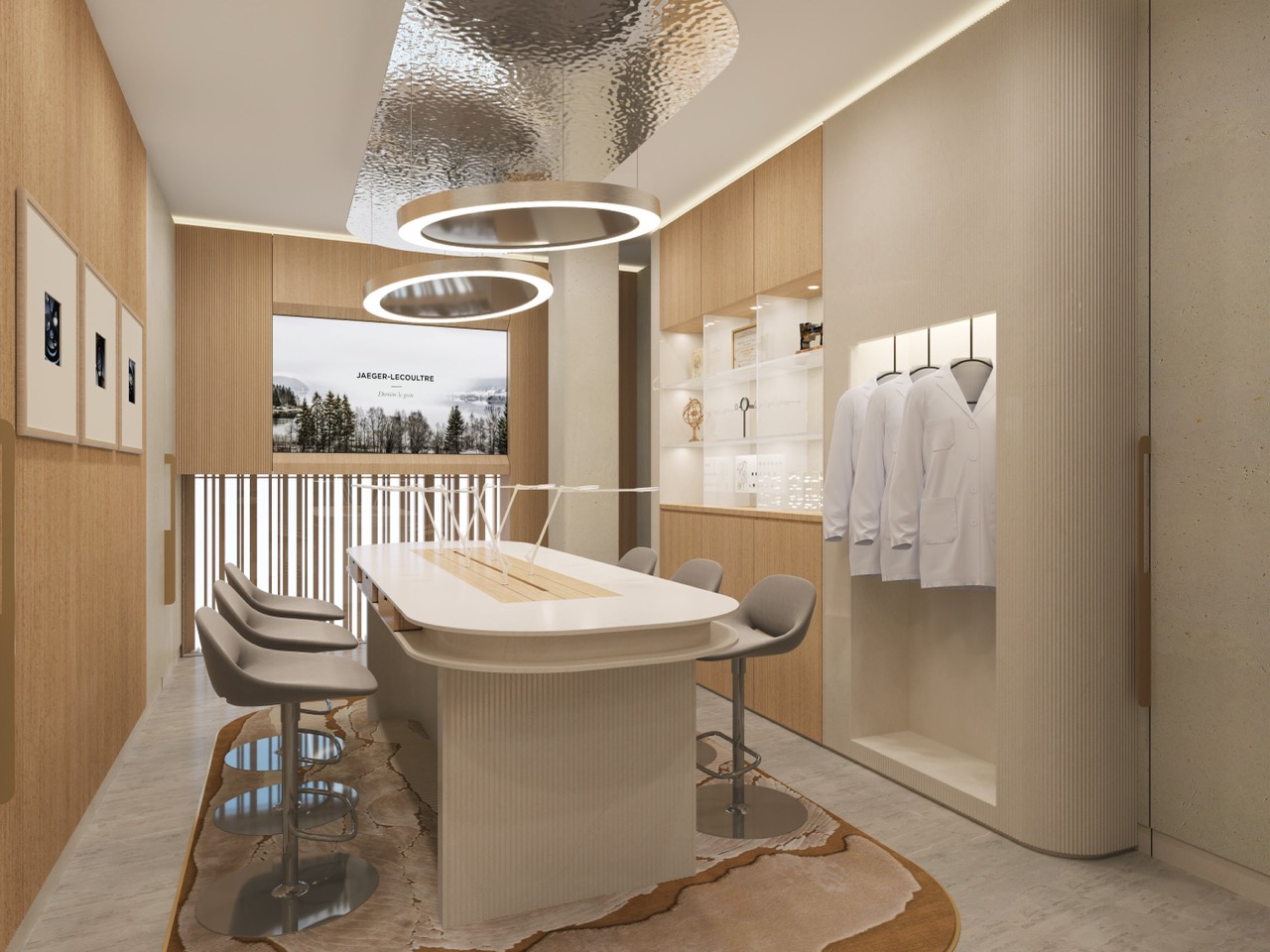
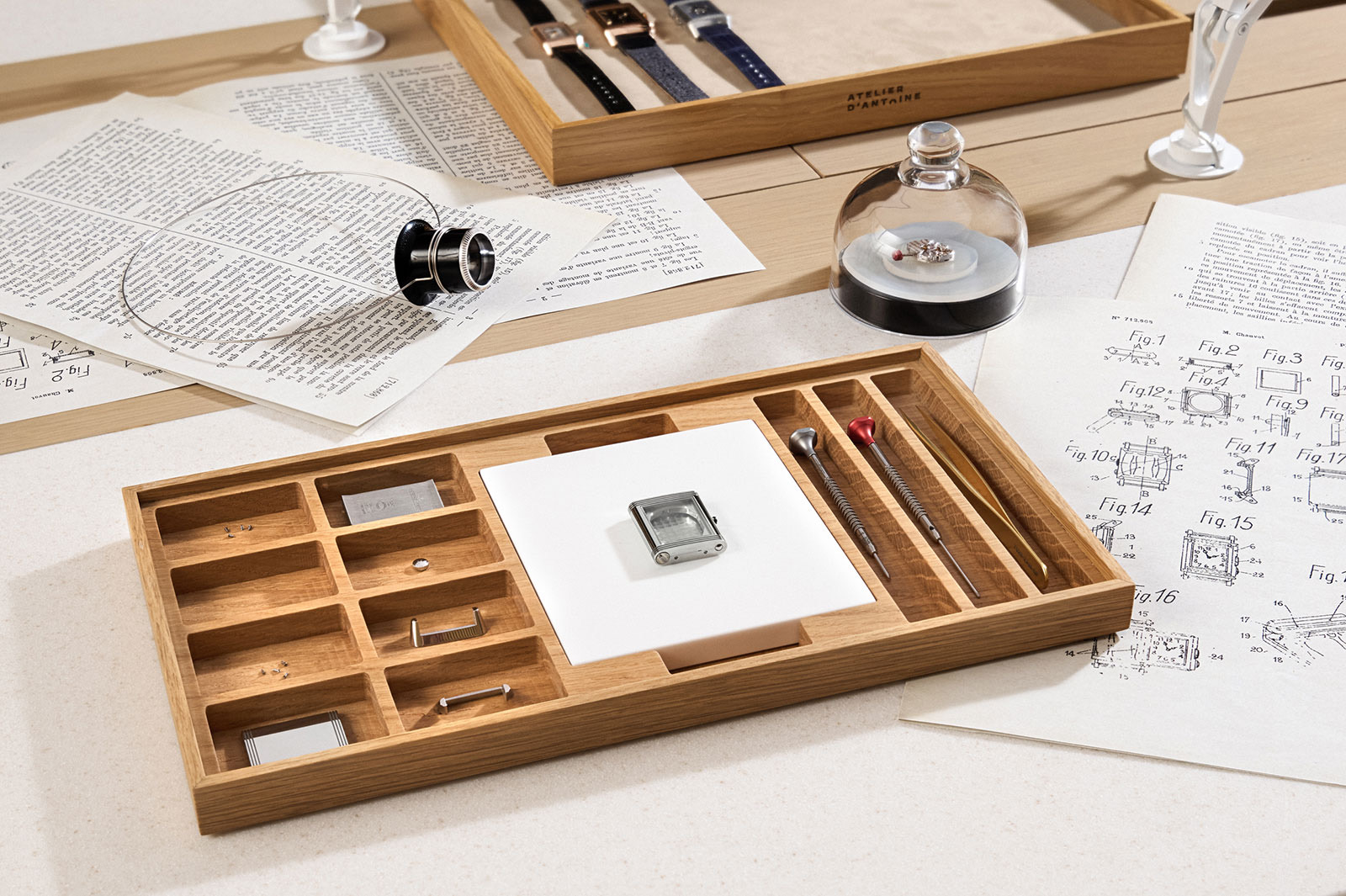
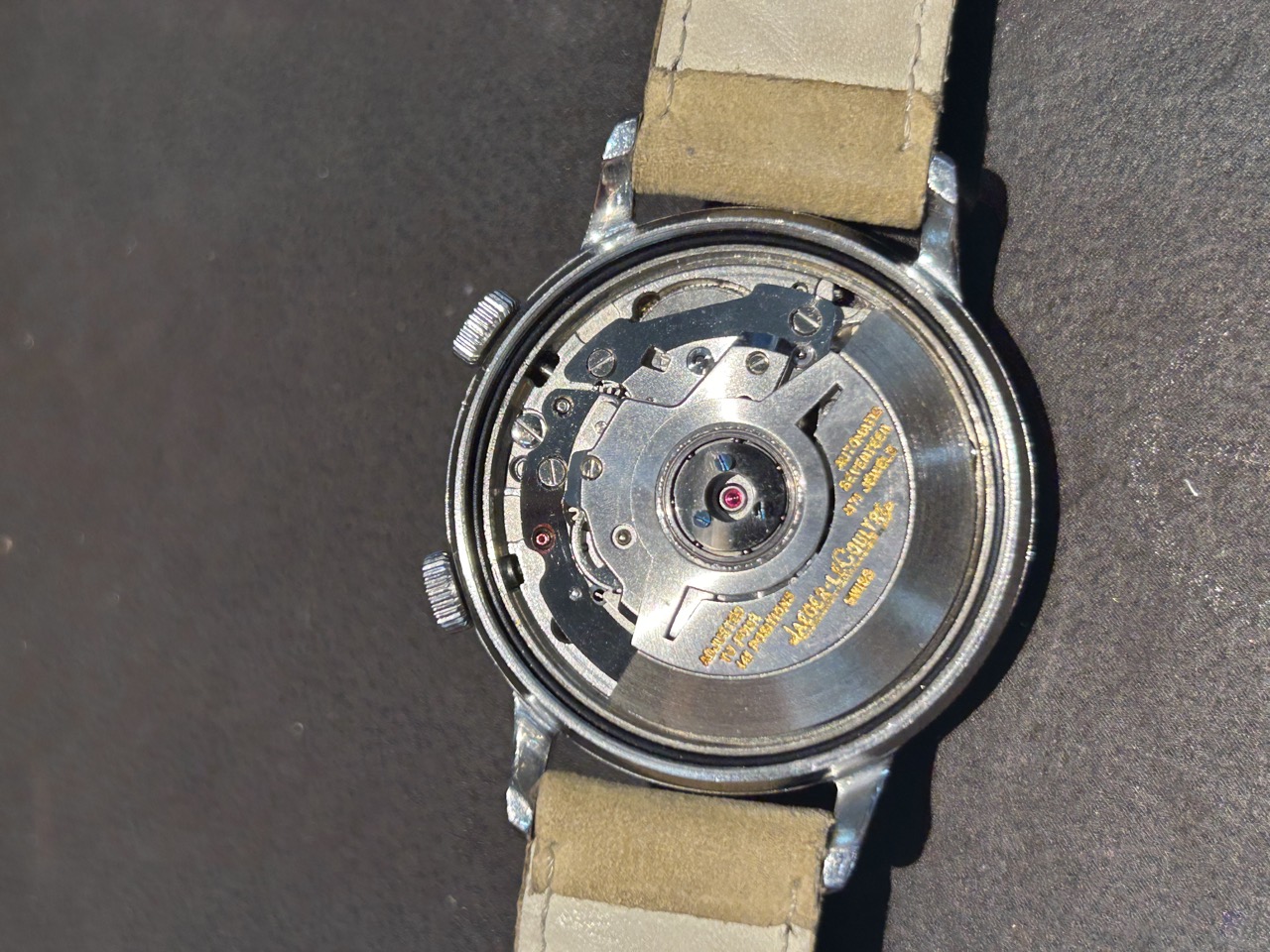
4.Japan's first Atelier d'Antoine goes on the top floor. It is a programme where participants watch a movement assembly demonstration and then assemble one themselves, and the Reverso workshop takes eight people with an instructor and a technician from the Swiss headquarters working as a pair. White work coats hang by size in the alcoves, and a snow-covered valley runs on the screen at the front. While a case of more than 50 parts is put together by hand, the sound of a screw slipping off the tweezer tip and being picked up again carries on for over an hour.
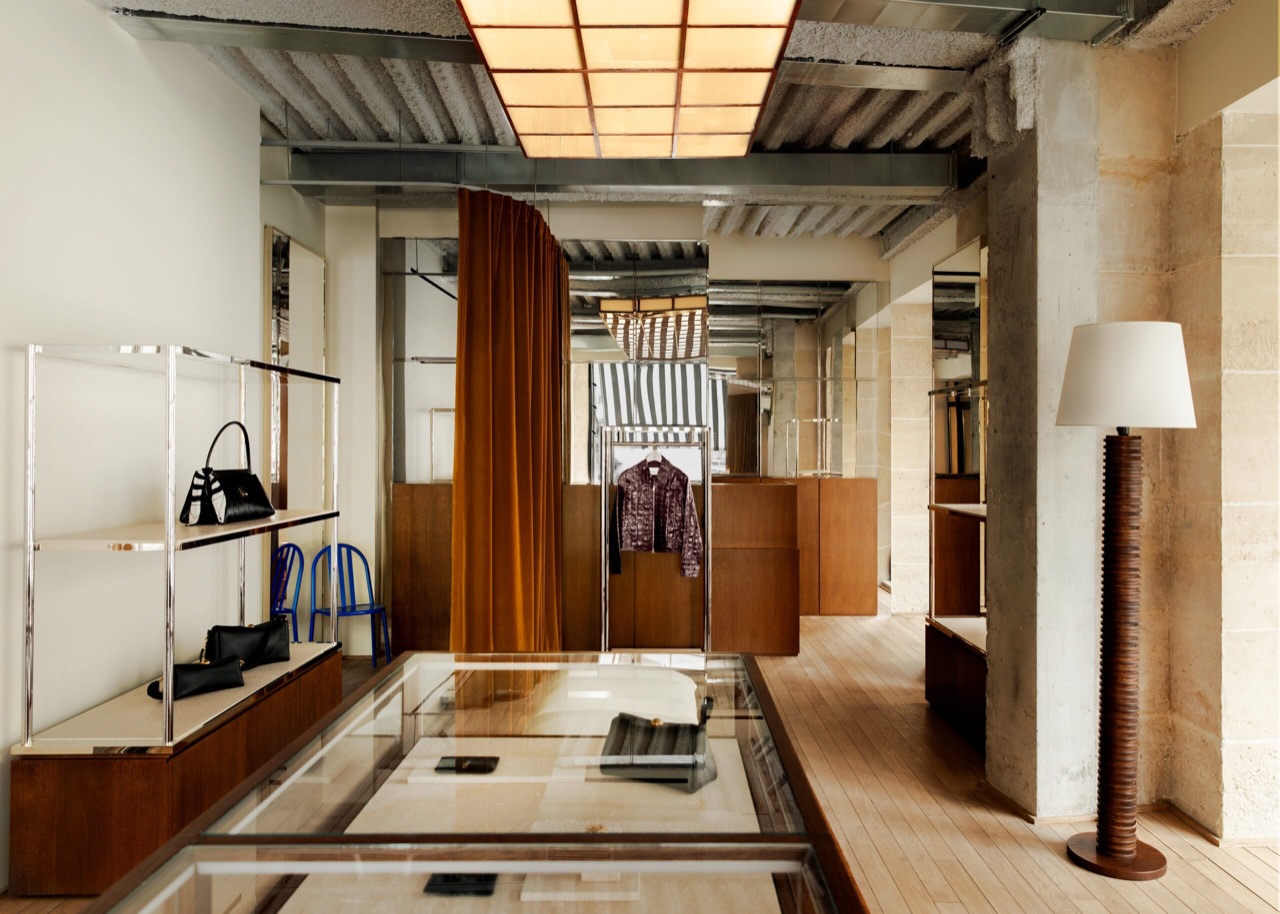
5.It keeps one more store in the same district. The boutique inside GINZA SIX stays open with the roles divided, Namiki-dori taking history and heritage and GINZA SIX taking contemporary feel and a wider collection. Two stores of the same brand a few minutes apart on foot. It did not split the trade area but split why a customer comes.
6.Watches do not sell on a screen. More precisely this price band does not. Whether the lugs clear the wrist bone when it sits on the arm, whether the case thickness catches on a shirt cuff, cannot be confirmed from twenty photographs, and once that check is missing on something over 10 million won, the payment button does not get pressed. That is why stores remain.
7.This atelier sells nothing. It defends the price instead. Someone who has sat with seven others and fitted 50 case parts understands what the object costs as labour, and a price understood that way fights the grey market list rather well. Defending with a discount cuts the brand, and defending by showing the process does not.

8.The timing lined up. Richemont's Japan revenue for the April to June quarter of 2026 rose 36 percent at constant exchange rates, and the company credits local demand and tourist spending together. The same quarter a year earlier fell 15 percent. Since the yen weakened, watch and jewellery stores in Ginza have been taking domestic and overseas customers at the same counter.
9.In Richemont's results for the year to March 2026, the specialist watchmakers division turned over 3.1 billion euros, KRW 4.96 trillion, with operating profit of only 107 million euros. An operating margin of 3.4 percent. The jewellery division in the same group turned over 16.5 billion euros with operating profit of 5 billion, a margin of 30.5 percent.
10.Why does a 3.4 percent division add floors on the most expensive street for rent? Because it is switching from wholesale to direct operation. Across the group, directly operated stores make 71 percent of revenue, and direct sales including online have climbed to 77. Passing goods to wholesale hands the entire retail margin to distribution, and selling direct brings that margin inside. This company has little lever other than stores to lift 3.4 percent right now.
11.Two numbers in the same market move in opposite directions. On the Federation of the Swiss Watch Industry count, Swiss watch exports to Japan fell 1.6 percent in the first half of this year, and June alone rose 8.8 percent to 169 million francs, about KRW 295.8 billion. The volume entering the market is flat while brand-operated revenue jumps. What used to sell on someone else's counter is moving to their own.
12.Count the land. Ginza's 2026 published land price is 99.1 million yen per pyeong, up 11.3 percent in a year, and the top point, 4-5-6 Ginza, is 67.1 million yen per square metre, the most expensive in Japan. This building's floor area is not published. Four floors on a narrow Namiki-dori plot works out around 91 pyeong, and applying a floor-weighted average of 80,000 yen per pyeong a month gives annual rent of KRW 830 million. Put rent at 10 percent of revenue and it takes 1.6 watches at 15 million won a day to fill it. That is an estimate the writer built to gauge scale.
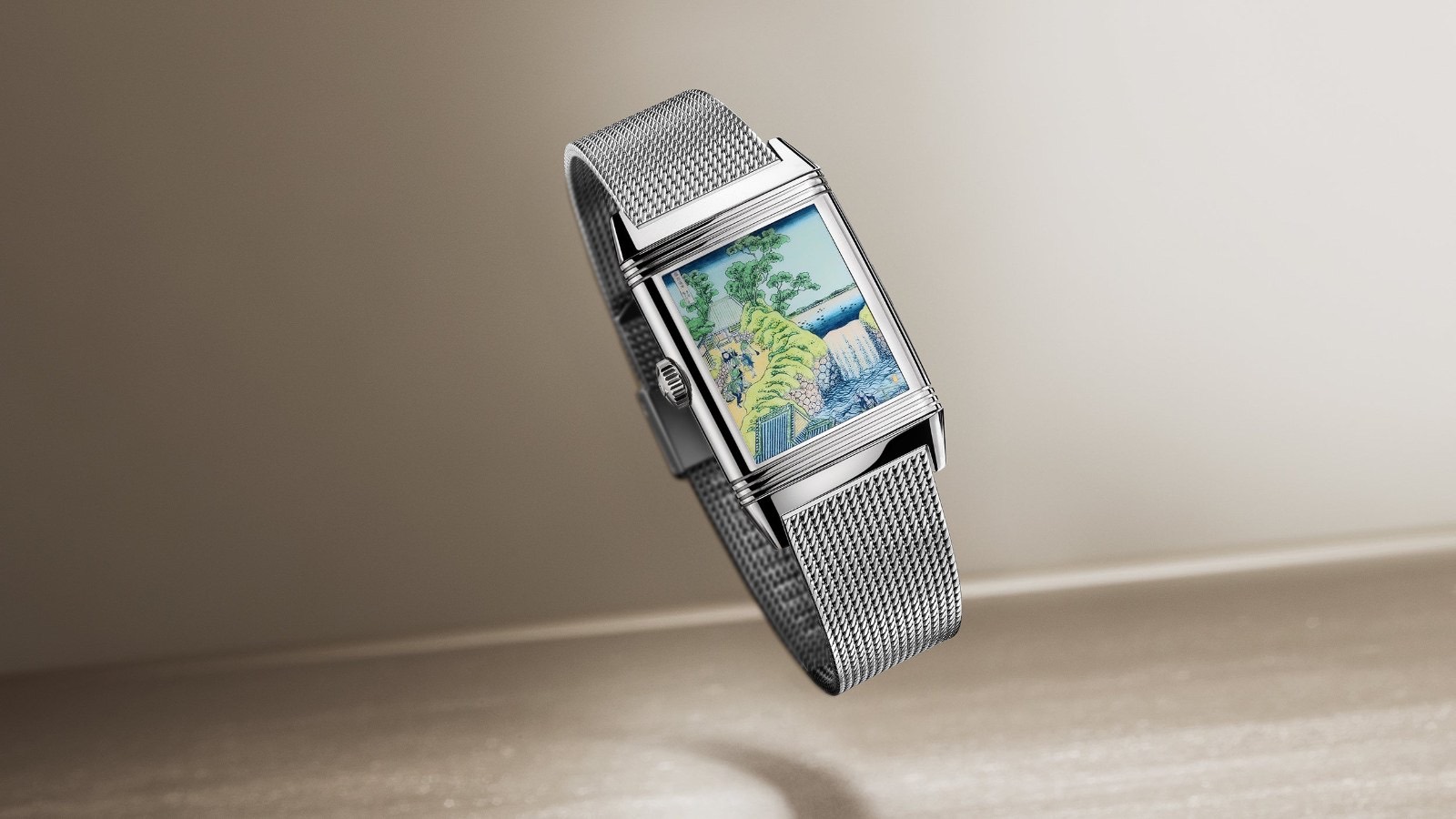
13.The lineage starts in the Vallée de Joux in 1833. Antoine LeCoultre opened a workshop in Le Sentier, and in 1866 he gathered the watchmakers scattered around the valley under one roof to build the valley's first manufacture. Calibres made to date number 1,242 and registered patents about 400. In 1931, British officers playing polo in India complained that their glass kept breaking, and René-Alfred Chauvot patented a structure that flips the case whole.
14.The fourth floor makes zero revenue. This layout is no loss, and the reason lies in the rent curve by floor. The ground floor on the street costs most and it gets cheaper going up, and this store put display on the dearest floor and experience on the cheapest. Put the same atelier on the ground floor and it eats several times the rent. Lifting the function that does not sell to an upper floor is cost placement rather than symbolism.
15.A risk follows. Growing direct operation on a 3.4 percent margin grows fixed cost first. Wholesale shares the risk with distribution by cutting shipments when demand turns, and direct operation keeps paying rent and wages even as customers thin. Whether the 1.6 percent fall in first-half exports to Japan is a warning about direction or a temporary inventory adjustment has not yet been settled.
16.A watch store that used one 30 pyeong floor took four floors whole on the same street, and on top of them sits an atelier that sells nothing. The number to keep is 3.4 percent, last year's operating margin at the division that runs this store. Move the same device to Korea and it catches on people before buildings, because a programme that lets visitors handle parts assumes a resident technician and a stock of genuine parts, and neither exists without headquarters certification. Finding the person to stand on that floor catches before the decision to add the floor.