A Danish furniture brand has put its first house outside Scandinavia on a New York ground floor. It closed the appointment-only showroom upstairs and came down to the street. Eighteen months before that, its parent company wrote 32 million euros of the brand's goodwill off the books.
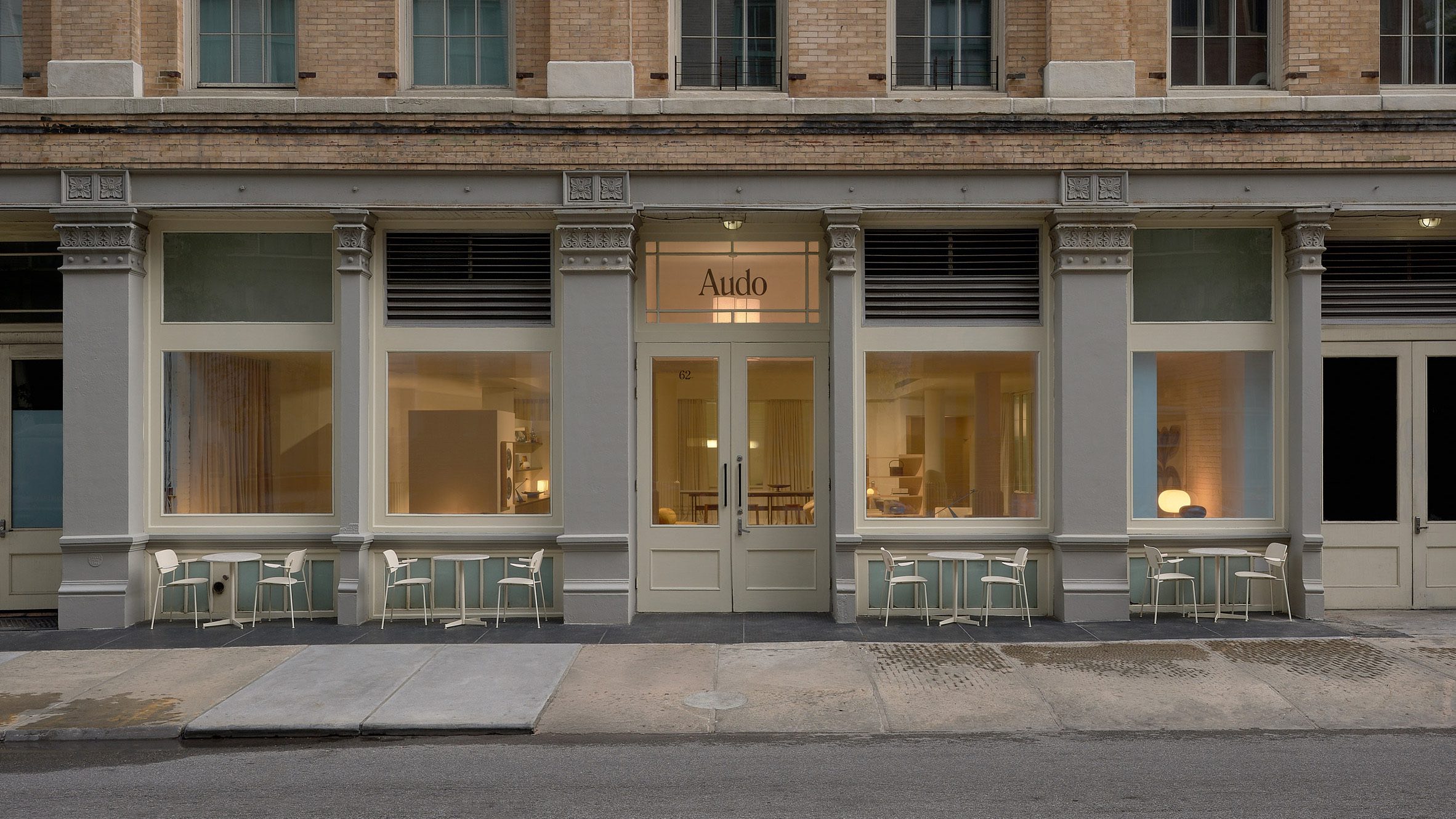
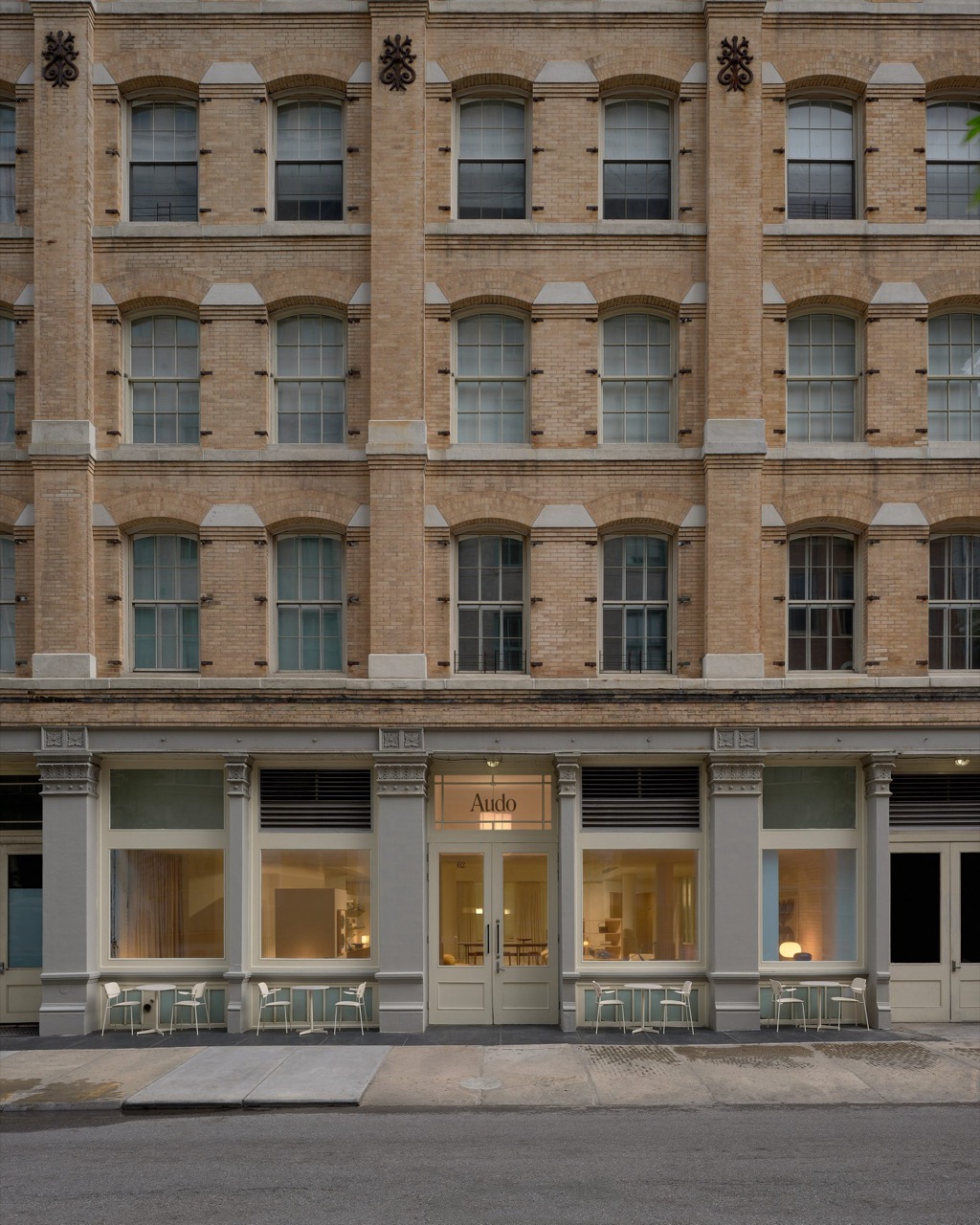
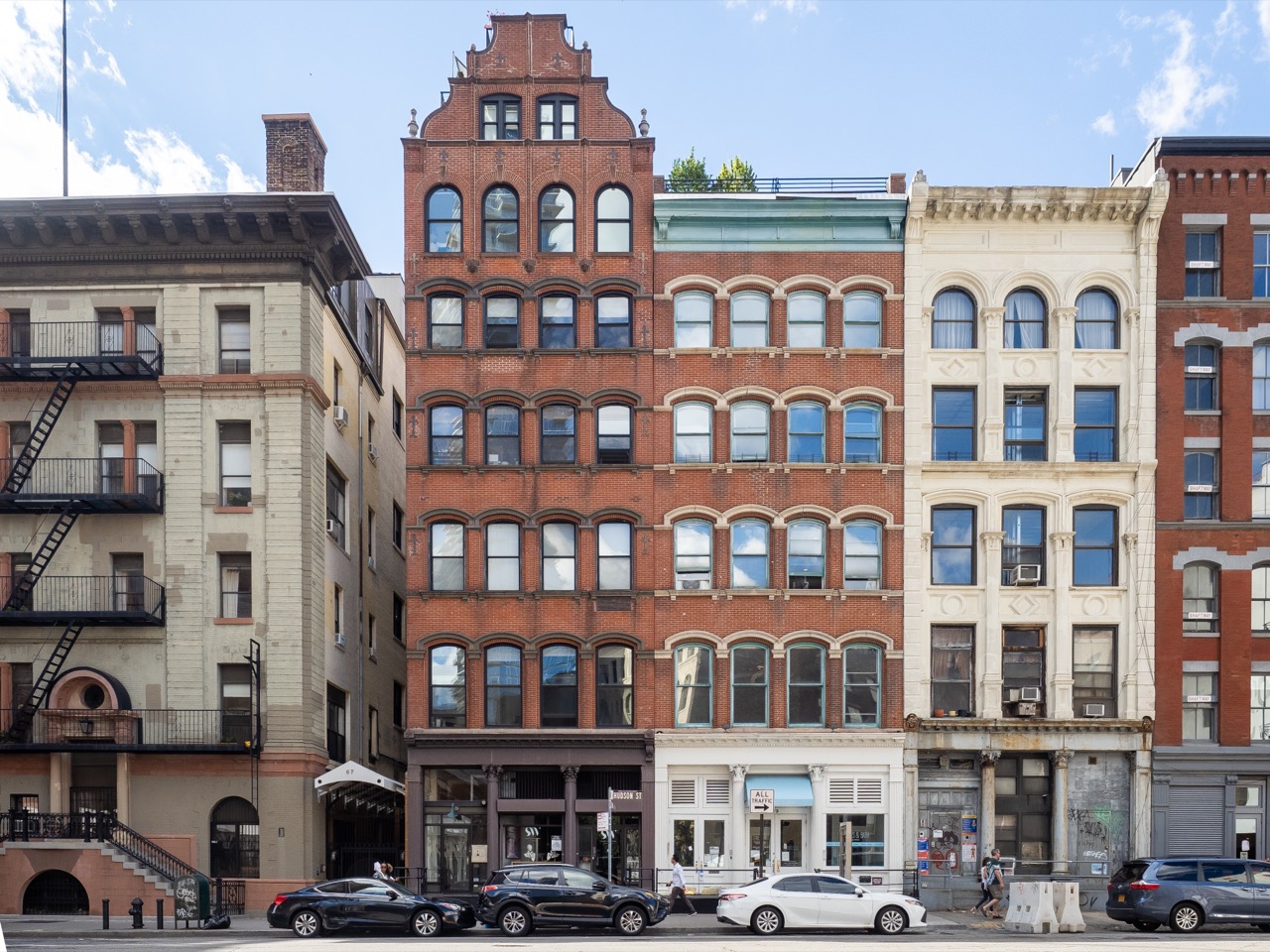
1.In April, Audo Copenhagen opened Audo House New York on the ground floor of 62 Laight Street in Tribeca. Its first house outside Scandinavia. It takes the ground floor of a landmarked building, Monday to Friday, 10am to 6pm. Other hours run by appointment. The public unveiling was timed to NYCxDesign, 14 to 20 May.
2.David McNamara, who runs the Americas, gives a short reason for the move. They felt they needed to be more open and outward facing. Until then the brand's American base did not front a street, and this is its first ground floor in the United States.
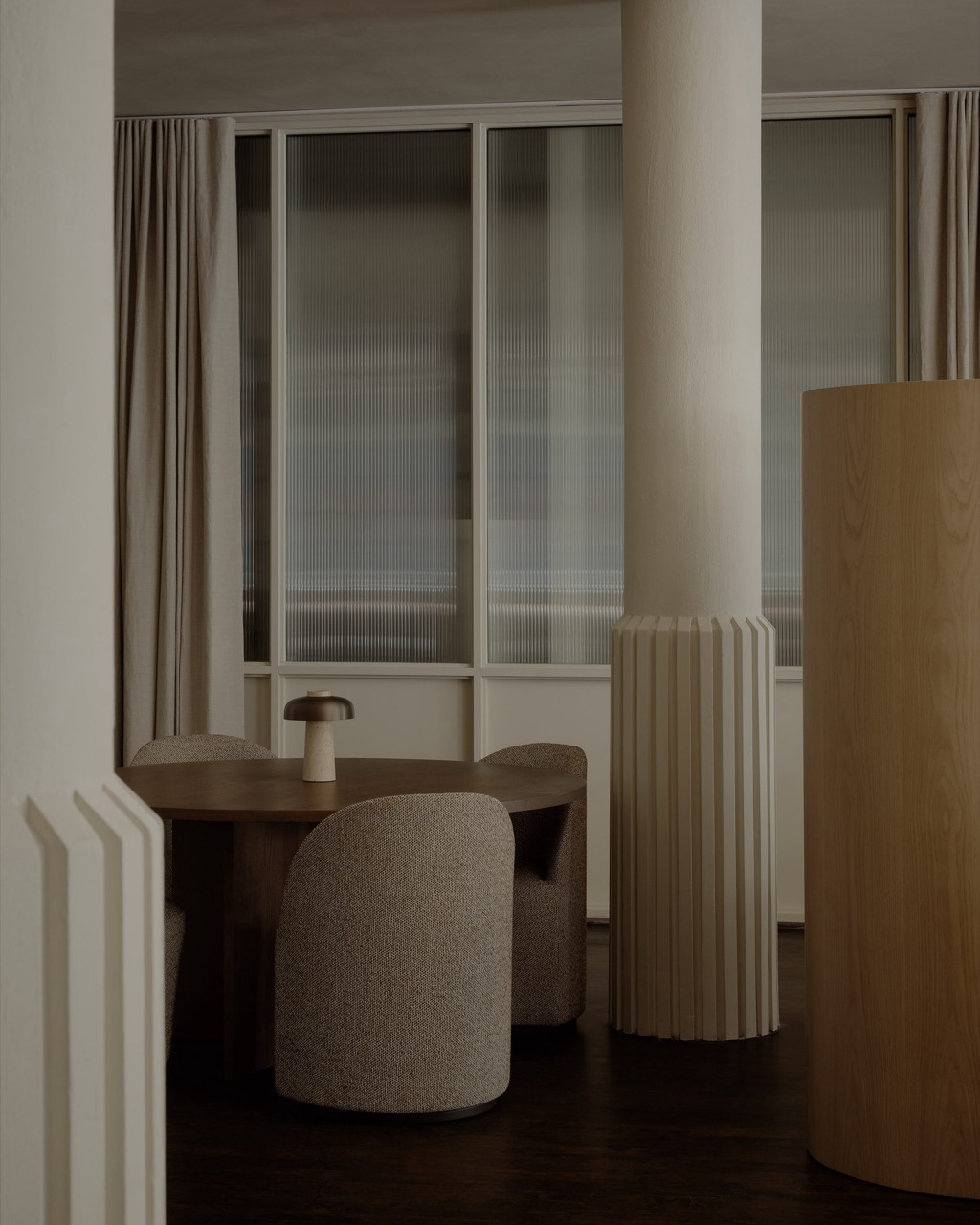
3.Jonas Bjerre-Poulsen of Norm Architects designed the space and Colin King styled it. The brick was left unpainted and only the structural columns took a soft beige. Dark-stained wood on the floor, lime plaster on the ceiling. Ridged flares wrap the column bases, a shape borrowed from old factory machinery, and the back of house sits behind fritted glass with batons.
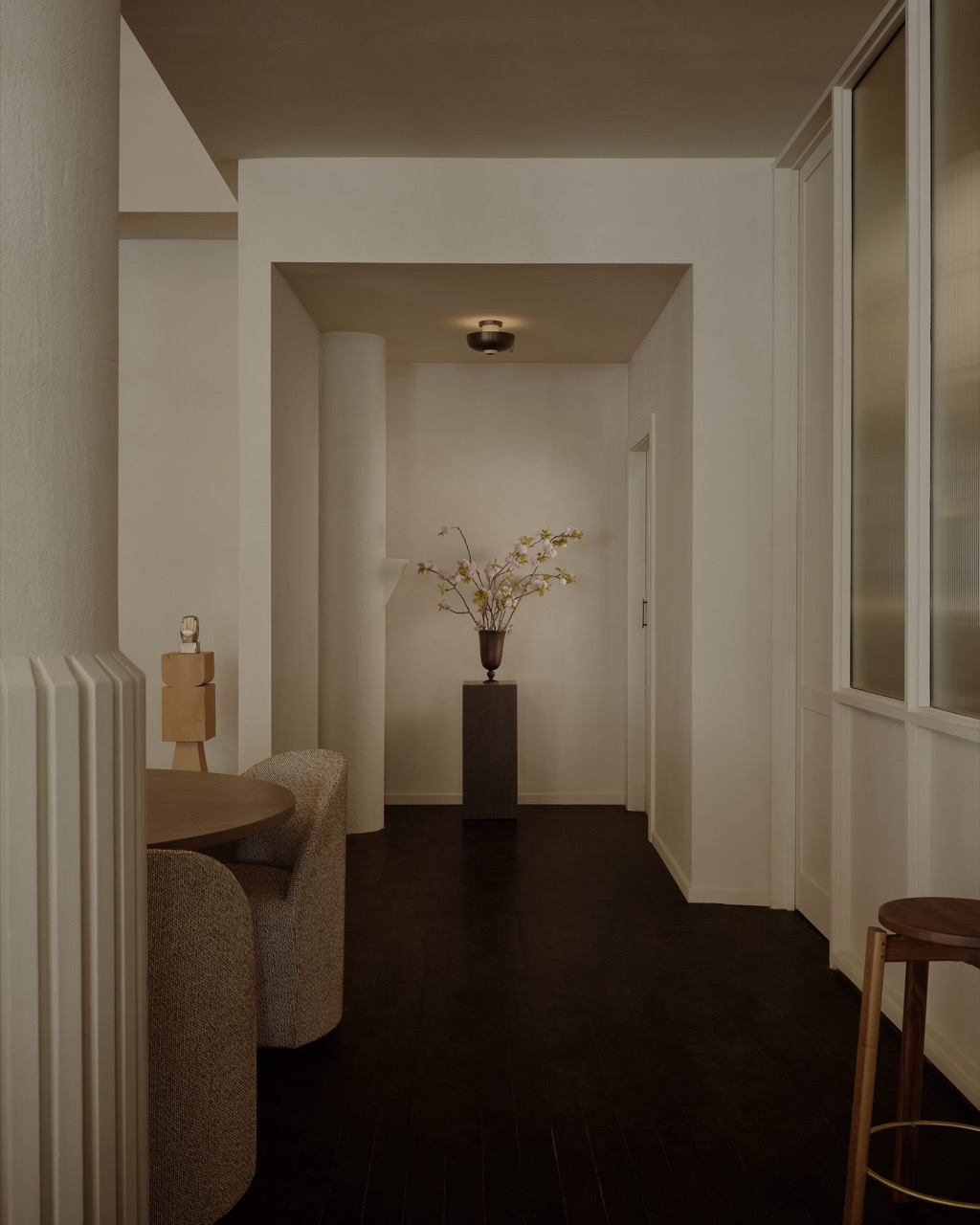
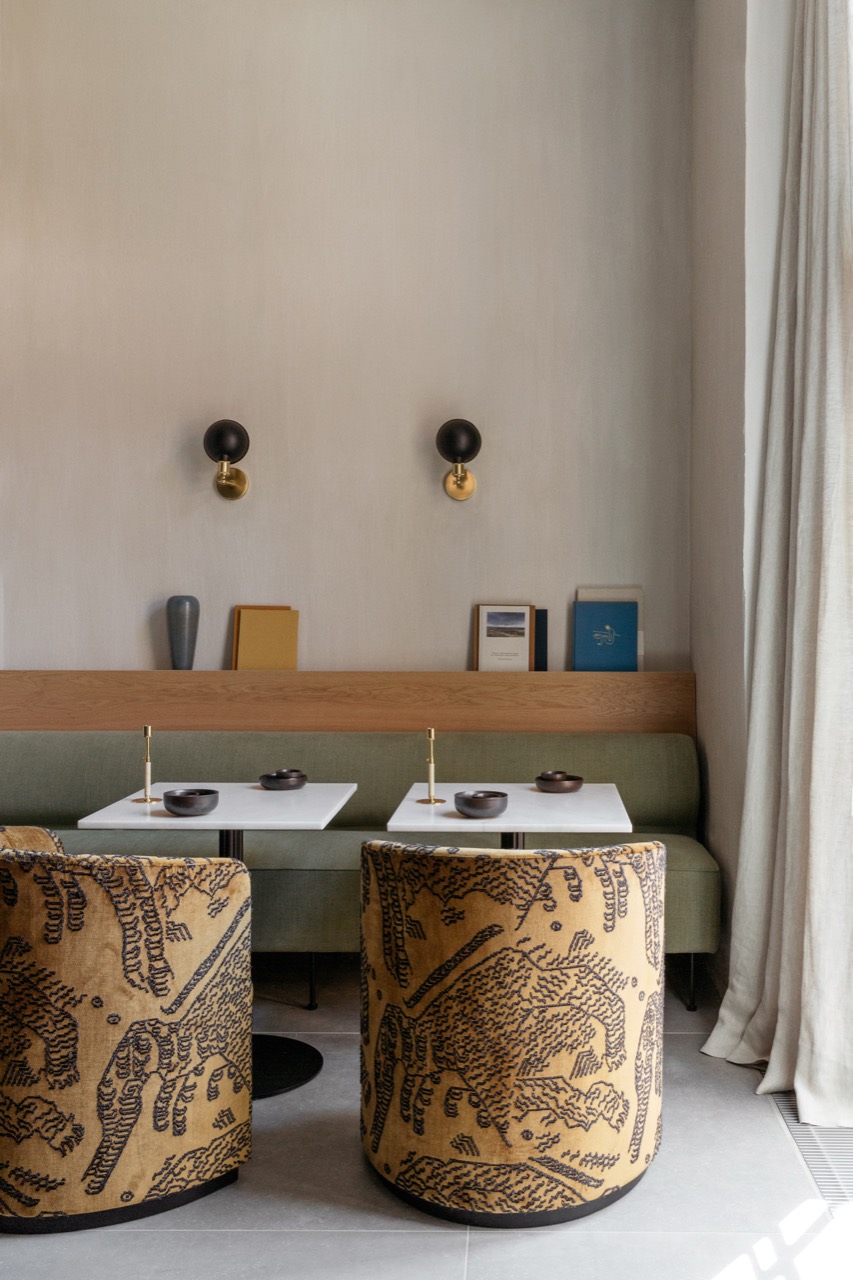
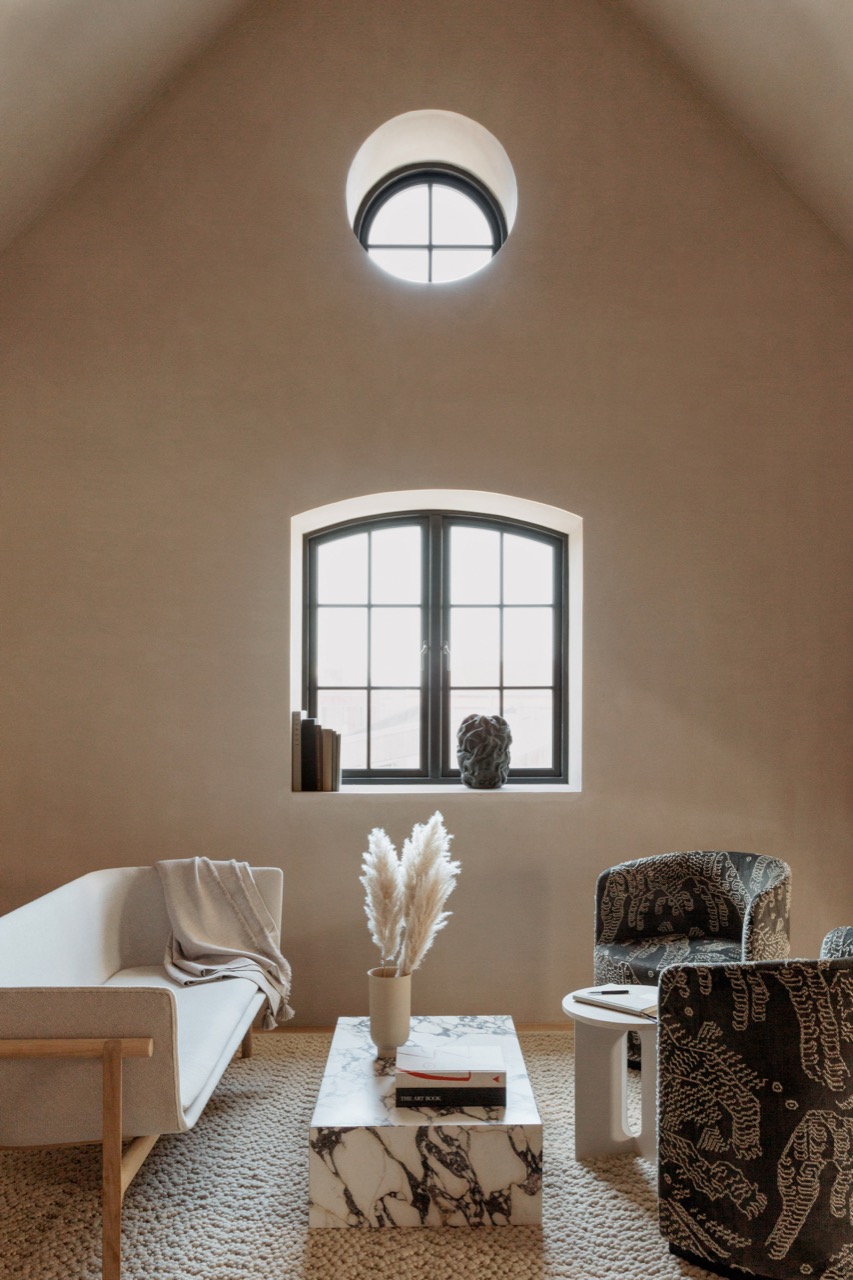
4.Nothing is lined up by product type. Pieces are grouped like a corner of a home, so the Elizabeth and Tire Man lounge chairs, the Eave sofa, the Volume side table, the Crescent shelving and the Androgyne dining table all sit mixed together. On the wall, paintings by Benjamin Ewing, who works out of Portland.
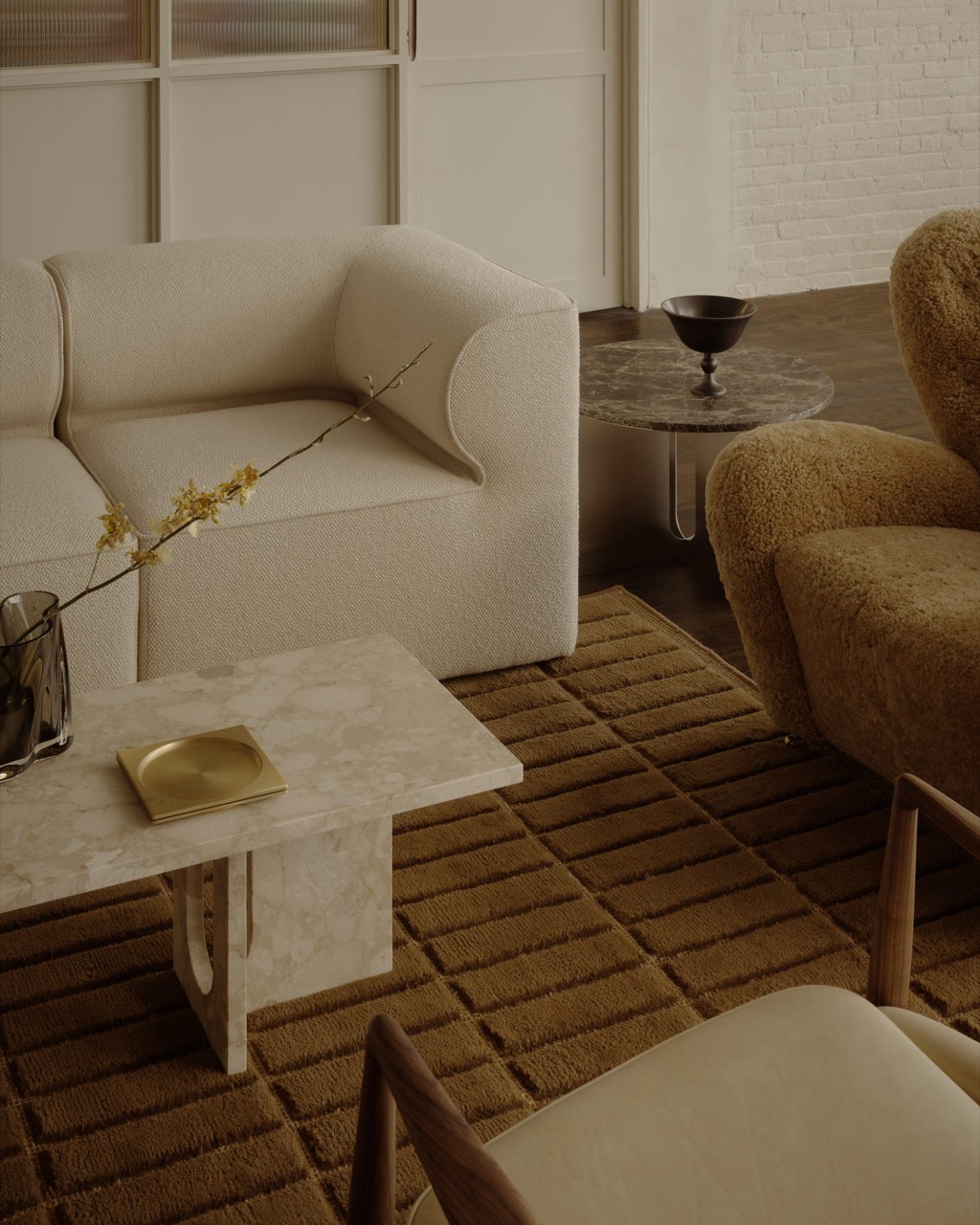
5.Coffee reaches you before anything else. Lime plaster holds light instead of throwing it back, so the ceiling settles low, and the dark floor swallows footsteps. You can sit, touch, and carry something out the same day. In a furniture showroom, is that last line ever ordinary?
6.A furniture showroom is not usually a place that sells. It sits upstairs or on a back street, runs on appointments, and its visitors are interior designers and architects rather than consumers. What gets specified there comes back months later as a dealer invoice. In that structure a ground floor is simply waste.
7.The trouble is what that structure leaves the brand. Wholesale discounts in furniture usually run 25 to 50 percent off list, and dealers add another 25 to 40 percent on their cost. On one Androgyne dining table listed at 4,905 dollars, the gap between what a customer pays and what the brand receives is that wide. Coming down to the ground floor pulls that gap inside.
8.The gain is not free. Several authorised dealers sell the brand in the United States and its own online store runs alongside them. The moment a company opens a store of its own in a city, the dealers there compete with head office over the same goods.
9.The parent company's numbers explain the decision. Revenue at Flos B&B Italia Group fell from 867.6 million euros in 2022 to 768 million in 2024. Down 11 percent in two years.
10.In the consolidated statements dated 30 September 2024 the group booked a net loss of 46 million euros. Adjusted operating profit for the same period was 94.6 million, so the loss did not come from trading. An impairment test across every cash-generating unit found the fair value of goodwill on AUDO (Designers Company) below its carrying amount, and about 32 million euros was written off, which was the body of the loss.
11.At an industry event in Milan on 28 June 2025, chairman Piero Gandini said the brands would be sold one at a time. Stabilise each one, and investors can sell them their own way. The list covers B&B Italia, Maxalto, Arclinea, Azucena, Audo Copenhagen, Flos and Louis Poulsen. Goods for sale get polished first, and the Tribeca ground floor is part of the polishing.
12.The root is Danish Steel House, founded in 1979 by Simon Hansen. It supplied stainless kitchen and tableware to catering, and in 1998 his son Bjarne Hansen changed the name to Menu. In 2019 a 1918 trading warehouse in Nordhavn became The Audo, 2,500 square metres holding a café, a restaurant, a concept shop, event space, the head office and ten guest rooms under one roof. In 2022 Design Holding bought the majority of Designers Company from Polaris, and on 1 June 2023 Menu and by Lassen merged into the present name.

13.The brand's design and brand director today is Joachim Kornbek Engell-Hansen, grandson of the founder. His father always dreamed of the day the company would take the Audo name, he says. Headcount is 73, or 67 full-time equivalents. A number that suggests where this brand sits inside a group of some 700 million euros.
14.Copenhagen answered the ground-floor question first. Ten rooms start at 293 dollars a night, every piece of furniture in them is for sale, and guests pay to sleep in a showroom. A showroom whose rent the guest covers. New York has no rooms, so coffee, talks and exhibitions fill that role instead.
15.The first house outside Scandinavia now sits on a New York ground floor, and eighteen months ago 32 million euros of that brand's goodwill left the parent company's books. Anyone attempting the same thing elsewhere hits inventory first. Letting people carry pieces out means stock has to sit inside the city, and a single sofa takes a volume no watch collection comes near, so few districts allow a warehouse beside an expensive ground floor. A brand that has been arriving through an exclusive import agreement has to settle that contract before a store of its own makes sense.