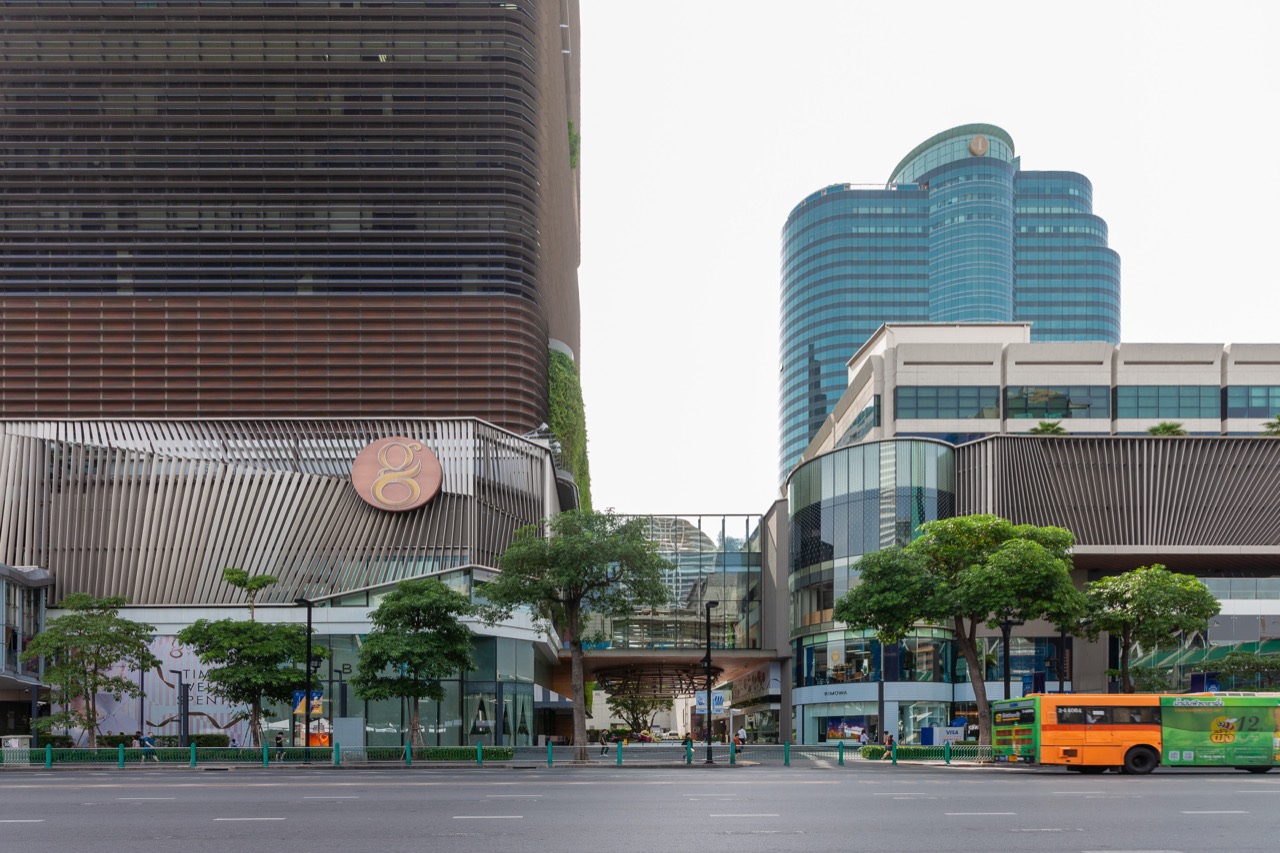
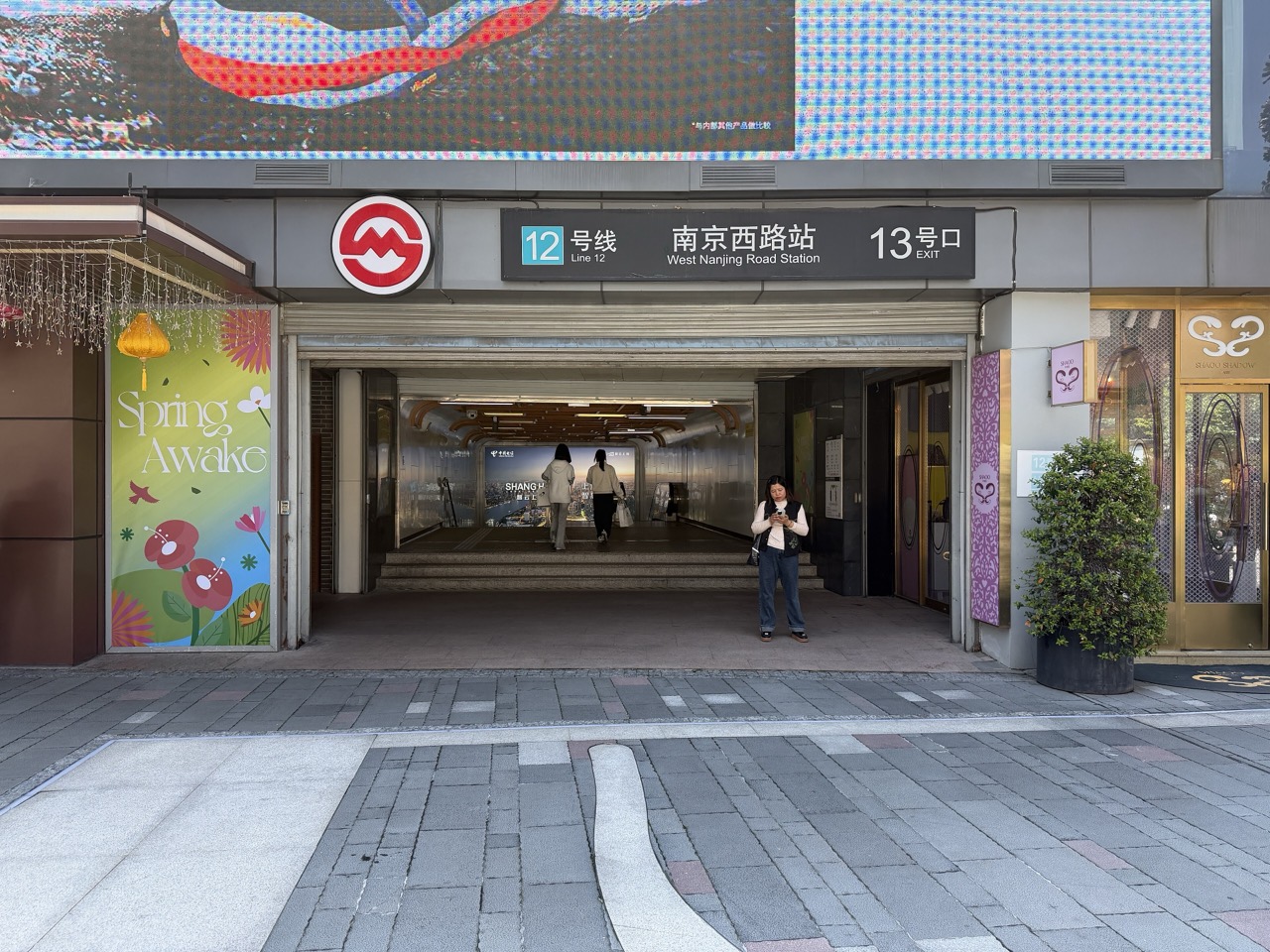
HKRI Taikoo Hui, 789 Nanjing West Road, Jing'an District, Shanghai. On 19 August the Thai fragrance and wellness brand PAÑPURI opened its first store on the Chinese mainland here. Back in Bangkok the company runs a 2,000-square-metre onsen on the 12th floor of Gaysorn Tower; what crossed the border into Shanghai is a single room that sells scent. Why would a company that doubled its revenue last year push out through a small box inside a mall?
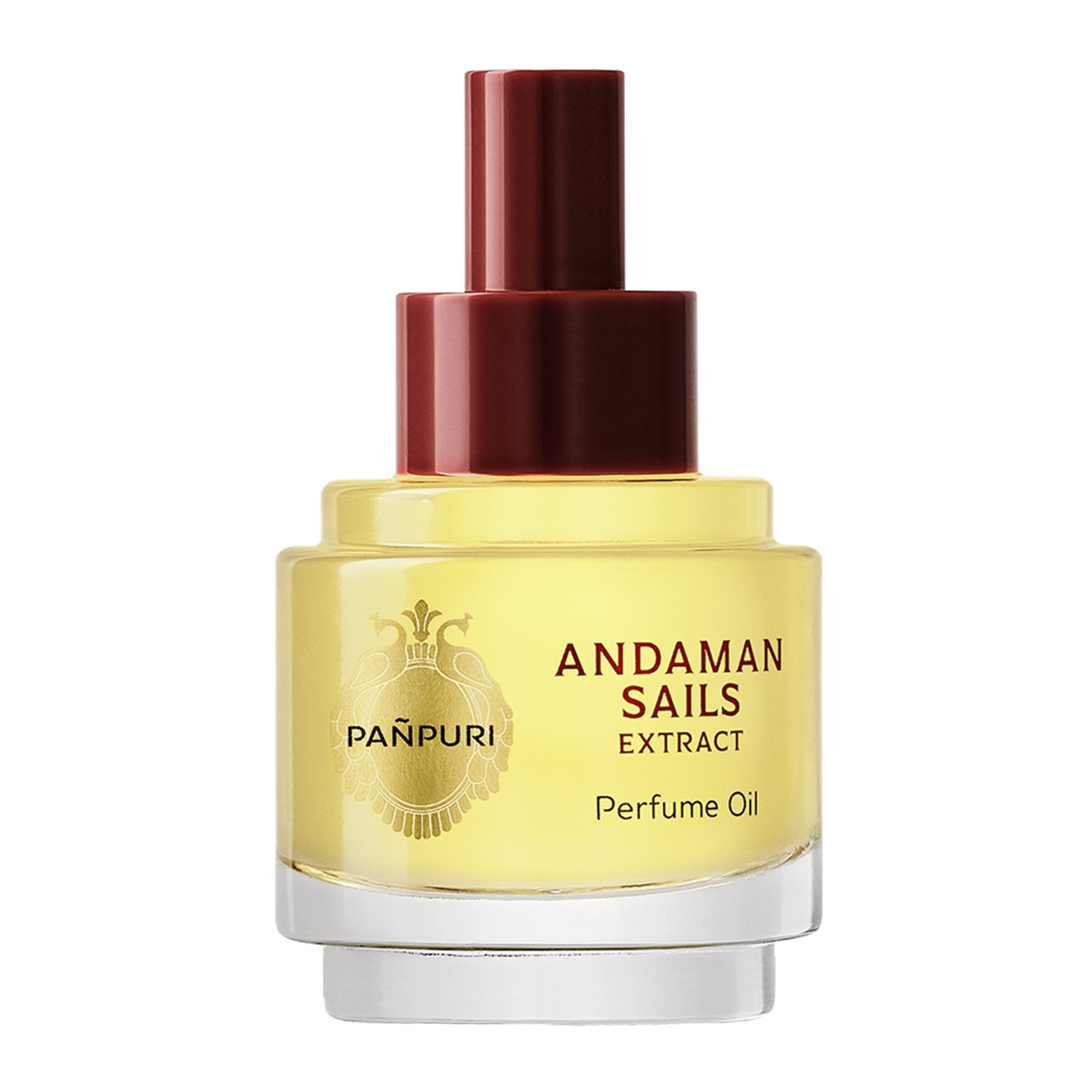
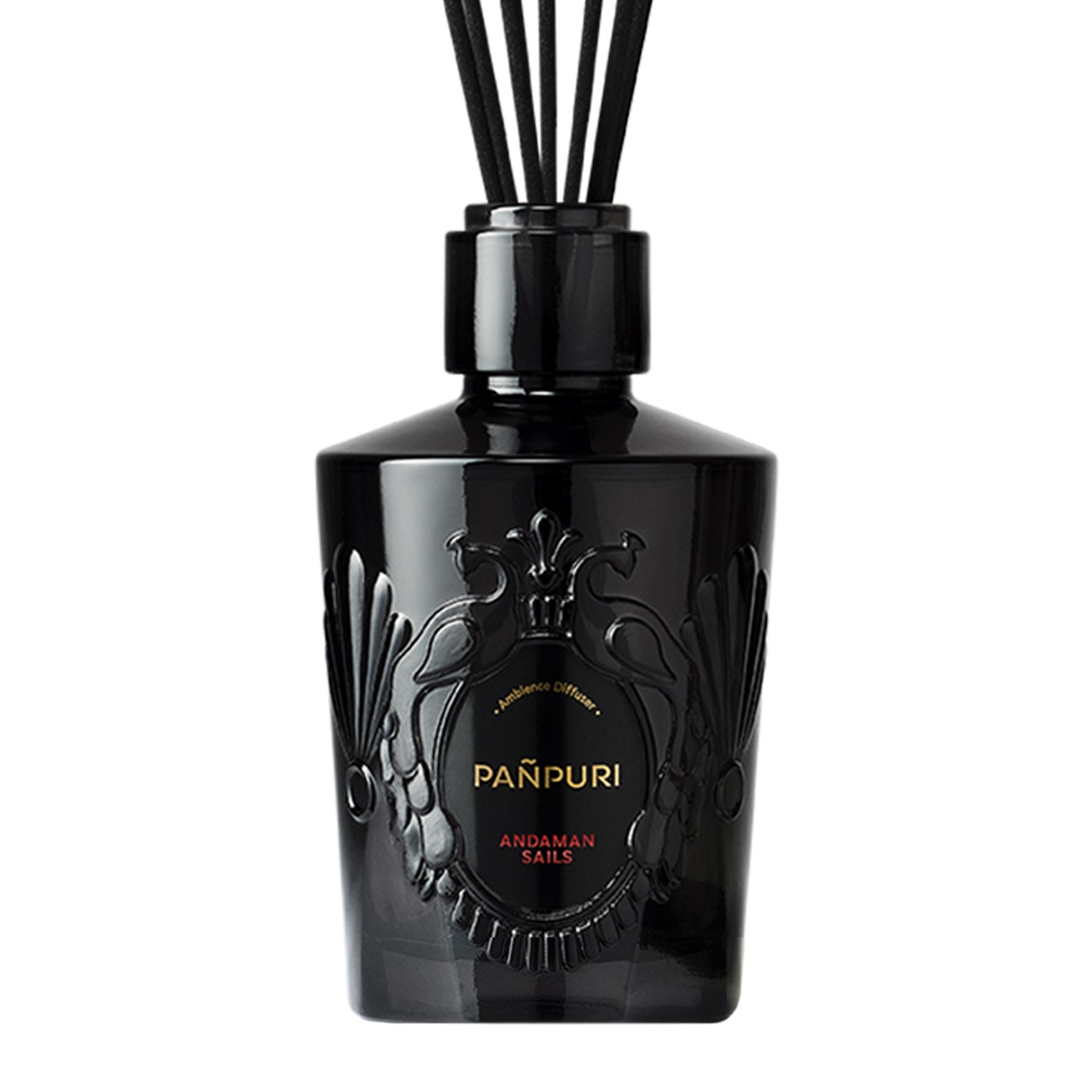
1.It sells three lines: fragrance, home ambience and body care. The doors opened on 19 August, and the brand calls the room a sanctuary for the senses. Getting to the mainland by way of Hong Kong, Singapore and Macau took 23 years from founding. The first overseas store was at K11 MUSEA in Hong Kong, so this last border alone cost several more years.
2.PAÑPURI began in Bangkok in 2003. The founder is Vorravit Siripark. It started by carrying the old Thai practice of rubbing oil into the body over into fragrance and skincare, and today the brand counts 31 stores inside Thailand and more than 13 outside it.
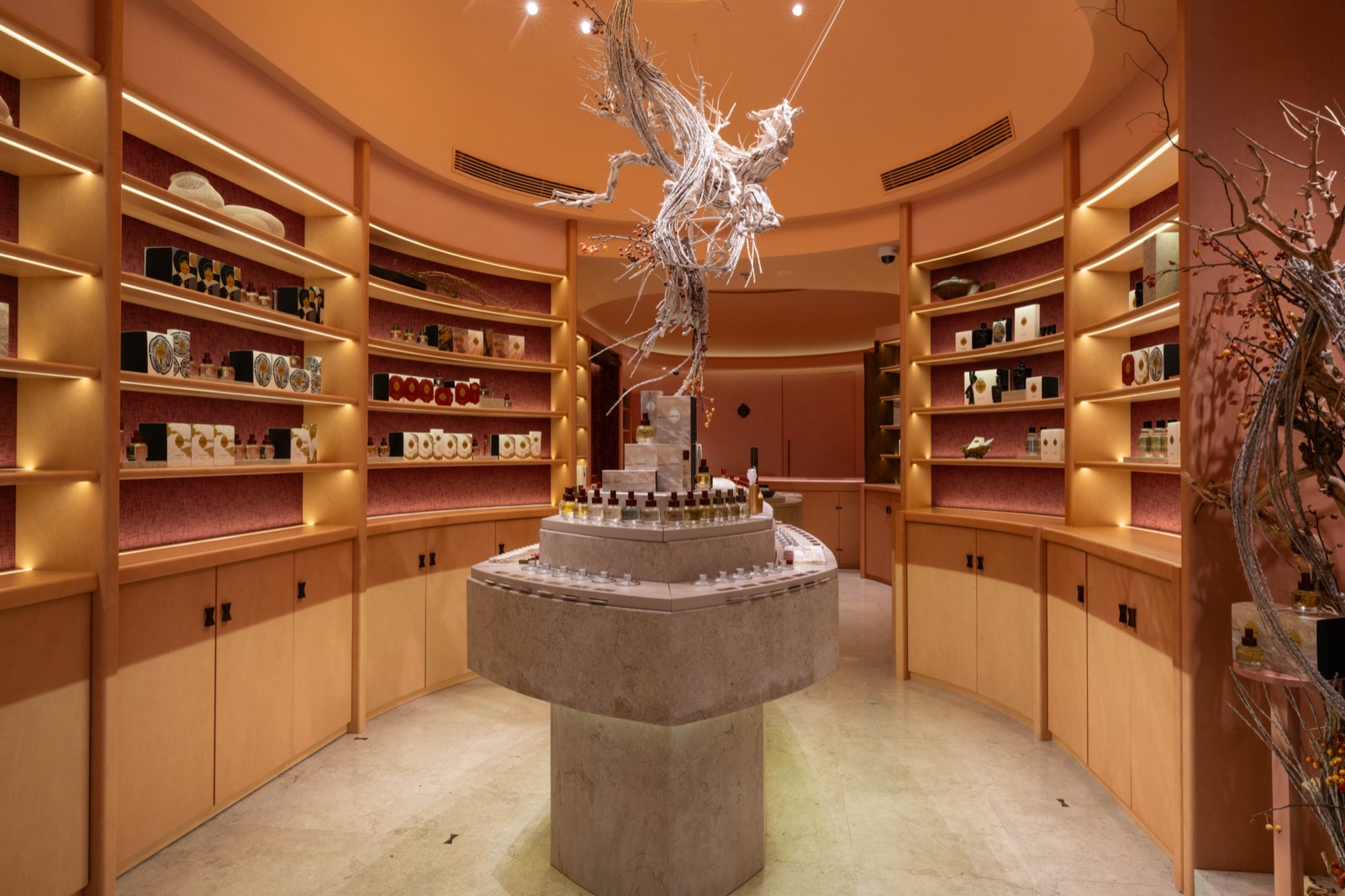
3.The shop is round. Curved shelves run along the wall, and shelves and cabinet doors share the same earth-toned lacquer finish. Coral-coloured fabric lines the back of each shelf, so a dark bottle set down in front of it gets a red field behind it. At the centre of the ceiling hangs a dried branch painted white.
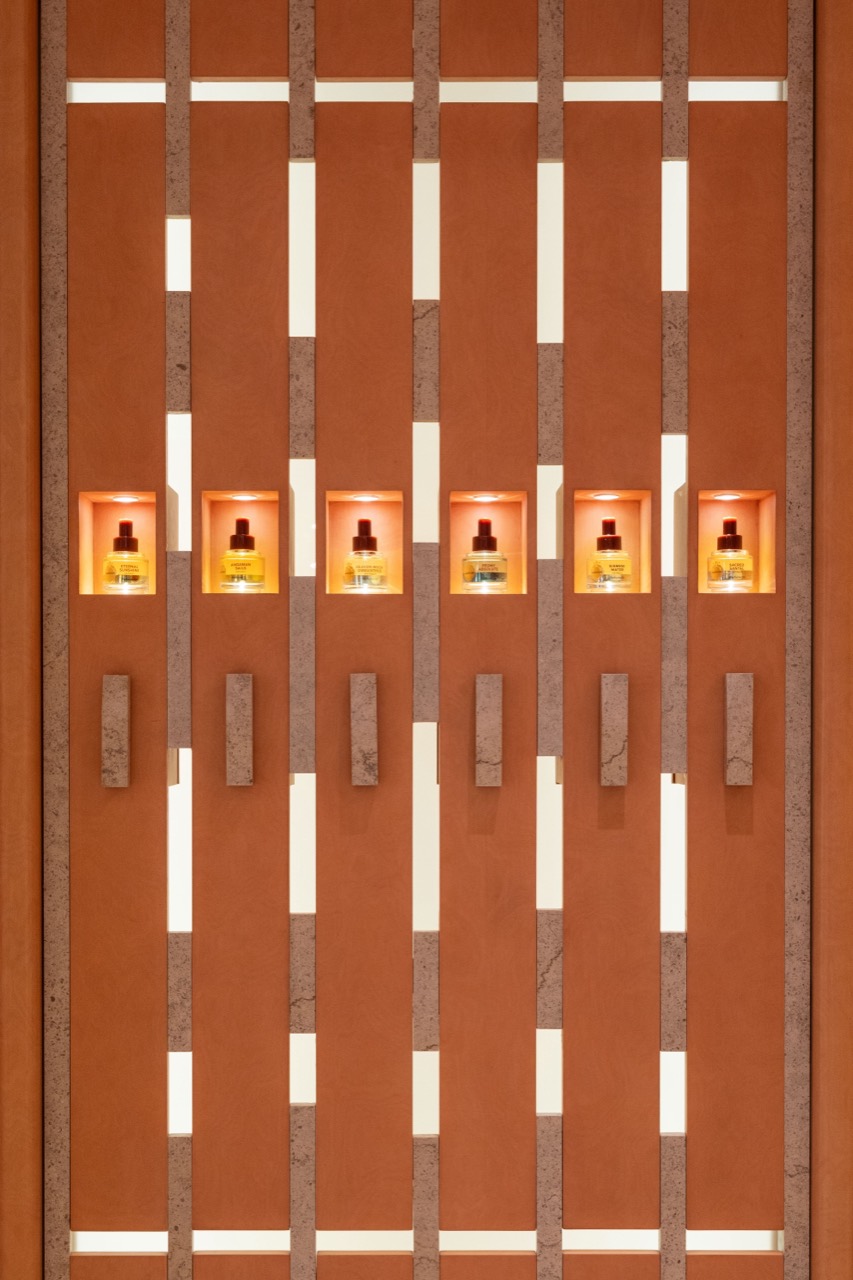
4.One wall is built differently. Stone battens run vertically between earth-toned panels, and six recesses are cut into the gaps, each holding one amber bottle of oil with a light dropped on it from above. The opposite of the usual fragrance-shop display, where bottles are lined up in rows. This is less a display case than a shrine niche.
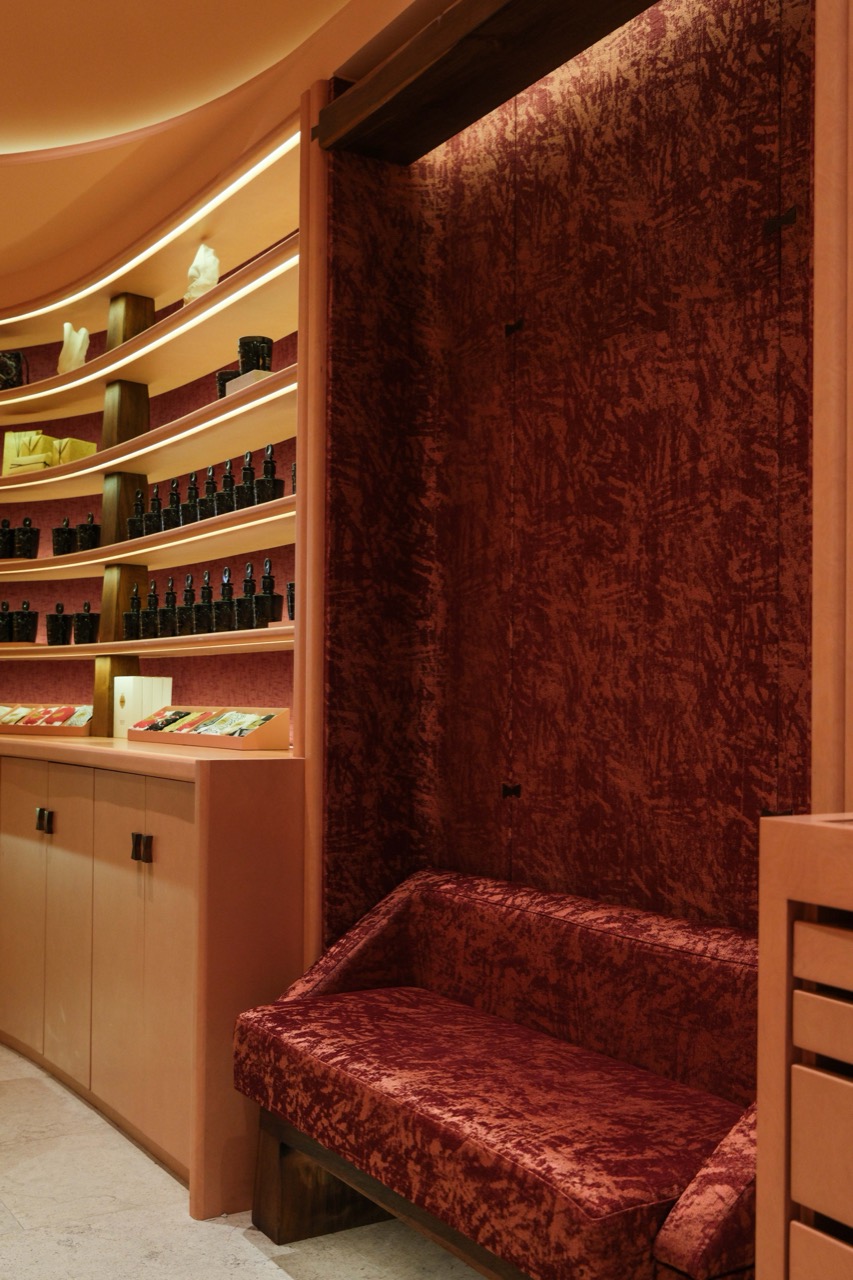
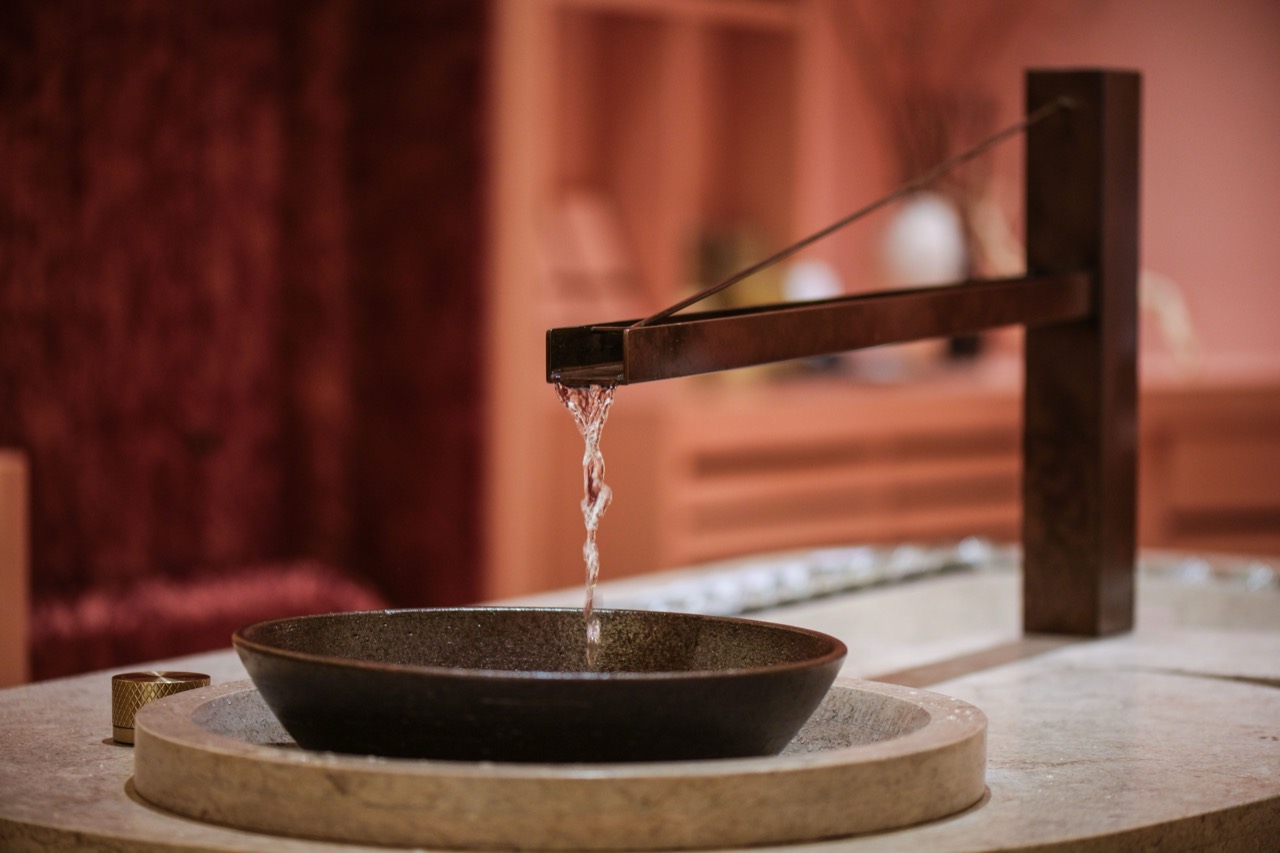
5.In the inner corner there is a seat with red velvet running from the wall down over the bench, and beside it a bronze-toned spout reaches out of the wall and pours water into a stone bowl. In front of that falling water the nose gets a moment off. What a fragrance shop usually puts out to clear the nose is a jar of coffee beans. Here it is water and sound.
6.Niche fragrance in China grew 45 per cent last year. Over the same stretch the luxury market as a whole shrank. Shanghai spending has moved away from the big department-store names and towards concentrated oils from brands most people have not heard of, and what PAÑPURI sells drops precisely into that slot.
7.The choice of mall was no accident either. After Louis Vuitton raised its ship-shaped store The Louis inside HKRI Taikoo Hui in the middle of last year, tenant sales there jumped 82 per cent and rental income rose 29 per cent. Occupancy at the end of June stood at 98 per cent. A small brand took a room next to the crowd a big ship had pulled in.
8.Selling is not the only thing the room does. There is a separate seat for talking a customer through the scents, and a purchase is wrapped on the spot in the brand's own way. For a product that moves largely as a gift, wrapping is not a service but part of the goods.
9.Line up the numbers and the hurry behind this expansion shows. Revenue of 579 million baht in 2023 became 1.11 billion baht the following year. Ninety-two per cent in a single year. Yet the first half of this year came in at 521 million baht, up only 6 per cent on the same period a year earlier.
10.The company was sold in the year that 92 per cent appeared. On 30 December 2024 Japan's KOSÉ took 79.89 per cent of the operating company, Puri Co., from Lakeshore Capital and other shareholders, at a price reported at 12 to 13 billion yen.
11.What did KOSÉ pay 13 billion yen for? At 13 billion for 79.89 per cent, the whole company sits around 16 billion yen, roughly 100 million US dollars. Against 2024 revenue of 32 million dollars that is a little over three times. Measured on the 2023 revenue the negotiation would have been based on, closer to six. Not a low multiple for a fragrance house.
12.A fragrance line was not all KOSÉ bought. PAÑPURI has committed to 80 stores in nine countries and revenue of 3 billion baht by 2029, with North Asia carrying 30 per cent of that. Sixteen stores open across Asia this year alone. That pace does not come out of the cash a Bangkok company earns on its own.
13.Work out the rent and it becomes clear why the room is small. Prime ground-floor rent in Shanghai runs at 23.6 yuan per square metre per day, and the better malls on Nanjing West Road trade at 1,500 to 2,000 yuan per square metre per month. A 40-square-metre room comes to 60,000 to 80,000 yuan a month. Assume one customer spends 800 yuan per visit and it takes two or three sales a day just to cover the rent. Floor area and lease terms have not been disclosed, and everything here is an estimate.
14.What catches the eye is the half that did not follow. In Bangkok the body of this company is the onsen on the 12th floor of Gaysorn Tower. Five baths each for men and women, scrub rooms, private onsen suites, a Thai massage room. Two thousand square metres in all. Open from 10am to 10pm, last booking at 8.30.
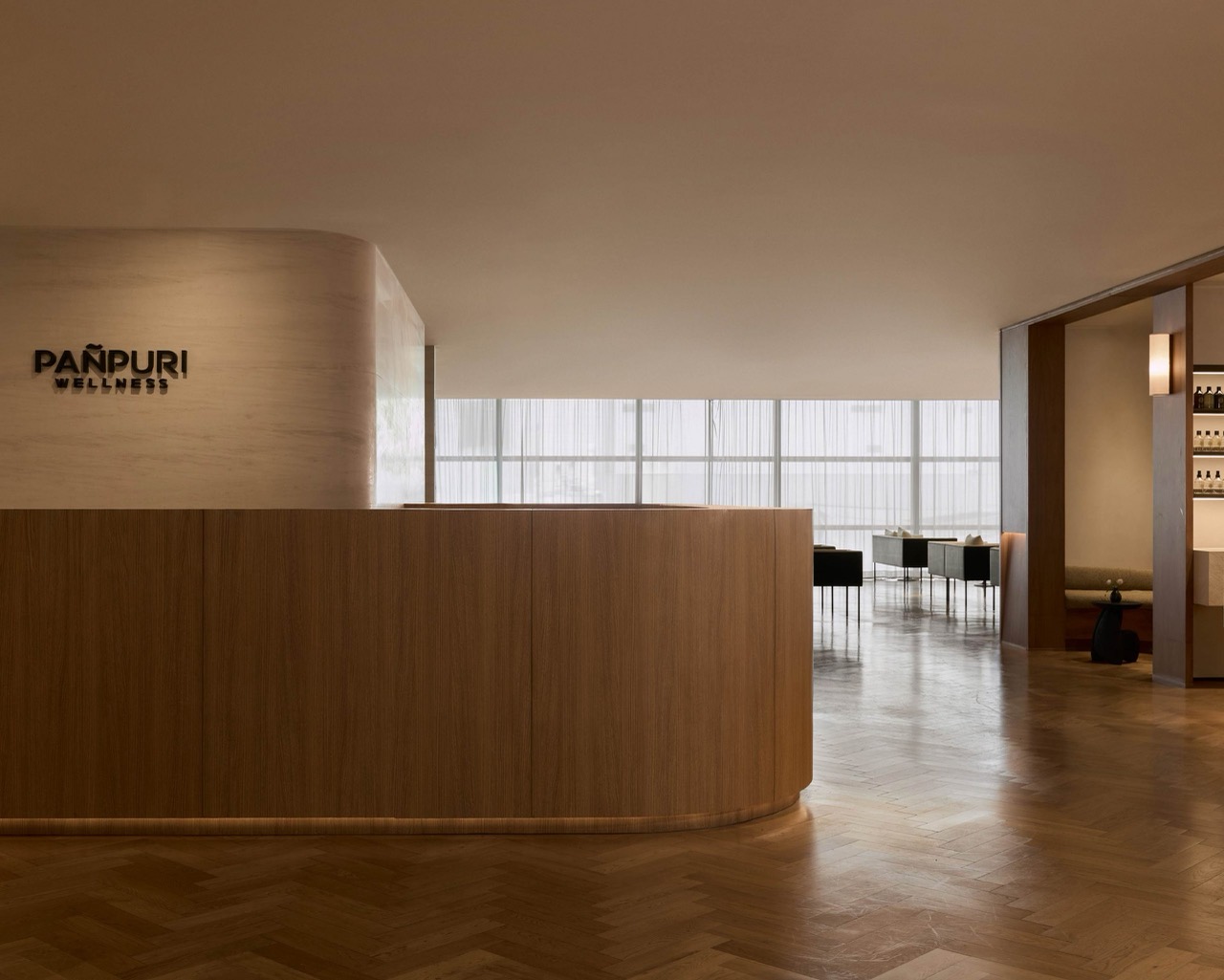
15.That facility did not come to Shanghai, and it would be hard to bring. Two thousand square metres of wet floor is not an area a mall hands over easily, and running an onsen in China carries its own water-quality and hygiene approvals. So what crossed the border was the bottle. The device that holds people in place stayed home, and only the half that can be rebuilt anywhere went out.
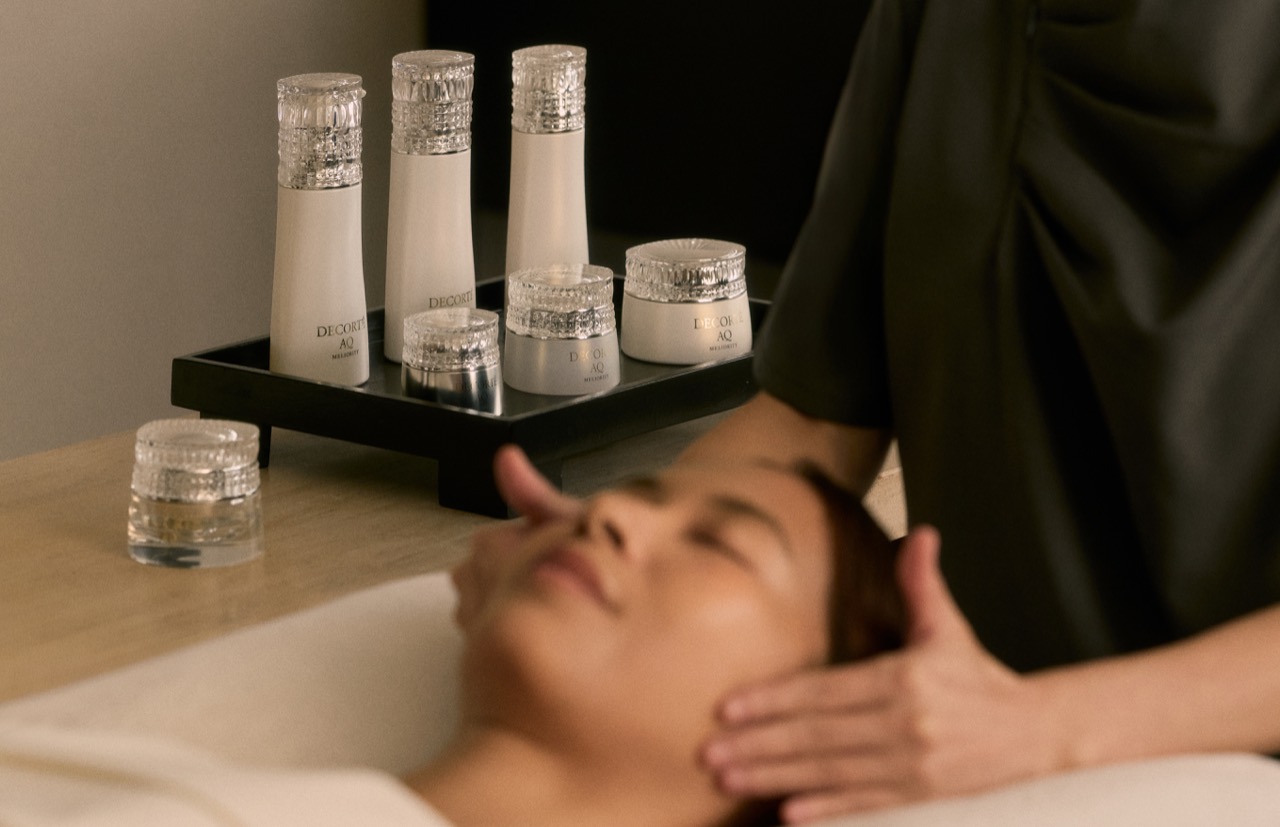
16.For a long time the route by which Thai brands became known abroad ran through hotel bathrooms: put soap and lotion into five-star rooms and get your name in front of as many guests as there are keys. PAÑPURI did not take that road. It built its own onsen, sent people up to the twelfth floor, then bottled the scent they met there and sold it. The room in Shanghai is that bottle travelling alone. Doing the same thing in Korea runs into water first. Bathhouse operation is a notifiable business under the Public Health Control Act, with its own water testing and ventilation standards, and putting a pool on an upper floor of a commercial building means redoing structural loading, waterproofing and plumbing from scratch. Opening only the fragrance shop is easier for that reason. But without the place that made people remember the scent, the shop stays a room that sells bottles. Korea's fragrance market grew to 793 billion won last year and 90 per cent of it is niche. The shelves are already crowded.