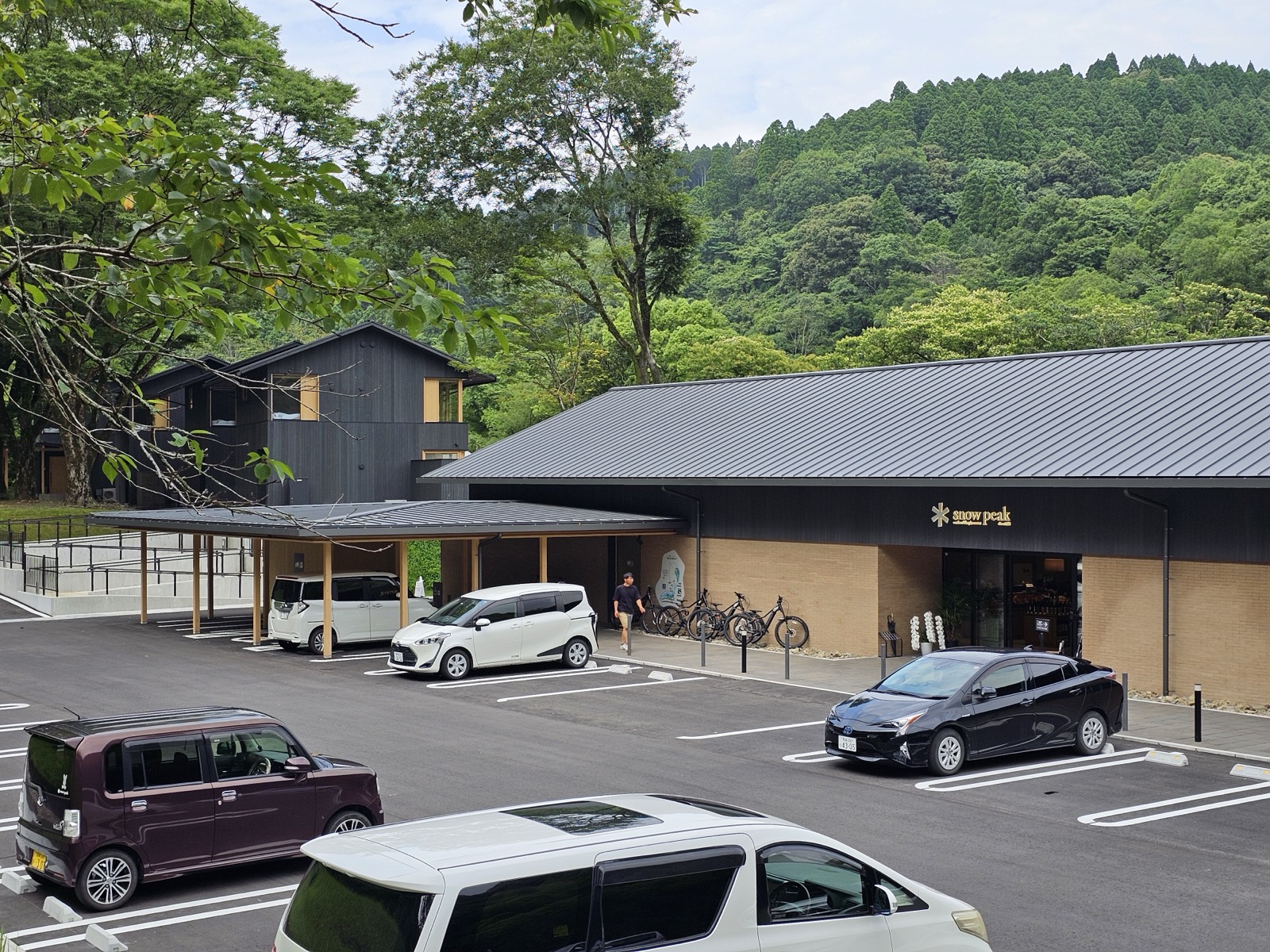
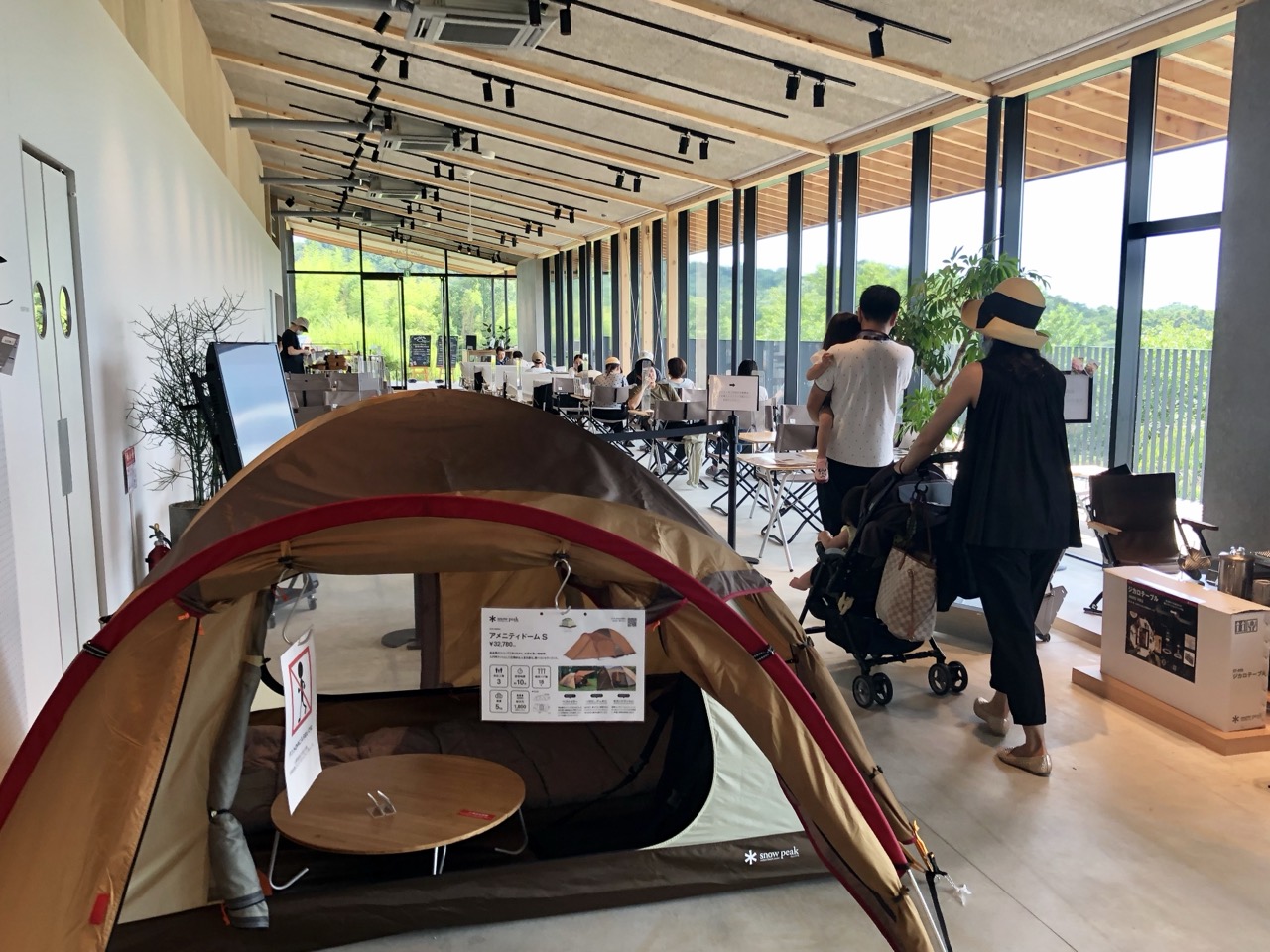
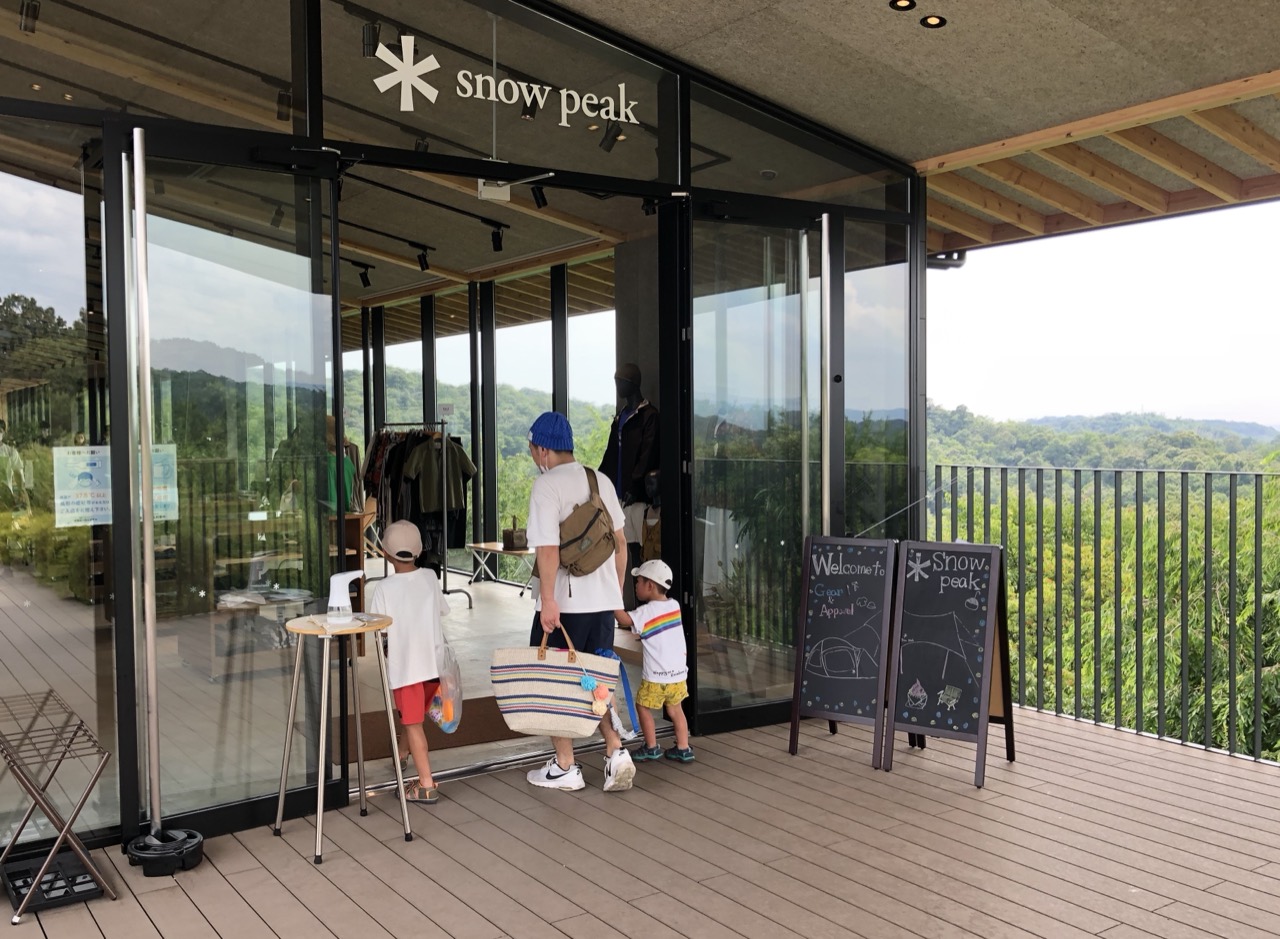
On July 24, Snow Peak Apparel opened a 120-pyeong directly operated store, roughly 397 square meters. The operator is Gamsung Corporation, and the company does not own the name above the door. It licensed the apparel rights from the Japanese parent in October 2019, and before that its main business was power banks. Six years on, its annual revenue is 241.5 billion won. The Japanese company that lent the name posted group revenue of 24.1 billion yen.
1.The store puts menswear, womenswear, hats, bags and camping gear in one room. The company gives the area as 120 pyeong. Its domestic network runs to 195 doors. Directly operated ones are a recent addition. The name this company sells is borrowed.
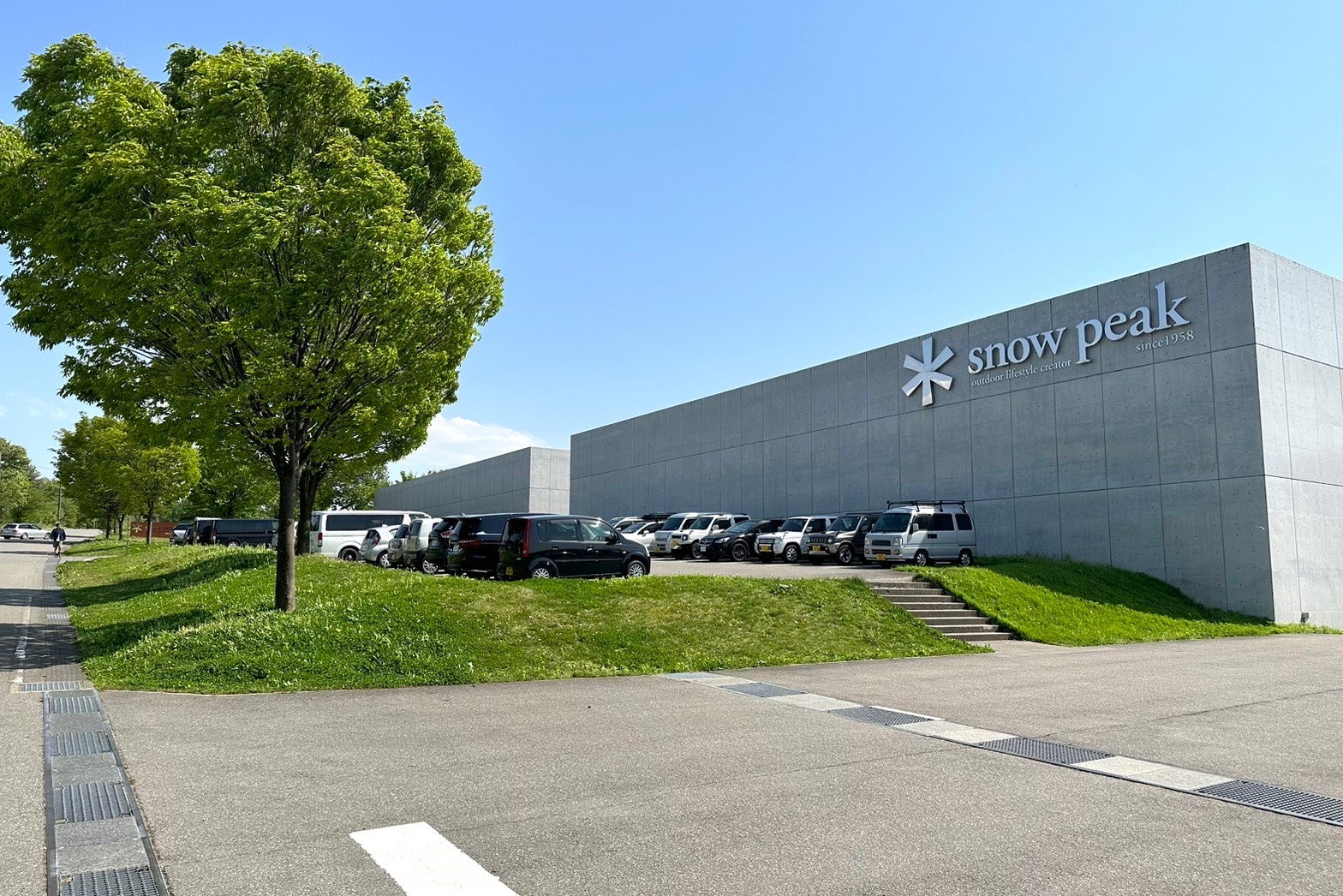
2.The owner sits in Sanjo, Niigata Prefecture. Snow Peak began in metalworking and has made tents and fire pits ever since, and it handed the Korean apparel rights to Gamsung Corporation. The man who brought the license in was Kim Ho-seon, who took over as chief executive in March 2019. Back then the company's brand was ACTIMON, a maker of power banks and charging cables, and by 2021 even the corporate name had been swapped out.
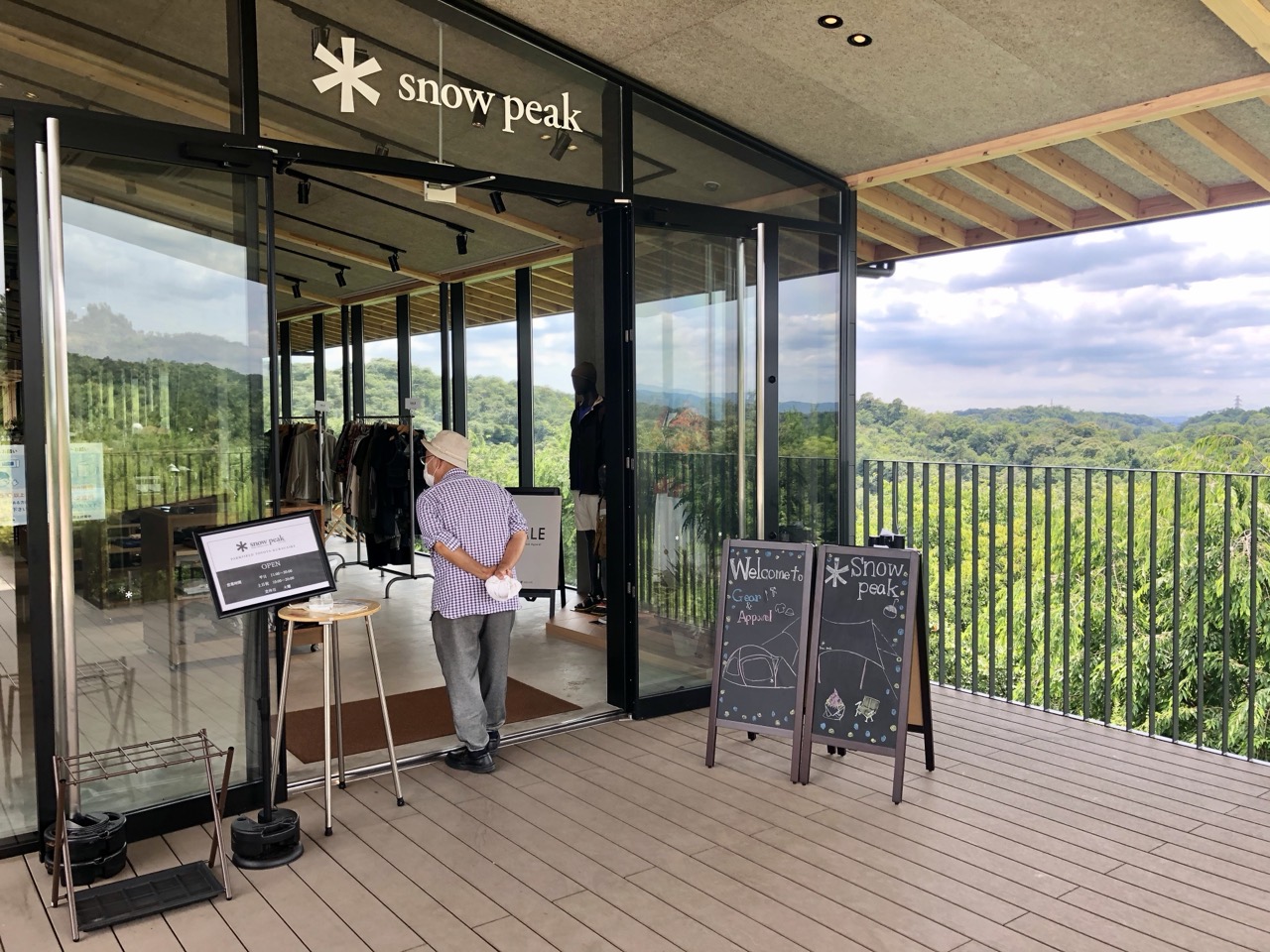
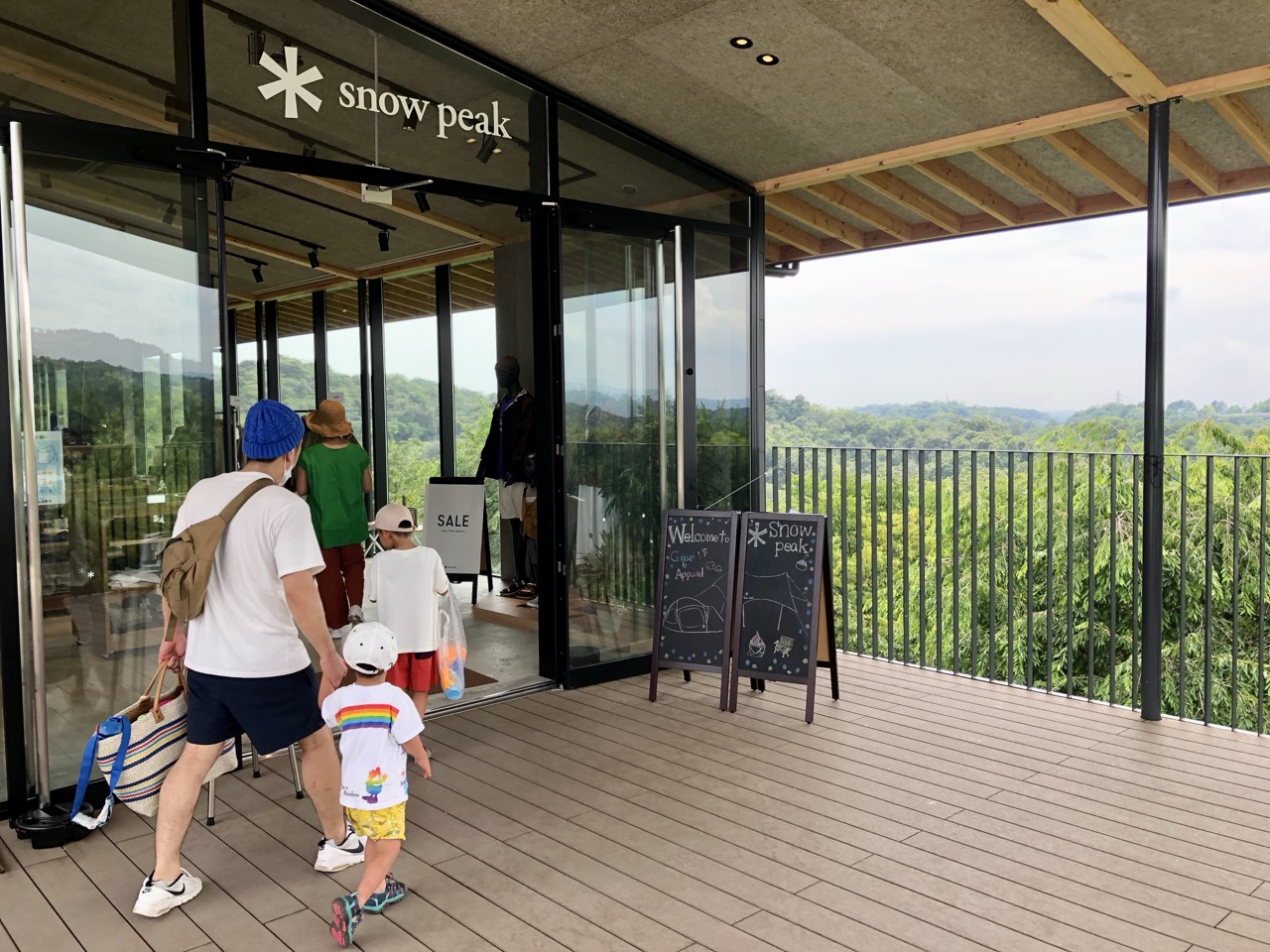
3.These are not clothes for climbing mountains. A Taslan-type windbreaker crackles dry in the hand and folds into a pocket, and summer brings a mesh-vented tee while winter brings heavy down. The line stops at the point where you can wear it off a campsite and onto a subway without looking odd. What catches the eye in the store is not the finish but the layout. The clothes are made by a Korean company, and the tents and fire pits beside them are made by the Japanese parent.
4.The first reason this works is borrowed trust. A tent lasts 10 years, so buyers take their time choosing, and that time hardens the name into a guarantee of quality. The guarantee transferred to the clothes intact. The second reason is timing. When pandemic-era camping demand cooled, gear stalled first, because once a market is filled the next order arrives 10 years later. Clothes get bought every year.
5.The third reason is where the price sits. Korean outdoor has old, large names entrenched on the hiking side, and the gap between them and contemporary fashion brands was empty. A Japanese name walked into that gap, reading as neither proper outdoor nor fashion label. Belonging to neither category was not a weakness here but an opening.
6.Revenue climbed a ladder. The apparel division went from 5.5 billion won in 2020 to 35.8 billion the next year, then 97.1 billion. It passed 160.5 billion in 2023 and reached 209.2 billion in 2024.
7.Group revenue in 2025 was 241.5 billion won and operating profit 44.6 billion. An 18.5% operating margin is not a common number in Korean fashion. Brands carrying full department store commissions and logistics costs usually sit in single digits.
8.A distribution mix sits under that margin. The 195 domestic doors split across department stores, outlets and franchised shops, and franchisees buy the goods outright, so inventory risk stops in front of them. Directly operated stores work the other way. They keep the full price but carry rent, payroll and every unsold jacket. That is why direct retail came late.
9.The name was not free. Fees paid in 2024 came to 13.7 billion won, about 40% of that year's 36.1 billion won operating profit. The rate tracks revenue, so the better the clothes sell, the more moves to Japan. The license was extended by five years in February 2025, and the territory reported covers Korea, Southeast Asia and India.
10.Things were not going well for the side lending the name. Revenue peaked at 30.7 billion yen in 2022, fell to 25.7 billion the following year, and operating profit dropped to 943 million yen, wiping out 74.3%. In April 2024 Bain Capital and the founding family launched a tender offer at 1,250 yen a share, and that July the name came off the Tokyo Stock Exchange.
11.Ownership now runs Bain Capital 55%, founding family 45%. On October 1, 2025, Takafumi Minaguchi, who came through Louis Vuitton Japan and Starbucks Coffee Japan, arrived as president, splitting the company with chairman Toru Yamai of the founding family. Revenue for the year to December 2025 rose 17% to 24.1 billion yen, and EBITDA, near zero before, came back to 3.2 billion.
12.The business the returning management named for growth is clothing. The parent's apparel revenue is 6 billion yen, 25% of the total. It says it will lift that to 10 billion within three years, making clothes only Snow Peak can make by folding camping function into daily wear.
13.The Korean side passed that target back in 2022, at 97.1 billion won. The company lending the name wants to stand in three years where the company borrowing it stood four years ago. So where does the parent sell the clothes it plans to grow?
14.The two now meet in the same city. In January the parent pulled its China business back into a wholly owned subsidiary and signaled a flagship in Guangzhou. The Korean licensee is in Guangzhou too. A 382-square-meter two-floor store it opened in April with a local distributor sold 220 million won on day one, and a 700-square-meter store had already opened before that.
15.The China plan runs from one store last year to 15 by the end of this year and 40 by the end of 2027. Export forecasts the company has published are 20.9 billion won this year and 54 billion next. How China fits into the reported license territory has not been disclosed, and neither has the line between it and the China arm the parent took back under direct control.
16.A company that sold power banks borrowed somebody else's name and built a 241.5 billion won clothing business in six years, paying 13.7 billion won for that name in 2024 alone. What blocks the same route in Korea first is not finding a brand but the length of the contract. Licenses usually run in five-year blocks, while store fit-outs and franchise networks take money on the assumption they will last longer. Once you have grown it, the party that asks for a higher rate and the party that decides to do it themselves are the same: the owner of the name.