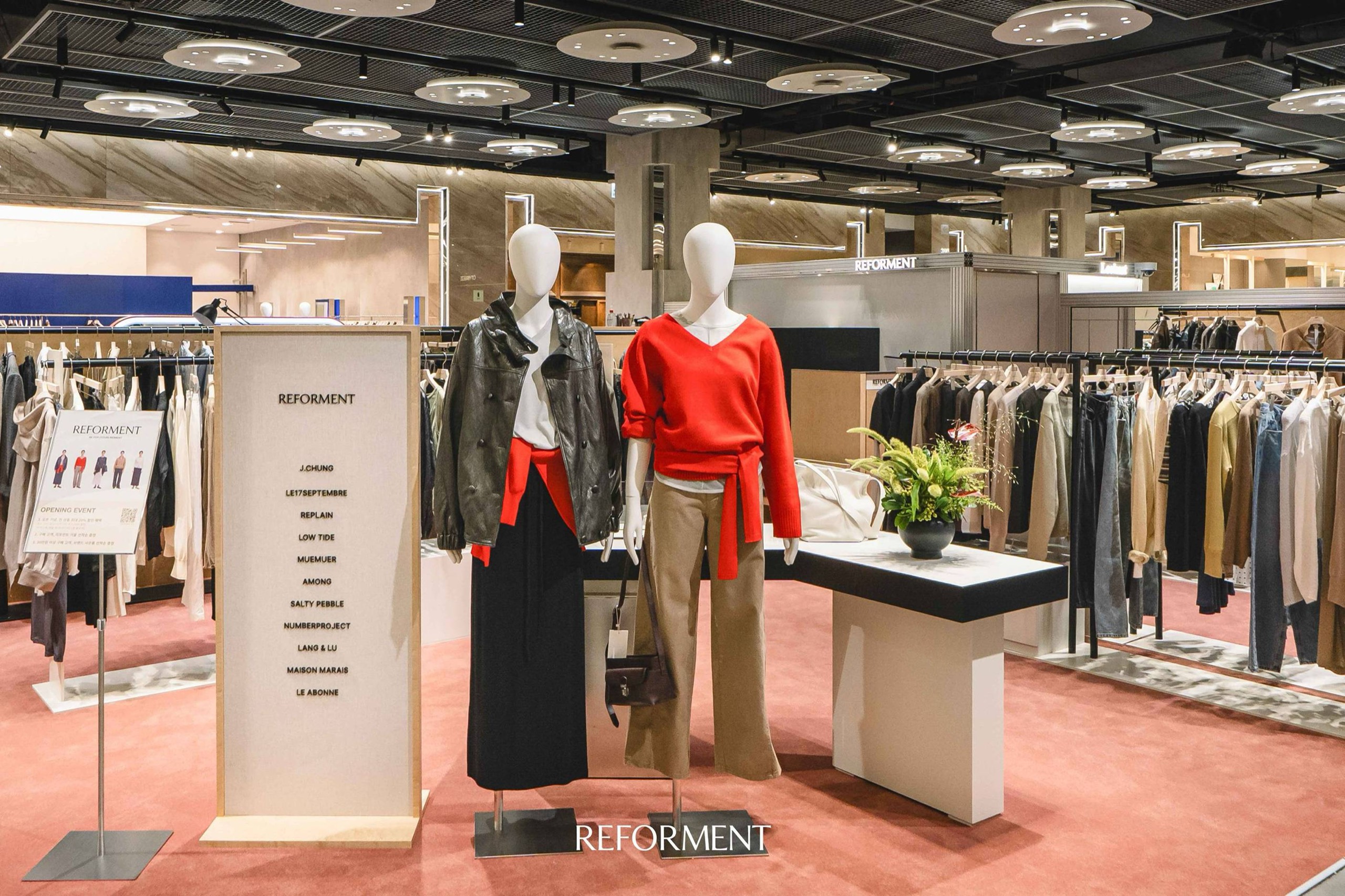
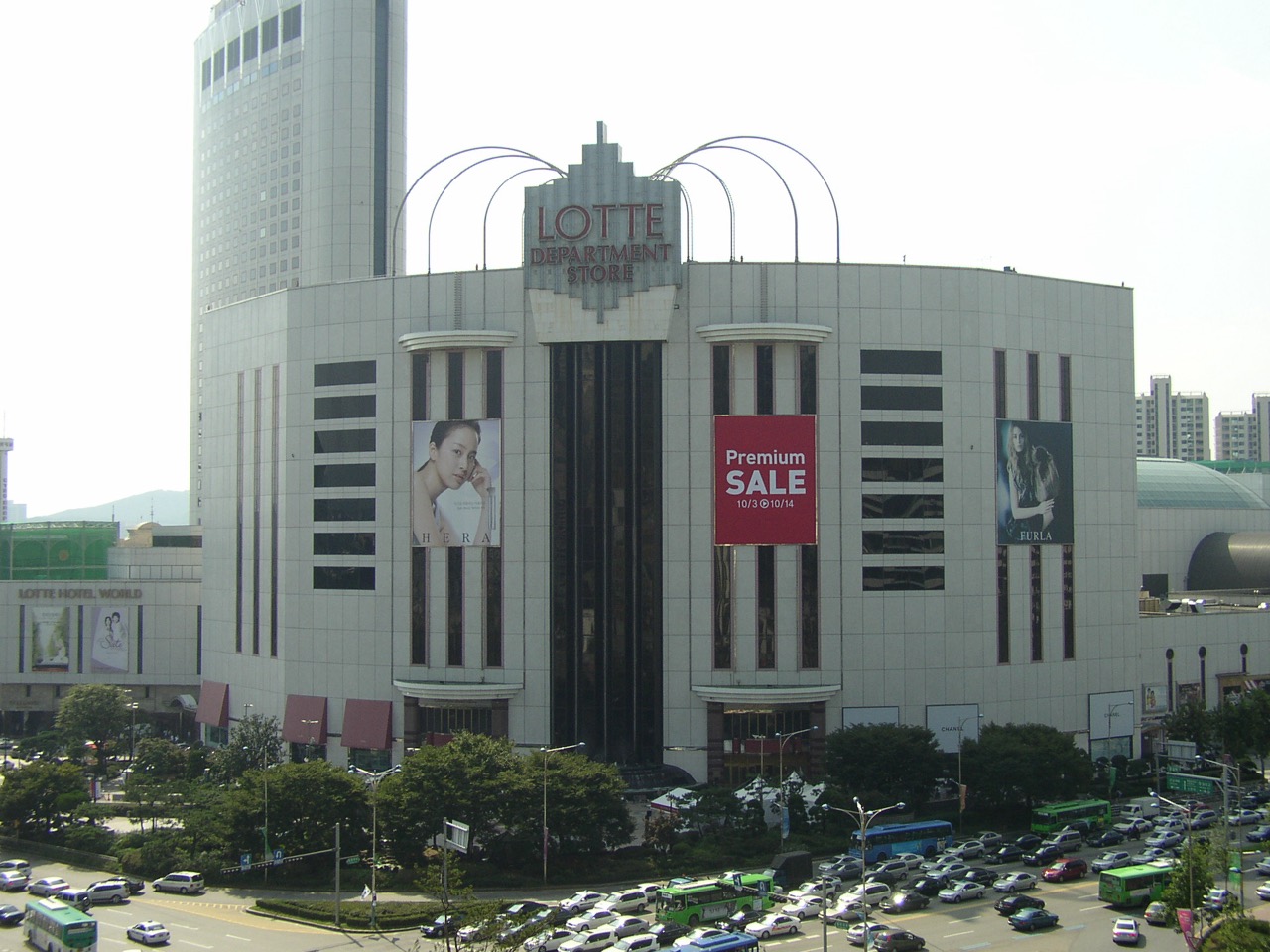
It began on 27 August at Hyundai Department Store's Pangyo and Jungdong stores and reaches Lotte Department Store Nowon today. Five department stores, the same shop in each. The name is REFORMENT, a multi-brand floor gathering women's designer labels that grew up online, and its rule is that nothing hangs by brand. Behind it is HAGO HAUS, owner of 40 labels.
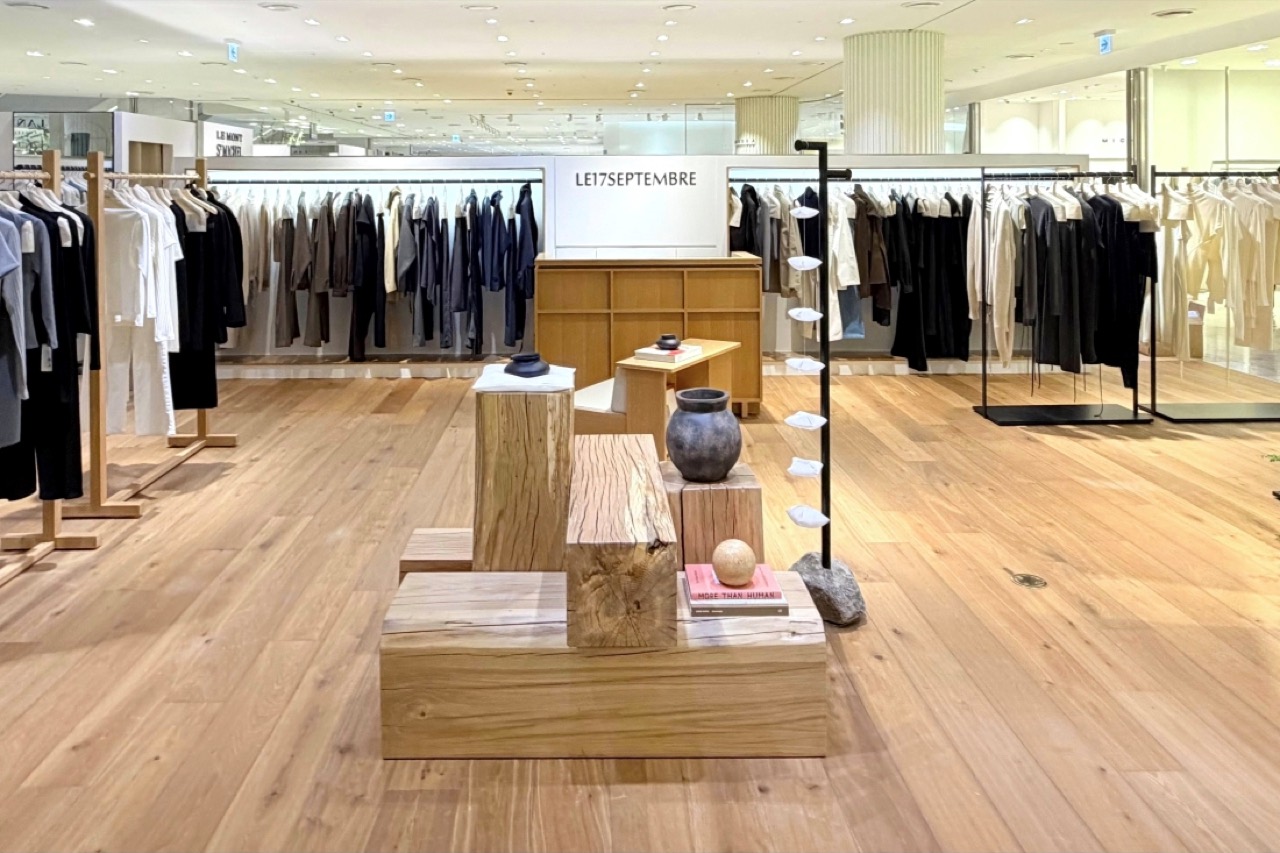
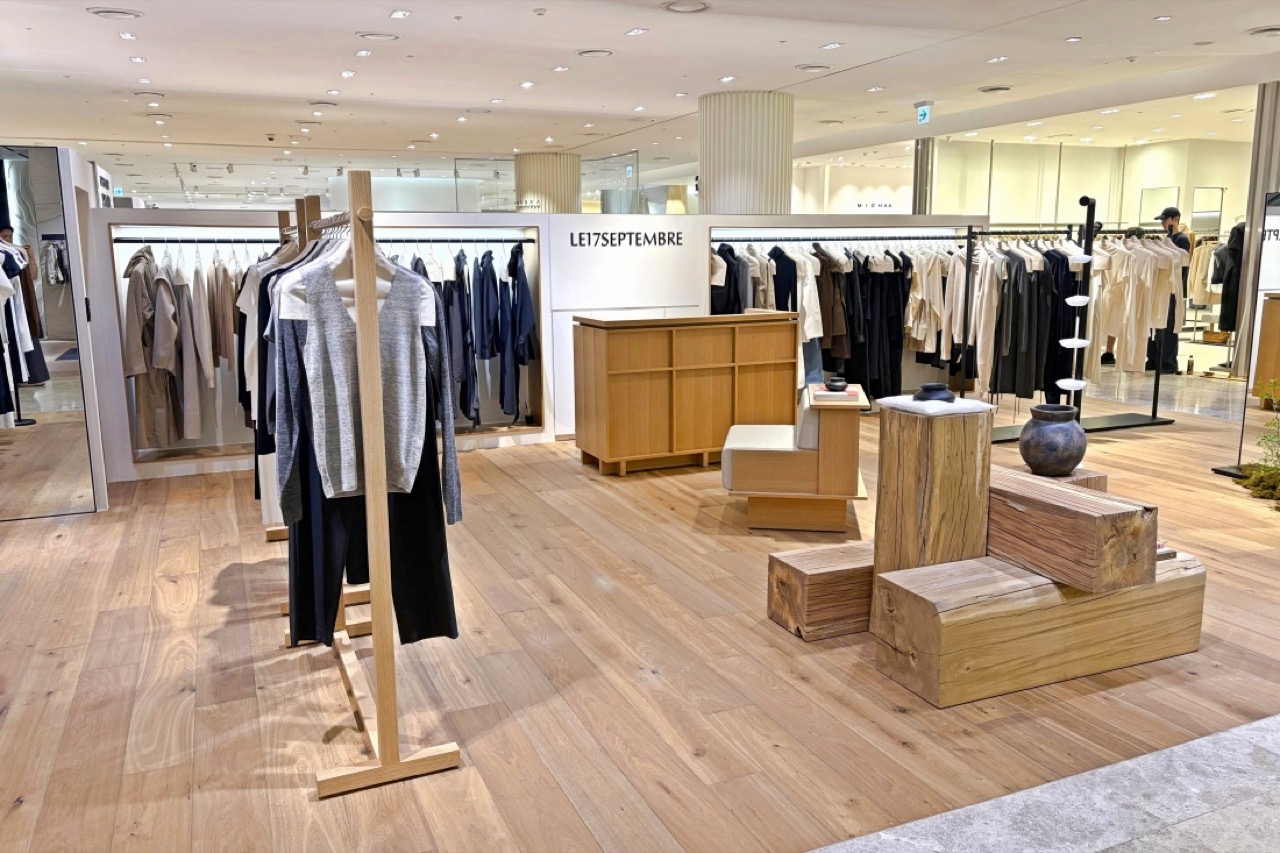
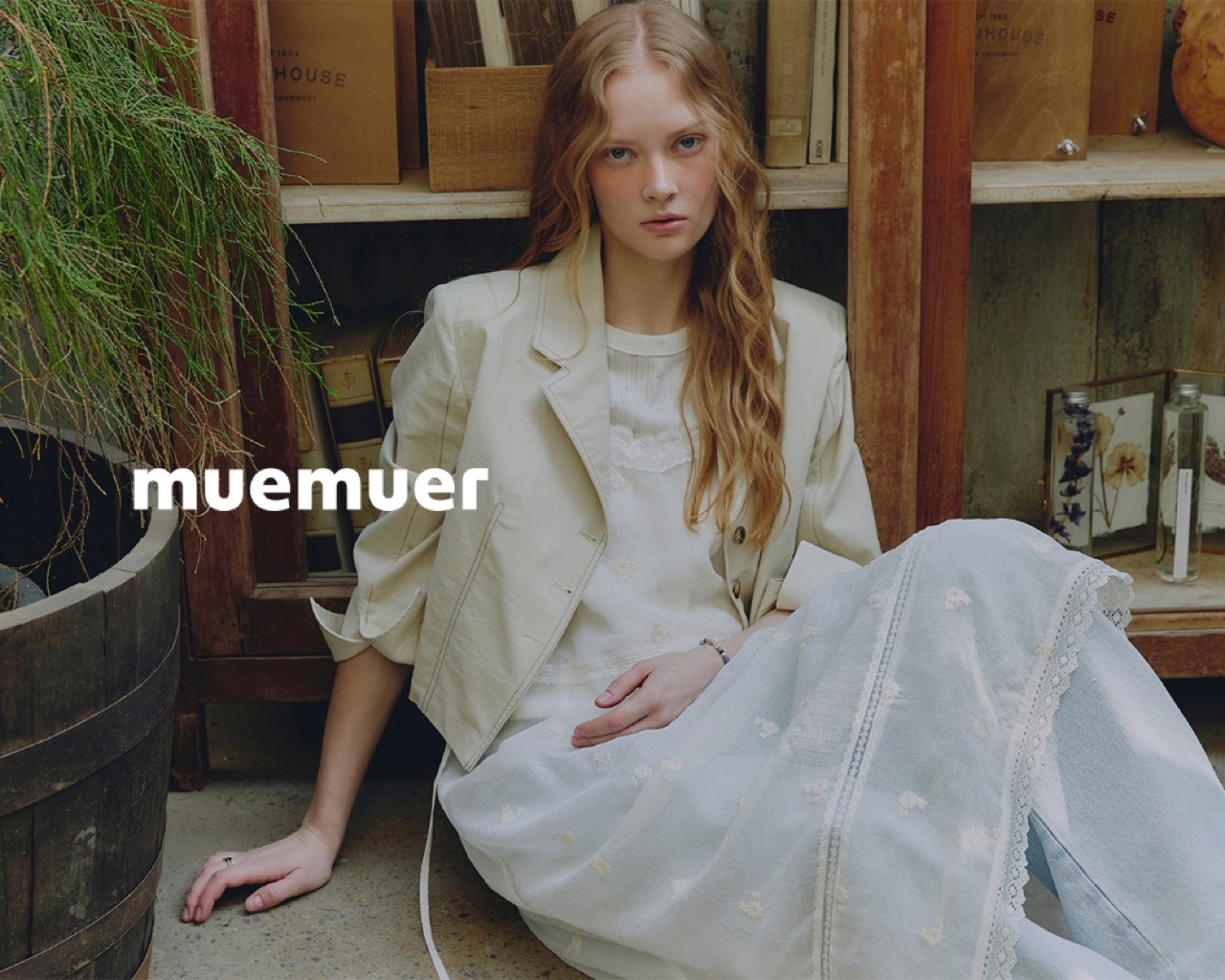
1.A vertical sign stands at the entrance with the names on it. J.CHUNG, LE17SEPTEMBRE, REPLAIN, LOW TIDE, MUEMUER, AMONG, SALTY PEBBLE, NUMBERPROJECT, LANG & LU, MAISON MARAIS, LE ABONNE. Eleven lines, and above them a single shop sign reading REFORMENT. The opening promotion runs up to 20 percent off everything, with a brand gift on purchases above KRW 300,000.
2.The operator is HAGO HAUS, the fashion arm of Daemyung Chemical, led by Hong Jung-woo, holding 40 labels it has invested in or acquired outright. This is the company that bought Matin Kim in 2021 and grew it past KRW 200 billion in sales last year. Consolidated revenue went from KRW 100 billion in 2022 to KRW 350 billion in 2024, and the company expects KRW 450 billion this year. It runs more than 100 single-brand department store units and roughly 50 mixed HAGO HAUS floors.
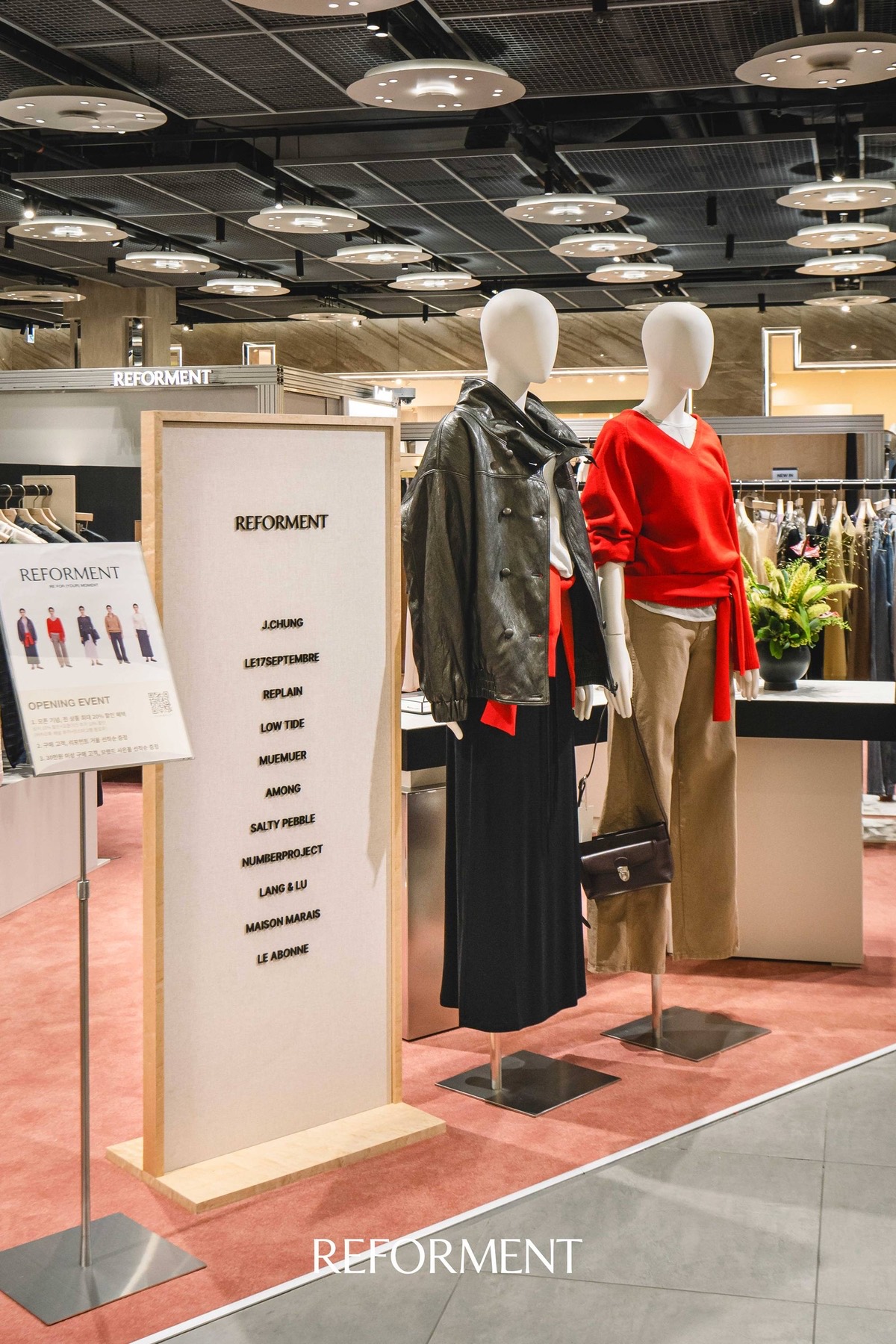
3.The floor is terracotta carpet, and disc-shaped fixtures set densely into the grid ceiling pour light straight down. Counters are white stone tops framed in black. Hangers are wood, the rails black steel. On a contemporary womenswear floor where every brand used to build its own walls and pick its own colours, one sheet of carpet has erased the borders.
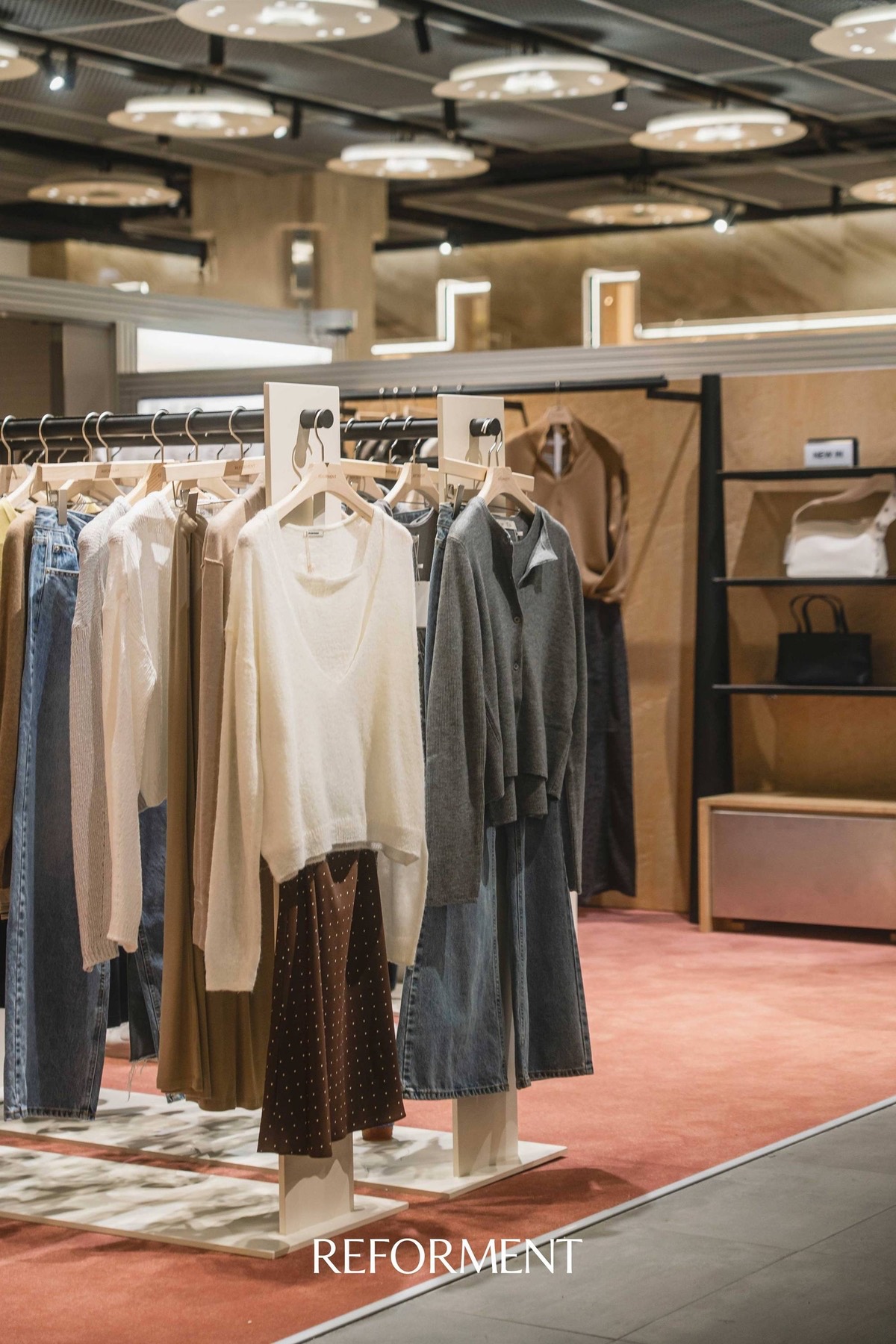
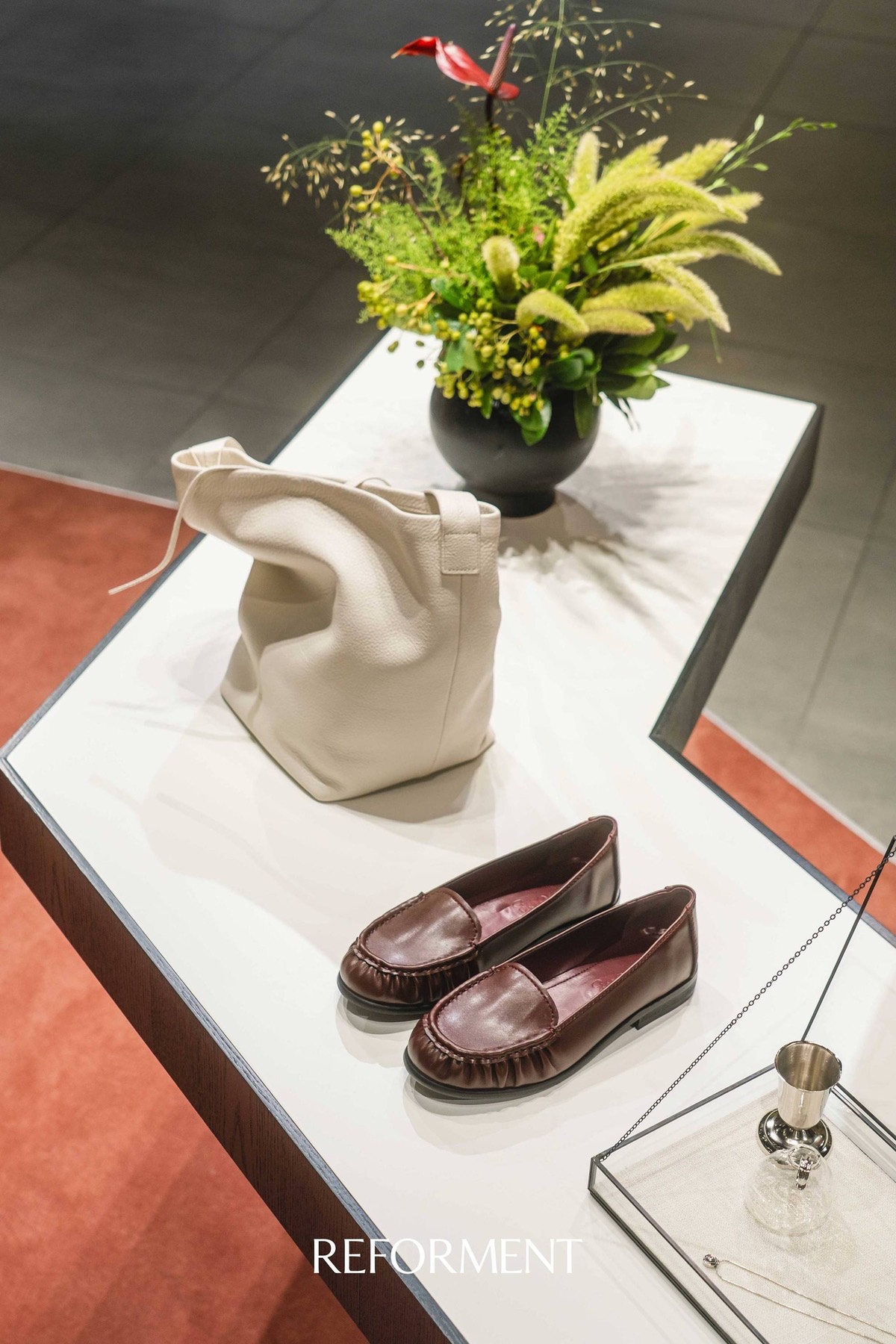
4.Walk the rails and it is hard to tell where one brand ends. That is the stated principle: nothing is lined up by label, and pieces from different brands are combined into a single styled look. On the counter sit one leather tote and a pair of deep burgundy loafers, with no indication of who made either. The only way to find out is to turn the tag over.
5.The merchandising is built by a stylist team assembled inside the company. It reads sales data and customer response store by store, and builds up to 100 complete looks for each location, according to the company. Pangyo and Jeonju will not carry the same clothes in the same order. It is the Instagram lookbook, the way these brands sold online, moved onto the rail.
6.How much of each sale does a Korean department store keep? The Korea Fair Trade Commission surveyed 2024 transactions and reported an effective commission rate averaging 19.1 percent for department stores, with household goods and apparel above that at 22.9 percent. Leather goods came in at 34.1 percent. Promotion costs and incentives sit on top, which is why small suppliers say every year that the real burden runs higher than the headline figure.
7.Brands that come up from online enter below that line. Department stores hand a new name a slot in the low 20s, then raise it by one or two points once it has settled after two or three years, as the trade press reported again during this spring's merchandising reshuffle. The average now sits in the mid 20s, and buyers are aiming at 30 percent. Established casual brands on the same floor pay 35 percent, so there is room left to climb.
8.Bundle 11 brands into one unit and you climb that staircase once. Entering separately means negotiating separately and staffing separately, and under Korean department store consignment terms the shop floor payroll usually falls on the brand. Eleven headcounts across eleven slots become two or three in one shop. The fit-out is paid for once as well.
9.The floor area has not been disclosed. Units like this on a contemporary womenswear floor usually run 30 to 50 pyeong, about 99 to 165 square metres, so take 40 pyeong and a 25 percent commission: monthly sales of KRW 100 million send KRW 25 million to the landlord. Add two sales associates, an allocated share of head office payroll and inventory loss, and break-even lands around there. Neither the area nor the rate comes from the company; both are assumptions made here.
10.The numbers on the brands that went in alone explain the bundling. LE17SEPTEMBRE, one of the names on the sign, runs nine of its own stores, grew sales 40 percent in the first half, and now takes 70 percent of its revenue offline. That is roughly the level at which a label can hold a department store slot on its own. Depound, from the same house, expects to go from KRW 50 billion last year to KRW 100 billion this year. The other twenty-odd labels are still below the threshold.
11.The customer side matches what the company says. Finding brands online got easy, while there was nowhere to try things on, match them against each other and compare them side by side. To wear a jacket found on one Instagram account with a skirt found on another, you had to buy both, try them at home and return one. A rail built in complete looks finishes that process inside the shop.
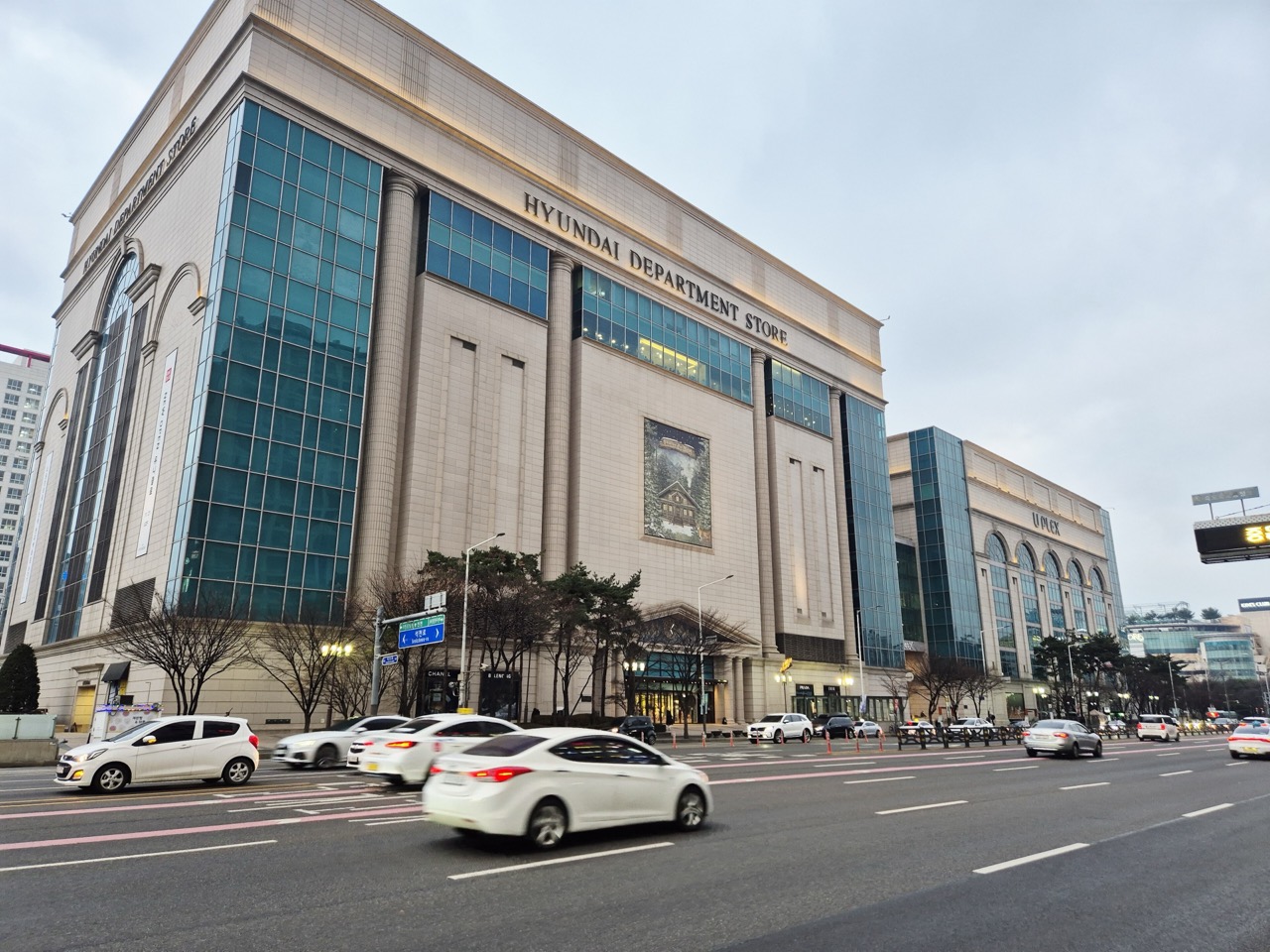
12.There is arithmetic in the choice of stores too. Lotte Jamsil took KRW 3.301 trillion last year, second in the country, and Hyundai Pangyo cleared KRW 2 trillion. The other three sit a division below, and in mid-sized regional and outer-Seoul stores a single women's designer label rarely wins a slot alone. Bundle eleven and it gets in.
13.The multi-brand shop was originally a business built on a buyer's eye. That was the model MUE, Boon the Shop and Tom Greyhound established in Korea, and what the customer paid for included the work of choosing from around the world. All eleven names in REFORMENT are brands HAGO HAUS has invested in or acquired control of. The choosing and the making sit in one company.
14.So nothing here was left out. Curation earns its value through what gets removed, and when there are no candidates outside your own warehouse, what the customer receives is display rather than selection. Stripping the brand names off the rail also happens to cover that. Whether this format shields the labels when the commission staircase arrives in year three, or whether all eleven revenue lines get repriced at once, has not played out yet.
15.Eleven brands grown online folded their names under a single sign, and that shop landed in five department stores in nine days. The most honest number in the whole thing is the commission staircase. Enter in the low 20s, climb toward 30, and bundling means climbing once. Anyone trying this in Korea runs into ownership first. Buy other people's brands wholesale and the end-of-season timing and return terms differ by label, so building 100 looks per store and holding them through the season does not hold together. What makes this shop possible is not taste but equity.