On the 9th of last month, Yu Donglai, founder of the Xuchang retailer Pang Donglai in China's Henan province, said on a livestream that a 24-year-old store would close for good this December. A store turning over RMB 2 billion a year and clearing more than RMB 100 million in profit. Trade was not the problem, he said. A rent dispute with a handful of the building's owners was. Eight days later a company for a replacement store was registered 4km away.
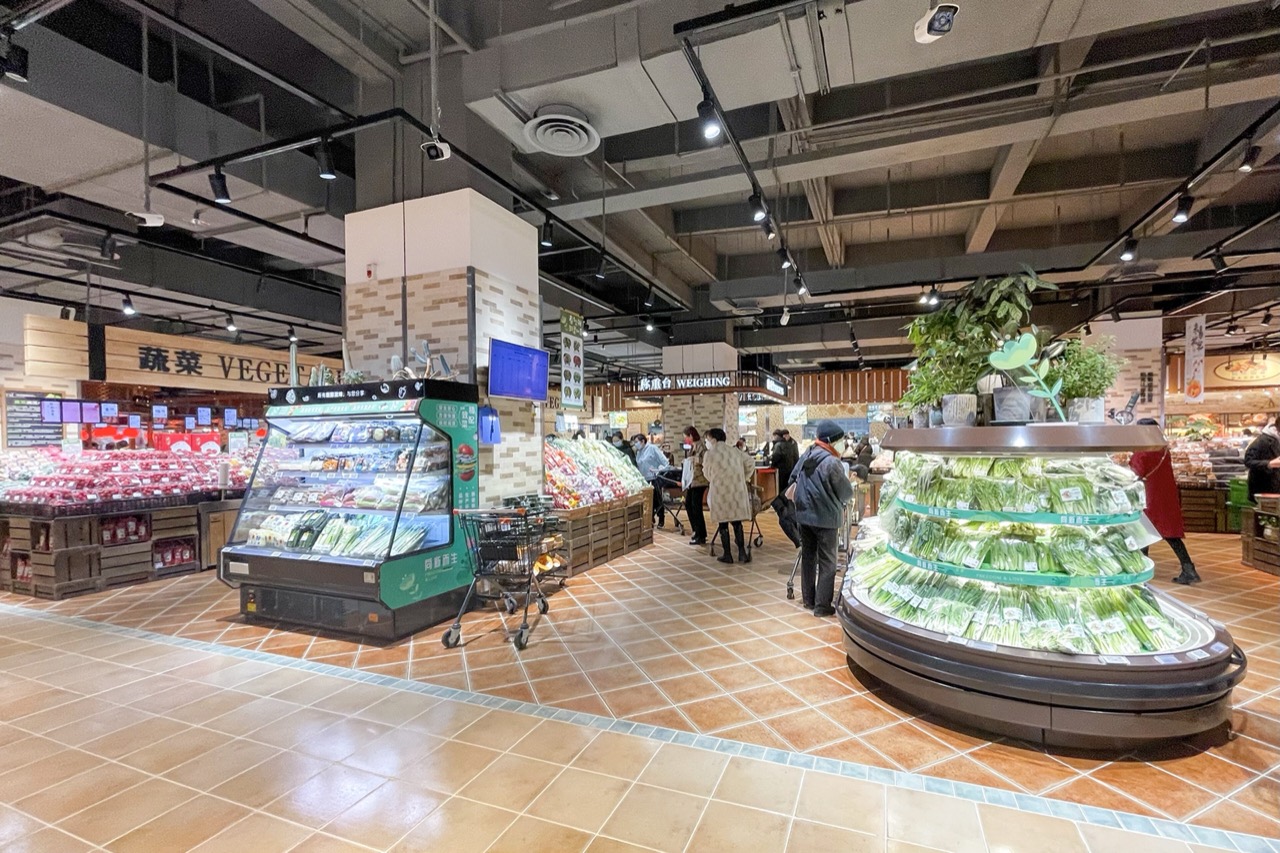
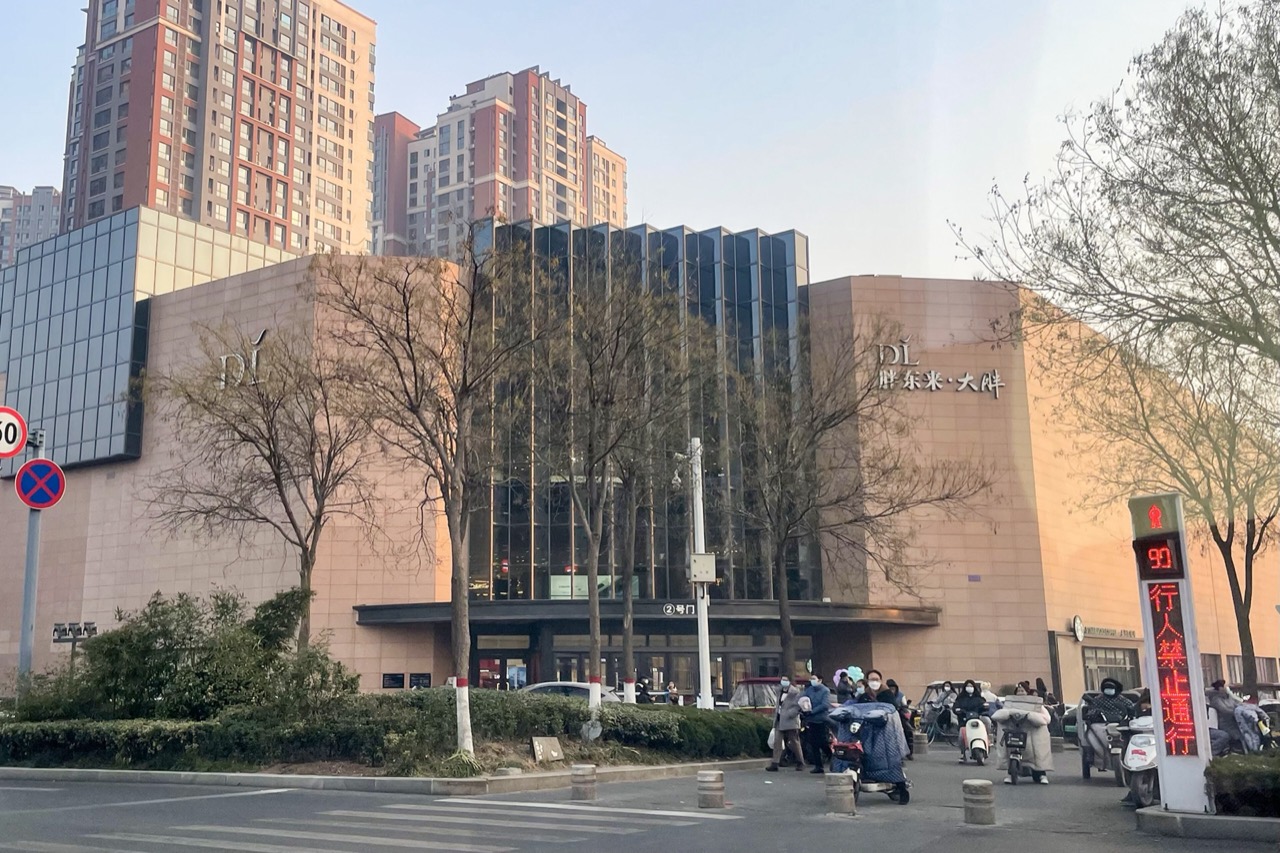
1.The store closing is Shenghuo Plaza on Nanguan Street in Xuchang's Weidu District. Opened 1 January 2002, with 23,000 sqm of selling space, roughly 6,960 pyeong. The oldest of the company's fourteen stores.
2.In 2025 this one store turned over about RMB 2 billion, with net profit above RMB 100 million. At 195 won to the yuan that is KRW 390 billion in sales and KRW 19.5 billion in profit. A net margin of 5 percent. Not a figure that usually comes out of a business built on a supermarket and a food court.
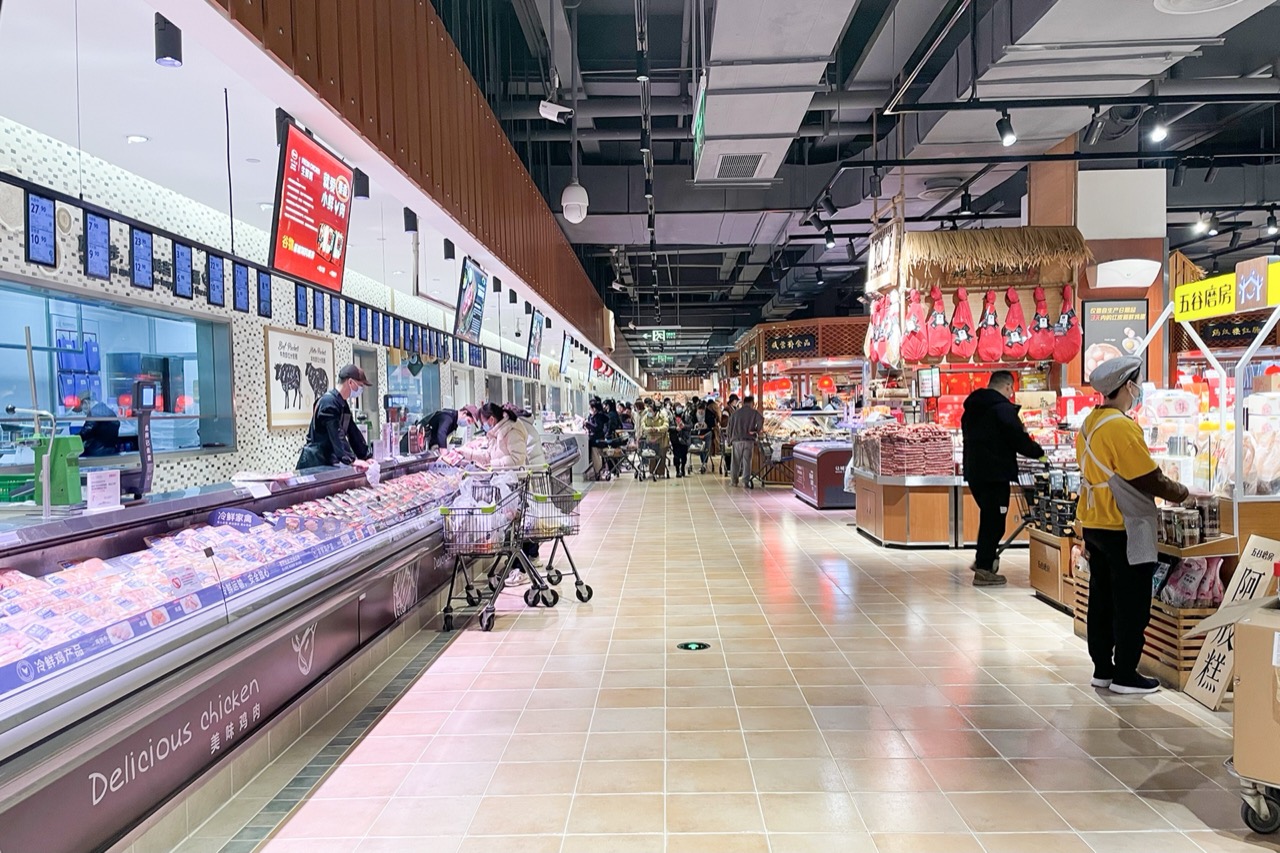
3.Three floors. Casual clothing on the first, a supermarket on the second, a food court on the third, and both the supermarket and the food court are the largest the company runs. No cinema, no tea shop. Clothes and food only, which is why locals treat it as the most everyday of the company's malls.
4.A 24-year-old building shows its age. There is no underground car park, so drivers circle the streets outside, and the aisles between fixtures are still the width drawn in 2002. The company named both when it explained the closure. At peak hours aisle width turns straight into queue time, and inside floors already built there is no way to widen it.
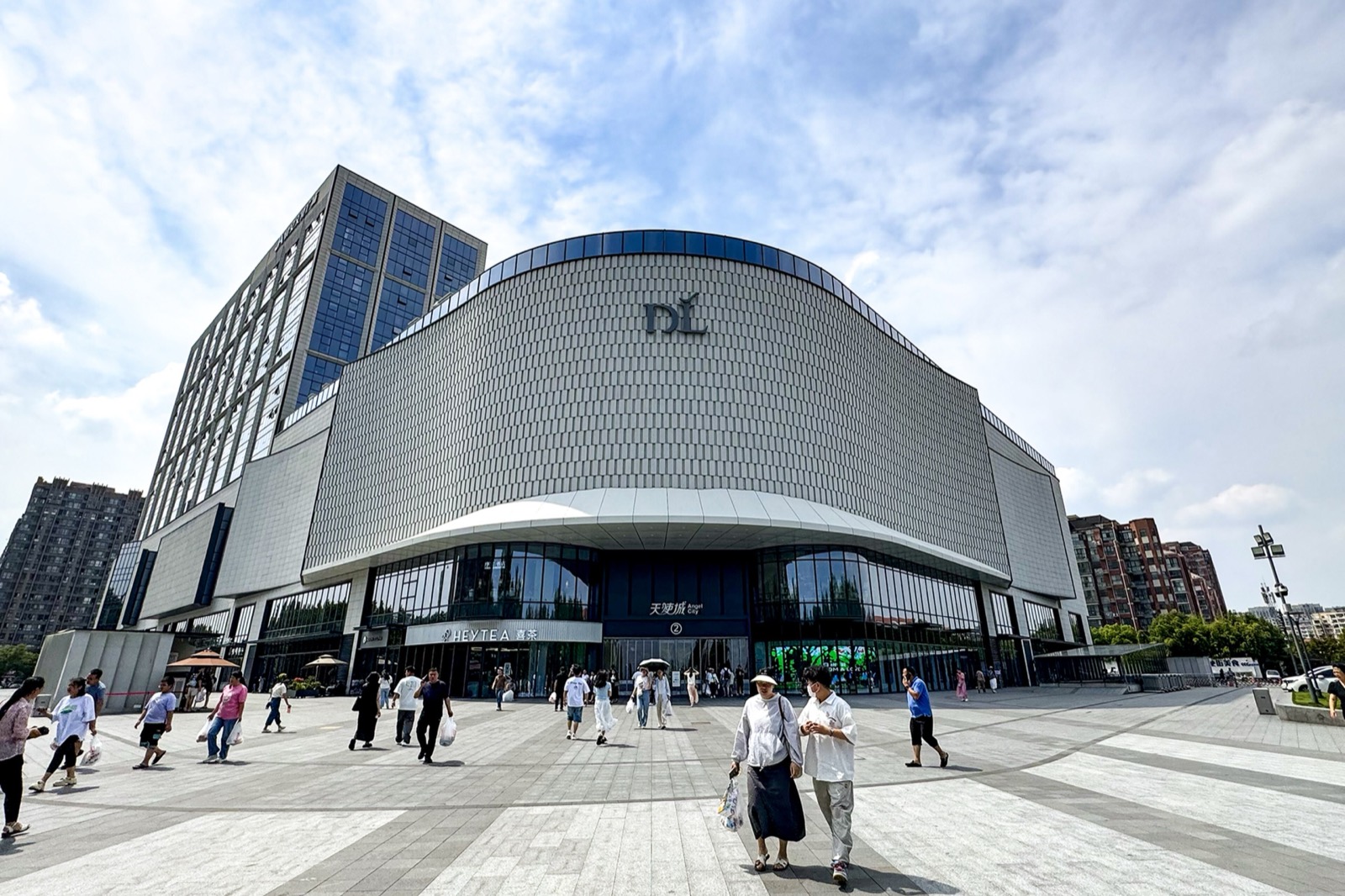
5.Xuchang alone holds ten of the company's stores. Three of them are full malls. Angel City sits at the top, Times Square in the middle, and the cheapest is Shenghuo Plaza, the one closing. Three price tiers in one city, and the bottom tier is being pulled out.
6.The lease went wrong in 2015. The manager in charge did not sign the building as one contract as company rules required, and signed separately with dozens of individual owners instead. Rents on neighbouring units drifted far apart and expiry dates scattered. In a strata-titled building, a tenant that does not take the whole thing as one block hands a single owner the power to hold up the lot at renewal.
7.Yu Donglai put it this way on social media. "These few households are not a large share. Still, large sum or small, losing fairness has always sat in me like a knot." One block was reportedly leased at RMB 1.2 million a year with a 3 percent annual step-up, and the figure demanded after expiry has not been disclosed.
8.KRW 390 billion comes out of 6,960 pyeong. That is KRW 56 million per pyeong a year. Put a Korean hypermarket at KRW 70 billion in sales across 3,000 pyeong and you get about KRW 23.3 million, so this store sells more than twice as hard. Is that a provincial supermarket number?
9.Where the sales come from is the thing this company has long been known for. A 36-hour week, every store shut on Saturdays, 40 to 60 days of annual leave. In early 2025 the average take-home pay was RMB 9,886, about KRW 1.93 million, and a store manager took home close to eight times that. Few stores treat staff this way and still turn that much per pyeong.
10.The landlords' arithmetic is simple too. A hotelier trading near Shenghuo Plaza since 2005 told local media: "The landlord raised the rent because that supermarket makes money. Around us, where nobody makes money, the landlords raised nothing." Rent is set by reading the tenant's books, not the market.
11.The same thing happened once already, eleven years ago in Xinxiang. Rent on the store locals called Dapang was to go from a little over RMB 8 million a year to RMB 24 million, a threefold demand. That store was clearing RMB 60 to 70 million a year, so paying the increase still left a profit. The company closed it in 2015.
12.What the company chose the following year was not a lease. It bought 38,000 sqm of the Kaide centre in Xinxiang outright for under RMB 200 million. The side that lost the rent negotiation became the landlord a year later. What is happening in Xuchang now follows the same sequence.
13.The closure was announced on 9 August. On 17 August, Pang Donglai Supermarket Keji Plaza Store in Xuchang was formally registered. It sits where Longxing Road meets Zhulin Road, with 43,000 sqm of gross floor area and a little over 20,000 sqm of selling space. Four kilometres north-east of the store being closed, in a straight line.
14.Parking runs to a little over 400 bays, and linking to the upper levels of the same building is said to bring 800 to 900 into use. A 24-year-old problem, the missing underground car park, was solved as the first condition of the new site. Staff moves are settled as well. A worker quoted by local media said, "If it closes, all of us go to the new store, not one person left behind."
15.The bigger picture is already under construction. At Mengzhicheng in Xuchang the company is putting RMB 6.5 billion of its own money, KRW 1.27 trillion, into a 575,900 sqm complex. Bank borrowing is zero. Opening is set for September 2029. A company that traded out of other people's buildings for 24 years is putting the next one up in its own name.
16.A store selling KRW 390 billion a year closes after 24 years over one rent dispute, and eight days later a replacement company stands 4km away. What holds the decision up is a balance sheet carrying no debt and RMB 4.1 billion in cash. In Korea the tenant's arithmetic would be worse. A store this size sits above the converted-deposit threshold, so the 5 percent cap on rent increases under the Commercial Building Lease Protection Act does not apply, and the right to renew stops at ten years including the first contract. In a strata-titled mall, a few holdouts among dozens of owners are enough to take the whole shop hostage. A tenant with nowhere to move and no money to buy has no card to play.