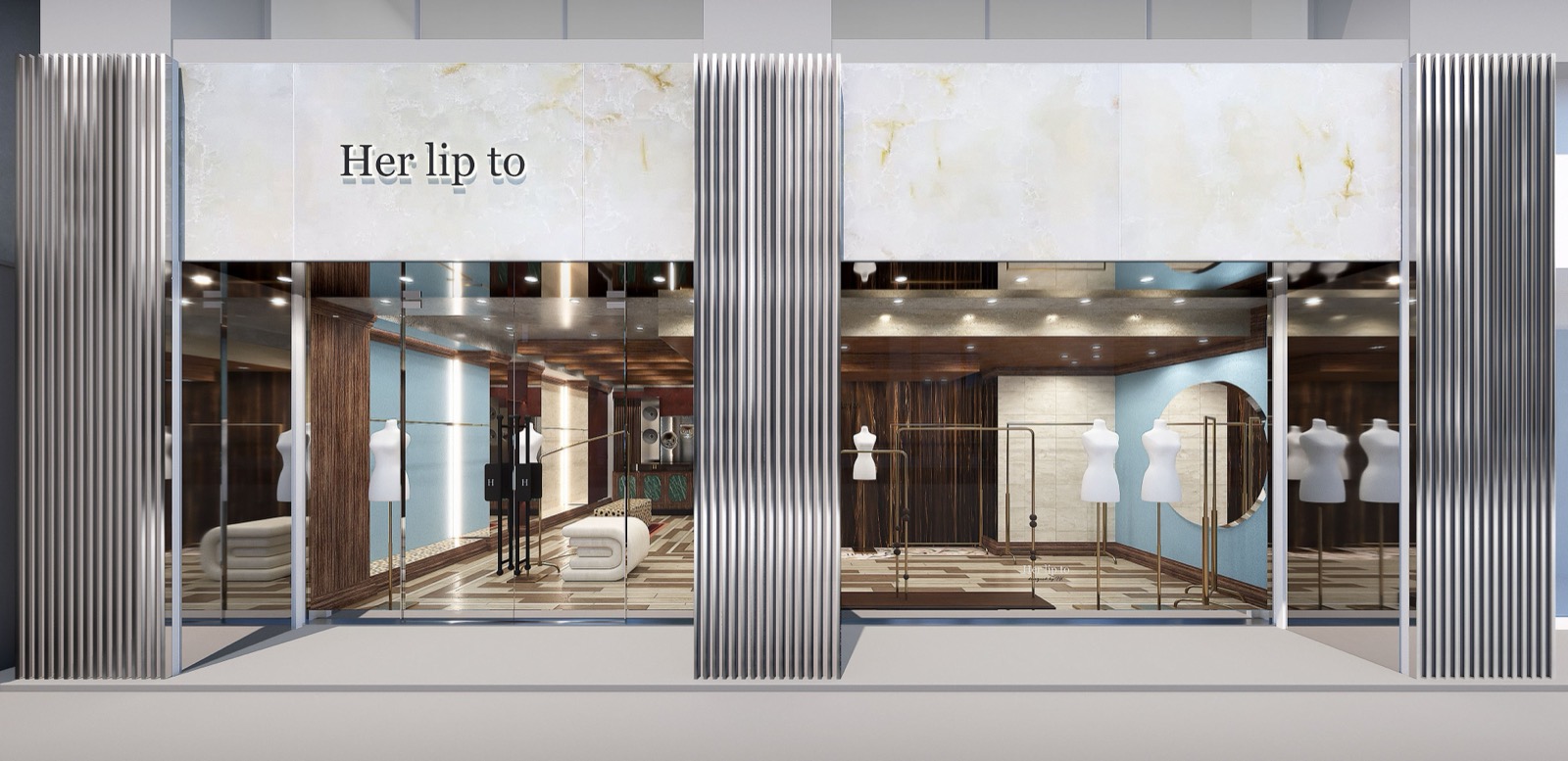
Her lip to, a Japanese brand that sells 5.5 billion yen a year through its own online store alone, opens in Shinsaibashi, Osaka on September 26. All three of its existing stores sit above the ground floor. The new one takes the ground floor of a corner where Midosuji meets Nagahori-dori.
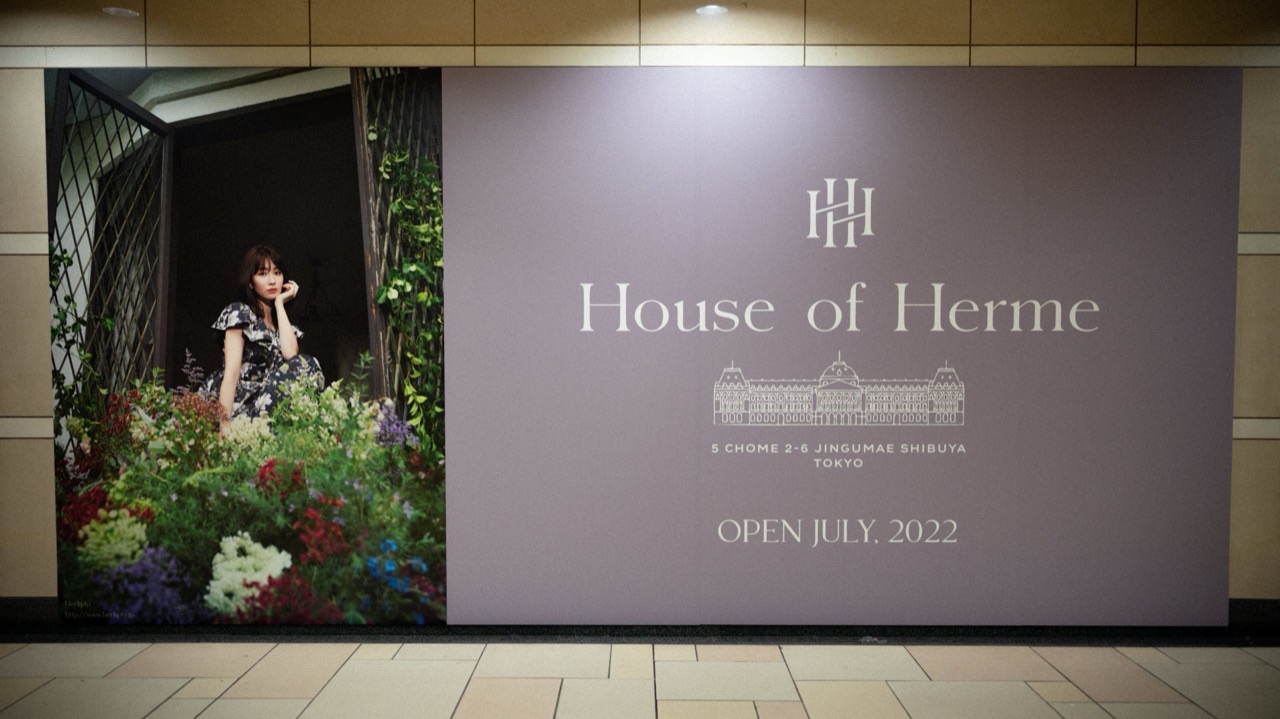
1.Her lip to opens an Osaka store on September 26. The address is the ground floor of the Toho Building in 1-chome Nishi-Shinsaibashi, Chuo-ku, and hours run from 11am to 8pm. Until now the brand listed only three stores officially. House of Herme in Omotesando sits on the second floor, Lumine Shinjuku Lumine 2 on the second, JR Nagoya Takashimaya on the fifth. Osaka is the first one you walk into straight from the street, without climbing stairs.
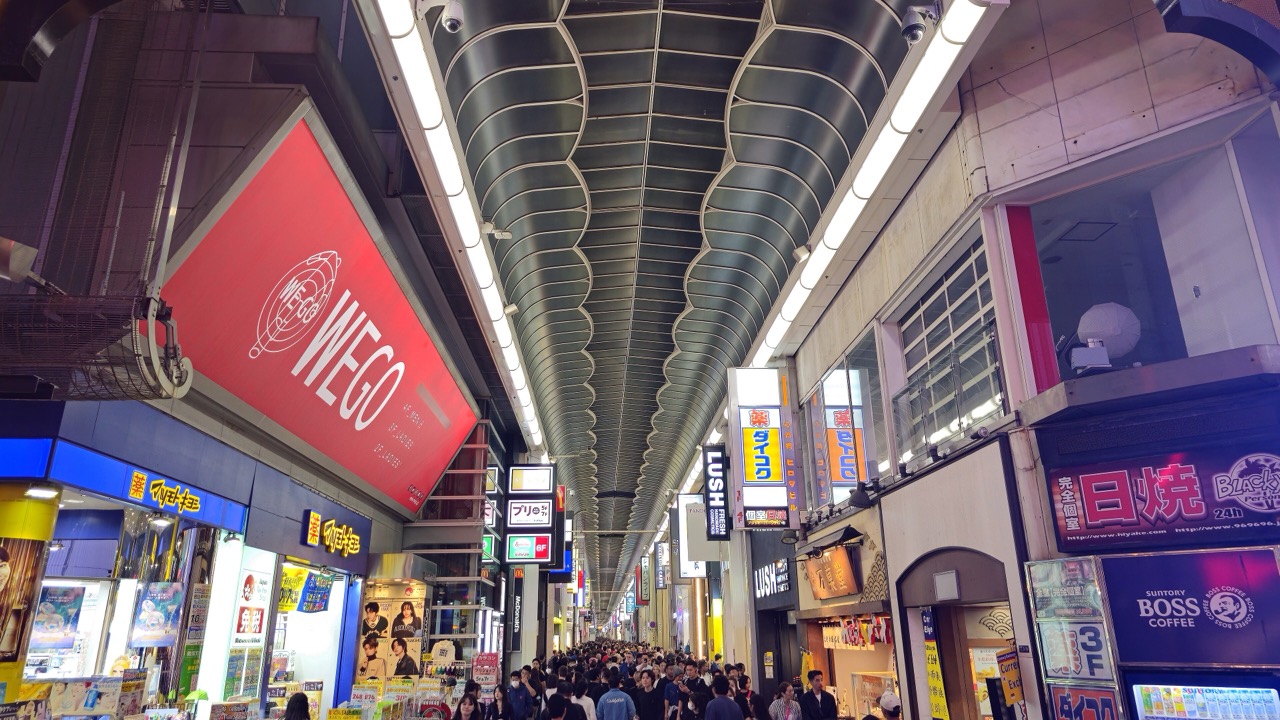
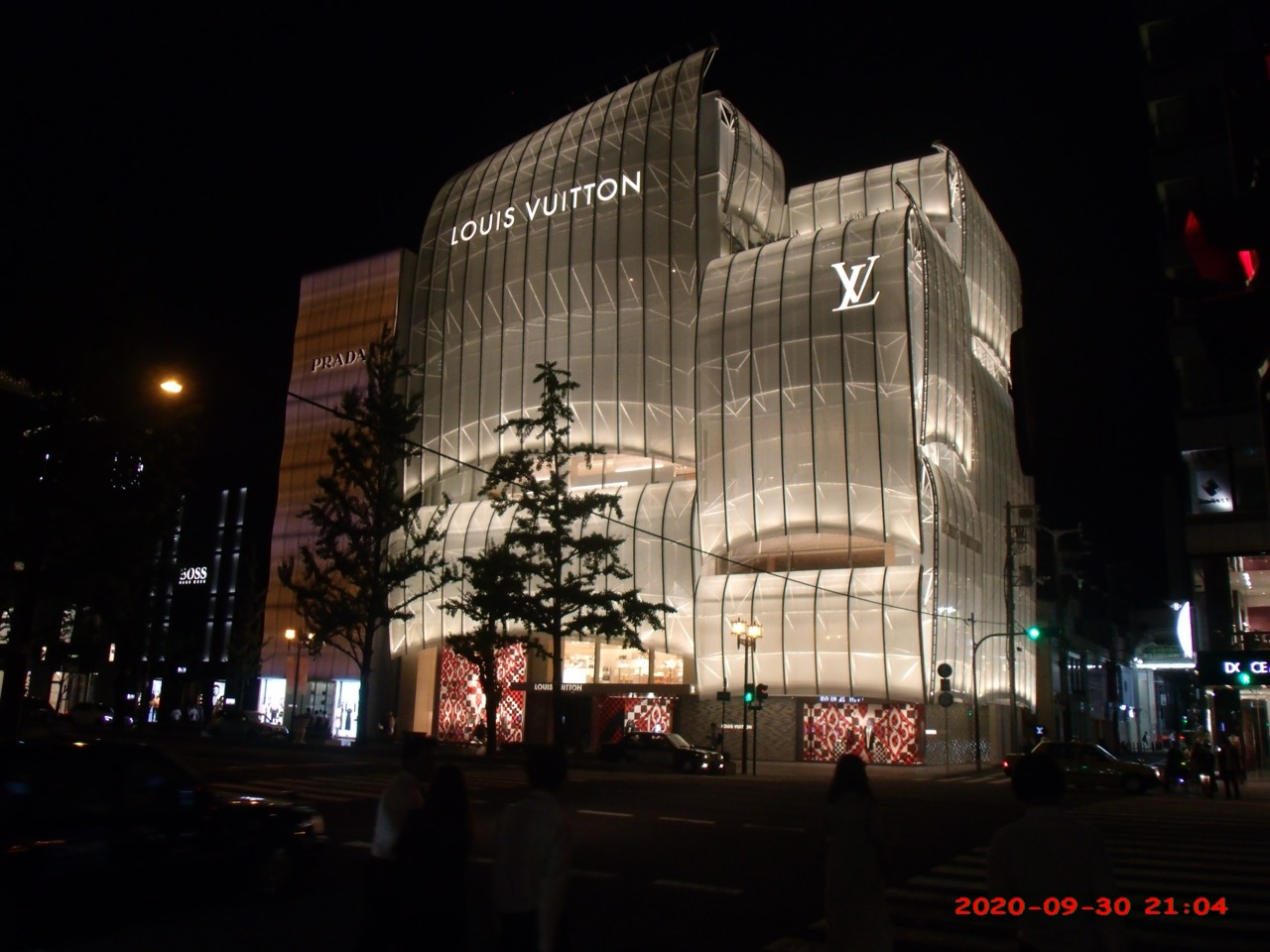
2.The Toho Building is a 13-story rental office put up in 1971. It stands on the corner where Midosuji meets Nagahori-dori, one minute on foot from Shinsaibashi Station. CBRE's survey put street-level rents here at a fresh record in the second quarter of 2026, with vacancy at 0.0%. Only Ginza costs more nationwide, and this street now sits above Omotesando and Harajuku.
3.White onyx covers the front, with fluted mirrored stainless steel columns set between the panels. The stone carries its veining into the light, while the metal beside it chops up the traffic signal across the road and throws it back in pieces. Inside the glass, the wallpaper is canal blue, the color the brand signs its work with. Natural stone runs across the middle of the floor and the clothes hang from brass rails. The phrase the company chose is SECOND HOUSE.

4.One thing separates it from Omotesando. House of Herme has Café de Herme attached, with a menu built together with LATTEST, an espresso bar in Omotesando. Osaka has no cafe. It opens an hour earlier instead.
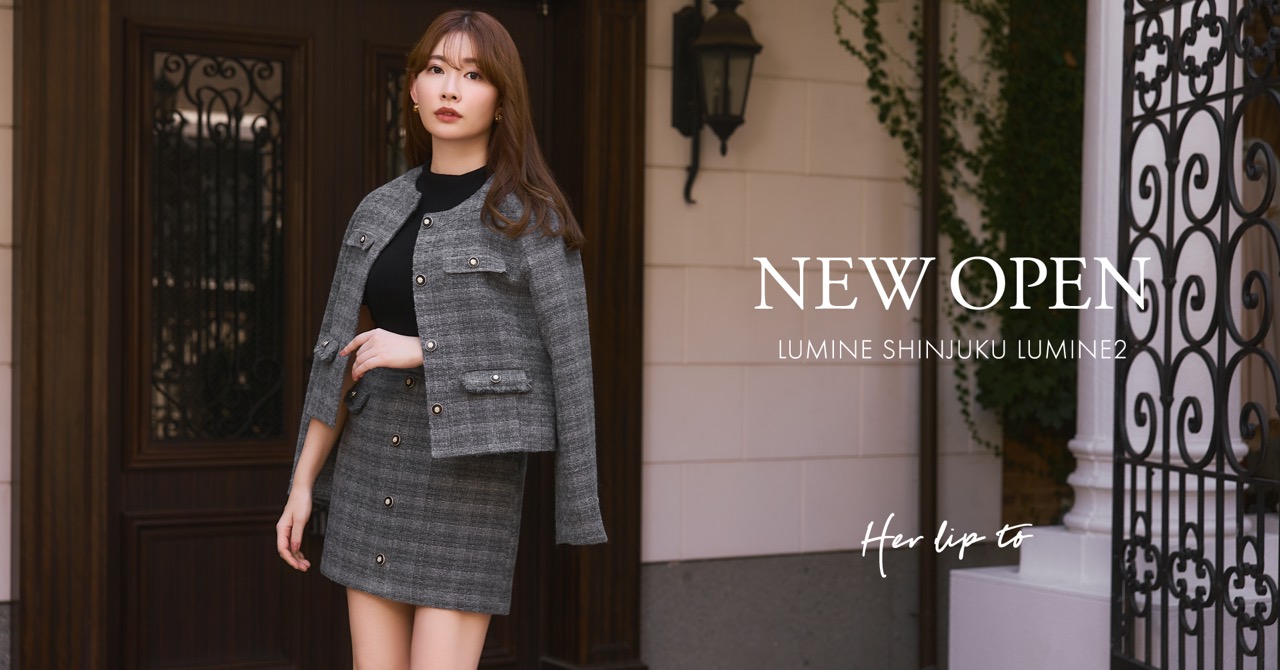
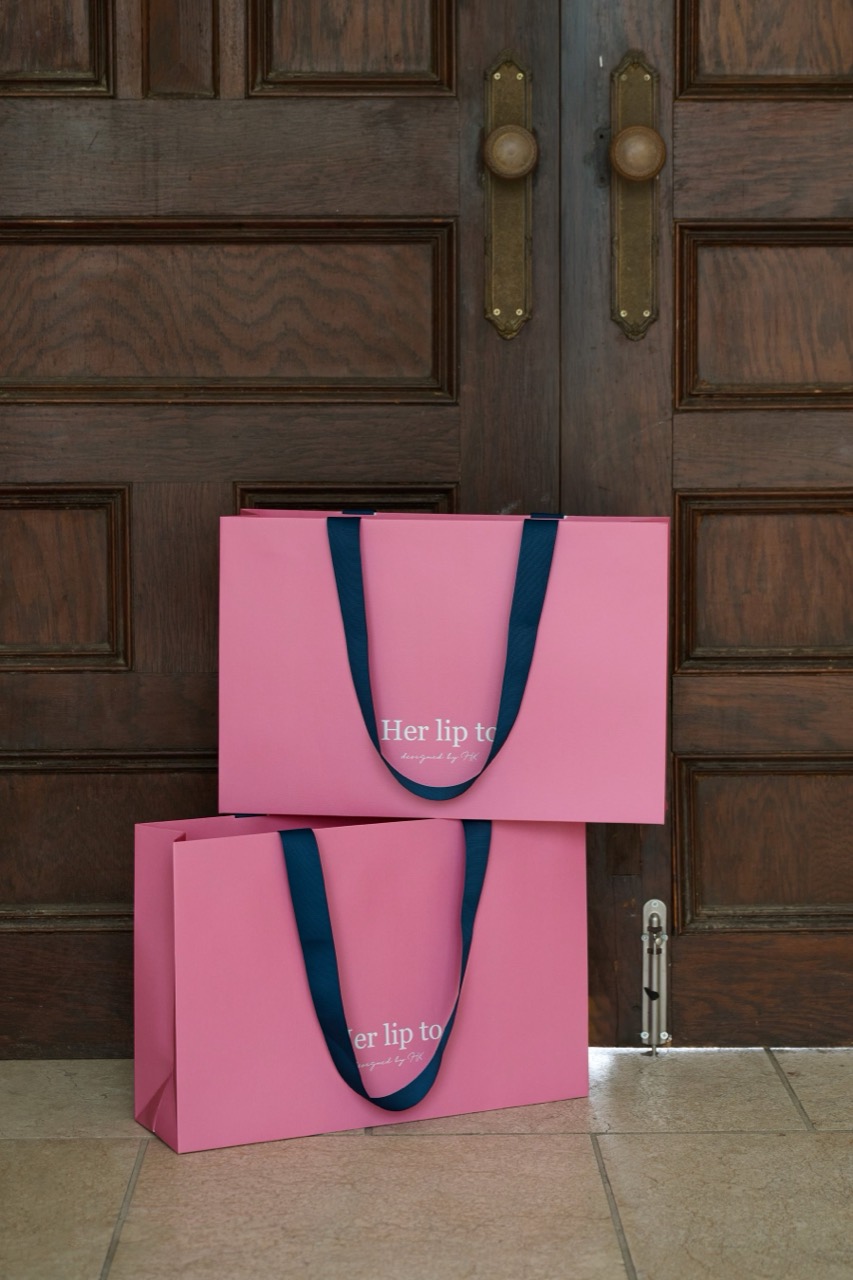
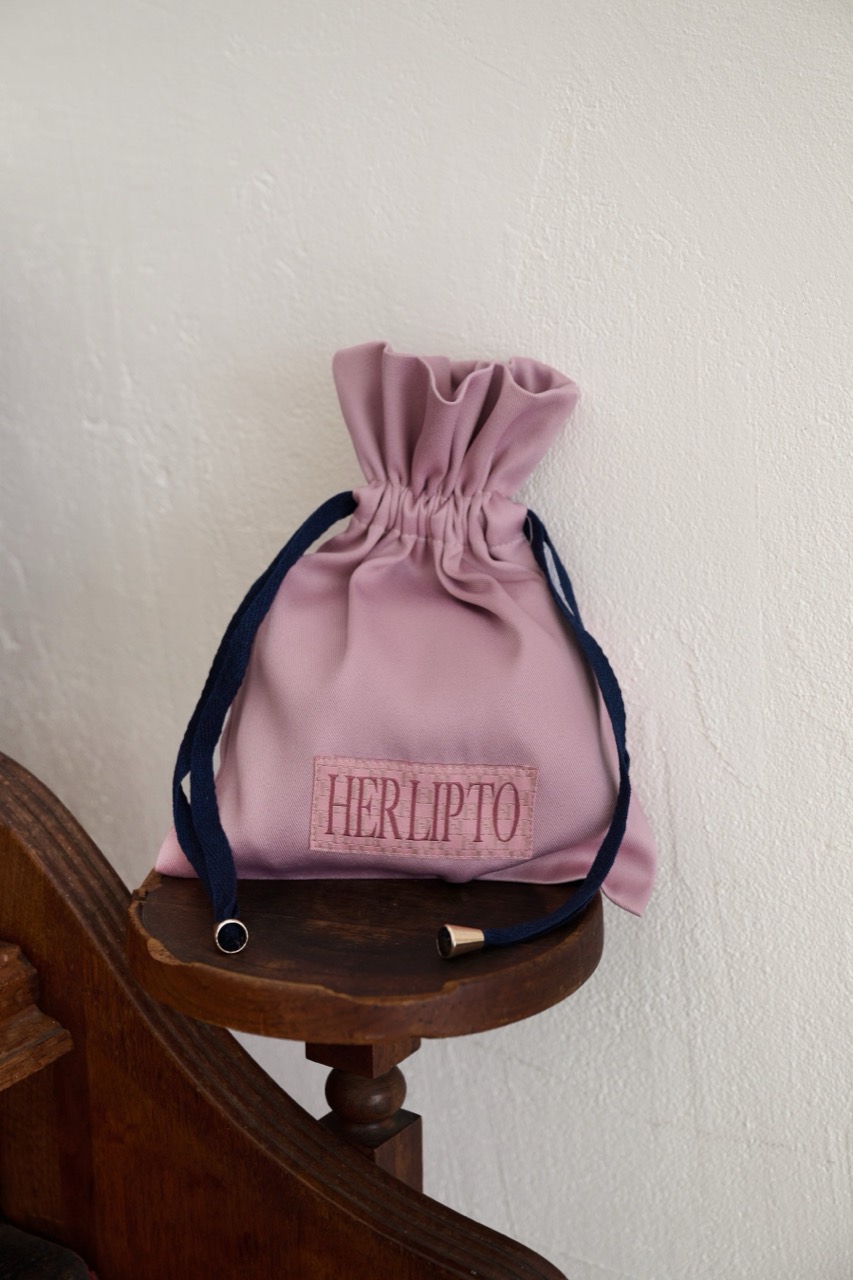
5.The first two days run by reservation, and free entry begins on the third. When it gets crowded, numbered tickets go out, and some people get to stand near the front of that line. They are SWAN members, the top tier of the Club Hers reward program. Spend more than 35,000 yen including tax and a pouch comes with it, while Osaka-only items and the limited-color shopping bag are sold separately.
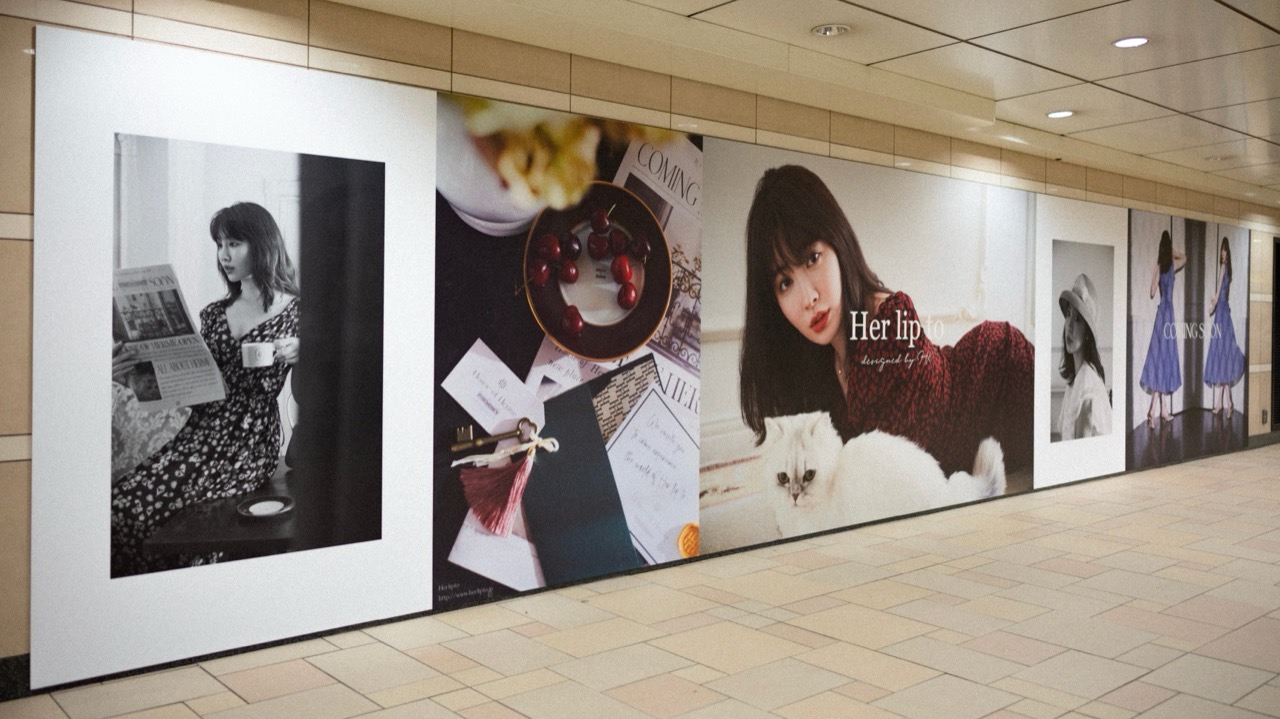
6.Started in June 2018, the brand has sold through one channel only, its own online store. A dress runs between 22,000 and 25,000 yen. Popular pieces have sold out one minute after release, and Japanese outlets report waiting lists of 10,000 people before a drop. Eight years of getting people to pay that much without touching the garment.

7.By June 2023, five years in, the brand was releasing 500 items a year with a staff of around 100. The offer is not a new wardrobe but one piece you want today, handed over again next week. Cut the deliberation short enough and the worry about sizing arrives after the worry about selling out.
8.There are six member tiers. BLOOM, ROUGE, PEARL, DIAMOND, GRACE, then SWAN, reset every June 1. Fall short of a tier's annual spend and you drop. Only for SWAN does the company keep the criteria to itself. All it says is that invitations go out by June 3.
9.In an online-only clothing business the most expensive line item is a size that does not fit. Shipping both ways, inspection and restocking labor pile on, and a customer burned once hesitates at the next order. Someone who has tried the garment on gets it wrong less often after that. A ground-floor store does that job. It is not where the revenue gets booked.
10.The company behind the brand is heart relation. For the year ended December 2023 it reported 2.931 billion yen in sales, 300 million yen in operating profit and 161 million yen in net profit. For the year ended March 2026, sales came to 5.591 billion yen, up 26%.
11.The company now belongs to someone else. yutori, listed on the Tokyo Stock Exchange Growth Market, took 51% for 1.683 billion yen in August 2024, then bought the rest for 1.96 billion yen in April 2026. Founder Haruna Kojima received roughly 1.82 billion yen personally. Part of that came as 53,600 newly issued yutori shares rather than cash, and she stays on as representative.
12.Scale both prices up to the full equity and you get 3.3 billion yen in 2024 and 4.0 billion yen in 2026. Sales grew 91% over that stretch while the price on the company rose 21%. As a multiple of annual sales, 1.13 times fell to 0.72 times. A company whose growth rate had jumped more than tenfold changed hands at a cheaper multiple.
13.The store's floor area has not been disclosed. A typical floor in this building is 156.1 square meters, so the ground floor is probably close to that (estimate). Apply the Shinsaibashi average directly and rent alone passes 13 million yen a month, but this spot is a boulevard corner rather than the middle of the arcade, so a figure below the average fits better.
14.At 150,000 to 200,000 yen per tsubo, rent runs 7 to 9.5 million yen a month (estimate). Holding rent to 15% of sales means selling 560 to 760 million yen a year. At an average ticket of 25,000 yen, that is 61 to 83 transactions a day. Eighty a day in a store of roughly 156 square meters is tight. Read this store as a sales floor and the math does not close.
15.yutori began in 2018, when Takanori Kataishi built it out of a vintage clothing community. ZOZO took a majority stake in July 2020, and after the December 2023 listing on the Tokyo Stock Exchange Growth Market, ZOZO's share fell to around 20%. Consolidated sales for the year ended March 2026 rose 71.4% to 14.234 billion yen, though net profit slipped to 310 million yen. The business importing and selling Korean clothing brands grew fourfold in a year.
16.A company raised online buys a brand raised online and puts it on the ground floor of the second most expensive street in the country, having valued that brand at 0.72 times annual sales. Anyone trying the same thing in Korea runs into tiers first. Sorting store entry by online purchase history is done here too, but when membership tiers and personal data sit split between the web store, the shop and a loyalty vendor, that queue does not work at the door. The first thing to fix is not the interior. It is the contract that puts customer data in one place.