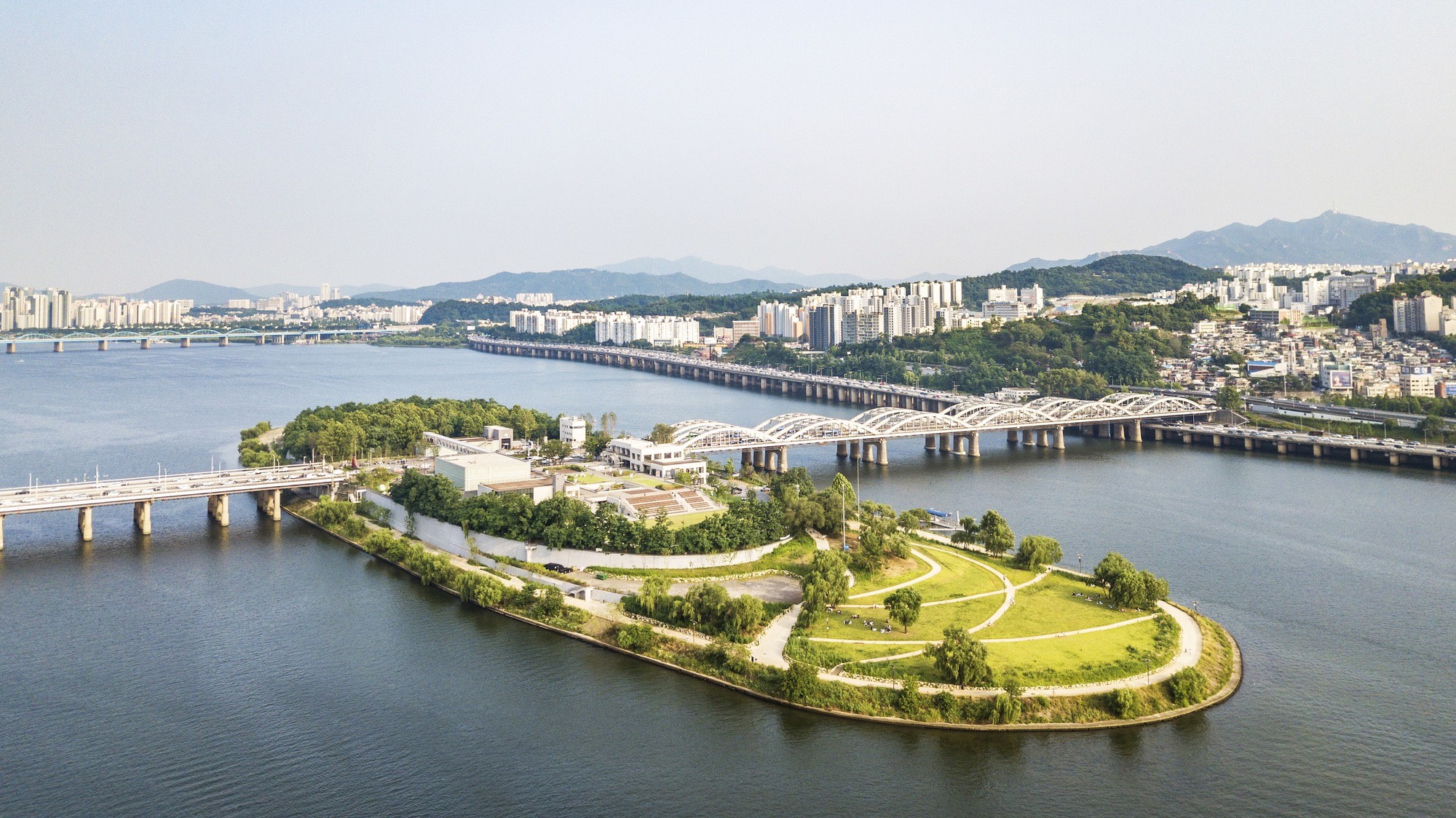
There is a 119,854㎡ island in the middle of the Han River. It was built once in 2019 for KRW 49 billion, and seven years later work has started to put KRW 370.4 billion back in. Yet visitors to this island have already risen more than 30% without a single building being changed.
1.In July 2026, the waterfront sections of Nodeul Island began opening in stages. It is the first section touched in the project Seoul calls the Nodeul Global Art Island. Work began on October 21, 2025, with full completion targeted for 2028.
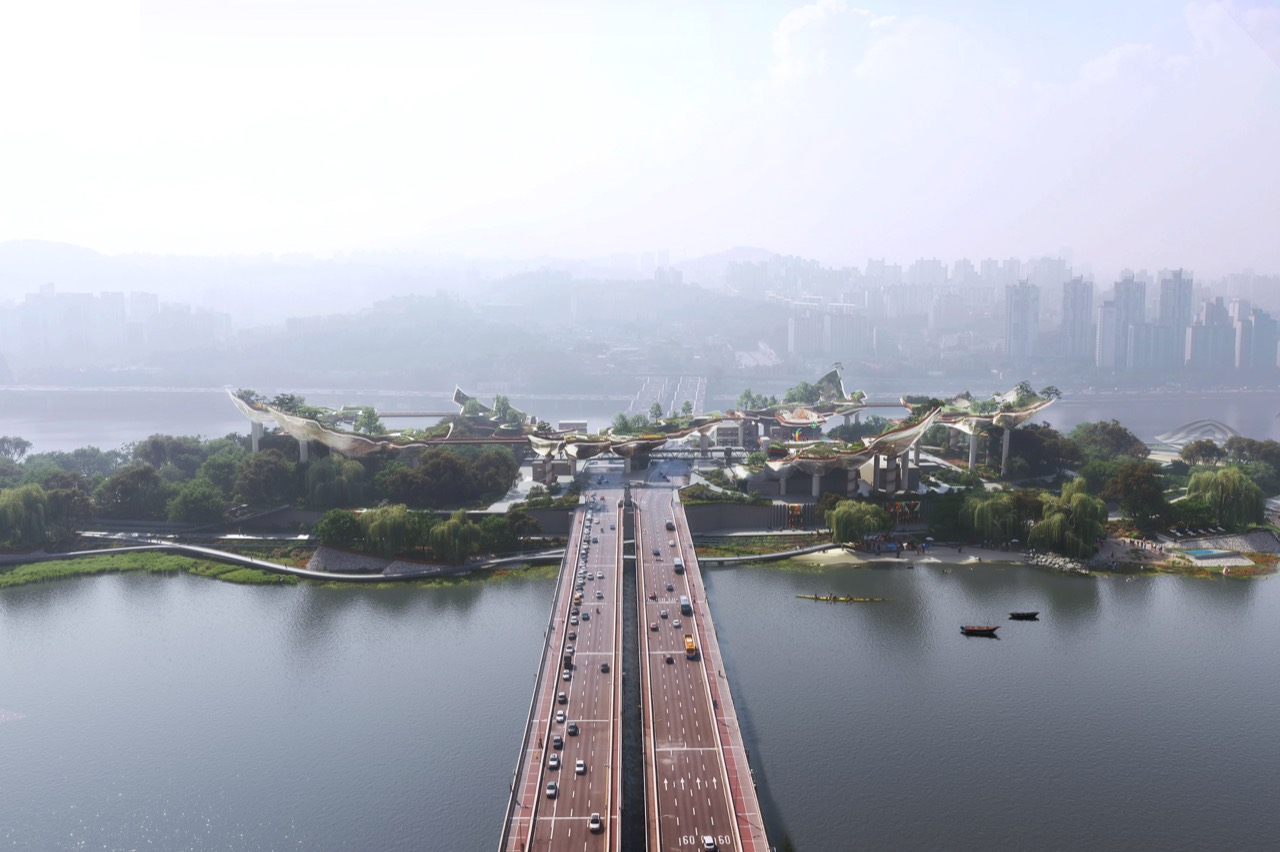
2.The island covers 119,854㎡ around 445 and 446 Yangnyeong-ro in Yongsan-gu, 36,255 pyeong in Korean measure. Heatherwick Studio took the design, and the winning entry is called Soundscape. It was selected in an international invited competition in May 2024. Thomas Heatherwick, the one who floated Little Island on New York's Hudson River.
3.This island has already been built once. On September 28, 2019 it opened as a music island at a cost of 49 billion won. The design came from a team led by mmkplus. A live house, a gallery, food and drink units and a lawn were laid out low, and several harsh nicknames attached to the exterior right after opening. Turning that reputation around took several years.
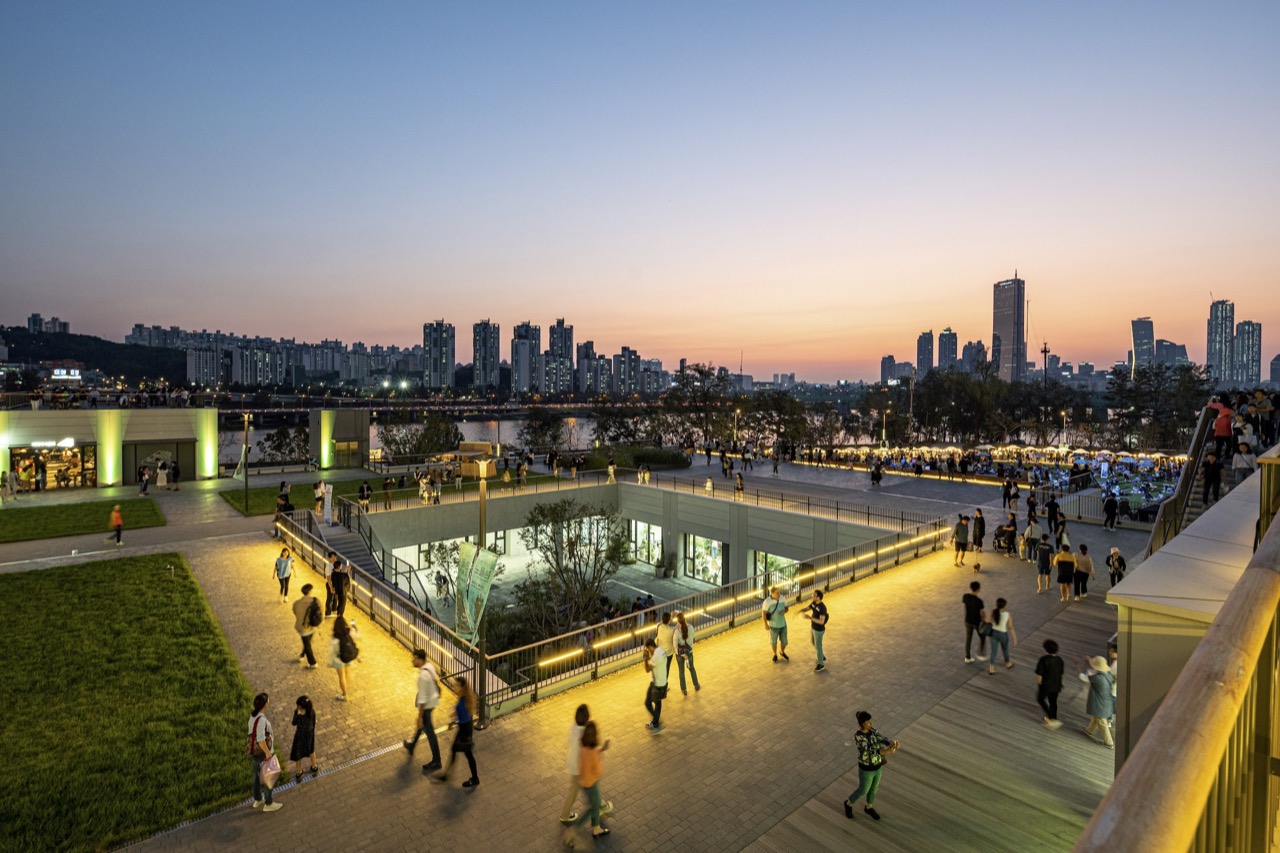
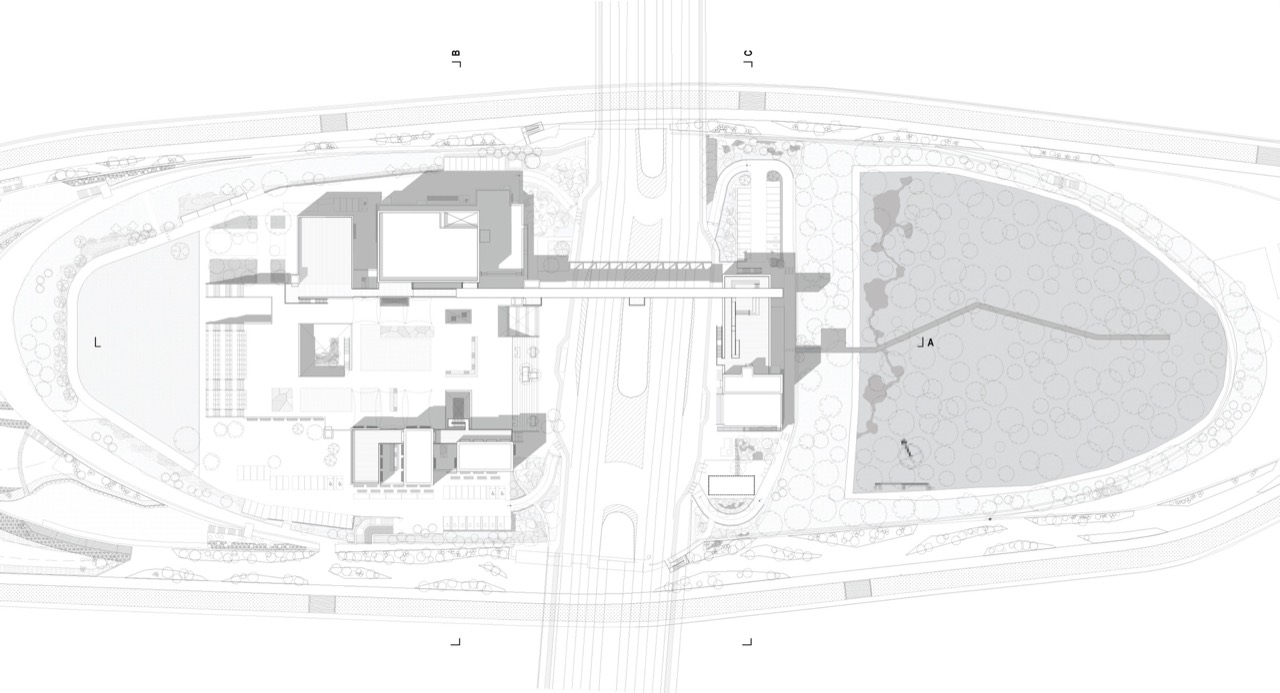
4.The Heatherwick scheme lays one more layer on top of that. The project splits in two. A waterfront culture space reworking the water's edge and the base, and a sky art garden newly built in the air and on the ground. The latter is the main body. Seven irregular petals float with walkways linking them, the east side given over to hands-on use and the west to viewing.
5.What opened in July is the former. An ecological garden and walking paths in a natural key, gap stairs, media installations. The name gap stairs tells you everything about this section. The Han River rises and falls several meters by season, so stairs going down to the water have to be built on the premise of being submerged for one summer stretch. Moss settles on concrete that floods and dries in turn, and people sit in that same place. Concern over construction noise and vibration for the narrow-mouthed frogs living on the island followed the groundbreaking throughout.
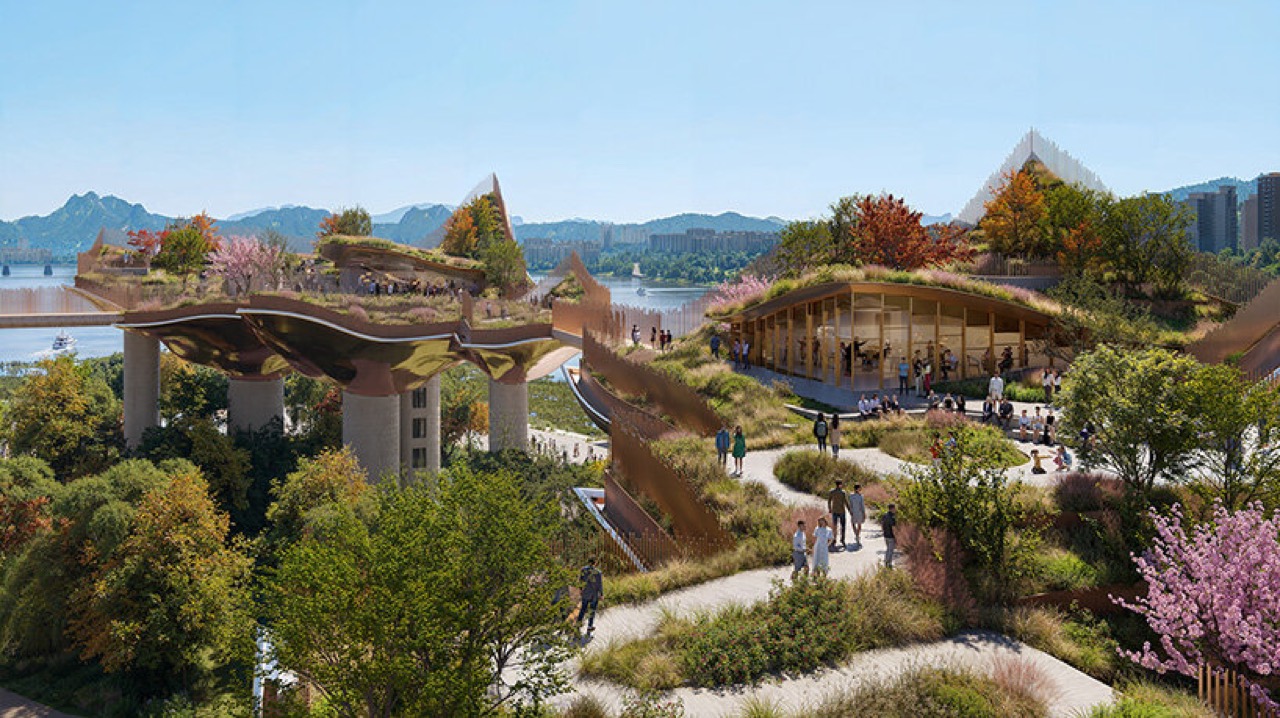
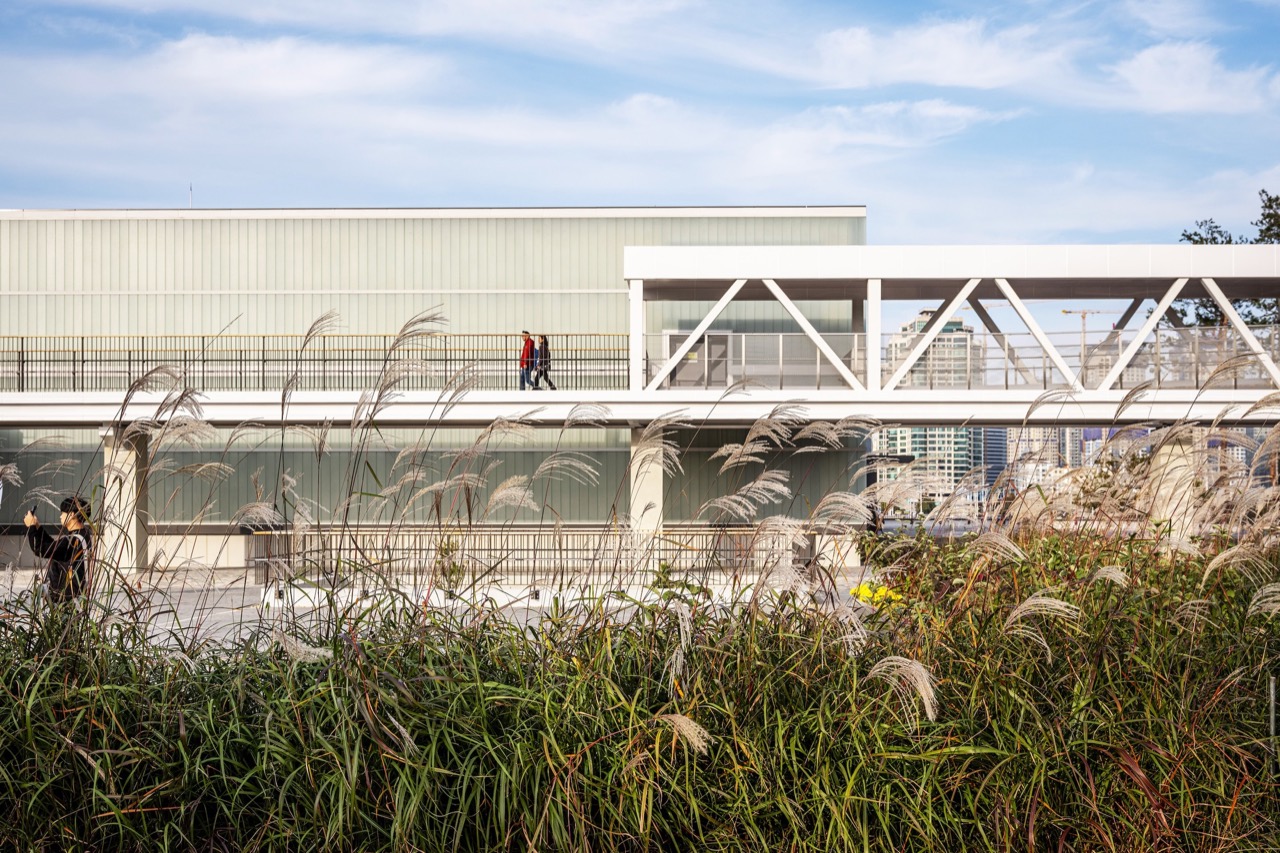
6.Places surrounded by water on all sides are not common in Seoul. Han River parks are where you walk with the river beside you, while Nodeul Island is where you stand inside the river. You enter along the footway on the bridge, so your eye level drops once as you walk in. That drop is half of what this island sells.
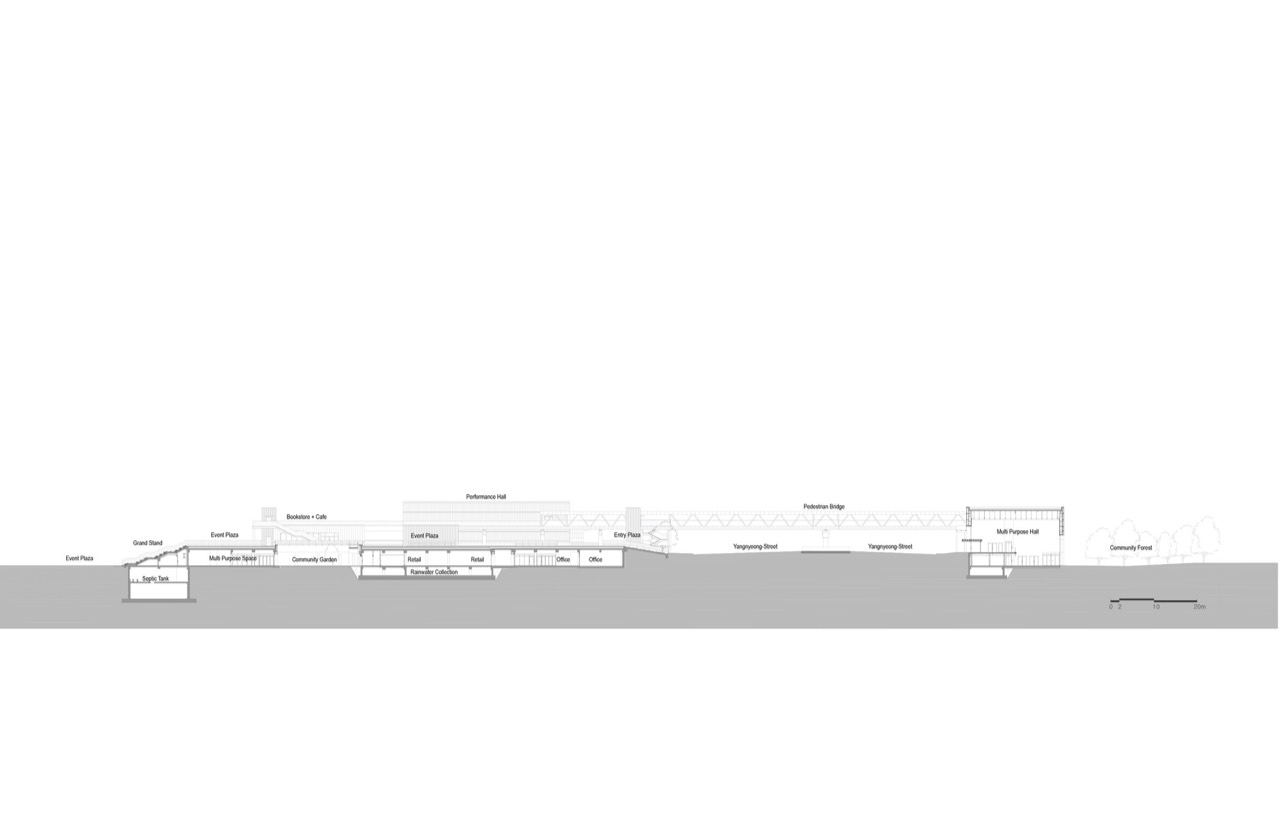
7.The other half is the sunset. The view opens southwest with the bridge deck hanging in it like a frame, and people crowd in for the hour the sun goes down. The problem sits right there. What reason is there to cross the bridge outside that hour.
8.Set the two project budgets side by side. 49 billion in 2019, 370.4 billion this time. 7.6 times. Divide by the island's total area and it rises from 1.35 million won per pyeong to 10.2 million. The whole island is not being rebuilt, of course. Still, for comparing money that went into the same ground twice in seven years, this division is the most honest one available.
9.Only two construction cost items are published. 24.6 billion for the waterfront, 233 billion for the ground level. Together that is 257.6 billion, leaving a gap of more than 110 billion against the total project cost. That difference is scattered across design, supervision, electrical work and contingency, and how far the gap widens in a public waterfront project is something nobody can state with certainty before final accounting.
10.So where does recovery come from. This island is a free public space with no admission. Money comes in only through retail rent, venue hire and event bookings, and all three attach to dwell time and average spend rather than to visitor numbers. On a route where you come for one hour of sunset, take photographs and cross the bridge back out, none of the three grows.
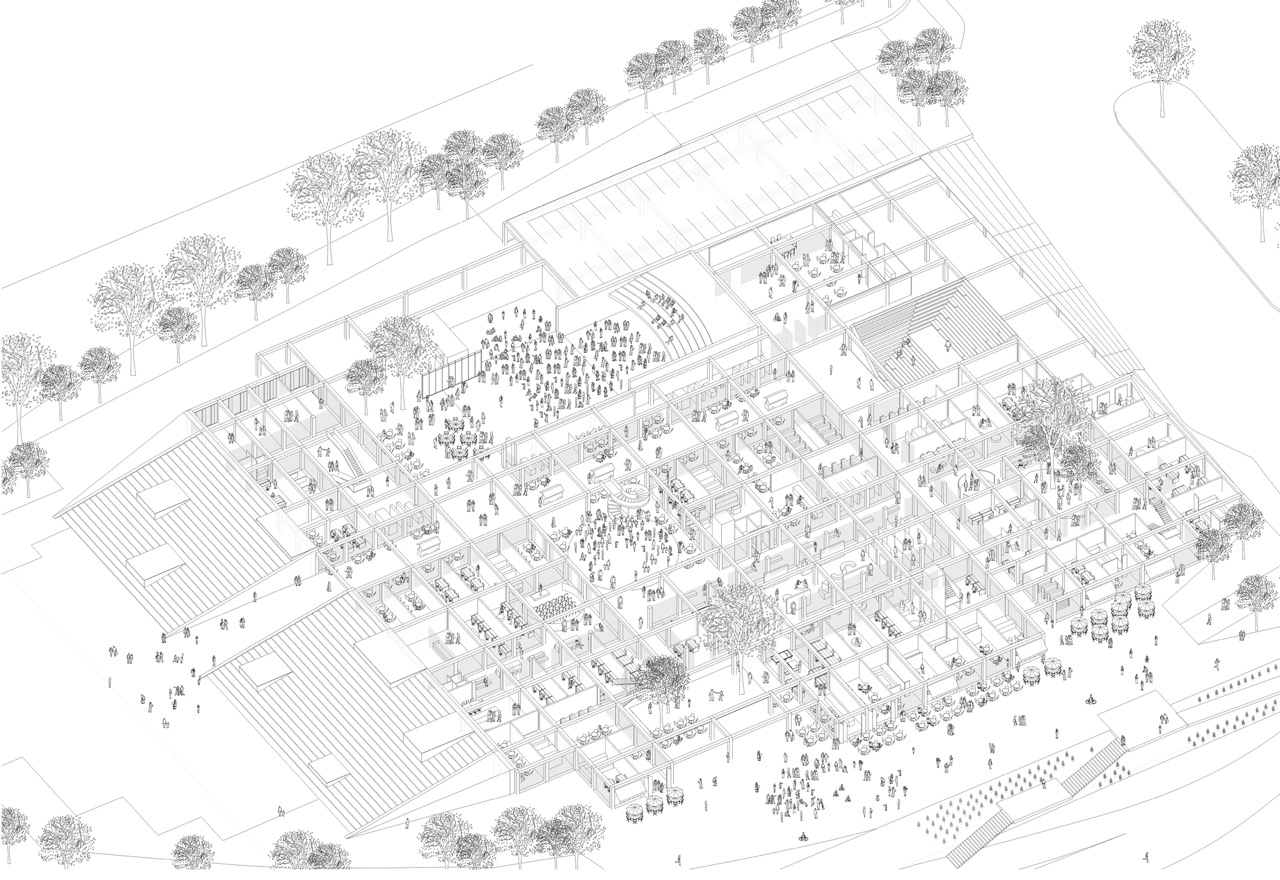
11.Here is where this island's real record comes out. A 2021 Seoul city audit found embezzlement and breach of trust at the private operator running it. About 56 million won was recorded through falsified performance equipment lease contracts, and four construction contracts worth 128.92 million won were made with a firm not registered for construction work. Seoul reported the operator that October and terminated the agreement. After operations moved to the Seoul Foundation for Arts and Culture, visitors rose more than 30% year on year, about 350,000 people, reaching 1.5 million a year. Not a single building was changed.
12.Yet nowhere in the 370.4 billion is there an operating cost line. Money to build and money to run come through different budget routes. Planting beds up in the air need irrigation and drainage pumped up, and their wind load and waterproofing inspection cycles cannot match ground-level landscaping. Once all seven petals are open, who covers that upkeep each year. The published documents hold no answer.
13.The same designer's precedent has that box filled in. Little Island is a 2.4 acre, 9,712㎡ artificial island park that opened on the Hudson River on May 21, 2021. Barry Diller and his foundation paid the 260 million dollar construction cost, and that far it is ordinary philanthropy. What differs comes next. The same foundation set aside another 120 million dollars for 20 years of operating cost. That is 46% of the construction cost. It runs 110 full-time and part-time staff on that money.
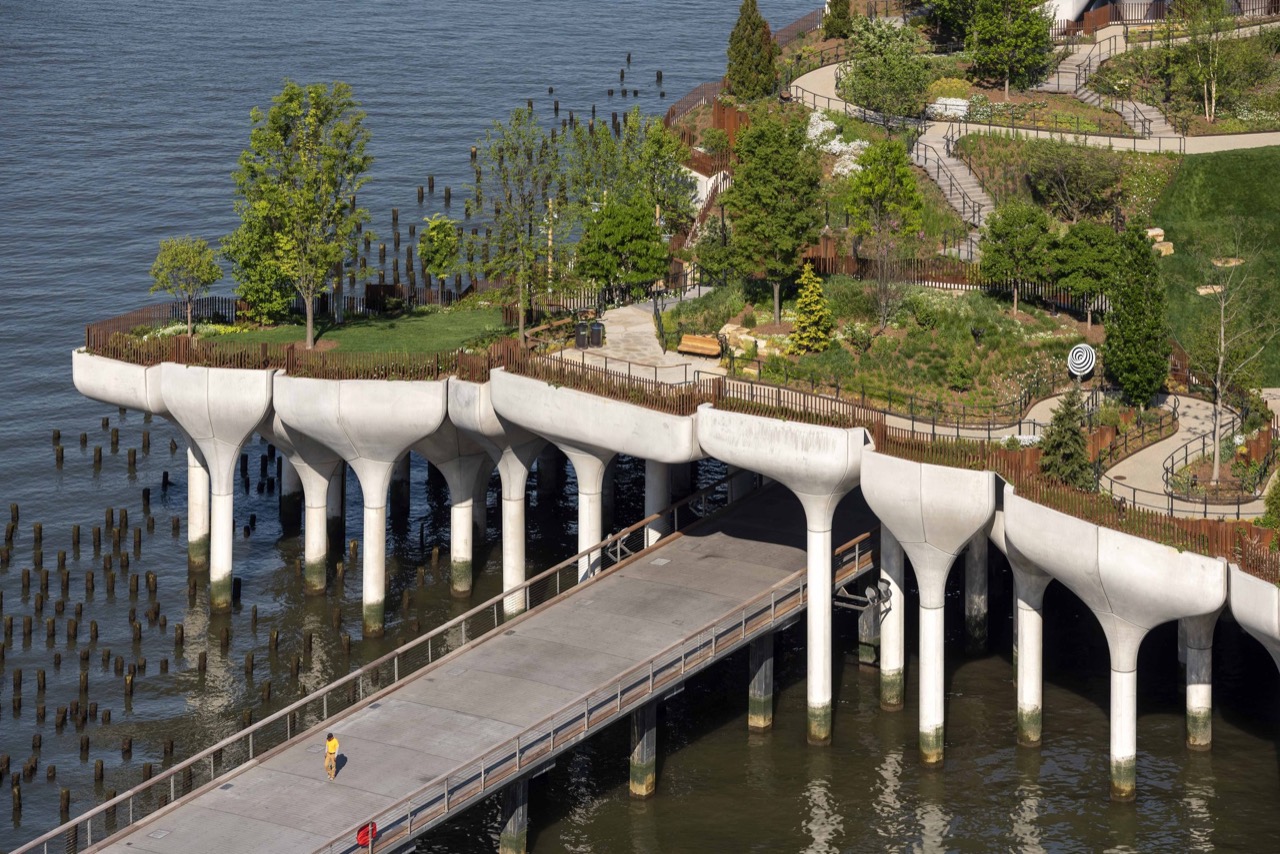
14.Cost per area splits the opposite way. Little Island spent about 364 billion won across 2,938 pyeong, 124 million won per pyeong, while Nodeul Island spends 370.4 billion across 36,255 pyeong, 10.2 million per pyeong. A twelvefold difference, and yet the one on shakier ground is Nodeul Island. It did not tie up the money to run the place alongside the money to build it. The result for a free park splits not on opening day but in the third year.
15.Work has started to rebuild for 370.4 billion won an island built for 49 billion seven years ago, and in that time visitors rose more than 30% by changing operations rather than buildings. Even if the projection of 5.57 million visitors in 2029 lands, dividing project cost by one year of visitors gives 66,500 won a head. Plan a waterfront landmark like this in Korea and it snags on operating funds before it snags on permits. Development cost is allocated once as project budget, while operating cost goes back through budget review every year, and calculating maintenance and safety inspection cost for elevated structures on a ground-level park basis leaves a hole in year three. So what belongs in the competition brief is not form but the source of 20 years of operating cost after completion. Leave that box empty and the petals close one at a time.