On the south bank of the Huangpu River in Shanghai stands a museum carved out of an old coal-fired power station. On 25 November 2025 its entire third floor opened. A 1,700 sqm library, 50,000 volumes, no admission fee. The construction was paid for by neither the city nor the museum, but by a French luxury house.
1.The Shanghai Power Station of Art goes by PSA. It opened on 1 October 2012 as mainland China's first state-owned contemporary art museum. Its whole third floor now carries the name Espace Gabrielle Chanel, open since 25 November 2025. Inside: a 1,700 sqm library, a 300-seat theatre, the design hall psD, and a 300 sqm terrace with a cafe facing 180 degrees of the Huangpu.
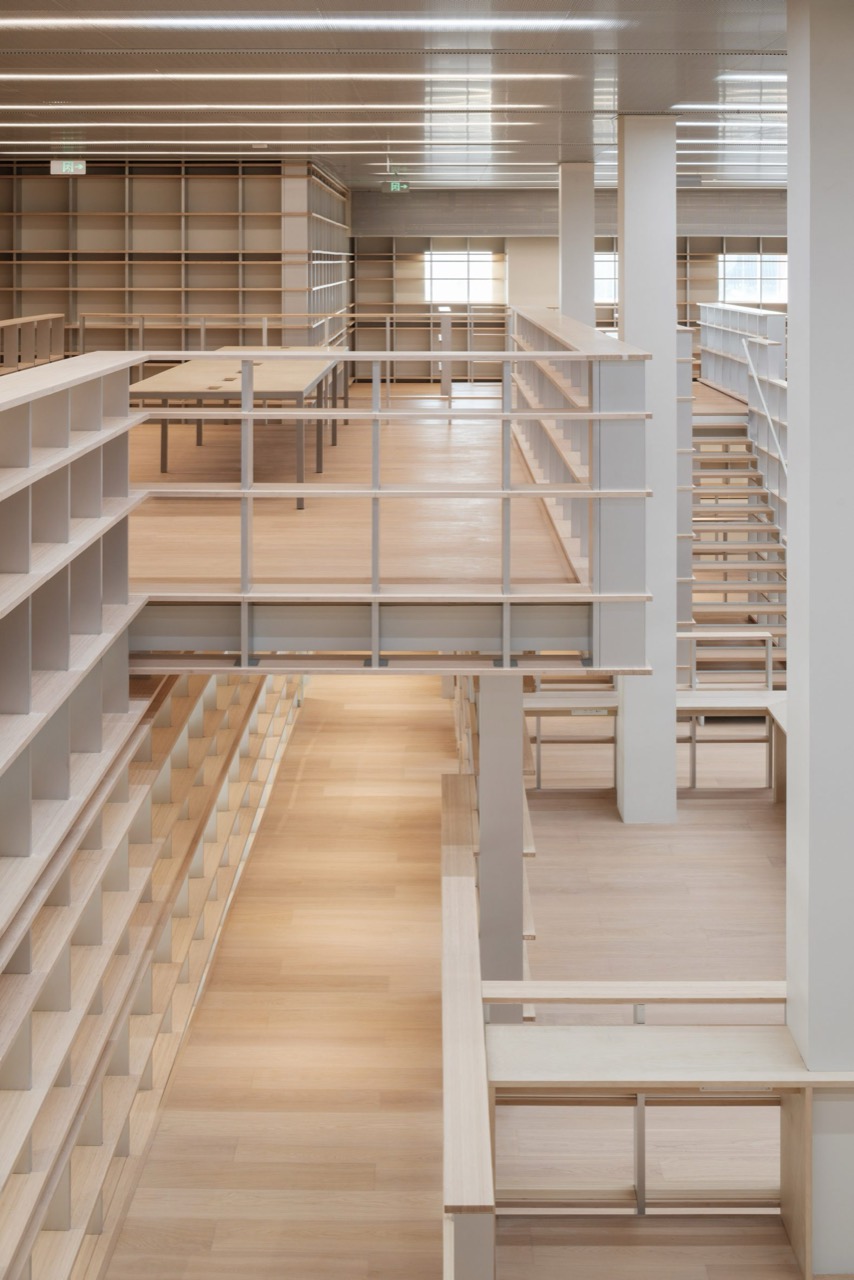
2.The library is called Dengdeng. Around 10,000 of its 50,000 volumes are open so far, mixing contemporary art, design, architecture and social science with audiovisual material. The museum says it is the first public library on the mainland devoted to contemporary art and design. Tuesday to Sunday, 11:00 to 18:30, by reservation, free.
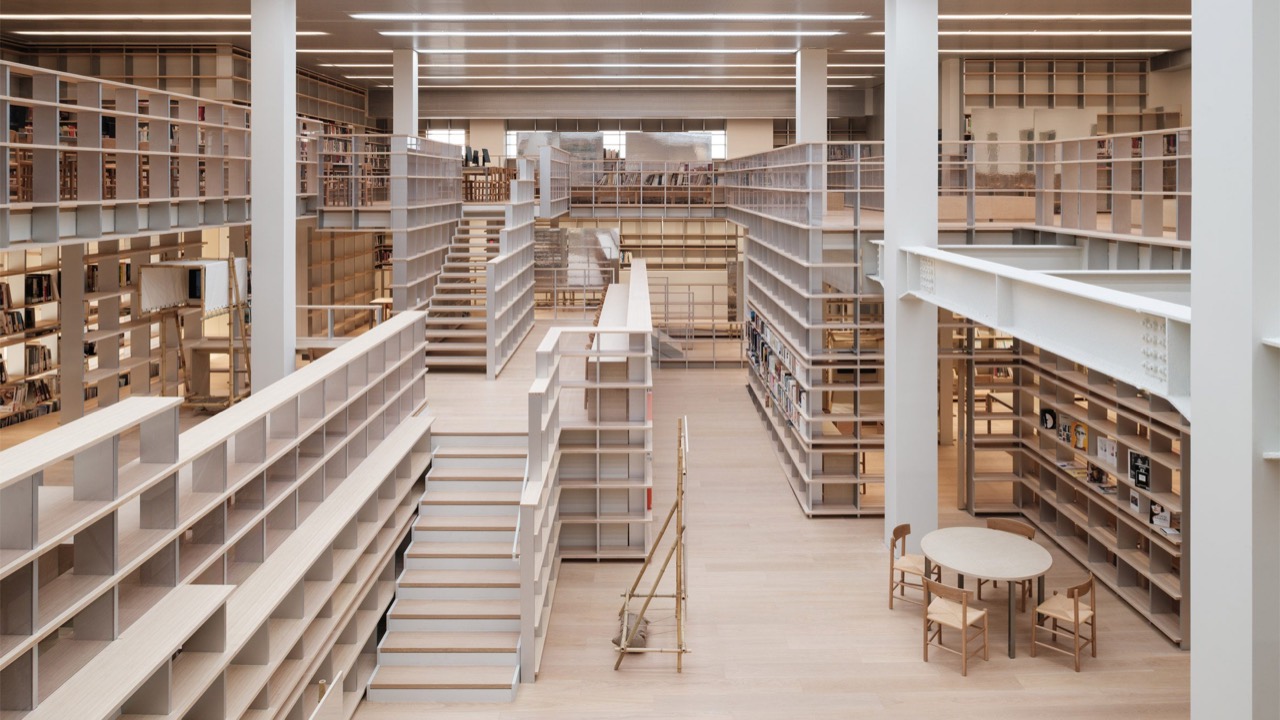
3.Kazunari Sakamoto designed it. Born in 1943, professor emeritus at Tokyo Institute of Technology, a man who spent his career on houses and collective housing and almost never touched commercial work. This is his first completed building in China.
4.The plan is simple. A gently rising ramp cuts through the space, and the shelves are set into the ramp itself. Instead of stacking shelves floor by floor, the floor is tilted and the books ride on it. Nothing separates reading seats from shelves, so wherever you stop walking becomes a seat.
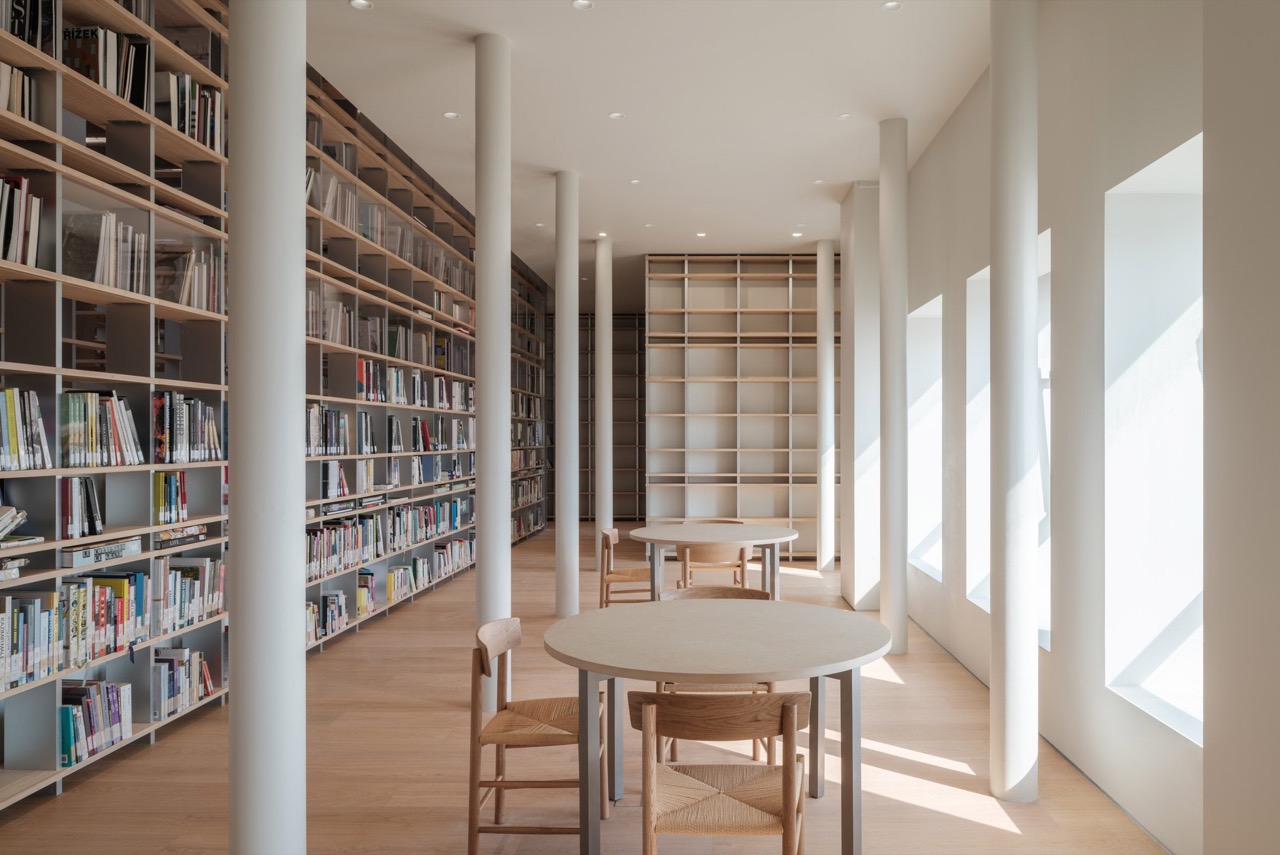
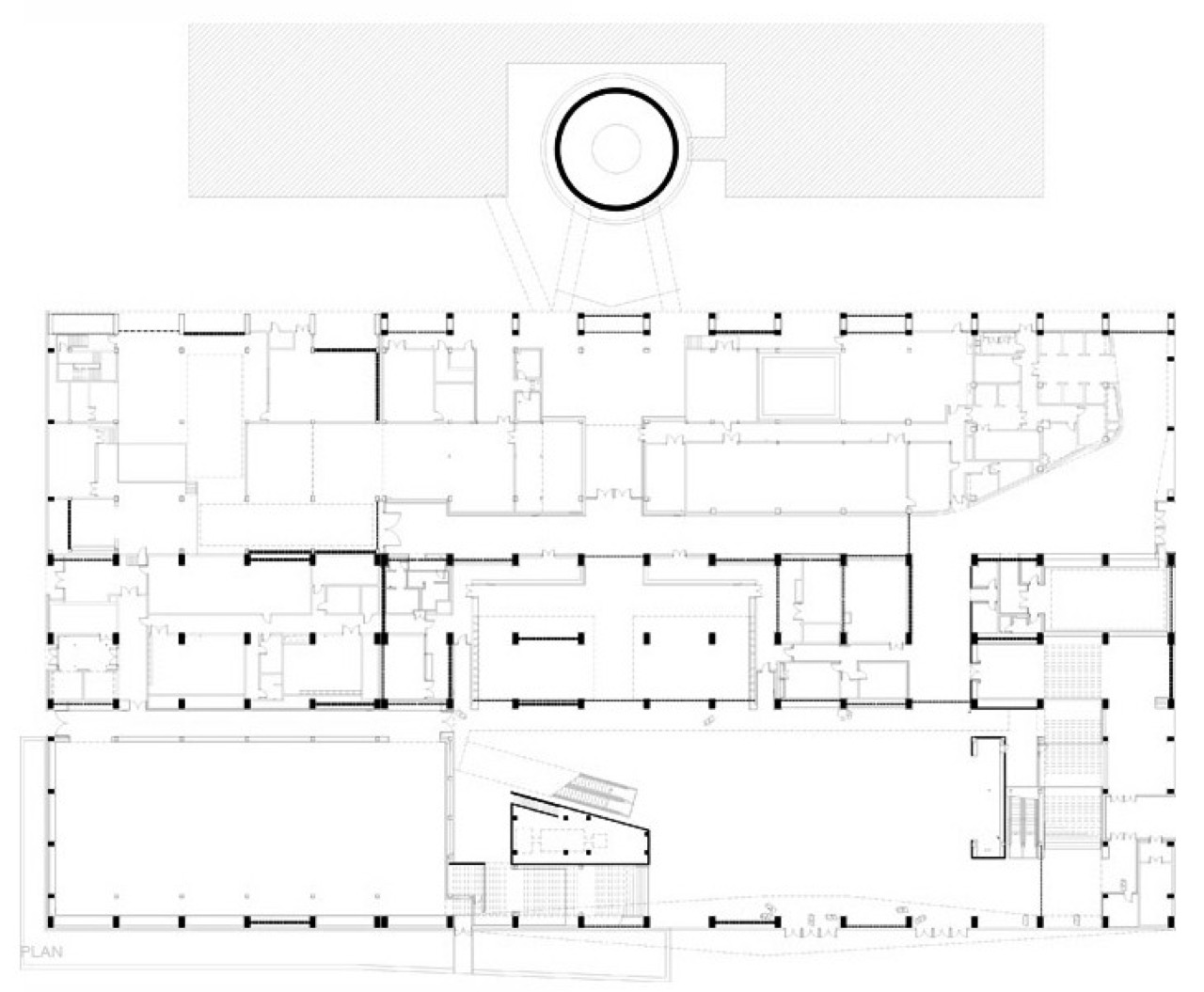
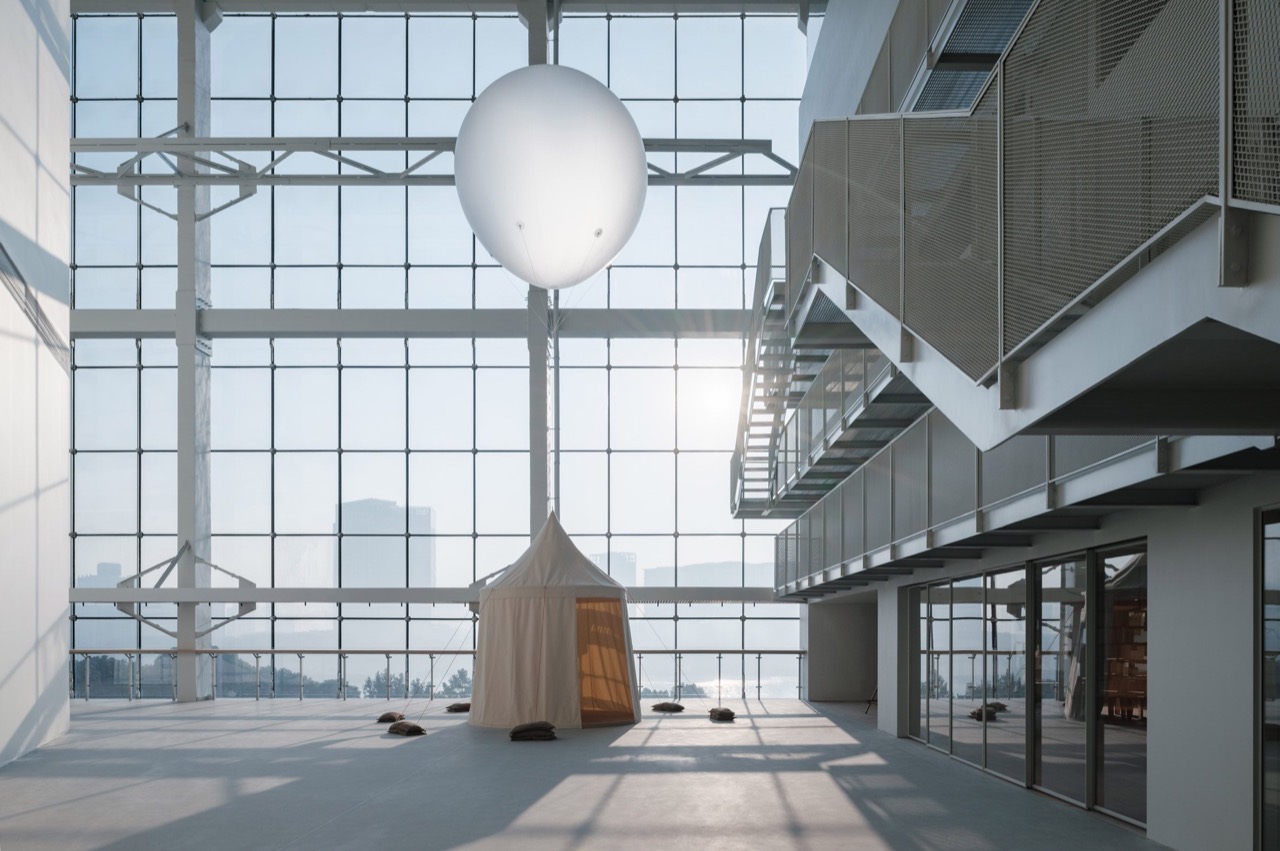
5.The bones of the power station are untouched. Widely spaced columns and a high ceiling make a room where sound lingers, and the shelves and the slope swallow it. Books are excellent acoustic absorbers. River light comes through the windows and the towers of Lujiazui stand directly opposite. The most expensive thing on this floor is not the books but that window.
6.A museum cannot earn money by the floor. PSA has 41,000 sqm of gross area and 15,000 sqm of galleries. The remaining 26,000 sqm carries no revenue, and since the permanent display is free, tickets recover nothing either.
7.So the third floor sat unresolved for years. The design centre psD had a hall there, but not a programme that pulls visitors daily. Money for that floor has to clear a municipal budget review, and in that review anything that is not an exhibition slides to the back of the queue. Who was going to pay for it, then.
8.The brand stepped into that gap. Chanel and PSA first connected in 2021 through the Emerging Curators programme and signed a strategic partnership in May 2024. The third-floor works took roughly a year and a half. The museum got a floor, the brand got a name.
9.The construction cost was never disclosed. Take high-end cultural fit-out in Shanghai at 8,000 to 12,000 RMB per sqm and apply it to 1,700 sqm: 13.6 to 20.4 million RMB, roughly KRW 2.6 to 3.9 billion at 193 won to the yuan. Add the theatre, the design hall and the terrace and the whole floor lands somewhere between KRW 6 and 9 billion. With nothing published, that is a range built from trade rates.
10.Books cost money too. At 200 RMB a volume for art and architecture titles, 50,000 volumes come to 10 million RMB, about KRW 1.9 billion. Donations and transferred archives are mixed in, so less cash actually left the account. Still, the cost of this floor clearly does not sit in the finishes alone.
11.What the brand bought with that money is a name. The same house already wrote this contract in Paris. It was the sole sponsor of the Grand Palais restoration at 25 million euros, then committed a further 30 million over five years to the institution's budget. Two things came back. The entrance to the nef carries the founder's name, and exclusive use of that hall for runway shows stayed with the brand.
12.Read as advertising, the arithmetic works. Prime Shanghai Grade-A office rents run 8.5 to 10 RMB per sqm per day. Leasing 1,700 sqm at that rate costs 5.2 to 6.1 million RMB a year, KRW 1.0 to 1.2 billion, every year. The fit-out is paid once, and the name comes with no expiry written on it. Six to eight years and the two are level; after that the brand is ahead.
13.What the museum takes is entered in a different column. The library is free and by reservation, so the only cash on this floor comes from the terrace cafe. What grows instead is dwell time. See the show and leave and it is an hour; open a book and it becomes half a day. When the reason to return shifts from the permanent display to the collection, annual visit counts change, and visit counts are exactly the figure used in the municipal budget review. Shanghai has set a combined target of 3 million visitors a year for PSA and the China Art Museum.
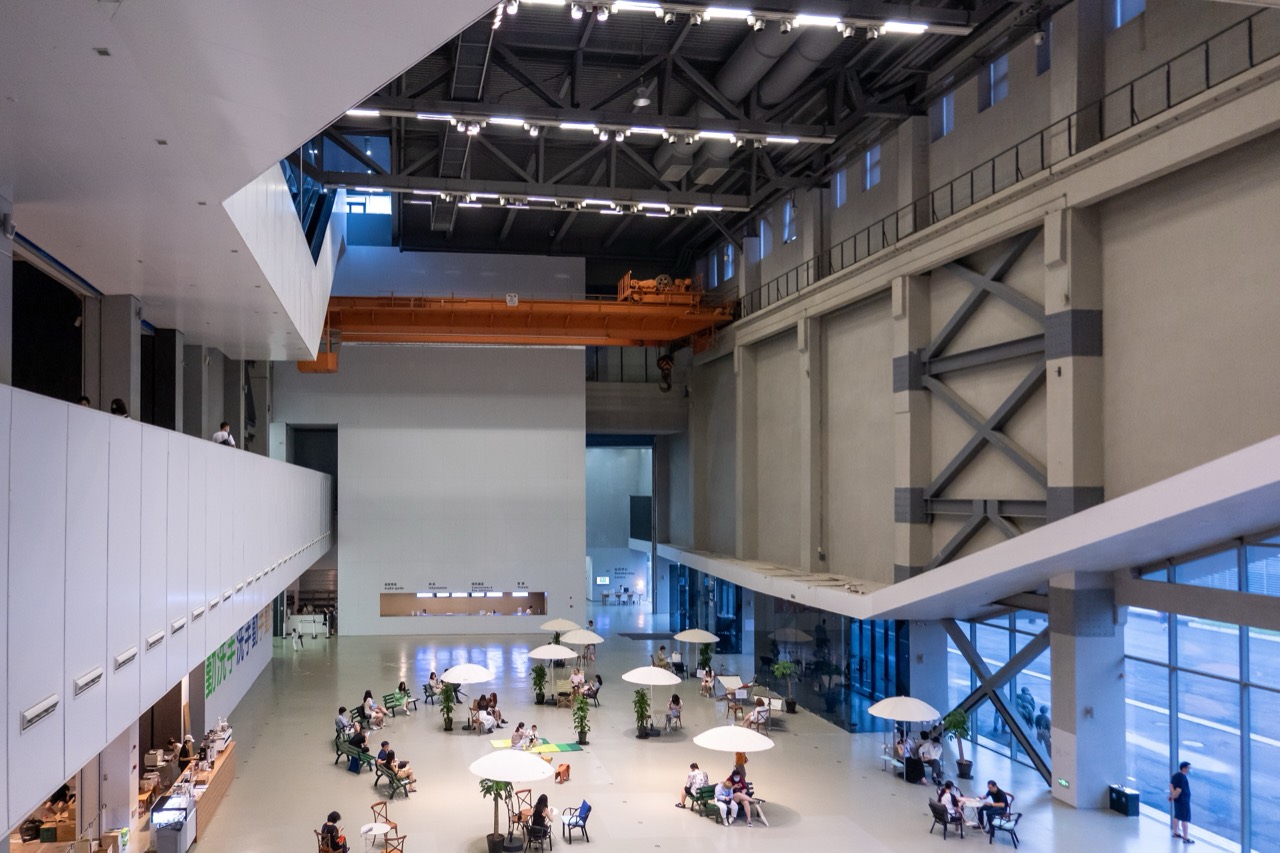
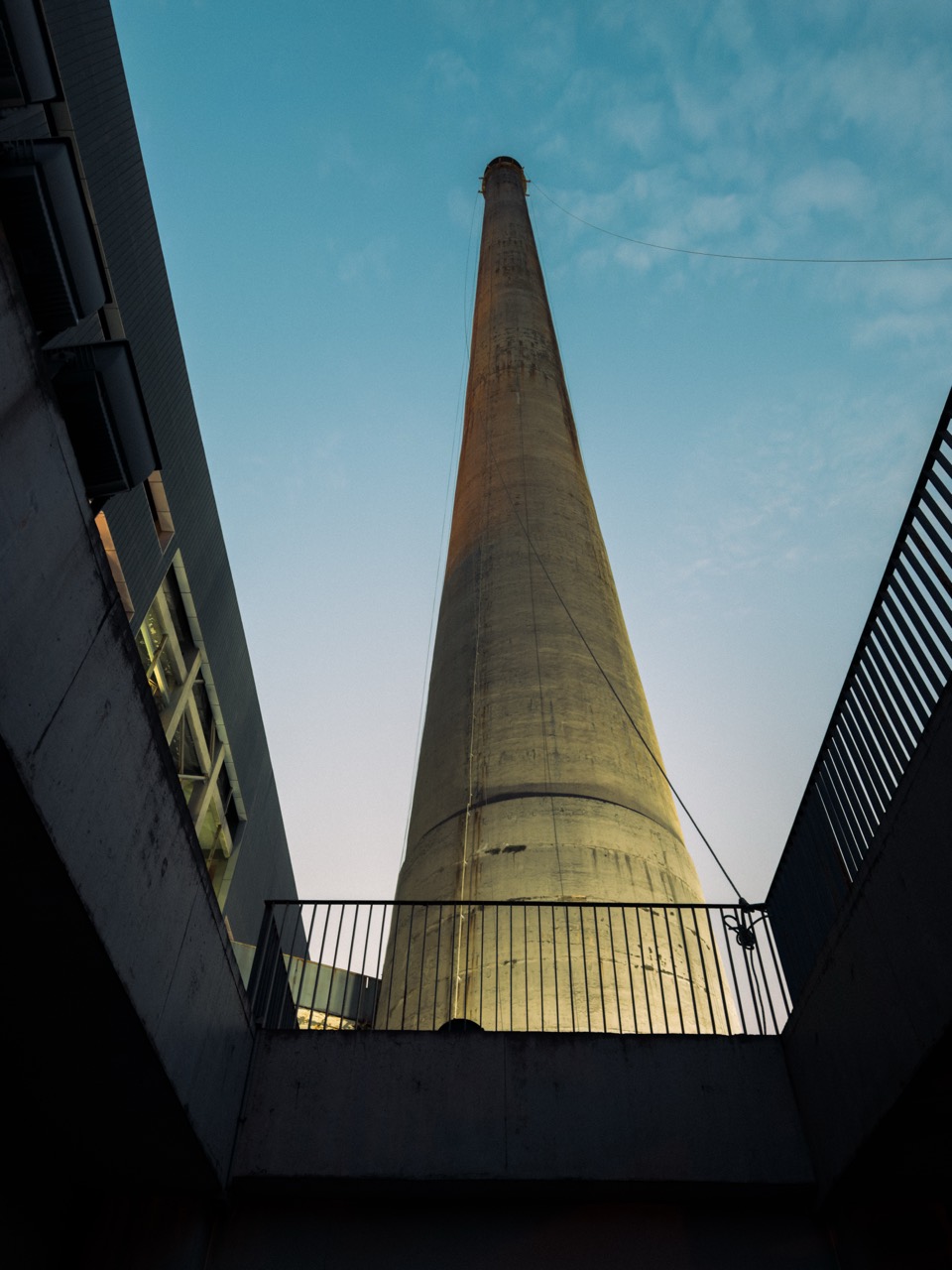
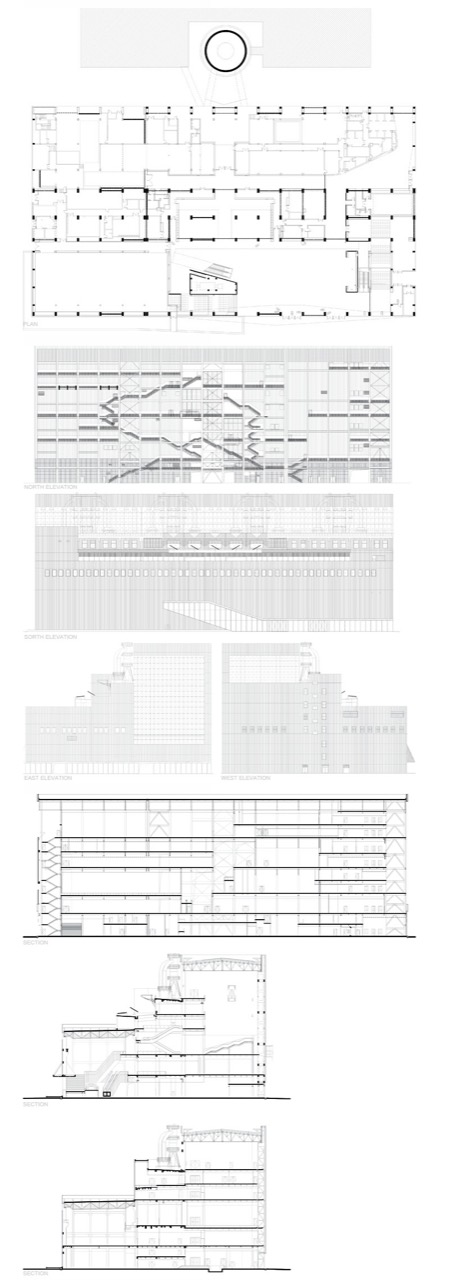
14.This building has a long record. It began in 1897 as the Nanshi Electric Light Works, and the turbine hall and 165 m chimney standing today went up in 1985. It served as the Pavilion of Future at Expo 2010, then reopened as a museum in 2012 after nine months of work. The conversion was designed by Original Design Studio under Zhang Ming.
15.In November 2015 this museum gave Sakamoto a solo show. It was called Anticlimax Poetics, and it hung everything he had built up to then. Exactly ten years later, in the same month, he delivered a floor of that museum. The man who had been on the walls moved over to building the room.
16.A 1,700 sqm slice of a power station's third floor became a free library, and the floor now carries a founder's name. The cost was never published, but the same area leased in central Shanghai would run about KRW 1 billion a year. In Korea the first obstacle is the name. A public museum is administrative property. Even when a company pays for the works, putting its name on the space requires a naming agreement separate from the donation itself. Sponsorship ends in a few years while a name has no expiry, and review boards rarely accept that asymmetry. Fail to settle the agreement before design starts, and the money arrives but the floor does not change.