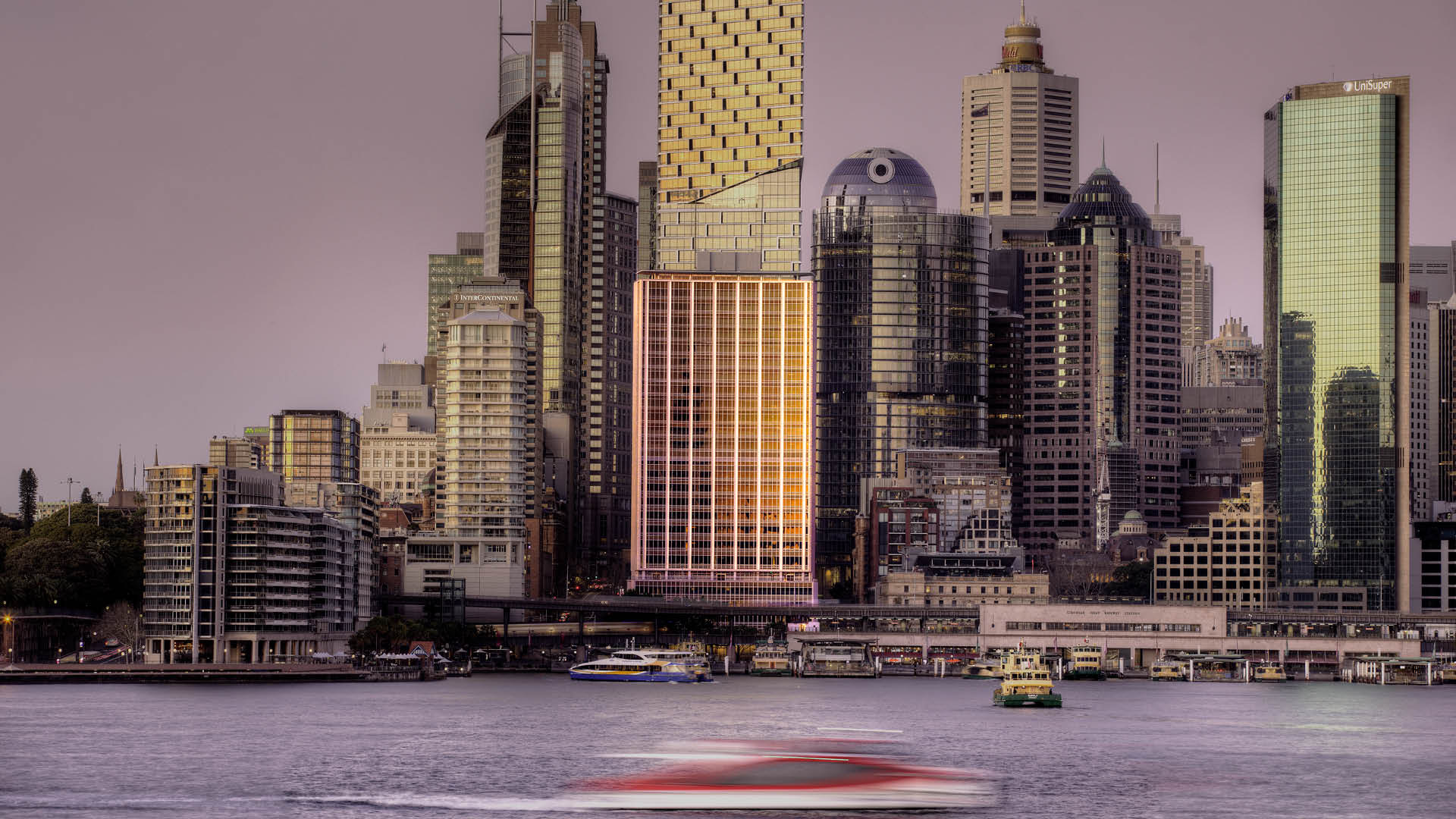
A 26-storey office block built in 1962 had slid down to B grade. The owners did not knock it down. They spent A$200 million over three years and removed not a single floor of the original structure. Construction came in 20 to 30 per cent below a rebuild, embodied carbon fell by 75 per cent, and the leasing grade jumped from B to Premium.
1.On 6 June 2025, 33 Alfred Street reopened at Circular Quay in Sydney. Three years closed, A$200 million spent. That converts to roughly KRW 190 billion at 950 won to the Australian dollar.
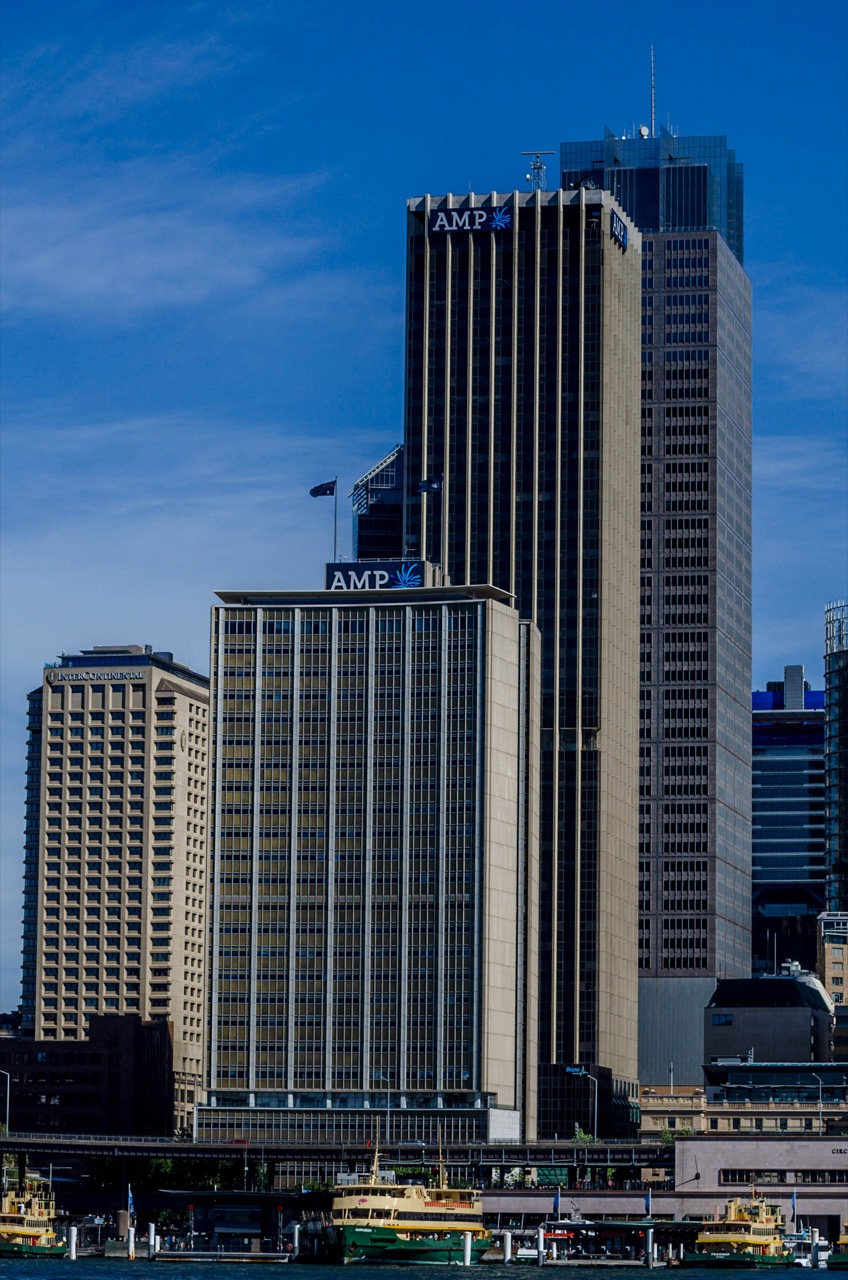
2.Its original name was the AMP Building. Prime Minister Robert Menzies came to the opening on 23 November 1962, and at 26 storeys and 117 metres it was then the tallest building in Australia. The architects were Peddle, Thorp & Walker. It was the first building to break the 150 foot height limit Sydney had held for decades.
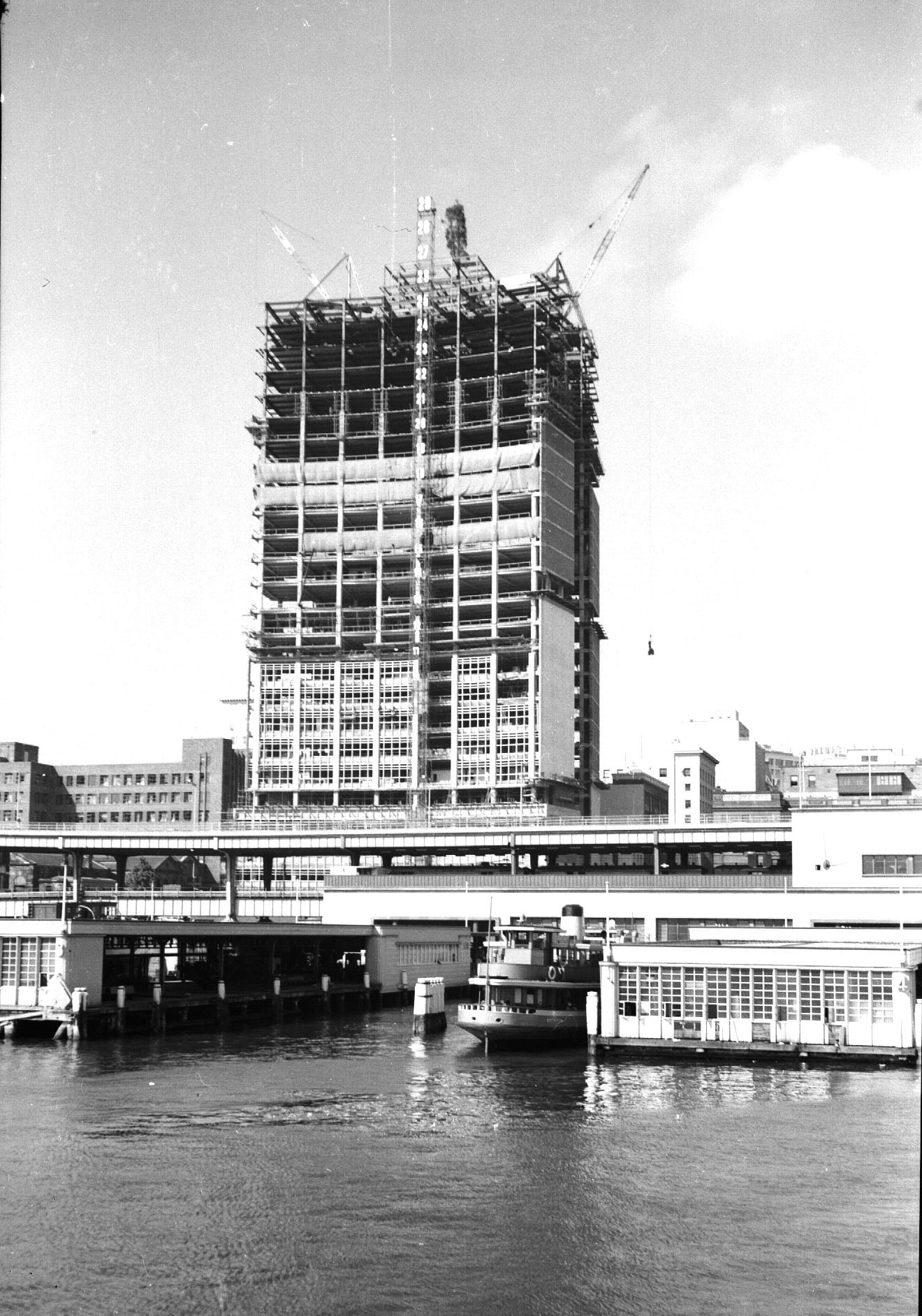
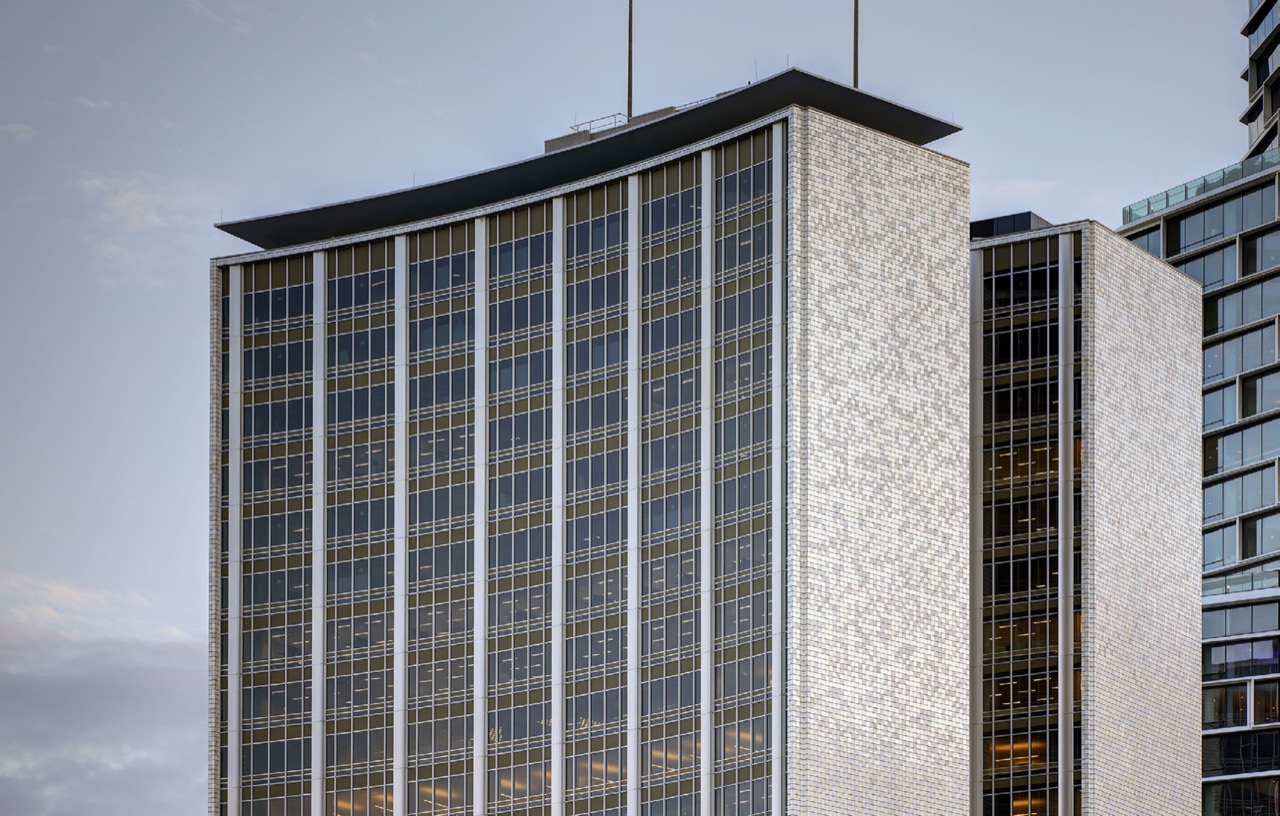
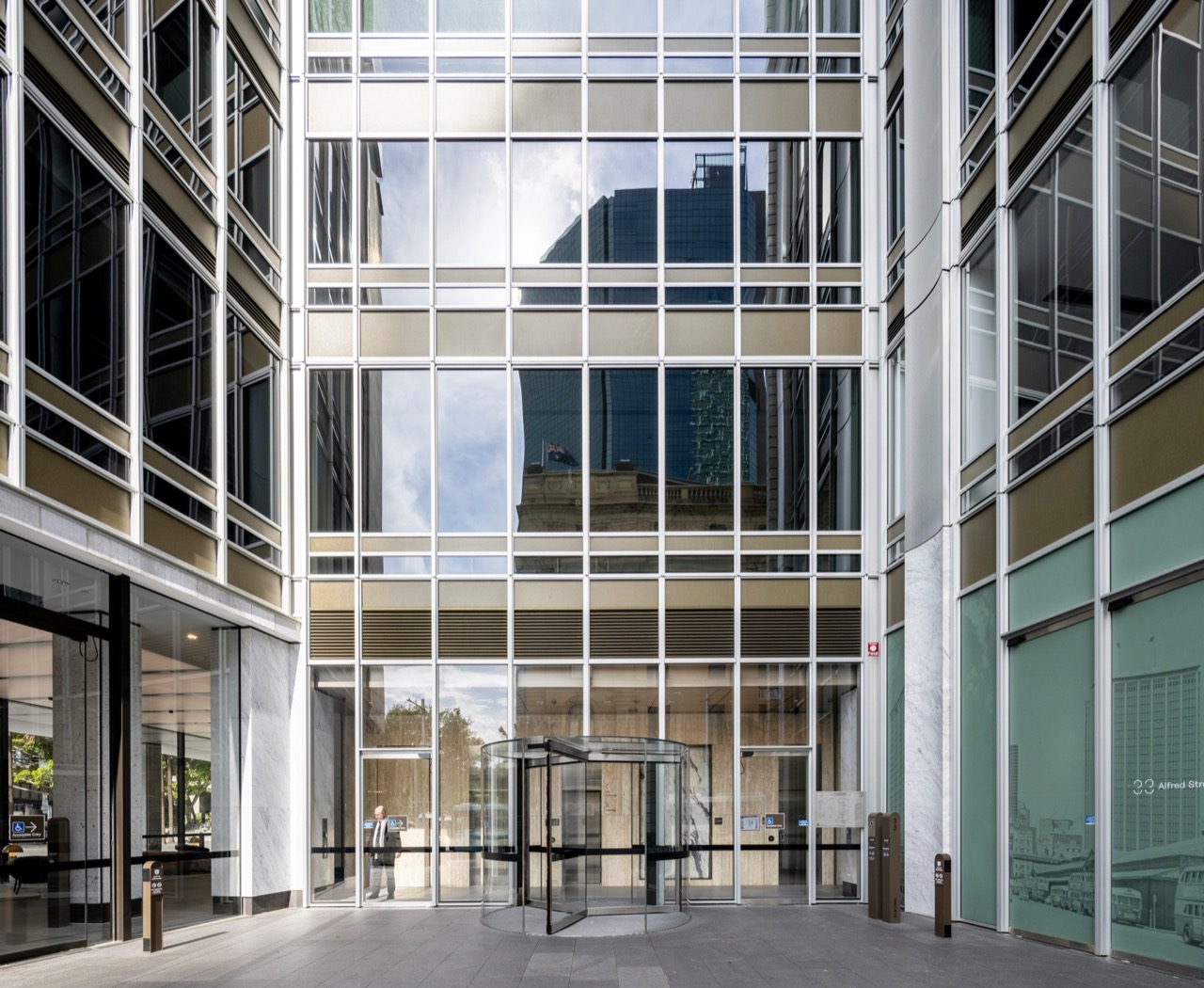
3.What changed is the skin. The curtain wall came off entirely and roughly 5,000 new panels went on, each 3.8 metres high and 1.2 metres wide. Architects Johnson Pilton Walker (JPW), builder Built.
4.The east and west flanks are tiled. Tichelaar, the oldest ceramics works in the Netherlands, hand glazed and fired 75,782 tiles for them. The 1962 walls were white tile too. Nothing was substituted here. The same material was simply made again, six decades on.
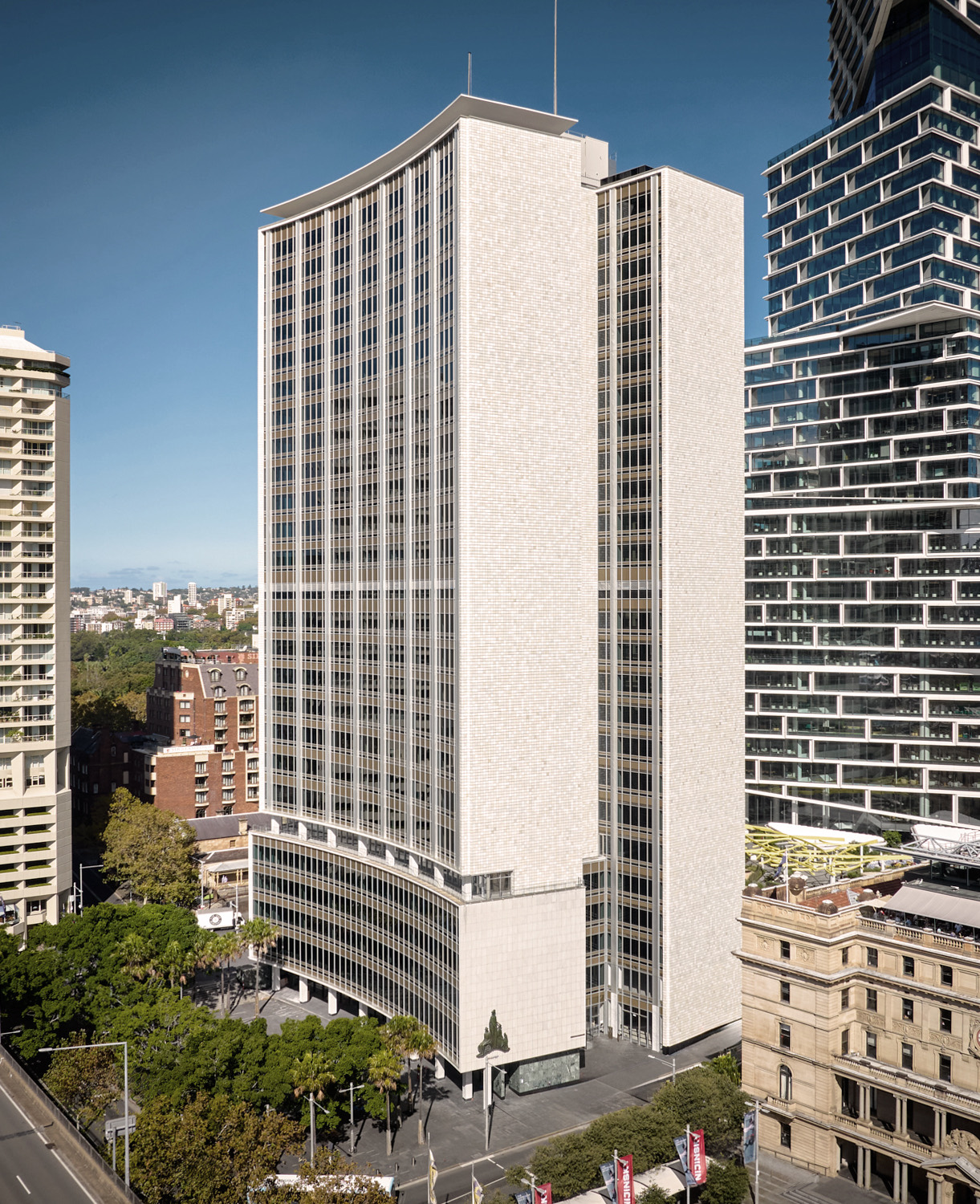
5.Hand applied glaze varies slightly from tile to tile. Stack 75,000 of those variations and the wall reads as blotches up close and as one white plane from across the water. A factory tile cannot do that. This face has taken salt wind off Sydney Harbour for more than sixty years, which is not a wall to experiment on.
6.One system was kept and not touched. The seawater cooling installed in 1962 drew harbour water to dump heat, the first plant of its kind in Australia. Rather than strip it out, the works overhauled it and put it back into service. On the roof, 80kW of solar and a rainwater tank are new.
7.The reason it was not demolished sits in the lease documents. A B grade office in the Sydney CBD collects its face rent and then hands roughly half of it back as incentive. In the first quarter of 2026 incentives ran at 50.0 per cent for B grade, 48.0 per cent for A grade and 47.0 per cent for Premium.
8.Three percentage points looks like nothing, but the starting face rent differs by grade before any of that is deducted. For an ageing building there is really only one way to lift rent, and that is to swap the grade. This one went from B straight past A to Premium.
9.Net lettable area is about 31,000 square metres. Divide A$200 million by that and the works cost A$6,450 per square metre, or roughly KRW 20.3 million per pyeong. That is not the price of raising a frame. It is the price of hanging a new skin and new services on a frame already standing.
10.The number looks steep until you price the alternative. The developers say the works came in 20 to 30 per cent below the cost of demolishing and rebuilding the same building, and that keeping the structure cut embodied carbon by 75 per cent.
11.Prime net effective rent in Sydney ran at A$840 per square metre a year in the first quarter of 2026. Fill 31,000 square metres at that rate and the building takes A$26 million a year, roughly KRW 24.7 billion. Set against the refurbishment cost alone, that is 7.7 years.
12.Land value and the book value of the existing building are excluded, so this is not a return on investment. What did happen at that speed was the leasing. 93 per cent was gone by reopening, with the law firm Allens taking the top nine floors outright.
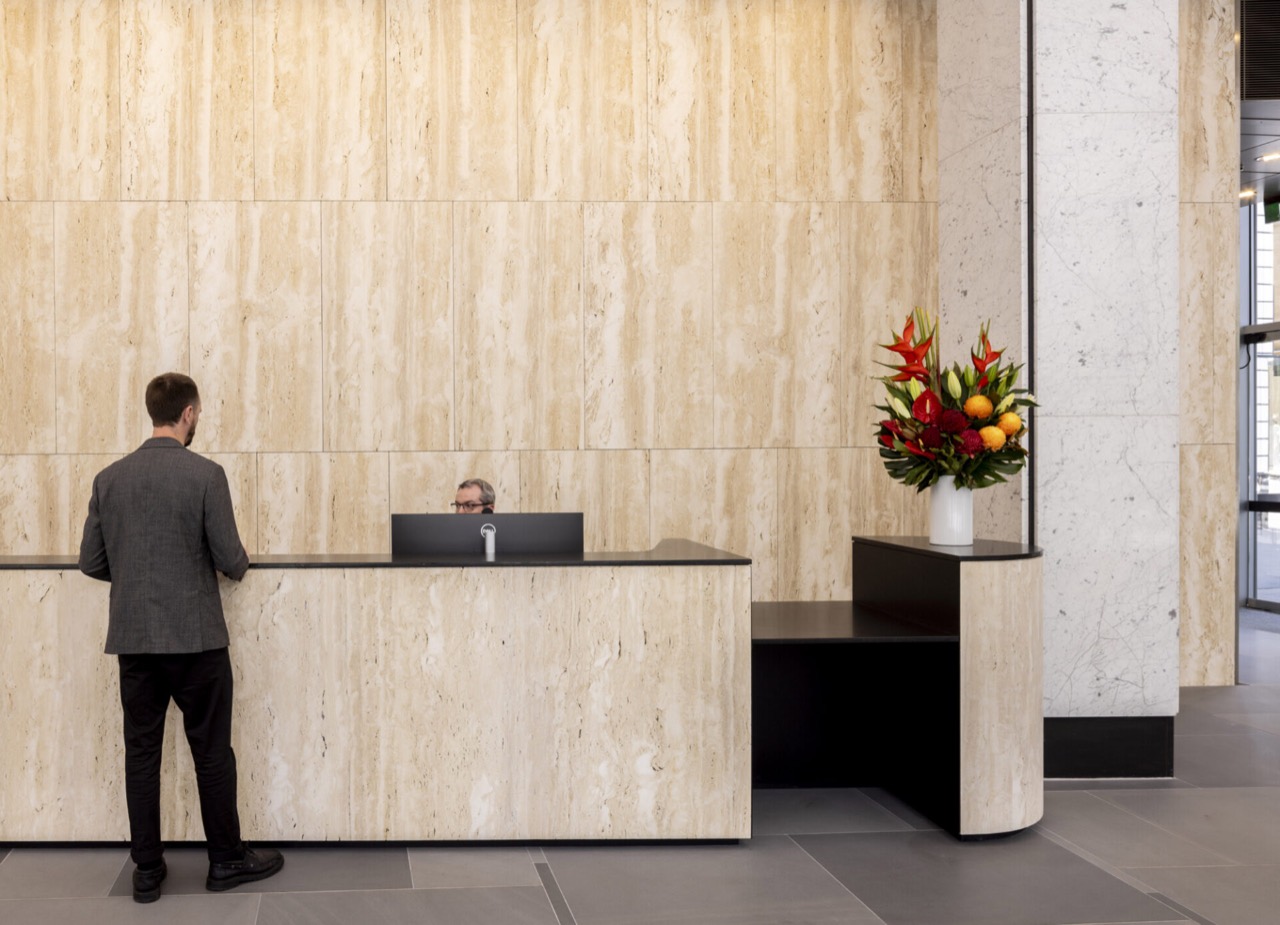
13.Part of why the market absorbed it is that nothing else is coming. Not one new office building completes in the Sydney CBD in 2026, and Premium vacancy sits at 8.9 per cent, the tightest of any grade. Demolish and rebuild and those three years would have been spent watching.
14.There is a second precedent on the same waterfront. One street away at 50 Bridge Street, Quay Quarter Tower opened in 2022, built by keeping 65 per cent of the floors and columns and 95 per cent of the core of the 1976 AMP Centre and growing it to 49 storeys. The architects of that 1976 building were also Peddle, Thorp & Walker. Two towers by one practice, raised in the sixties and the seventies, and a later generation decided to keep them both.
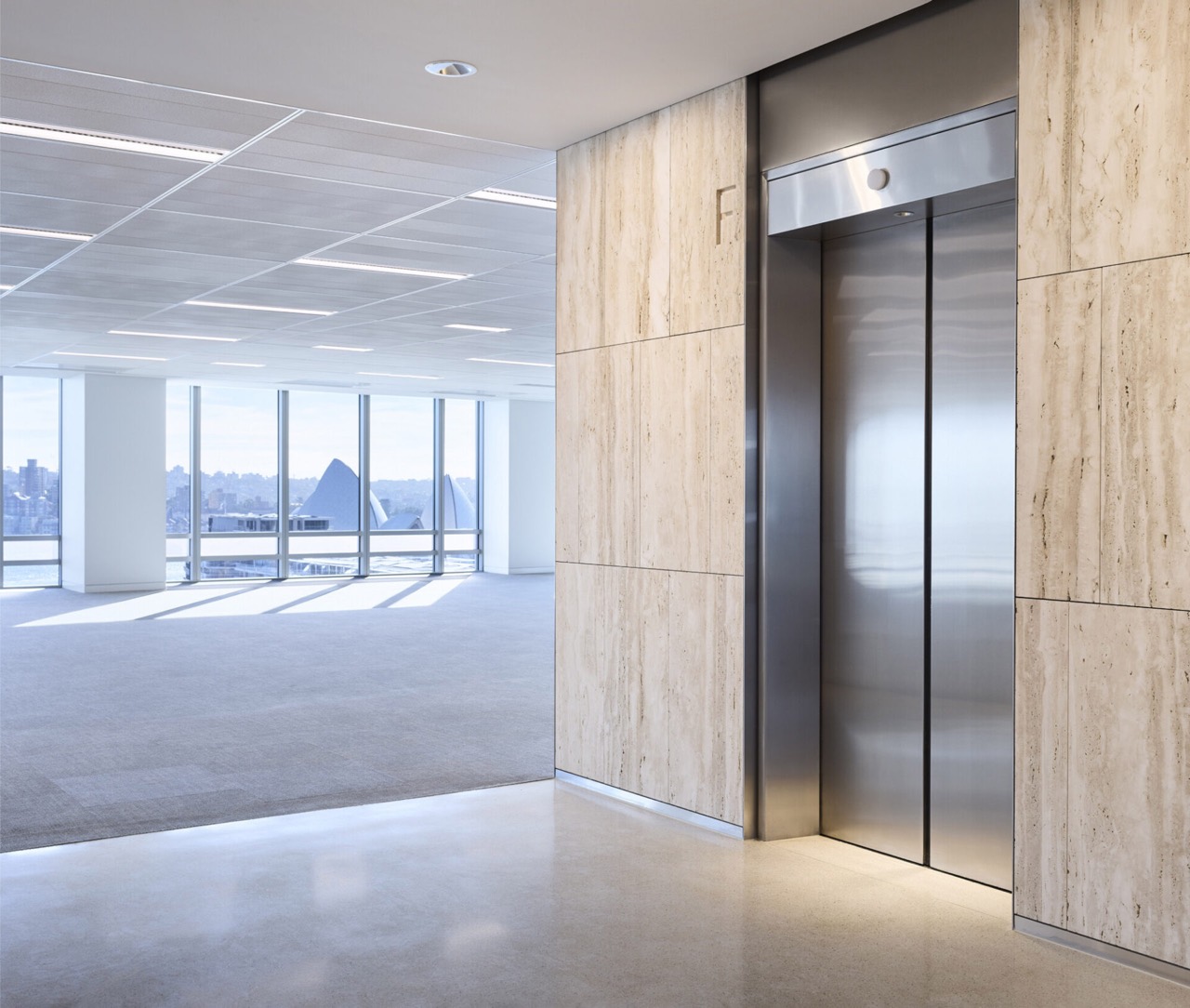
15.A 26-storey building from 1962 had fallen to B grade, and its owners spent A$200 million bringing it back as Premium without demolishing it. Keeping the structure saved 20 to 30 per cent of the build cost. Anyone attempting this in Korea runs first into the review committee. A building more than fifteen years past occupancy approval can win relief on site coverage, floor area ratio, height and daylight rules, and inside a designated district where more than 60 per cent of stock is ageing, floor area can grow by up to 30 per cent. How much relief, though, is only known once the committee has ruled. Sydney ran its money against a fixed three year programme. In Korea the loan terms have to be set while the added area and the construction cost are still open questions. In a downtown Seoul where 78 per cent of stock is more than ten years old, until that order reverses, tearing down will keep being the faster route.