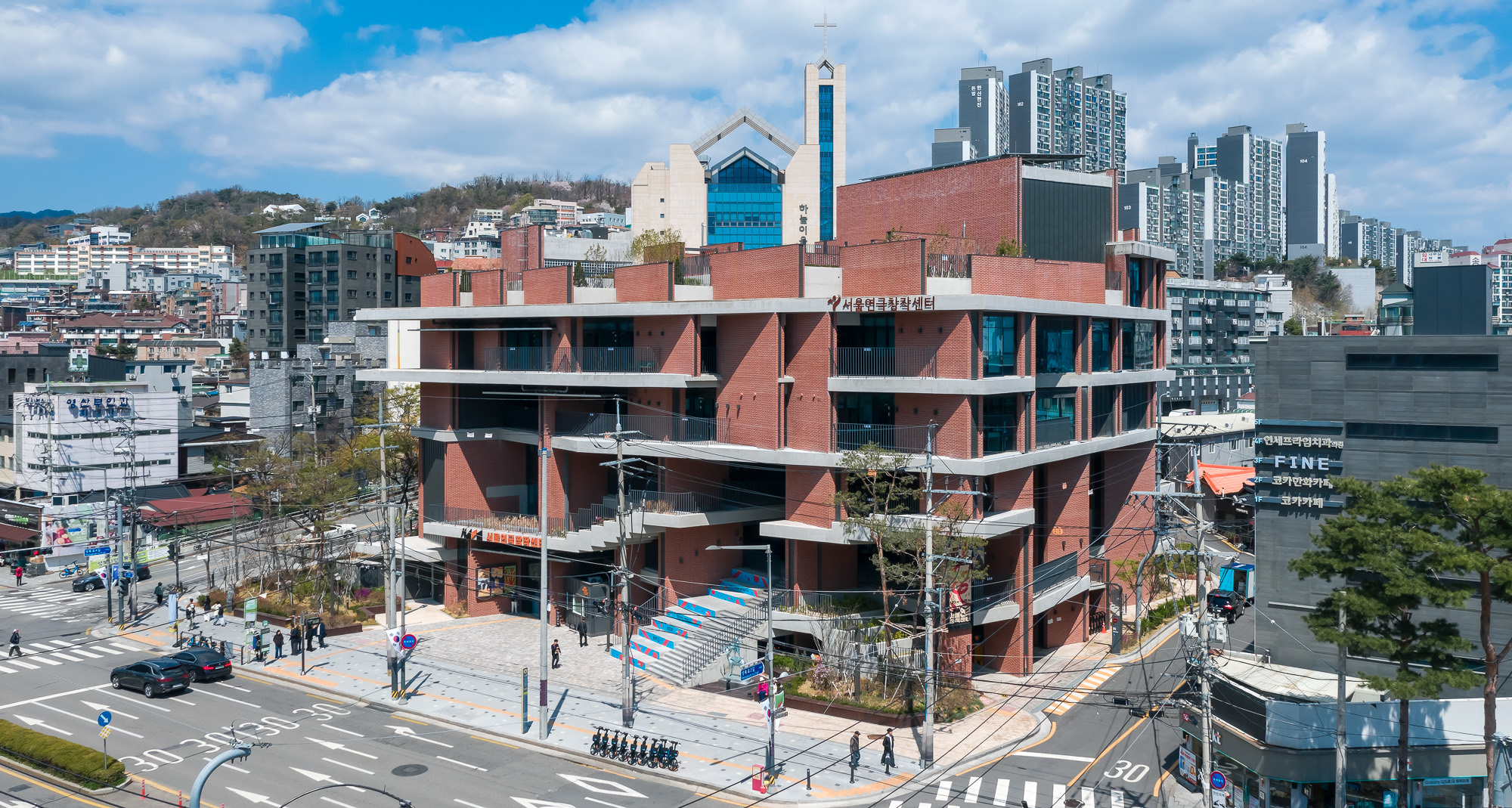
In front of Hansung University Station, one stop from Daehak-ro, the city of Seoul spent KRW 34.8 billion (about USD 25 million) on a creation center built only for theater. This year it won an Excellence Award at the Seoul Architecture Awards. Two theaters, rehearsal rooms and offices for theater companies are stacked in one building, and the rental fees are set at less than half of what private small theaters charge.
1.At the 44th Seoul Architecture Awards, announced on July 22, the Seoul Theater Creation Center received an Excellence Award, and the ceremony was held in September during the Seoul Architecture Festival. The building stands outside Exit 6 of Hansung University Station on Line 4. That is the edge of Seongbuk-dong, one stop from Daehak-ro at Hyehwa Station. It opened on March 20, 2025, and the Seoul Foundation for Arts and Culture runs it. The city paid the full KRW 34.8 billion construction cost, and Seongbuk-gu District gave its own land for free.
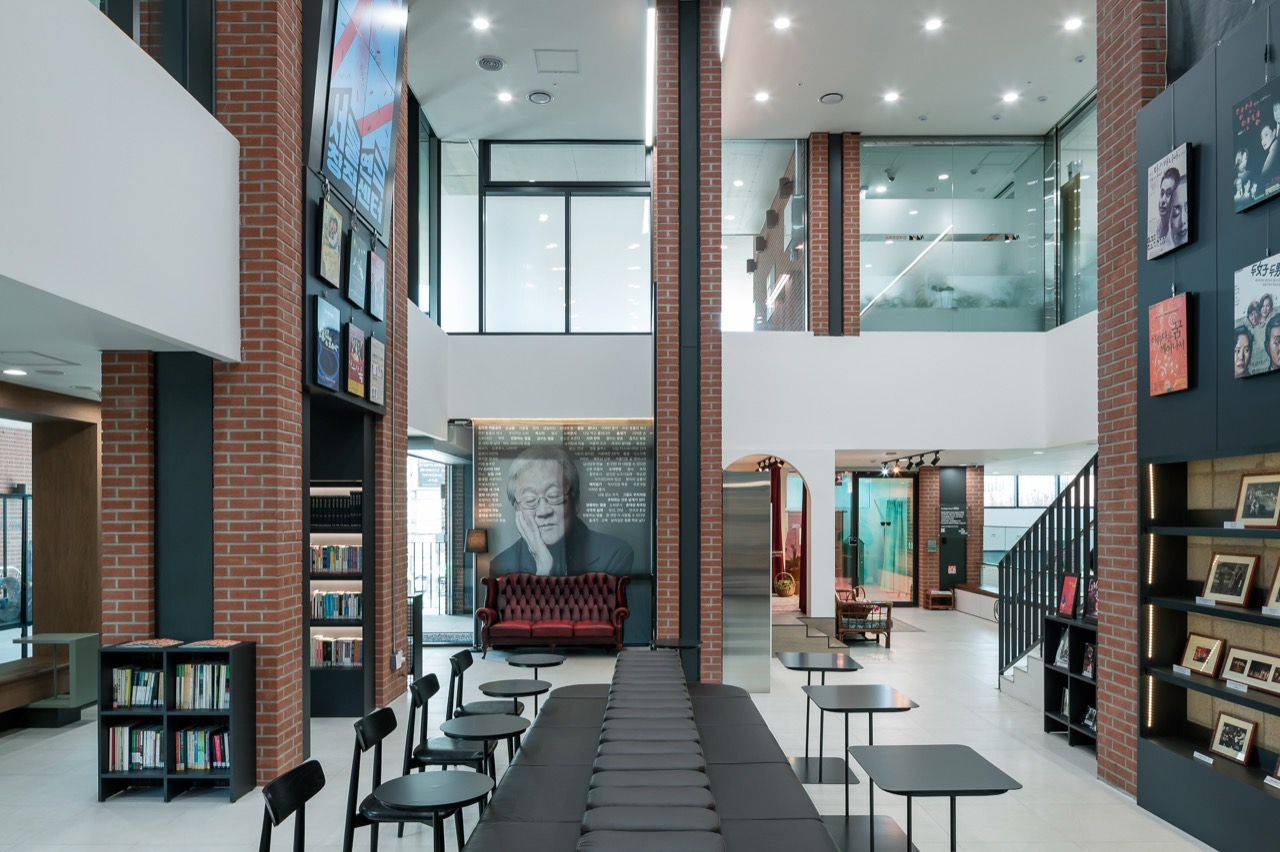
2.A 2,760 m² site (about 835 pyeong) carries two basement levels and six floors above ground, about 7,250 m² in total (about 2,190 pyeong). Inside are a 150-seat black box theater, the 202-seat proscenium theater Seoul Theater 202, rehearsal and dressing rooms, and 12 offices for theater companies. On the sixth floor, Restage Seoul collects costumes and props from finished productions and lends them to the next company. The path a play takes from script to stage to storage is stacked vertically in one building.
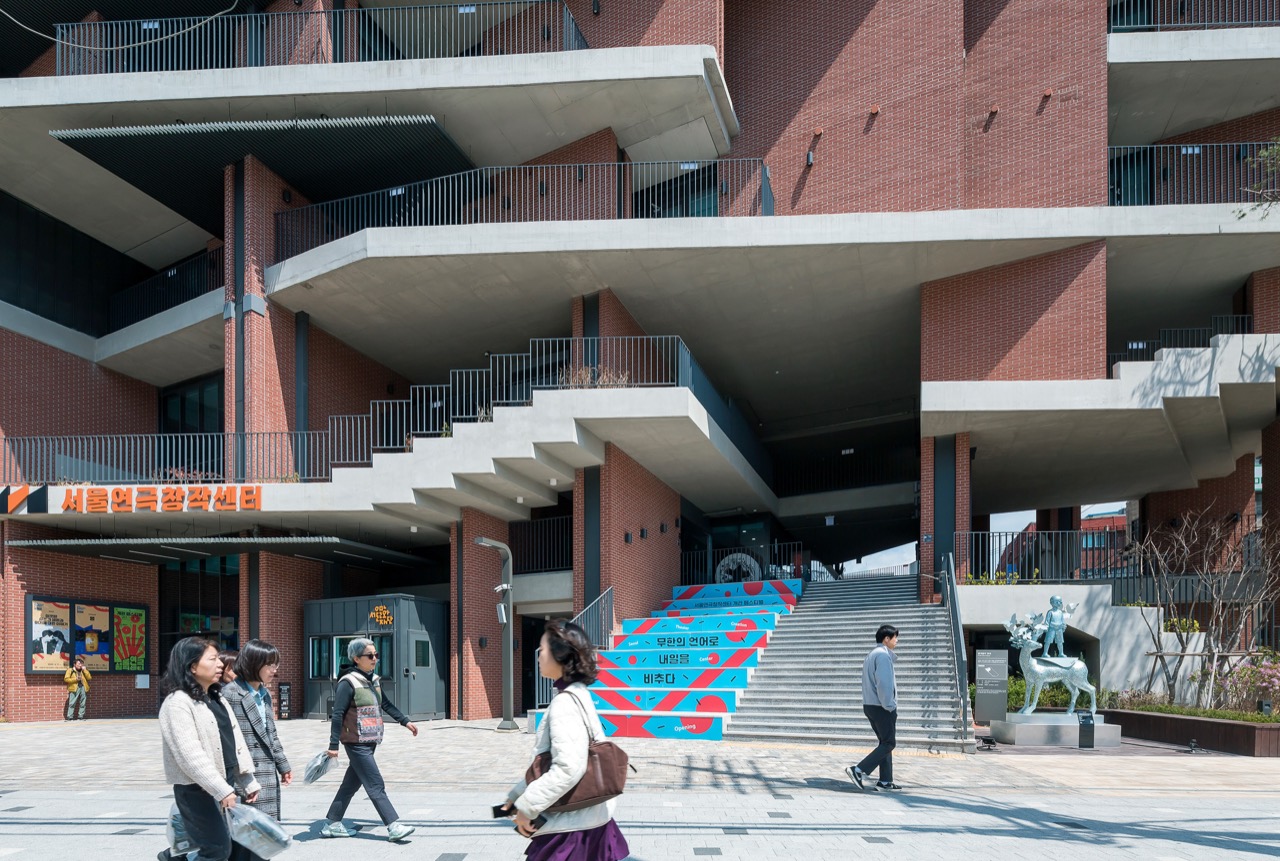
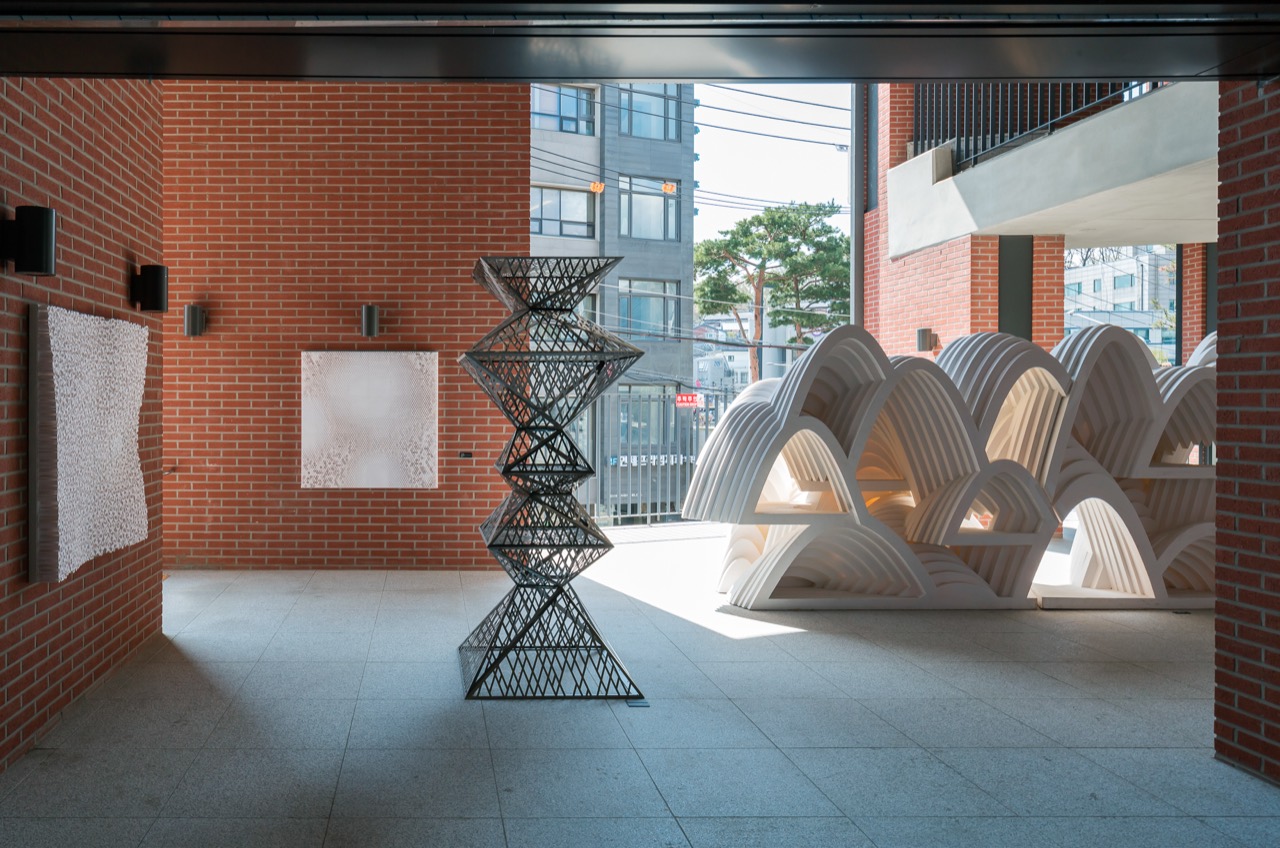
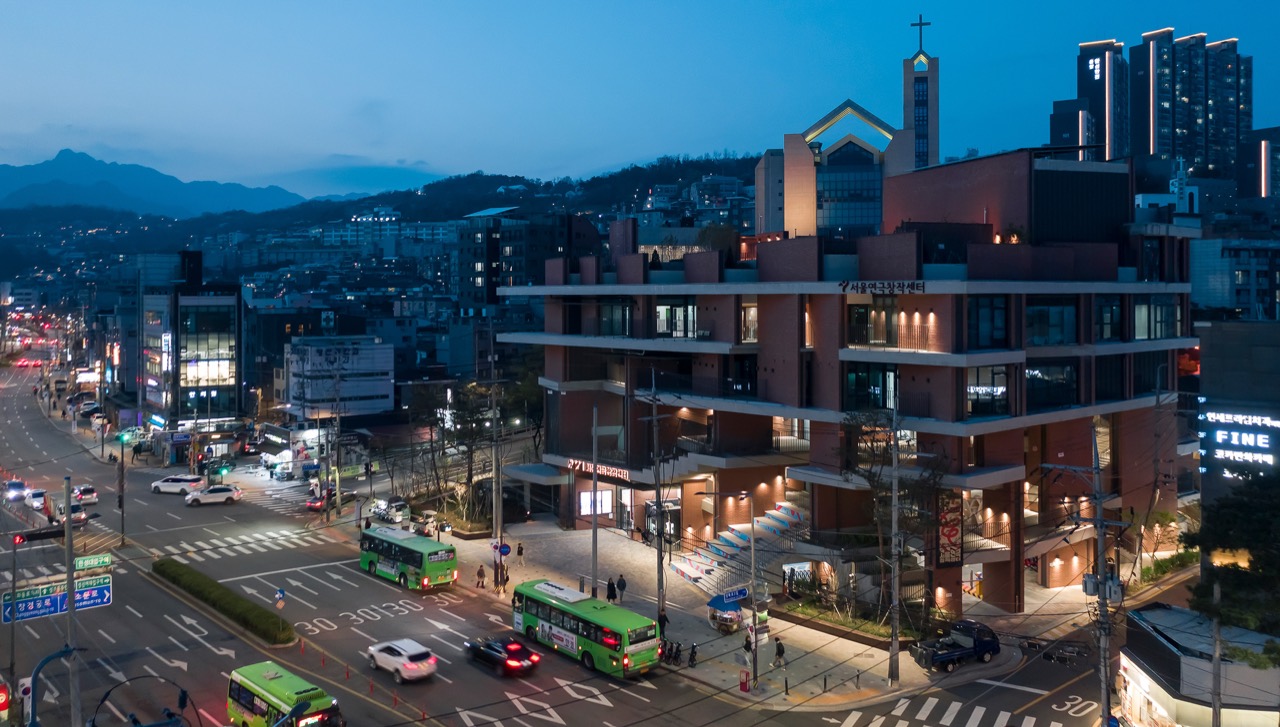
3.The design came from UnSangDong Architects, winner of an international competition in 2017. The concept is called Thousand Walls. Red brick walls stand in overlapping layers, and the gaps between them hold stairs and courtyards. The site slopes to one side, and that change in level lets people walk in from outside on almost every floor from the first to the sixth. The top is a rooftop park that can host outdoor performances.
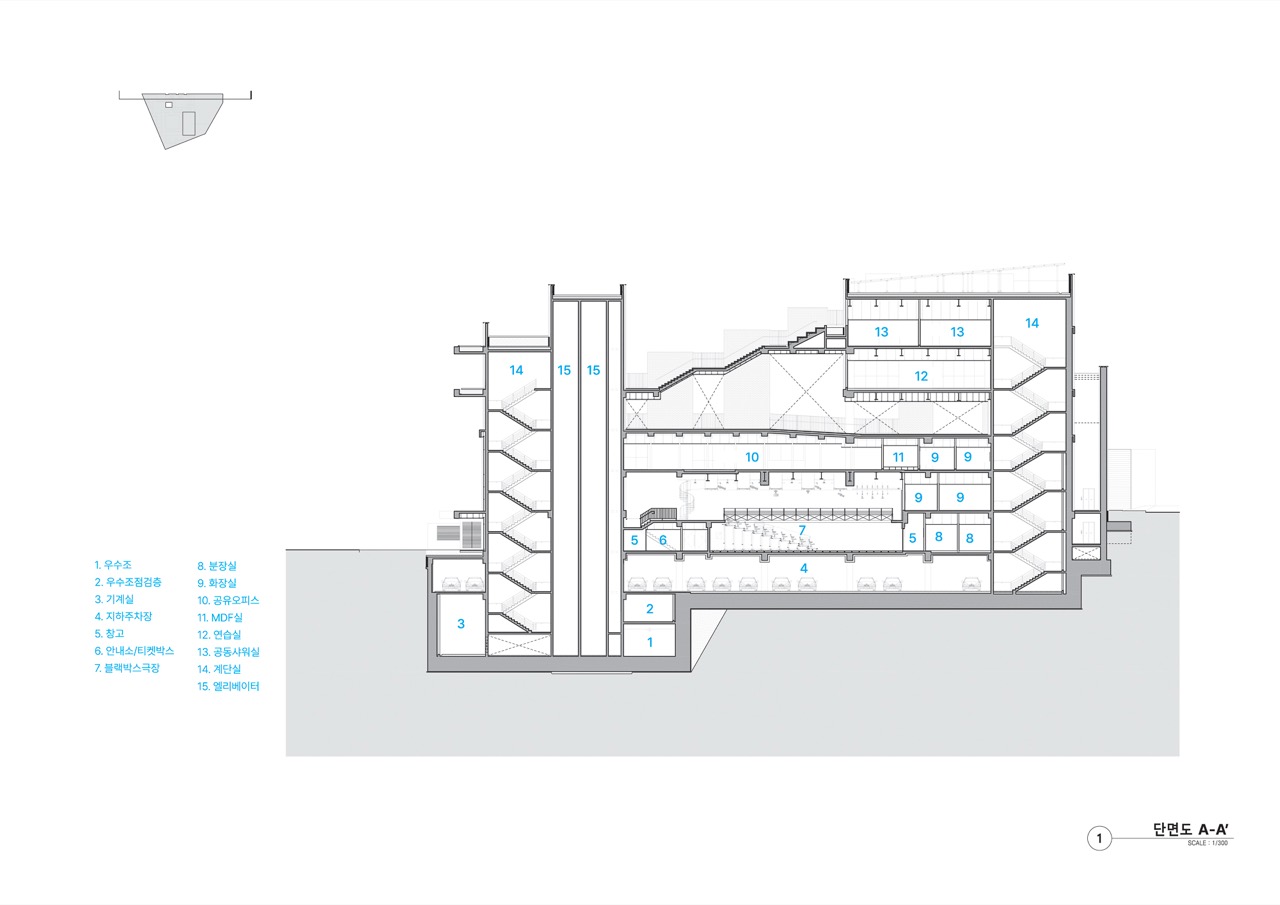
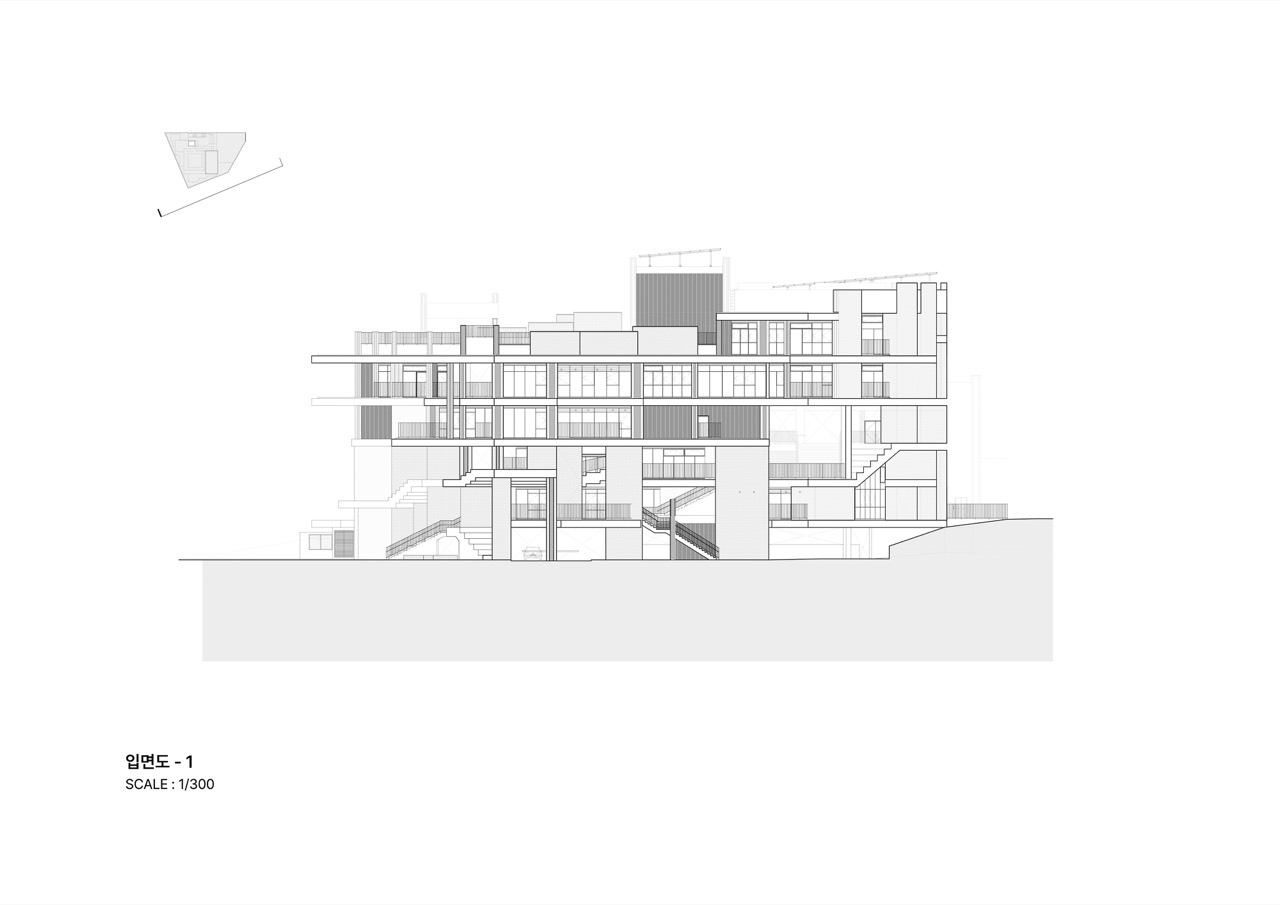
4.Cut a section and the theater turns out to be half underground. The black box sits at the low end of the slope, and shared offices, rehearsal rooms and a shared shower room are stacked on top. Rooms with heavy stage equipment and loud sound go below; rooms the companies use every day go above. The structure is steel-reinforced concrete, and the exterior is finished in three materials: red brick, exposed concrete and zinc.
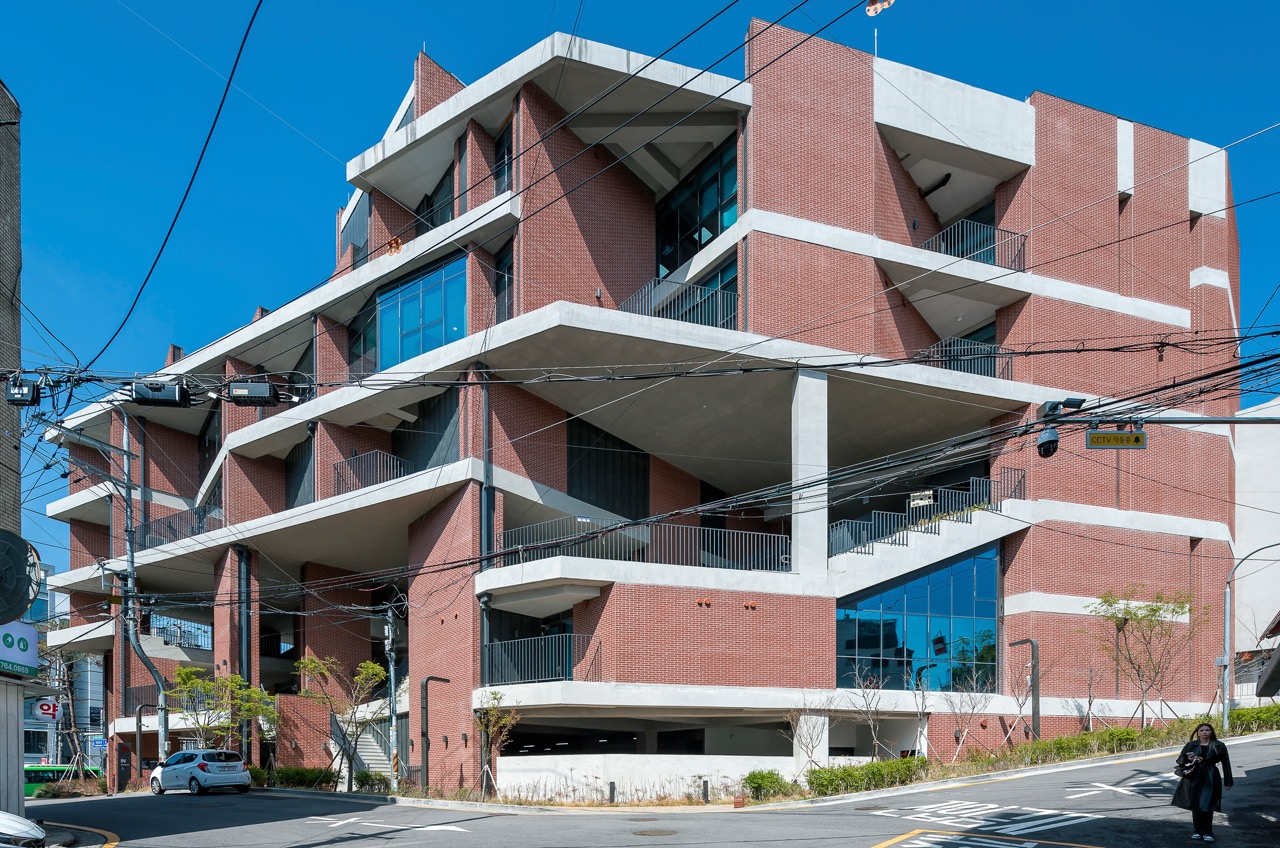
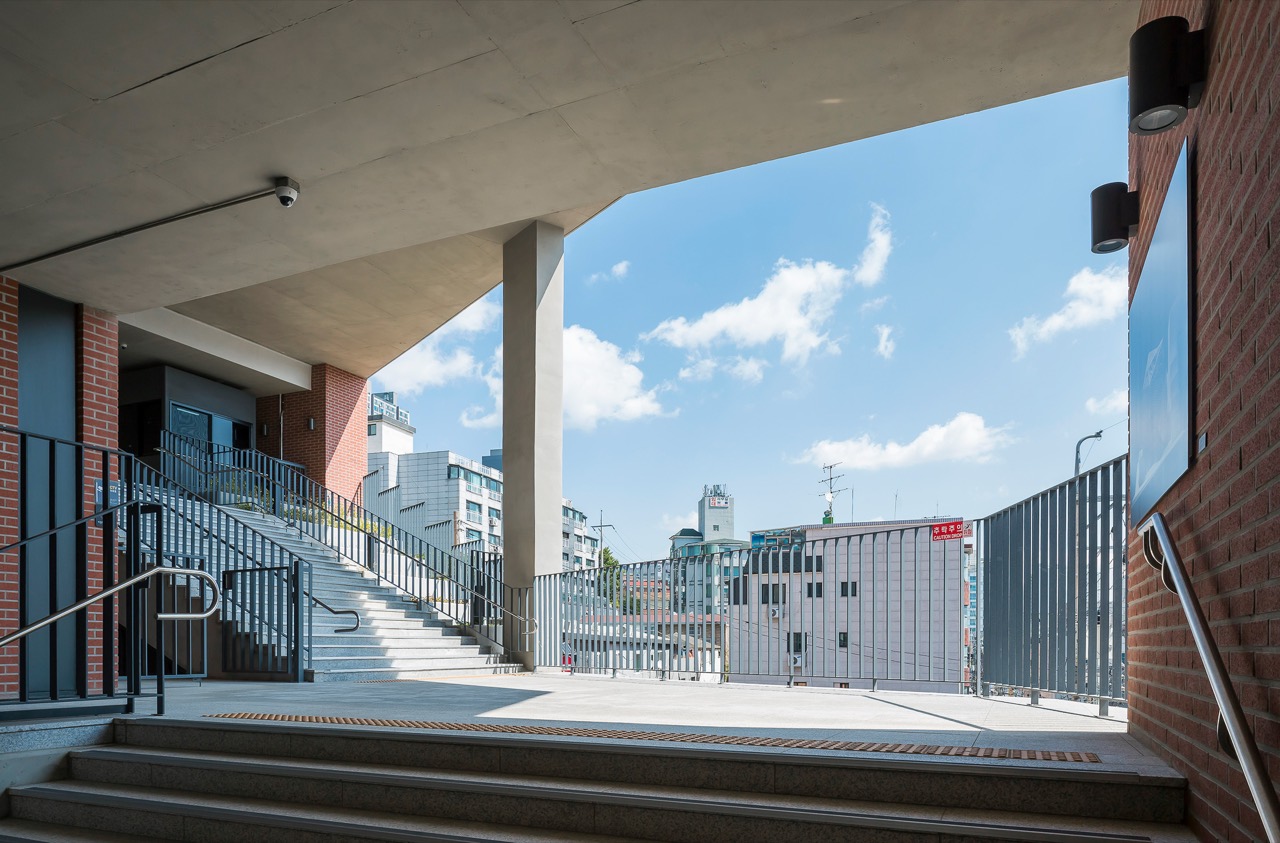
5.The brick runs horizontally along its mortar joints, and on every floor a thick concrete slab cuts that line. Because the slabs project past the walls, the afternoon sun leaves the base of each wall in shadow and only the lit brick stays red. Climb the stairs to the end and the sky opens in a rectangle under a concrete ceiling. A theater building easily becomes a locked box on days with no show. This one gives its stairs and roof to the street, so people keep climbing it in daylight.
6.Daehak-ro holds 141 small theaters with fewer than 300 seats, 45% of all the small theaters in Seoul. A 2023 report said the number around Daehak-ro had fallen from close to 200 to about 130. In 2020, when COVID-19 cancelled show after show, months passed with no bookings and rent still due, and some theaters closed. Into a neighborhood where more people close theaters than open them, the public sector added two.
7.Money in Daehak-ro starts with the landlord. Reports put rent for a theater of 200 seats or fewer at a KRW 100 million deposit plus KRW 5 million a month, with prime spots above KRW 10 million a month. When the theater owner's rent rises, so does the fee a company pays the theater: KRW 500,000 to 800,000 a day. Daehak-ro is also known as a rare area where basements rent for more than street-level floors, because small theaters pay a premium to lease them.
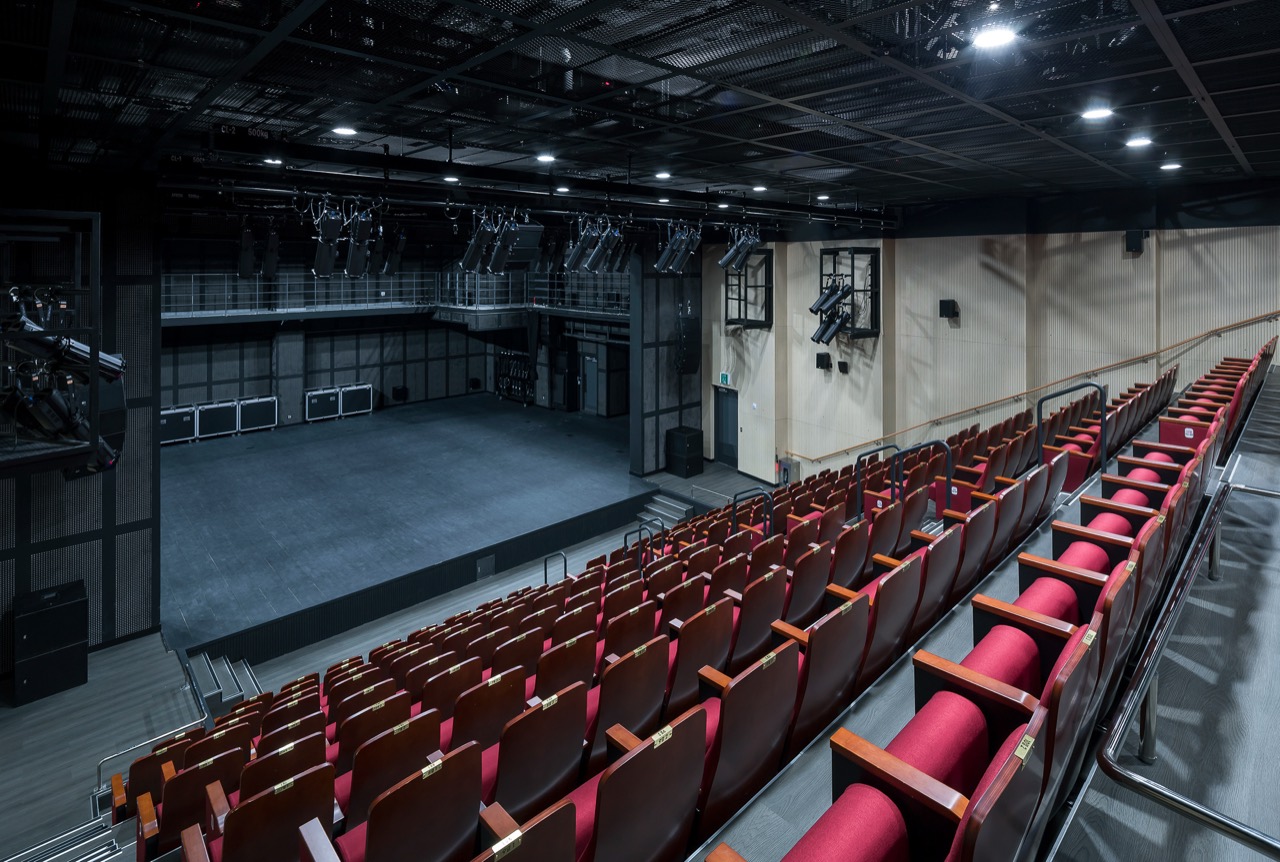
8.This year's regular rental fee for Seoul Theater 202 is KRW 250,000 per performance, counted from two hours before curtain to the end, up to four hours. Set-up and rehearsal days cost KRW 330,000 each, with VAT and equipment charged separately. Three set-up days plus 18 shows over three weeks comes to about KRW 5.49 million. The same 21 days at a private small theater would cost KRW 10.5 to 16.8 million (estimate). That is between a third and a half of the private rate.
9.The company offices are priced the same way. Twelve rooms of 14 to 25 m² rent for KRW 169,000 to 301,000 a month, including electricity, water, gas, Wi-Fi, desks and even air purifiers. Leases run three months, six months or one year, and one group can hold up to two rooms on a long lease. Go downstairs from the office and you reach the rehearsal room; further down is the theater. A company can plan its whole year inside this building.
10.From the operator's side the numbers look very different. Divide KRW 34.8 billion by the floor area and it comes to about KRW 4.8 million per m², or about KRW 15.9 million per pyeong, with nothing spent on land. The rental period in this year's notice for Seoul Theater 202 is a little over 170 days once closing days are removed. Even booked at KRW 300,000 every day, that brings in around KRW 50 million a year. Both theaters and all 12 offices together would likely earn around KRW 100 million a year in rent (estimate). Could rental fees ever pay for the building? At just 3% a year, the KRW 34.8 billion construction cost is worth KRW 1 billion annually.
11.When price does not filter, review does. The center's two theaters take plays only, no musicals. Applications are scored 40 points for fit with the center's purpose, 30 for benefit to the theater scene and 30 for how concrete the plan is. This year's regular rentals cover March to mid-September and December; the other months go to the foundation's own programs. The cheap theater is paid for in paperwork and scheduling, not money.
12.Did it go to plan? When the design was chosen in 2017, completion was promised for 2021, later pushed to 2022. The building was finished in 2024 and opened in spring 2025. At the announcement the theaters were a 250-seat main house and a 200-seat black box; the ones built have 202 and 150 seats. Seats were cut, but the rehearsal rooms, offices and shared storage next to the theaters stayed. Backstage was protected over the auditorium.
13.Red brick is the old face of Daehak-ro. From the late 1970s, Kim Swoo-geun's Arko Art Center, Arko Arts Theater and the Samtoh building laid red brick along this street. If Kim's brick buildings were thick, closed masses, UnSangDong split the same brick into many separate walls. Same material, but the gaps between walls became paths.
14.Private small theaters in Daehak-ro go down into expensive basements and hide. This center buries its black box but opens its stairs all the way to the roof, turning its face to the street. Its location is not the heart of Daehak-ro either but one stop out, where the road turns into Seongbuk-dong. The public theater stands not in front of Hyehwa Station, where rent pressure is strongest, but at an edge where the district already owned land.
15.With KRW 34.8 billion from the city and land from Seongbuk-gu, one stop outside Daehak-ro, theaters, rehearsal rooms and company offices were stacked into one building. A three-week run costs about KRW 5.49 million in rental fees, less than half the private rate, and taxes, not rental income, cover the gap. A small theater handed over as a public contribution in a private development would not reach this price. It needs a separate operator that charges no rent and never recovers the construction cost; here that role fell to free district land and the arts foundation's budget. For anyone trying the same thing in Korea, the first obstacle is not the design but who pays for the land and the running costs.